Yoga Gym Classes: Boosting Wellness for Busy Lives
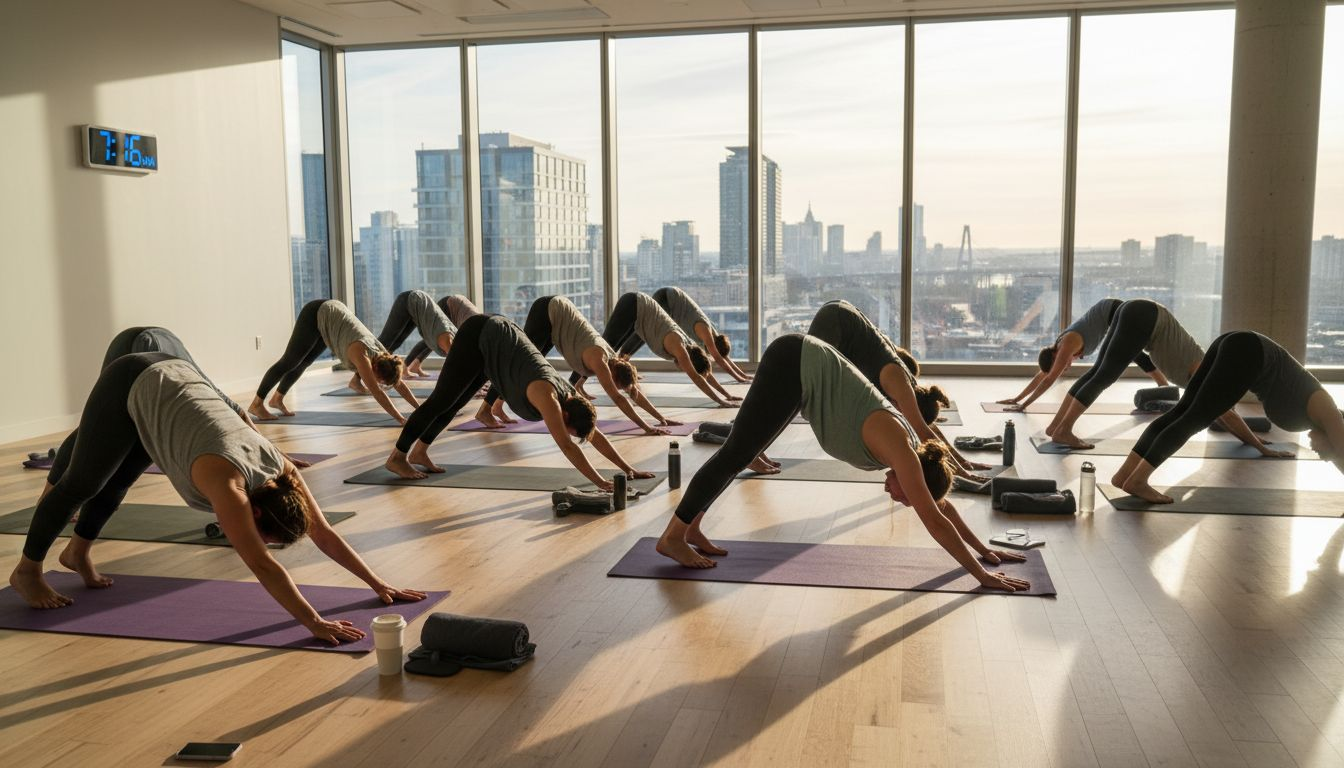
Long days at the office can leave even the most dedicated Philadelphia professionals feeling drained and disconnected. The search for a low-impact exercise that offers physical wellness and mental clarity is more important than ever. Yoga gym classes are often misunderstood as simple stretching or fitness routines, yet this practice holds deeper benefits, supporting stress relief and emotional balance. Discover how thoughtfully chosen yoga sessions in your community can fit your schedule and help restore both body and mind.
Table of Contents
Key Takeaways
| Point | Details |
|---|---|
| Yoga is More Than Exercise | Yoga combines physical, mental, and spiritual elements, yet many gym classes focus only on physical postures. Understanding the holistic approach can enhance practice. |
| Diverse Yoga Styles Available | Various yoga styles cater to different fitness and wellness needs, from intense workouts to gentle stretching. Select a style that aligns with personal goals. |
| Yoga Benefits for Professionals | Consistent yoga practice reduces stress, improves posture, and enhances mental clarity, supporting overall workplace wellness. Incorporate short sessions into the workday for maximum benefits. |
| Injury Prevention is Key | Awareness of common injury risks and proactive strategies can help maintain a safe practice. Always communicate pre-existing conditions to instructors and progress gradually. |
Yoga Gym Classes Defined and Misunderstood
Yoga gym classes represent a modern evolution of an ancient practice, transforming spiritual discipline into a fitness-oriented experience. Understanding the historical roots of yoga reveals a complex journey from meditative tradition to contemporary wellness approach.
Contrary to popular belief, yoga is not merely a physical exercise routine. It originated as a holistic practice integrating mental, spiritual, and physical dimensions. Most gym classes today focus predominantly on physical postures, which represents only one aspect of the traditional yogic system. This narrow interpretation has led to several common misconceptions about what yoga truly entails.
Key misunderstandings about yoga gym classes include:
Physical Performance: Many practitioners view yoga solely as a fitness activity
Spiritual Disconnect: Modern classes often minimize meditative and philosophical components
One-Size-Fits-All Approach: Different yoga styles have unique purposes and benefits
Superficial Practice: Reduced emphasis on breath control and mindfulness
The diversity of yoga styles means that no two classes are identical. Some focus on intense physical movement, while others prioritize gentle stretching, meditation, or spiritual connection. Yoga styles vary significantly in their approach and intended outcomes, making it crucial for practitioners to understand what they're seeking.
Pro tip: Before selecting a yoga gym class, research the specific style and instructor to ensure it aligns with your personal wellness goals and physical capabilities.
Key Yoga Styles and Class Formats
Yoga encompasses a rich tapestry of styles designed to meet diverse fitness and wellness needs. Different yoga approaches address unique wellness goals, ranging from gentle stretching to intense physical workouts. Understanding these variations helps busy professionals select the most appropriate class for their lifestyle and fitness objectives.
The primary yoga styles can be categorized based on their intensity, focus, and philosophical underpinnings. Key styles include:
Hatha Yoga: Gentle, foundational practice combining breathing and postures
Vinyasa: Dynamic flow connecting movement with breath
Ashtanga: Physically demanding style with rapid posture transitions
Bikram/Hot Yoga: 26 specific poses performed in heated environments
Iyengar: Emphasizes precise alignment and prolonged pose holds
Kundalini: Focuses on breath work and energy awakening
Philosophical Dimensions: Yoga's deeper paths extend beyond physical practice, encompassing intellectual, emotional, and spiritual dimensions. Traditional categorizations include Karma Yoga (action-based), Gnana Yoga (intellectual), Bhakti Yoga (devotional), and Kriya Yoga (energy transformation). Modern gym classes often blend these approaches, creating hybrid experiences that cater to contemporary wellness needs.
For busy professionals, selecting the right yoga style involves understanding personal fitness goals, physical limitations, and time constraints. Some styles offer quick, intense workouts, while others provide more meditative, restorative experiences.
Here's a quick reference comparing leading yoga styles for busy professionals:
| Yoga Style | Typical Intensity | Main Focus | Best For |
|---|---|---|---|
| Hatha | Gentle | Balance & flexibility | Beginners, relaxation |
| Vinyasa | Moderate | Movement with breath | Cardio, energy boost |
| Ashtanga | High | Strength, endurance | Advanced, fitness gain |
| Bikram / Hot Yoga | Moderate/High | Detox, sweat, stamina | Heat adaptation |
| Iyengar | Low/Moderate | Alignment, precision | Injury recovery |
| Kundalini | Varies | Breath, energy work | Mind-body connection |
Pro tip: Experiment with multiple yoga styles to discover the practice that best matches your physical and mental wellness requirements.
Physical and Mental Benefits for Professionals
Workplace wellness strategies reveal yoga as a powerful tool for professionals seeking holistic health improvements. Beyond traditional exercise, yoga offers a comprehensive approach to managing the physical and mental challenges of demanding careers, addressing stress, productivity, and overall well-being.
The physical benefits for professionals include:
Stress Reduction: Lowering cortisol levels and promoting relaxation
Pain Management: Alleviating neck and low-back pain from sedentary work
Improved Flexibility: Counteracting effects of prolonged sitting
Enhanced Posture: Strengthening core muscles and alignment
Increased Energy: Boosting metabolism and reducing fatigue
Mental Health Advantages: Yoga provides profound psychological benefits critical for professional success. Workplace wellness programs demonstrate significant mental resilience improvements, helping professionals manage anxiety, enhance emotional regulation, and maintain mental clarity under high-pressure environments. Regular practice supports cognitive function, concentration, and emotional stability.
Professionals can expect comprehensive wellness outcomes from consistent yoga practice, including improved sleep quality, reduced workplace stress, and enhanced overall performance. The integration of physical movement, breathwork, and mindfulness creates a holistic approach to personal and professional development.

Pro tip: Schedule short yoga sessions during workday breaks to maximize mental reset and physical rejuvenation.
Choosing Classes That Fit Your Schedule
Yoga class selection strategiesrequire careful consideration of personal time constraints and wellness objectives. Busy professionals need flexible approaches that integrate seamlessly into demanding work schedules without creating additional stress or time pressure.
Consider these key factors when selecting yoga classes:
Class Duration: Options ranging from 5-90 minutes
Scheduling Flexibility: Morning, lunch, evening, and weekend classes
Online vs. In-Person: Virtual and studio-based alternatives
Skill Level: Beginner, intermediate, and advanced offerings
Intensity: Low-impact to high-energy workout styles
Practical Scheduling Strategies: Yoga programs offer adaptable practice options that accommodate varied professional lifestyles. Some studios provide condensed 30-minute lunch break sessions, while others offer early morning or late evening classes for professionals with unpredictable schedules. Many now include hybrid models combining in-person and virtual participation.
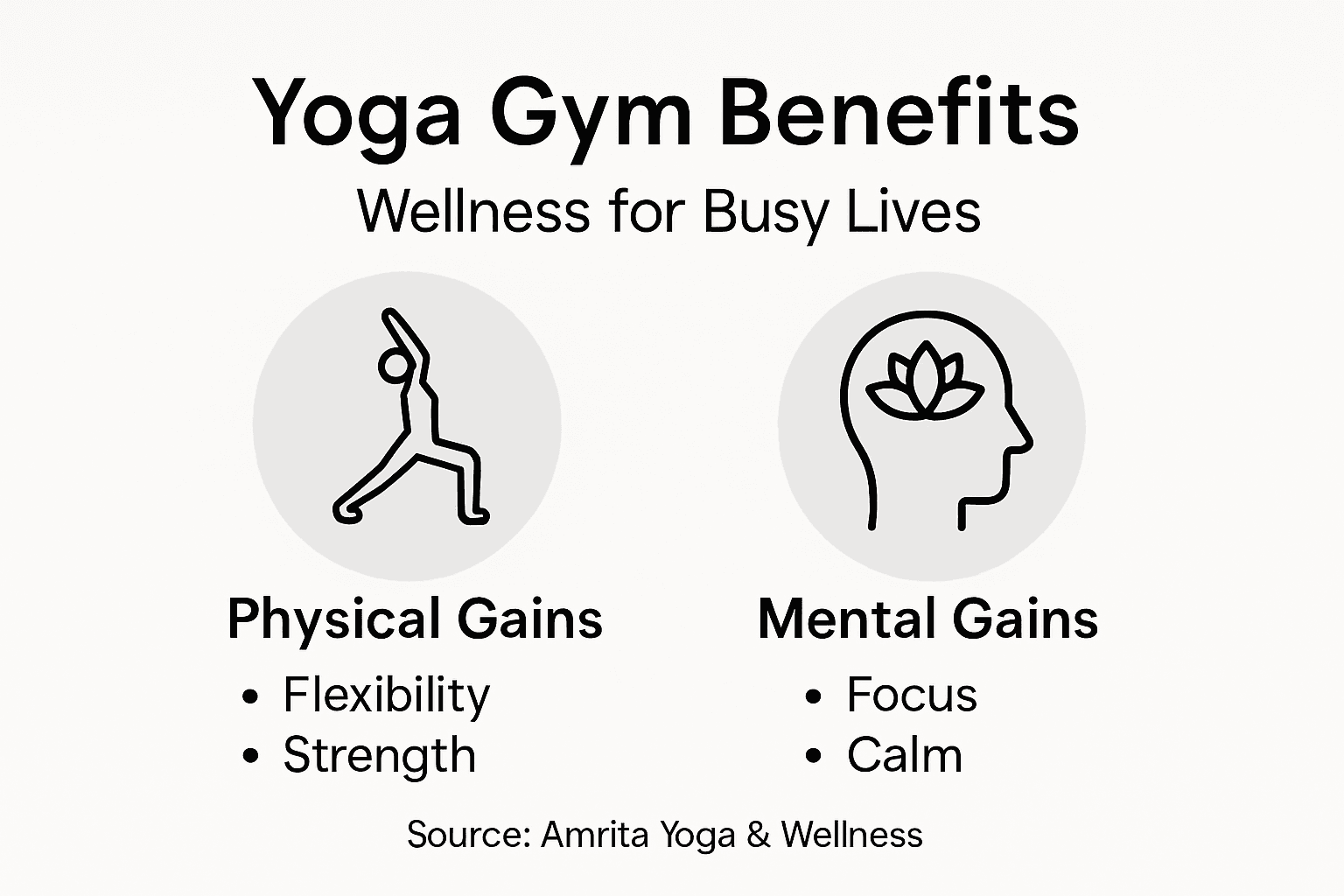
Effective class selection involves understanding personal energy levels, work commitments, and fitness goals. Professionals should prioritize classes that provide maximum benefit with minimal time investment, focusing on programs that offer comprehensive wellness approaches without overwhelming existing schedules.
Pro tip: Map out your weekly schedule and pre-book yoga classes to create accountability and ensure consistent practice.
Avoiding Common Pitfalls and Injuries
Yoga injury prevention requires strategic awarenessand mindful practice. Busy professionals must understand potential risks and implement proactive strategies to maintain safe, sustainable yoga practices that support their wellness goals without compromising physical health.
Common yoga-related injury risks include:
Muscle Strain: Overstretching beyond comfortable limits
Ligament Tears: Pushing poses without proper warm-up
Lower Back Injuries: Incorrect spinal alignment during twists
Wrist Stress: Improper weight distribution in arm balances
Joint Overextension: Forcing flexibility beyond natural range
Preventative Strategies: Yoga practitioners can minimize injury risks through careful preparation and mindful engagement. Critical prevention techniques involve selecting appropriate class levels, communicating existing health conditions with instructors, using proper modifications, and maintaining consistent body awareness during practice.
Professionals should prioritize gradual progression, listening to their body's signals, and avoiding competitive or ego-driven approaches to yoga practice. Understanding personal physical limitations and respecting individual flexibility boundaries are key to developing a safe, sustainable yoga routine that supports long-term wellness.
This table summarizes top injury risks and prevention tips for yoga practitioners:
| Risk Type | Common Cause | Prevention Tip |
|---|---|---|
| Muscle Strain | Overreaching in poses | Maintain gradual progress |
| Ligament Tears | Skipping warm-up routines | Warm up before practice |
| Lower Back Strain | Twists with poor posture | Focus on correct spinal technique |
| Wrist Stress | Incorrect weight placement | Strengthen wrists, use props |
| Joint Overextension | Forcing flexibility | Respect natural movement limits |
Pro tip: Always inform your yoga instructor about any pre-existing injuries or physical constraints before starting a new class.
Find Your Balance with Yoga Tailored for Busy Professionals
Feeling overwhelmed by the challenges of fitting holistic wellness into a hectic schedule is common for many professionals. This article highlights key struggles such as managing stress, avoiding injury, and identifying the right yoga style to match personal goals and physical capabilities. By embracing concepts like mindful breathwork, postural alignment, and flexible scheduling you can significantly boost both physical and mental well-being even amid a demanding career.
At Amrita Yoga & Wellness, we understand these challenges and offer a variety of accessible yoga gym classes designed specifically for busy lives. Whether you seek the calming focus of gentle Hatha sessions or the energizing flow of Vinyasa practice, our studio connects you with experienced instructors who prioritize safe, effective approaches tailored to your needs. Our class schedules and descriptions empower you to choose convenient times and styles that perfectly complement your lifestyle.
Start transforming your wellness routine today with a supportive community that values personal growth and balance. Visit Amrita Yoga & Wellness now to explore class options, sign up, and take the first step toward a healthier, more centered you.
Frequently Asked Questions
What are yoga gym classes?
Yoga gym classes are modern adaptations of traditional yoga practices, focusing primarily on physical postures while often minimizing the spiritual and mental components of yoga.
How can busy professionals benefit from yoga?
Busy professionals can benefit from yoga through stress reduction, pain management, improved flexibility, enhanced posture, and increased energy, promoting overall well-being in demanding work environments.
What are the different styles of yoga offered in gym classes?
Common yoga styles in gym classes include Hatha, Vinyasa, Ashtanga, Bikram/Hot Yoga, Iyengar, and Kundalini, each varying in intensity, focus, and purpose.
How can I choose the right yoga class for my schedule?
To choose the right yoga class, consider class duration, scheduling flexibility, skill level, intensity, and whether you prefer online or in-person sessions. Prioritizing classes that match your personal wellness goals and time availability is essential.
Recommended
How to Choose Yoga Classes for Your Wellness Goals — Amrita Yoga & Wellness
7 Powerful Reasons Why Yoga Improves Your Wellbeing — Amrita Yoga & Wellness
7 Essential Fitness & Yoga Tips for Total Well-Being — Amrita Yoga & Wellness
How to Schedule Yoga Classes for Seamless Wellness — Amrita Yoga & Wellness
Balans tussen werk en privé: Een duidelijke uitleg - Mijn Voedsel Intolerantie Test
Ways to Lead a Healthy and Fulfilled Life - It's a Southern Life Ya'll