The Essential Guide to Pilates Breathing Benefits
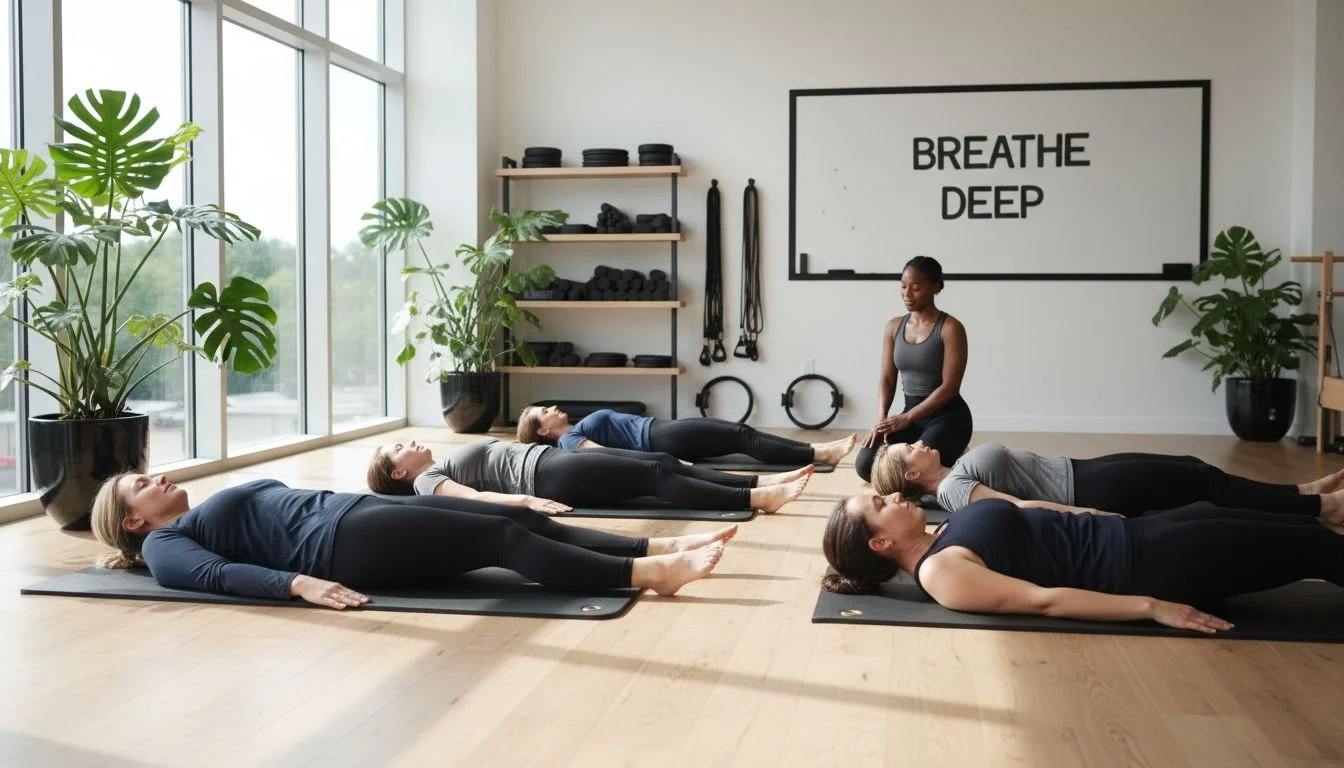
Most american fitness routines overlook the complex power of breathing, yet research shows proper breathwork can boost muscle activation by over 30 percent. Pilates breathing techniques stand out by focusing on lateral expansion of the ribcage and deep core engagement, separating fact from myth. This guide breaks down the science, clears up misconceptions, and offers a clear path to mastering mindful breathing for better movement and a stronger mind-body connection.
Table of Contents
Key Takeaways
| Point | Details |
|---|---|
| Pilates Breathing Techniques | Pilates breathing enhances core stability and movement mechanics through lateral thoracic breathing and deep muscle engagement. |
| Physical and Mental Benefits | Proper Pilates breathing improves respiratory function, reduces stress, and enhances overall well-being. |
| Integrating Breath with Movement | Synchronizing breath with movement maximizes the effectiveness of exercises and promotes a mind-body connection. |
| Common Mistakes and Safety | Avoid breath holding and forced breathing; prioritize proper posture and gradual progress to ensure a safe practice. |
Defining Pilates Breathing Techniques and Myths
Pilates breathing is far more than a simple inhale and exhale. It represents a sophisticated physiological approach that strategically engages core muscles and transforms movement mechanics. Unlike casual breathing patterns, Pilates breathing focuses on precise respiratory techniques that activate deep abdominal muscles and support overall physical performance.
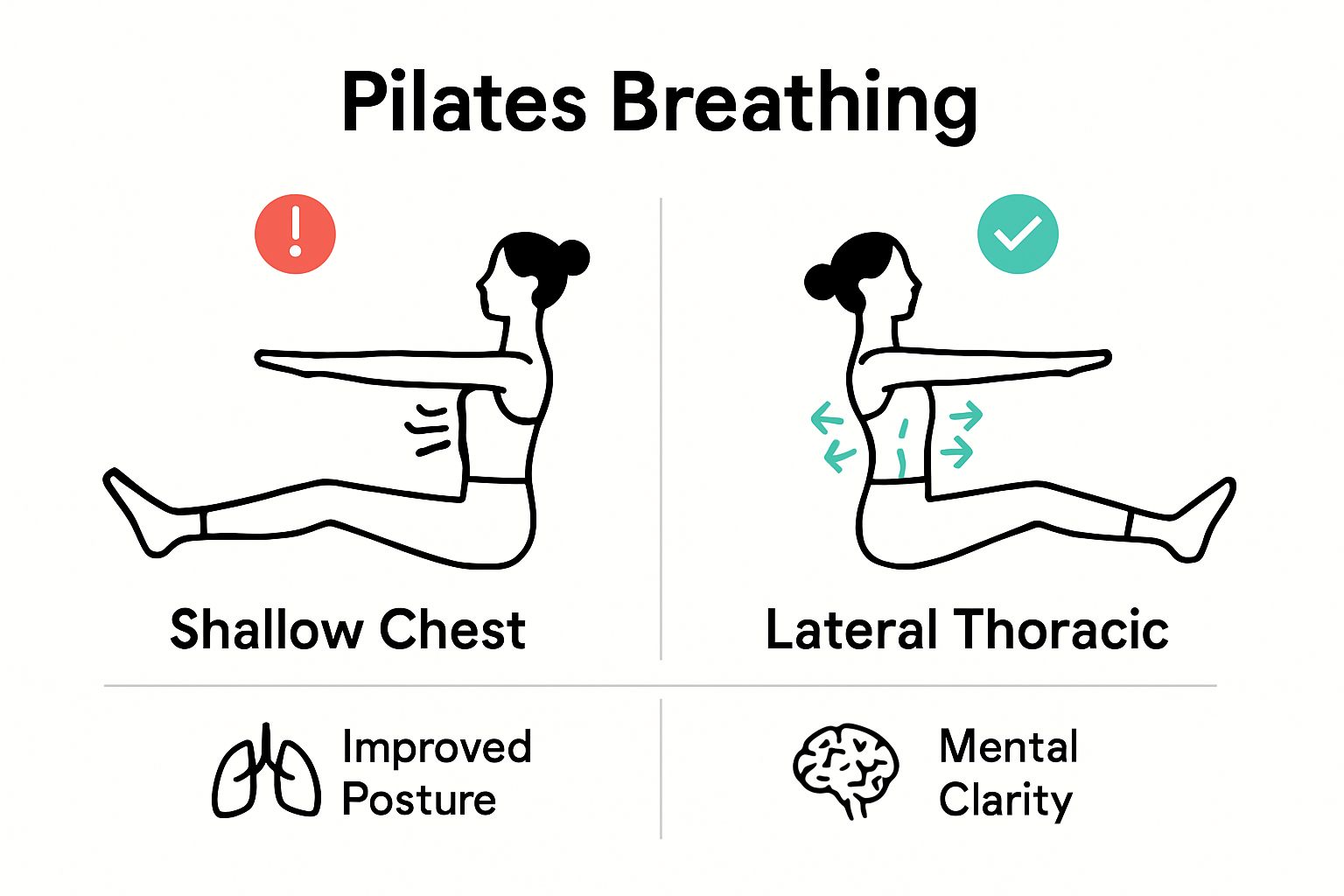
The core principle of Pilates breathing involves what practitioners call lateral thoracic breathing. This technique encourages breathing into the sides and back of the ribcage, creating expansive lung movement that simultaneously stabilizes and strengthens the core. Understanding Pilates breathing techniques for wellness reveals how this method differs dramatically from traditional breathing approaches. Scientific research has demonstrated that specific Pilates breathing patterns can significantly enhance muscle activation during trunk movements.
Some persistent myths about Pilates breathing need clarification. Contrary to popular belief, it's not about shallow chest breathing or extreme forced exhalations. Instead, it's a nuanced technique that requires practice and body awareness. The primary myths include:
Pilates breathing is the same as yoga breathing
You must dramatically change your natural breathing pattern
Breathing techniques are optional in Pilates practice
In reality, Pilates breathing is a precise, controlled method designed to enhance movement efficiency, stabilize the core, and promote mind-body connection. By unal and mentaderstanding its fundamental principles, practitioners can unlock deeper physical engagement and improved overall performance.
Key Principles Behind Pilates Breath Control
Pilates breath control represents a sophisticated system of respiratory management that goes far beyond simple inhaling and exhaling. At its core, breath control is about creating intentional movement patterns that synchronize breath with precise muscular engagement. Complete guide to breathwork in Pilates practice reveals the intricate relationship between respiratory techniques and physical performance.
The fundamental principles of Pilates breath control center on three critical elements: rhythm, depth, and muscle coordination. Respiratory effects of Pilates method protocols demonstrate how strategic breathing can significantly impact overall body mechanics. Practitioners learn to initiate movement through breath, using exhalation to activate deep core muscles and create internal stability. This approach differs dramatically from traditional exercise breathing, which often prioritizes volume over precision.
Key principles of Pilates breath control include:
Diaphragmatic Engagement: Breathing deeply into the lower lungs while maintaining core connection
Lateral Expansion: Breathing into the sides of the ribcage to maximize lung capacity
Controlled Exhalation: Using breath to create internal pressure and muscle activation
Rhythmic Synchronization: Matching breath patterns to specific movement sequences
Research examining thoracoabdominal expansion during mat Pilates training underscores the physiological sophistication of these breathing techniques. By mastering these principles, practitioners can transform their movement quality, enhance core strength, and develop a more profound mind-body connection that extends far beyond traditional exercise approaches.
Physical and Mental Benefits of Proper Breathing
Pilates breathing transcends traditional respiratory techniques, offering a holistic approach to physical and mental wellness. Breath control is not merely a technical skill but a transformative practice that interconnects body and mind. Pilates Practice techniques reveal how intentional breathing can unlock profound physiological and psychological benefits.
Research examining the effects of Pilates breathing exercises demonstrates significant improvements in quality of life and sleep patterns. Practitioners experience enhanced lung function, reduced stress, and improved overall well-being. The physiological mechanisms behind these benefits are rooted in the way controlled breathing activates the parasympathetic nervous system, promoting relaxation and reducing cortisol levels.
Key physical and mental benefits include:
Improved Respiratory Function: Enhanced lung capacity and oxygen utilization
Stress Reduction: Activation of the body's natural relaxation response
Core Muscle Engagement: Strengthening deep abdominal and postural muscles
Enhanced Mental Clarity: Increased focus and reduced anxiety
Better Postural Alignment: Improved body awareness and movement efficiency
Comprehensive studies on Pilates breathing techniques confirm remarkable improvements in body posture and postural stability. By integrating mindful breathing with precise movement, individuals can experience a holistic approach to wellness that extends far beyond traditional exercise, creating a powerful mind-body connection that promotes overall health and well-being.
Integrating Breathing With Pilates Movements
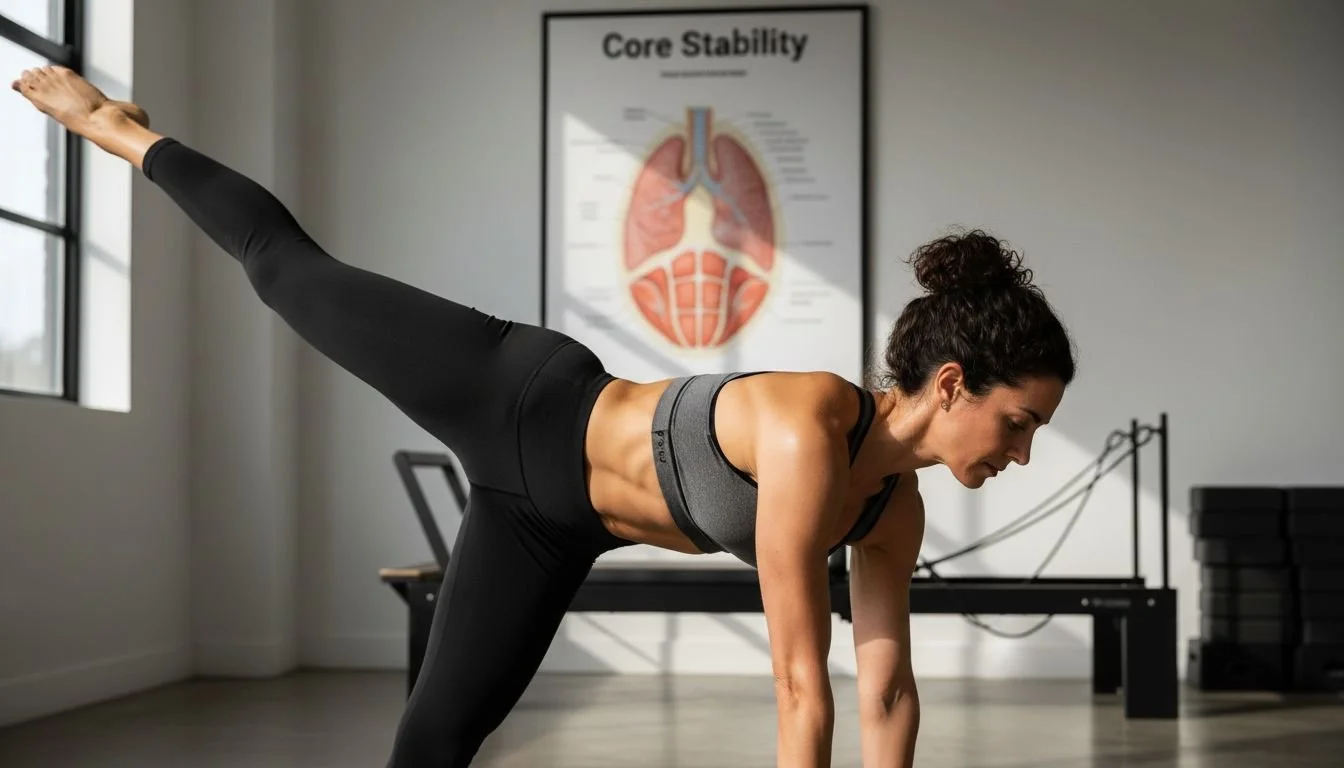
Integrating breath with movement is the cornerstone of an effective Pilates practice, transforming simple exercises into a sophisticated mind-body connection. Breath synchronization requires precise coordination between respiratory patterns and physical movements, creating a seamless flow that enhances overall performance. Essential Pilates exercises for all levels demonstrate how intentional breathing can dramatically improve movement quality and muscle engagement.
Research investigating neuromuscular efficiency reveals that strategic breathing dramatically influences muscle activation during Pilates movements. Practitioners learn to initiate movements through breath, using exhalation to create internal stability and engage core muscles. This approach differs fundamentally from traditional exercise methods, where breathing is often an afterthought rather than an integral component of movement.
Key strategies for integrating breathing with Pilates movements include:
Exhale on Exertion: Release breath during the most challenging part of a movement
Continuous Breath Flow: Maintain smooth, uninterrupted breathing throughout exercises
Diaphragmatic Engagement: Use deep belly breathing to support core activation
Movement Initiation: Start movements with a deliberate breath pattern
Rhythm Synchronization: Match breath tempo to movement speed
Comprehensive studies on Pilates breathing techniques confirm that integrating breath with movement can significantly improve pulmonary function and heart rate variability. By mastering these integration techniques, practitioners transform Pilates from a simple exercise routine into a holistic movement practice that harmonizes physical performance with mindful respiratory control.
Common Mistakes and Safety Considerations
Pilates breathing techniques require careful attention to prevent potential injuries and maximize practice effectiveness. Improper breathing can not only diminish exercise benefits but also create unnecessary physical strain. Complete guide to types of Pilates practices emphasizes the critical importance of understanding fundamental safety principles before attempting advanced breathing techniques.
Research on Pilates training performance highlights several critical safety considerations that practitioners must understand. Common mistakes often stem from lack of proper instruction, rushed movements, or misunderstanding fundamental breathing mechanics. Beginners frequently hold their breath during challenging movements, create unnecessary tension, or fail to maintain proper spinal alignment while performing breathing exercises.
Key safety considerations and common mistakes include:
Breath Holding: Avoid stopping breath during challenging movements
Forced Breathing: Do not create excessive muscular tension through aggressive breathing
Incorrect Posture: Maintain neutral spine and proper body alignment
Overexertion: Progress gradually and listen to your body's signals
Ignoring Pain: Stop immediately if experiencing sharp or persistent discomfort
Safety demands a mindful approach that prioritizes individual physical limitations and gradual progression. By understanding these fundamental considerations, practitioners can develop a sustainable Pilates practice that promotes physical wellness while minimizing potential risks. Consulting with a qualified Pilates instructor can provide personalized guidance and ensure proper technique implementation.
Transform Your Pilates Breathing Practice Today
Mastering Pilates breathing techniques can be challenging when trying to balance precise breath control, core engagement, and movement synchronization on your own. Many practitioners struggle with common myths like forced breathing or ignoring breath patterns, which can limit the benefits of Pilates and even cause strain. This article highlights the importance of lateral thoracic breathing, controlled exhalation, and rhythmic synchronization to unlock the full physical and mental rewards of Pilates. If you want to overcome these hurdles and deepen your practice with expert guidance and community support, we have the solutions for you.
Join the supportive environment at Amrita Yoga & Wellness where you can experience specialized Pilates classes designed to integrate breathing and movement effectively. Whether you are a beginner or advanced practitioner, our class offerings combine mindful breath control with precise exercises to enhance core strength, reduce stress, and improve postural alignment. Take the next step toward holistic wellness by exploring our workshops and personalized sessions to elevate your Pilates breathing benefits starting now.
Frequently Asked Questions
What are the benefits of Pilates breathing?
Proper Pilates breathing improves respiratory function, reduces stress, engages core muscles, enhances mental clarity, and promotes better posture.
How does Pilates breathing differ from traditional breathing techniques?
Pilates breathing focuses on lateral thoracic breathing and core stabilization, contrasting with traditional methods that often prioritize volume rather than precise patterns and core engagement.
Can Pilates breathing techniques enhance my workout performance?
Yes, integrating Pilates breathing with movements can improve muscle activation, internal stability, and overall movement efficiency, thereby enhancing your workout performance.
Are there any common mistakes to avoid when practicing Pilates breathing?
Common mistakes include breath holding during challenging movements, forced breathing that causes tension, and neglecting proper posture and spinal alignment.
Recommended
Complete Guide to Pilates Breathing Techniques — Amrita Yoga & Wellness
Complete Guide to Breathwork in Pilates Practice — Amrita Yoga & Wellness
Understanding Pilates Breathing Techniques for Wellness — Amrita Yoga & Wellness
Mastering Air Flow and Pressure: A Singer's Guide to Breath Control an - TMRG Solutions
How to Strengthen Core Postpartum Naturally and Safely - Mom on Quack