The Amrita Journal
Explore thoughtful stories, practical wellness guidance and inspiring ideas to support your movement, mindfulness and everyday wellbeing at Amrita.
Yoga Flow for Beginners: Build Strength and Flexibility
TL;DR:
A beginner yoga flow emphasizes foundational poses, breath awareness, and slow practice to build strength and flexibility. Practitioners need only a mat, loose clothing, and patience, with props supporting safety and alignment. Regular practice of simple poses and breath work leads to noticeable physical and mental improvements within weeks.
A yoga flow for beginners is a breath-synchronized sequence of foundational poses designed to build body awareness, strength, and flexibility from your very first session. Unlike advanced practices, beginner yoga sequences require nothing more than a mat, comfortable clothing, and a willingness to move at your own pace. Routines as short as 5–20 minutes covering 10 foundational poses can begin producing real benefits. Amritayogawellness, a Philadelphia-based yoga and wellness studio, sees new practitioners make steady progress when they commit to simple, consistent flows before attempting complex sequences.
What do you need to start a yoga flow for beginners?
Starting a beginner yoga flow requires less than most people expect. A non-slip mat is the one piece of gear you genuinely need. Beyond that, loose, stretchy clothing and a quiet corner of your home are enough to get moving.
Optional props make a real difference in comfort and safety:
Yoga blocks: Bring the floor closer when your hands cannot reach it in poses like Forward Fold or Low Lunge.
A strap: Extends your reach in seated stretches and helps you maintain alignment without straining.
A blanket or bolster: Supports your hips in seated poses and cushions your knees on hard floors.
Layers: A light hoodie or long-sleeved shirt keeps muscles warm during slower sequences.
Yoga props increase accessibility and safetyfor practitioners of all body types. Using a block is not a shortcut. It is a sign that you understand your body's current range and respect it.
The right mindset matters as much as the right gear. Moving at your own pace and focusing on physical sensations, rather than copying an instructor's exact shape, improves both safety and practice quality. Patience is the most underrated tool in any beginner's kit.
Pro Tip: Set your mat up the night before. Removing the setup step makes it far easier to practice consistently, especially on low-motivation mornings.
What are the key foundational poses in a beginner yoga sequence?
Prioritizing 8–10 foundation poses before attempting complex flows prevents the most common beginner injuries and frustrations. Each pose below builds a specific physical quality while teaching you how breath and movement connect.
Core poses and their benefits
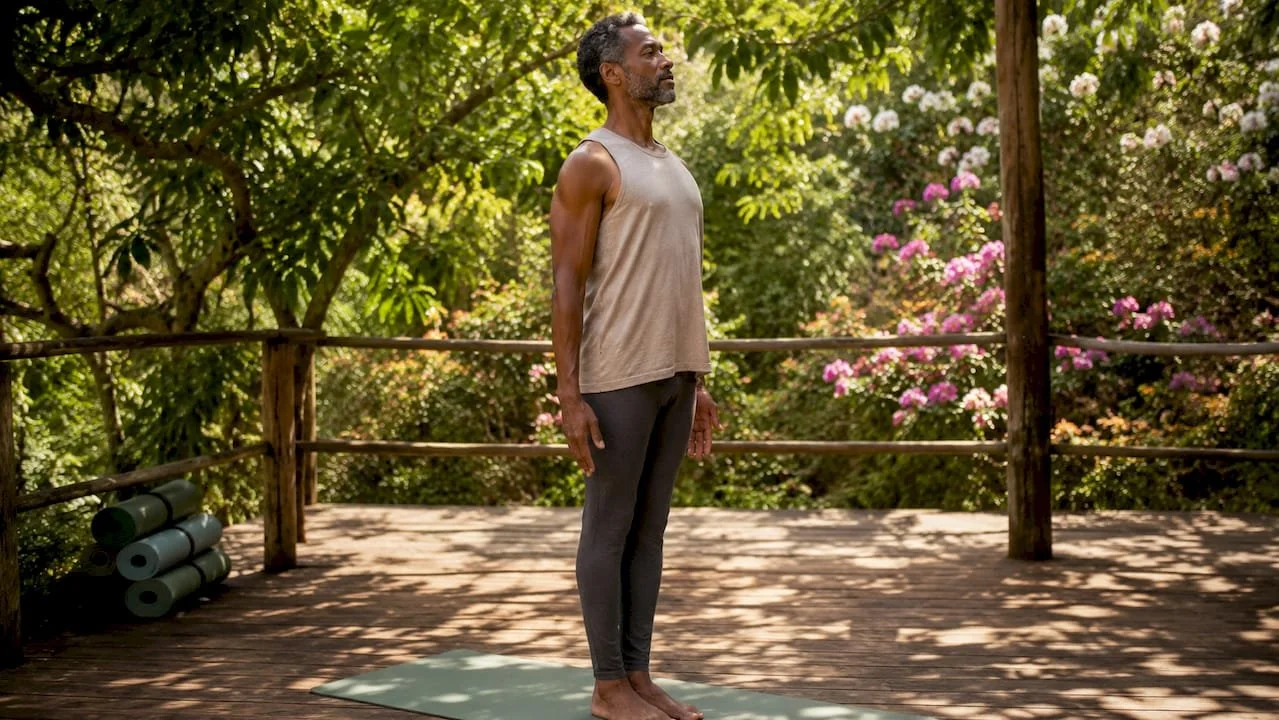
Mountain Pose (Tadasana) is the starting point for nearly every standing sequence. Stand with feet hip-width apart, arms at your sides, and spine tall. It trains posture awareness and grounds your attention before movement begins.
Cat-Cow (Marjaryasana-Bitilasana) is a paired spinal warm-up performed on hands and knees. Inhale as you drop your belly and lift your gaze (Cow), then exhale as you round your spine toward the ceiling (Cat). This sequence loosens the spine and introduces breath-to-movement coordination from the very start.
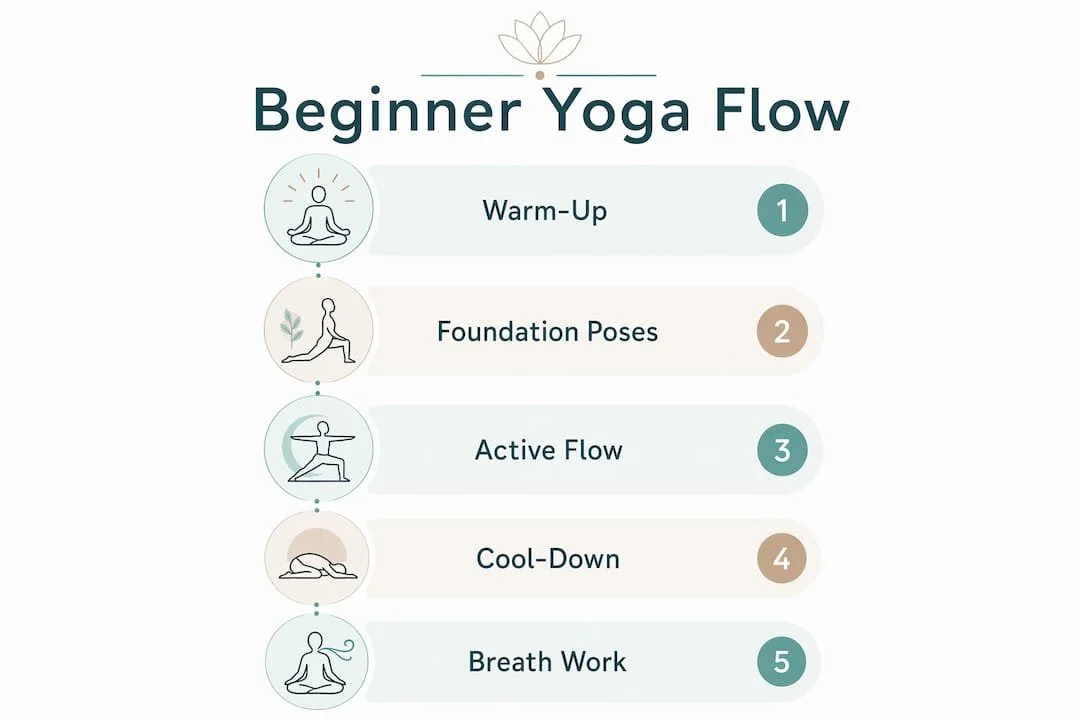
Downward-Facing Dog (Adho Mukha Svanasana) is the signature pose of most flows. From hands and knees, press your hips up and back to form an inverted V shape. It stretches the hamstrings and calves while building shoulder and core strength.
Child's Pose (Balasana) is your rest position. Kneel, sit back toward your heels, and extend your arms forward on the mat. Return to it any time you need to recover your breath or reduce intensity.
Warrior I (Virabhadrasana I) builds leg strength and hip flexibility. Step one foot forward into a lunge, bend the front knee to 90 degrees, and raise both arms overhead. Hold for 3–5 breaths per side.
Warrior II (Virabhadrasana II) opens the hips and chest. From Warrior I, open your arms wide and turn your gaze over your front hand. This pose builds endurance and focus simultaneously.
Cobra (Bhujangasana) strengthens the lower back and opens the chest. Lie face down, place your hands under your shoulders, and press your chest up while keeping your elbows slightly bent.
Plank Pose is the foundation of core strength in yoga. Hold a push-up position with wrists under shoulders and body in a straight line. Even 10–20 seconds builds meaningful stability.
Standing Forward Fold (Uttanasana) releases the hamstrings and calms the nervous system. Hinge at the hips, let your torso hang, and bend your knees as much as needed.
| Pose | Primary benefit | Hold time |
|---|---|---|
| Mountain Pose | Posture and grounding | 5–8 breaths |
| Cat-Cow | Spinal mobility and breath sync | 5–8 rounds |
| Downward-Facing Dog | Full-body stretch and strength | 5–8 breaths |
| Child's Pose | Rest and recovery | As needed |
| Warrior I | Leg strength and hip flexibility | 3–5 breaths per side |
| Warrior II | Hip opening and endurance | 3–5 breaths per side |
| Cobra | Back strength and chest opening | 3–5 breaths |
| Plank Pose | Core stability | 10–20 seconds |
| Standing Forward Fold | Hamstring release and calm | 5–8 breaths |
Pro Tip: In Downward Dog, bend your knees generously if your hamstrings are tight. A flat back matters more than straight legs in this pose.
How do you structure a beginner yoga flow sequence?
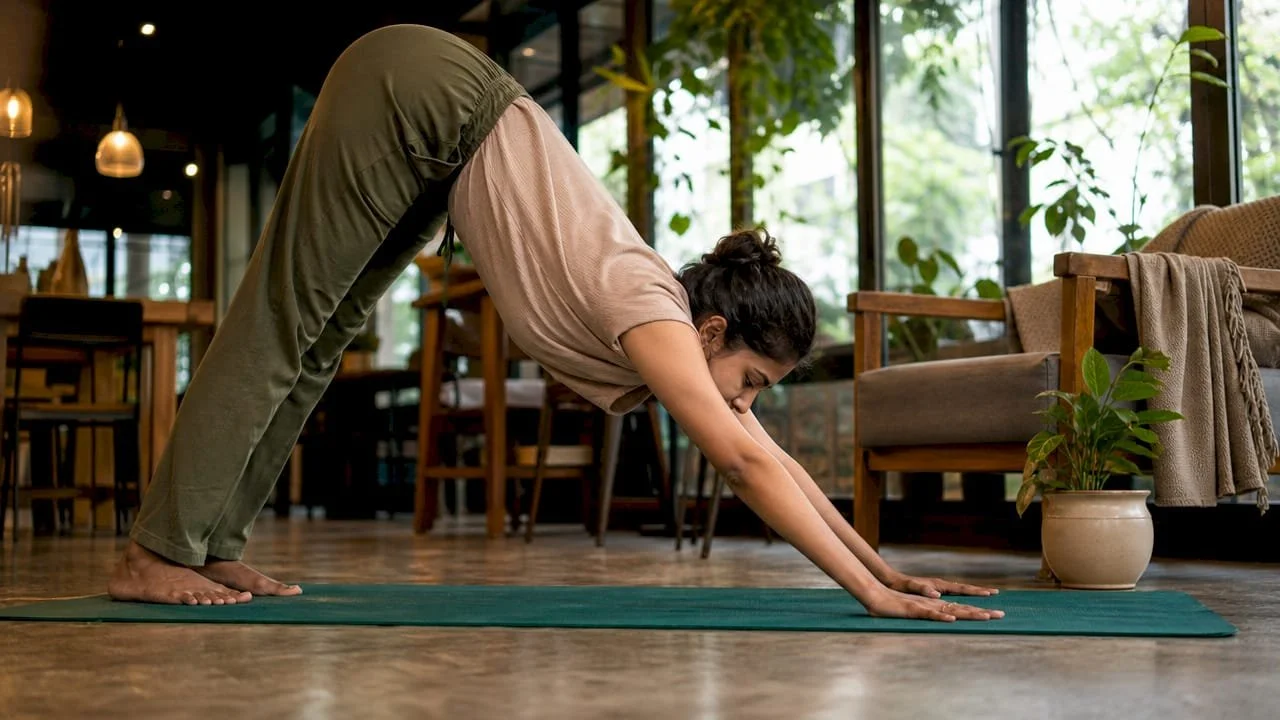
A well-structured beginner yoga sequence follows a clear arc: warm-up, active poses, and cool-down. A 15–20 minute session is the right target for new practitioners. Slow flow and Hatha styles reduce injury risk and give you time to settle into each posture before moving on.
Breath is the thread that holds the sequence together. A 4-count inhale paired with a 6-count exhale activates the parasympathetic nervous system, which reduces stress and sharpens focus. Controlled breathing transforms yoga from simple stretching into genuine nervous system regulation. Ujjayi breath, a soft ocean-sounding breath created by slightly constricting the throat, is the technique most teachers recommend for linking movement and breath in flow sequences.
A sample 20-minute beginner flow looks like this:
Arrive in Mountain Pose (2 minutes). Stand still, close your eyes, and take 10 slow breaths. Set an intention for the practice.
Cat-Cow warm-up (3 minutes). Move through 8–10 rounds, matching each movement to an inhale or exhale.
Downward-Facing Dog (1 minute). Pedal your heels alternately for the first 5 breaths, then hold still.
Warrior I, right side (1 minute). Step your right foot forward, rise into the pose, and hold for 5 breaths.
Warrior II, right side (1 minute). Open your arms and hold for 5 breaths.
Repeat Warriors on the left side (2 minutes). Mirror the same sequence.
Plank Pose (30 seconds). Hold steady, then lower to the mat.
Cobra (1 minute). Press up slowly on an inhale, lower on an exhale. Repeat 3 times.
Child's Pose (2 minutes). Rest completely and let your breath return to normal.
Standing Forward Fold (1 minute). Roll up slowly, one vertebra at a time.
Savasana, or final relaxation (3 minutes). Lie flat on your back, arms at your sides, and do nothing. This is not optional. It is when your nervous system integrates the work you just did.
Beginners who practice 3 times per week for 20–30 minutes each session report noticeable improvements, including reduced morning stiffness, within 4 weeks. Consistency matters far more than session length.
What are the most common beginner yoga challenges?
New practitioners face a predictable set of obstacles. Knowing them in advance removes most of the frustration.
Fear of injury: Skipping alignment basics and breath coordination is the primary cause of beginner injuries. Mastering fundamental alignment before adding speed or complexity eliminates most of this risk.
Comparing yourself to others: Every body has different proportions, flexibility, and history. A pose that looks effortless on someone else may require a block or a bent knee for you. That is not a limitation. It is good practice.
Muscle stiffness: Flexibility is not a prerequisite for yoga. It develops over time. Even 5 foundational poses practiced for 10 minutes begin producing benefits regardless of how stiff you feel on day one.
Inconsistency: Practicing once a week produces slow results. Three shorter sessions per week build momentum faster than one long session.
Skipping breath work: Practitioners who ignore breath cues and focus only on pose shapes miss the most important part of yoga. Breath is what makes a sequence a flow rather than a series of stretches.
"Yoga educator Maya Collins emphasizes functionality and awareness over appearance, encouraging practitioners to use props as positive aids that support proper alignment rather than signs of limitation."
The most sustainable habit is a short, consistent one. Building confidence as a beginner comes from showing up regularly, not from performing perfect poses. Ten minutes every day beats one hour on the weekend.
Key Takeaways
A beginner yoga flow built on foundational poses, consistent breath work, and a steady practice schedule produces measurable gains in flexibility, strength, and mindfulness within weeks.
| Point | Details |
|---|---|
| Start with 9 core poses | Mountain, Cat-Cow, Downward Dog, Child's Pose, Warriors I and II, Cobra, Plank, and Forward Fold cover all beginner needs. |
| Use Ujjayi breath | A 4-count inhale and 6-count exhale activates the parasympathetic nervous system and deepens focus. |
| Practice 3 times per week | Three 20-minute sessions per week produce noticeable results within 4 weeks. |
| Props are tools, not crutches | Blocks and straps support alignment and prevent injury for all body types. |
| Consistency beats intensity | Short, regular sessions build strength and flexibility faster than infrequent long ones. |
What I've learned watching beginners find their flow
The biggest shift I see in new practitioners is not physical. It happens when someone stops watching themselves in the mirror and starts feeling the pose from the inside. That moment usually arrives somewhere around the third or fourth week, and it changes everything.
New practitioners almost always underestimate breath. They focus on getting their legs into the right position and forget to exhale. Then they wonder why they feel tense after a yoga class. The breath is not decoration. It is the mechanism. Once you treat it that way, the poses start to feel different, and the practice starts to feel like something you actually want to do again.
My honest advice: do not rush into faster flows. A slow, deliberate Hatha yoga or gentle Vinyasa sequence practiced with full attention will build more real strength and body awareness than a 45-minute power flow done with poor alignment. The practitioners who progress fastest are the ones who stay curious about the basics longest.
Self-compassion is not a soft concept in yoga. It is a practical one. The days when you feel stiff, distracted, or clumsy are the days your practice matters most. Show up anyway. The mat is not a performance stage.
— Juiced
Wellness at Amritayogawellness goes beyond the mat
Amritayogawellness offers a full range of classes and wellness services designed to support practitioners at every level, from first-timers to experienced movers. Whether you are ready to step into a guided yoga class or want to deepen your self-awareness through complementary practices, the studio has something for you.
Mindfulness does not stop when you roll up your mat. Amritayogawellness also offers tarot reading sessions as a reflective wellness tool that pairs naturally with a new yoga practice. These sessions support the same inner awareness you build on the mat. If you are ready to explore what a consistent, guided practice looks like, Amritayogawellness in Philadelphia is a strong next step.
FAQ
What is a yoga flow for beginners?
A yoga flow for beginners is a breath-linked sequence of foundational poses practiced at a slow, accessible pace. It builds flexibility, strength, and mindfulness without requiring prior experience or advanced fitness.
How long should a beginner yoga session be?
Beginners should aim for 20–30 minute sessions practiced 3 times per week. Completing just 10 sessions over 4 weeks establishes a consistent pattern with noticeable physical improvements.
Do I need to be flexible to start yoga?
Flexibility is not required to begin yoga. It develops through consistent practice, and even a 10-minute routine with 5 foundational poses produces benefits regardless of your starting point.
What is Ujjayi breath and why does it matter?
Ujjayi breath is a soft, ocean-sounding breath created by slightly constricting the throat on the exhale. Mastering it supports long-term progress more than achieving perfect pose alignment.
What is the best yoga style for new practitioners?
Slow flow and Hatha yoga are the best starting styles for beginners. These approaches emphasize breath-linked movement with about 15 key poses and give practitioners time to settle into proper alignment before moving on.
Recommended
Hot Vinyasa Yoga: Benefits, Safety, and Prep Guide
TL;DR:
Hot vinyasa yoga is a dynamic, breath-synchronized practice performed in heated rooms that improve flexibility and cardiovascular health. Proper preparation, including hydration and wearing moisture-wicking clothing, is essential for safety and comfort in this demanding practice. Focusing on breath and gradual heat acclimation reduces injury risk and enhances emotional and physical benefits.
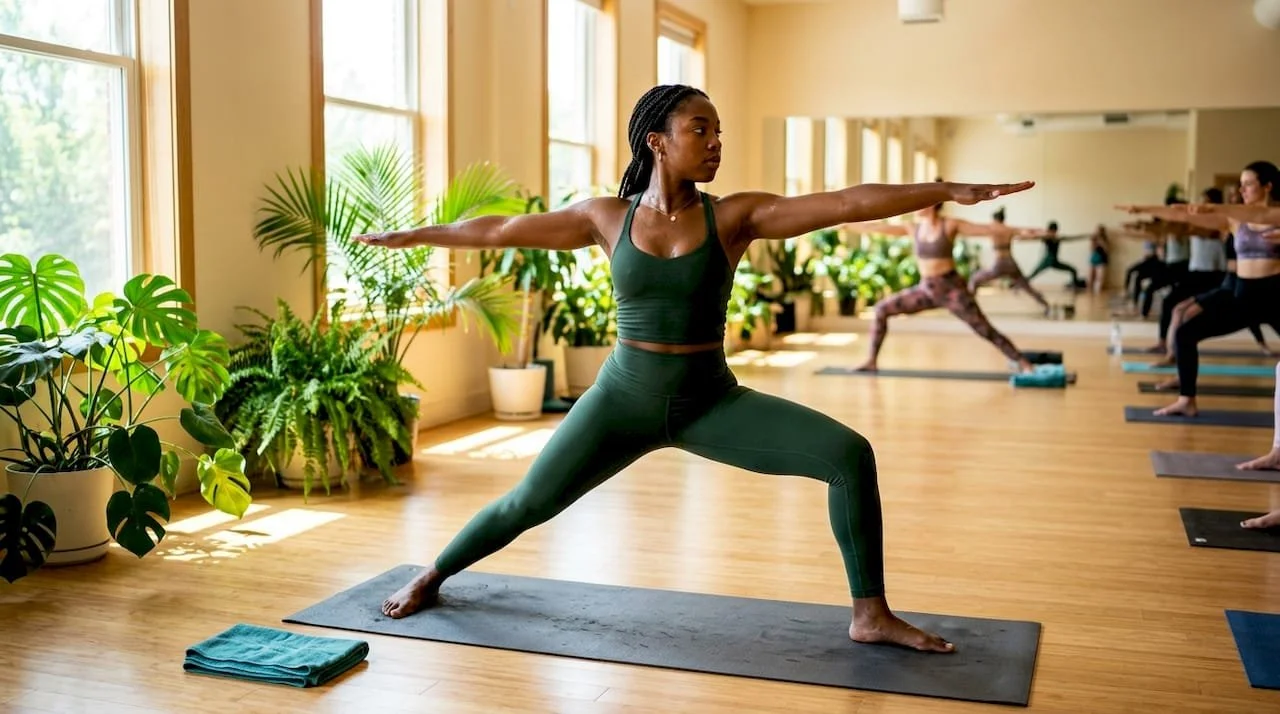
Hot Vinyasa Yoga is a breath-synchronized, dynamic flow practice performed in rooms heated between 90 and 105 degrees Fahrenheit with 40–60% humidity. The industry term is "heated Vinyasa flow," though most practitioners and studios use "hot vinyasa yoga" interchangeably. Classes run 60–90 minutes of continuous movement, linking postures to inhales and exhales in a sequence that changes with each session. Unlike static stretching in the heat, this style demands cardiovascular output, muscular endurance, and focused breathing all at once. The result is a practice that builds physical fitness, deepens flexibility, and trains the mind to stay present under real physical pressure.
What are the main benefits of hot vinyasa yoga?
Heat is the defining variable in this practice, and it does more than make you sweat. Heat increases muscle pliability, allowing deeper stretches than you would reach in a room-temperature class. That increased range of motion is a genuine physiological advantage, not a placebo effect.
The cardiovascular demand is significant. Moving continuously through postures like Chaturanga, Warrior sequences, and standing balances while managing thermal stress pushes your heart rate into ranges comparable to moderate aerobic exercise. That combination of strength, balance, and cardio in a single session is one reason hot vinyasa yoga attracts practitioners who want more than a gentle stretch.
Sweating heavily in a heated room also supports circulation. Blood moves faster to the skin surface to cool the body, which improves delivery of oxygen and nutrients to working muscles. Many practitioners report a sense of clarity and lightness after class, which connects to the circulatory and respiratory demands of the practice.
The mindfulness component is less obvious but equally real. Holding your breath or breathing shallowly in a hot room accelerates fatigue. The practice forces you to prioritize breath rhythm over pose perfection, which is exactly the mental discipline that carries over into daily life.
Deeper flexibility from heat-softened muscles and connective tissue
Cardiovascular conditioning through continuous, breath-linked movement
Improved circulation driven by thermoregulatory demands
Mental focus trained by breath awareness under physical stress
Emotional release reported by many practitioners post-class, linked to the intensity of the experience
Pro Tip: Start with the intention of maintaining smooth, even breath throughout class. If your breath becomes ragged, take Child's Pose. Breath quality predicts how well your body manages the heat.
How should you prepare for a hot vinyasa class?
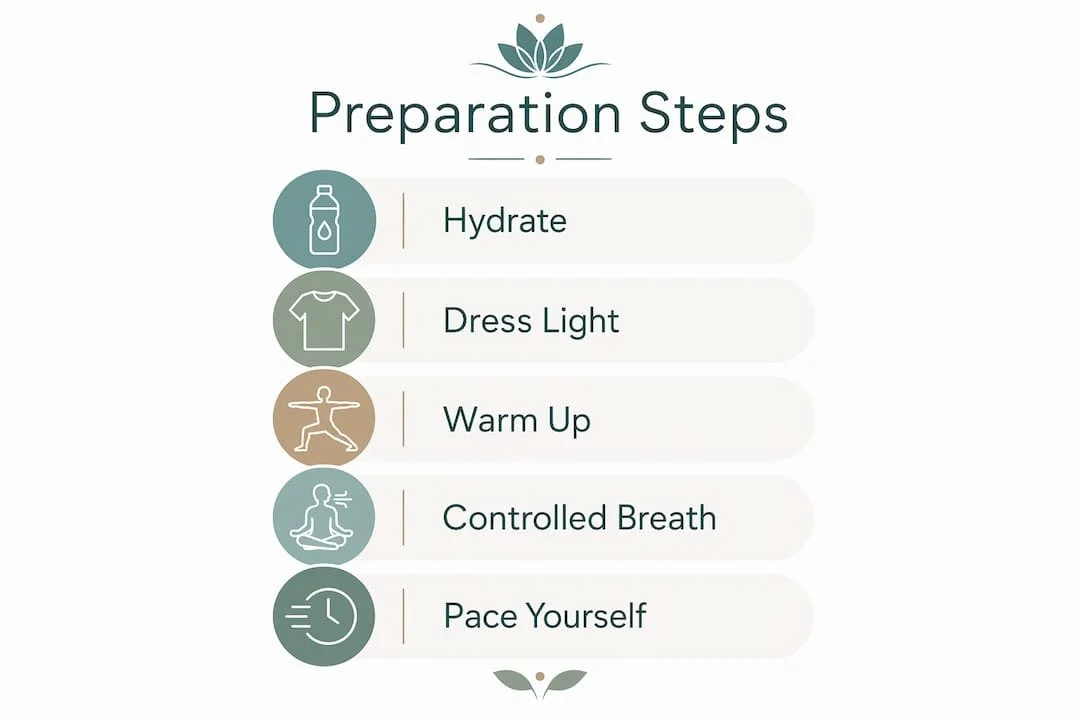
Preparation for a heated Vinyasa flow session starts the day before, not the morning of class. Hydration is a 24-hour cycle, not a pre-class ritual. Arriving dehydrated is the single most common mistake new practitioners make, and no amount of water consumed in the parking lot fixes it.
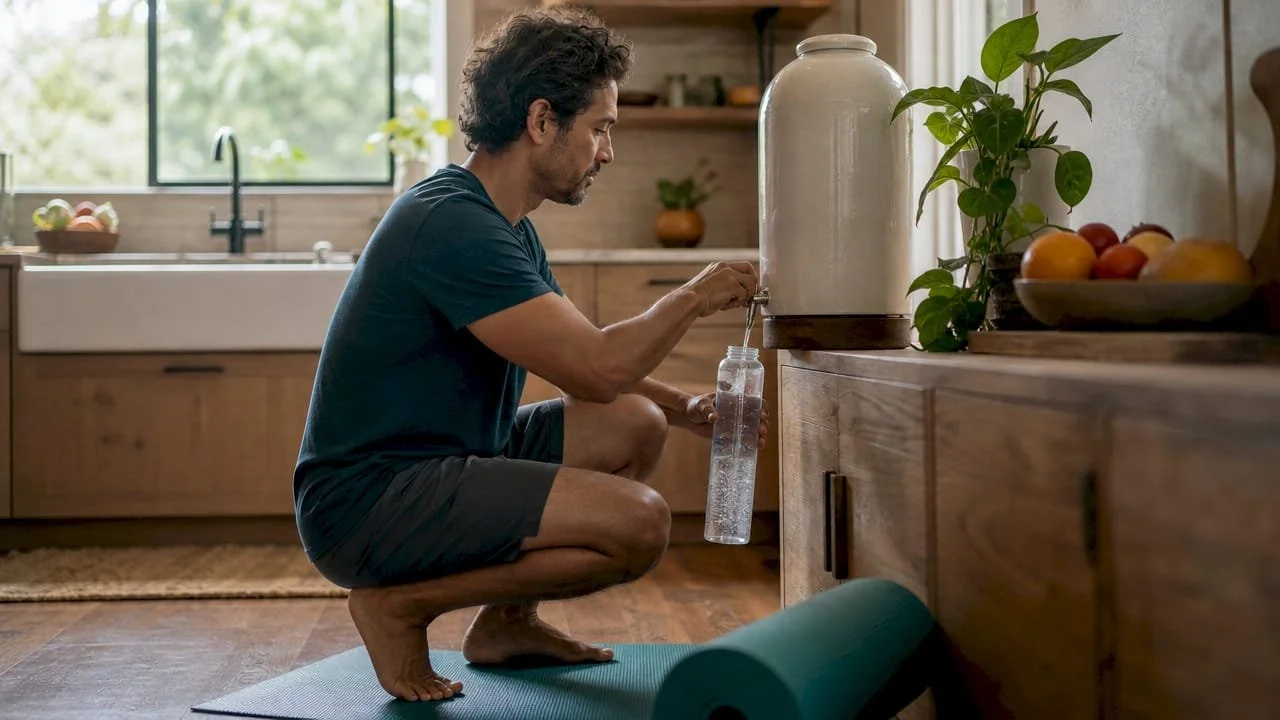
Gear choices matter more in a heated room than in any other yoga format. Moisture-wicking athletic wear keeps you cooler and more comfortable than cotton. Cotton absorbs sweat and becomes heavy, restrictive, and cold against the skin as the class progresses. Synthetic fabrics designed for athletic use manage moisture actively.
Your mat setup also affects safety. A non-slip yoga mat paired with a full-coverage mat towel prevents sliding as the floor and your hands become wet. Slipping mid-flow in a heated room is a real injury risk, not just an inconvenience.
Hydrate the day before. Drink water consistently throughout the 24 hours before class, not just in the final hour.
Choose the right clothing. Wear moisture-wicking synthetic fabrics. Leave cotton at home.
Set up your mat correctly. Use a non-slip mat with a full mat towel on top.
Bring water to class. Drink 24–32 ounces during the session, sipping steadily rather than gulping.
Acclimate gradually. If you are new to heated practice, attend a room-temperature Vinyasa class first. Build your heat tolerance over several weeks before committing to regular hot sessions.
Time your meals. Eat a light meal 2–3 hours before class. A full stomach in a hot room is deeply uncomfortable.
Pro Tip: Review hot yoga preparation tips from Amritayogawellness before your first session. Knowing what to expect reduces anxiety and lets you focus on your practice from the first pose.
What safety considerations are essential for hot vinyasa yoga?
The heat in a hot vinyasa class is a genuine physiological stressor, not just an atmospheric detail. Pregnant women and those with cardiovascular conditions or hypertension should consult a healthcare provider before attending any heated yoga class. Elevated heart rates combined with thermal stress create conditions that require medical clearance for these groups.
The most underappreciated risk is joint overstretch. Heat can mask muscular resistance, making it feel safe to push deeper into a pose than your joint structure actually supports. Practitioners who chase depth over breath and alignment in a hot room are the most likely to sustain soft-tissue injuries.
Thermoregulatory overload is the other major concern. Steady, rhythmic breathing is the primary signal that your body is managing the heat. When breath becomes ragged or shallow, that is a direct sign of thermal overload. The correct response is Child's Pose, not pushing through.
Yoga expert Isaac draws a clear line between the internal fire generated by breath and the external heat of the studio. Hot vinyasa is a high-intensity cardio workout. Acclimation is not optional. Begin with room-temperature Vinyasa and build heat tolerance progressively before treating heated classes as a regular practice.
Post-class recovery deserves the same attention as the session itself. Blood pressure drops and fatigue after class are real physiological effects of cardiovascular demand and fluid loss. Rise slowly from Savasana, sit at the edge of your mat for a minute, and drink water before standing fully. Rushing out of the studio immediately after class is how practitioners end up dizzy in the parking lot.
Key contraindications and warning signs to know:
Pregnancy (any trimester)
Diagnosed cardiovascular conditions or hypertension
History of heat intolerance or heat stroke
Active fever or illness
Ragged, labored breathing during class
Dizziness, nausea, or visual disturbance at any point
How does hot vinyasa compare with other yoga styles?
Hot vinyasa yoga occupies a specific position among heated and non-heated practices. Understanding the differences helps you choose the format that fits your current fitness level and goals.
Hot vinyasa uses dynamic, variable sequences in rooms set to 90–105°F. Traditional hot yoga, most commonly associated with Bikram-style practice, uses a fixed 26-pose sequence in dry heat at 105°F. The fixed sequence removes the creative variability that defines vinyasa flow. Room-temperature Vinyasa uses the same flowing, breath-linked structure but without the thermal stress, making it more accessible for beginners and those recovering from injury.
The cardiovascular demand in hot vinyasa exceeds both room-temperature Vinyasa and static hot yoga formats. You are managing continuous movement, breath synchronization, and heat regulation simultaneously. That triple demand is what makes the practice so effective for fitness goals and so important to approach with preparation.
For studio environment and décor, choosing the right space matters more than many practitioners realize. A thoughtfully designed studio supports focus and calm, which directly affects how well you manage the mental demands of a heated flow class.
| Feature | Hot vinyasa yoga | Room-temp vinyasa | Traditional hot yoga |
|---|---|---|---|
| Room temperature | 90–105°F | 68–75°F | 105°F |
| Humidity | 40–60% | Ambient | Low (dry heat) |
| Sequence structure | Variable, creative flow | Variable, creative flow | Fixed 26-pose sequence |
| Cardiovascular demand | High | Moderate | Moderate |
| Flexibility benefit | High (heat-assisted) | Moderate | High (heat-assisted) |
| Best for | Fitness + mindfulness | Beginners, recovery | Consistency seekers |
Room-temperature Vinyasa is the best starting point for absolute beginners. Hot vinyasa classes reward practitioners who already understand alignment cues and can manage their breath independently. Jumping into a heated flow class with no prior yoga experience increases injury risk significantly.
Key Takeaways
Hot vinyasa yoga delivers its greatest benefits when practitioners prioritize breath, preparation, and gradual heat acclimation over intensity and depth.
| Point | Details |
|---|---|
| Heat increases flexibility and risk | Warmth deepens stretches but can mask joint resistance, so prioritize alignment over depth. |
| Hydration starts 24 hours early | Drink water consistently the day before class, not just in the final hour before you arrive. |
| Breath is the safety gauge | Ragged breathing signals thermal overload; take Child's Pose immediately when it occurs. |
| Acclimate before going hot | Practice room-temperature Vinyasa first to build heat tolerance before attending heated sessions. |
| Post-class recovery is non-negotiable | Rise slowly after Savasana and hydrate before standing to prevent dizziness and blood pressure drops. |
What I've learned from years of watching practitioners approach the heat
The most common mistake I see is treating the heated room as the point of the practice. Practitioners walk in expecting the heat to do the work for them. It does not. The heat is a condition, not a teacher.
What actually produces results in hot vinyasa is the breath. Practitioners who focus on smooth, even breathing from the first pose to the last consistently outperform those who chase depth and intensity. They also get injured far less often. The breath is both the engine and the governor of the practice.
The emotional dimension surprises most newcomers. The combination of heat, physical demand, and breath focus creates conditions where emotional tension surfaces and releases. That is not mysticism. It is physiology. The body holds tension in muscle tissue, and sustained, heated movement with conscious breathing releases it. Many practitioners find this the most valuable part of the practice, even if they came for the fitness benefits.
My honest recommendation is to treat your first 8–10 hot vinyasa classes as acclimation sessions, not performance sessions. Show up, breathe, stay in the room, and modify freely. The practice rewards patience in a way that very few fitness formats do. Deann Villaflores puts it well: integrate hot sessions into a balanced schedule, use non-heated classes for recovery, and never force a hot session on a tired body. That is not caution. That is how you build a practice that lasts years instead of weeks.
For studio environment, the physical space shapes your mental state more than most practitioners admit. A well-designed room with intentional décor supports the focus that heated flow demands. It is worth paying attention to where you practice, not just how.
— Juiced
Amritayogawellness and your heated practice
Amrita Yoga & Wellness in Philadelphia offers expert-guided hot vinyasa classes designed for all levels, from first-timers building heat tolerance to experienced practitioners deepening their flow. The studio's approach connects physical practice with broader wellness, so you are never just working on postures in isolation.
The Amritayogawellness blog covers everything about hot yoga in practical detail, from gear selection to post-class recovery. For practitioners looking to complement their physical practice with mindful reflection, Amritayogawellness also offers tarot readings as a unique wellness service that pairs naturally with the introspective quality of a heated flow practice. The studio is built for people who take their well-being seriously across body and mind.
FAQ
What is hot vinyasa yoga?
Hot vinyasa yoga is a breath-synchronized, flowing yoga practice performed in a room heated to 90–105°F with 40–60% humidity. Classes typically run 60–90 minutes and combine continuous movement with cardiovascular and flexibility demands.
How is hot vinyasa different from Bikram yoga?
Hot vinyasa uses variable, creative sequences in a moderately heated room, while Bikram yoga follows a fixed 26-pose sequence in dry heat at 105°F. Hot vinyasa is generally more dynamic and cardiovascularly demanding.
Is hot vinyasa yoga safe for beginners?
Hot vinyasa is manageable for beginners who acclimate gradually, starting with room-temperature Vinyasa classes before progressing to heated sessions. Those with cardiovascular conditions or pregnancy should consult a healthcare provider first.
What should I bring to a hot vinyasa class?
Bring a non-slip yoga mat, a full-coverage mat towel, moisture-wicking athletic wear, and at least 24–32 ounces of water. Avoid cotton clothing, which becomes heavy and restrictive when wet.
How often should I practice hot vinyasa yoga?
Most practitioners benefit from 2–3 heated sessions per week, balanced with room-temperature or restorative classes on recovery days. Forcing hot sessions on a fatigued body increases injury risk and reduces the quality of the practice.
Recommended
Benefits of Wall Pilates: A 2026 Guide for Adults
TL;DR:
Wall Pilates uses a wall for support and feedback to improve posture, core strength, and flexibility. It offers quick visible results within 3-4 weeks while being accessible and low-impact for busy adults. The practice also reduces stress and enhances body awareness through mindful movement and breath control.
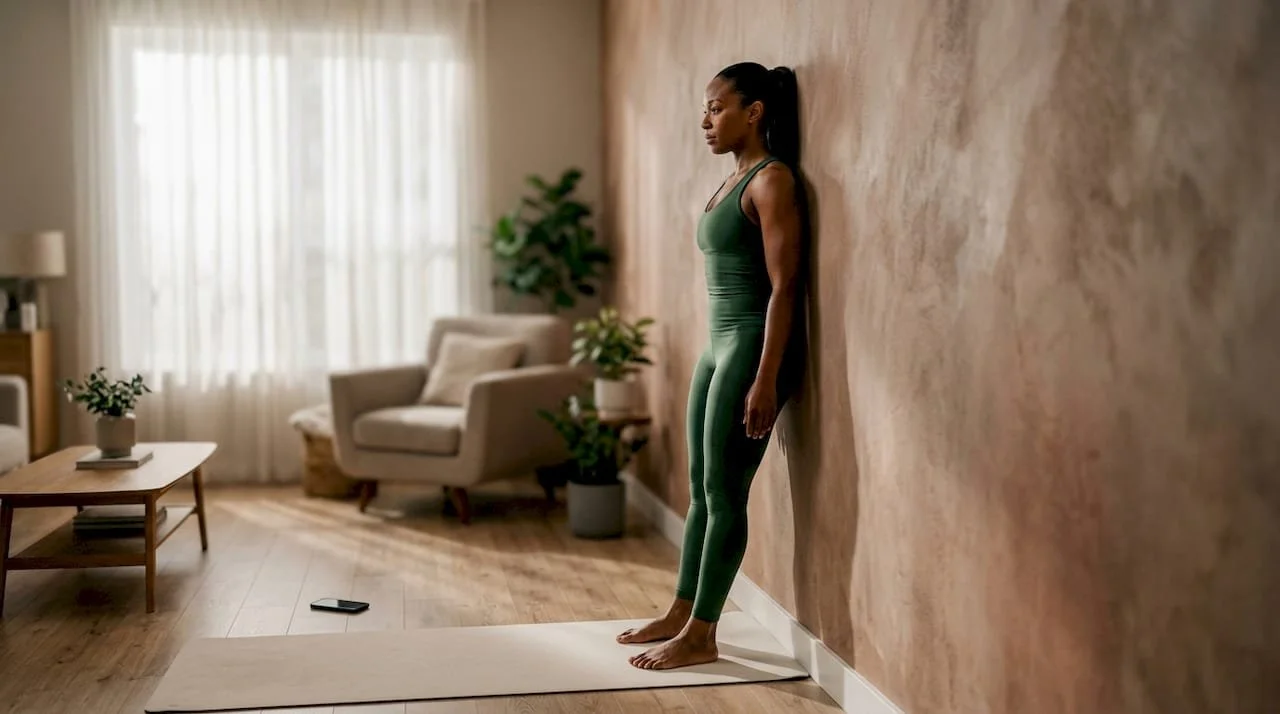
Wall Pilates is defined as a low-impact exercise method that uses a flat wall as a support and alignment tool to perform controlled Pilates movements. The benefits of wall pilates include improved posture, deeper core activation, greater flexibility, and reduced stress, all without gym equipment. Unlike reformer Pilates, which requires specialized machinery, or mat Pilates, which offers no external feedback, wall Pilates gives your body immediate tactile cues about spinal position and muscle engagement. Research from 2026 confirms that adults can see visible posture improvements in as little as 3–4 weeks of consistent practice. For busy adults seeking a low-impact, accessible workout, wall Pilates delivers results that are both measurable and sustainable.
1. How does wall Pilates improve posture and spinal alignment?
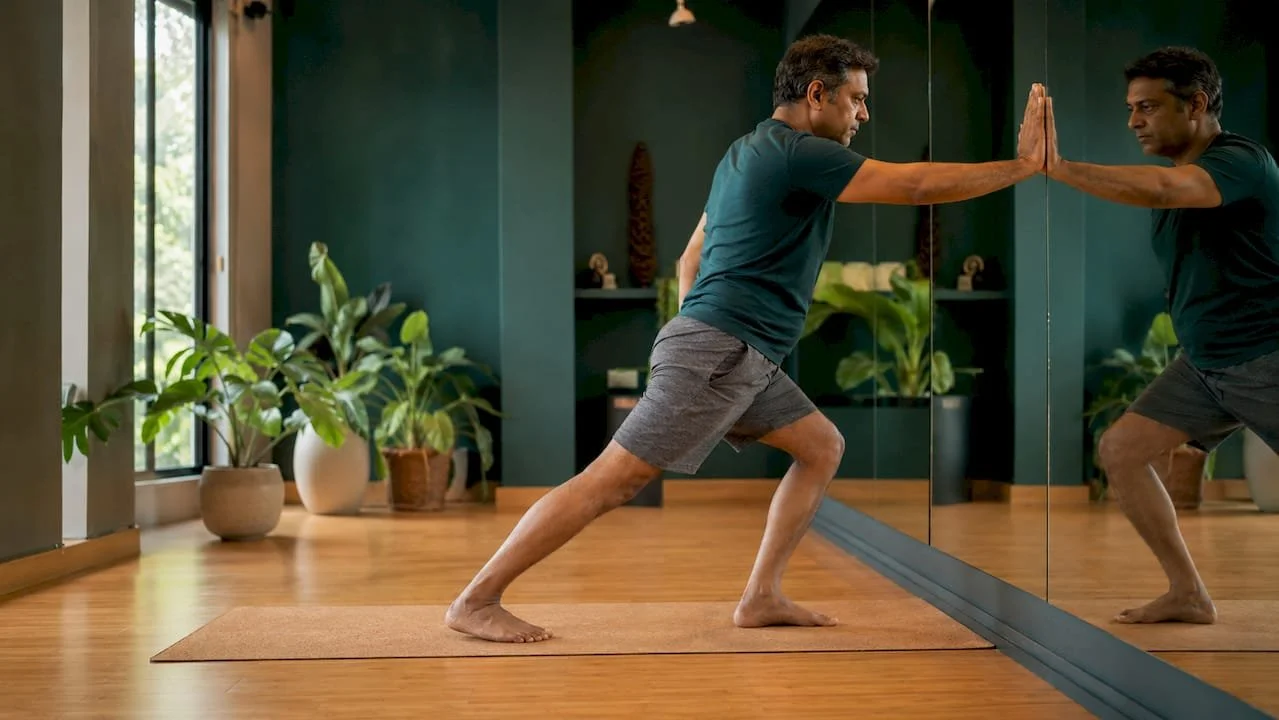
The wall acts as a biofeedback tool that provides immediate tactile feedback on spinal alignment, something mat-only Pilates simply cannot replicate. When your back, shoulders, or hips drift out of position, the wall tells you instantly. That real-time correction accelerates learning far faster than trying to self-monitor in a mirror.
Deep core muscles, specifically the transverse abdominis and multifidus, activate more reliably when the wall guides your positioning. These muscles wrap around the spine like a corset and are the primary stabilizers of your lower back. Strengthening them reduces the common postural problems adults develop from desk work, including lower back arching and rounded shoulders.
Visible posture improvements appear within 3–4 weeks, with significant deep core activation measurable at 4–6 weeks. That timeline is faster than most adults expect from a bodyweight-only practice. The wall is the reason for that speed.
Pro Tip: Stand with your heels, hips, upper back, and the back of your head all touching the wall. Hold that position for 30 seconds before each session. This teaches your nervous system what neutral spine actually feels like, so you carry that alignment into every exercise.
2. What are the core strengthening and flexibility benefits?
Wall Pilates builds strength in the muscles that most adults neglect: the deep stabilizers rather than the superficial movers. The transverse abdominis, multifidus, and pelvic floor stabilizers all engage during wall-supported movements because the wall removes the option of compensating with larger muscle groups.
Flexibility of the hamstrings and hip flexors improves faster through wall Pilates than through mat-only practice. Gravity-assisted stretches, such as lying on your back with legs extended up the wall, allow a passive, sustained stretch that deepens over time without forcing the joint. Hip flexor tightness, a near-universal problem for adults who sit for long hours, responds particularly well to this approach.
The low-impact nature of wall Pilates protects joint health while building muscular endurance. There is no jumping, no heavy loading, and no sudden directional changes. That makes it appropriate for adults recovering from minor injuries or managing chronic joint sensitivity.
Key physical advantages of wall Pilates include:
Deep core activation targeting the transverse abdominis and pelvic stabilizers
Faster flexibility gains in hamstrings and hip flexors compared to mat-only work
Improved muscular endurance through sustained, controlled movement
Joint protection due to the low-impact, bodyweight-based format
Progressive challenge by adding resistance bands or light weights once fundamentals are solid
Adding resistance toolsonce you master the basics prevents fitness plateaus and keeps the practice challenging. A Pilates ball or light dumbbells can significantly increase the demand on your stabilizers without compromising the low-impact nature of the workout. For a broader look atPilates exercises for all levels, Amritayogawellness has a detailed breakdown worth reading.
3. How does wall Pilates support mental well-being and body awareness?
Wall Pilates reduces stress and improves the mind-body connection through focused breathwork and controlled movement. The breathing patterns central to Pilates activate the parasympathetic nervous system, which is the body's rest-and-recover state. That physiological shift is why adults consistently report feeling calmer after a session, not just physically tired.
The wall enhances proprioception, which is your body's sense of where it is in space. Most adults have poor proprioceptive awareness from years of sedentary habits. The wall's tactile feedback retrains that awareness quickly, making you more conscious of how you hold your body throughout the day, not just during exercise.
Mental well-being benefits from wall Pilates include:
Stress reduction through diaphragmatic breathing and slow, deliberate movement
Improved body awareness from the wall's immediate spatial feedback
Greater focus because each movement requires conscious engagement rather than momentum
Consistency support since the accessibility of the practice makes it easier to maintain a regular routine
Building a meditation routine alongside wall Pilates amplifies these mental health benefits. The two practices share the same core principle: deliberate attention to breath and body. Adults who combine both report faster improvements in stress management than those who practice either alone.
4. What makes wall Pilates practical for busy adults?
Beginner wall Pilates routinestypically last around 15 minutes, making them realistic for adults with packed schedules. A 15-minute session is short enough to fit before work or during a lunch break, yet long enough to produce measurable results when practiced consistently. That combination of brevity and effectiveness is rare in fitness.
The equipment requirement is minimal. You need a clear, flat wall and a mat or folded blanket to protect your joints. No gym membership, no reformer machine, no special footwear. That removes the friction that causes most adults to abandon new fitness habits within the first month.
Getting started safely is straightforward:
Choose a clear wall with no baseboards, outlets, or furniture nearby that could obstruct movement.
Use a mat or folded blanket between your body and hard flooring to protect your spine and hips.
Start with 15-minute sessions three times per week and build from there.
Focus on form before repetitions. One correct repetition beats ten sloppy ones.
Add resistance gradually. Introduce a light resistance band or Pilates ball only after you can perform the basic movements with control.
Wall Pilates is scalable for all fitness levels. Beginners use the wall for stability and alignment cues. More advanced practitioners add resistance tools to increase the challenge. That scalability means you never outgrow the practice.
Pro Tip: Place your mat perpendicular to the wall so you can transition between floor and wall exercises without repositioning. This keeps your session flowing and reduces the temptation to stop and reset.
5. Common misconceptions and safety tips for wall Pilates
The biggest misconception about wall Pilates is that it produces rapid weight loss on its own. Effective weight management requires integrated calorie control and cardiovascular exercise alongside Pilates practice. Wall Pilates tones muscle and improves posture, and consistent practice can reduce waist circumference by an average of 1.7cm over 8–12 weeks. That is a real, meaningful result. It is not the same as rapid fat loss, and conflating the two leads to early dropout.
"Expecting quick fixes from wall Pilates is the primary reason adults quit before seeing results. The practice rewards consistency over weeks, not days. Visible changes in posture and core strength emerge at 3–4 weeks. Significant strength gains follow at 4–6 weeks. Patience is not optional. It is the method."
Safety mistakes to avoid:
Pressing too hard into the wall. The wall is a feedback tool, not a resistance prop. Incorrect technique such as pushing forcefully against the wall can cause neck or lower back strain.
Skipping the warm-up. Cold muscles and connective tissue are more prone to strain. Spend 3–5 minutes on gentle mobility work before beginning.
Ignoring baseboards and outlets. A clear, flat wall surface with appropriate mat coverage is the baseline for safe practice.
Progressing too fast. Adding resistance before mastering bodyweight control increases injury risk without adding proportional benefit.
Neglecting nutrition and cardio. Wall Pilates complements a balanced lifestyle. It does not replace it.
For adults exploring popular Pilates styles beyond wall work, understanding the differences between mat, reformer, and wall formats helps set realistic expectations for each.
Key Takeaways
Wall Pilates delivers measurable posture, strength, and flexibility improvements within 3–6 weeks when practiced consistently, and its low-impact format makes it one of the most accessible fitness methods for busy adults.
| Point | Details |
|---|---|
| Posture improves fast | Visible spinal alignment gains appear within 3–4 weeks of consistent wall Pilates practice. |
| Core strength is deep | The wall activates the transverse abdominis and multifidus, the stabilizers most adults never train. |
| Flexibility gains are real | Gravity-assisted wall stretches improve hamstring and hip flexor mobility faster than mat-only work. |
| 15 minutes is enough | Beginner sessions last around 15 minutes, making the practice sustainable for busy schedules. |
| Weight loss requires more | Wall Pilates tones and improves posture; fat loss also requires cardio and calorie management. |
Why wall Pilates deserves more credit than it gets
Most fitness trends promise fast results and fade within a season. Wall Pilates has stayed relevant because it actually delivers on a narrow but meaningful set of outcomes: better posture, a stronger core, and a calmer nervous system. Those three things affect how you feel every single day, not just during a workout.
What I find most underappreciated is the biofeedback mechanism. Adults who have spent years sitting at desks have genuinely lost the ability to feel when their spine is neutral. The wall gives that sensation back. Once you feel it, you start noticing when you lose it, at your desk, in the car, standing in line. That body awareness carries over into everything.
The realistic timeline matters too. Three to four weeks for posture changes is fast by any standard. But adults who expect results in one week will quit in two. Setting the right expectation upfront is the difference between a practice that sticks and one that doesn't.
My honest advice: treat the wall as a teacher, not a crutch. Use it to learn what correct alignment feels like, then carry that knowledge into mat work, reformer sessions, and daily movement. Wall Pilates is not the destination. It is one of the best starting points in fitness for adults who want results without risk.
— Juiced
Pilates and wellness at Amrita Yoga & Wellness
Amritayogawellness offers Pilates classes and wellness sessions designed for adults at every fitness level, from first-timers to experienced practitioners. Whether you want to build on the wall Pilates fundamentals covered here or explore complementary practices like barre, yoga, or massage therapy, the studio's Philadelphia-based programs provide guided, personalized support.
Amritayogawellness also offers tarot readings as part of its broader approach to well-being, connecting physical practice with self-reflection and spiritual wellness. For adults who want to go beyond the physical benefits of movement, that combination of body-focused and introspective offerings makes Amritayogawellness a genuinely well-rounded wellness hub. Visit amritayogawellness.com to browse classes and book a session.
FAQ
What is wall Pilates?
Wall Pilates is a form of Pilates that uses a flat wall as a support and alignment tool during controlled, low-impact exercises. It differs from mat and reformer Pilates by providing immediate tactile feedback on spinal position and muscle engagement.
How long does it take to see results from wall Pilates?
Visible posture and spinal alignment improvements appear within 3–4 weeks of consistent practice, with significant deep core muscle activation measurable at 4–6 weeks.
Is wall Pilates good for beginners?
Wall Pilates is one of the most beginner-friendly Pilates formats available. Sessions typically last around 15 minutes, require no equipment beyond a mat and a clear wall, and the wall itself provides alignment cues that reduce the learning curve.
Can wall Pilates help with weight loss?
Wall Pilates supports weight management by toning muscle and improving posture, and consistent practice can reduce waist circumference by an average of 1.7cm over 8–12 weeks. Significant fat loss also requires cardiovascular exercise and calorie management.
What are the mental health benefits of wall Pilates?
Wall Pilates reduces stress and improves body awareness through focused breathwork and controlled movement. The practice activates the parasympathetic nervous system, supporting a calmer mental state after each session.
Recommended
How Do You Practice Mindfulness: A Beginner's Guide
TL;DR:
Mindfulness involves deliberately focusing on the present moment with openness and acceptance. It can be practiced easily without special equipment by starting small and maintaining consistency. Regular short sessions help build awareness and reduce stress, enhancing mental well-being over time.
Mindfulness is the practice of focusing your attention deliberately on the present moment with openness and acceptance. If you've been wondering how do you practice mindfulness without special training or equipment, the answer is simpler than most people expect. Mindfulness exercises require no special equipment and can fit into even the busiest schedule. Institutions like Mayo Clinic and Ohio State University recognize mindfulness as a practical tool for reducing stress and improving mental well-being. The key is starting small, staying consistent, and treating every session as progress, not performance.
How do you practice mindfulness as a complete beginner?
Mindfulness practice starts with one decision: to pay attention on purpose. You do not need a meditation cushion, a quiet retreat, or years of experience. Consistency matters more than duration for beginners, which means a two-minute daily habit beats a 30-minute session you do once a week.
The right mindset matters as much as the technique. Mindfulness trains the brain in acceptance, and expecting quick results actually works against that process. Go in without a performance goal. Your only job is to notice what is happening right now.
Here is what you need to get started:
A comfortable posture. Sit in a chair, on the floor, or lie down. Keep your spine reasonably upright so you stay alert.
A low-distraction space. You do not need silence, but fewer interruptions help at first.
A set intention. Decide before you sit down what you are practicing: breathing, body awareness, or simply noticing sounds.
Self-compassion. Your mind will wander. That is not a problem. It is the practice.
A realistic time goal. Start with 1–5 minutes. Add time only when short sessions feel natural.
Pro Tip: Set a gentle timer before you begin. Checking the clock pulls you out of the present moment and defeats the purpose of the session.
Step-by-step mindfulness techniques for beginners
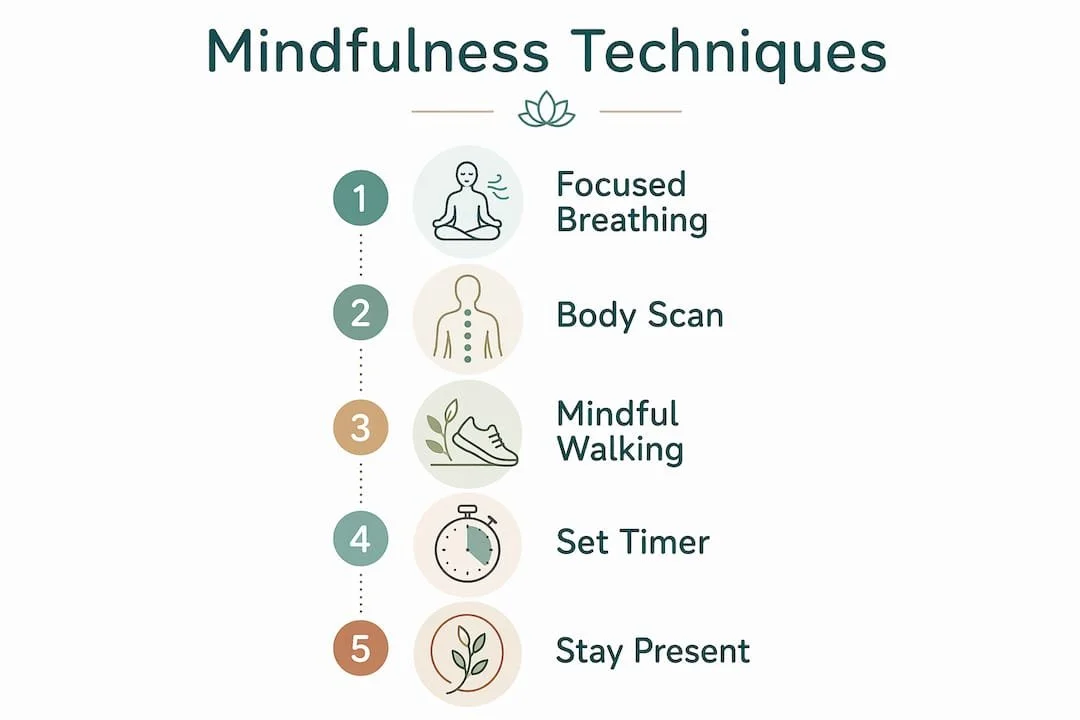
Three methods work well for people new to mindfulness: focused breathing, the body scan, and mindful walking. Each one builds present-moment awareness in a slightly different way.
1. Focused breathing
Focused breathing is the most direct entry point into mindfulness practice. It uses the breath as an anchor because it is always available and always happening right now.
Sit comfortably and close your eyes or soften your gaze downward.
Take one slow breath in through your nose, noticing the sensation of air entering.
Exhale slowly and notice the feeling of release.
Continue breathing naturally. Do not force a rhythm.
When your mind drifts to a thought, gently return your attention to the breath.
Repeat for 1–5 minutes.
Returning focus after mind wanderingis the core exercise, not a failure. Every time you notice distraction and come back, you are doing exactly what mindfulness asks of you.
2. Body scan meditation
The body scan moves your attention slowly from one part of the body to another. It builds the skill of noticing physical sensations without judging them.
Lie down or sit comfortably.
Close your eyes and take three slow breaths.
Bring your attention to the top of your head. Notice any sensation: warmth, tension, or nothing at all.
Slowly move your focus down through your face, neck, shoulders, arms, chest, belly, hips, legs, and feet.
Spend 15–30 seconds on each area.
If you notice tension, breathe toward that spot and let it soften.
3. Mindful walking
Mindful walking turns movement into meditation. It works well for people who find sitting still frustrating.
Walk at a slower pace than usual.
Focus on the sensation of each foot lifting, moving forward, and landing.
Notice the ground beneath you, the air on your skin, and the sounds around you.
When your mind wanders to a to-do list or a worry, return your attention to your feet.
Pro Tip: Try mindful walking during a short trip you already take, like walking from your car to the office. You do not need extra time.
The table below shows how these three techniques compare for beginners:
| Technique | Time needed | Best for | Difficulty |
|---|---|---|---|
| Focused breathing | 1–5 minutes | Stress relief, focus | Low |
| Body scan | 5–15 minutes | Tension release, sleep | Low to medium |
| Mindful walking | 5–10 minutes | Restless minds, movement lovers | Low |
Common challenges beginners face and how to get past them
The biggest obstacle in mindfulness practice is not distraction. It is the belief that distraction means failure. Mind wandering is a normal part of practice, and noticing it is itself an act of awareness. The moment you realize your mind has drifted, you have already returned to the present.
Here are the most common challenges and what actually helps:
"My mind won't stop." This is universal. The goal is not a blank mind. The goal is to notice thoughts without chasing them. Treating thoughts as guests to acknowledge kindly, rather than fighting them, makes practice more effective.
"I don't have time." A one-minute pause counts. Mindfulness can be practiced in one-minute increments during daily activities. Waiting for coffee to brew is enough time.
"I keep getting interrupted." Silencing devices and informing family members before a session reduces interruptions significantly. Treat those minutes as protected time.
"I'm not feeling any different." Progress in mindfulness is subtle and cumulative. You may notice it first as a slightly longer pause before reacting to stress, not as a dramatic shift.
"The brain's evolutionary negativity bias is a primary target for mindfulness practice. Mindfulness teaches you to notice and hold onto positive experiences rather than letting them slip past unnoticed." — Harvard University
Patience is not passive. It is an active choice to keep showing up even when results feel invisible. That choice, repeated daily, is what builds the mental muscle mindfulness develops.
How to bring mindfulness into your everyday life
Formal meditation sessions are valuable, but mindfulness grows fastest when you weave it into activities you already do. The goal is to turn ordinary moments into brief windows of present-moment awareness.
You can find mindfulness activities for adults in nearly every part of your day. Here are the most practical entry points:
Mindful eating. Put your phone down during one meal. Notice the taste, texture, and temperature of each bite before swallowing.
Mindful showering. Focus on the sensation of water temperature, the smell of soap, and the sound of water. When your mind plans the day, return to the shower.
Mindful handwashing. Use the 20 seconds of handwashing as a reset. Feel the water, notice the lather, breathe once.
Mindful pauses. Before opening your email, take three conscious breaths. Before answering the phone, pause for one second and notice where you are.
Stacking mindfulness onto existing habits is the most reliable way to build consistency. The table below shows how informal practice compares to formal sessions:
| Practice type | Format | Time required | Best benefit |
|---|---|---|---|
| Formal session | Dedicated meditation time | 5–20 minutes | Deep focus, habit formation |
| Informal practice | Woven into daily activities | 1–3 minutes | Sustained awareness, low effort |
Building a daily mindfulness workflow does not require restructuring your schedule. It requires redirecting your attention during moments you already have.
Key takeaways
Consistent, short mindfulness sessions practiced daily produce more lasting mental health benefits than occasional long sessions.
| Point | Details |
|---|---|
| Start with 1–5 minutes | Short daily sessions build the habit faster than infrequent long ones. |
| Mind wandering is normal | Noticing distraction and returning focus is the actual practice, not a setback. |
| No equipment needed | Mindfulness works anywhere, from a chair to a sidewalk, with zero tools required. |
| Stack it onto habits | Attach brief mindful moments to existing routines like eating, walking, or washing hands. |
| Acceptance is the core skill | Treating thoughts without resistance makes practice more effective over time. |
What I've learned from building a real mindfulness practice
Most articles tell you mindfulness is simple. That is true. What they skip is that simple does not mean easy, especially in the first two weeks.
When I started, I expected to feel calm after every session. Instead, I noticed how loud my thoughts actually were. That was uncomfortable. What shifted my experience was understanding that noticing the noise is the point. You are not trying to silence the mind. You are learning to watch it without getting pulled in.
The second thing nobody tells you: the benefits show up sideways. You do not finish a session and feel transformed. You notice, three weeks in, that you paused before snapping at someone. You notice you slept better on the nights you practiced. The changes are quiet and cumulative, which is exactly why so many people quit too soon.
My honest recommendation is to pick one technique from the breathing, body scan, or walking methods and do it every day for two weeks before adding anything else. Variety is tempting but it delays the habit from forming. Once one method feels natural, exploring different mindfulness tips becomes genuinely useful rather than distracting.
Mindfulness is not a personality trait some people have and others don't. It is a skill. Skills get better with repetition. That's the whole story.
— Juiced
Mindfulness support at Amrita Yoga & Wellness in Philadelphia
Amritayogawellness offers a welcoming space for people who want to take their mindfulness practice further with real community support.
The studio's tarot readings pair naturally with mindfulness work, offering a reflective, intuitive layer to self-awareness practice. For people who find solo meditation difficult to sustain, guided classes in yoga, tai chi, and other mind-body disciplines provide the structure and accountability that make consistency easier. Amritayogawellness serves practitioners at every level, from first-timers to those deepening an existing practice. Visit the studio's website to see current class schedules, workshops, and wellness services available in Philadelphia.
FAQ
How long should a beginner practice mindfulness each day?
Beginners should start with 1–5 minutes daily, prioritizing consistency over session length. Short daily practice builds the habit more effectively than longer sessions done occasionally.
What is the easiest mindfulness technique for beginners?
Focused breathing is the most accessible starting point. It requires no equipment, takes as little as one minute, and can be done anywhere.
Is it normal for my mind to wander during mindfulness practice?
Mind wandering is completely normal and expected. Noticing that your mind has drifted and gently returning your focus is the core exercise of mindfulness, not a sign that you are doing it wrong.
Can I practice mindfulness without meditating formally?
Yes. Mindfulness can be woven into everyday activities like eating, walking, or washing hands. These informal practices build present-moment awareness without requiring dedicated meditation time.
How soon will I notice the benefits of practicing mindfulness?
Benefits are typically subtle and cumulative rather than immediate. Most people notice small changes, like a longer pause before reacting to stress, within two to three weeks of consistent daily practice.
Recommended
Best Meditation Guide for Beginners: Start Today
TL;DR:
Meditation for beginners should be simple, research-backed, and require only a comfortable seat and a few minutes. Consistent short daily practice, especially around 10 minutes, produces lasting stress reduction and focus improvement within eight weeks. Techniques like breath awareness, body scans, and guided visualization suit different needs and are accessible without cost or equipment.
The best meditation guide for beginners is one that is simple, research-backed, and requires nothing more than a comfortable seat and a few minutes of your time. Mindfulness meditation, the recognized clinical term for most beginner practices, has been studied extensively and shown to reduce stress and improve focus with short daily sessions of just 5–10 minutes. Techniques like breath awareness, body scans, and guided visualization are free, proven, and accessible to anyone. Amritayogawellness, a Philadelphia-based yoga and wellness studio, builds its beginner programs around exactly these principles: no pressure, no perfection, just consistent practice.
1. What are the best simple meditation techniques for beginners?
Three techniques stand out as the most beginner-friendly: breath awareness, body scan, and guided visualization. Each one works differently, and knowing what sets them apart helps you pick the right starting point.
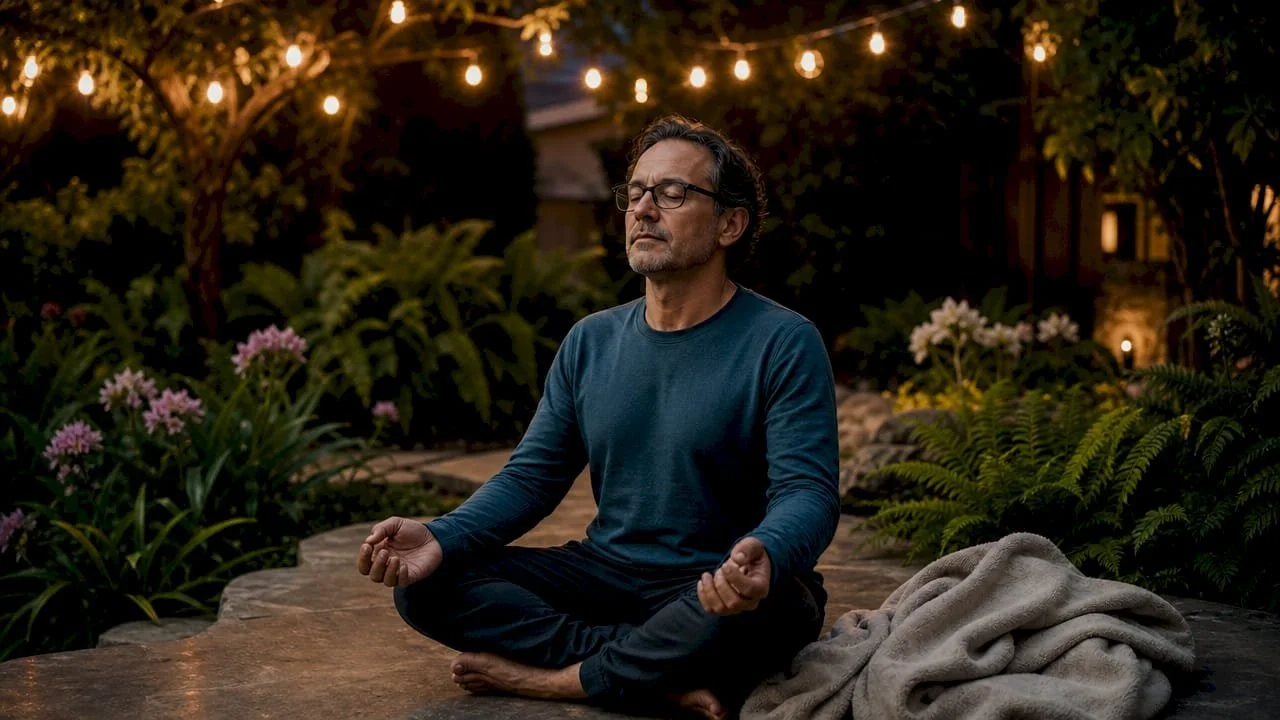
Breath awareness meditation is the most direct entry point. Sit comfortably, close your eyes, and focus on the natural rhythm of your breath. Notice the inhale, the exhale, and the pause between them. When your mind wanders, gently return your attention to your breath. That act of returning is the practice itself.
Body scan meditation shifts attention from the breath to physical sensations. Starting at the top of your head or the soles of your feet, you slowly move awareness through each part of your body. This technique is especially useful for people who carry physical tension or struggle to sit still with only the breath as an anchor.
Guided visualization uses spoken imagery to direct your focus. A teacher or audio recording leads you through a calming scene or a structured mental exercise. Guided meditation is recommended for beginners because it reduces the anxiety of "doing it wrong" and keeps your attention oriented to a clear focal point.
Moving meditation is a fourth option worth knowing. Walking slowly and deliberately, paying attention to each step and breath, counts as meditation. Moving meditation is a valid and often easier entry point for beginners who feel restless or physically uncomfortable sitting still.
Breath awareness: best for simplicity and portability
Body scan: best for physical tension and body awareness
Guided visualization: best for beginners who feel self-conscious
Moving meditation: best for restlessness or physical discomfort
Pro Tip: Try each technique for three days before deciding which one fits. Most beginners abandon meditation too early because they chose a style that did not match their temperament, not because meditation itself failed them.
You can read a deeper breakdown of meditation types to match techniques to your specific goals.
2. How long and how often should beginners meditate?
Consistency beats duration every time. A 5-minute daily session produces more benefit than a 45-minute session once a week. That single fact removes the biggest excuse most beginners carry: not having enough time.
Start with 5–10 minutes per session. Once that feels natural, work toward 10–20 minutes daily. Research consistently links 10–20 minutes daily to clinically significant reductions in stress and anxiety. That is roughly the length of a coffee break.
The timeline for lasting change is also well established. Eight weeks of daily practice produces neurological and psychological improvements that persist beyond the practice itself. Eight weeks is not a long commitment. It is two months of five-minute mornings.
Here is a simple progression plan for your first eight weeks:
Weeks 1–2: 5 minutes daily, breath awareness only
Weeks 3–4: 7 minutes daily, add a body scan on alternate days
Weeks 5–6: 10 minutes daily, experiment with guided visualization
Weeks 7–8: 12–15 minutes daily, choose the technique that resonates most
Timing matters less than regularity, but morning sessions before the day fills up tend to stick better. Habit stacking, meditating immediately after an existing daily ritual like brushing your teeth or making coffee, strengthens habit formation by anchoring the new behavior to something already automatic.
3. What common beginner challenges come up and how do you handle them?
The most common beginner mistake is expecting a quiet mind. Meditation does not require silence inside your head. Success in a session is defined by the moment you notice your mind has wandered and gently bring it back. That noticing is the skill you are building.
Think of it like going to the gym. You do not expect to lift heavy weight on day one. Meditation is training for the mind, and you start exactly where you are, busy thoughts and all.
Here are the most common obstacles and direct solutions:
"My mind won't stop." This is normal. Every time you notice a thought and return to your breath, you are meditating correctly.
Physical discomfort. Sit on a folded blanket or lie down for a body scan. Switch to walking meditation if sitting feels impossible.
"I don't have time." Five minutes counts. Set a timer and commit to that alone.
All-or-nothing thinking. Missing one day does not erase progress. Return the next day without judgment.
Feeling self-conscious. Guided sessions remove this entirely. A voice leading you through the practice eliminates the uncertainty of whether you are "doing it right."
Pro Tip: Anchor your meditation to one existing habit this week. After you pour your morning coffee, sit down and set a 5-minute timer before you drink it. The coffee becomes the trigger, and the habit builds itself.
Exploring mindfulness for stress relief can also help you understand why these challenges are temporary and how the practice shifts over time.
4. How to choose the right meditation guide or resource
No single guide is right for everyone. The best way to learn how to meditate is to find a resource that matches your goals, your schedule, and your tolerance for structure. A guide that claims only one correct method is a guide worth skipping. Effective meditation is built around personal goals, whether that is grounding, stress relief, or cultivating compassion.
Evaluate any guide against these criteria:
Simplicity: Does it explain techniques in plain language without excessive jargon?
Flexibility: Does it offer more than one technique so you can find your fit?
Accessibility: Is it free or low-cost to start? No equipment should be required.
Clear instructions: Can you follow the steps without a background in meditation?
Realistic expectations: Does it acknowledge that wandering thoughts are normal?
Free options include reputable health websites, YouTube meditation for beginners channels from certified teachers, and studio-based beginner programs. Paid apps and courses add accountability features and structured progressions, which suit beginners who prefer external motivation. Neither is superior. The right choice is the one you will actually use.
Amritayogawellness offers beginner-friendly classes in Philadelphia that combine movement and mindfulness, giving you a live instructor and a community rather than a screen. That human element matters more than most beginners expect.
5. Situational suggestions for different beginner scenarios
Your life context shapes which meditation approach will actually stick. A technique that works for someone with a flexible morning schedule may be useless for a parent with a packed day.
Busy schedule: Use micro meditation. Two to three focused breaths before a meeting or after a commute counts. Build from there.
Physical discomfort or injury: Practice body scan meditation lying down. There is no rule that says you must sit upright.
High anxiety or stress: Loving-kindness meditation, which involves silently directing warm wishes toward yourself and others, is clinically associated with reduced anxiety and improved mood. It gives the mind a positive anchor instead of a neutral one.
Already practicing yoga: Meditation fits naturally at the end of a yoga session when the body is already calm. Amritayogawellness integrates mindfulness into its yoga classes, making this transition easy for students already on the mat.
Prefer group settings: Guided group sessions reduce isolation and add accountability. Many beginners find that practicing alongside others removes the self-consciousness of solo practice.
Motivation dips: Return to your original reason for starting. Write it on a sticky note near your meditation spot. When motivation drops, the environment cues the habit.
The 7 types of meditation practices covered by Amritayogawellness give you a clear map for matching your situation to the right technique.
Key takeaways
The most effective meditation guide for beginners combines simple techniques, short daily sessions, and realistic expectations grounded in clinical research.
| Point | Details |
|---|---|
| Start with 5–10 minutes | Short daily sessions build the habit faster than occasional long ones. |
| Consistency over duration | Eight weeks of daily practice produces lasting neurological improvements. |
| Wandering mind is normal | Success means noticing distraction and returning focus, not staying still. |
| Match technique to your life | Breath awareness, body scan, and moving meditation each suit different needs. |
| Use habit stacking | Attach meditation to an existing daily ritual to make it automatic. |
What I have learned from watching beginners start their practice
Most people overthink the beginning. They research techniques for weeks, buy a meditation cushion, and then sit down expecting silence. What they get instead is a busy mind, an itchy nose, and the creeping suspicion that they are doing it wrong. They are not.
The single most useful reframe I have seen work for beginners is this: meditation is not about achieving a state. It is about practicing a skill. The skill is noticing where your attention went and choosing to bring it back. You will do that dozens of times in a five-minute session. Each return is a repetition. Each repetition builds the muscle.
Guided meditations are underrated for this reason. They give your attention somewhere to go. When a voice is walking you through a body scan or a breathing sequence, you spend less energy wondering whether you are doing it correctly and more energy actually practicing. That shift in cognitive load makes a real difference in the early weeks.
The other thing I have seen derail beginners is rigidity. If breath awareness bores you after two weeks, switch to walking meditation. If a 7-minute session feels too long on a hard day, do two minutes. Flexibility is not failure. Quitting is the only failure. The practice does not care how you show up. It only asks that you do.
— Juiced
Meditation and wellness support at Amritayogawellness
Amritayogawellness, located in Philadelphia, offers beginner-friendly classes that weave mindfulness into yoga, tai chi, and movement-based sessions. The studio's approach removes the pressure of solo practice by placing you in a supportive community with experienced instructors.
For beginners looking to deepen their self-awareness beyond movement, Amritayogawellness also offers tarot readings as a complementary wellness service. Tarot sessions provide a reflective, guided experience that pairs naturally with a developing meditation practice. Whether you are looking for a structured class or a personal wellness session, Amritayogawellness has a starting point that fits where you are right now.
FAQ
How long should a beginner meditate each day?
Start with 5–10 minutes daily and work toward 10–20 minutes as the habit solidifies. Daily consistency matters far more than session length.
What is the easiest meditation technique for beginners?
Breath awareness meditation is the simplest starting point. It requires no equipment, no guidance, and no prior experience. Just focus on your natural breath and return your attention when it wanders.
How long does it take to see results from meditation?
Eight weeks of daily practice is the threshold most consistently linked to lasting neurological and psychological improvements. Many beginners notice reduced stress and better focus within the first two weeks.
Do I need an app or paid course to learn meditation?
No. Free resources including reputable health websites, YouTube meditation for beginners content from certified teachers, and studio beginner programs provide everything you need to start. Paid tools add structure and accountability but are not required.
What should I do when my mind keeps wandering during meditation?
Notice the thought, label it mentally as "thinking," and gently return your focus to your breath or chosen anchor. Mind wandering is not a failure. The act of returning is the practice itself.
Recommended
Bikram Yoga Dallas: Benefits, Classes, and Pricing
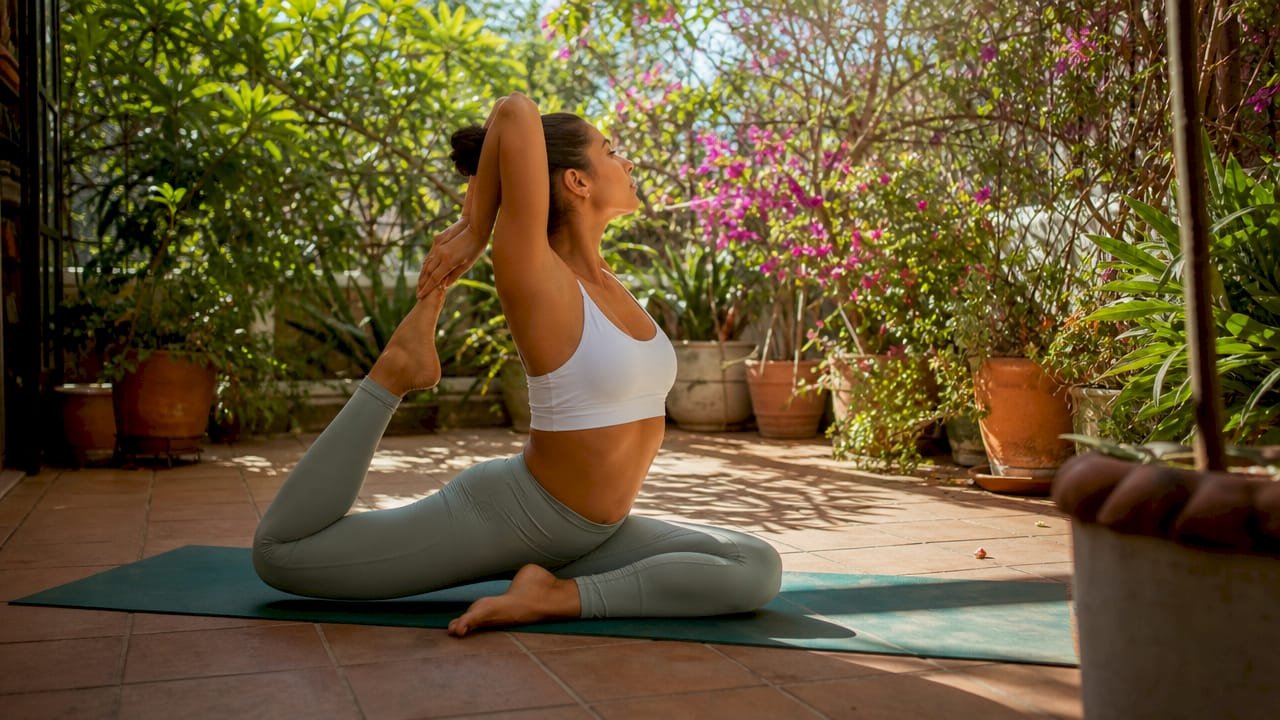
TL;DR:
Bikram yoga is a standardized hot yoga practice performed in heated rooms with a fixed sequence of postures. Regular practice leads to measurable body fat reduction, increased flexibility, and mental health benefits, especially when practiced three times weekly. Beginners face an adaptation phase marked by initial discomfort, but consistent attendance fosters progress over months.
Bikram yoga is a standardized hot yoga practice performed in a room heated to 90–105°F, following a fixed sequence of 26 postures and 2 breathing exercises. Dallas practitioners are turning to this method in growing numbers because the results are measurable and the format is consistent. A six-month longitudinal study found an average body fat reduction of 6.17% among adult women who practiced three sessions per week. That figure clears the clinical threshold for meaningful metabolic health improvement, making bikram yoga Dallas one of the most evidence-backed fitness options in the city.
What are the health and fitness benefits of Bikram yoga in Dallas?
Bikram yoga produces real, documented physical changes. The 6.17% body fat reduction recorded in consistent practitioners over six months is not a minor shift. It reflects the cumulative effect of sustained heat exposure, muscular engagement across all 26 postures, and the metabolic demand of practicing in a 40°C environment three times per week.
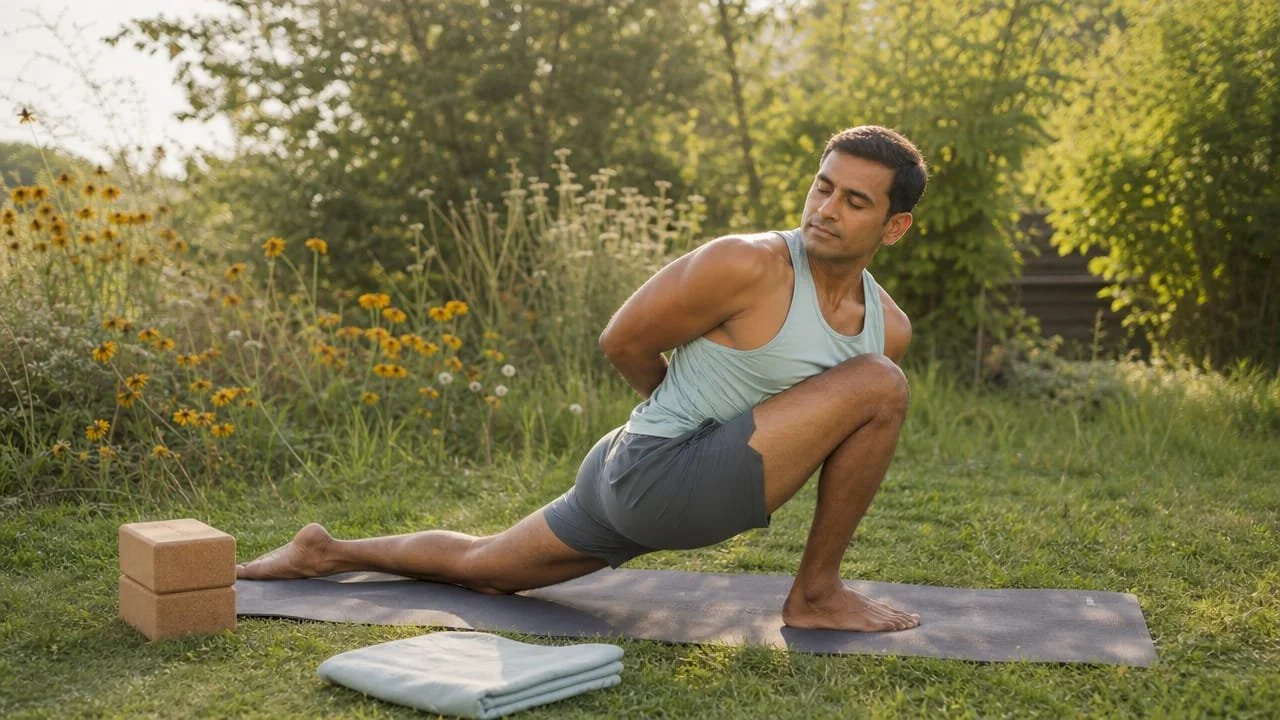
The heat does more than burn calories. Hot yoga rooms heated to 90–105°F increase muscle pliability, which allows deeper stretches than room-temperature yoga can safely produce. Greater hip mobility, improved spinal flexibility, and reduced joint stiffness are common outcomes reported by regular practitioners. These gains compound over weeks of consistent attendance.
Mental health benefits are equally significant. Hot yoga's mental health benefits include measurable stress reduction and improved mood, both of which matter for long-term wellness. The structured, repetitive nature of the sequence also trains mental focus. You learn to stay present under physical discomfort, which carries over into daily life.
One important clarification: clinical research confirms that hot yoga does not significantly elevate aerobic cardiovascular output compared to room-temperature yoga. The heat creates intensity, but it does not replace cardio training. Bikram yoga works best as a complement to a broader fitness routine that includes aerobic activity.
Key benefits at a glance:
Significant body fat reduction with consistent three-times-per-week practice
Improved flexibility and hip mobility from heat-assisted deep stretching
Stress reduction and mood improvement through structured movement
Increased mental focus and discipline from the fixed sequence format
Better spinal health and joint mobility over time
How is the 26-posture sequence designed for beginners in Dallas?
The standardized "26-and-2" sequence is built for neuromuscular memory development, not variety. Every class follows the exact same order of postures and breathing exercises. That consistency is the point. Your body learns the sequence deeply over time, and you measure progress against your own previous performance rather than against a changing set of challenges.
For beginners in Dallas, the first few weeks feel genuinely hard. Physical discomfort during initial weeks is a normal adaptation phase, not a sign that the practice is wrong for you. The combination of heat, unfamiliar postures, and sustained effort creates what experienced practitioners call an "intense breakdown" phase. Your body is recalibrating. Pushing through this period with patience is what separates those who adapt from those who quit.
Here is what the typical beginner progression looks like:
Weeks 1–2: Focus on surviving the heat. Stay in the room. Sit down when needed. Drink water between postures.
Weeks 3–4: Begin holding postures longer. Notice which poses feel easier. Your body is starting to adapt.
Month 2: The sequence starts to feel familiar. You stop thinking about what comes next and start focusing on form.
Month 3 onward: Measurable flexibility gains appear. Mental focus during class sharpens noticeably.
The heat in Bikram yoga enables deeper muscle stretches that are not safely achievable at room temperature. This is not a gimmick. Warm muscles stretch further with less injury risk, which is why the heated environment is a core design feature of the practice, not an optional add-on.
Pro Tip: Enter your first class with zero expectations about posture depth. Your only goal for the first month is to stay in the room and complete the sequence. Progress in Bikram yoga is measured in months, not sessions.
Unlike flow-based yoga styles, Bikram yoga does not reward creativity or improvisation. The fixed format can feel restrictive at first. Over time, that structure becomes an asset. You stop spending mental energy on what comes next and direct it entirely toward the posture you are in.
What do hot yoga classes in Dallas cost?
Dallas hot yoga studios offer accessible entry points for new practitioners. Introductory pricing at Dallas studios includes $10 for a single class, $40 for seven days of unlimited classes, and $119 for a monthly membership. These tiers reflect the boutique studio model that has become standard across the city's yoga community.
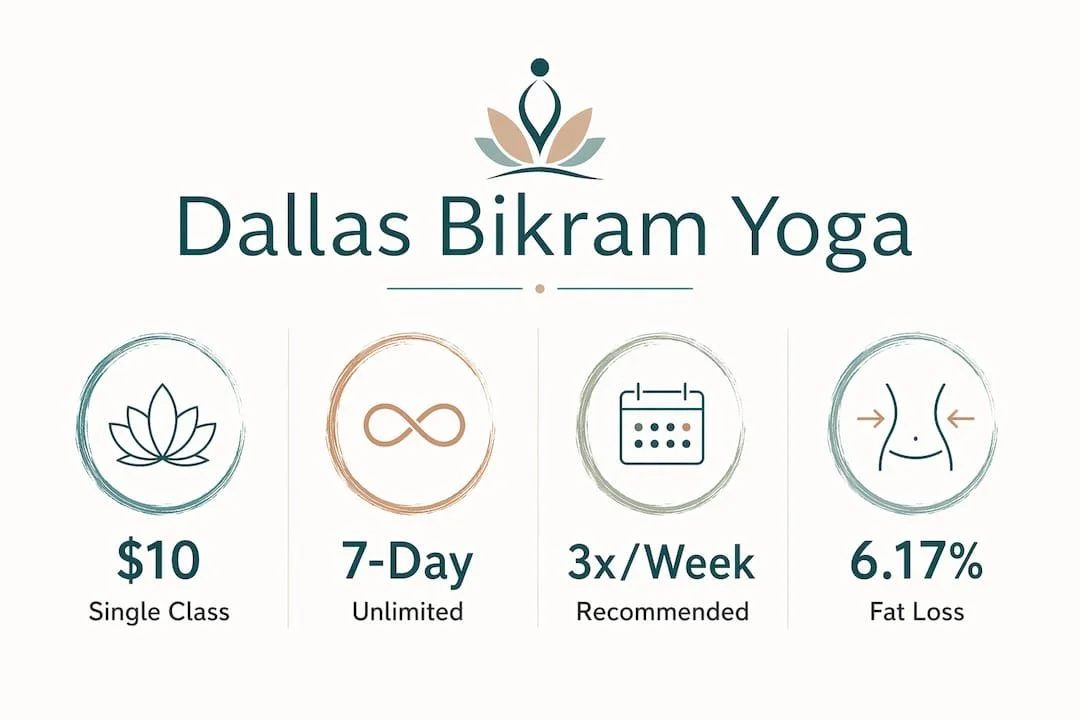
| Pricing tier | Cost | Best for |
|---|---|---|
| Single class | $10 | First-time visitors |
| 7-day unlimited | $40 | Beginners testing commitment |
| Monthly membership | $119 | Regular practitioners |
The seven-day unlimited option is the smartest starting point for most people. It lets you practice daily during your first week, which accelerates adaptation and gives you a realistic sense of whether the format suits you. Buying a single class first is fine, but one session rarely gives you enough information to judge the practice fairly.
Boutique studio membership models in Dallas are designed to welcome all levels. Most studios offer beginner-friendly class times, smaller class sizes during off-peak hours, and instructors who actively guide new practitioners through the sequence. Check each studio's schedule directly, as class times and introductory offer terms vary.
Before attending your first class, review hot yoga preparation guidance to understand what to bring, how to eat beforehand, and what to wear. Showing up unprepared for the heat is the most common beginner mistake, and it is entirely avoidable.
What safety tips are essential for practicing hot yoga in Dallas?
Safety in Bikram yoga starts with hydration. Drink at least 64 ounces of water in the hours before class. The heated room causes significant fluid loss, and arriving dehydrated makes the session dangerous rather than productive. Electrolyte drinks before and after class help replace what sweat removes.
Gradual acclimation is the second non-negotiable. Your body needs time to adjust to exercising in 90–105°F heat. Attend two to three classes per week during your first month rather than daily sessions. This gives your cardiovascular system time to adapt without overloading it.
Certain conditions require medical clearance before starting. Pregnancy, cardiovascular disease, heat sensitivity disorders, and recent surgery are all contraindications that warrant a conversation with your doctor first. The hot yoga safety tips resource from Amritayogawellness covers these precautions in detail and is worth reviewing before your first session.
Preparation checklist before your first class:
Drink water consistently throughout the day before class
Eat a light meal two to three hours before, not immediately before
Bring a large water bottle, a yoga mat, and two towels
Wear lightweight, moisture-wicking clothing
Arrive 15 minutes early to acclimate to the room temperature
Tell the instructor you are new before class begins
Pro Tip: If you feel dizzy or nauseous during class, sit or lie down on your mat immediately. Leaving the room is always an option. Staying in the room and resting is better than pushing through and overheating.
Recognizing physiological stress signals matters. Dizziness, nausea, and a sudden feeling of cold despite the heat are signs of heat exhaustion. These are not signs of weakness. They are your body communicating clearly. Respond by resting, hydrating, and cooling down. The yoga for beginners guidance at Amritayogawellness addresses these scenarios with practical advice for new practitioners.
Key Takeaways
Bikram yoga in Dallas delivers measurable physical and mental benefits when practiced consistently three times per week in a properly heated studio environment.
| Point | Details |
|---|---|
| Documented fat reduction | Six months of consistent practice produces an average 6.17% body fat reduction in adult women. |
| Heat enables deeper stretching | Rooms heated to 90–105°F allow muscle stretches not safely achievable at room temperature. |
| Beginners face an adaptation phase | Initial discomfort is normal and resolves with consistent attendance over the first four to six weeks. |
| Dallas pricing is accessible | Entry options start at $10 per class, with a $40 seven-day unlimited pass for new practitioners. |
| Bikram yoga complements cardio | Clinical research confirms hot yoga does not replace aerobic training and works best alongside it. |
What I have learned from the Dallas hot yoga community
The first time I walked into a heated yoga room, I thought I had made a mistake. The air felt thick, the temperature was aggressive, and the idea of holding 26 postures for 90 minutes seemed unrealistic. That reaction is nearly universal among beginners. What surprised me was how quickly that feeling changed.
The fixed sequence is the practice's greatest underrated feature. Every class is the same. That sameness removes the mental overhead of figuring out what comes next. After a few weeks, you stop managing the sequence and start managing yourself within it. That shift is where the real growth happens.
What the Dallas yoga community adds to this practice is accountability. Seeing the same faces in class three times a week creates a quiet form of social commitment. You show up not just for yourself but because the community notices when you do not. That dynamic is more powerful than any app or fitness tracker.
The mental toughness built in a Bikram class transfers directly to daily life. Staying calm and focused while physically uncomfortable is a skill. You practice it for 90 minutes, three times a week, and it becomes part of how you handle stress outside the studio. That is the benefit no study fully captures.
My honest advice: commit to 30 days before you judge the practice. The first two weeks are the hardest. The third week is when something shifts. By day 30, you will have enough data to decide whether this practice belongs in your life long-term.
— Juiced
Amritayogawellness and your wellness practice
Bikram yoga builds physical strength and mental clarity, but a complete wellness practice reaches further than the mat. Amritayogawellness supports practitioners who want to connect their physical work to deeper self-awareness and mind-body balance.
Amritayogawellness offers tarot readings as a complementary tool for practitioners exploring the mental and spiritual dimensions of their wellness practice. Many yogis find that reflective practices like tarot readings help them process what surfaces during intense physical training. The Amritayogawellness platform also serves as a resource hub for class guidance, wellness workshops, and community connection. Visit amritayogawellness.com to learn more about available offerings and how they support a well-rounded approach to health.
FAQ
What is Bikram yoga and how does it differ from regular hot yoga?
Bikram yoga is a specific standardized practice using a fixed sequence of 26 postures and 2 breathing exercises in a room heated to 90–105°F. General hot yoga classes vary in sequence and format, while Bikram yoga always follows the same order.
How many times per week should beginners practice Bikram yoga in Dallas?
Two to three sessions per week is the recommended starting frequency for beginners. This pace allows your body to adapt to the heat and postures without overloading your cardiovascular system.
Does Bikram yoga help with weight loss?
A six-month study found an average body fat reduction of 6.17% in adult women practicing three sessions per week. Bikram yoga supports fat reduction but works best alongside aerobic exercise for comprehensive fitness.
What should I bring to my first hot yoga class in Dallas?
Bring a large water bottle, a yoga mat, and two towels. Wear lightweight, moisture-wicking clothing and eat a light meal two to three hours before class, not immediately before.
Is Bikram yoga safe for people with health conditions?
Conditions including cardiovascular disease, pregnancy, and heat sensitivity disorders require medical clearance before starting. Consult your doctor and review hot yoga safety guidance before attending your first class.
Recommended
Benefits of Pilates Reformer Workout: Full Guide
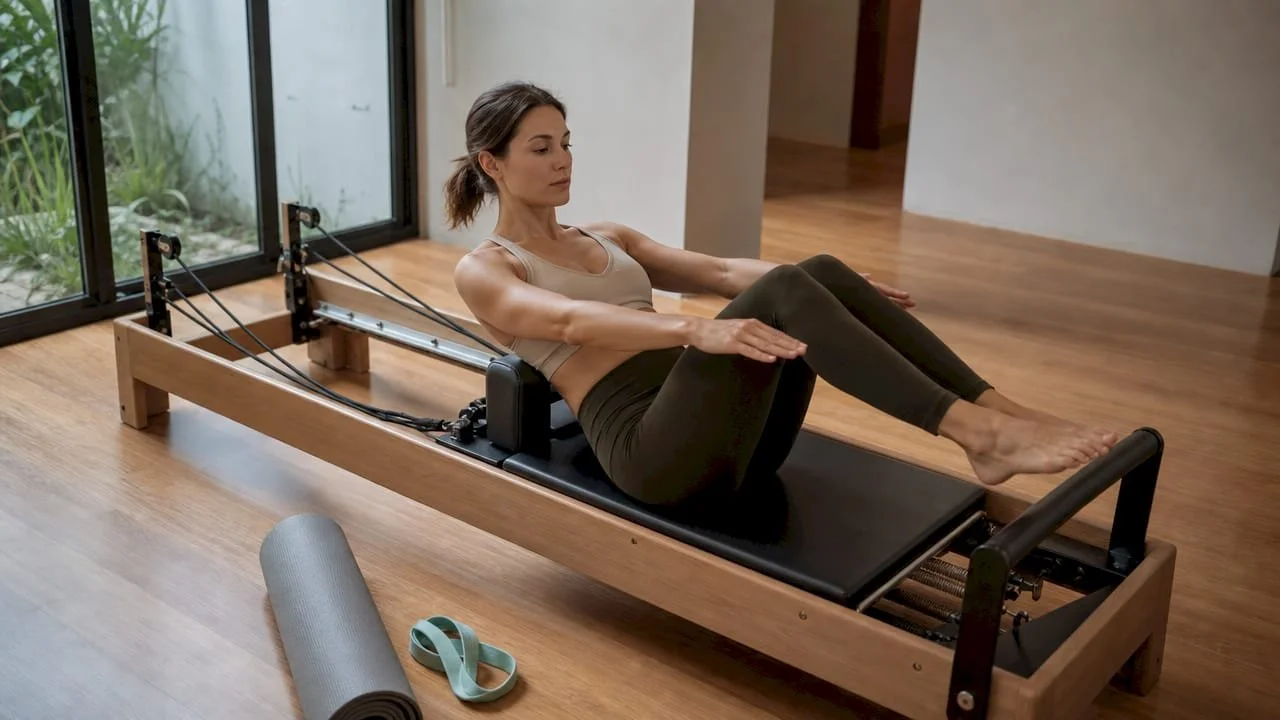
TL;DR:
Pilates reformer workouts are resistance-based exercises that enhance core strength, flexibility, and posture. Regular practice leads to significant pain reduction, improved body composition, and mental well-being within 8 to 12 weeks.
Pilates reformer workouts are defined as resistance-based, low-impact exercise sessions performed on a spring-loaded carriage machine that builds core strength, increases flexibility, reduces chronic pain, and supports full-body conditioning. The reformer machine uses adjustable spring tension to create controlled resistance across every movement, making it far more versatile than mat Pilates alone. Clinical research confirms that structured reformer programs of 8–12 weeks produce consistent improvements in pain, posture, balance, and body composition. Whether you are recovering from an injury, managing back pain, or simply looking for a sustainable fitness method, the benefits of pilates reformer workout practice extend well beyond what most people expect.
How does Pilates reformer improve core strength and stability?
The reformer activates deep core muscles, specifically the transverse abdominis and multifidus, in ways that conventional floor exercises rarely reach. These muscles sit beneath the visible surface muscles and act as the spine's internal support system. When they are weak, the spine compensates with poor movement patterns that lead to injury over time.
Reformer exercises place the body in functional positions, such as kneeling, standing, and lying on a moving surface, which forces the deep stabilizers to engage continuously. Spinal alignment and posture improve within 4–6 weeks of regular practice because the deep muscles learn to hold the spine correctly during movement, not just at rest. That is a meaningful distinction from crunches or planks, which train surface muscles in static positions.
Compared to conventional core training, reformer Pilates produces superior functional gains because the spring resistance is adjustable and the movement patterns mimic real life. A person recovering from surgery can work at low spring tension, while a trained athlete can load the same exercise heavily. This adaptability is what makes the reformer a clinical tool as much as a fitness tool.
Key advantages for core strength include:
Transverse abdominis activation during every exercise, not just dedicated "core" moves
Multifidus recruitment that supports vertebral stability at each spinal segment
Progressive resistance via spring adjustment, allowing safe overload over time
Functional movement patterns that transfer directly to daily activities like lifting and bending
Pro Tip: Start with lighter spring resistance and focus on feeling the deep abdominal muscles draw inward before adding load. Most beginners rush to heavier springs and miss the core activation entirely.
What impact does Pilates reformer have on flexibility and posture?
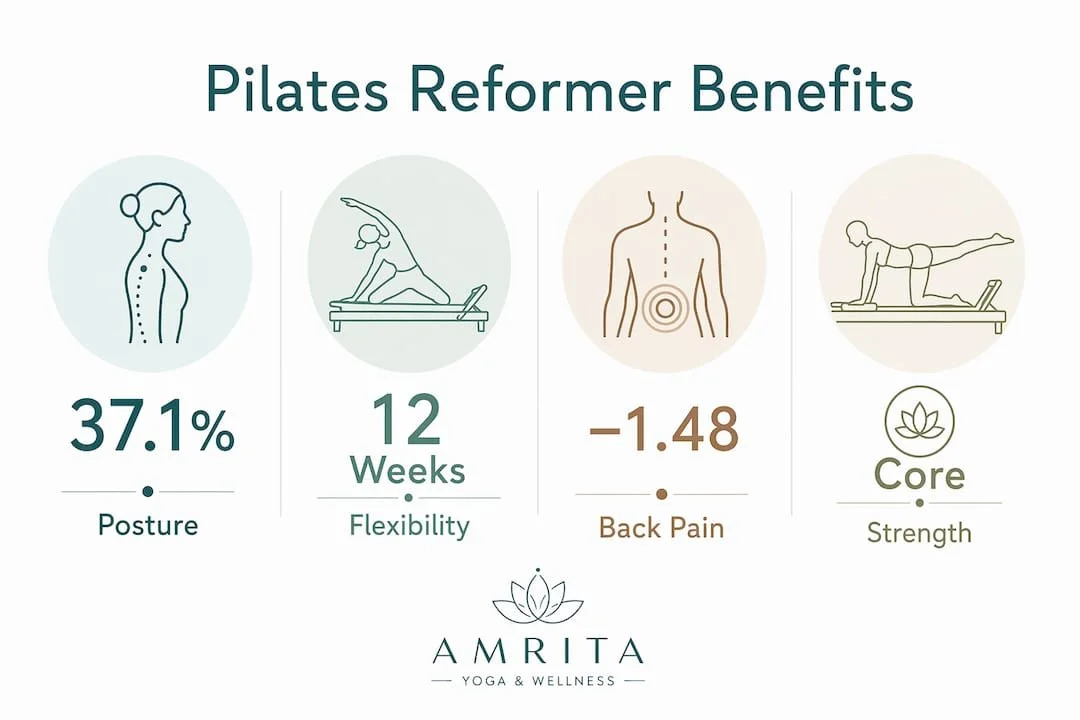
Reformer Pilates improves flexibility through controlled, full-range movements that lengthen muscles under load rather than passive stretching. This method, called eccentric loading, produces more durable flexibility gains than static stretching because the muscle learns to control its length rather than simply tolerate it.
A controlled study with 30 participants found that a 12-week reformer program improved postural symmetry by 37.1% and reduced pain by 50%. That level of postural change is clinically significant. It means the body is not just feeling better but moving differently, with measurable symmetry between left and right sides.
Postural asymmetries are common in people who sit for long hours or favor one side during repetitive activities. The reformer corrects these imbalances because each exercise can be performed unilaterally, isolating one side at a time. This makes it particularly effective for desk workers, athletes with sport-specific imbalances, and people in post-surgical rehabilitation.
| Benefit | What the research shows |
|---|---|
| Postural symmetry | 37.1% improvement after 12 weeks of reformer practice |
| Pain reduction | 50% reduction in pain scores in the same 12-week study |
| Range of motion | Improved joint mobility through eccentric loading across all major joints |
| Spinal alignment | Measurable correction of forward head posture and anterior pelvic tilt |
Pro Tip: Ask your instructor to photograph your posture at the start of a 12-week program. Comparing images at week 4 and week 12 gives you concrete evidence of progress that motivates continued practice.
How does Pilates reformer assist in pain reduction and rehabilitation?
Pilates is one of the most evidence-supported non-pharmacological treatments for chronic low back pain. A meta-analysis of 438 participants across 9 randomized controlled trials found a standardized mean difference of −1.48 for pain reduction compared to control groups. That is a large effect size by clinical standards, placing Pilates among the most effective conservative interventions available.
An 8-week supervised Pilates program reduced pain by 30% and improved functional capacity by 13.4% in women with chronic low back pain compared to usual care. Functional capacity means the ability to perform daily tasks like walking, bending, and carrying. A 13.4% gain in that measure translates directly into quality of life.
One nuance that practitioners and patients both need to understand: symptom relief often arrives before measurable tissue changes. A 4-week Pilates intervention did not significantly alter core muscle tone or stiffness at the tissue level, yet participants still reported meaningful pain and function improvements. This tells us that Pilates improves neuromuscular control and movement quality first, and structural tissue changes follow with longer practice.
"Pilates improves control before complete structural restoration. Pain relief and functional gain appear first, and biomechanical normalization follows with sustained practice." — Clinical research synthesis on Pilates and chronic low back pain
This sequence matters for managing expectations. If you start a reformer program for back pain and feel better within two weeks, that is real and valid. Do not stop there. The deeper tissue and structural benefits require the full 8–12 week commitment to take hold.
Rehabilitation protocols typically use the reformer's spring system to offload body weight during exercises, making movements accessible for people who cannot yet perform them on the floor. The footbar and straps allow precise positioning that protects injured joints while still loading the surrounding muscles. This is why physical therapists and sports medicine clinicians increasingly incorporate reformer Pilates into post-surgical and chronic pain programs.
What are the holistic wellness and mental health benefits of Pilates reformer workouts?
Reformer Pilates is a mind-body practice, not just a physical one. The breath coordination required in every exercise activates the parasympathetic nervous system, which lowers cortisol and shifts the body out of the stress response. That physiological shift is measurable and meaningful, particularly for people managing anxiety, burnout, or chronic stress.
The mental focus required during reformer sessions functions similarly to meditation. You cannot think about your to-do list while coordinating breath, spring resistance, and precise limb movement simultaneously. That enforced presence is one reason practitioners consistently report improved mood and mental clarity after sessions.
Additional wellness benefits include:
Stress reduction through parasympathetic activation during breath-coordinated movement
Improved sleep quality linked to reduced cortisol and physical fatigue from low-impact exertion
Meditative focus that builds mental resilience alongside physical strength
Long-term sustainability because the low-impact format protects joints, making it appropriate for older adults and people with chronic conditions
Improved quality of life scores documented in clinical studies measuring both physical and mental health outcomes
The low-impact nature of reformer Pilates is one of its most underrated advantages. High-impact exercise accumulates joint stress over years. Reformer Pilates builds strength and cardiovascular conditioning without that cumulative wear, which means you can practice it consistently for decades. For older adults especially, that longevity of practice produces compounding wellness benefits that no short-term high-intensity program can match.
How do body measurements change with a structured reformer plan?
A structured reformer Pilates program produces measurable changes in body circumference, not just subjective feelings of being leaner. A 12-week, thrice-weekly program with female participants showed significant reductions in waist, chest, hips, thighs, arms, and leg circumferences. The greatest reductions occurred in the first month, indicating that initial fat loss and toning happen quickly with consistent practice.
These circumference reductions carry cardiometabolic significance beyond aesthetics. Waist circumference reduction specifically correlates with decreased visceral fat, which is the metabolically active fat surrounding internal organs. Reducing visceral fat lowers risk markers for cardiovascular disease and metabolic syndrome. Reformer Pilates, practiced three times per week, produces this effect without the joint stress of high-impact cardio.
| Measurement site | Outcome from 12-week reformer program |
|---|---|
| Waist | Significant reduction, greatest in first 4 weeks |
| Hips | Measurable circumference decrease across program duration |
| Arms | Toning effect with reduced circumference |
| Thighs and legs | Consistent reduction linked to lower body resistance work |
The beginner Pilates guide at Amritayogawellness outlines how to structure those first weeks to maximize early results while building the technique foundation needed for long-term progress.
Key Takeaways
Pilates reformer workouts deliver clinically proven improvements in core strength, posture, pain reduction, body composition, and mental well-being when practiced consistently for 8–12 weeks.
| Point | Details |
|---|---|
| Core strength gains | Deep stabilizers like the transverse abdominis activate in every reformer exercise, improving spinal support. |
| Posture improvement | A 12-week program produces 37.1% better postural symmetry, measurable and lasting. |
| Pain relief comes first | Symptom relief precedes tissue changes; commit to the full program for structural benefits. |
| Body composition changes | Waist, hip, arm, and leg circumferences decrease significantly within 12 weeks of three-weekly sessions. |
| Mental health benefits | Breath coordination activates the parasympathetic nervous system, reducing cortisol and stress. |
What I have learned from watching people use the reformer
Most people walk into their first reformer session expecting gentle stretching. They leave surprised by how hard it is. That gap between expectation and reality is actually the reformer's greatest strength. It meets you exactly where you are physically, then challenges you precisely enough to produce change without injury.
What I have observed consistently is that the people who get the most from reformer Pilates are not the most athletic. They are the most consistent. Showing up three times per week for 12 weeks, even at moderate intensity, produces results that sporadic intense sessions never will. The 2026 beginner guide at Amritayogawellness captures this principle well: structure and repetition matter more than effort level in the early weeks.
The rehabilitation angle also gets underestimated. People assume reformer Pilates is for healthy people who want to look better. Clinical evidence says otherwise. The spring offloading system makes it one of the few exercise modalities where someone with acute back pain can train safely on day one of a program. That is not a small thing.
My honest recommendation: treat the reformer as a long-term practice, not a short-term fix. The 8–12 week evidence base is a floor, not a ceiling. The people who practice for years build a physical resilience that genuinely changes how they age.
— Juiced
Pilates reformer classes at Amrita Yoga & Wellness
Amrita Yoga & Wellness, Philadelphia's community wellness studio, offers Pilates reformer classes alongside yoga, barre, tai chi, and massage therapy. The studio serves practitioners at every level, from first-timers managing back pain to experienced movers building strength and flexibility.
Whether your goal is pain relief, better posture, or a sustainable fitness practice that protects your joints for the long term, Amrita Yoga & Wellness has a class structure that fits. The studio's wellness offerings reflect a commitment to whole-person health, not just physical conditioning. Visit amritayogawellness.com to browse the class schedule and find the right starting point for your practice.
FAQ
What does a Pilates reformer do for your body?
The reformer builds deep core strength, improves flexibility, corrects posture, and reduces chronic pain through adjustable spring resistance. Clinical studies show consistent improvements in pain, function, and body composition within 8–12 weeks of regular practice.
How soon do you see results from reformer Pilates?
Pain relief and functional improvements often appear within 4–8 weeks. Body composition changes like circumference reductions are measurable after a 12-week, three-times-weekly program.
Is reformer Pilates good for back pain?
Yes. A meta-analysis of 9 randomized controlled trials found Pilates produces a standardized mean difference of −1.48 for pain reduction in chronic low back pain patients, making it one of the most effective conservative treatments available.
Can beginners use a Pilates reformer?
Beginners can start reformer Pilates safely by using lighter spring resistance and working with a qualified instructor. The spring system allows full load adjustment, making every exercise accessible regardless of fitness level.
How is reformer Pilates different from mat Pilates?
The reformer adds adjustable spring resistance and a moving carriage, which activates deep stabilizing muscles more effectively than mat work alone. It also allows exercises in standing and kneeling positions that mat Pilates cannot replicate.
Recommended
Benefits of Pilates for Athletes: Performance Guide
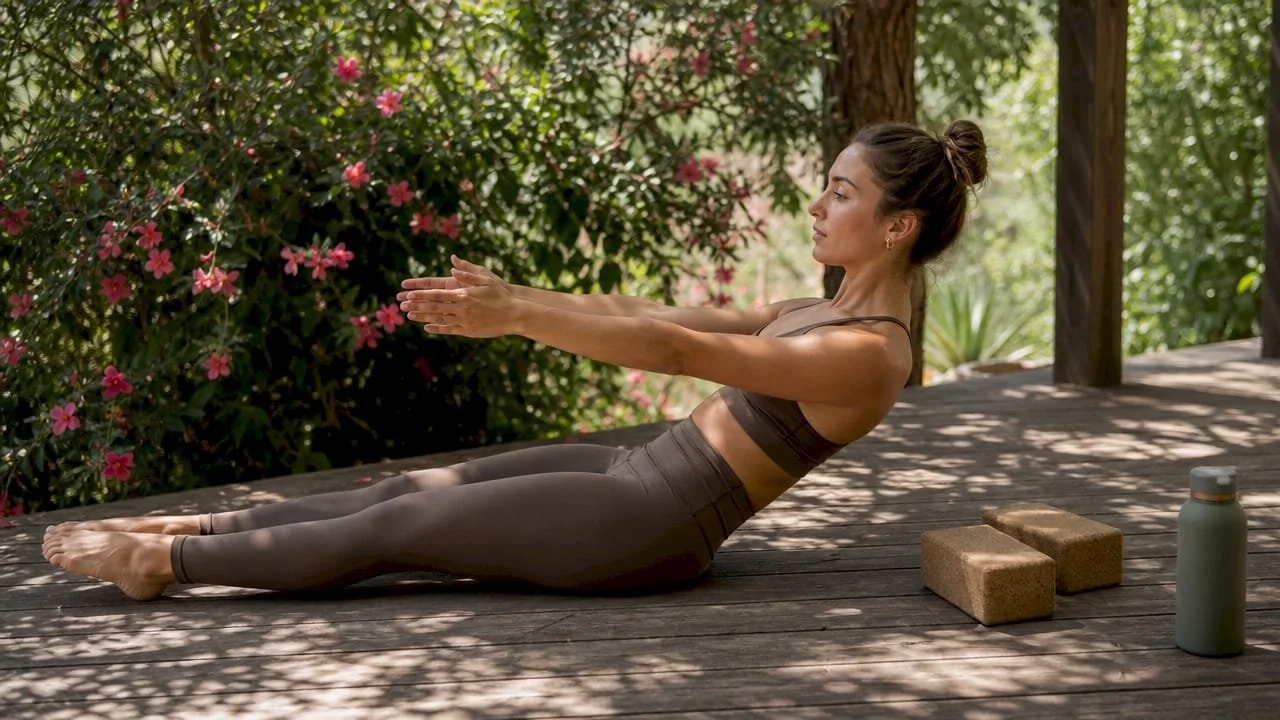
TL;DR:
Pilates enhances athletes' core stability, flexibility, and balance, leading to better performance and injury prevention. It targets deep stabilizing muscles, improves movement efficiency, and promotes recovery when integrated properly into training routines. Consistent practice during the off-season effectively resets imbalances and builds foundational strength.
Pilates is a systematic training method that builds the core stability, flexibility, and dynamic balance athletes need for peak performance and long-term injury prevention. The benefits of Pilates for athletes go well beyond basic stretching. Research on college basketball players shows a 6-week Pilates program produced significant gains in flexibility, balance, muscular strength, and core stability compared to a control group. Pilates targets the deep stabilizing muscles that explosive sports training typically ignores, making it one of the most effective cross-training tools available for athletes at every level.
1. Benefits of Pilates for athletes: core strength and power transfer
Core strength is the foundation of every athletic movement, from a sprinter's drive phase to a basketball player's jump shot. Most athletes train the superficial muscles like the rectus abdominis while neglecting the deep core: the transversus abdominis, multifidus, pelvic floor, and diaphragm. Pilates targets all four directly.
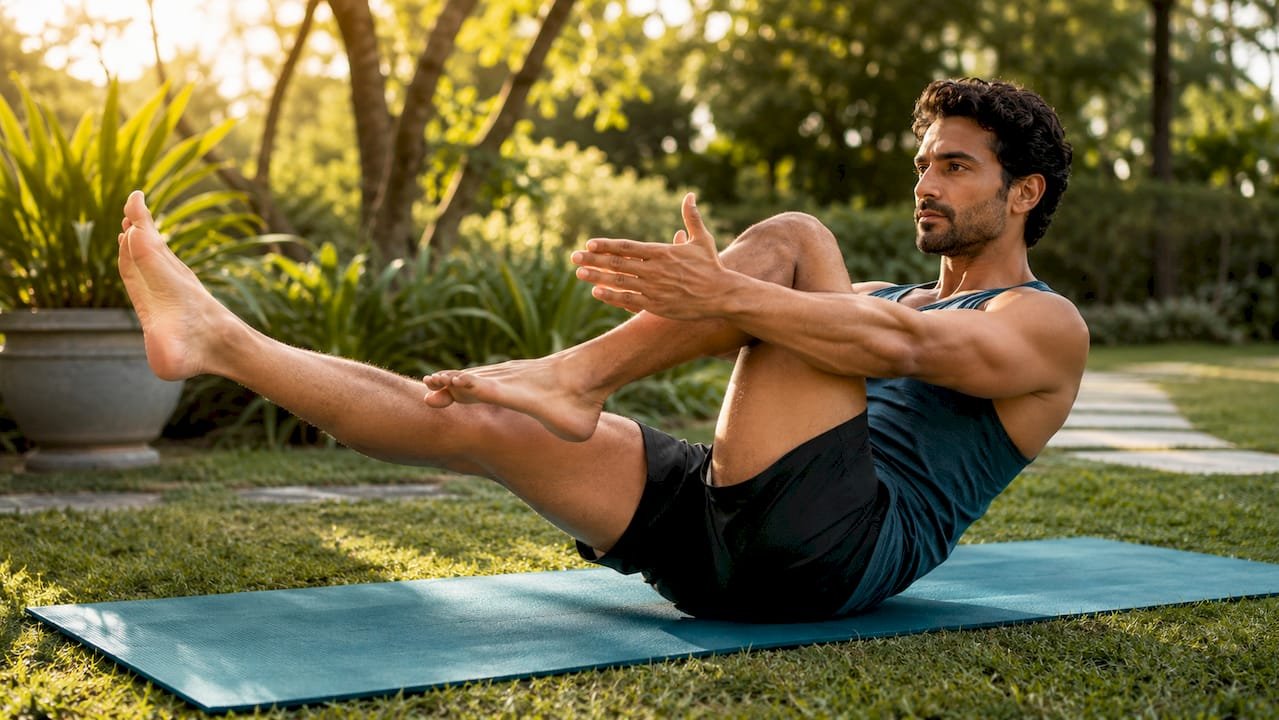
Pilates solves the "energy leak" problem by strengthening these deep muscles and improving force transfer during explosive movements. When your deep core fires correctly, power generated in your legs travels efficiently through your trunk to your arms or the ground. Without that transfer, energy bleeds out at the midsection and performance drops.
An 8-week mat Pilates program significantly improved isometric back and leg strength in male youth soccer players aged 11–13. That result matters because it shows strength gains appear even in young, developing athletes who already train regularly.
Key deep core muscles Pilates develops:
Transversus abdominis: the body's internal weight belt, stabilizing the spine before limb movement
Multifidus: small spinal muscles critical for vertebral stability and posture under load
Pelvic floor: the base of the core cylinder, essential for intra-abdominal pressure control
Diaphragm: the top of the core cylinder, coordinating breathing with spinal stability
Pro Tip: Prioritize Pilates exercises like the Hundred, Dead Bug, and Single Leg Stretch early in your routine. These load the deep core without fatiguing the prime movers you need for sport-specific training later.
2. Flexibility and joint mobility gains for better movement
Dynamic flexibility is the ability to move a joint through its full range under load and at speed. Static stretching builds range of motion at rest. Pilates builds the kind of flexibility athletes actually use during competition.
Pilates lengthens muscles while simultaneously demanding control through that range. A footballer gaining hip flexor length through Pilates does not just stretch the tissue. He trains the nervous system to use that length at full stride. That combination directly improves movement efficiency and reduces the stiffness that slows athletes down in the second half of a game.
The 6-week basketball study recorded significant flexibility improvements across the intervention group. Flexibility gains in athletes translate to faster stride mechanics, deeper squat patterns, and reduced compensatory movement that leads to overuse injuries.
Sports that benefit most from Pilates-driven flexibility gains:
Runners: hip flexor and hamstring length reduces stride restriction and IT band stress
Golfers: thoracic rotation mobility directly increases club head speed
Football players: hip and groin flexibility reduces adductor strain risk during cutting movements
Swimmers: shoulder mobility and thoracic extension improve stroke efficiency and reduce rotator cuff load
Pro Tip: Pair your Pilates session with sport-specific dynamic warm-up drills on the same day. The nervous system is primed after Pilates work, making it the ideal time to reinforce sport-relevant movement patterns.
3. Dynamic balance and neuromuscular control
Dynamic balance is the ability to maintain body position while moving, absorbing force, or changing direction. It is not a talent. It is a trainable skill, and Pilates trains it directly.
A 12-week Pilates intervention significantly improved dynamic balance and lower limb strength in elite fencers, with a strong correlation between quadriceps strength and balance scores. Elite athletes already train hard. The fact that Pilates produced measurable balance gains on top of their existing training shows how much foundational stability typical sports programs leave on the table.
Pilates builds proprioception, the body's ability to sense its own position in space, by demanding precise movement on unstable surfaces and through unfamiliar planes of motion. Better proprioception means faster automatic corrections when you land awkwardly, change direction, or absorb contact. That speed of correction is what separates athletes who stay healthy from those who get hurt.
Balance and strength gains: what the research shows
| Metric | Pre-Pilates | Post-Pilates (12 weeks) |
|---|---|---|
| Dynamic balance score | Baseline | Significantly improved (p<.05) |
| Lower limb strength | Baseline | Significantly improved |
| Quadriceps-balance correlation | Measured | Strong positive correlation |
| Study population | Elite fencers | Elite fencers |
Pro Tip: Add single-leg Pilates exercises like the Standing Leg Press or Side-Lying Leg Series to your routine. These directly challenge the hip stabilizers and ankle proprioceptors most relevant to cutting and landing mechanics.
4. Injury prevention through muscular balance
Most sports injuries do not come from a single catastrophic event. They come from accumulated stress on tissues that are overworked because other muscles are not doing their job. Pilates corrects that imbalance at the source.
Pilates improves gluteal muscle strength and neuromuscular coordination, directly reducing injury risk at the knee, hip, and lower back. Weak glutes force the hamstrings, IT band, and lumbar spine to compensate. That compensation pattern is behind a large share of running injuries, ACL tears, and chronic low back pain in athletes.
Pilates also trains tendons and ligaments through controlled, progressive loading rather than the ballistic stress of sport. That controlled loading builds tissue resilience without the joint overload that heavy lifting or plyometrics can cause. For athletes managing sports injury recovery, Pilates provides a way to maintain conditioning while protecting vulnerable structures.
How Pilates reduces injury risk in athletes:
Corrects muscle imbalances by targeting underactive stabilizers that sport-specific training skips
Trains movement control through full range of motion, reducing the risk of joint stress at end range
Builds tendon resilience through slow, loaded movements that stimulate collagen remodeling
Improves landing mechanics by strengthening the hip and knee stabilizers that absorb ground reaction force
Reduces compensatory patterns that develop when dominant muscles take over for weaker ones
5. Faster recovery and off-season conditioning
Recovery is not passive. Athletes who use their off-season to correct movement faults and rebuild foundational strength return to preseason training ahead of those who simply rest. Pilates is the most effective tool for that work.
Pilates is most effective in the off-season because it addresses movement compensations without adding joint overload. During the competitive season, athletes accumulate asymmetries from repetitive sport-specific patterns. A pitcher's shoulder, a soccer player's dominant kicking hip, a tennis player's dominant forearm all create imbalances that compound over time. Pilates resets those patterns.
Qualitative improvements in movement efficiency and injury resilience typically appear within 8–12 weeks of consistent Pilates practice. That timeline fits neatly into a standard off-season block, making it a practical addition to any periodized training plan.
For athletes recovering from ankle or lower limb injuries, Pilates provides controlled loading that supports ankle sprain rehabilitation while rebuilding the hip and core stability that protects the joint from reinjury.
6. Mental discipline and movement precision
Pilates requires deliberate, precise movements that challenge athletes in ways their regular training does not. NFL players who have added Pilates to their programs describe it as mentally demanding in a completely different way from lifting or conditioning work. That demand is the point.
Pilates emphasizes slow, controlled movement with high concentration on stabilizing muscles. This differs sharply from the explosive, high-load training that dominates most athletic programs. The mental discipline of holding precise positions under fatigue transfers directly to sport. Athletes who can maintain form when tired make fewer technical errors and sustain fewer injuries in the late stages of competition.
The concentration Pilates demands also builds body awareness. Athletes who know exactly where their spine, hips, and shoulders are during movement make faster technical corrections. That awareness is a skill, and Pilates is one of the few training methods that develops it systematically. You can explore Pilates breathing techniques as a starting point for building that internal focus.
7. How to build a Pilates routine for athletes
A Pilates routine for athletes works best when it is treated as a complement to sport-specific training, not a replacement for it. Pilates corrects imbalances and prevents injury. It does not replace heavy lifting or conditioning work.
Practical guidelines for integrating Pilates into athletic training:
Frequency: 2 sessions per week is the minimum effective dose for measurable gains. The basketball and fencer studies used 3 sessions per week over 6–12 weeks.
Duration: 45–60 minutes per session is sufficient. Longer sessions do not produce proportionally better results.
Timing: Schedule Pilates on lower-intensity training days or after technical skill work, not before heavy strength sessions.
Instructor selection: Athletes need instructors experienced with sport-specific biomechanics. A general Pilates class will not address the joint loading patterns specific to your sport.
Progression: Start with mat-based fundamentals like the Pilates exercises for all levels before moving to reformer or equipment-based work.
Periodization: Use higher Pilates volume in the off-season for correction and rebuilding. Reduce to maintenance frequency during the competitive season.
General Pilates classes may not address sport-specific demands. Athletes should seek programs tailored to the biomechanical requirements of their sport to get the most from the method.
Key takeaways
Pilates builds the core stability, dynamic balance, and muscular coordination that athletes need to perform better and stay healthy longer.
| Point | Details |
|---|---|
| Core strength drives performance | Pilates targets deep stabilizers that improve force transfer in every explosive movement. |
| Flexibility gains are functional | Pilates builds dynamic range of motion athletes use at speed, not just at rest. |
| Balance and proprioception improve measurably | A 12-week program produced significant balance gains in elite fencers already in peak training. |
| Injury prevention is the clearest ROI | Correcting gluteal weakness and movement compensations reduces the most common sports injury patterns. |
| Off-season timing maximizes results | Eight to twelve weeks of consistent Pilates resets imbalances and rebuilds foundational stability before preseason. |
What I've learned watching athletes train with Pilates
Athletes walk into their first Pilates session expecting it to be easy. They walk out humbled. That gap between expectation and reality is the most important thing Pilates teaches.
The mental shift is real. Athletes who train with maximum effort in every session learn to push through discomfort. Pilates teaches something different: precision under fatigue, control at the edge of your range, and patience with slow progress. Those qualities show up in competition in ways that are hard to measure but impossible to miss.
What I find most underrated is how Pilates exposes the weak links that athletes have learned to work around. A tight hip flexor, a lazy glute, a spine that locks up instead of rotating. Sport-specific training masks these problems because dominant muscles compensate. Pilates removes the compensation and forces you to address the actual issue.
The athletes who get the most from Pilates are the ones who treat it seriously from the start. Two sessions a week, a qualified instructor who understands your sport, and a willingness to slow down and feel what your body is actually doing. That investment pays off in fewer injuries, better movement quality, and a longer career.
— Juiced
Pilates classes for athletes at Amrita Yoga & Wellness
Athletes in Philadelphia looking to add Pilates to their training have a direct option at Amrita Yoga & Wellness. The studio offers Pilates classes designed to build the core strength, flexibility, and balance that support athletic performance and recovery.
Amritayogawellness provides a range of wellness programs and classes that fit different training schedules and experience levels, from beginners working on foundational stability to experienced athletes refining movement quality. The studio's approach to Pilates fits naturally into a periodized training plan, whether you are in the off-season rebuilding phase or maintaining conditioning during competition. Check the schedule and find a session that works around your sport.
FAQ
What are the main benefits of Pilates for athletes?
Pilates improves core strength, dynamic balance, flexibility, and neuromuscular coordination. Research shows measurable gains in all four areas within 6–12 weeks of consistent practice.
How often should athletes do Pilates?
Two to three sessions per week produces significant results, based on the basketball and fencer studies that used that frequency over 6–12 weeks.
Does Pilates replace strength training for athletes?
Pilates complements strength training but does not replace it. Its primary value is correcting imbalances, preventing injury, and improving core-integrated movement alongside regular sport-specific work.
When is the best time for athletes to add Pilates?
The off-season is the most effective time to start Pilates, as it allows athletes to address movement compensations and rebuild foundational stability without the joint overload of in-season training.
Can Pilates help with sports injury recovery?
Pilates supports recovery by rebuilding hip and core stability through controlled loading that protects vulnerable joints. It is particularly useful for athletes recovering from lower limb injuries and overuse conditions.
Recommended
Aerial Yoga Poses Step by Step: Beginner's Guide
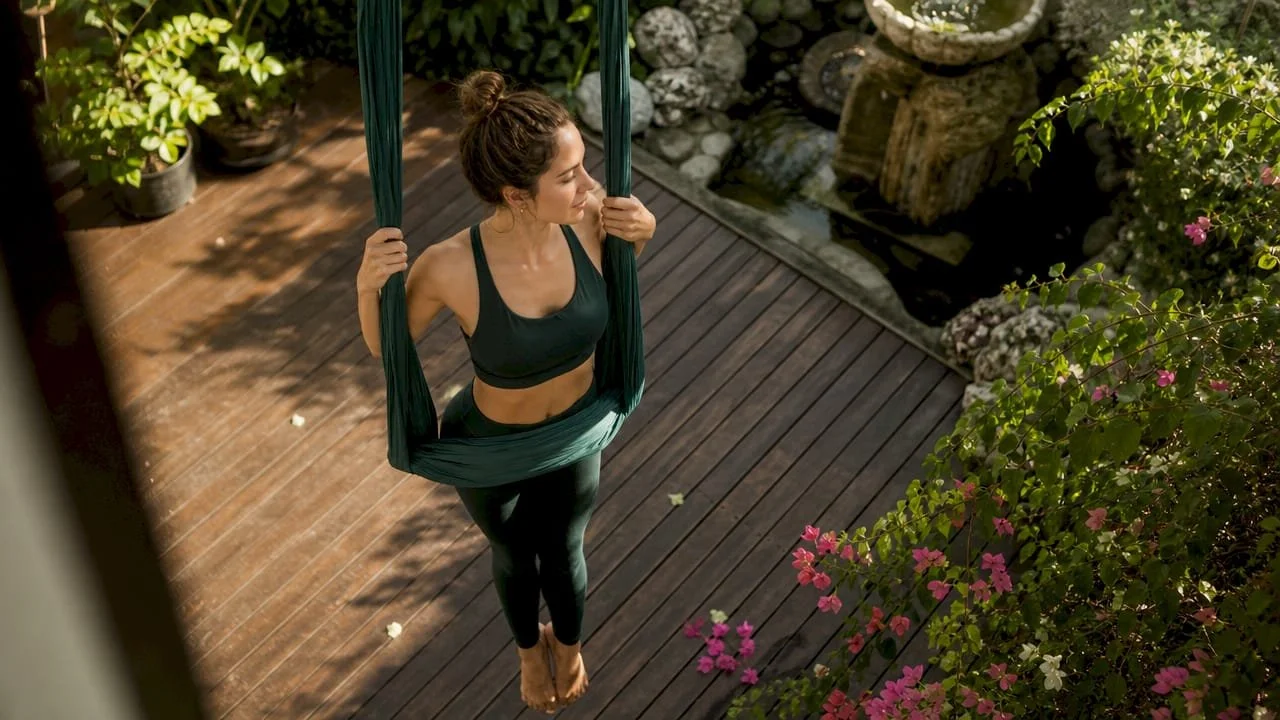
TL;DR:
Aerial yoga uses a suspended hammock to support traditional poses and inversions for all fitness levels. Proper equipment setup, clothing, and gradual skill building are essential for safe practice and progress. Beginners should focus on foundational poses and patience before attempting advanced inversions to avoid injury and build confidence.
Aerial yoga is defined as a practice that uses a suspended silk hammock to support the body through traditional yoga poses, inversions, and strengthening movements. Learning aerial yoga poses step by step gives you a clear path from your first hammock sit to confident inversions, without guessing or risking injury. The hammock acts as both a prop and a support system, making poses accessible to adults at any fitness level. A typical aerial yoga class runs 60–75 minutes and moves through breathwork, standing sequences, and a cocooned savasana at the end. That structure exists for a reason: it builds your body and your confidence at the same pace.
What do you need before starting aerial yoga poses step by step?
Getting the equipment right is the single most important step before you attempt any pose. Skipping this part is where most beginners run into trouble, and it has nothing to do with flexibility.
Hammock setup and clearance
Your hammock suspension point must be rated for at least twice your body weight. That load factor accounts for dynamic movement, not just static hanging. You also need a minimum of 3–5 feet of clearance around the hammock on all sides. That space prevents collisions during wide poses and gives you room to exit safely if a position feels wrong.
What to wear and what to bring
Clothing choices affect both your safety and the life of the hammock fabric. Wear fitted clothing with no zippers, buttons, or jewelry. Loose fabric tangles in the silk during complex wraps, and metal hardware tears the weave over time. Fitted leggings and a snug long-sleeve top are the standard choice for most practitioners.
| Item | Requirement | Why it matters |
|---|---|---|
| Suspension point | Rated 2× body weight minimum | Prevents structural failure during dynamic movement |
| Clearance space | 3–5 feet on all sides | Avoids collisions and allows safe pose exits |
| Clothing | Fitted, no zippers or jewelry | Protects hammock fabric and reduces tangling risk |
| Mat | Placed below hammock | Cushions landings and marks your safe zone |
| Bare feet or grip socks | No hard-soled shoes | Maintains contact and control on the fabric |
Place a yoga mat directly below the hammock. It cushions any unexpected contact with the floor and gives you a visual reference for your center point.
Pro Tip: Remove rings, bracelets, and hair accessories before every session. Even small metal pieces can snag the silk and create a tear that weakens the fabric over time.
Step-by-step guide to beginner aerial yoga poses
These foundational poses build the grip strength, body awareness, and trust in the hammock that every intermediate move depends on. Work through them in order.
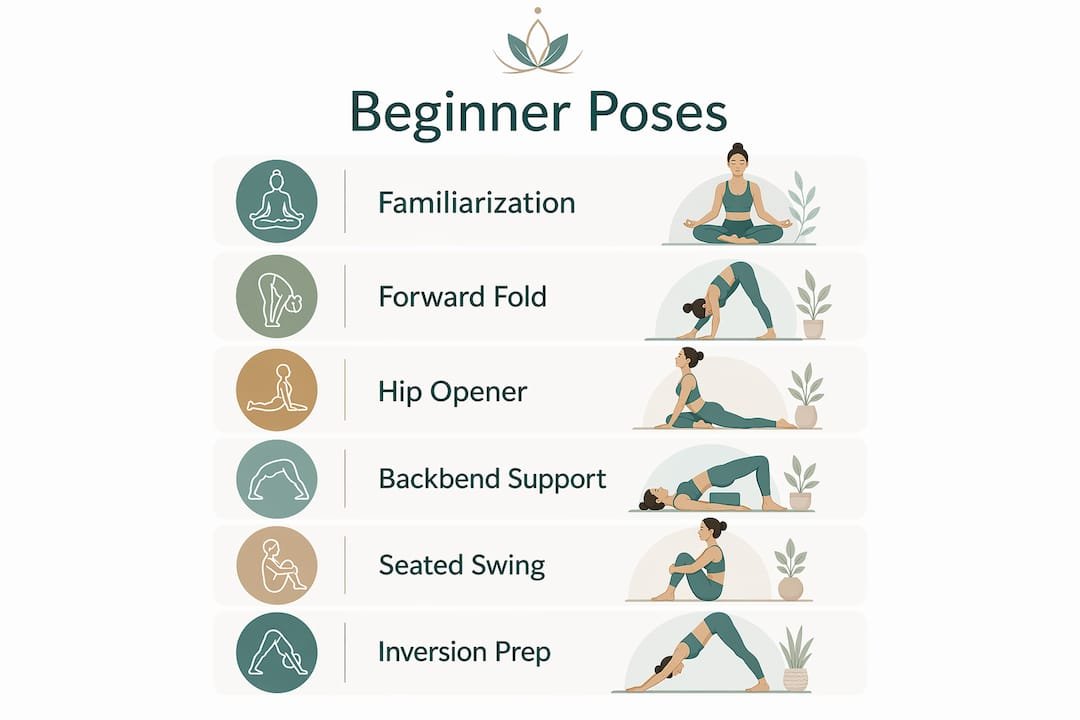
1. Hammock familiarization
Stand inside the hammock loop with the fabric resting across your hips at hip height. Place both hands on the fabric and shift your weight gently side to side. This is not a pose. It is a calibration step that tells your nervous system what the hammock feels like under load. Spend two to three minutes here before attempting anything else.
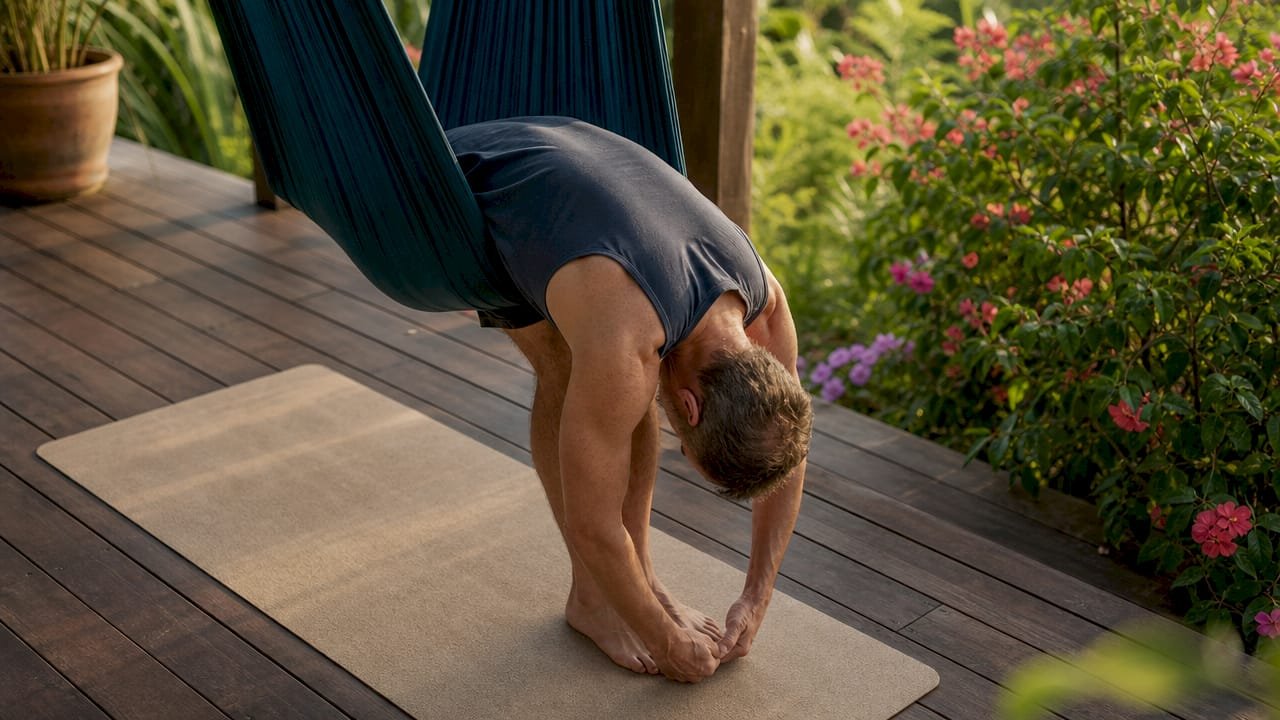
2. Supported forward fold
Stand with the hammock behind you at hip height. Lean your hips back into the fabric and hinge forward at the waist, letting your arms hang toward the floor. The hammock carries your hip weight while your spine decompresses. Hold for five slow breaths. This pose is one of the best aerial yoga strengthening moves for releasing lower back tension while teaching you to trust the fabric.
3. Hip opener pose
Sit in the hammock with the fabric supporting your sit bones. Open both knees out to the sides and press the soles of your feet together in a butterfly position. Let the hammock carry your full weight. Hold for five to eight breaths. This pose builds hip mobility that you will need for every seated and inverted position that follows.
4. Supported backbend
Stand facing away from the hammock with the fabric at mid-back height. Lean back slowly and let the silk support your spine as you open your chest toward the ceiling. Keep your feet flat on the floor and your knees slightly bent. This is a gentle introduction to spinal extension without any weight-bearing on the neck or shoulders.
5. Seated swing
Sit fully in the hammock with the fabric under your thighs and your hands gripping the sides. Push off gently and allow a slow, controlled swing. This step is purely about building comfort with motion. Many adults feel mild disorientation here. That response is normal and fades with repetition.
Pro Tip: Integrate breath with every pose from the start. Inhale as you enter a position, exhale as you settle into it. This habit makes the transition to inversions far smoother because your nervous system stays calm.
6. Gentle inversion preparation
From the seated position, grip the hammock firmly and slowly tilt your head back until it drops below your heart level. Do not go fully upside down yet. Hold for three breaths and return upright. This micro-inversion trains your inner ear and circulatory system to adjust gradually.
How do you progress to intermediate aerial yoga poses?
Intermediate aerial flying yoga poses require grip endurance, core control, and a clear understanding of how to exit each position safely. Build these qualities before attempting any full inversion.
Aerial downward-facing dog
Stand facing the hammock with the fabric at hip height.
Place both hands on the floor in front of you, shoulder-width apart.
Step both feet back and rest the tops of your feet on the hammock fabric.
Press your hips up and back to form an inverted V shape.
Hold for five breaths, keeping your core engaged and your heels pressing toward the floor.
This pose builds shoulder stability and teaches you how the hammock behaves under foot pressure, which is a key skill for more complex aerial silks yoga positions.
Aerial low lunge
Start in aerial downward-facing dog.
Step your right foot forward between your hands.
Let your left leg extend back with the hammock supporting your left shin.
Lift your torso upright and raise both arms overhead.
Hold for four breaths, then switch sides.
The hammock elevation in this lunge creates a deeper hip flexor stretch than a floor-based version. That depth is the point, but it also means you should move into it slowly.
Aerial chair pose
Stand with your back to the hammock, fabric at mid-thigh height.
Sit back into the hammock as if lowering into a chair.
Keep your feet flat on the floor and your knees at a 90-degree angle.
Extend both arms forward for balance.
Hold for five breaths, then stand back up with control.
Lotus inversion preparation
The lotus inversion requires progressive mastery of grip, core strength, hip mobility, and trust in the fabric before you attempt the full position. Do not skip the preparation steps.
Complete at least four weeks of consistent beginner poses before attempting this.
Practice the gentle inversion preparation until three-breath holds feel effortless.
Build grip endurance with mini-movements: small controlled shifts in the hammock while hanging.
Work with an instructor for your first full inversion attempt.
Pro Tip: Grip strength and body control are the two most underestimated requirements in aerial fitness. Start with mini-movements and assisted holds to build endurance before attempting unsupported inversions.
Dizziness during early inversions is common. Keeping your head above your heart initially helps your inner ear adjust to spatial reorientation. Increase inversion depth only after that sensation disappears completely.
What mistakes do beginners make in aerial yoga poses?
Most errors in aerial yoga come from rushing, not from lack of ability. Identifying them early saves you weeks of frustration.
Incorrect grip: Wrapping fingers too loosely around the fabric reduces control. Grip the hammock with your full hand, not just your fingertips.
Shoulder creep: Letting shoulders rise toward your ears during holds compresses the neck and reduces stability. Keep shoulders actively drawn down and back.
Overstretching: The hammock amplifies range of motion. A stretch that feels mild can be deeper than it appears. Move slowly and stop at the first sign of sharp discomfort.
Wrong clothing: Loose fabric or jewelry snags the silk and can cause sudden shifts in position. Fitted clothing is a safety requirement, not a style preference.
Ignoring dizziness: Pushing through inversion nausea does not build tolerance faster. It builds aversion. Exit the pose, sit upright, and wait for the sensation to pass before continuing.
Skipping savasana: The cocooned savasana at session end stabilizes the nervous system after inversions. Skipping it leaves your body in an activated state, which increases soreness and reduces recovery.
Aerial yoga rewards patience. Every practitioner who rushes past the foundations ends up returning to them. The ones who stay with the basics longest progress the fastest.
Exiting a challenging pose safely means reversing your entry steps in order. Never drop out of a position. Reverse it deliberately, one step at a time.
Key takeaways
Mastering aerial yoga poses step by step requires correct equipment setup, progressive skill building, and consistent attention to breath and body signals at every stage.
| Point | Details |
|---|---|
| Equipment comes first | Suspension points must be rated for at least twice your body weight before any practice begins. |
| Clothing affects safety | Fitted garments with no zippers or jewelry protect both you and the hammock fabric. |
| Build in sequence | Complete beginner poses for at least four weeks before attempting intermediate inversions. |
| Manage inversion nausea | Keep your head above your heart in early sessions to let your inner ear adjust gradually. |
| Never skip savasana | Five to ten minutes of cocooned relaxation after inversions stabilizes the nervous system and aids recovery. |
Why I think most people approach aerial yoga backwards
Most adults who come to aerial yoga want to be upside down within the first session. That impulse is understandable. The inversions look like the whole point. But the hammock is a playful partner, not a shortcut. The people who treat it that way, who spend their first few sessions just getting comfortable with the fabric's weight and movement, end up with far better inversions than those who force it.
Strength gains in aerial yoga are cumulative. Rushing to advanced poses without mastering the foundations risks injury and frustration. I have seen this pattern repeat consistently. The practitioner who spends three sessions on supported forward folds and hip openers builds the grip endurance and spatial awareness that makes a lotus inversion feel natural. The one who skips ahead spends those same three sessions recovering from a strained shoulder.
The mind-body connection that aerial yoga builds is also different from floor-based yoga. When you are partially suspended, your body cannot rely on ground feedback. Your proprioception, your sense of where your body is in space, has to sharpen quickly. That sharpening is one of the most underrated benefits of the practice. It carries over into every other physical activity you do.
My honest recommendation: treat the beginner sequence in this guide as a six-week program, not a checklist to complete in one session. Revisit the seated swing and gentle inversion prep every single session, even after you have moved on to intermediate work. Those two poses keep your nervous system calibrated and your confidence grounded.
— Juiced
Aerial yoga classes and wellness at Amritayogawellness
Amritayogawellness, the Philadelphia-based studio behind this guide, offers structured classes for adults at every level of aerial yoga fitness, from first-timers to practitioners ready to work on inversions with expert guidance.
Every class at Amritayogawellness includes safety instruction, proper hammock setup guidance, and instructor-led progressions so you never have to guess your next step. For adults looking to complement their physical practice with deeper wellness work, the studio also offers tarot readings as part of its broader approach to personal growth and self-care. Whether you are stepping into a hammock for the first time or refining your intermediate poses, Amritayogawellness gives you the structure and community to make it stick.
FAQ
What is aerial yoga?
Aerial yoga is a practice that uses a suspended silk hammock to support the body through yoga poses, inversions, and strengthening movements. It combines traditional yoga alignment with the added challenge and support of working off the ground.
How long does a typical aerial yoga session last?
A standard aerial yoga class runs 60–75 minutes, including breathwork, active poses, and a 5–10 minute cocooned savasana at the end.
Is aerial yoga safe for complete beginners?
Aerial yoga is safe for beginners when the hammock is properly installed and poses are learned in sequence. Starting with easy aerial yoga poses and building gradually is the key to avoiding injury.
Why do I feel dizzy during aerial yoga inversions?
Dizziness during inversions is a normal inner ear response to spatial reorientation. Keeping your head above your heart in early sessions and increasing inversion depth gradually resolves the sensation for most practitioners.
What should I wear to an aerial yoga class?
Wear fitted clothing with no zippers, buttons, or jewelry. Loose fabric and metal hardware snag the silk hammock and can cause sudden shifts in position during poses.
Recommended
Different Types of Pilates Reformers: Your 2026 Guide
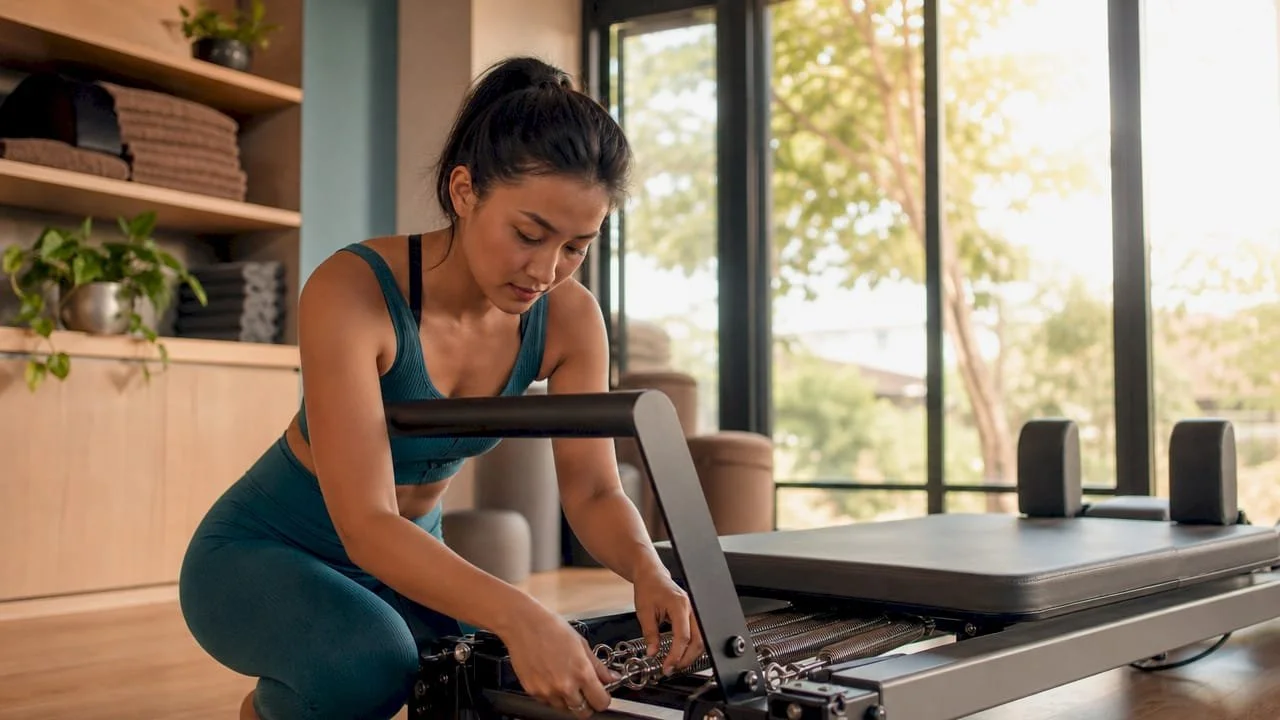
TL;DR:
A Pilates reformer is a spring-resistance machine used for full-body training that varies in design and features. The main types include classical studio, contemporary studio, and home reformers, each differing in carriage width, frame material, spring tension, and accessory options. Choosing the right reformer depends on your goals, experience, space, and budget, with adjustable resistance and accessory compatibility being key considerations.
A Pilates reformer is a spring-resistance machine that uses a sliding carriage, adjustable springs, ropes, and a footbar to create full-body resistance training. The different types of Pilates reformers split into three broad categories: classical studio reformers, contemporary studio reformers, and home or compact reformers. Each category differs in frame material, carriage width, spring tension, and accessory options. Brands like Gratz, Balanced Body, and STOTT Pilates each represent a distinct design philosophy, and choosing the wrong type for your goals or space is a common and costly mistake.
What are the different types of Pilates reformers by design?
Pilates reformer types divide cleanly by structural design, and that structure shapes every workout you do on the machine.
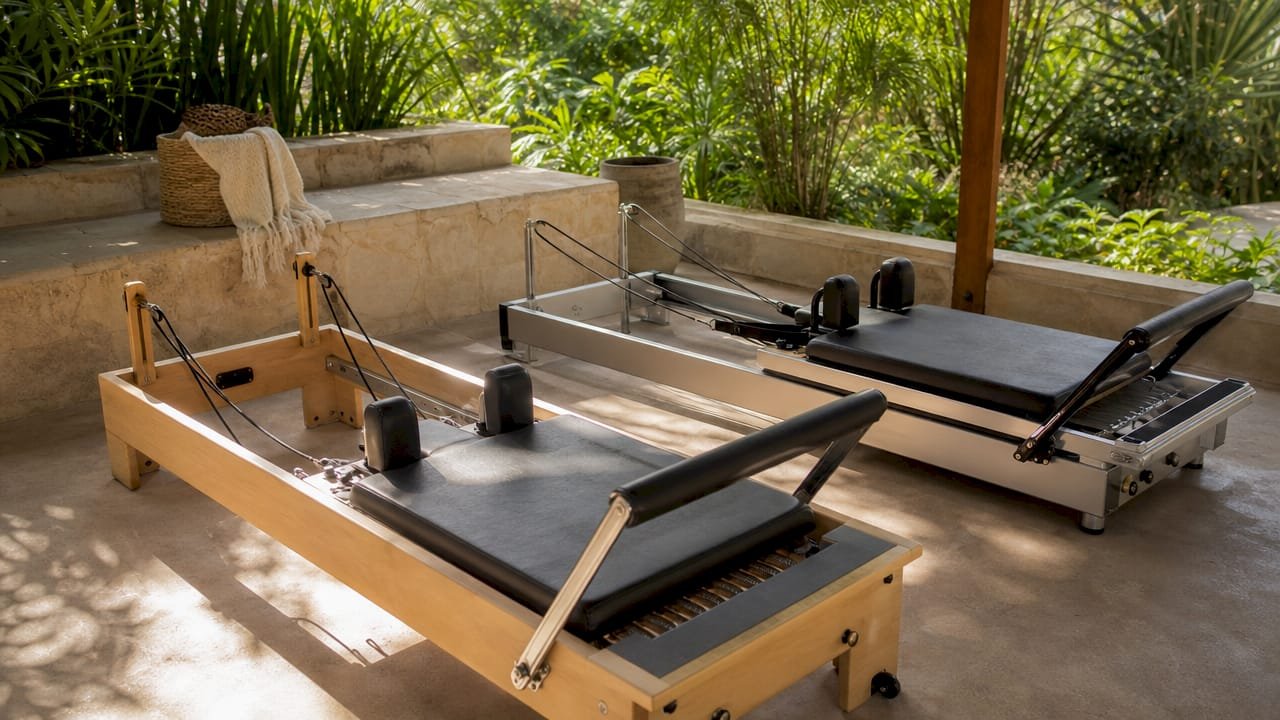
Classical reformers follow the original specifications developed by Joseph Pilates. The Gratz classical reformer is the clearest example: a narrow 22-inch carriage, a heavy steel frame, and firm springs that demand precise body control. That narrower carriage is not a flaw. It creates demanding feedback that forces correct alignment, which is exactly what classical Pilates training requires.
Contemporary studio reformers prioritize comfort and versatility. Balanced Body studio reformers feature a wider 24-inch carriage with smoother bearings and adjustable resistance, making them accessible to beginners and mixed-level classes. The extra two inches of carriage width sounds minor. In practice, it changes the feel of every lateral movement and makes the machine far more forgiving for people still building body awareness.
Home and compact reformers trade some performance for practicality. They use lighter frames, shorter rails, and simplified spring systems. Many fold flat for storage. The trade-off is real: foldable reformers have reduced carriage travel and less stability than studio machines, which limits the range of exercises you can perform safely.
Frame material comparison
| Frame Type | Material | Best For |
|---|---|---|
| Classical studio | Steel | Advanced practitioners, durability |
| Contemporary studio | Aluminum or steel | Mixed-level classes, versatility |
| Home reformer | Wood (maple/oak) or aluminum | Home gyms, space-saving setups |
| Foldable home | Lightweight aluminum | Small apartments, portability |
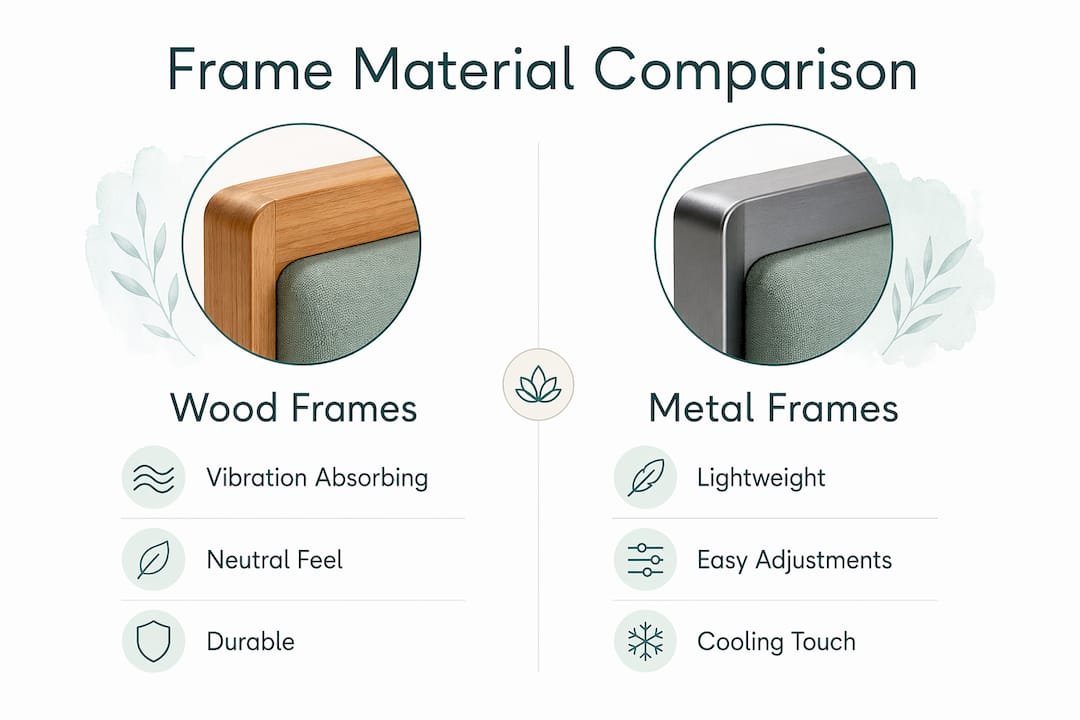
Wood frames absorb vibration and feel neutral under the body. Metal frames are lighter and easier to adjust but feel colder and more industrial. Neither is objectively better. The right choice depends on whether you prioritize feel or portability.
Pro Tip: If you plan to use your reformer daily, choose a steel or solid wood frame. Lightweight aluminum frames work well for occasional use but show wear faster under heavy training loads.
How do resistance systems vary across reformer models?
Spring tension is the single biggest performance variable between Pilates reformer models. Getting it wrong means either fighting the machine or getting no real training stimulus.
Classical reformers use firm springs that measure approximately 40–45 lbs per full spring. That high tension creates immediate, unforgiving feedback. Every misalignment shows up in the resistance. This is ideal for experienced practitioners who want to refine technique, but it can overwhelm beginners.
Contemporary reformers use adjustable spring systems with variable resistance ranges. The STOTT V2 Max Plus, for example, includes a pulley tower and multiple spring configurations that let instructors dial resistance up or down for each exercise. That flexibility makes contemporary machines the standard choice in commercial studios serving clients across all fitness levels.
Classical springs: firm, approximately 40–45 lbs per spring, fixed tension profile
Contemporary springs: adjustable, variable resistance, suitable for all skill levels
Home reformer springs: lighter tension, fewer spring positions, limited range
Tower-equipped reformers: additional vertical spring attachments for expanded resistance options
The spring count also matters. Most studio reformers carry four or five springs. Home models often carry three, which limits the resistance combinations available. Fewer combinations means fewer exercise progressions, which becomes a ceiling for motivated practitioners within months.
Pro Tip: Before buying, count the spring positions and test the lightest and heaviest resistance settings. A machine that feels challenging on day one may feel too easy within six months if it lacks enough spring range.
What accessory configurations expand reformer functionality?
Accessories determine how far a reformer can take your training. A bare-bones machine handles the Pilates fundamentals. A fully configured reformer covers cardio, strength, rehabilitation, and flexibility work in one piece of equipment.
Reformer with Tower: A tower attachment adds vertical spring resistance and a push-through bar above the carriage. Tower systems expand the exercise repertoire well beyond standard reformer moves, adding standing, kneeling, and supine exercises that use gravity differently. This is the most common upgrade in professional studios.
Jumpboard: A jumpboard replaces the footbar with a padded vertical surface. Practitioners push off it with their feet in a horizontal jumping motion, turning the reformer into a low-impact cardio and plyometric tool. This accessory is particularly popular in athletic reformer classes.
Box and straps: A long box placed on the carriage enables prone and seated exercises that the carriage alone cannot support. Short boxes allow rotational and spinal extension work. These are standard accessories on most studio machines.
Foldable rail systems: Some home reformers fold along the rail for vertical storage. This design reduces carriage travel and limits standing exercises, but it solves the space problem for anyone working in a small room or apartment.
Elevated leg rest and headrest: Adjustable headrests and padded shoulder blocks affect comfort during supine exercises. Studio machines typically offer more adjustment positions than home models.
The right accessory set depends on your goals. Rehabilitation work benefits most from a tower. Cardio-focused training benefits from a jumpboard. Pure classical Pilates needs only the box and straps. Buying a machine that cannot accept accessories later is a mistake that limits your training ceiling.
How to choose the right Pilates reformer for your goals and space
Choosing a reformer comes down to four variables: your fitness goals, your experience level, your available space, and your budget. Matching all four correctly is the difference between a machine you use daily and one that collects dust.
Certified instructor Erika Driscoll recommends that beginners prioritize safety and invest in machines with multiple accessories to support skill development over time. A beginner on a classical reformer with 45-lb springs and a narrow carriage is likely to struggle with form before building any real strength. A contemporary machine with adjustable resistance and a wider carriage gives beginners the stability they need to learn correctly.
Form Fitness instructors advise matching equipment to class format: foundational reformers for technique building, athletic reformers for cardio and strength challenges. That same logic applies to home buyers. If your goal is core strength and flexibility, a mid-range contemporary reformer handles it well. If you want to replicate athletic studio classes at home, you need a machine with a jumpboard and enough spring range to challenge you at high intensity.
Goal: rehabilitation or injury recovery. Choose a contemporary reformer with a tower and adjustable springs. Clinical reformers, which you can read more about at Amritayogawellness, are specifically designed for therapeutic use.
Goal: classical Pilates technique. Choose a Gratz or similar classical reformer with a steel frame and firm springs.
Goal: mixed fitness and cardio. Choose a contemporary reformer with a jumpboard attachment and at least four spring positions.
Goal: home use in a small space. Choose a foldable reformer with a solid frame and at least three spring positions. Accept the trade-off in exercise range.
Budget under $1,500. Home reformers in this range work for beginners but lack the spring range and stability of studio machines. Plan to upgrade within two years if your practice grows.
Studio-height reformers sit approximately 14–16 inches off the ground, making mounting and dismounting easier for older adults and those with joint issues. Many home models sit lower, which can be awkward for people with limited hip mobility.
Pro Tip: If possible, take a class on the reformer model you are considering before buying. The feel of the carriage, the spring tension, and the shoulder block position vary enough between brands that a 30-minute session tells you more than any spec sheet.
Key takeaways
Choosing the right Pilates reformer requires matching carriage width, spring tension, frame material, and accessory options to your specific goals, experience level, and available space.
| Point | Details |
|---|---|
| Carriage width defines feel | Classical reformers use a 22-inch carriage; contemporary models use 24 inches for more stability. |
| Spring tension shapes intensity | Classical springs run 40–45 lbs each; contemporary systems offer adjustable ranges for all levels. |
| Frame material affects durability | Wood absorbs vibration; metal frames are lighter but feel less neutral under the body. |
| Accessories expand training range | Tower systems and jumpboards add vertical resistance and cardio options beyond basic reformer work. |
| Match reformer type to goals | Beginners need adjustable resistance; advanced users benefit from firm classical springs and narrow carriages. |
What I've learned after years of watching people choose the wrong reformer
The most common mistake I see is buying for aspiration rather than current reality. Someone who has taken six reformer classes walks into a purchase decision imagining themselves as an advanced practitioner. They buy a classical reformer with firm springs and a narrow carriage because it looks serious and professional. Six weeks later, they are frustrated because the machine is fighting them on every exercise.
The second mistake is ignoring space. A full studio reformer is roughly 8 feet long and 2 feet wide. That sounds manageable until you account for the footbar extension, the carriage travel, and the clearance you need to mount and dismount safely. Measure your room before you buy, not after.
The third thing I want to push back on is the idea that home reformers are always a compromise. A well-built home reformer from a reputable brand, used consistently, produces real results. The core strength and flexibility benefits of reformer Pilates are accessible on a mid-range machine. The gap between a $2,000 home reformer and a $6,000 studio machine matters most to advanced practitioners and instructors. For most people starting out, the gap is smaller than the marketing suggests.
What actually matters in 2026 is whether the machine you buy matches where you are right now, with enough upgrade potential to meet where you are going. A reformer with four spring positions, a solid frame, and accessory compatibility covers most people for years. Start there.
— Juiced
Pilates reformer options at Amritayogawellness
Amritayogawellness, Philadelphia's community wellness studio, offers reformer Pilates classes across skill levels, from foundational technique sessions to athletic formats. Whether you are still deciding which reformer type fits your goals or ready to build a consistent practice, the studio's instructors can guide you toward the right fit.
Amritayogawellness also offers holistic wellness services that complement physical training with mind-body balance. Pilates builds the body. Pairing it with broader wellness support builds the whole practice. Explore the studio's class schedule and services at amritayogawellness.com.
FAQ
What are the main types of Pilates reformers?
The three main types are classical studio reformers, contemporary studio reformers, and home or compact reformers. Each differs in carriage width, spring tension, frame material, and accessory compatibility.
Classical vs. contemporary reformer: which is better for beginners?
Contemporary reformers are better for beginners. They offer wider carriages, adjustable spring resistance, and smoother bearings that support correct form while practitioners build strength and body awareness.
How much space does a Pilates reformer need?
A full studio reformer requires approximately 8 feet of length and 2 feet of width, plus clearance for mounting and dismounting. Foldable home reformers reduce the footprint but limit carriage travel and exercise range.
Do I need a reformer with a tower?
A tower is not required for basic Pilates practice, but it significantly expands your exercise options by adding vertical spring resistance and standing work. Studios and serious home practitioners benefit most from tower configurations.
What spring tension should a beginner look for in a reformer?
Beginners should look for adjustable spring systems rather than fixed classical springs. Classical reformers run approximately 40–45 lbs per spring, which is too demanding for most people learning foundational movement patterns.
Recommended
What Is Reformer Pilates Good For: Real Benefits
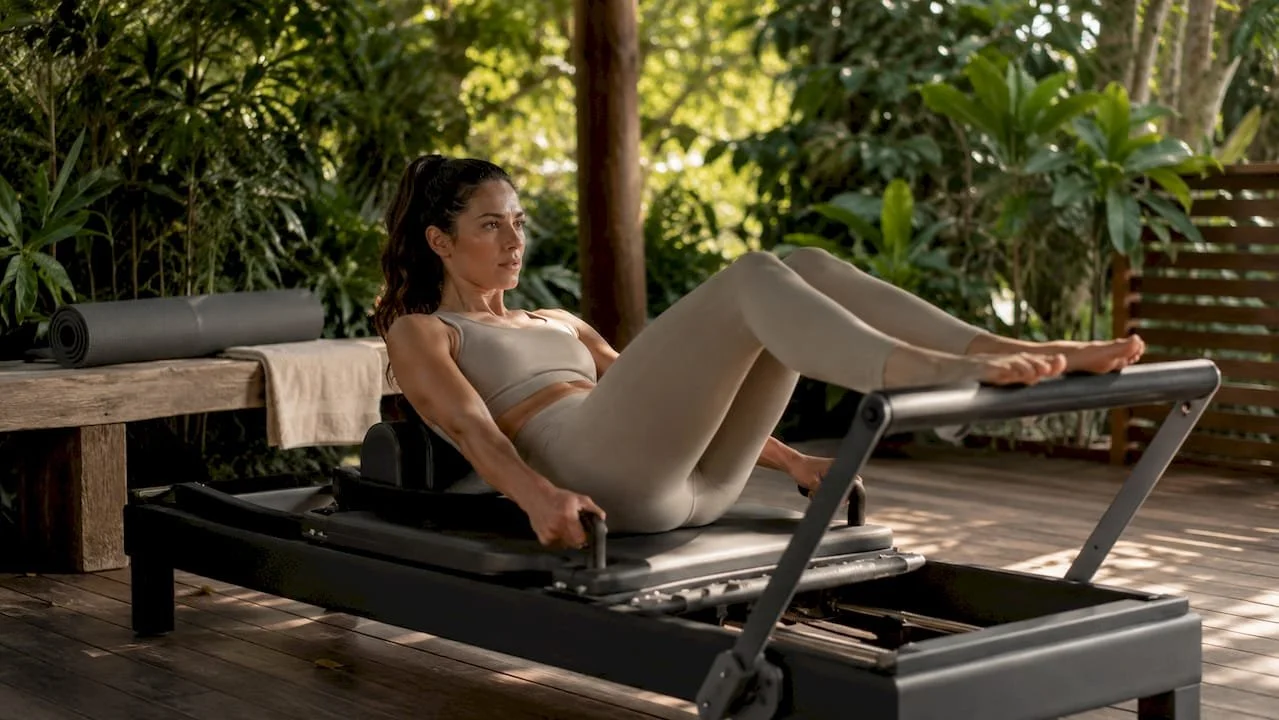
TL;DR:
Reformer Pilates is a resistance exercise system that enhances core strength, flexibility, and posture through controlled movements on a sliding carriage. It produces reliable physical improvements, supporting injury recovery and mental health by targeting stabilizer muscles and reducing anxiety. Beginners should focus on mastering equipment mechanics and commit to consistent sessions to experience its full benefits.
Reformer Pilates is a spring-loaded resistance exercise system, developed from Joseph Pilates' original method, that builds core strength, improves flexibility, and corrects posture through controlled movement on a sliding carriage. The apparatus uses adjustable springs, a footbar, and straps to create resistance in both the pushing and pulling phases of each exercise. This makes it distinctly different from mat Pilates or conventional gym training. Whether you are recovering from an injury, managing chronic pain, or simply looking for a low-impact workout that delivers real results, reformer Pilates addresses all of those goals within a single practice.
What is reformer Pilates good for physically?
Reformer Pilates produces measurable physical improvements across strength, posture, and body composition. A consistent 8-week protocol of two to three sessions per week shows statistically significant gains in muscular strength, endurance, BMI reduction, and fat mass loss, with results reaching p < 0.001. That level of statistical confidence means the improvements are not random. They are reliable and repeatable.
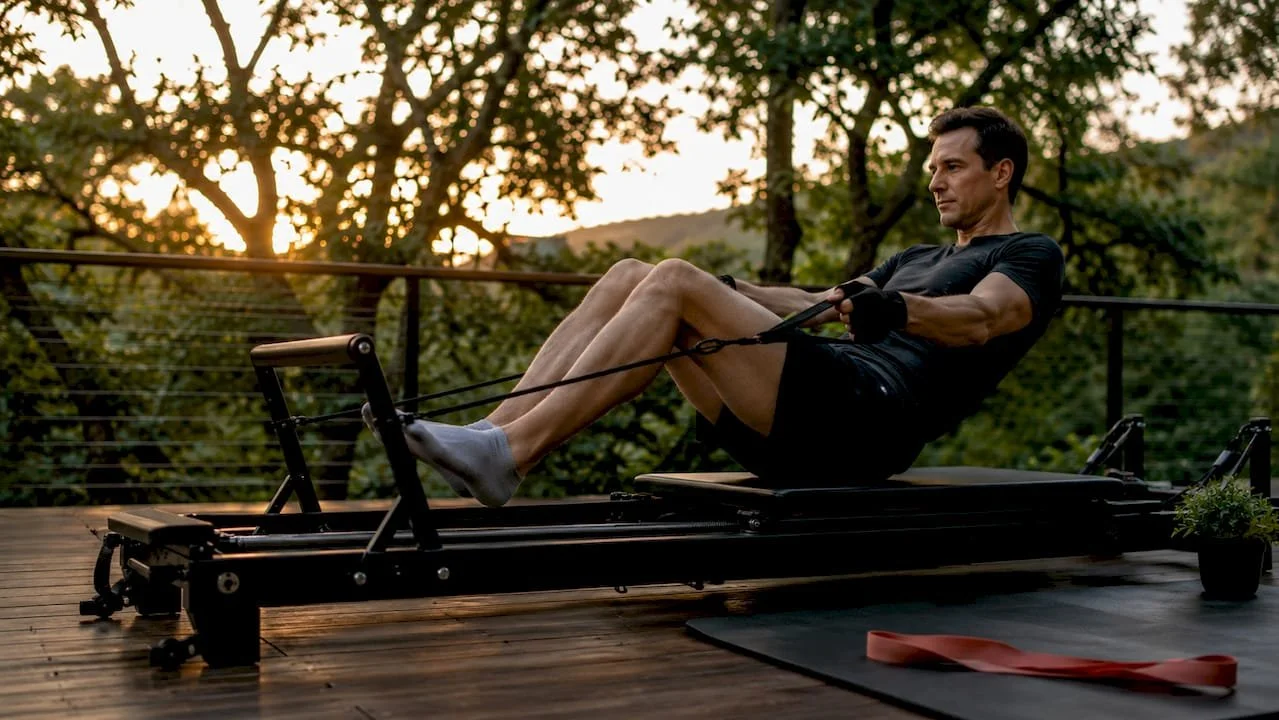
The mechanism behind these results is dual-phase muscle engagement. Reformer Pilates challenges muscles eccentrically and concentrically during every controlled resistance movement. Eccentric loading, the lengthening phase, is where most gym-based training falls short. The reformer forces your muscles to work hard in both directions, which builds functional strength and corrects imbalances that standard weight training misses entirely.
Core activation is another standout benefit. The sliding carriage creates an unstable surface that demands constant engagement from deep stabilizer muscles, including the transverse abdominis and multifidus. These are the muscles that protect your spine and support your posture. Traditional exercises like squats or bench press rarely target them directly.
Key physical benefits include:
Muscular strength and endurance across major and stabilizer muscle groups
Postural alignment with large effect sizes documented in recent research
Body composition improvements including fat mass reduction and BMI changes
Spinal stability through deep core muscle activation
Functional movement patterns that transfer to daily activities
Pro Tip: Start with lighter spring resistance and focus on form before adding load. The reformer rewards precision over power, especially in the first few weeks.
How does reformer Pilates support injury recovery?
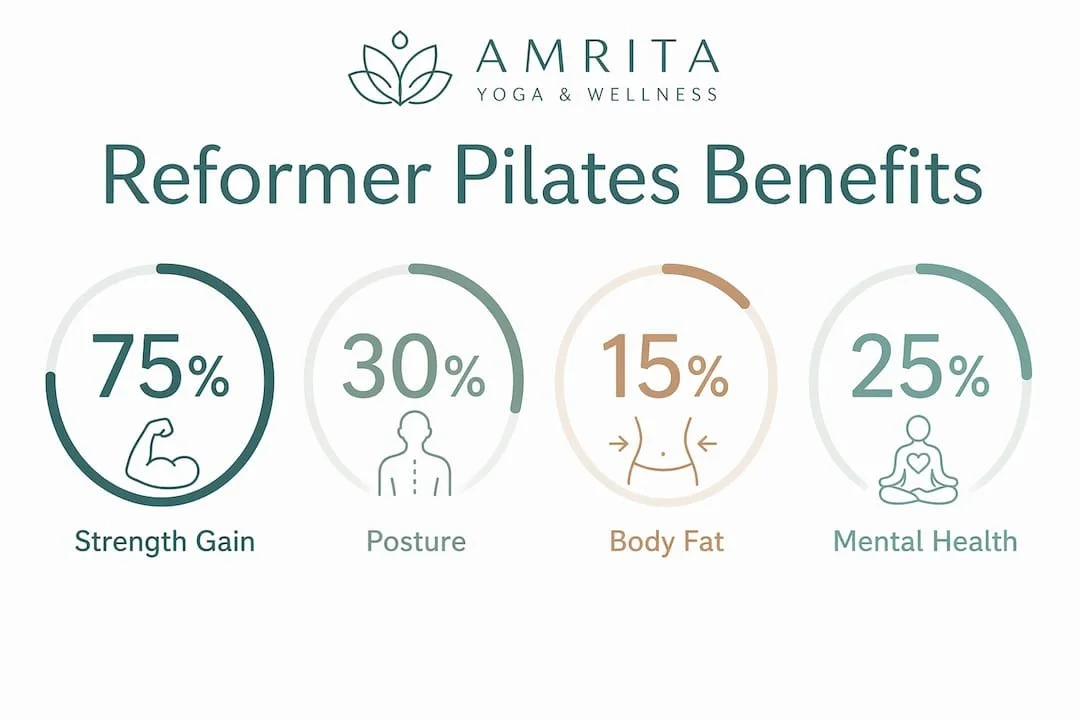
Reformer Pilates is one of the most adaptable rehabilitation tools available for low-impact exercise. The spring resistance system allows a practitioner to reduce load significantly, making it safe for people with joint pain, post-surgical recovery needs, or chronic conditions. Research validates its benefits for older adults at risk of falls, fibromyalgia patients, and people managing chronic pain, across studies spanning 2018 to 2025.
Fall risk reduction is a particularly well-documented outcome. Reformer Pilates improves balance and lower body strength simultaneously, two factors that directly reduce fall incidents in older adults. The controlled, slow movements also retrain neuromuscular coordination, which declines with age and inactivity.
One underappreciated rehabilitation benefit is imbalance detection. Reformer Pilates exposes hidden mobility gaps and muscle weaknesses that conventional training overlooks. Even trained athletes report difficulty controlling the reformer's movements at first. That difficulty is diagnostic. It tells you exactly where your body compensates and where it needs work.
Rehabilitation-specific advantages include:
Graded progression by adjusting spring tension as strength returns
Joint-friendly loading that avoids the compressive forces of free weights
Balance and proprioception training built into every exercise
Chronic pain management for conditions like fibromyalgia and lower back pain
Imbalance correction that prevents re-injury after returning to sport
Pro Tip: Always inform your instructor about any injuries or medical conditions before your first session. A qualified teacher will modify exercises to match your current capacity and keep you safe.
What psychological benefits does reformer Pilates offer?
Reformer Pilates produces measurable mental health improvements alongside its physical effects. A 2025 study on office workers found significant reductions in anxiety, depression, and social appearance anxiety after an 8-week reformer Pilates program. Quality of life scores and body appreciation also improved with moderate to large effect sizes. These are not anecdotal outcomes. They are statistically supported findings.
The mind-body connection built through reformer Pilates is central to these results. Each session requires focused breathing coordinated with precise movement. That level of attention pulls your mind away from external stressors and into the present moment. Over time, this practice builds body awareness that extends beyond the studio.
Sedentary workers benefit especially. Office-based adults who spend most of their day seated accumulate postural stress, muscle tension, and psychological fatigue. Reformer Pilates addresses all three simultaneously. The physical release of tight hip flexors and rounded shoulders has a direct effect on mood and energy levels.
"Reformer Pilates improves psychological wellbeing by reducing anxiety, depression, and social appearance anxiety, and enhancing quality of life and body appreciation among sedentary and older adults." — BMC Sports Science, Medicine and Rehabilitation, 2025
Consistency amplifies these psychological gains. Practitioners who attend two to three sessions per week report faster improvements in mood and body image than those who practice sporadically. The learning curve itself, mastering new movements and building control, contributes to a sense of accomplishment that supports mental resilience.
What should beginners expect from reformer Pilates?
Reformer Pilates for beginners starts with an orientation phase focused entirely on machine mechanics. New users need to master the carriage, spring settings, footbar positions, and strap adjustments before performing full exercises. This is not a weakness. It is a necessary foundation that protects you and makes every subsequent session more effective.
Coordination challenges are normal and temporary. Most beginners resolve them within 3–5 sessions as their neuromuscular system adapts to the machine's demands. The first session often feels more mentally taxing than physically exhausting, because you are learning movement patterns, not just exercising.
Expect delayed onset muscle soreness after your first few sessions. Deep core and stabilizer muscles that rarely get targeted in conventional workouts will feel the work. This soreness decreases quickly as your body adapts.
Here is a practical starting sequence for new practitioners:
Book a beginner or fundamentals class. These sessions teach machine setup and basic movement vocabulary at a safe pace.
Arrive early. Give yourself time to meet the instructor and ask about spring resistance before class starts.
Communicate your health history. Mention any injuries, surgeries, or chronic conditions so the instructor can modify exercises.
Focus on breath and control. Speed and load come later. Precision is the goal in early sessions.
Attend consistently. Two sessions per week for the first month builds the neuromuscular foundation faster than sporadic attendance.
Reformer Pilates vs. mat Pilates: key differences
| Feature | Reformer Pilates | Mat Pilates |
|---|---|---|
| Resistance | Adjustable spring resistance | Bodyweight only |
| Muscle engagement | Eccentric and concentric phases | Primarily concentric |
| Injury adaptability | High, springs reduce joint load | Moderate |
| Equipment required | Reformer machine | Mat only |
| Learning curve | Steeper, machine orientation needed | Gentler for beginners |
| Core activation depth | Deep stabilizers targeted | Surface muscles emphasized |
Pro Tip: If you have done mat Pilates before, do not assume the reformer will feel familiar. The spring resistance changes the movement dynamics completely. Approach it as a new skill.
How does reformer Pilates compare to other exercise types?
Reformer Pilates occupies a unique position in the fitness spectrum. It serves as a comprehensive wellness tool for foundational strength and imbalance correction, but it is not a direct replacement for high-volume sport-specific training. A marathon runner still needs long runs. A powerlifter still needs heavy compound lifts. Reformer Pilates fills the gaps those modalities leave behind.
The dual-phase muscle engagement that defines reformer Pilates is its clearest differentiator. Traditional weight training loads muscles primarily in the concentric phase. Aerobic exercise builds cardiovascular capacity but does little for stabilizer strength. Reformer Pilates targets both the push and pull of every movement, which builds the kind of balanced strength that supports all other physical activities.
| Exercise type | Impact level | Stabilizer engagement | Injury risk | Mental health effect |
|---|---|---|---|---|
| Reformer Pilates | Low | High | Low | Strong positive |
| Mat Pilates | Low | Moderate | Low | Moderate positive |
| Weight training | Low to high | Low to moderate | Moderate | Moderate positive |
| Aerobic exercise | Moderate to high | Low | Moderate to high | Strong positive |
The table above shows why reformer Pilates is particularly well-suited for people returning from injury, managing chronic conditions, or building a fitness base. Its low impact and high stabilizer engagement combination is rare among mainstream exercise options.
Key Takeaways
Reformer Pilates delivers evidence-backed improvements in core strength, posture, body composition, and mental health through low-impact spring resistance training that targets deep stabilizer muscles conventional exercise misses.
| Point | Details |
|---|---|
| Physical strength gains | An 8-week protocol at 2–3 sessions per week produces significant strength, endurance, and posture improvements. |
| Rehabilitation adaptability | Adjustable spring resistance makes it safe and effective for injury recovery, chronic pain, and fall prevention. |
| Mental health benefits | Research shows reduced anxiety, depression, and social appearance anxiety after consistent reformer Pilates practice. |
| Beginner learning curve | Coordination challenges typically resolve within 3–5 sessions once machine mechanics are understood. |
| Not a standalone solution | Reformer Pilates builds foundational fitness best when integrated with other activities suited to your specific goals. |
Why reformer Pilates surprised me
I expected reformer Pilates to feel like a gentler version of gym training. It does not. The first time I worked through a basic footwork sequence on the carriage, my inner thighs and deep abdominals were working harder than they had in months of conventional strength sessions. That is the thing about this practice: the resistance is subtle, but the demand on stabilizer muscles is not.
What I find most compelling is the diagnostic quality of the reformer. The machine does not let you cheat. If one hip is tighter than the other, the carriage will show you. If your core disengages mid-movement, you lose control of the slide. This honest feedback loop accelerates progress in a way that free weights simply cannot replicate.
The mental health angle is also real, not just a wellness marketing claim. The focused breathing and deliberate movement patterns create a meditative quality that reduces mental noise. Practitioners who come in stressed often leave noticeably calmer. That outcome is consistent enough to be considered a feature of the practice, not a side effect.
My advice for anyone considering reformer Pilates: commit to at least six sessions before forming an opinion. The first two are orientation. The next two are adaptation. Sessions five and six are where you start to feel what the practice actually does. Pair it with your existing fitness routine rather than replacing it, and you will notice improvements in how your body moves across everything else you do.
— Juiced
Reformer Pilates classes at Amrita Yoga & Wellness
Amritayogawellness offers reformer Pilates classes designed for practitioners at every level, from complete beginners learning machine fundamentals to experienced movers building on an established practice. The studio's Philadelphia location provides a structured, instructor-led environment where you get personalized attention on spring settings, footbar alignment, and movement technique.
Beginner sessions at Amrita Yoga & Wellness focus on the orientation phase that research identifies as critical for safe, effective progress. Instructors guide you through machine mechanics before any exercise load is added. If you are managing an injury or chronic condition, the team can adapt exercises to your current capacity. Browse the full reformer Pilates class schedule or explore the studio's broader wellness offerings to find the right combination of practices for your goals.
FAQ
What does reformer Pilates do for your body?
Reformer Pilates builds muscular strength, improves posture, reduces body fat, and activates deep stabilizer muscles through spring-loaded resistance. Research shows significant improvements in all these areas after just 8 weeks of consistent practice.
Is reformer Pilates good for beginners with no experience?
Yes. Beginner and fundamentals classes teach machine mechanics and movement basics at a safe pace. Most new practitioners resolve coordination challenges within 3–5 sessions.
Can reformer Pilates help with injury recovery?
Reformer Pilates is validated as a low-impact rehabilitation method for older adults, fibromyalgia patients, and people with chronic pain. Adjustable spring resistance allows graded loading that protects joints while rebuilding strength.
How often should you do reformer Pilates to see results?
Two to three sessions per week for 8 weeks produces statistically significant improvements in strength, endurance, posture, and psychological wellbeing, based on current research findings.
Is reformer Pilates better than mat Pilates?
Reformer Pilates offers greater resistance variety, deeper stabilizer muscle engagement, and higher injury adaptability than mat Pilates. Mat Pilates requires no equipment and has a gentler learning curve, making it a solid complement rather than a direct competitor.
Recommended
Yoga Set for Beginners: Build Your Practice Right
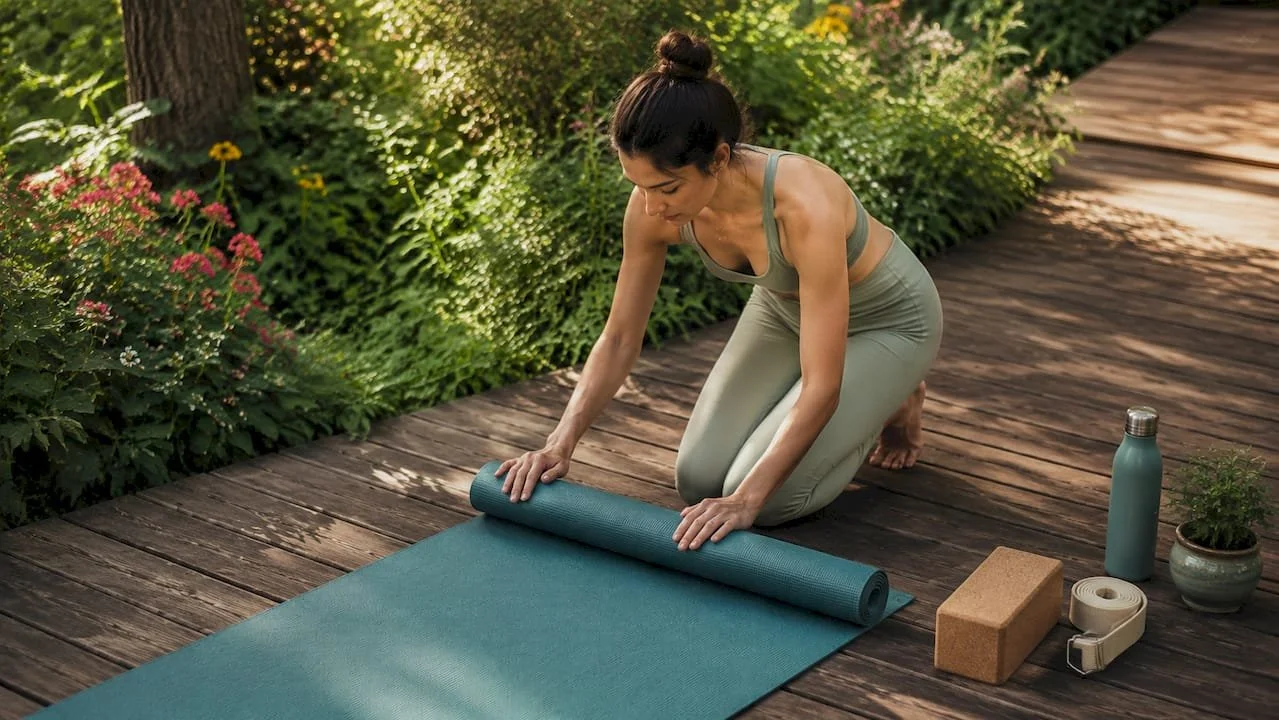
TL;DR:
A beginner yoga set includes a mat, a yoga block, and a strap to support comfort and stability. Choosing eco-friendly materials like natural rubber or TPE provides better grip and safety, while a 4-5mm thick mat balances joint support and ground feel. Proper care and gradual prop addition help build confidence, with a quality mat being the most important investment.
A yoga set for beginners is a curated collection of gear designed to give new practitioners the comfort, stability, and physical support they need to build a consistent practice. The right beginner yoga kit removes the guesswork from your first sessions and lets you focus on learning poses, not managing discomfort. Brands like Manduka, Gaiam, and JadeYoga have built entire product lines around this need. Choosing well from the start protects your joints, builds confidence, and sets the tone for a practice that actually sticks.
What are the essential components of a yoga set for beginners?
A complete yoga starter set contains three core items: a mat, at least one block, and a strap. Standard beginner kits include a yoga mat in the 4–6mm thickness range, a foam or cork yoga block, and a 6-foot yoga strap. Each item solves a specific problem that new practitioners face in their first weeks.
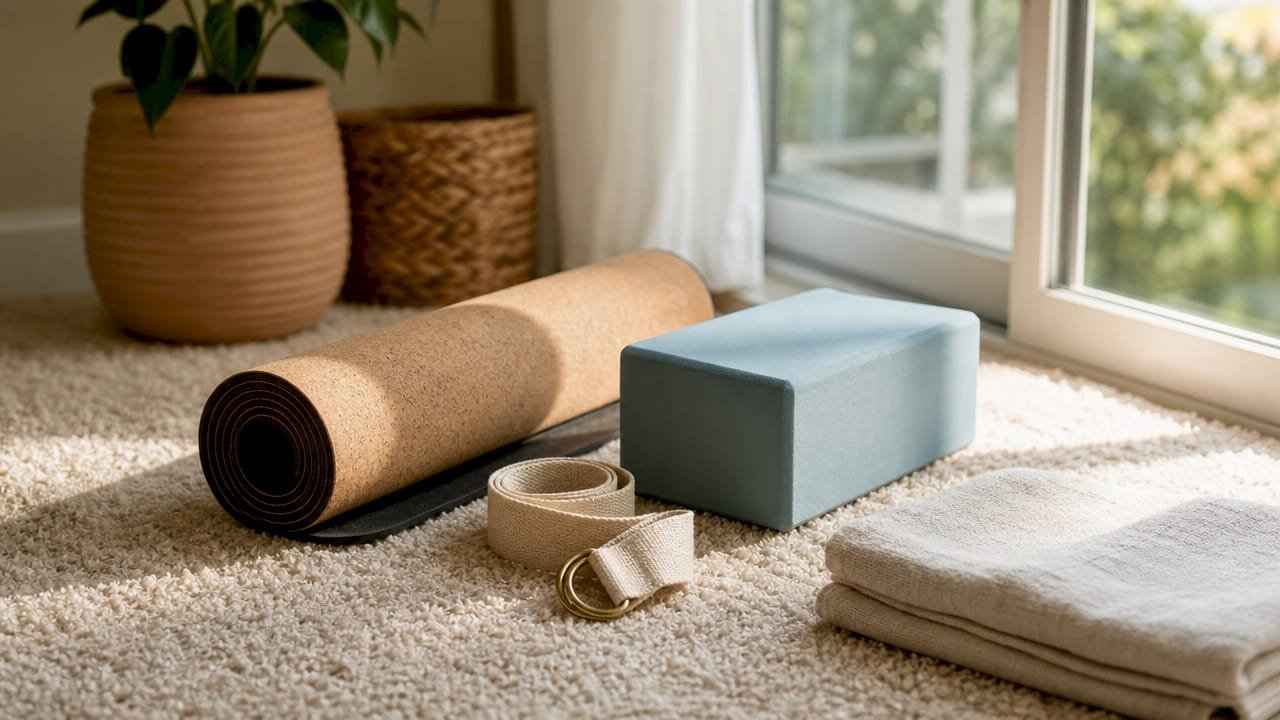
The yoga mat is your foundation. It provides grip, cushioning, and a defined personal space during class. Without adequate grip, you spend mental energy preventing slips instead of focusing on alignment.
Yoga blocks close the gap between your body and the floor. If you cannot reach the ground in a standing forward fold, a block brings the floor to you. This keeps your spine long and your joints safe. Foam blocks are lighter and more affordable; cork blocks are firmer and more durable.
The yoga strap extends your reach. Yoga straps double as flexibility tools and carrying slings, making them one of the most versatile props in any beginner yoga kit. A standard 6-foot strap lets you hold a hamstring stretch without rounding your back.
Optional additions worth considering:
A microfiber yoga towel for hot yoga or sweaty sessions
A foam roller for post-practice muscle recovery
A resistance band for hip and shoulder mobility work
A yoga mat bag or sling for easy transport
Pro Tip: Start with a mat, one block, and a strap. Add extras only after you have practiced consistently for four to six weeks and know what your body actually needs.
How to choose the best yoga mat for beginners
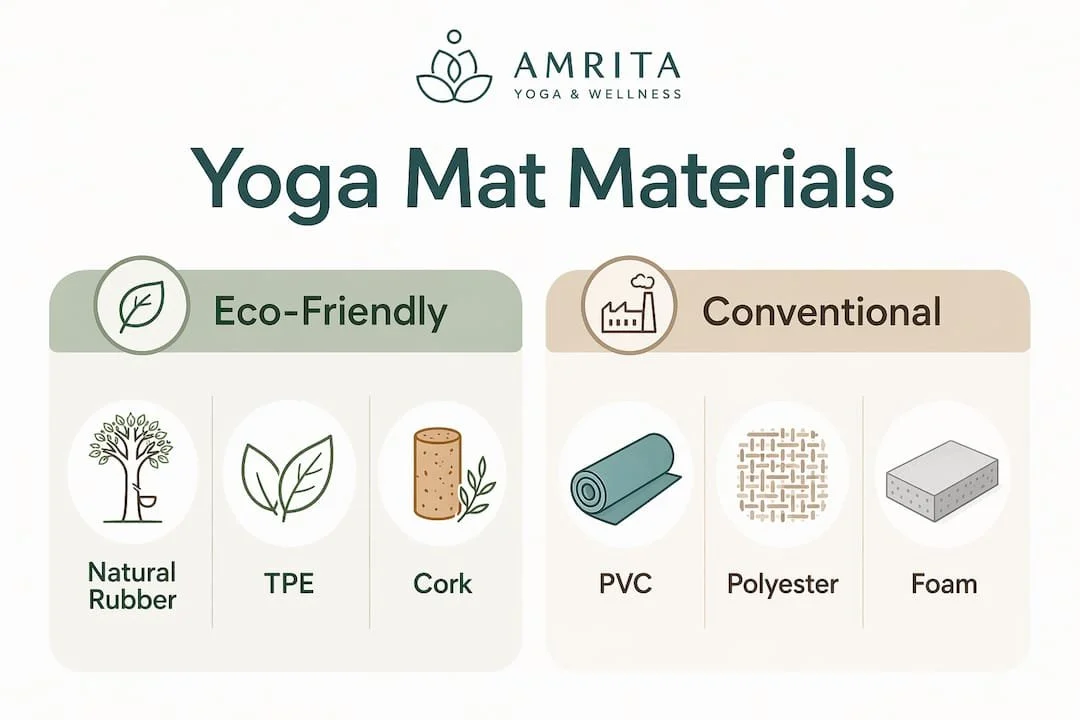
The mat is the single most important item in your beginner yoga kit. Every other prop is secondary. Getting the mat right means understanding four variables: material, thickness, surface texture, and construction type.
Material: natural rubber, TPE, and PVC compared
| Material | Grip | Eco-Friendly | Durability | Best For |
|---|---|---|---|---|
| Natural rubber | Excellent | Yes | High | Studio and home practice |
| TPE | Good | Yes | Medium | Budget-conscious beginners |
| PVC | Moderate | No | High | Budget entry-level mats |
| Cork surface | Excellent | Yes | Medium | Hot yoga and sweaty practice |
Eco-conscious materials like TPE and natural rubber are preferred over PVC because they offer better grip and eliminate harmful chemicals. Natural rubber mats from brands like Manduka and JadeYoga deliver reliable traction on both sides and hold up through years of daily use.
Thickness: finding the right balance
A 4–5mm mat thicknessis the sweet spot for most beginners, balancing joint cushioning with pose stability. Thicker mats at 6mm or above add comfort for sensitive knees but reduce your connection to the floor, which can make balance poses harder. KURMA recommends 4–5mm for new practitioners who want both support and ground feel.
Construction and hygiene
Closed-cell mat construction prevents sweat and bacteria from soaking into the material. Closed-cell mats are easier to clean, requiring only a wipe-down with a yoga mat spray or damp cloth after each session. Open-cell mats absorb moisture, which creates odor and bacteria buildup over time.
Alignment guides and reversible designs
Alignment stripes on beginner mats provide visual cues that help new practitioners position their hands and feet correctly. The Manduka Begin Mat uses this feature to build muscle memory from day one. Reversible mats offer two surface textures in one product, which adds value for beginners still figuring out their preferred grip level.
Pro Tip: If you practice at a studio like Amrita Yoga & Wellness in Philadelphia, check whether the studio provides mats before buying. You may want to test a few surfaces before committing to a purchase.
How to use and maintain your beginner yoga set
Proper care extends the life of your gear and keeps your practice hygienic. Most beginners skip this step and end up with a slippery, smelly mat within a few months.
Clean your mat after every session. Spray it lightly with a yoga mat cleaner or a diluted mix of water and mild soap. Wipe with a soft cloth. Never soak the mat or submerge it in water.
Store natural rubber mats away from sunlight. Natural rubber mats require storage away from sun and moisture to maintain their grip and structure. Roll them loosely and keep them in a cool, dry space.
Use blocks under your hands, not just your knees. New practitioners often place blocks only under their knees in seated poses. Blocks are equally useful in standing poses like Triangle or Half Moon to keep the spine aligned.
Use your strap before you feel you need it. Forcing a stretch without a strap strains the lower back and hamstrings. The strap lets you hold a position longer with correct form, which builds flexibility faster.
Replace your mat when grip fails. A mat that slides during Downward Dog is a safety hazard. Most quality mats last two to three years with regular use and proper care.
"The props are not a sign that you are less advanced. They are the tools that let you practice correctly from the very first session." — Yoga instruction principle widely shared across Iyengar and Hatha traditions.
A common beginner mistake is rolling the mat up wet after a sweaty class. This traps moisture inside and degrades the material quickly. Always let the mat air dry flat before rolling it for storage.
How do popular beginner yoga kits compare in price and contents?
The market for yoga essentials for newbies ranges from simple three-piece sets under $30 to premium eco-friendly bundles that cost significantly more. Understanding what you get at each price point prevents overspending and under-equipping.
Basic beginner kits often cost $60–$70 for the mat alone, while comprehensive premium sets can reach $165 or more depending on materials and included accessories. That price gap reflects real differences in material quality, durability, and what is included.
Brands like Gaiam, JadeYoga, and Manduka offer kits focused on quality mats paired with essential props. Here is how the tiers break down:
Budget kits ($20–$45): Typically a PVC mat, one foam block, and a basic strap. Good for testing whether yoga sticks before investing more.
Mid-range kits ($50–$100): TPE or entry-level rubber mat, two blocks, a strap, and sometimes a carrying bag. Gaiam's Studio Select kit falls in this range.
Premium kits ($100–$165+): Natural rubber or cork mat, two cork blocks, a cotton strap, and extras like a towel or foam roller. Manduka Begin packages and eco-focused bundles like the Shakti Warrior Begin Within Bundle sit here.
The accessories that add real value are blocks and a strap. Extras like resistance bands and foam rollers are useful but not necessary in your first kit. A towel matters if you practice hot yoga. Everything else is optional until your practice demands it.
Pro Tip: Choosing the right mat matters more than buying a complete kit. A quality mat with a single block and strap outperforms a full budget kit every time.
Key takeaways
A quality mat paired with a block and strap gives beginners everything they need to practice safely, build confidence, and develop consistent alignment from day one.
| Point | Details |
|---|---|
| Core kit components | Every beginner needs a mat, one block, and a 6-foot strap before anything else. |
| Mat thickness sweet spot | A 4–5mm mat balances joint cushioning and pose stability for most new practitioners. |
| Material matters | Natural rubber and TPE outperform PVC in grip, safety, and environmental impact. |
| Maintenance is non-negotiable | Wipe your mat after every session and store natural rubber away from sunlight and moisture. |
| Prioritize mat quality | A high-quality mat with basic props beats a full budget kit for long-term practice. |
What I have learned after watching hundreds of beginners start their practice
Most new practitioners buy too much gear too soon. They show up with a seven-piece kit, two blocks, a bolster, and a strap they have never used, and then quit after six weeks because the practice felt complicated before it felt good.
The truth is that mat quality drives confidence more than any other factor in the first three months. A slip-resistant mat with alignment guides lets you focus on your breath and your body. A cheap mat that slides pulls your attention to the floor every thirty seconds.
I also think the eco-conscious material conversation is undersold. Beginners often dismiss natural rubber or TPE mats as a premium splurge. They are not. A non-toxic mat means you are pressing your face, hands, and bare skin against a surface that is not off-gassing chemicals during a heated class. That matters more than the price difference.
The one piece of advice I give every new practitioner: buy the best mat you can afford, add one block and a strap, and explore aerial yoga and stress relief or other complementary practices only after you have a solid foundation. Upgrade your props gradually as your practice deepens and your body tells you what it needs. The gear should serve the practice, not the other way around.
— Juiced
Yoga gear and wellness resources at Amrita Yoga & Wellness
Amritayogawellness offers beginner-friendly classes across yoga, pilates, barre, and tai chi at its Philadelphia studio, making it a strong home base for new practitioners building their first routine.
Whether you are selecting your first yoga mat for beginners or looking for guidance on which props suit your practice style, Amritayogawellness connects you with instructors who work with new students every day. The studio also offers wellness services that go beyond the mat. If you are curious about the mental and spiritual side of your practice, the tarot readings at Amrita Yoga & Wellness offer a unique way to deepen your self-awareness alongside your physical work.
FAQ
What does a yoga set for beginners include?
A standard beginner yoga set includes a mat in the 4–6mm thickness range, at least one foam or cork block, and a 6-foot yoga strap. Some kits add a towel, carrying bag, or resistance band depending on the price point.
What is the best mat thickness for a beginner?
A 4–5mm mat is the best choice for most beginners. It provides enough cushioning for joints while keeping you close enough to the floor for balance and stability in standing poses.
Are natural rubber mats worth the extra cost?
Natural rubber mats offer superior grip, non-toxic materials, and longer durability compared to PVC options. For beginners who plan to practice regularly, the investment pays off within the first year of use.
How often should I clean my yoga mat?
Clean your mat after every session with a light spray and a soft cloth. Never soak it or submerge it in water, and always let it air dry flat before rolling it up for storage.
Do I need a full kit or just a mat to start?
A quality mat, one block, and a strap cover everything a new practitioner needs. Full kits are convenient but not necessary. Prioritize mat quality first and add props as your practice develops.
Recommended
Infrared Heat Yoga: Benefits for Body and Mind
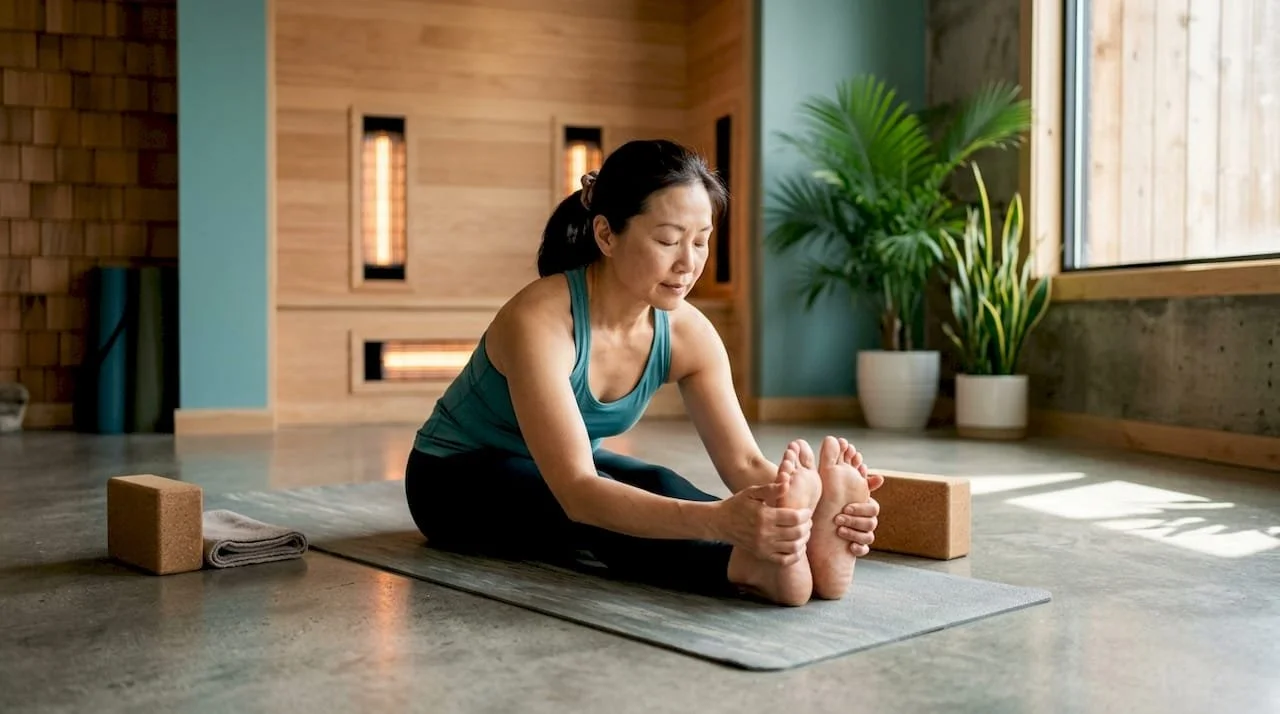
TL;DR:
Infrared heat yoga heats the body directly using far-infrared panels at lower temperatures than traditional hot yoga. It improves muscle flexibility, circulation, and cardiovascular health while offering easier breathing and greater accessibility. Practicing two to three times a week supports flexibility, recovery, and nervous system regulation.
Infrared heat yoga is defined as a yoga practice performed in a studio heated by far-infrared panels rather than conventional forced-air systems. The benefits of infrared heat yoga go well beyond simple warmth: practitioners gain deeper muscle flexibility, improved circulation, and a more breathable environment than traditional hot yoga provides. Studios like ALIVE Studios and SaunaCloud have documented how far-infrared energy penetrates tissue directly, warming muscles from the inside out at room temperatures between 85–95°F. That combination of deep tissue warming and cooler air makes infrared yoga one of the most accessible heated practices available today.
What are the benefits of infrared heat yoga on the body?
Far-infrared wavelengths penetrate 1.5–3 inches into skin and muscle tissue. That depth of penetration is what separates infrared yoga from every other heated practice. The heat reaches the muscle before the air around you feels oppressive.
Collagen fibers become more pliableabove 104°F, which directly increases tissue extensibility during stretches. This means your hamstrings, hip flexors, and connective tissue respond to poses more readily than they would in a room-temperature class. The result is a safer, more effective stretch with less risk of overpulling cold tissue.
Vasodilation follows the tissue warming. Blood vessels widen, circulation increases, and oxygen delivery to working muscles improves. Infrared heat produces cardiovascular benefits comparable to moderate aerobic exercise by elevating heart rate and blood flow. A single infrared yoga session can deliver a meaningful cardiovascular load without the intensity of a run or spin class.
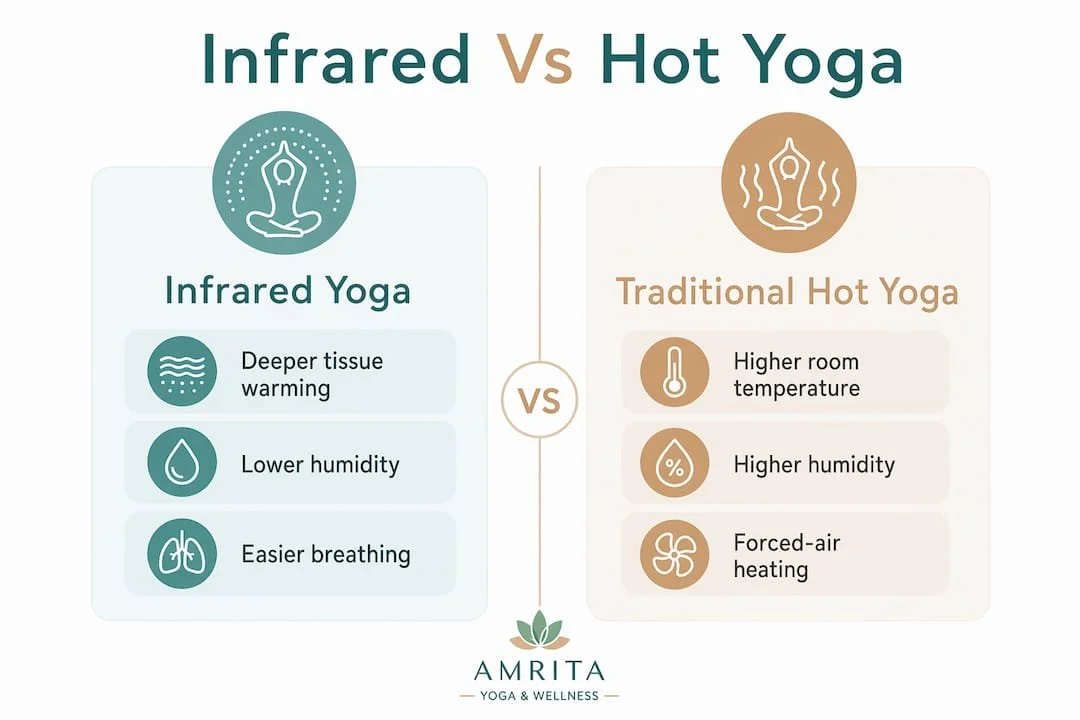
Your body also responds with thermoregulatory sweating. Sweating in infrared heated yoga mainly functions to cool the body. The detoxification claims you may have read about lack strong scientific support, so the real wins here are circulatory and musculoskeletal.
Key physical effects of infrared heat yoga include:
Deeper muscle warming at lower ambient temperatures than traditional hot yoga
Increased tissue extensibility from collagen pliability above 104°F
Vasodilation that improves blood flow and oxygen delivery
Cardiovascular conditioning comparable to moderate aerobic exercise
Preliminary evidence of reduced muscle soreness and joint health support with regular far-infrared exposure
Pro Tip: Some studios allow infrared heating to run at higher intensity at the start of class to pre-warm tissues. Arriving five minutes early and lying in savasana before class begins lets you absorb that initial heat dose and enter your first pose with warmer, more responsive muscles.
How does infrared yoga compare to traditional hot yoga?
The core difference between infrared yoga and traditional hot yoga is the heat delivery method, not the yoga itself. Traditional hot yoga heats the ambient air to 95–105°F using forced-air systems or radiant heaters. Infrared yoga warms the body directly at a room temperature of 85–95°F. The postures are often identical. The experience is not.
Infrared heated yoga offers easier breathing due to lower humidity and cooler surrounding air. In a traditional Bikram or hot vinyasa class, the dense, humid air can make breathing feel labored from the first sun salutation. Infrared studios feel warmer in your muscles than in your lungs. That distinction matters for practitioners with respiratory sensitivity or those who have avoided hot yoga because the air felt suffocating.
| Feature | Infrared yoga | Traditional hot yoga |
|---|---|---|
| Room temperature | 85–95°F | 95–105°F |
| Heat delivery | Direct tissue penetration | Heated ambient air |
| Humidity level | Lower | Higher |
| Breathing comfort | Easier | More labored |
| Tissue warming depth | 1.5–3 inches | Surface level |
| Cardiovascular load | Moderate to high | Moderate to high |
| Accessibility | Higher for beginners | Moderate |
Both practices produce cardiovascular and flexibility benefits. The perceived intensity differs significantly. Practitioners who find traditional hot yoga overwhelming often report that infrared classes feel challenging but manageable. The heat delivery method accounts for most of that difference in experience.
Practical differences practitioners notice most:
Infrared studios feel warm without the wall of humid heat at the door
Sweat onset is gradual rather than immediate
Longer pose holds feel more sustainable due to easier breathing
Practitioners with mild heat sensitivity often tolerate infrared better
What mental health benefits does infrared heat yoga offer?
Infrared heat yoga shifts the nervous system away from fight-or-flight and toward rest-and-restore. The combination of gentle heat, deliberate breathwork, and physical movement creates conditions where the parasympathetic nervous system can take over. That shift is the mechanism behind the relaxation practitioners feel after class, not just during it.
Practitioners report improved relaxation, reduced anxiety, and clearer mental focus after infrared heated sessions. The breathability of infrared studios plays a direct role here. When breathing is easy, mindfulness practice deepens. You can focus on the pose and your breath rather than managing the sensation of hot, heavy air.
The cardiovascular effects of infrared heat also support mental well-being. Elevated heart rate and improved circulation during class produce effects similar to moderate aerobic exercise, which research consistently links to reduced anxiety and improved mood. You get a mental health benefit from the heat itself, layered on top of the psychological benefits of yoga practice.
For infrared yoga for stress relief, the combination is particularly effective:
Heat-induced relaxation of muscle tension reduces physical stress signals
Easier breathing supports longer, slower exhales that activate the vagus nerve
Cardiovascular effects mirror the mood benefits of aerobic exercise
The warm environment encourages practitioners to slow down and stay present
Pro Tip: End your infrared yoga session with at least five minutes in savasana with the heat still active. The combination of stillness and warmth deepens the parasympathetic response and extends the post-class calm significantly longer than a rushed exit.
One misconception worth addressing directly: sweating in infrared yoga does not detoxify the body in any clinically meaningful way. The liver and kidneys handle detoxification. The real mental health benefits come from nervous system regulation, cardiovascular effects, and the meditative quality of the practice itself.
Who should practice infrared heat yoga, and how to do it safely?
Infrared heat yoga suits adults seeking improved flexibility, active recovery, or a gentler entry into heated yoga. The lower ambient temperature and easier breathing make it more accessible than traditional hot yoga for beginners, older adults, and people returning from injury.
Safety considerations for infrared heat yoga mirror those of other heat therapies. Anyone with cardiovascular conditions, heat sensitivity, or pregnancy should consult a healthcare provider before attending. The heat load is real even if the room feels cooler than a traditional hot yoga studio.
Follow these steps to practice safely and get the most from each session:
Hydrate before class. Drink at least 16 ounces of water in the two hours before your session. Infrared heat produces significant sweat output, and starting dehydrated accelerates fatigue.
Acclimate gradually. Attend two or three classes before pushing intensity. Your body needs time to adapt to the thermoregulatory demands of infrared heat.
Choose your mat placement intentionally. Heat exposure varies by distance from infrared panels. Placing your mat farther from panels reduces heat dose if you are new or sensitive. Moving closer increases it as you build tolerance.
Bring a full water bottle and a towel. Sipping water throughout class prevents dehydration. A towel keeps your mat from becoming slippery as sweat builds.
Listen to your body during class. Dizziness, nausea, or a sudden drop in energy are signals to rest in child's pose or step out briefly. These responses are not signs of weakness. They are your thermoregulatory system asking for a break.
Rehydrate after class. Replace fluids and electrolytes within 30 minutes of finishing. Coconut water or an electrolyte drink works better than plain water after heavy sweat sessions.
Infrared yoga is not a replacement for medical treatment. For practitioners managing chronic pain, joint conditions, or stress-related illness, it works best as a complement to professional care, not a substitute.
Key Takeaways
Infrared heat yoga delivers deeper muscle warming, easier breathing, and meaningful cardiovascular benefits by using far-infrared energy to heat tissue directly rather than heating the surrounding air.
| Point | Details |
|---|---|
| Direct tissue warming | Far-infrared penetrates 1.5–3 inches into muscle, improving flexibility and reducing injury risk. |
| Easier breathing | Lower humidity and cooler air make infrared studios more accessible than traditional hot yoga rooms. |
| Cardiovascular benefit | Infrared heat elevates heart rate and blood flow to a level comparable to moderate aerobic exercise. |
| Mental health support | Nervous system regulation and cardiovascular effects reduce anxiety and improve post-class mental clarity. |
| Safe practice habits | Hydration, gradual acclimation, and smart mat placement are the three non-negotiable safety steps. |
What I've learned from practicing in the heat
Most people approach infrared yoga expecting it to feel like a milder version of hot yoga. It does not feel milder. It feels different. The heat sits inside your muscles rather than pressing against your face. Your first few classes, that distinction is disorienting in the best way. You feel warm and capable at the same time, which is not the usual hot yoga experience.
What I have observed over time is that the quality of heat matters more than the quantity. A well-designed infrared studio at 88°F produces a more productive practice than a poorly ventilated hot room at 100°F. The infrared yoga studio experience is genuinely different from anything forced-air heat produces, and that difference shows up in how your body feels the next morning.
The mistake most practitioners make is treating every infrared class as a maximum-effort session. The heat does real physiological work. Pairing two or three infrared classes per week with non-heated sessions gives your nervous system and connective tissue time to consolidate the gains. Recovery is where the benefits actually take hold.
Detox claims aside, the case for infrared yoga is strong and defensible: better circulation, more flexible tissue, a calmer nervous system, and a practice environment that does not punish you for breathing. That is a meaningful combination for anyone building a long-term wellness routine. Check out yoga essentials that support your heated practice, from grip towels to moisture-wicking mats.
— Juiced
Infrared yoga classes at Amrita Yoga & Wellness in Philadelphia
Amritayogawellness offers infrared yoga classes as part of a full wellness program at its Philadelphia studio, alongside pilates, barre, tai chi, and massage therapy. The studio's infrared classes are designed for practitioners at every level, from first-timers curious about heated yoga to experienced students seeking deeper recovery and stress relief.
Amritayogawellness also offers tarot readings as part of its broader wellness programming, giving practitioners a way to support mental and spiritual well-being alongside their physical practice. Whether you are new to infrared yoga or ready to build it into a regular routine, Amritayogawellness provides the classes, community, and guidance to make that happen. Visit amritayogawellness.com to browse the class schedule and sign up.
FAQ
What is infrared heat yoga?
Infrared heat yoga is a yoga practice performed in a studio heated by far-infrared panels that warm the body directly rather than heating the surrounding air. Room temperatures typically range from 85–95°F, lower than traditional hot yoga studios.
Is infrared yoga good for you?
Infrared yoga supports flexibility, circulation, cardiovascular health, and stress reduction. Safety considerations are similar to other heat therapies, so practitioners with cardiovascular conditions or heat sensitivity should consult a healthcare provider first.
How does infrared yoga differ from hot yoga?
Traditional hot yoga heats the ambient air to 95–105°F using forced-air systems, while infrared yoga warms body tissue directly at cooler room temperatures. Infrared studios have lower humidity, making breathing easier and the experience more accessible for many practitioners.
Does infrared yoga detox the body?
Sweating in infrared yoga primarily cools the body and does not detoxify it in any clinically supported way. The liver and kidneys handle detoxification. The credible benefits of infrared yoga are improved circulation, flexibility, and nervous system regulation.
How often should you practice infrared heat yoga?
Two to three infrared yoga sessions per week is a practical starting point for most adults. Pairing infrared classes with non-heated sessions gives connective tissue and the nervous system adequate recovery time between heat exposures.
Recommended
Best Type of Yoga for Beginners: A Practical Guide
TL;DR:
Gentle yoga styles like hatha, restorative, and yin are best for beginners because they focus on slow movement, breath awareness, and proper alignment. They help build strength, flexibility, and mental calm without pressure, making them accessible and safe. Choosing the right style depends on your goals, flexibility, and how your body feels each day.
Hatha, restorative, and yin yoga are the best types of yoga for beginners because they move slowly, emphasize breath awareness, and give you time to learn each pose without pressure. These gentle beginner yoga styles build strength, flexibility, and mental calm at the same time. The best yoga style for beginners is ultimately the one that fits your current fitness level, your goals, and how your body feels on any given day. This guide breaks down each style, compares them directly, and helps you decide where to start.
What is the best type of yoga for beginners?
The best type of yoga for beginners is a gentle style that holds poses long enough for you to feel them, breathe through them, and understand your body's response. Beginners prefer gentler styles that hold poses longer, which eases them into more active yoga without feeling lost or rushed. Fast-paced styles like power yoga or Ashtanga demand that you already know the poses. Starting there is like learning to drive on a highway.
The three styles most recommended for new practitioners are hatha, restorative, and yin yoga. Each one prioritizes breath coordination, body awareness, and gradual progress over athletic performance. Vinyasa yoga is sometimes listed as beginner-friendly, but its continuous flow format can feel overwhelming without a foundation in basic poses first.
What makes a yoga style beginner-friendly?
A yoga style is beginner-friendly when it slows down enough for you to actually learn what you are doing. Four specific characteristics define these styles:
Slow pace with longer holds. Holding a pose for several breaths lets you feel which muscles are working and where your alignment needs adjustment. This builds body awareness faster than moving through poses quickly.
Breath coordination. Every beginner-friendly style ties movement or stillness to the breath. This keeps your nervous system calm and teaches you to use breathing as a tool, not just a background function.
Prop use. Blocks, bolsters, straps, and blankets allow your body to reach positions it cannot yet access on its own. Restorative yoga in particular relies on props so you can relax fully into a pose without strain.
Alignment focus. Slower styles give instructors time to correct your form. Good alignment prevents injury and makes each pose more effective.
These features work together to build confidence. You leave class knowing what you did and why, rather than just surviving the hour.
Pro Tip: Before your first class, tell the instructor you are new. A good teacher will watch your alignment and offer modifications. This one step prevents most beginner injuries.
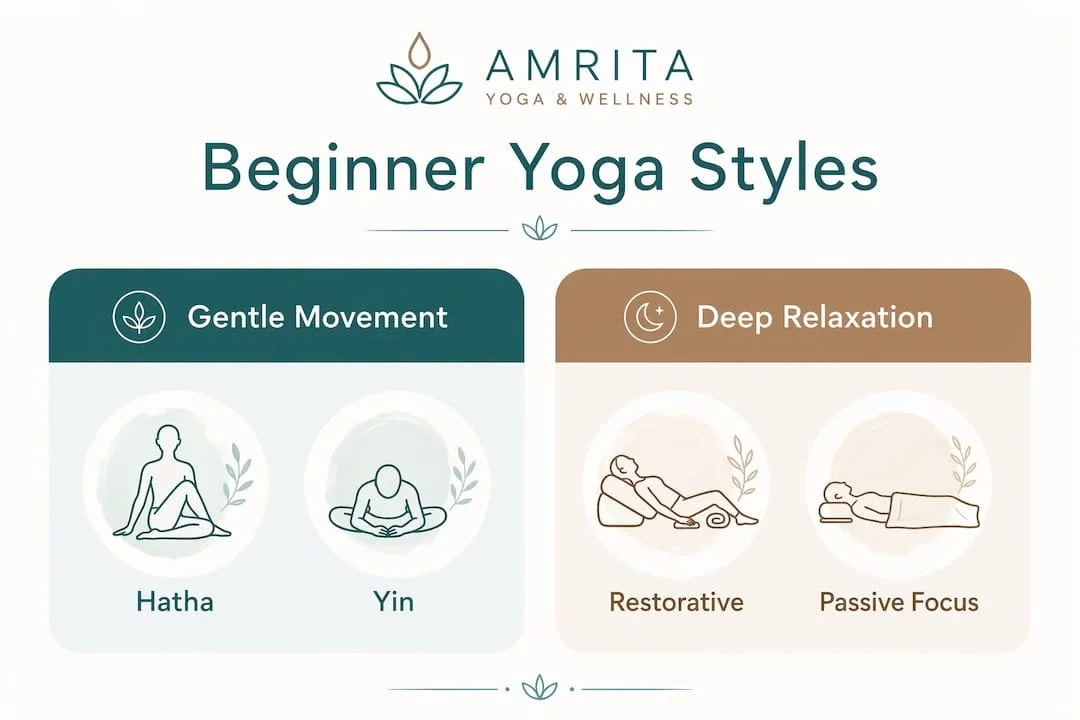
Hatha, restorative, and yin yoga: which one fits you?
These three styles share a slow pace but feel very different in practice. Understanding each one helps you pick the right starting point.
Hatha yoga
Hatha yogais the most widely recommended starting point for absolute beginners. Hatha focuses on movement with poses held long enough to learn muscle engagement without rushing. A typical hatha class moves through standing poses, seated stretches, and simple balances, pausing at each one to explain alignment and breath. You build real strength and flexibility because you spend enough time in each position to feel it working. Hatha is also where most yoga teachers learn to teach, so classes tend to be well-structured and clear.
Restorative yoga
Restorative yoga is the most physically passive of the three styles. Restorative yoga activates the parasympathetic nervous system, which is linked to lower blood pressure and heart rate. That means it is not just relaxing in a general sense. It produces measurable physical changes. A class typically involves five to seven poses, each held for five to twenty minutes, fully supported by props. Restorative yoga is the right choice if you are dealing with stress, recovering from illness, or simply need to slow down before you can build up.
Yin yoga
Yin yoga sits between hatha and restorative in terms of effort. Yin yoga holds poses for three to ten minutes, targeting connective tissue rather than muscle. Connective tissue, which includes fascia, ligaments, and joint capsules, responds to slow, sustained pressure rather than dynamic movement. This makes yin yoga particularly good for joint mobility and flexibility that other styles cannot reach. The long holds are meditative, which also trains mental focus and patience.
Side-by-side comparison
| Style | Pace | Physical intensity | Primary benefit | Best for |
|---|---|---|---|---|
| Hatha | Slow | Low to moderate | Strength, alignment, flexibility | Most beginners |
| Restorative | Very slow | Very low | Deep relaxation, stress relief | High stress, recovery |
| Yin | Slow | Low | Joint mobility, connective tissue | Flexibility, mindfulness |
Pro Tip: Try hatha first for two to three weeks. Once you know the basic poses by name and feel, yin and restorative will make much more sense because you will already understand the shapes your body is making.
How to choose the right yoga style for your needs
No single beginner yoga style fits everyone, so the selection process matters. Work through these four steps before signing up for a class.
Assess your physical starting point. If you have tight hips, lower back pain, or limited flexibility, start with restorative or yin yoga. If you are reasonably mobile and want to build strength alongside flexibility, hatha is the better fit. If you have a specific injury, check with your doctor before starting any style.
Clarify your primary goal. Stress relief and sleep improvement point toward restorative yoga. Building a physical practice with visible strength and flexibility gains points toward hatha. Improving joint range of motion and deepening body awareness points toward yin.
Try at least two different styles. Experts advise beginners to explore different classes because pace and energy vary even within the same style depending on the teacher. A hatha class with one instructor can feel very different from hatha with another. Sampling two or three classes before committing gives you real data.
Talk to the instructor before class. Tell them your experience level, any physical limitations, and what you hope to get from the practice. A qualified teacher will adjust their cues and offer modifications throughout the session. This conversation takes two minutes and changes the entire experience.
Once you find a style that feels right, starting yoga for stress relief and overall wellness becomes a natural, sustainable habit rather than a chore.
How to start yoga safely and build a lasting practice
Starting well matters more than starting fast. These principles keep beginners safe and help the practice stick.
Begin with breath, not poses. Beginners should start with breath-focused warm-ups and simple movements before attempting full poses. Even five minutes of conscious breathing before a session changes how your body responds to the practice.
Never force flexibility. Avoid forcing flexibility early and instead progress by holding poses with deep breath awareness. Pushing past your current range does not speed progress. It creates injury and sets you back weeks.
Practice briefly but consistently. A little yoga daily, even 10 minutes, beats infrequent long sessions for building confidence and physical adaptation. Ten minutes every day produces better results than a ninety-minute class once a week.
Include rest and stillness. Savasana, the final resting pose, is not optional. It is when your nervous system processes the session. Skipping it is like closing a document without saving.
Watch for signs a class fits you. You should leave feeling calmer and slightly more open in your body, not exhausted or sore. Mild muscle fatigue is normal. Sharp pain, dizziness, or feeling worse than when you arrived means the class is not the right match yet.
Pro Tip: If you practice at home, follow a structured sequence rather than random poses. A simple format of breath work, warm-up, three to five main poses, and a final rest gives your body a complete session in under twenty minutes.
A recommended progression for new practitioners is to start with foundational hatha poses and breath work, then move to flowing dynamic classes like vinyasa yoga once the basic holds feel comfortable. This gives you controlled movement instead of scrambling to keep up.
Key Takeaways
Hatha, restorative, and yin yoga are the most effective beginner yoga styles because they prioritize slow movement, breath awareness, and alignment over athletic performance.
| Point | Details |
|---|---|
| Best starting style | Hatha yoga suits most beginners with its slow pace, foundational poses, and alignment focus. |
| Restorative for stress | Restorative yoga activates the parasympathetic nervous system, lowering blood pressure and heart rate. |
| Yin for joint mobility | Yin yoga holds poses for 3–10 minutes to target connective tissue and improve joint range of motion. |
| Try before committing | Pace and energy vary by instructor, so sampling two or three classes gives you real information. |
| Consistency beats duration | Ten minutes of daily practice builds confidence and physical adaptation faster than weekly long sessions. |
What I have learned from watching beginners find their practice
Most beginners make the same mistake. They pick a style based on what looks impressive rather than what their body actually needs right now. They sign up for a fast-paced class because it seems more serious, then feel defeated when they cannot keep up. That experience convinces them yoga is not for them. It is not. It is just the wrong style at the wrong time.
The practitioners I have seen build the most consistent, rewarding practices almost always started with something gentle. They spent weeks in hatha or yin before they ever tried a flow class. By the time they got to faster styles, they already knew their body. They knew which hip was tighter, how their lower back responded to forward folds, and how to breathe when a pose got hard. That foundation made everything else easier.
Patience is not a personality trait in yoga. It is a skill you practice. The same way you hold a pose a little longer each week, you learn to stay with discomfort without reacting. That skill transfers directly to daily life, which is why so many people describe yoga as changing how they handle stress off the mat.
Find a teacher you trust. That matters more than the style. A great hatha teacher will serve you better than a mediocre yin teacher, even if yin is technically the better fit for your body. The relationship and the environment shape the practice as much as the poses do.
— Juiced
Beginner yoga classes at Amritayogawellness
Amritayogawellness, the Philadelphia-based yoga and wellness studio, offers beginner yoga classes across multiple styles, including hatha and restorative formats taught by experienced instructors who understand how to work with new practitioners. Every class is designed to meet you where you are, with modifications available so you never feel out of place.
Beyond yoga, Amritayogawellness also offers wellness services that complement a new practice. If you want to deepen your self-awareness alongside your physical work, the studio's tarot reading sessions offer a reflective, grounded way to explore your intentions and personal growth. Amritayogawellness brings together physical practice and broader wellness support under one roof in Philadelphia.
FAQ
What is the best yoga style for absolute beginners?
Hatha yoga is the most recommended starting point for absolute beginners because its slow pace and longer pose holds give you time to learn alignment and breath coordination without feeling rushed.
Is yin yoga good for beginners with no flexibility?
Yes. Yin yoga uses passive, supported holds lasting 3–10 minutes that gently work connective tissue, making it well-suited for beginners with limited flexibility who want gradual, sustainable improvement.
How often should a beginner practice yoga?
Short daily sessions produce better results than infrequent long ones. Even ten minutes of consistent daily practice builds confidence and physical adaptation more effectively than a single weekly class.
Can beginners do yoga at home?
Beginners can practice at home by starting with breath-focused warm-ups and simple poses, moving slowly without forcing flexibility. A structured sequence with a clear rest period at the end keeps home sessions safe and effective.
What is the difference between hatha and restorative yoga?
Hatha yoga builds strength and flexibility through active poses held for several breaths, while restorative yoga uses full prop support and very long holds to activate the parasympathetic nervous system and produce deep physical relaxation.
Recommended
20 Types of Yoga: Your Complete Style Guide for 2026
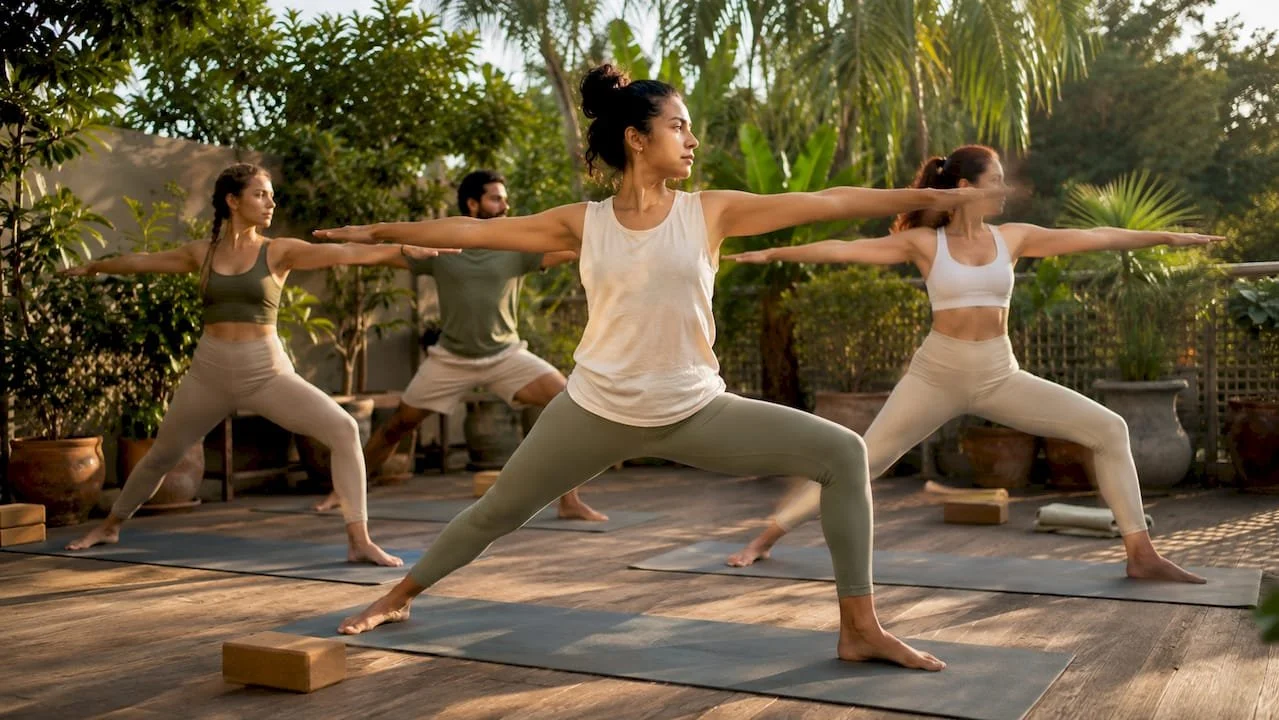
TL;DR:
Yoga comprises more than 20 styles, each tailored to different physical, mental, and philosophical goals. Choosing a style that matches your objectives and personal preferences ensures better consistency and long-term benefits.
Yoga is not one practice. It is a family of more than 20 distinct types, each built around different physical demands, mental goals, and philosophical roots. Some styles move fast and build heat. Others hold still and release tension stored deep in connective tissue. Whether you are stepping onto a mat for the first time or looking to expand beyond your usual Vinyasa class, knowing the full range of yoga styles helps you practice smarter and progress faster. This guide covers the full spectrum, from the eight styles you will find in most Western studios to specialized practices most people have never tried.
1. What are the 8 core modern yoga styles?
Eight major stylesform the backbone of Western studio yoga: Hatha, Vinyasa, Ashtanga, Yin, Kundalini, Hot/Bikram, Restorative, and Power Yoga. Including therapeutic and hybrid approaches pushes the total well past 20 distinct modern styles. Each one targets a different combination of strength, flexibility, breath, and mindfulness.
| Style | Intensity | Best For | Class Length |
|---|---|---|---|
| Hatha | Low to moderate | Beginners, alignment | 60–75 min |
| Vinyasa | Moderate to high | Cardio, flow | 60–75 min |
| Ashtanga | High | Structure, strength | 75–90 min |
| Yin | Low | Deep flexibility, recovery | 60–75 min |
| Kundalini | Moderate | Breath, energy work | 60–90 min |
| Hot/Bikram | High | Detox, endurance | 60–90 min |
| Restorative | Very low | Stress relief, healing | 60–75 min |
| Power Yoga | High | Strength, athleticism | 60 min |
Hatha is the most accessible entry point. Classes move slowly, hold poses longer, and focus on alignment. Vinyasa Yoga links breath to movement in a continuous flow, making it the most popular style in American studios today. Ashtanga follows a fixed sequence of poses practiced in the same order every session. That structure appeals to practitioners who want measurable progress.
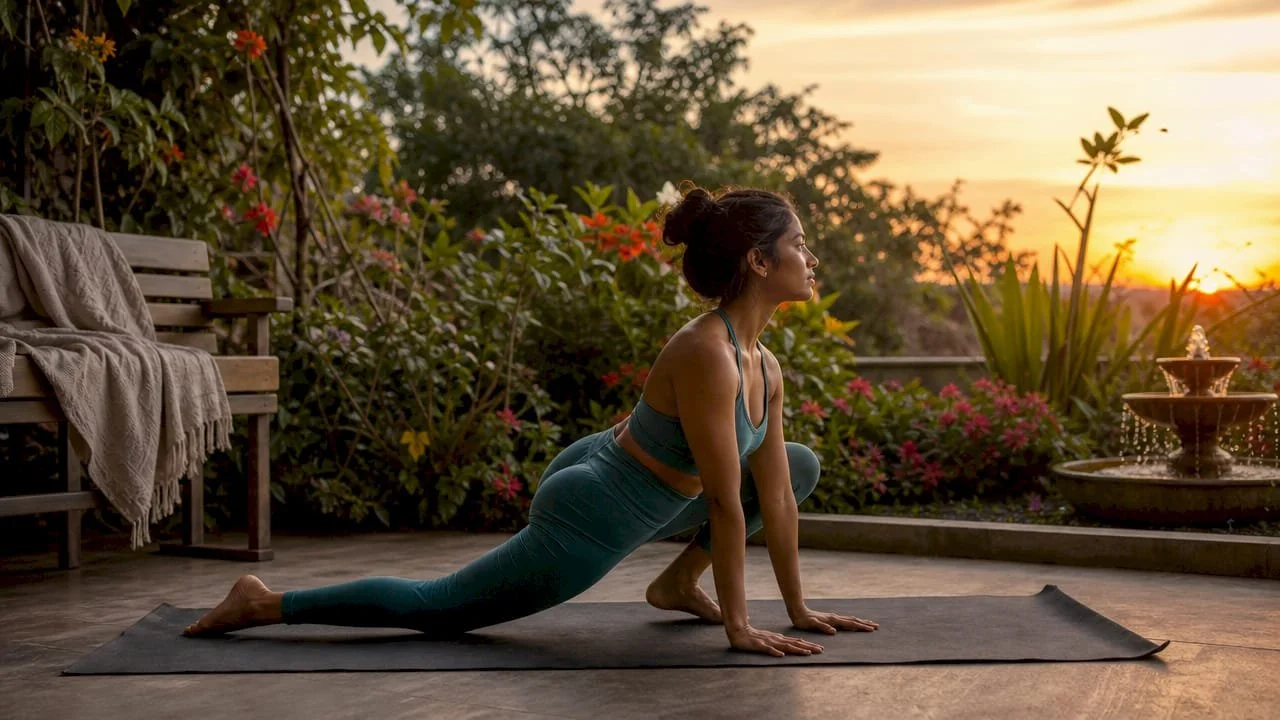
Yin Yoga targets fascia and connective tissue by holding poses for 3–5 minutes. Kundalini combines breathwork, chanting, and movement to work on energy and nervous system regulation. Hot Yoga (often called Bikram when it follows the original 26-pose sequence) is practiced in a room heated to around 105°F. Restorative Yoga uses props like bolsters and blankets to support the body in complete stillness. Power Yoga is a gym-friendly, strength-focused adaptation of Ashtanga.
Pro Tip: Read the class description, not just the style name. A "Flow" class at one studio may be beginner-friendly; at another, it may be an advanced cardio session.
2. How do traditional philosophical yoga paths shape modern practice?
Six core philosophical pathsunderpin every physical yoga style practiced today: Hatha, Raja, Karma, Bhakti, Jnana, and Tantra. These are not workout categories. They are complete systems for living, each with a different primary focus.
Hatha Yoga uses the body as the primary tool for spiritual development. Most physical studio classes trace their roots here.
Raja Yoga centers on meditation and mental discipline. It follows the eight-limbed path described by Patanjali in the Yoga Sutras.
Karma Yoga is the path of selfless action and service. It shows up in volunteer-based teaching and donation-model studios.
Bhakti Yoga is devotional practice, expressed through chanting, prayer, and ritual. Kundalini classes often carry strong Bhakti elements.
Jnana Yoga is the path of knowledge and self-inquiry. It is more philosophical study than physical movement.
Tantra Yoga works with energy, ritual, and the body as a sacred instrument. Modern interpretations vary widely from the classical tradition.
Understanding these paths explains why two classes with similar poses can feel completely different. A teacher trained in Bhakti traditions will open class with chanting. A Raja-focused teacher will prioritize seated meditation. The physical sequence is just one layer of what yoga is.
3. What are 12 additional specialized yoga styles worth knowing?
Beyond the eight studio staples, specialized styles serve specific populations and goals. These are not fringe practices. Many are growing fast in therapeutic and clinical settings.
Iyengar Yoga uses props extensively to achieve precise alignment. It is ideal for people recovering from injury or managing chronic pain.
Anusara Yoga blends alignment principles with heart-centered philosophy. Classes tend to be warm and community-focused.
Jivamukti Yoga integrates physical practice with music, scripture, and activism. It is popular in urban studios and appeals to practitioners who want yoga to connect to daily life.
Sivananda Yoga follows a fixed sequence of 12 poses and emphasizes breathwork, relaxation, and vegetarian diet as part of a complete lifestyle.
Chair Yoga adapts standard poses for seated practice. It serves older adults, office workers, and people with limited mobility.
Prenatal Yoga modifies poses for pregnant practitioners, focusing on pelvic floor strength, breath, and stress reduction.
Aerial Yoga uses a fabric hammock suspended from the ceiling to support inversions and deep stretches. It reduces joint compression during poses.
Acro Yoga combines yoga with acrobatics and partner work. It builds trust, communication, and core strength simultaneously.
Therapeutic Yoga is prescribed for specific health conditions, from anxiety to back pain. Sessions are often one-on-one and guided by a trained yoga therapy specialist.
Trauma-Informed Yoga adapts language, touch, and sequencing to support survivors of trauma. It is increasingly used in mental health settings.
Yoga Nidra is a guided meditation practice done lying down. It induces a state between waking and sleep, used for deep rest and stress recovery.
Laughter Yoga combines intentional laughter exercises with breath techniques. Research links it to reduced cortisol and improved mood.
Each of these styles fills a gap the eight core types do not cover. If you are pregnant, recovering from surgery, or working through anxiety, a specialized style will serve you better than a general studio class.
4. How to choose the right yoga style for your goals
No single best yoga style exists.The right choice depends on your primary goal, your current fitness level, and what you will actually enjoy enough to keep doing. Enjoyment is not a soft factor. It is the main driver of consistency, and consistency is what produces results.
Start by identifying your primary goal:
Flexibility and mobility: Yin Yoga and Hatha Yoga are the strongest choices. Both hold poses long enough to work connective tissue, not just muscle.
Strength and endurance: Power Yoga, Ashtanga, and Hot Yoga build functional strength through bodyweight resistance and sustained effort.
Stress relief and recovery: Restorative Yoga and Yoga Nidra activate the parasympathetic nervous system. They are the most effective styles for nervous system reset.
Mindfulness and focus: Kundalini and Raja-based practices prioritize breath and meditation over physical output.
Community and spirituality: Jivamukti and Bhakti-influenced classes offer a social and devotional dimension that purely physical classes do not.
Beginners should prioritize pace and intensity over style names. A slow Hatha class is a better starting point than a fast Vinyasa, regardless of what the studio markets as beginner-friendly. Talk to the teacher before class. Ask about modifications and the expected pace.
Pro Tip: Try at least three different styles before committing to one. What feels wrong in week one often clicks by week three once your body adapts to the format.
5. Common misconceptions about yoga practice and flexibility
The biggest myth in yoga is that flexibility is a prerequisite. Flexibility is the outcome, not the entry requirement. Stiff people benefit more from yoga than flexible people, because they have more room to gain.
Flexibility improvement requiresnervous system engagement and sustained pose holds of 90 seconds or more. Muscle stretching alone does not remodel fascia. Breath control and controlled tension release are what allow connective tissue to adapt over time. A 30-second stretch at the end of a gym session does not accomplish this.
"Consistency beats intensity every time. Four short sessions a week will outperform one long session on the weekend, every single week." — Yoga for Flexibility research consensus
Beginners see measurable mobility gainsafter 2–4 weeks of consistent practice. Deeper pose gains become apparent at 6–8 weeks. That timeline requires regular attendance, not occasional drop-ins. Four sessions per week, each 15–30 minutes, produces more sustainable progress than one 90-minute class per week.
Other common misconceptions worth addressing:
Yoga is not only for young or already-fit people. Chair Yoga and Restorative Yoga are specifically designed for people with limited mobility or chronic conditions.
Yoga is not exclusively spiritual. Many practitioners use it purely as a physical training tool with no philosophical component.
Studio class names like "Flow," "Sculpt," or "Fusion" are often marketing terms for hybrid practices. They do not represent distinct yoga styles. Always read the full class description.
Rest weeks matter. A cycle of three weeks of practice followed by one lighter week supports nervous system adaptation and reduces injury risk.
Poses like Forward Fold, Low Lunge, Pigeon, Downward Dog, Butterfly, and spinal twists target the key flexibility areas of hamstrings, hips, calves, spine, and shoulders. These show up across multiple styles, which means you build flexibility regardless of which style you choose, as long as you practice consistently.
Key takeaways
The most effective yoga practice is the one you enjoy enough to repeat four times a week, starting with a style matched to your current fitness level and primary goal.
| Point | Details |
|---|---|
| More than 20 styles exist | Eight core studio styles plus specialized and hybrid practices total well over 20 distinct types. |
| Match style to your goal | Yin and Hatha build flexibility; Power and Ashtanga build strength; Restorative resets the nervous system. |
| Consistency beats intensity | Four short sessions weekly produce more progress than one long, infrequent session. |
| Read descriptions, not labels | Class names like "Flow" or "Sculpt" are marketing terms and may not reflect the actual content. |
| Flexibility takes 2–8 weeks | Beginners see early gains at 2–4 weeks; deeper changes appear at 6–8 weeks of regular practice. |
Amritayogawellness also offers tarot readings as a complementary wellness tool for practitioners who want to pair physical practice with personal reflection and insight. For a full overview of yoga styles for beginners and how to get started, visit the Amritayogawellness blog and class schedule at amritayogawellness.com.
FAQ
What are the most beginner-friendly yoga styles?
Hatha and Restorative Yoga are the most accessible styles for beginners. Both move at a pace that allows new practitioners to learn alignment and breath without feeling overwhelmed.
How long does it take to see flexibility gains from yoga?
Beginners typically see early mobility improvements after 2–4 weeks of consistent practice. Deeper flexibility gains become visible at 6–8 weeks.
Is there one best yoga style for everyone?
No single best style exists. The right choice depends on your goal, fitness level, and what you enjoy enough to practice consistently several times per week.
What is the difference between Hatha and Vinyasa yoga?
Hatha holds poses statically and focuses on alignment, while Vinyasa links poses together in a continuous, breath-driven flow. Hatha is slower; Vinyasa is more cardiovascular.
Are class names like "Flow" or "Sculpt" official yoga styles?
No. Names like "Flow" and "Sculpt" are marketing terms for hybrid or varied practices. Always read the full class description to understand the actual content and intensity level.
Recommended
Hot Yoga Renton: Your Complete Beginner's Guide
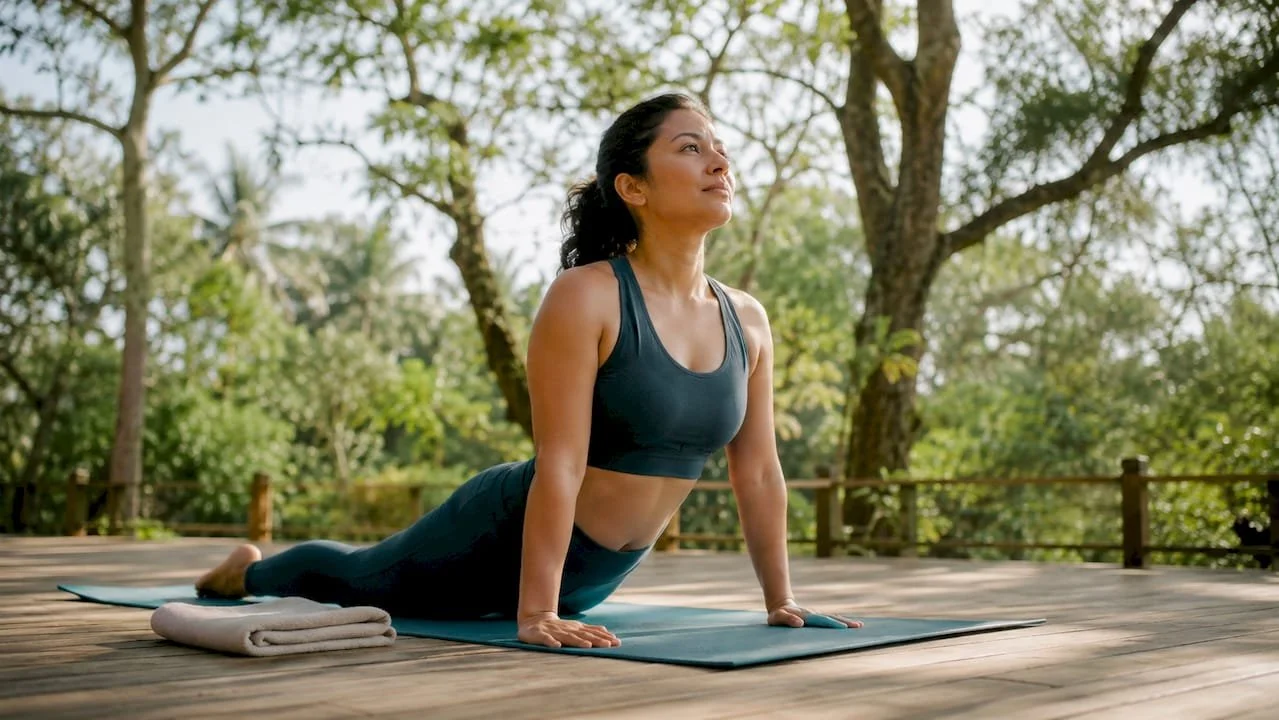
TL;DR:
Hot yoga in Renton is available in two formats: traditional heated classes and infrared sessions. Infrared yoga offers a dry environment with shorter sessions, making it more beginner-friendly and accessible.
Hot yoga is defined as any yoga practice performed in a heated room, typically between 95°F and 105°F, designed to deepen stretching and accelerate calorie burn. In Renton, WA, adults now have access to two distinct formats: traditional heated studio classes at Hot Yoga Renton downtown and infrared sessions at HOTWORX Benson Hill. Both options serve beginners and experienced practitioners, but they deliver very different experiences. This guide breaks down your local choices, explains what sets each format apart, and gives you the practical knowledge to walk into your first class with confidence.
What hot yoga studios are available in Renton, WA?
Renton residents can practice hot yoga at two main locations, each with a distinct approach to heat and class structure. Hot Yoga Renton is located at 222 Williams Ave S, Suite 200, Renton, WA 98057, offering traditional heated studio sessions with live instructors and scheduled class times. HOTWORX Benson Hill sits at 10713 SE Carr Road, Suite 16, Renton, WA 98055, and focuses on infrared technology with a very different scheduling model.
The biggest practical difference between these two Renton yoga studios is access. HOTWORX operates 24/7 with virtually instructed workouts available any time of day or night. That flexibility makes it a strong fit for shift workers, parents, or anyone whose schedule does not align with fixed class times. Hot Yoga Renton runs scheduled sessions, which suits people who prefer the energy and accountability of a live group class.
Class length also differs significantly between the two formats. HOTWORX infrared sessions run 30 minutes, roughly half the duration of traditional 60–90 minute hot yoga classes. That shorter window makes infrared sessions easier to fit into a lunch break or a busy evening without sacrificing a real workout.
Pricing and membership options
Pricing in the Renton and greater Seattle area varies by studio and membership tier. Regional infrared studios have launched with introductory rates around $49 bi-weekly for unlimited classes, rising to $69 bi-weekly after the founding period ends. That pricing model reflects a broader trend in the Pacific Northwest toward subscription-based fitness access. Drop-in options are also available at most studios for those who want to try before committing.
| Feature | Hot Yoga Renton (Traditional) | HOTWORX Benson Hill (Infrared) |
|---|---|---|
| Heat source | Heated air | Infrared panels |
| Class length | 60–90 minutes | 30 minutes |
| Scheduling | Fixed class times | 24/7 virtual access |
| Humidity level | High | Low |
| Best for | Community, live instruction | Flexibility, recovery |
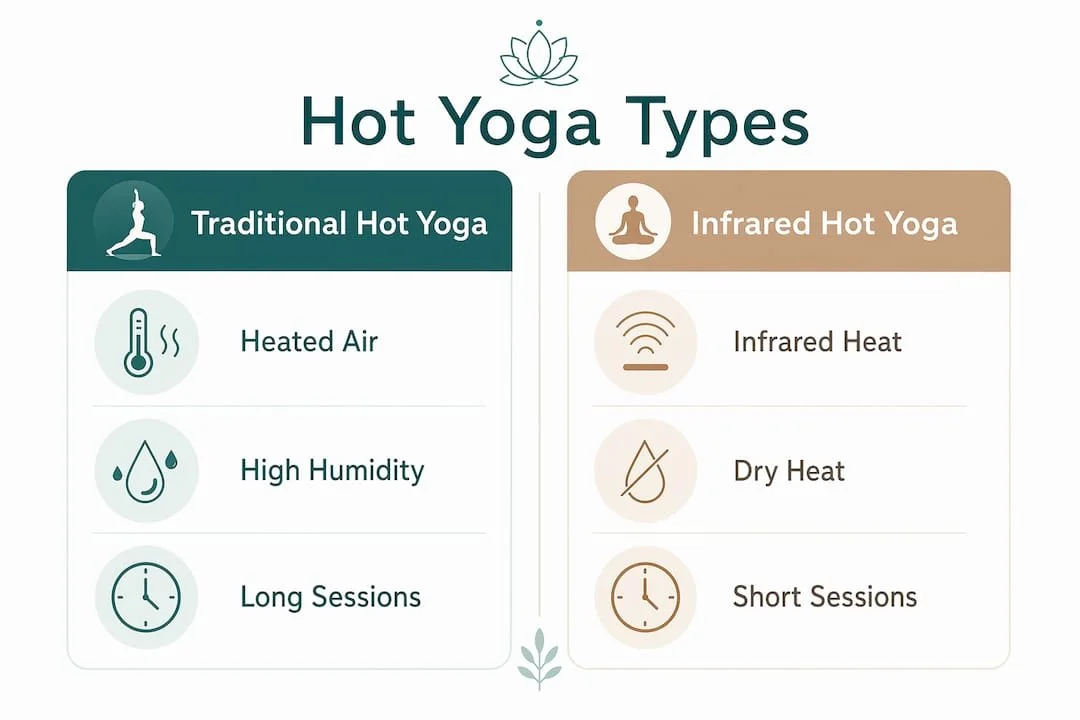
How do traditional hot yoga and infrared hot yoga differ?
Traditional hot yoga heats the entire room using forced air systems, which raises both temperature and humidity. That combination creates the signature "sweat room" feel most people associate with Bikram or Baptiste-style classes. The heat loosens muscles quickly, but the high humidity can make breathing feel labored, especially in the first few sessions.
Infrared heat works differently. Infrared panels heat the body directly without significantly raising the ambient air humidity. The result is a warm, dry environment where breathing stays more comfortable throughout the session. This distinction matters most for beginners or anyone with respiratory sensitivities.
Here is a quick breakdown of what each format delivers:
Traditional hot yoga: Higher humidity, longer sessions, live instructor energy, strong community atmosphere, deeper sweat detox effect
Infrared hot yoga: Dry heat, shorter sessions, 24/7 access, easier breathing, gentler introduction for newcomers
Recovery focus: Infrared heat penetrates deeper into muscle tissue, which many practitioners find accelerates post-workout recovery compared to surface-level heated air
The trend toward infrared reflects real consumer demand. People want the muscle recovery and flexibility benefits of hot yoga without the overwhelming humidity that can cut a session short. If you have tried traditional hot yoga and found the air too thick to breathe comfortably, infrared is worth testing.
Pro Tip: If you are new to heated yoga, start with an infrared session at HOTWORX before moving to a traditional studio. The lower humidity gives your body time to adapt to exercising in heat without the added respiratory challenge.
What are the physical and mental health benefits of hot yoga?
Practicing hot yoga regularly delivers documented improvements across flexibility, strength, detoxification, stress relief, and cardiovascular health. Each benefit compounds over time, which is why consistent practitioners often report feeling stronger and calmer within just a few weeks. Here are the four core benefits worth understanding before you start:
Increased flexibility and strength. Heat allows muscles to stretch further with less risk of strain. Over time, poses that felt impossible become accessible, and the isometric holds build functional strength throughout the core, legs, and shoulders.
Detoxification through sweating. A single hot yoga session produces significant sweat output. Sweating flushes metabolic waste through the skin, and the heat encourages circulation that supports lymphatic drainage. This is one reason practitioners often report clearer skin and reduced bloating after consistent practice.
Stress relief and mental clarity. The focused breathing required in a heated room forces the nervous system to slow down. Controlled breathwork activates the parasympathetic nervous system, which is the body's rest-and-digest mode. Many Renton practitioners cite this mental reset as the primary reason they return week after week.
Improved cardiovascular health. Exercising in heat elevates heart rate similarly to moderate aerobic activity. A 30-minute infrared session or a 60-minute traditional class both challenge the cardiovascular system in ways that support heart health over time.
The mental benefits deserve equal weight alongside the physical ones. Yoga for flexibility in Renton is a common search goal, but the stress relief and mental clarity outcomes are what keep most people practicing long after they hit their flexibility goals.
What should beginners know before their first Renton hot yoga class?
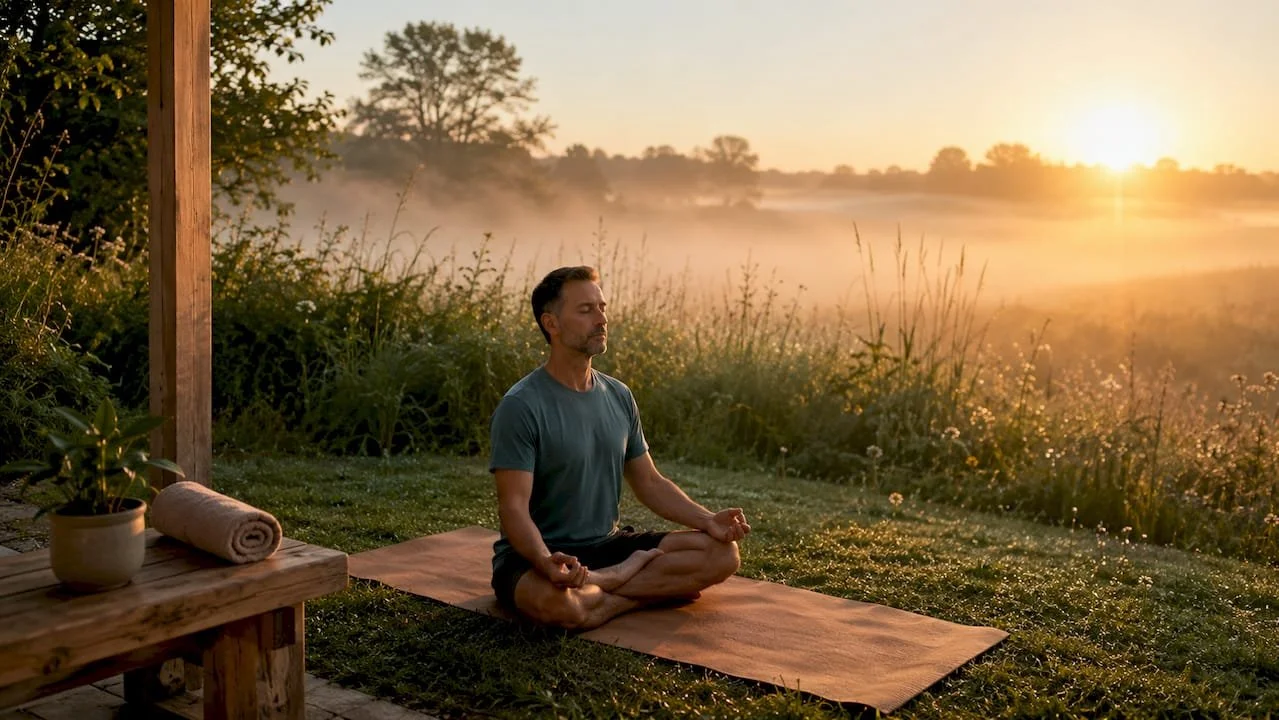
Preparation is the single biggest factor in whether a first hot yoga class feels manageable or miserable. Most people who quit after one session do so because they arrived unprepared, not because the practice is wrong for them. Beginners benefit most from studios that offer pose modifications, and both Renton options provide instructor support for newcomers.
Follow these preparation steps before your first class:
Hydrate aggressively the day before. Drink at least 64 ounces of water in the 24 hours leading up to class. Arriving dehydrated in a heated room is the fastest route to dizziness or nausea.
Eat light. A small meal two to three hours before class is ideal. A full stomach in 100°F heat is deeply uncomfortable.
Know what to wear for hot yoga. Lightweight, moisture-wicking fabrics are the standard. For women, a fitted tank or sports bra with shorts or leggings works well. For men, compression shorts or lightweight athletic shorts are the go-to. Avoid cotton, which absorbs sweat and becomes heavy.
Bring a large water bottle and a towel. A non-slip yoga towel placed over your mat prevents sliding as sweat builds up. Most studios sell or rent these if you do not own one yet.
Tell the instructor you are new. A good instructor will watch for you and offer modifications. Inclusive classes with pose adjustments are standard at quality studios, so do not hesitate to ask for help.
For a deeper look at preparation, Amritayogawellness has a detailed resource on preparing for hot yoga that covers hydration, attire, and mindset in one place.
Pro Tip: Sit or lie down on your mat if you feel lightheaded during class. Leaving the room is always an option. Pushing through dizziness is never worth it, and experienced instructors expect beginners to need breaks.
How to choose the best hot yoga class in Renton for your goals
Choosing between Renton's hot yoga options comes down to three factors: your schedule, your heat tolerance, and what you want from the practice. There is no universally better option. The right class is the one you will actually attend consistently.
Consider these decision points:
Schedule flexibility: If your work hours vary or you travel frequently, HOTWORX's 24/7 virtual access removes the barrier of fixed class times entirely. Traditional studios require you to plan around their schedule.
Session length: A 30-minute infrared session fits easily into a lunch break. A 90-minute traditional class requires more time commitment and recovery time afterward.
Heat sensitivity: If you have asthma, sinus issues, or simply find high humidity uncomfortable, infrared is the more accessible starting point. The lower ambient humidity makes the transition to heated practice far less overwhelming for most beginners.
Community vs. solo practice: Traditional studios offer the energy of a live group class and the social accountability that keeps many people consistent. Infrared studios are quieter and more self-directed.
Budget: Compare drop-in rates against monthly memberships at each location. If you plan to practice three or more times per week, a membership almost always costs less per session than drop-in pricing.
For those also exploring hot yoga in Bellevue, Washington, options like Oxygen Yoga & Fitness are expanding the infrared market across the greater Seattle area, giving you additional comparison points if you work or live near the Eastside.
Key takeaways
Hot yoga in Renton delivers real physical and mental benefits through two distinct formats, and choosing the right studio depends on your schedule, heat tolerance, and practice goals.
| Point | Details |
|---|---|
| Two local formats | Hot Yoga Renton offers traditional heated classes; HOTWORX Benson Hill offers infrared sessions. |
| Infrared vs. traditional heat | Infrared produces less humidity, making breathing easier and sessions more beginner-friendly. |
| Session length matters | HOTWORX runs 30-minute sessions; traditional classes run 60–90 minutes. |
| Preparation is non-negotiable | Hydrate the day before, wear moisture-wicking fabrics, and inform your instructor you are new. |
| Benefits compound over time | Regular practice builds flexibility, strength, cardiovascular health, and stress resilience. |
Why I think most people overthink their first hot yoga class
The most common thing I hear from people who have never tried hot yoga is that they are waiting until they are "more flexible" or "more fit." That logic is backwards. Hot yoga is the tool that builds flexibility and fitness. You do not need to arrive ready for it. You just need to arrive.
What I have seen consistently is that the first class is the hardest, and it is hard for reasons that have nothing to do with yoga. The heat is unfamiliar. The room smells like effort. You do not know where to put your mat or how the flow works. All of that disappears by the second class. By the third, you start to feel the actual benefits.
The infrared option at HOTWORX is genuinely useful for people who are intimidated by traditional hot yoga. The dry heat environment is less aggressive, and the 30-minute format removes the mental barrier of committing to a 90-minute session. I would recommend it as a starting point for anyone who has bounced off traditional studios before.
One thing I would push back on is the idea that hot yoga is only for the already-athletic. The inclusivity built into modern classes means instructors are trained to meet you where you are. Every pose has a modification. Every instructor has seen a beginner. You are not a burden in that room. You are exactly who the class is designed for.
Show up, drink water, and give it three sessions before you decide. That is the only advice that actually matters.
— Juiced
Explore yoga and wellness with Amritayogawellness
Ready to take your wellness practice further? Amritayogawellness offers a full range of yoga styles, workshops, and holistic services designed for every level of practitioner. Whether you are stepping onto the mat for the first time or deepening an existing practice, the resources at Amritayogawellness connect you with expert guidance and community support.
Beyond yoga classes, Amritayogawellness offers tarot readings as a complementary wellness service for those exploring mindfulness and self-reflection alongside their physical practice. For anyone starting out, the hot yoga for beginners blog is a strong first resource. Visit amritayogawellness.com to browse classes, book a session, or connect with the community.
FAQ
What is hot yoga, and how is it different from regular yoga?
Hot yoga is practiced in a room heated to 95°F–105°F, which increases flexibility and sweat output compared to room-temperature yoga. The heat also raises heart rate, adding a cardiovascular component to the session.
Is hot yoga in Renton safe for beginners?
Yes. Both Hot Yoga Renton and HOTWORX Benson Hill offer modifications for beginners, and instructors are trained to support new practitioners. Hydrating well before class and informing your instructor you are new are the two most important safety steps.
How often should I practice hot yoga to see results?
Most practitioners notice improved flexibility and reduced stress within two to three weeks of attending two to three sessions per week. Consistency matters more than session length.
What should I bring to my first hot yoga class in Renton?
Bring a large water bottle, a non-slip yoga towel, and wear lightweight moisture-wicking clothing. Avoid cotton fabrics, which absorb sweat and become uncomfortable in a heated room.
Is infrared hot yoga better than traditional hot yoga for beginners?
Infrared hot yoga produces less ambient humidity, which makes breathing easier and the overall experience less overwhelming. For most beginners, starting with an infrared session at HOTWORX is a lower-barrier entry point than a traditional heated studio class.
Recommended
What Is a Barre Class Workout? A Beginner's Guide
TL;DR:
A barre class combines ballet-inspired movements, Pilates core work, and yoga stretches into a low-impact, full-body workout. It enhances muscular endurance, posture, and flexibility through high-repetition, controlled exercises that minimize joint stress. Group classes also promote mental well-being, making barre suitable for all fitness levels and recovery needs.
A barre class workout is a low-impact fitness method that blends ballet-inspired movements, Pilates core work, and yoga stretches into a single full-body session. Unlike traditional dance classes, barre skips choreography entirely and focuses on small, controlled repetitions that drive muscles to fatigue without stressing your joints. Classes typically run 30–60 minutes and use a fixed ballet barre, light hand weights, resistance bands, and exercise balls as props. The result is a workout that builds muscular endurance, improves posture, and increases flexibility, all at a pace that works for beginners and experienced exercisers alike.
What happens in a typical barre class workout?
A standard barre session follows a predictable structure, which makes it easy to settle into even on your first day. Most classes open with a standing warm-up at the barre, move through targeted muscle work, and close with a floor-based cool-down and stretch.
Here is what you can expect during a typical class:
Warm-up (5–10 minutes): Light cardio and mobility work to raise your heart rate and prepare your joints.
Barre work (20–30 minutes): Standing exercises using the barre for balance. Expect plié pulses, relevés, and leg lifts targeting your legs and glutes.
Core section (10–15 minutes): Pilates-inspired floor work including planks, leg circles, and mini-ball squeezes.
Cool-down and stretch (5–10 minutes): Yoga-style stretches to lengthen muscles and reduce soreness.
Barre uses light hand weights) in the 2–3 pound range, which keeps the focus on endurance and muscle tone rather than bulk. Resistance bands and small exercise balls appear in many classes to add variety and challenge specific muscle groups. The defining feature of every exercise is high repetitions with small range of motion. You might pulse through 30 seconds of plié squats or complete 12–15 leg lifts per side. That combination of low resistance and high reps is what creates the signature burn barre is known for.
Pro Tip: Arrive five minutes early and tell the instructor it is your first class. A quick heads-up lets them watch your form and offer modifications before the class even starts.
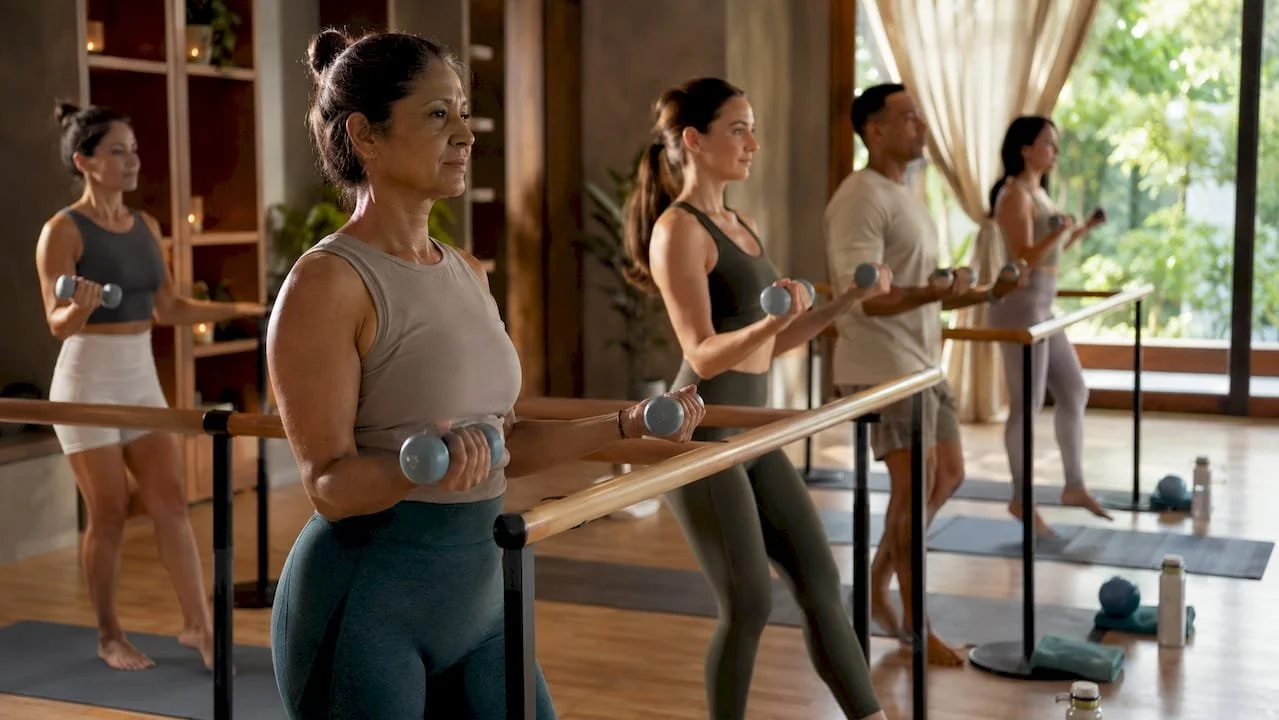
What are the physical and mental benefits of barre workouts?
Barre delivers a broad set of physical benefits without the joint stress that comes with running, jumping, or heavy lifting. Barre is endurance-based training that uses fine, repetitive movements to reach muscular fatigue with minimal impact. That makes it a strong option for people recovering from injury, managing joint pain, or simply looking for a sustainable long-term fitness practice.
The physical benefits include:
Posture improvement: Barre strengthens muscles around the chest, shoulders, hips, and back that hold your body upright. This directly counteracts the forward rounding that builds up from hours at a desk.
Muscular endurance: High-rep sequences train your muscles to sustain effort over time, which translates to better performance in everyday activities.
Flexibility and balance: The yoga-style stretches and single-leg balance work in every class improve both range of motion and stability.
Core strength: Pilates-based floor work targets deep abdominal muscles that support your spine and protect your lower back.
The mental side of barre is just as real. Group barre classes reduce stress and support emotional well-being in ways that mirror the benefits of yoga and Pilates. The focused, repetitive nature of the movements requires enough concentration to quiet mental chatter without being overwhelming. Many people describe leaving class feeling both physically tired and mentally clear.
"Barre emphasizes quality over quantity in movements, focusing on precise alignment and time under tension rather than heavy weights or speed." — Barre Pilates Workout Guide
Barre is also one of the most age-inclusive and fitness-level-inclusive formats available. A 25-year-old athlete and a 60-year-old returning to exercise can take the same class, because the instructor can modify every exercise up or down based on ability.
How does barre compare to Pilates and yoga?
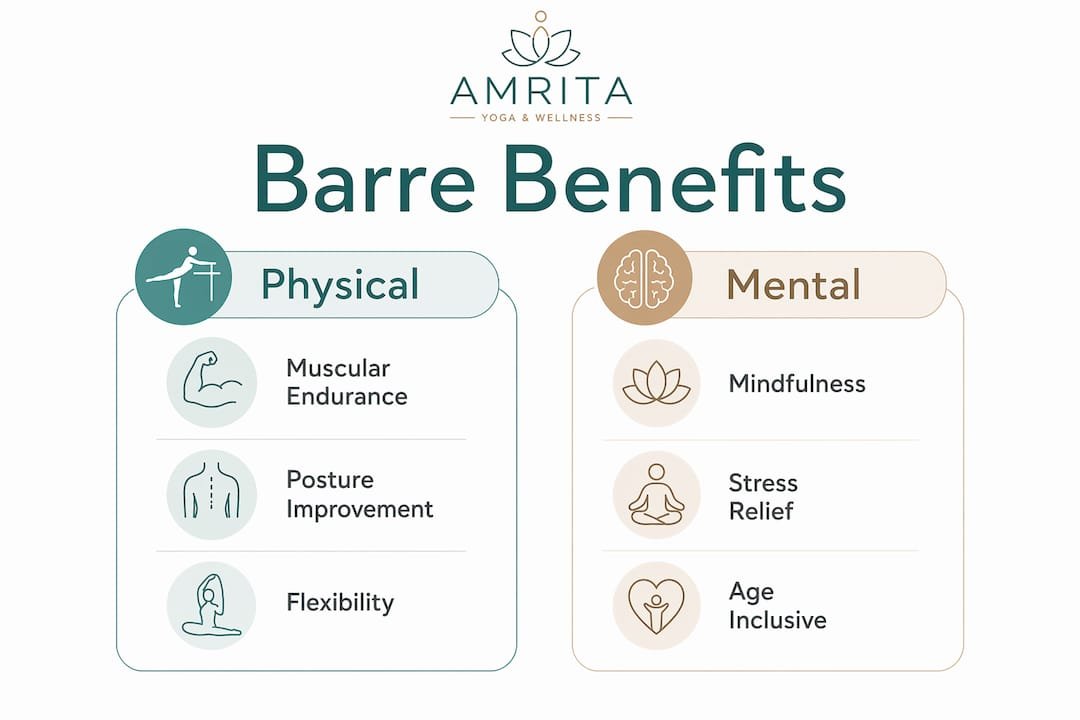
Barre, Pilates, and yoga share a commitment to controlled movement and body awareness, but each method has a distinct focus. Understanding the differences helps you decide which practice fits your goals, or whether combining them makes sense.
| Method | Primary focus | Movement style | Key equipment |
|---|---|---|---|
| Barre | Muscular endurance and alignment | High-rep pulses and holds | Ballet barre, light weights |
| Pilates | Core strength and spinal control | Slow, sequenced core work | Mat, reformer machine |
| Yoga | Flexibility, balance, and mental calm | Flowing or held poses | Mat, blocks, straps |
Barre incorporates Pilates breathing and alignment techniques alongside ballet's pulsing repetitions and balance exercises. That overlap is why barre pilates fusion classes have grown in popularity. A barre pilates session typically splits time between standing barre work, core exercises with a mini-ball, and cooldown stretches, all while maintaining the breath awareness that defines Pilates.
What sets barre apart from both Pilates and yoga is the deliberate drive to muscular fatigue. Pilates sequences are controlled and precise but rarely push you to the point of shaking. Yoga holds build strength, but the goal is usually flexibility and stillness. Barre specifically targets that trembling sensation in your thighs or seat as a sign that the muscle is working at its limit. You can explore barre and Pilates fusion formats to see which combination resonates with your body.
Barre yoga is a less common but growing format that layers yoga's breath and mindfulness cues onto barre's standing sequences. It tends to feel slower and more meditative than a standard barre class while still delivering the muscle-fatigue effect.
What should beginners know before starting a barre class?
Starting barre the right way saves you from frustration and reduces the risk of injury. The learning curve is real but short. Most people feel comfortable with the format after two or three classes.
Follow these steps to get the most from your first few sessions:
Choose a beginner or foundational class. Barre is suitable for all fitness levels, but foundational classes teach posture and alignment before adding intensity. Starting there builds the base you need.
Learn the pelvic tuck. The pelvic tuck protects your lower back and is the single most important technical cue in barre. Your instructor will explain it, but pay close attention because it changes how every exercise feels.
Introduce yourself to the instructor. Telling your instructor about any injuries or limitations before class allows them to offer modifications that keep you safe and working effectively.
Expect your muscles to shake. Muscle shaking during barre) is normal and signals that you have reached muscular exhaustion through high repetitions. It is not a sign that something is wrong. It means the method is working.
Build frequency gradually. Two classes per week is a solid starting point. Most people notice meaningful changes in posture and strength within four to six weeks of consistent attendance.
Pro Tip: Wear grip socks to your first class. They prevent slipping on the studio floor and give you better feedback about how your foot is pressing into the ground during balance exercises.
You can find more detailed guidance on starting barre as a beginner to help you feel prepared before you walk through the door.
Key takeaways
A barre class workout builds muscular endurance, improves posture, and increases flexibility through high-repetition, low-impact movements drawn from ballet, Pilates, and yoga.
| Point | Details |
|---|---|
| Core definition | Barre blends ballet, Pilates, and yoga into a 30–60 minute low-impact full-body workout. |
| Signature technique | High-rep, small-range movements drive muscles to fatigue without heavy weights or joint stress. |
| Key physical benefits | Barre strengthens posture muscles, builds endurance, and improves balance and flexibility. |
| Mental benefits | Group barre classes reduce stress and support emotional well-being similar to yoga and Pilates. |
| Beginner priority | Learn the pelvic tuck, introduce yourself to the instructor, and expect muscle shaking from day one. |
Why barre deserves more credit than it gets
Most people walk into their first barre class expecting something gentle and walk out surprised by how hard it actually is. That gap between expectation and reality is the most consistent thing I have observed about barre, and I think it explains why the format gets underestimated.
Barre is not dance. It is not stretching with a fancy name. It is endurance training with a very specific mechanism: sustained time under tension at low resistance. That mechanism is genuinely difficult to replicate in a gym setting, which is why barre attracts people who have tried everything else and still feel like something is missing.
The communal dimension matters too. Group barre classes create a shared experience of discomfort that builds real connection between participants. There is something about shaking through the last ten seconds of a plié hold together that strips away self-consciousness and replaces it with solidarity.
My honest observation after watching many people start barre is that the ones who stick with it past the first month stop thinking about it as a workout and start thinking about it as a practice. That shift in mindset, from performance to process, is where the real long-term value lives. Patience and consistency are not just encouraged in barre. They are built into the method itself.
— Juiced
Try barre classes at Amrita Yoga & Wellness in Philadelphia
Amritayogawellness offers barre classes in Philadelphia designed for all fitness levels, from complete beginners to those with years of experience. The studio's instructors prioritize proper alignment and offer modifications so every participant can work at their own pace safely and effectively.
Amritayogawellness also offers Pilates, hot yoga, tai chi, and massage therapy, making it easy to build a well-rounded wellness practice under one roof. If you are curious about the full range of wellness services available, including tarot readings and community workshops, the studio's schedule has something for every stage of your wellness path. Check the class schedule online and book your first barre session today.
FAQ
What is a barre class workout, exactly?
A barre class workout is a low-impact fitness session that combines ballet-inspired movements, Pilates core work, and yoga stretches. Classes run 30–60 minutes and use a ballet barre, light weights, and resistance bands to build strength and flexibility.
Is barre the same as barre Pilates?
Barre and barre Pilates are related but distinct. Barre Pilates is a fusion format that adds Pilates breathing and core sequencing to standard barre exercises, typically resulting in a more technique-focused class with greater attention to spinal alignment.
How often should beginners attend barre classes?
Two classes per week is the recommended starting point for beginners. Most people notice clear improvements in posture and muscular endurance within four to six weeks of consistent practice.
Why do my muscles shake during barre?
Muscle shaking during barre is a normal and expected response. It signals that your muscles have reached fatigue through high repetitions at low resistance, which is exactly the training effect barre is designed to produce.
Is barre good for people with joint pain or injuries?
Barre is one of the most joint-friendly workout formats available because it avoids high-impact movements like jumping or heavy loading. Always inform your instructor of any injuries before class so they can provide appropriate modifications.
Recommended
Different Types of Meditation Practices: 2026 Guide
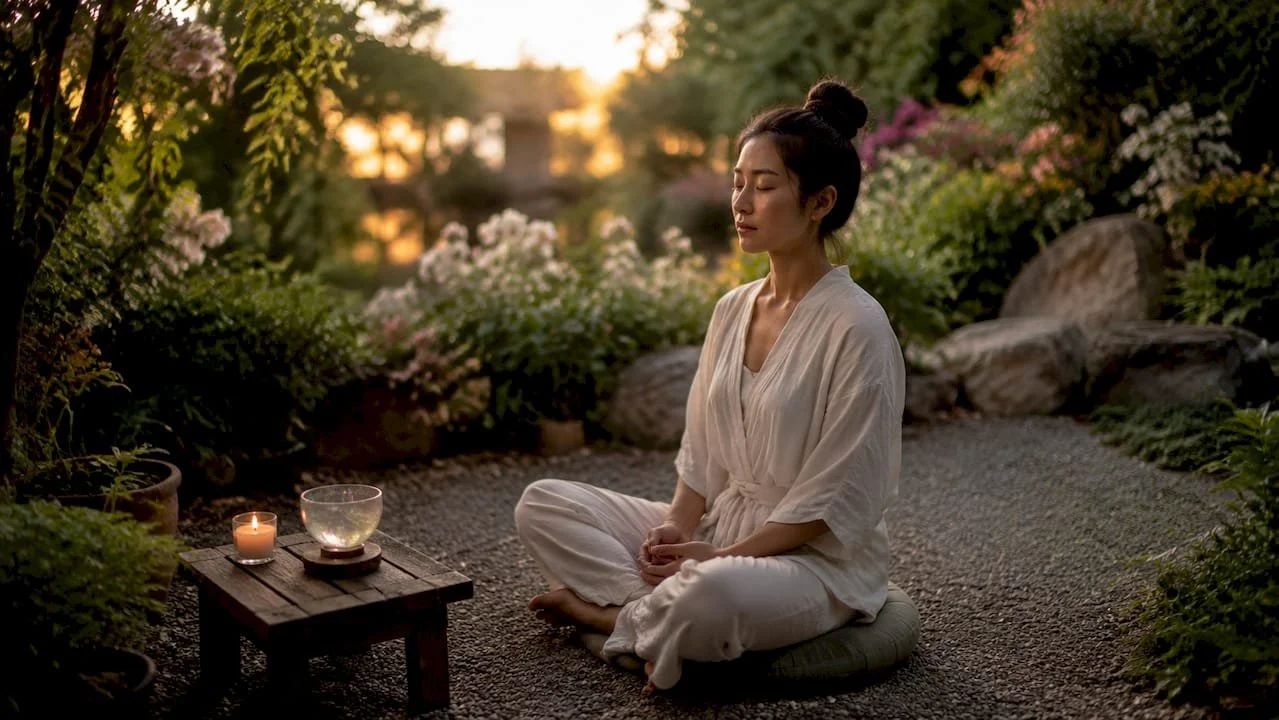
TL;DR:
Meditation improves focus, reduces stress, and builds emotional resilience through various practices that suit specific goals. Different styles like mindfulness, loving-kindness, and yoga nidra target distinct benefits and are best chosen based on desired outcomes. Consistent practice, starting with brief sessions, and using tools like guided apps help maintain a sustainable meditation routine.
Meditation is a deliberate mental training practice that sharpens focus, reduces stress, and builds emotional resilience. The different types of meditation practices available today range from silent breath awareness to movement-based styles like mindful walking and yoga nidra, each serving a distinct purpose. A 2026 research framework organizes these techniques into five clusters: physical, emotional, psychological, spiritual, and mixed. That taxonomy matters because it confirms what experienced practitioners already know. Your goal determines your method. Whether you want better sleep, less anxiety, or sharper concentration, there is a meditation style built for that outcome.
Different types of meditation practices explained
The eight styles below cover the most widely practiced and research-supported meditation techniques available. Each one has a distinct focus, format, and primary benefit.
1. Mindfulness meditation
Mindfulness meditation is the practice of observing thoughts, feelings, and sensations without judging them. You sit quietly, notice what arises in your mind, and let it pass without reacting. This style forms the foundation of Mindfulness-Based Stress Reduction (MBSR), a clinical program developed by Jon Kabat-Zinn at the University of Massachusetts Medical School. It is the most studied meditation technique in Western clinical research. Beginners find it accessible because it requires no special equipment or belief system.
Key features:
Practiced seated, eyes closed or softly open
Focus shifts between breath, body, and thoughts
Sessions range from 5 to 45 minutes
2. Breath awareness meditation
Breath awareness is the simplest entry point into meditation. You place all attention on the physical sensation of breathing: the rise of the chest, the pause between inhale and exhale, the cool air entering the nostrils. Five minutes of daily breath awareness builds the foundational concentration skill that all other meditation styles require. This technique has the strongest clinical support for reducing anxiety alongside body scan meditation.
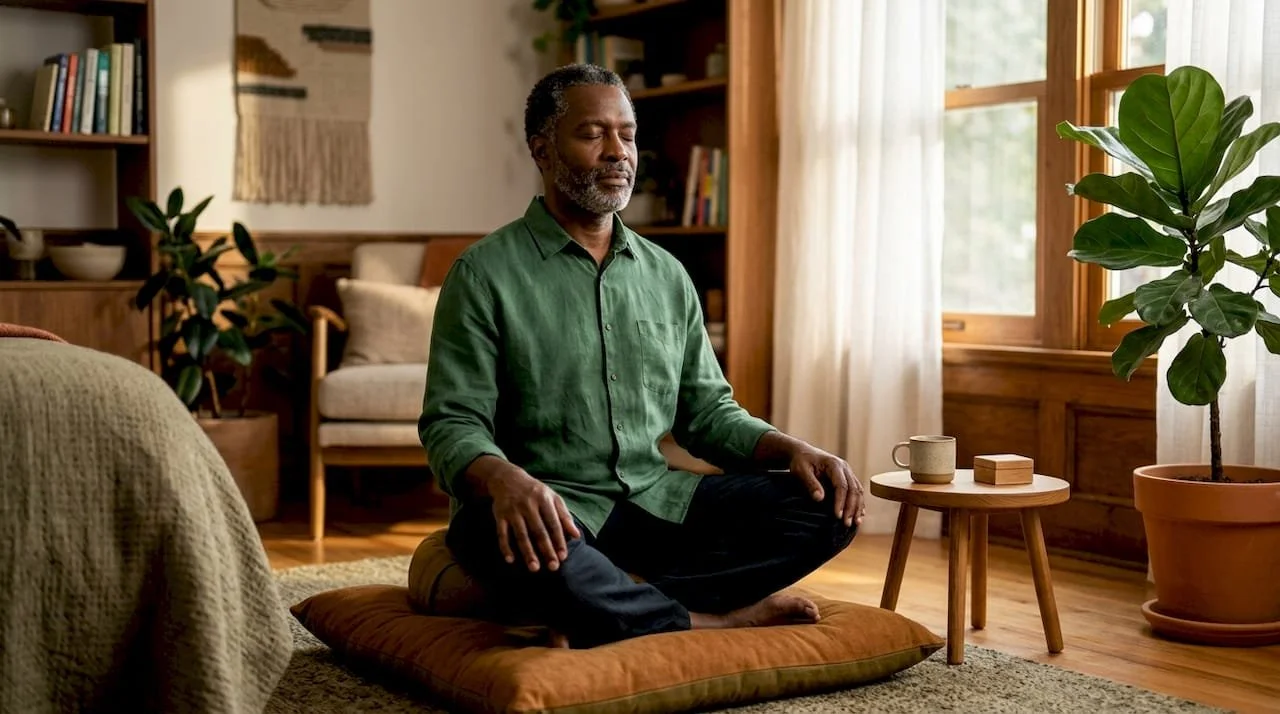
Pro Tip: Set a phone timer for five minutes each morning before checking any screen. Breath awareness practiced first thing anchors your attention before the day's demands take over.
3. Loving-kindness meditation (Metta)
Loving-kindness meditation, known in Pali as Metta, trains the mind to generate warmth and goodwill toward yourself and others. You silently repeat phrases like "May I be happy. May I be safe. May I be healthy." Then you extend those wishes outward to friends, strangers, and even people you find difficult. Loving-kindness meditation is the most effective style for emotional regulation and reducing self-criticism. Therapists frequently recommend it for people working through shame or social anxiety.
4. Body scan meditation
Body scan meditation directs attention systematically through each part of the body, from the toes to the crown of the head. The goal is to notice physical sensations without trying to change them. This practice is a core component of MBSR and is widely used in clinical settings for chronic pain and insomnia. It works well as a wind-down practice before sleep. Many people find it easier than breath-focused styles because the moving attention point keeps the mind occupied.
5. Mantra meditation
Mantra meditation uses a repeated word or phrase as the anchor for attention. Transcendental Meditation (TM), developed by Maharishi Mahesh Yogi, is the most recognized form. In TM, a teacher assigns a personal Sanskrit mantra, and the practitioner repeats it silently for 20 minutes twice daily. You can also practice mantra meditation with simple words like "peace" or "calm" without formal instruction. The repetition crowds out distracting thoughts and creates a steady mental rhythm. Explore mantra meditation methods for deeper guidance on choosing and using a personal mantra.
6. Walking meditation
Walking meditation turns movement into a mindfulness practice. You walk slowly and deliberately, placing full attention on each step: the lift of the foot, the shift of weight, the contact with the ground. This style suits people who find sitting still frustrating or physically uncomfortable. Zen Buddhist traditions formalized walking meditation, called kinhin, as a complement to seated zazen practice. Zazen meditation benefits include improved posture awareness and a calm, alert mental state that transfers well into daily activity.
7. Yoga nidra
Yoga nidra, sometimes called "yogic sleep," is a guided practice that leads you through progressive relaxation into a state between waking and sleep. You lie down for the entire session, typically 20 to 45 minutes, while a teacher or recording guides your awareness through the body, breath, and visualization. Research links yoga nidra to reduced cortisol levels and improved sleep quality. It is one of the most accessible styles for complete beginners because the only requirement is lying still and listening.
8. Sound meditation
Sound meditation uses auditory input, such as singing bowls, gongs, or binaural beats, as the focal point for awareness. Sound baths, where practitioners lie in a room filled with resonant tones from Tibetan or crystal singing bowls, have grown significantly in popularity across wellness studios in cities like Philadelphia, New York, and Los Angeles. The vibrations give the mind a concrete object to track, which makes it easier to stay present than in silent styles. Sound meditation sits within the physical and mixed clusters of the 2026 meditation typology framework.
Which meditation style fits your goal?
No single meditation styleis universally best. The right practice is the one you will actually do consistently. That said, specific styles do align more directly with specific outcomes. The table below maps common wellness goals to the meditation techniques with the strongest evidence base.
| Goal | Best-fit meditation style | Why it works |
|---|---|---|
| Anxiety relief | Breath awareness, body scan | Strongest clinical support for calming the nervous system |
| Emotional regulation | Loving-kindness (Metta) | Directly trains compassion and reduces self-criticism |
| Better sleep | Yoga nidra, body scan | Activates the parasympathetic nervous system |
| Sharper focus | Mindfulness, mantra | Trains sustained attention through repetition |
| Trauma recovery | Walking meditation, trauma-sensitive yoga | Grounding and structured movement prevent overwhelm |
| Spiritual connection | Mantra, sound meditation | Engages deeper states of awareness and presence |
Trauma-sensitive individuals should choose guided, grounding practices like walking meditation or trauma-sensitive yoga over unstructured silent meditation. Open-awareness styles can surface difficult emotions without enough structure to process them safely. If you are managing a mental health condition, consult a licensed therapist before starting intensive meditation practices. Meditation supports mental well-being but does not replace professional care.
Pro Tip: Treat your meditation practice like a toolkit, not a commitment to one style. On high-stress days, reach for breath awareness. On emotionally heavy days, try loving-kindness. Flexibility keeps the habit alive.
How to start and maintain a meditation practice
Starting small is the most reliable strategy. Beginners should practice 5 to 10 minutes daily rather than attempting long sessions sporadically. Consistency beats duration every time. Ten minutes of daily meditation builds more long-term mental resilience than a 60-minute session once a week.
Follow these steps to build a sustainable habit:
Pick one style and stick with it for two weeks. Jumping between techniques too quickly prevents you from experiencing the cumulative benefits of any single approach.
Choose a fixed time. Morning practice before checking your phone works well for most people. Evening body scans work better for those focused on sleep.
Accept mind-wandering as part of the process. Noticing that your mind has wandered and gently returning your focus is the core exercise. Each return strengthens concentration exactly like a bicep curl builds muscle.
Sample other styles after the first two weeks. Once you have a baseline, experiment with a second style to compare how each one affects your mood and energy.
Build a personal toolkit. Experienced practitioners keep two or three styles available and choose based on daily needs. Calm and Headspace both offer guided sessions across multiple styles, which makes switching easy.
Seek professional guidance when needed. If you have PTSD, severe depression, or another mental health condition, work with a therapist who understands meditation and mental health recovery before starting a solo practice.
Emerging and modern meditation techniques
Movement-based and technology-supported meditation styles are expanding the range of people who can access consistent practice. Mindful walking, tai chi, and yoga all qualify as types of mindfulness meditation when practiced with deliberate attention. They suit people who find seated stillness physically or psychologically difficult.
Digital tools have made guided meditation methods more accessible than ever:
Calm offers sleep stories, breath guides, and body scans for all experience levels.
Headspace structures meditation into courses, making it easier to progress systematically.
Insight Timer provides a free library of thousands of guided sessions across traditions.
Meditation apps and digital tools combine traditional techniques with technological convenience, which supports the consistency that makes meditation effective. The risk is passive consumption. Listening to a guided session every day without ever practicing independently limits skill development. Use apps as a starting point, then gradually add unguided sessions as your confidence grows.
Sound baths and binaural beat recordings represent newer additions to the meditation toolkit. Both use auditory stimulation to guide the brain toward calmer states. Scientific research on binaural beats is still developing, but early studies suggest they can reduce anxiety and improve focus in short sessions.
Key takeaways
The most effective meditation practice is the one you practice consistently, matched to your specific goal and adjusted as your needs change.
| Point | Details |
|---|---|
| Match style to goal | Breath awareness and body scan lead for anxiety; loving-kindness leads for emotional regulation. |
| Start small | Five to ten minutes daily outperforms long, infrequent sessions for building lasting habits. |
| Mind-wandering is normal | Returning focus after distraction is the core skill-building exercise in every meditation style. |
| Trauma requires care | Grounded, guided styles like walking meditation are safer for trauma-sensitive practitioners. |
| Build a toolkit | Keeping two or three styles available lets you match your practice to your daily energy and needs. |
What I have learned from years inside the practice
Most people approach meditation looking for the "right" technique. That search is the first obstacle. The question is not which style is objectively best. The question is which style you will actually return to tomorrow.
I have watched people spend months researching zazen meditation benefits, Transcendental Meditation costs, and the science behind yoga nidra, then never sit down once. The research is useful. But it becomes a way to delay starting. Pick the simplest option available, breath awareness for five minutes, and begin today.
The other thing I have noticed is that progress in meditation does not look like progress in most skills. You do not get faster or stronger in any visible way. What changes is your relationship to discomfort. Difficult thoughts become less urgent. Stressful moments feel shorter. That shift is subtle and takes weeks to notice. Most people quit before they reach it.
Mindfulness is not an activity you do for 10 minutes and then set aside. It is a way of paying attention that gradually reshapes how you move through the day. The formal practice, the sitting or walking or breathing, trains a skill that shows up everywhere else. Treat it with the same patience you would give any skill worth having.
Explore meditation types and practices to keep building on what you start here.
— Juiced
Explore meditation with Amritayogawellness
Amritayogawellness, Philadelphia's yoga and wellness studio, offers guided classes and workshops across a wide range of practices including mindfulness meditation, yoga nidra, tai chi, and movement-based styles. Whether you are picking up meditation for the first time or deepening an existing practice, the studio provides structured support for every level.
The Amritayogawellness community is built around inclusivity and personal growth. Beginners receive the same quality of guidance as advanced practitioners. Visit Amrita Yoga & Wellness to browse current class schedules, workshops, and wellness programs designed to help you build a consistent, meaningful practice.
FAQ
What are the most beginner-friendly meditation techniques?
Breath awareness and body scan meditation are the easiest starting points. Both require no prior experience, no equipment, and as little as five minutes per session.
How long should I meditate each day as a beginner?
Start with 5 to 10 minutes of daily practice. Consistent short sessions build stronger habits and better results than occasional long ones.
What is the difference between mindfulness and other meditation styles?
Mindfulness meditation trains open, nonjudgmental awareness of whatever arises. Other styles, like mantra or loving-kindness, use a specific focal point or intention to direct attention.
Is meditation safe for people with anxiety or trauma?
Most meditation styles are safe, but trauma-sensitive individuals should choose structured, grounded practices like walking meditation or guided yoga nidra. Unstructured silent meditation can surface difficult emotions without enough support to process them.
Can meditation apps replace in-person instruction?
Apps like Calm and Headspace provide strong guided meditation methods for beginners, but in-person instruction offers real-time feedback and community support that apps cannot replicate.
Recommended

Yoga Instructor Class: Your 2026 Certification Guide
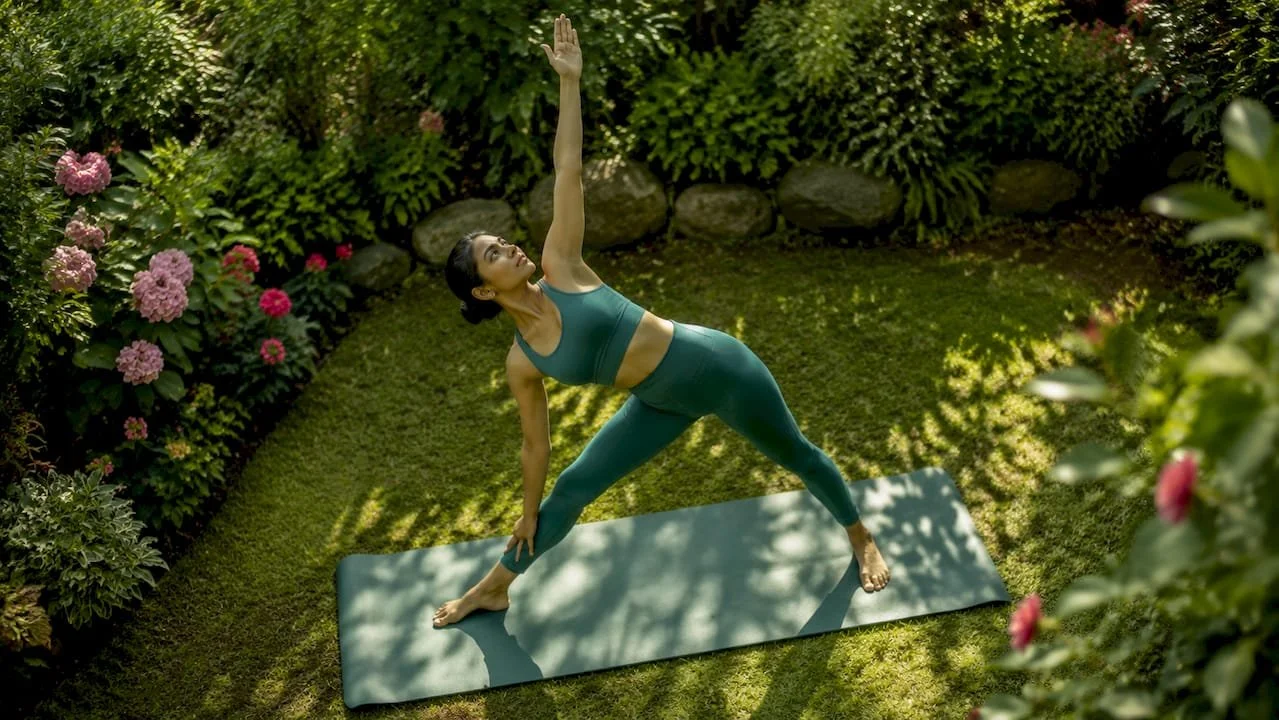
TL;DR:
Yoga instructor classes certify individuals to teach safely and professionally, with the RYT 200 being the industry standard minimum credential. Courses cover techniques, anatomy, philosophy, teaching methods, and supervised practicum, requiring at least 200 hours of training, followed by advanced certifications. Choosing between in-person, online, or hybrid formats depends on your schedule, learning style, and access, with credentialing also requiring documentation, CPR certification, and liability insurance.
A yoga instructor class is a structured training program that certifies individuals to teach yoga safely and professionally. The industry standard credential is the RYT 200, defined by Yoga Alliance, and studios across the United States treat it as the minimum qualification for hiring. If you are exploring how to become a yoga instructor, understanding the credential levels, curriculum requirements, and delivery formats available in 2026 will save you time and money before you commit to a program.
What types of yoga instructor classes and credentials exist?
Certification levels in yoga teacher training follow a clear progression. The 200-hour foundational program is the entry point for professional teaching. From there, instructors can pursue a 300-hour advanced training, and the combination of both earns the RYT 500 designation recognized by Yoga Alliance.
Many aspiring teachers underestimate the 200-hour requirement and assume a 100-hour certificate is enough to get hired. Studios and insurance providers do not agree. The 200-hour credential is the professional floor, not a shortcut option.
The table below compares the three main certification levels:
| Credential | Hours Required | Best For | Career Impact |
|---|---|---|---|
| RYT 200 | 200 hours | New instructors entering the field | Qualifies for most studio hiring and insurance |
| RYT 300 | 300 additional hours | Instructors deepening expertise | Unlocks advanced yoga techniques and specialty teaching |
| RYT 500 | 500 combined hours | Experienced teachers seeking top-tier status | Highest Yoga Alliance recognition; opens training roles |
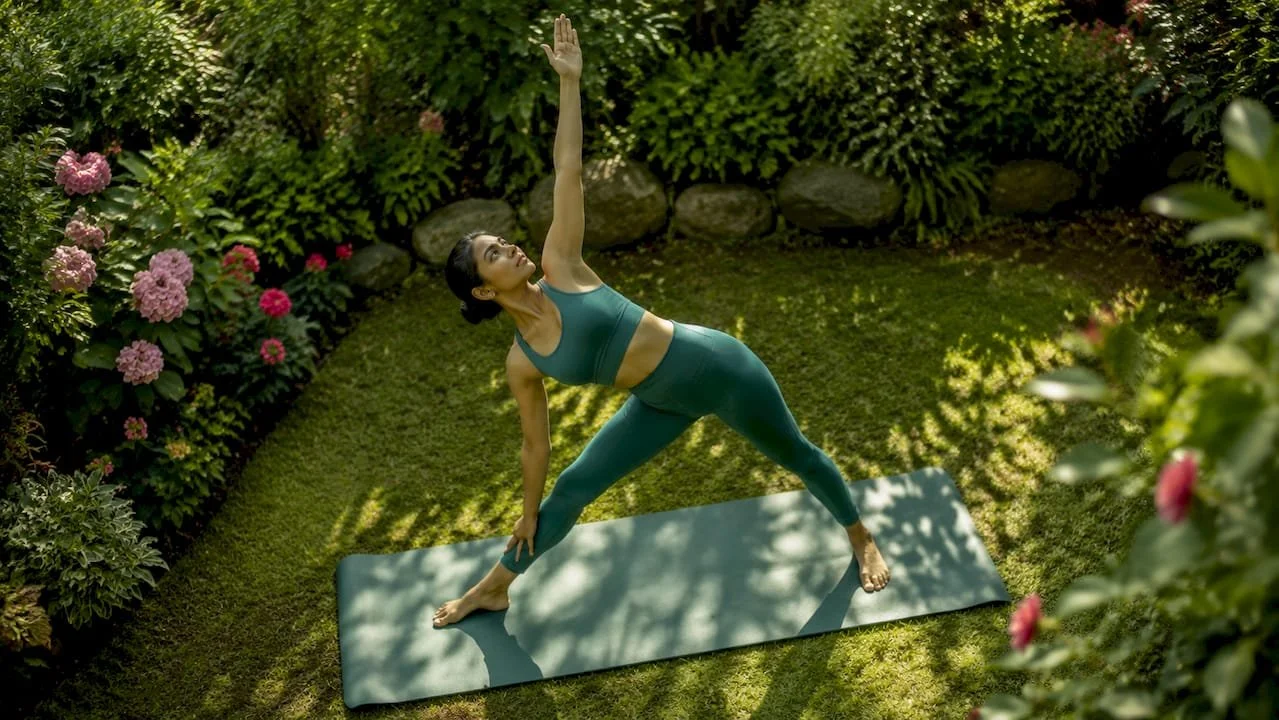
A 300-hour advanced training requires prior completion of the 200-hour foundational program before enrollment. That sequencing matters because the advanced curriculum assumes you already understand class sequencing, anatomy basics, and verbal cueing from your foundational work.
Key facts about credential levels:
RYT 200 is the recognized minimum for certified yoga classes at most U.S. studios
RYT 300 focuses on advanced yoga techniques, specialty populations, and deeper philosophy
RYT 500 combines both levels and qualifies instructors to lead yoga teacher training programs themselves
Yoga Alliance is the most widely recognized credentialing body in the United States, though programs like the International Association of Yoga Therapists (IAYT) serve specialized tracks
Pro Tip: Before enrolling, verify that your chosen program is registered with Yoga Alliance as an RYS (Registered Yoga School). Without that registration, your hours may not count toward official RYT credentials.
What does a yoga instructor class curriculum actually cover?
The curriculum inside a 200-hour program is more demanding than most beginners expect. Yoga Alliance sets minimum content requirements across five core domains, and quality programs go well beyond those minimums.
Here are the five core areas covered in a standard yoga teacher training curriculum:
Techniques and practice: Asanas (physical postures), pranayama (breathwork), and meditation form the physical and experiential core of training. Students practice these techniques daily, not just study them theoretically.
Anatomy and physiology: You learn how the skeletal and muscular systems respond to yoga postures. This knowledge directly informs how you cue students safely and modify poses for different bodies.
Yoga philosophy, lifestyle, and ethics: Training covers foundational texts like the Yoga Sutras of Patanjali and the ethical principles that govern a teacher-student relationship. This is not optional background reading. It shapes how you show up in the room.
Teaching methodology: Class sequencing, verbal cueing, hands-on adjustments, and managing group yoga sessions are all taught here. You learn how to build a class arc from warm-up to savasana.
Practicum and supervised teaching: Typical 200-hour programs allocate roughly 10 hours to practicum and teaching methodology. Students observe experienced teachers, then lead sessions themselves under supervision.
The practicum component separates programs that produce confident teachers from those that produce knowledgeable students who freeze when they face a live class. Students typically lead at least two full classes during training to develop voice modulation and real-time problem-solving skills. Two classes is a minimum. The best programs build in more.
Pro Tip: Ask any program director how many live teaching hours students accumulate before graduation. If the answer is fewer than four full-length classes, look for a program with more supervised practice built in.
Personal yoga coaching and mentorship from experienced teachers during practicum is what turns curriculum knowledge into actual teaching ability. No amount of reading about verbal cueing replaces the feedback you get when a real teacher watches you lead a class and tells you exactly what to fix.
In-person, online, or hybrid: which format fits you?
Delivery format is one of the most consequential decisions you will make when choosing a training program. Each model has real trade-offs, and the right choice depends on your schedule, learning style, and access to local programs.
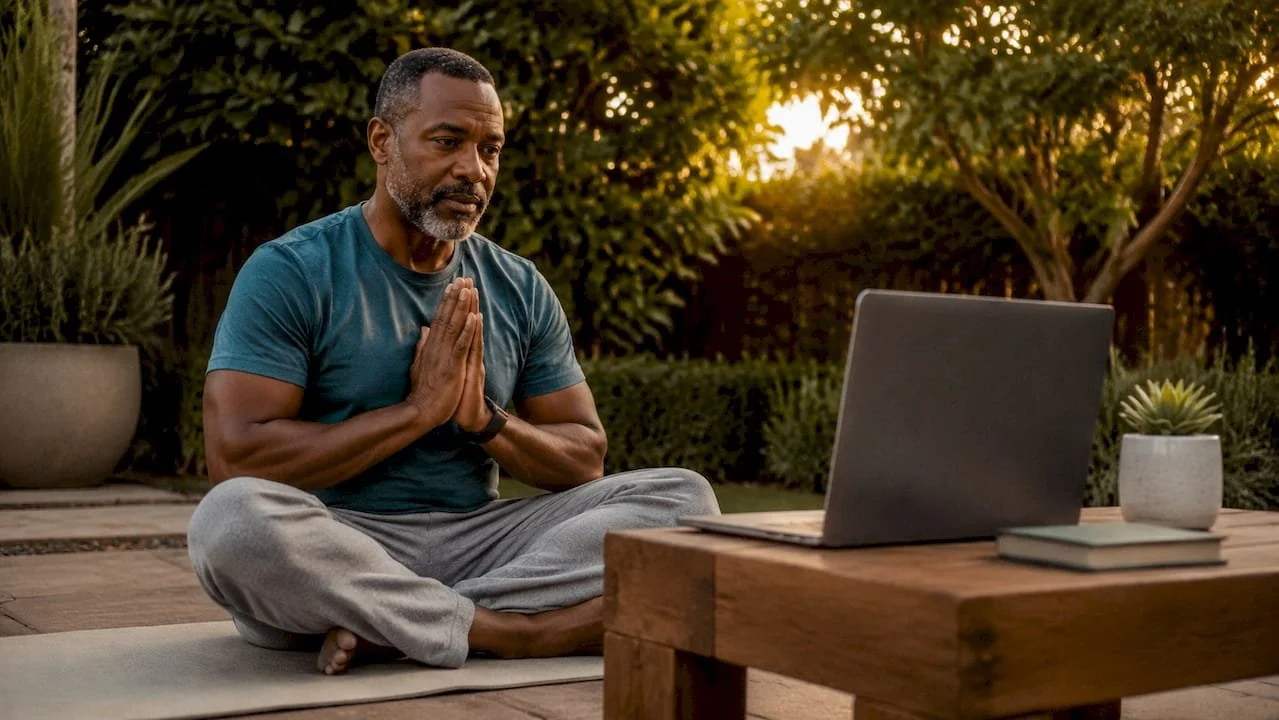
In-person intensive programs compress 200 hours into a short window. A Rishikesh-based program example completes 200 hours in 21 days with bi-monthly batches. That pace builds immersion and community fast, but it requires you to step away from work and family obligations entirely.
Online and hybrid programs spread training across a longer timeline. Online or hybrid 200-hour programs typically span 3–6 months with 2–4 synchronous live sessions per week. That structure fits working adults who cannot take three weeks off but still want a rigorous credential.
The critical compliance detail for online programs: Yoga Alliance requires a minimum of 15% synchronous live instruction for a program to count toward RYT credentials. Pre-recorded video modules do not count as contact hours. This distinction trips up many students who assume watching recorded content fulfills their live hour requirements.
Here is a direct comparison of format trade-offs:
In-person intensive: Maximum immersion, hands-on adjustments, fast community building. Requires full schedule availability and often travel costs.
Online synchronous: Flexible scheduling, lower cost, access to programs nationwide. Requires strong self-discipline and a reliable internet connection.
Hybrid: Combines online self-study with periodic in-person intensives. Balances flexibility with real-world practice time.
Maximizing live interaction during online trainingbuilds teaching confidence and mentorship connections far better than passively watching recorded content. Show up to every live session, ask questions, and volunteer to teach during practice rounds even when it feels uncomfortable.
What are the credentialing steps after completing your training?
Finishing your training hours is not the final step. Becoming a certified yoga instructor requires submitting documentation and meeting additional requirements before you can teach professionally.
The credentialing process typically involves:
Submitting training verification to Yoga Alliance through their online portal, including your school's RYS registration number and your completed hours log
Passing any program assessments required by your school, such as written exams, teaching evaluations, or philosophy papers
Obtaining CPR/AED certification, which costs between $50 and $100 and is strongly recommended or required by most studio insurance policies
Securing liability insurance before teaching any paid classes, whether in a studio, gym, or private setting
The legal picture in the U.S. is straightforward but often misunderstood. Most U.S. states do not legally license yoga instructors, but studios and insurers require the RYT 200 credential for hiring and coverage. That means insurance and venue policies regulate yoga teaching prerequisites more effectively than any law does. If you want to teach, you need the credential. The market enforces it even when the government does not.
In-person studio teaching also carries ongoing responsibility. Instructors managing hands-on adjustments must handle consent continuously and stay within their qualification scope to limit liability. This is especially relevant for teachers moving into group yoga sessions with mixed-ability students.
Pro Tip: Register with Yoga Alliance within 60 days of completing your training. Your school's registration may have an expiration window, and delays can complicate your application.
Key takeaways
Becoming a certified yoga instructor requires completing a recognized training program, meeting credentialing requirements, and choosing a delivery format that matches your learning style and schedule.
| Point | Details |
|---|---|
| RYT 200 is the professional standard | Studios and insurers require the 200-hour credential as the minimum qualification for hiring. |
| Curriculum covers five core domains | Training includes techniques, anatomy, philosophy, teaching methodology, and supervised practicum. |
| Format choice affects compliance | Online programs must meet Yoga Alliance’s 15% live instruction minimum to count toward credentials. |
| Credentialing goes beyond graduation | Submitting hours, obtaining CPR/AED certification, and securing liability insurance are all required steps. |
| Advanced credentials open new doors | The RYT 300 and RYT 500 designations qualify instructors for advanced teaching roles and training programs. |
What i have learned about choosing the right training program
Most people spend more time researching a laptop purchase than they spend vetting a yoga teacher training program. That is a mistake that costs real money and months of your life.
The first thing I look at is whether the school is a Registered Yoga School with Yoga Alliance. That single check eliminates a large percentage of programs that will leave you with hours that do not count. After that, I look at the lead trainer's biography, not the school's marketing copy. How long have they been teaching? Do they have a specialty that matches your interests, whether that is beginner yoga classes, hot yoga, or advanced yoga techniques?
The format question is personal, and I have seen both sides. Immersive in-person programs build community and confidence faster. But I have also watched working parents complete rigorous online programs and become excellent teachers because they had the discipline to show up to every live session and practice teach on their own time. The format matters less than your commitment to it.
One thing most guides will not tell you: plan to exceed the minimum hours before you start marketing yourself as a teacher. The RYT 200 qualifies you legally. Teaching 50 or 100 additional hours in community classes, donation-based sessions, or corporate wellness settings is what makes you actually good. The credential opens the door. The practice hours build the teacher.
If you are in the Philadelphia area, exploring the yoga teacher training options at Amritayogawellness is worth your time before committing to a program.
— Juiced
Start your path at amrita yoga & wellness
Amritayogawellness, based in Philadelphia, supports students at every stage of their yoga education, from first-time practitioners in beginner yoga classes to those pursuing formal certification pathways. Whether you are researching your first yoga instructor class or looking to deepen your practice before committing to a full training program, the studio's offerings give you a real foundation to build on.
Amritayogawellness also offers tarot readings and complementary wellness services that many students find valuable alongside their yoga studies. Holistic well-being extends beyond the mat, and the studio's community reflects that. Explore the full range of classes, workshops, and training support at Amritayogawellness and take the next concrete step toward your certification goal. You can also check out affordable training options that can reduce the cost of your path to certification by up to 30%.
FAQ
What is the minimum credential to teach yoga professionally?
The RYT 200 is the recognized minimum credential for professional yoga teaching in the United States. Most studios and insurance providers require it for hiring and coverage, even though no state legally mandates a license.
How long does a 200-hour yoga teacher training take?
Program length varies by format. Intensive in-person programs can complete 200 hours in about 21 days, while online and hybrid programs typically span 3–6 months with multiple live sessions per week.
Do online yoga teacher training programs count toward yoga alliance credentials?
Yes, but only if the program meets Yoga Alliance's requirement that at least 15% of instruction hours are delivered through synchronous live sessions. Pre-recorded modules do not count as contact hours.
Is CPR certification required to become a yoga instructor?
CPR/AED certification is not legally required in most U.S. states, but most studio insurance policies require it. Certification typically costs between $50 and $100 and is strongly recommended before teaching any live classes.
What is the difference between RYT 300 and RYT 500?
The RYT 300 is an advanced training credential that requires prior completion of a 200-hour program. The RYT 500 combines both the 200-hour and 300-hour credentials into a single designation, qualifying instructors for the highest-level teaching and training roles.
Recommended
Hot Power Fusion Yoga: Benefits, Tips, and What to Expect
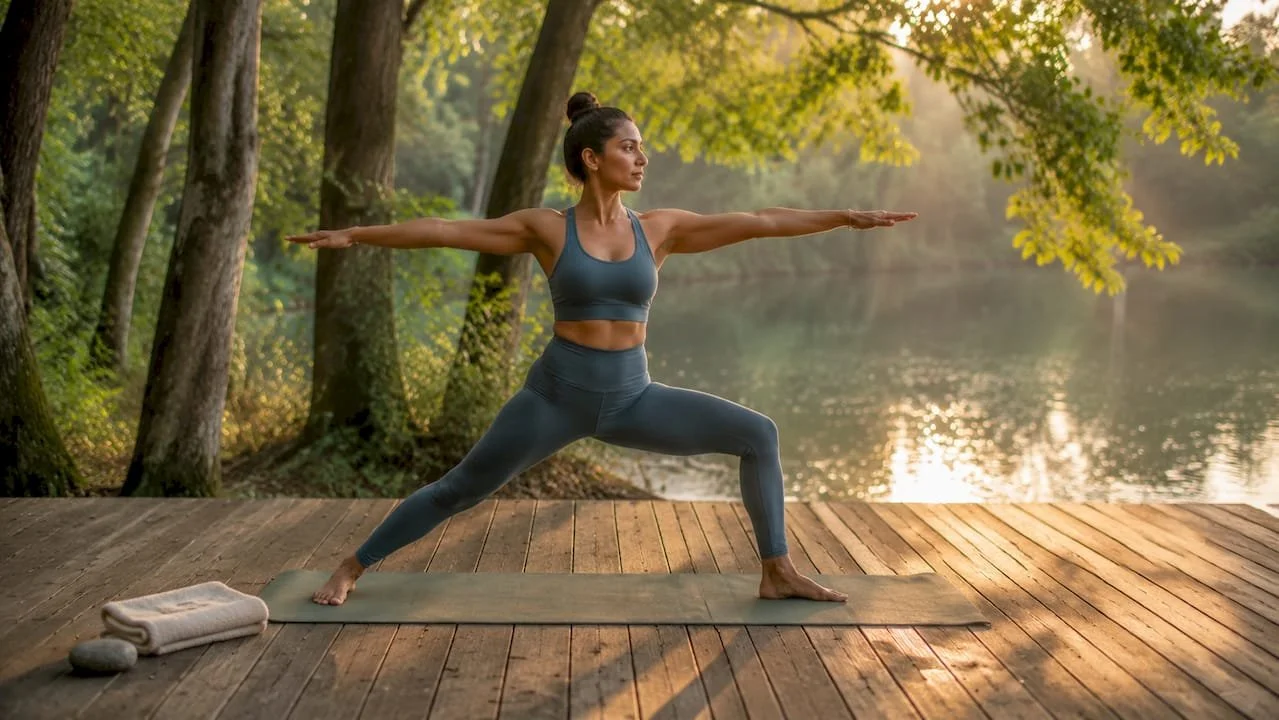
TL;DR:
Hot Power Fusion Yoga combines strength-building power yoga with the deep stretching and detoxifying heat of hot yoga, creating a physically demanding yet mentally grounding practice suitable for all levels. Classes typically last 60–75 minutes in rooms heated to 95–105°F, enhancing flexibility, cardiovascular fitness, and mental clarity while challenging practitioners physically and mentally. Preparation, including proper hydration, appropriate clothing, and modifications, is essential to maximize benefits and ensure a safe, effective experience.
Hot Power Fusion Yoga is defined as a practice that merges the strength-building sequences of power yoga with the deep stretching and detoxifying heat of hot yoga. The result is a physically demanding, mentally grounding class that works for beginners and seasoned practitioners alike. You build real muscle strength, gain flexibility faster than in a standard room, and leave with that particular clarity that only comes from sweating through something hard. If you've been curious about what this practice actually involves, this guide covers everything you need to know.
What is hot power fusion yoga, really?
Hot Power Fusion Yoga is a fusion of power yoga and hot yoga that combines dynamic movement with a heated environment to produce both physical and mental results. Power yoga contributes the strength sequences and flowing vinyasa transitions. Hot yoga contributes the room temperature, the sweat, and the meditative stillness found in posture holds. Together, they create something neither discipline delivers alone.
Classes run 60–75 minutes in rooms heated to 95–105°F. That temperature range is deliberate. It warms your muscles faster, increases your range of motion, and pushes your cardiovascular system in ways a room-temperature class simply cannot. The heat also creates a sensory environment that forces you to stay present. You cannot mentally check out when the room is that warm.
This practice sits in the broader category of fusion yoga styles, which blend two or more yoga traditions to serve practitioners who want more than one thing from a single session. Hot Power Fusion is one of the most physically demanding entries in that category.
How is a hot power fusion class structured?
A typical Hot Power Fusion class follows a clear arc from warm-up to peak intensity to cool-down. Understanding that structure helps you pace yourself, especially in your first few sessions.
Warm-up (10–15 minutes): The class opens with breath-focused movement and gentle flows. Sun Salutations or modified vinyasa sequences activate the spine and raise your core temperature alongside the room's heat.
Standing sequence (20–25 minutes): This is where power yoga's influence shows up most clearly. Warrior series, balance poses, and standing strength holds build leg and core strength. Instructors often cue longer holds here to develop muscular endurance.
Floor sequence (15–20 minutes): Spine-focused backbends, hip openers, and core work dominate this section. The heat makes deep hip openers like Pigeon Pose feel more accessible than they would in a cooler room.
Cool-down and Savasana (10–15 minutes): The class closes with restorative postures and a final rest. This is not optional. Your nervous system needs the transition after that level of exertion.
Music plays a real role in pacing. Most Hot Power Fusion instructors use a curated playlist that mirrors the class arc, starting slow and building to a peak during the standing sequence before dropping back for the floor work. The rhythm guides your breath and keeps you moving when the heat makes you want to stop.
Pro Tip: Arrive 10 minutes early for your first class. Sitting in the heated room before class starts lets your body acclimate gradually instead of hitting the full intensity the moment you begin moving.
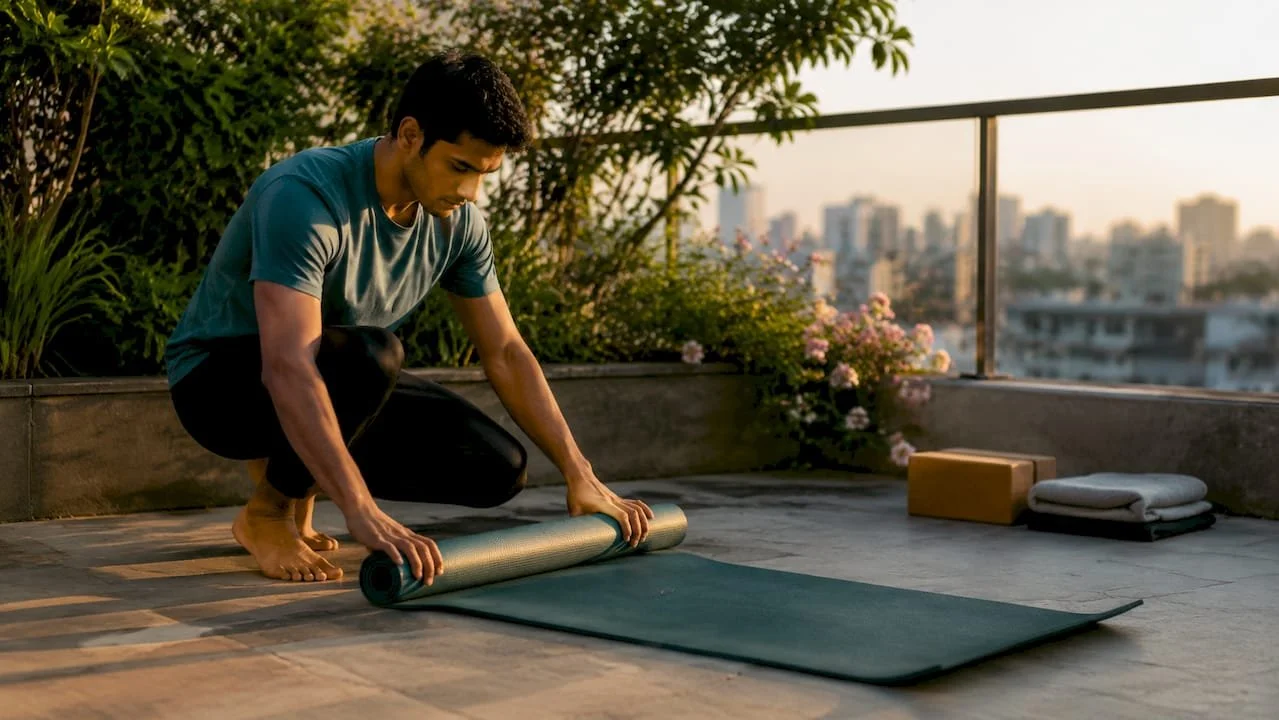
What are the physical and mental benefits?
The benefits of this practice are well-documented and span both the body and the mind. Here is what the research and experienced practitioners consistently report.
Improved bone density and balance: Practicing heated yoga 2–6 times per week over several weeks improves bone mineral density, flexibility, and balance. That finding comes from an analysis of 43 studies covering 942 participants. Bone density improvements are particularly significant for women, who make up the majority of the study pool.
Cardiovascular fitness: The heated room elevates your heart rate faster and keeps it elevated longer than a standard yoga class. Over time, this builds real aerobic capacity.
Increased flexibility: Heat increases muscle laxity, which allows for a greater range of motion during stretching. You will notice deeper forward folds and more open hip postures within a few sessions.
Detoxification through sweat: Heavy sweating in a heated environment supports the body's natural detox processes. This is one of the most cited reasons practitioners return to hot yoga formats consistently.
Stress relief and mental clarity: The heat creates a cathartic sensory effect that deepens the mind-body connection beyond what physical stretching alone produces. E-RYT 500 instructor Laura Lusson describes this as one of the most underappreciated aspects of heated yoga practice.
"The heat in hot yoga provides a cathartic, sensory experience crucial for deepening mind-body awareness beyond mere physical outcomes." — Laura Lusson, E-RYT 500
The mental benefits deserve equal weight here. Many practitioners report that the concentration required to hold poses in a hot room translates directly into improved focus and stress management outside the studio. You learn to stay calm under physical pressure. That skill carries over.
For beginners, modifications are standard and built into every class. Accepting a modification is not a sign of weakness. It is the approach that keeps you practicing long-term. You can explore the hot yoga wellness advantages in more depth if you want a fuller picture of what the heated environment adds to your practice.
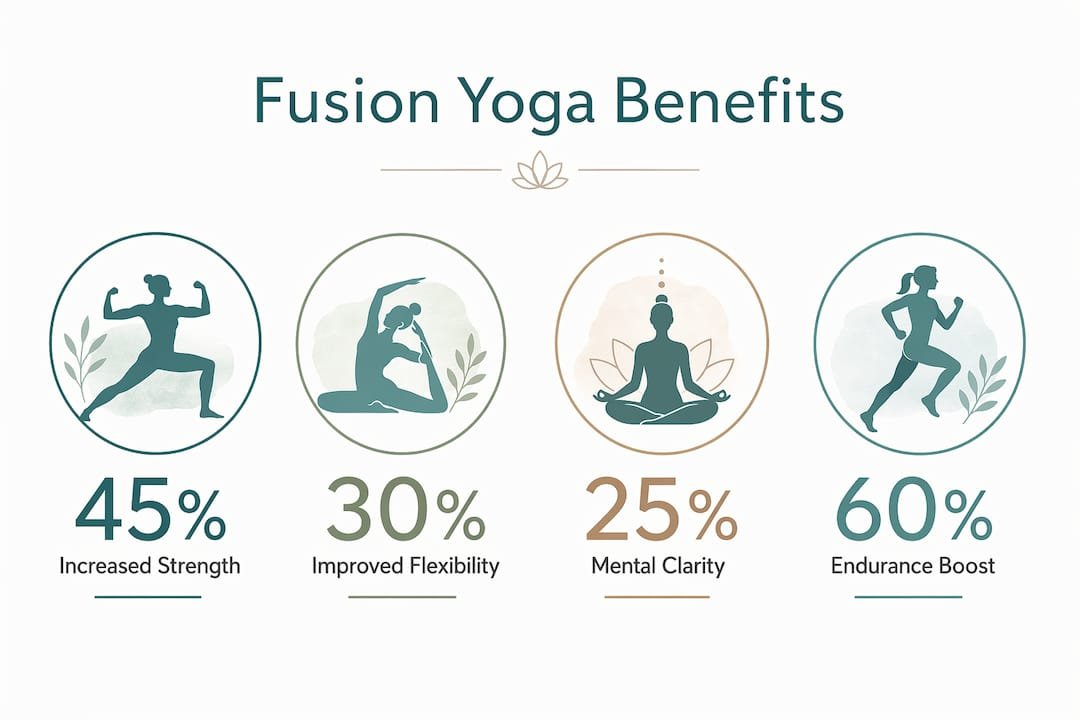
Hot power fusion vs. other hot yoga styles
Understanding how this practice differs from Bikram yoga and standard power yoga helps you choose the right class for your goals.
| Feature | Hot Power Fusion Yoga | Bikram Hot Yoga | Standard Power Yoga |
|---|---|---|---|
| Room temperature | 95–105°F | 105°F | Room temperature |
| Sequence structure | Dynamic, varied flows | Fixed 26-posture sequence | Dynamic, varied flows |
| Meditative elements | Integrated throughout | Minimal | Minimal |
| Modifications offered | Yes, actively encouraged | Limited | Yes |
| Intensity level | High, with recovery built in | High, repetitive | High, no heat assist |
| Accessibility for beginners | Strong | Moderate | Moderate |
Bikram yoga uses a fixed sequence of 26 postures performed in the same order every class. That predictability has real value for some practitioners. Hot Power Fusion trades that predictability for variety and a more balanced challenge-to-recovery ratio. You are not doing the same class every time.
Standard power yoga, as popularized by teachers like Bryan Kest and Beryl Bender Birch in the 1990s, delivers strength and flow without the heat. The absence of a heated room means you miss the cardiovascular push and the deeper flexibility gains that heat provides. Fusion classes balance internal peace with physical exertion in a way that traditional yoga's more singular spiritual focus does not always achieve.
Pro Tip: If you have practiced Bikram yoga before, expect Hot Power Fusion to feel less predictable but more physically varied. The dynamic flows will challenge muscle groups that fixed sequences tend to underwork.
What should you know before your first class?
Preparation makes a significant difference in how your first Hot Power Fusion session feels. These are the practical things that matter most.
Hydrate aggressively before class. Drink water consistently in the hours leading up to your session. Arriving dehydrated in a 100°F room is the fastest route to dizziness or nausea.
Bring two towels. Practitioners are advised to bring one towel for the mat and one for themselves. The sweat volume in a Hot Power Fusion class surprises most first-timers.
Respect heat-induced laxity. Heat increases muscle flexibility but also creates a risk of overstretching. Treat the heat as a facilitating tool, not a signal to push past your natural limits. Skilled instructors will remind you of this throughout class.
Use modifications without hesitation. Mastering complex inversions is unnecessary. Modifications are tools for longevity in practice, not shortcuts for people who cannot keep up.
Expect a cardiovascular challenge. Your heart rate will climb. If you feel lightheaded, come down to Child's Pose. Every instructor expects this from new students and will not single you out.
You can get a clearer sense of what the studio environment feels like before you walk in, which helps reduce the anxiety that comes with trying something new.
Pro Tip: Wear moisture-wicking fabric that fits close to the body. Loose clothing traps heat and gets heavy with sweat, which makes movement harder and more uncomfortable than it needs to be.
Key takeaways
Hot Power Fusion Yoga delivers strength, flexibility, and mental clarity by combining dynamic power yoga flows with the detoxifying heat of a 95–105°F room.
| Point | Details |
|---|---|
| Core definition | Hot Power Fusion blends power yoga strength sequences with hot yoga's heated environment and meditative elements. |
| Class structure | Sessions run 60–75 minutes and move from warm-up flows through standing strength work to floor sequences and Savasana. |
| Physical benefits | Regular practice improves bone density, cardiovascular fitness, flexibility, and balance across all fitness levels. |
| Safety in the heat | Heat increases muscle laxity, so treat it as a facilitating tool and use modifications to avoid overstretching. |
| Preparation matters | Arrive hydrated, bring two towels, and wear moisture-wicking clothing to get the most from every session. |
Why the heat changes everything
Most people approach Hot Power Fusion Yoga expecting a harder workout. What they do not expect is how much the heat changes their relationship to the practice itself.
I have practiced and taught in heated rooms for years, and the thing I keep coming back to is this: the heat removes the option of being somewhere else mentally. In a room-temperature class, your mind can wander. In a 100°F room, your body demands your full attention. That forced presence is not a side effect of the heat. It is the point.
The common misconception I hear from beginners is that they need to be fit before they try Hot Power Fusion. That thinking has it backwards. The modifications built into every class mean you can start exactly where you are. I have watched complete beginners find their footing in three sessions because the heat itself does a lot of the preparatory work that months of room-temperature practice might otherwise require.
What makes this practice stick for so many people is the combination of physical results and mental reward in a single session. You leave stronger, more flexible, and genuinely calmer. That combination is hard to find anywhere else. If you are on the fence, go once with no expectations. The room will do the rest.
— Juiced
Try hot power fusion yoga at amrita yoga & wellness
Amritayogawellness offers Hot Power Fusion classes in Philadelphia for practitioners at every level, from first-timers to advanced yogis looking for a consistent challenge. The studio's instructors actively cue modifications throughout every class, so you never feel left behind. The environment is welcoming, the instruction is specific, and the results show up fast.
Beyond yoga, Amritayogawellness supports your full wellness picture. If you want to complement your physical practice with something that addresses the mental and spiritual side of well-being, explore the studio's wellness offerings for a more complete approach to self-care. Book your first Hot Power Fusion class at Amrita Yoga & Wellness and experience what the heat actually does for your practice.
FAQ
What is hot power fusion yoga in simple terms?
Hot Power Fusion Yoga is a class that combines the strength-building flows of power yoga with the heated room and deep stretching of hot yoga. Classes run 60–75 minutes in rooms heated to 95–105°F.
Is hot power fusion yoga good for beginners?
Yes. Modifications are built into every class and actively encouraged by instructors. Beginners can participate fully without needing prior yoga experience or advanced fitness.
How does hot power fusion differ from bikram yoga?
Bikram yoga uses a fixed sequence of 26 postures every class. Hot Power Fusion uses varied, dynamic flows that change session to session and integrates meditative elements throughout.
How often should you practice hot power fusion yoga?
Research supports practicing heated yoga 2–6 times per week to see measurable improvements in bone density, flexibility, and balance. Starting with two sessions per week is a practical approach for beginners.
What should i bring to a hot power fusion class?
Bring two towels, one for your mat and one for yourself, along with a full water bottle and moisture-wicking clothing. Hydrating well in the hours before class is equally important.