Yoga Set for Beginners: Build Your Practice Right
TL;DR:
A beginner yoga set includes a mat, a yoga block, and a strap to support comfort and stability. Choosing eco-friendly materials like natural rubber or TPE provides better grip and safety, while a 4-5mm thick mat balances joint support and ground feel. Proper care and gradual prop addition help build confidence, with a quality mat being the most important investment.
A yoga set for beginners is a curated collection of gear designed to give new practitioners the comfort, stability, and physical support they need to build a consistent practice. The right beginner yoga kit removes the guesswork from your first sessions and lets you focus on learning poses, not managing discomfort. Brands like Manduka, Gaiam, and JadeYoga have built entire product lines around this need. Choosing well from the start protects your joints, builds confidence, and sets the tone for a practice that actually sticks.
What are the essential components of a yoga set for beginners?
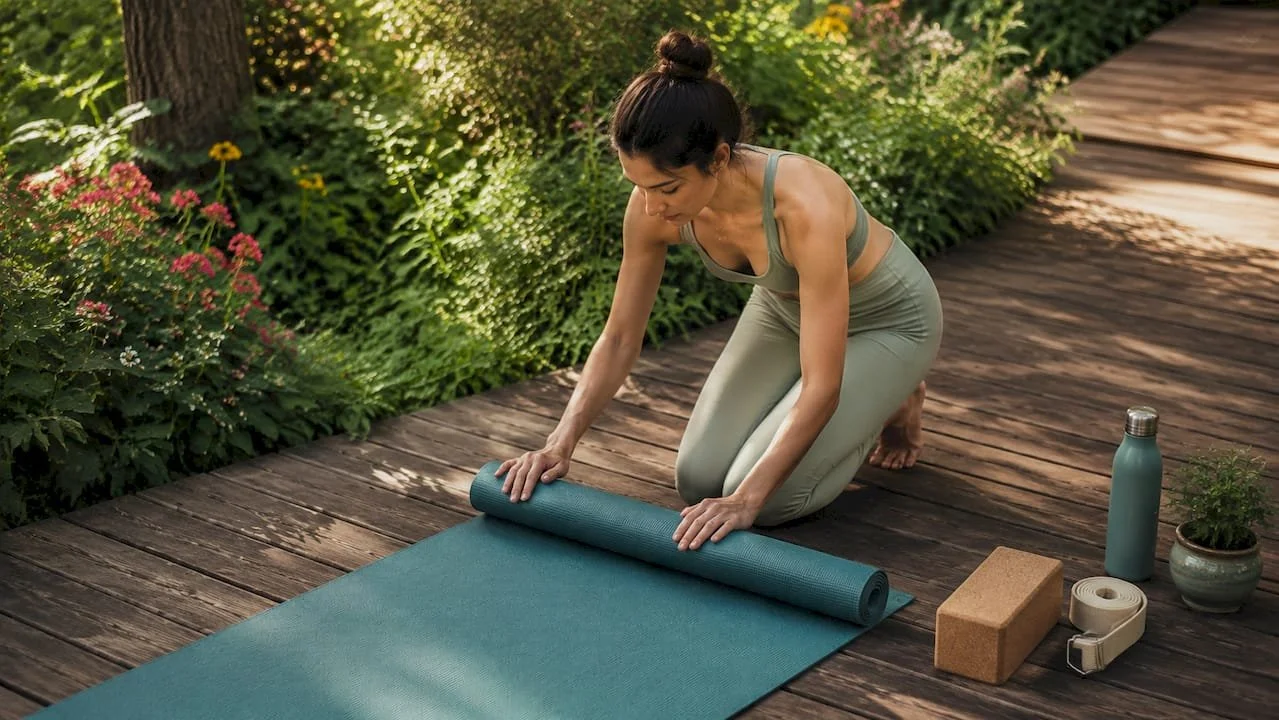
A complete yoga starter set contains three core items: a mat, at least one block, and a strap. Standard beginner kits include a yoga mat in the 4–6mm thickness range, a foam or cork yoga block, and a 6-foot yoga strap. Each item solves a specific problem that new practitioners face in their first weeks.
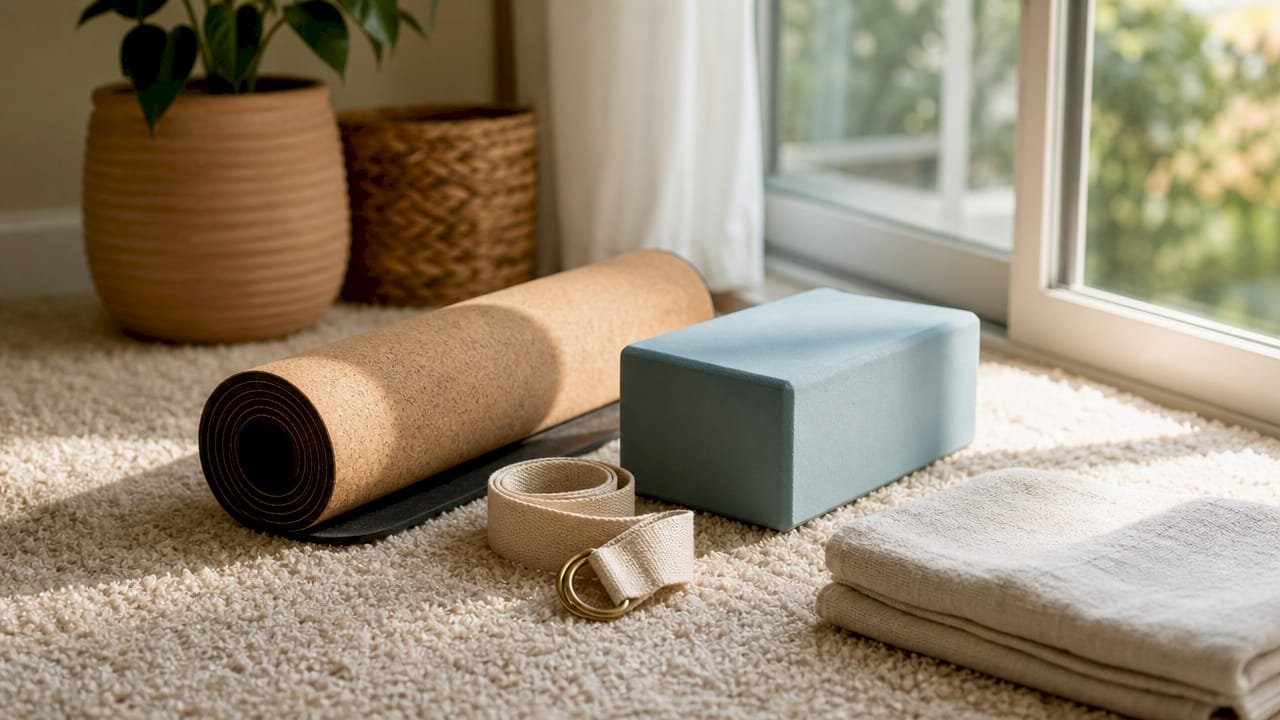
The yoga mat is your foundation. It provides grip, cushioning, and a defined personal space during class. Without adequate grip, you spend mental energy preventing slips instead of focusing on alignment.
Yoga blocks close the gap between your body and the floor. If you cannot reach the ground in a standing forward fold, a block brings the floor to you. This keeps your spine long and your joints safe. Foam blocks are lighter and more affordable; cork blocks are firmer and more durable.
The yoga strap extends your reach. Yoga straps double as flexibility tools and carrying slings, making them one of the most versatile props in any beginner yoga kit. A standard 6-foot strap lets you hold a hamstring stretch without rounding your back.
Optional additions worth considering:
A microfiber yoga towel for hot yoga or sweaty sessions
A foam roller for post-practice muscle recovery
A resistance band for hip and shoulder mobility work
A yoga mat bag or sling for easy transport
Pro Tip: Start with a mat, one block, and a strap. Add extras only after you have practiced consistently for four to six weeks and know what your body actually needs.
How to choose the best yoga mat for beginners
The mat is the single most important item in your beginner yoga kit. Every other prop is secondary. Getting the mat right means understanding four variables: material, thickness, surface texture, and construction type.
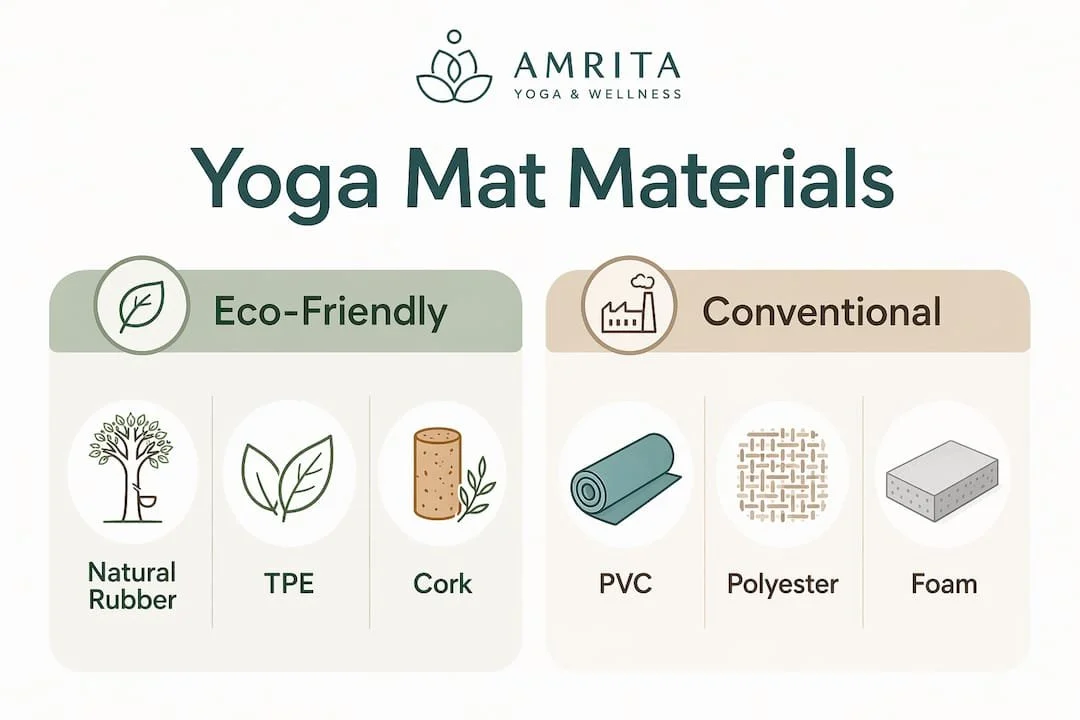
Material: natural rubber, TPE, and PVC compared
| Material | Grip | Eco-Friendly | Durability | Best For |
|---|---|---|---|---|
| Natural rubber | Excellent | Yes | High | Studio and home practice |
| TPE | Good | Yes | Medium | Budget-conscious beginners |
| PVC | Moderate | No | High | Budget entry-level mats |
| Cork surface | Excellent | Yes | Medium | Hot yoga and sweaty practice |
Eco-conscious materials like TPE and natural rubber are preferred over PVC because they offer better grip and eliminate harmful chemicals. Natural rubber mats from brands like Manduka and JadeYoga deliver reliable traction on both sides and hold up through years of daily use.
Thickness: finding the right balance
A 4–5mm mat thicknessis the sweet spot for most beginners, balancing joint cushioning with pose stability. Thicker mats at 6mm or above add comfort for sensitive knees but reduce your connection to the floor, which can make balance poses harder. KURMA recommends 4–5mm for new practitioners who want both support and ground feel.
Construction and hygiene
Closed-cell mat construction prevents sweat and bacteria from soaking into the material. Closed-cell mats are easier to clean, requiring only a wipe-down with a yoga mat spray or damp cloth after each session. Open-cell mats absorb moisture, which creates odor and bacteria buildup over time.
Alignment guides and reversible designs
Alignment stripes on beginner mats provide visual cues that help new practitioners position their hands and feet correctly. The Manduka Begin Mat uses this feature to build muscle memory from day one. Reversible mats offer two surface textures in one product, which adds value for beginners still figuring out their preferred grip level.
Pro Tip: If you practice at a studio like Amrita Yoga & Wellness in Philadelphia, check whether the studio provides mats before buying. You may want to test a few surfaces before committing to a purchase.
How to use and maintain your beginner yoga set
Proper care extends the life of your gear and keeps your practice hygienic. Most beginners skip this step and end up with a slippery, smelly mat within a few months.
Clean your mat after every session. Spray it lightly with a yoga mat cleaner or a diluted mix of water and mild soap. Wipe with a soft cloth. Never soak the mat or submerge it in water.
Store natural rubber mats away from sunlight. Natural rubber mats require storage away from sun and moisture to maintain their grip and structure. Roll them loosely and keep them in a cool, dry space.
Use blocks under your hands, not just your knees. New practitioners often place blocks only under their knees in seated poses. Blocks are equally useful in standing poses like Triangle or Half Moon to keep the spine aligned.
Use your strap before you feel you need it. Forcing a stretch without a strap strains the lower back and hamstrings. The strap lets you hold a position longer with correct form, which builds flexibility faster.
Replace your mat when grip fails. A mat that slides during Downward Dog is a safety hazard. Most quality mats last two to three years with regular use and proper care.
"The props are not a sign that you are less advanced. They are the tools that let you practice correctly from the very first session." — Yoga instruction principle widely shared across Iyengar and Hatha traditions.
A common beginner mistake is rolling the mat up wet after a sweaty class. This traps moisture inside and degrades the material quickly. Always let the mat air dry flat before rolling it for storage.
How do popular beginner yoga kits compare in price and contents?
The market for yoga essentials for newbies ranges from simple three-piece sets under $30 to premium eco-friendly bundles that cost significantly more. Understanding what you get at each price point prevents overspending and under-equipping.
Basic beginner kits often cost $60–$70 for the mat alone, while comprehensive premium sets can reach $165 or more depending on materials and included accessories. That price gap reflects real differences in material quality, durability, and what is included.
Brands like Gaiam, JadeYoga, and Manduka offer kits focused on quality mats paired with essential props. Here is how the tiers break down:
Budget kits ($20–$45): Typically a PVC mat, one foam block, and a basic strap. Good for testing whether yoga sticks before investing more.
Mid-range kits ($50–$100): TPE or entry-level rubber mat, two blocks, a strap, and sometimes a carrying bag. Gaiam's Studio Select kit falls in this range.
Premium kits ($100–$165+): Natural rubber or cork mat, two cork blocks, a cotton strap, and extras like a towel or foam roller. Manduka Begin packages and eco-focused bundles like the Shakti Warrior Begin Within Bundle sit here.
The accessories that add real value are blocks and a strap. Extras like resistance bands and foam rollers are useful but not necessary in your first kit. A towel matters if you practice hot yoga. Everything else is optional until your practice demands it.
Pro Tip: Choosing the right mat matters more than buying a complete kit. A quality mat with a single block and strap outperforms a full budget kit every time.
Key takeaways
A quality mat paired with a block and strap gives beginners everything they need to practice safely, build confidence, and develop consistent alignment from day one.
| Point | Details |
|---|---|
| Core kit components | Every beginner needs a mat, one block, and a 6-foot strap before anything else. |
| Mat thickness sweet spot | A 4–5mm mat balances joint cushioning and pose stability for most new practitioners. |
| Material matters | Natural rubber and TPE outperform PVC in grip, safety, and environmental impact. |
| Maintenance is non-negotiable | Wipe your mat after every session and store natural rubber away from sunlight and moisture. |
| Prioritize mat quality | A high-quality mat with basic props beats a full budget kit for long-term practice. |
What I have learned after watching hundreds of beginners start their practice
Most new practitioners buy too much gear too soon. They show up with a seven-piece kit, two blocks, a bolster, and a strap they have never used, and then quit after six weeks because the practice felt complicated before it felt good.
The truth is that mat quality drives confidence more than any other factor in the first three months. A slip-resistant mat with alignment guides lets you focus on your breath and your body. A cheap mat that slides pulls your attention to the floor every thirty seconds.
I also think the eco-conscious material conversation is undersold. Beginners often dismiss natural rubber or TPE mats as a premium splurge. They are not. A non-toxic mat means you are pressing your face, hands, and bare skin against a surface that is not off-gassing chemicals during a heated class. That matters more than the price difference.
The one piece of advice I give every new practitioner: buy the best mat you can afford, add one block and a strap, and explore aerial yoga and stress relief or other complementary practices only after you have a solid foundation. Upgrade your props gradually as your practice deepens and your body tells you what it needs. The gear should serve the practice, not the other way around.
— Juiced
Yoga gear and wellness resources at Amrita Yoga & Wellness
Amritayogawellness offers beginner-friendly classes across yoga, pilates, barre, and tai chi at its Philadelphia studio, making it a strong home base for new practitioners building their first routine.
Whether you are selecting your first yoga mat for beginners or looking for guidance on which props suit your practice style, Amritayogawellness connects you with instructors who work with new students every day. The studio also offers wellness services that go beyond the mat. If you are curious about the mental and spiritual side of your practice, the tarot readings at Amrita Yoga & Wellness offer a unique way to deepen your self-awareness alongside your physical work.
FAQ
What does a yoga set for beginners include?
A standard beginner yoga set includes a mat in the 4–6mm thickness range, at least one foam or cork block, and a 6-foot yoga strap. Some kits add a towel, carrying bag, or resistance band depending on the price point.
What is the best mat thickness for a beginner?
A 4–5mm mat is the best choice for most beginners. It provides enough cushioning for joints while keeping you close enough to the floor for balance and stability in standing poses.
Are natural rubber mats worth the extra cost?
Natural rubber mats offer superior grip, non-toxic materials, and longer durability compared to PVC options. For beginners who plan to practice regularly, the investment pays off within the first year of use.
How often should I clean my yoga mat?
Clean your mat after every session with a light spray and a soft cloth. Never soak it or submerge it in water, and always let it air dry flat before rolling it up for storage.
Do I need a full kit or just a mat to start?
A quality mat, one block, and a strap cover everything a new practitioner needs. Full kits are convenient but not necessary. Prioritize mat quality first and add props as your practice develops.