Yoga Instructor Class: Your 2026 Certification Guide
TL;DR:
Yoga instructor classes certify individuals to teach safely and professionally, with the RYT 200 being the industry standard minimum credential. Courses cover techniques, anatomy, philosophy, teaching methods, and supervised practicum, requiring at least 200 hours of training, followed by advanced certifications. Choosing between in-person, online, or hybrid formats depends on your schedule, learning style, and access, with credentialing also requiring documentation, CPR certification, and liability insurance.
A yoga instructor class is a structured training program that certifies individuals to teach yoga safely and professionally. The industry standard credential is the RYT 200, defined by Yoga Alliance, and studios across the United States treat it as the minimum qualification for hiring. If you are exploring how to become a yoga instructor, understanding the credential levels, curriculum requirements, and delivery formats available in 2026 will save you time and money before you commit to a program.
What types of yoga instructor classes and credentials exist?
Certification levels in yoga teacher training follow a clear progression. The 200-hour foundational program is the entry point for professional teaching. From there, instructors can pursue a 300-hour advanced training, and the combination of both earns the RYT 500 designation recognized by Yoga Alliance.
Many aspiring teachers underestimate the 200-hour requirement and assume a 100-hour certificate is enough to get hired. Studios and insurance providers do not agree. The 200-hour credential is the professional floor, not a shortcut option.
The table below compares the three main certification levels:
| Credential | Hours Required | Best For | Career Impact |
|---|---|---|---|
| RYT 200 | 200 hours | New instructors entering the field | Qualifies for most studio hiring and insurance |
| RYT 300 | 300 additional hours | Instructors deepening expertise | Unlocks advanced yoga techniques and specialty teaching |
| RYT 500 | 500 combined hours | Experienced teachers seeking top-tier status | Highest Yoga Alliance recognition; opens training roles |
A 300-hour advanced training requires prior completion of the 200-hour foundational program before enrollment. That sequencing matters because the advanced curriculum assumes you already understand class sequencing, anatomy basics, and verbal cueing from your foundational work.
Key facts about credential levels:
RYT 200 is the recognized minimum for certified yoga classes at most U.S. studios
RYT 300 focuses on advanced yoga techniques, specialty populations, and deeper philosophy
RYT 500 combines both levels and qualifies instructors to lead yoga teacher training programs themselves
Yoga Alliance is the most widely recognized credentialing body in the United States, though programs like the International Association of Yoga Therapists (IAYT) serve specialized tracks
Pro Tip: Before enrolling, verify that your chosen program is registered with Yoga Alliance as an RYS (Registered Yoga School). Without that registration, your hours may not count toward official RYT credentials.
What does a yoga instructor class curriculum actually cover?
The curriculum inside a 200-hour program is more demanding than most beginners expect. Yoga Alliance sets minimum content requirements across five core domains, and quality programs go well beyond those minimums.
Here are the five core areas covered in a standard yoga teacher training curriculum:
Techniques and practice: Asanas (physical postures), pranayama (breathwork), and meditation form the physical and experiential core of training. Students practice these techniques daily, not just study them theoretically.
Anatomy and physiology: You learn how the skeletal and muscular systems respond to yoga postures. This knowledge directly informs how you cue students safely and modify poses for different bodies.
Yoga philosophy, lifestyle, and ethics: Training covers foundational texts like the Yoga Sutras of Patanjali and the ethical principles that govern a teacher-student relationship. This is not optional background reading. It shapes how you show up in the room.
Teaching methodology: Class sequencing, verbal cueing, hands-on adjustments, and managing group yoga sessions are all taught here. You learn how to build a class arc from warm-up to savasana.
Practicum and supervised teaching: Typical 200-hour programs allocate roughly 10 hours to practicum and teaching methodology. Students observe experienced teachers, then lead sessions themselves under supervision.
The practicum component separates programs that produce confident teachers from those that produce knowledgeable students who freeze when they face a live class. Students typically lead at least two full classes during training to develop voice modulation and real-time problem-solving skills. Two classes is a minimum. The best programs build in more.
Pro Tip: Ask any program director how many live teaching hours students accumulate before graduation. If the answer is fewer than four full-length classes, look for a program with more supervised practice built in.
Personal yoga coaching and mentorship from experienced teachers during practicum is what turns curriculum knowledge into actual teaching ability. No amount of reading about verbal cueing replaces the feedback you get when a real teacher watches you lead a class and tells you exactly what to fix.
In-person, online, or hybrid: which format fits you?
Delivery format is one of the most consequential decisions you will make when choosing a training program. Each model has real trade-offs, and the right choice depends on your schedule, learning style, and access to local programs.

In-person intensive programs compress 200 hours into a short window. A Rishikesh-based program example completes 200 hours in 21 days with bi-monthly batches. That pace builds immersion and community fast, but it requires you to step away from work and family obligations entirely.
Online and hybrid programs spread training across a longer timeline. Online or hybrid 200-hour programs typically span 3–6 months with 2–4 synchronous live sessions per week. That structure fits working adults who cannot take three weeks off but still want a rigorous credential.
The critical compliance detail for online programs: Yoga Alliance requires a minimum of 15% synchronous live instruction for a program to count toward RYT credentials. Pre-recorded video modules do not count as contact hours. This distinction trips up many students who assume watching recorded content fulfills their live hour requirements.
Here is a direct comparison of format trade-offs:
In-person intensive: Maximum immersion, hands-on adjustments, fast community building. Requires full schedule availability and often travel costs.
Online synchronous: Flexible scheduling, lower cost, access to programs nationwide. Requires strong self-discipline and a reliable internet connection.
Hybrid: Combines online self-study with periodic in-person intensives. Balances flexibility with real-world practice time.
Maximizing live interaction during online trainingbuilds teaching confidence and mentorship connections far better than passively watching recorded content. Show up to every live session, ask questions, and volunteer to teach during practice rounds even when it feels uncomfortable.
What are the credentialing steps after completing your training?
Finishing your training hours is not the final step. Becoming a certified yoga instructor requires submitting documentation and meeting additional requirements before you can teach professionally.
The credentialing process typically involves:
Submitting training verification to Yoga Alliance through their online portal, including your school's RYS registration number and your completed hours log
Passing any program assessments required by your school, such as written exams, teaching evaluations, or philosophy papers
Obtaining CPR/AED certification, which costs between $50 and $100 and is strongly recommended or required by most studio insurance policies
Securing liability insurance before teaching any paid classes, whether in a studio, gym, or private setting
The legal picture in the U.S. is straightforward but often misunderstood. Most U.S. states do not legally license yoga instructors, but studios and insurers require the RYT 200 credential for hiring and coverage. That means insurance and venue policies regulate yoga teaching prerequisites more effectively than any law does. If you want to teach, you need the credential. The market enforces it even when the government does not.
In-person studio teaching also carries ongoing responsibility. Instructors managing hands-on adjustments must handle consent continuously and stay within their qualification scope to limit liability. This is especially relevant for teachers moving into group yoga sessions with mixed-ability students.
Pro Tip: Register with Yoga Alliance within 60 days of completing your training. Your school's registration may have an expiration window, and delays can complicate your application.
Key takeaways
Becoming a certified yoga instructor requires completing a recognized training program, meeting credentialing requirements, and choosing a delivery format that matches your learning style and schedule.
| Point | Details |
|---|---|
| RYT 200 is the professional standard | Studios and insurers require the 200-hour credential as the minimum qualification for hiring. |
| Curriculum covers five core domains | Training includes techniques, anatomy, philosophy, teaching methodology, and supervised practicum. |
| Format choice affects compliance | Online programs must meet Yoga Alliance’s 15% live instruction minimum to count toward credentials. |
| Credentialing goes beyond graduation | Submitting hours, obtaining CPR/AED certification, and securing liability insurance are all required steps. |
| Advanced credentials open new doors | The RYT 300 and RYT 500 designations qualify instructors for advanced teaching roles and training programs. |
What i have learned about choosing the right training program
Most people spend more time researching a laptop purchase than they spend vetting a yoga teacher training program. That is a mistake that costs real money and months of your life.
The first thing I look at is whether the school is a Registered Yoga School with Yoga Alliance. That single check eliminates a large percentage of programs that will leave you with hours that do not count. After that, I look at the lead trainer's biography, not the school's marketing copy. How long have they been teaching? Do they have a specialty that matches your interests, whether that is beginner yoga classes, hot yoga, or advanced yoga techniques?
The format question is personal, and I have seen both sides. Immersive in-person programs build community and confidence faster. But I have also watched working parents complete rigorous online programs and become excellent teachers because they had the discipline to show up to every live session and practice teach on their own time. The format matters less than your commitment to it.
One thing most guides will not tell you: plan to exceed the minimum hours before you start marketing yourself as a teacher. The RYT 200 qualifies you legally. Teaching 50 or 100 additional hours in community classes, donation-based sessions, or corporate wellness settings is what makes you actually good. The credential opens the door. The practice hours build the teacher.
If you are in the Philadelphia area, exploring the yoga teacher training options at Amritayogawellness is worth your time before committing to a program.
— Juiced
Start your path at amrita yoga & wellness
Amritayogawellness, based in Philadelphia, supports students at every stage of their yoga education, from first-time practitioners in beginner yoga classes to those pursuing formal certification pathways. Whether you are researching your first yoga instructor class or looking to deepen your practice before committing to a full training program, the studio's offerings give you a real foundation to build on.
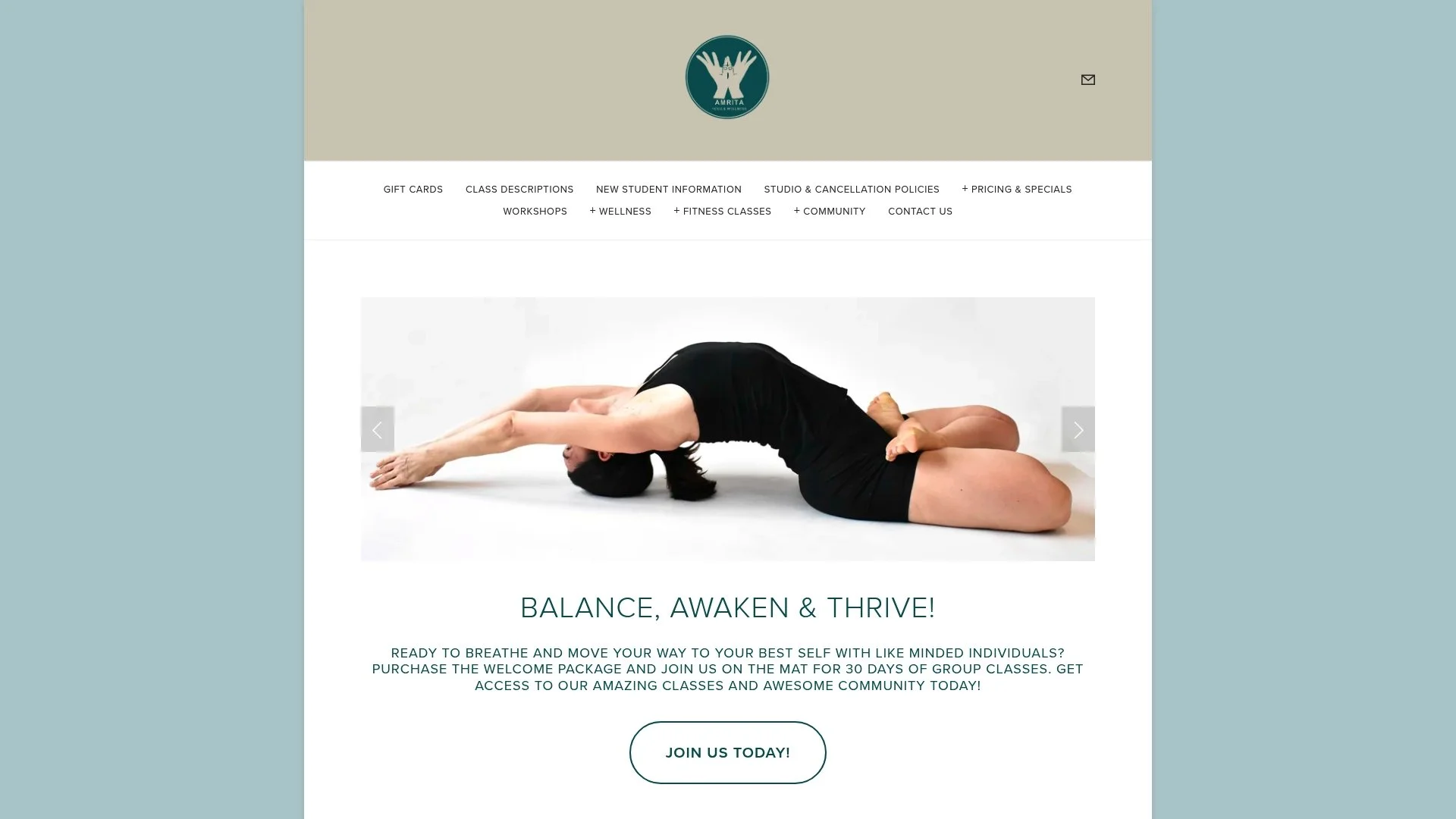
Amritayogawellness also offers tarot readings and complementary wellness services that many students find valuable alongside their yoga studies. Holistic well-being extends beyond the mat, and the studio's community reflects that. Explore the full range of classes, workshops, and training support at Amritayogawellness and take the next concrete step toward your certification goal. You can also check out affordable training options that can reduce the cost of your path to certification by up to 30%.
FAQ
What is the minimum credential to teach yoga professionally?
The RYT 200 is the recognized minimum credential for professional yoga teaching in the United States. Most studios and insurance providers require it for hiring and coverage, even though no state legally mandates a license.
How long does a 200-hour yoga teacher training take?
Program length varies by format. Intensive in-person programs can complete 200 hours in about 21 days, while online and hybrid programs typically span 3–6 months with multiple live sessions per week.
Do online yoga teacher training programs count toward yoga alliance credentials?
Yes, but only if the program meets Yoga Alliance's requirement that at least 15% of instruction hours are delivered through synchronous live sessions. Pre-recorded modules do not count as contact hours.
Is CPR certification required to become a yoga instructor?
CPR/AED certification is not legally required in most U.S. states, but most studio insurance policies require it. Certification typically costs between $50 and $100 and is strongly recommended before teaching any live classes.
What is the difference between RYT 300 and RYT 500?
The RYT 300 is an advanced training credential that requires prior completion of a 200-hour program. The RYT 500 combines both the 200-hour and 300-hour credentials into a single designation, qualifying instructors for the highest-level teaching and training roles.