The Amrita Journal
Explore thoughtful stories, practical wellness guidance and inspiring ideas to support your movement, mindfulness and everyday wellbeing at Amrita.
Best Meditation Guide for Beginners: Start Today
TL;DR:
Meditation for beginners should be simple, research-backed, and require only a comfortable seat and a few minutes. Consistent short daily practice, especially around 10 minutes, produces lasting stress reduction and focus improvement within eight weeks. Techniques like breath awareness, body scans, and guided visualization suit different needs and are accessible without cost or equipment.
The best meditation guide for beginners is one that is simple, research-backed, and requires nothing more than a comfortable seat and a few minutes of your time. Mindfulness meditation, the recognized clinical term for most beginner practices, has been studied extensively and shown to reduce stress and improve focus with short daily sessions of just 5–10 minutes. Techniques like breath awareness, body scans, and guided visualization are free, proven, and accessible to anyone. Amritayogawellness, a Philadelphia-based yoga and wellness studio, builds its beginner programs around exactly these principles: no pressure, no perfection, just consistent practice.
1. What are the best simple meditation techniques for beginners?
Three techniques stand out as the most beginner-friendly: breath awareness, body scan, and guided visualization. Each one works differently, and knowing what sets them apart helps you pick the right starting point.
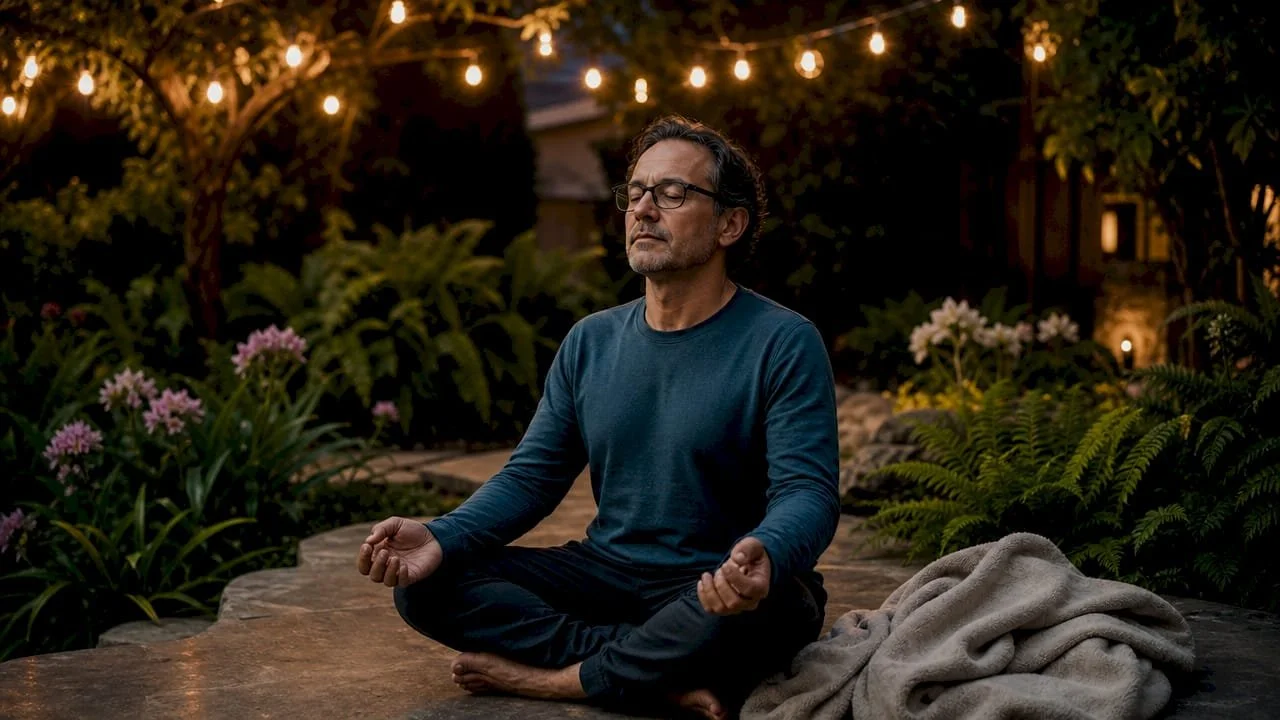
Breath awareness meditation is the most direct entry point. Sit comfortably, close your eyes, and focus on the natural rhythm of your breath. Notice the inhale, the exhale, and the pause between them. When your mind wanders, gently return your attention to your breath. That act of returning is the practice itself.
Body scan meditation shifts attention from the breath to physical sensations. Starting at the top of your head or the soles of your feet, you slowly move awareness through each part of your body. This technique is especially useful for people who carry physical tension or struggle to sit still with only the breath as an anchor.
Guided visualization uses spoken imagery to direct your focus. A teacher or audio recording leads you through a calming scene or a structured mental exercise. Guided meditation is recommended for beginners because it reduces the anxiety of "doing it wrong" and keeps your attention oriented to a clear focal point.
Moving meditation is a fourth option worth knowing. Walking slowly and deliberately, paying attention to each step and breath, counts as meditation. Moving meditation is a valid and often easier entry point for beginners who feel restless or physically uncomfortable sitting still.
Breath awareness: best for simplicity and portability
Body scan: best for physical tension and body awareness
Guided visualization: best for beginners who feel self-conscious
Moving meditation: best for restlessness or physical discomfort
Pro Tip: Try each technique for three days before deciding which one fits. Most beginners abandon meditation too early because they chose a style that did not match their temperament, not because meditation itself failed them.
You can read a deeper breakdown of meditation types to match techniques to your specific goals.
2. How long and how often should beginners meditate?
Consistency beats duration every time. A 5-minute daily session produces more benefit than a 45-minute session once a week. That single fact removes the biggest excuse most beginners carry: not having enough time.
Start with 5–10 minutes per session. Once that feels natural, work toward 10–20 minutes daily. Research consistently links 10–20 minutes daily to clinically significant reductions in stress and anxiety. That is roughly the length of a coffee break.
The timeline for lasting change is also well established. Eight weeks of daily practice produces neurological and psychological improvements that persist beyond the practice itself. Eight weeks is not a long commitment. It is two months of five-minute mornings.
Here is a simple progression plan for your first eight weeks:
Weeks 1–2: 5 minutes daily, breath awareness only
Weeks 3–4: 7 minutes daily, add a body scan on alternate days
Weeks 5–6: 10 minutes daily, experiment with guided visualization
Weeks 7–8: 12–15 minutes daily, choose the technique that resonates most
Timing matters less than regularity, but morning sessions before the day fills up tend to stick better. Habit stacking, meditating immediately after an existing daily ritual like brushing your teeth or making coffee, strengthens habit formation by anchoring the new behavior to something already automatic.
3. What common beginner challenges come up and how do you handle them?
The most common beginner mistake is expecting a quiet mind. Meditation does not require silence inside your head. Success in a session is defined by the moment you notice your mind has wandered and gently bring it back. That noticing is the skill you are building.
Think of it like going to the gym. You do not expect to lift heavy weight on day one. Meditation is training for the mind, and you start exactly where you are, busy thoughts and all.
Here are the most common obstacles and direct solutions:
"My mind won't stop." This is normal. Every time you notice a thought and return to your breath, you are meditating correctly.
Physical discomfort. Sit on a folded blanket or lie down for a body scan. Switch to walking meditation if sitting feels impossible.
"I don't have time." Five minutes counts. Set a timer and commit to that alone.
All-or-nothing thinking. Missing one day does not erase progress. Return the next day without judgment.
Feeling self-conscious. Guided sessions remove this entirely. A voice leading you through the practice eliminates the uncertainty of whether you are "doing it right."
Pro Tip: Anchor your meditation to one existing habit this week. After you pour your morning coffee, sit down and set a 5-minute timer before you drink it. The coffee becomes the trigger, and the habit builds itself.
Exploring mindfulness for stress relief can also help you understand why these challenges are temporary and how the practice shifts over time.
4. How to choose the right meditation guide or resource
No single guide is right for everyone. The best way to learn how to meditate is to find a resource that matches your goals, your schedule, and your tolerance for structure. A guide that claims only one correct method is a guide worth skipping. Effective meditation is built around personal goals, whether that is grounding, stress relief, or cultivating compassion.
Evaluate any guide against these criteria:
Simplicity: Does it explain techniques in plain language without excessive jargon?
Flexibility: Does it offer more than one technique so you can find your fit?
Accessibility: Is it free or low-cost to start? No equipment should be required.
Clear instructions: Can you follow the steps without a background in meditation?
Realistic expectations: Does it acknowledge that wandering thoughts are normal?
Free options include reputable health websites, YouTube meditation for beginners channels from certified teachers, and studio-based beginner programs. Paid apps and courses add accountability features and structured progressions, which suit beginners who prefer external motivation. Neither is superior. The right choice is the one you will actually use.
Amritayogawellness offers beginner-friendly classes in Philadelphia that combine movement and mindfulness, giving you a live instructor and a community rather than a screen. That human element matters more than most beginners expect.
5. Situational suggestions for different beginner scenarios
Your life context shapes which meditation approach will actually stick. A technique that works for someone with a flexible morning schedule may be useless for a parent with a packed day.
Busy schedule: Use micro meditation. Two to three focused breaths before a meeting or after a commute counts. Build from there.
Physical discomfort or injury: Practice body scan meditation lying down. There is no rule that says you must sit upright.
High anxiety or stress: Loving-kindness meditation, which involves silently directing warm wishes toward yourself and others, is clinically associated with reduced anxiety and improved mood. It gives the mind a positive anchor instead of a neutral one.
Already practicing yoga: Meditation fits naturally at the end of a yoga session when the body is already calm. Amritayogawellness integrates mindfulness into its yoga classes, making this transition easy for students already on the mat.
Prefer group settings: Guided group sessions reduce isolation and add accountability. Many beginners find that practicing alongside others removes the self-consciousness of solo practice.
Motivation dips: Return to your original reason for starting. Write it on a sticky note near your meditation spot. When motivation drops, the environment cues the habit.
The 7 types of meditation practices covered by Amritayogawellness give you a clear map for matching your situation to the right technique.
Key takeaways
The most effective meditation guide for beginners combines simple techniques, short daily sessions, and realistic expectations grounded in clinical research.
| Point | Details |
|---|---|
| Start with 5–10 minutes | Short daily sessions build the habit faster than occasional long ones. |
| Consistency over duration | Eight weeks of daily practice produces lasting neurological improvements. |
| Wandering mind is normal | Success means noticing distraction and returning focus, not staying still. |
| Match technique to your life | Breath awareness, body scan, and moving meditation each suit different needs. |
| Use habit stacking | Attach meditation to an existing daily ritual to make it automatic. |
What I have learned from watching beginners start their practice
Most people overthink the beginning. They research techniques for weeks, buy a meditation cushion, and then sit down expecting silence. What they get instead is a busy mind, an itchy nose, and the creeping suspicion that they are doing it wrong. They are not.
The single most useful reframe I have seen work for beginners is this: meditation is not about achieving a state. It is about practicing a skill. The skill is noticing where your attention went and choosing to bring it back. You will do that dozens of times in a five-minute session. Each return is a repetition. Each repetition builds the muscle.
Guided meditations are underrated for this reason. They give your attention somewhere to go. When a voice is walking you through a body scan or a breathing sequence, you spend less energy wondering whether you are doing it correctly and more energy actually practicing. That shift in cognitive load makes a real difference in the early weeks.
The other thing I have seen derail beginners is rigidity. If breath awareness bores you after two weeks, switch to walking meditation. If a 7-minute session feels too long on a hard day, do two minutes. Flexibility is not failure. Quitting is the only failure. The practice does not care how you show up. It only asks that you do.
— Juiced
Meditation and wellness support at Amritayogawellness
Amritayogawellness, located in Philadelphia, offers beginner-friendly classes that weave mindfulness into yoga, tai chi, and movement-based sessions. The studio's approach removes the pressure of solo practice by placing you in a supportive community with experienced instructors.
For beginners looking to deepen their self-awareness beyond movement, Amritayogawellness also offers tarot readings as a complementary wellness service. Tarot sessions provide a reflective, guided experience that pairs naturally with a developing meditation practice. Whether you are looking for a structured class or a personal wellness session, Amritayogawellness has a starting point that fits where you are right now.
FAQ
How long should a beginner meditate each day?
Start with 5–10 minutes daily and work toward 10–20 minutes as the habit solidifies. Daily consistency matters far more than session length.
What is the easiest meditation technique for beginners?
Breath awareness meditation is the simplest starting point. It requires no equipment, no guidance, and no prior experience. Just focus on your natural breath and return your attention when it wanders.
How long does it take to see results from meditation?
Eight weeks of daily practice is the threshold most consistently linked to lasting neurological and psychological improvements. Many beginners notice reduced stress and better focus within the first two weeks.
Do I need an app or paid course to learn meditation?
No. Free resources including reputable health websites, YouTube meditation for beginners content from certified teachers, and studio beginner programs provide everything you need to start. Paid tools add structure and accountability but are not required.
What should I do when my mind keeps wandering during meditation?
Notice the thought, label it mentally as "thinking," and gently return your focus to your breath or chosen anchor. Mind wandering is not a failure. The act of returning is the practice itself.
Recommended
Different Types of Meditation Practices: 2026 Guide
TL;DR:
Meditation improves focus, reduces stress, and builds emotional resilience through various practices that suit specific goals. Different styles like mindfulness, loving-kindness, and yoga nidra target distinct benefits and are best chosen based on desired outcomes. Consistent practice, starting with brief sessions, and using tools like guided apps help maintain a sustainable meditation routine.
Meditation is a deliberate mental training practice that sharpens focus, reduces stress, and builds emotional resilience. The different types of meditation practices available today range from silent breath awareness to movement-based styles like mindful walking and yoga nidra, each serving a distinct purpose. A 2026 research framework organizes these techniques into five clusters: physical, emotional, psychological, spiritual, and mixed. That taxonomy matters because it confirms what experienced practitioners already know. Your goal determines your method. Whether you want better sleep, less anxiety, or sharper concentration, there is a meditation style built for that outcome.
Different types of meditation practices explained
The eight styles below cover the most widely practiced and research-supported meditation techniques available. Each one has a distinct focus, format, and primary benefit.
1. Mindfulness meditation
Mindfulness meditation is the practice of observing thoughts, feelings, and sensations without judging them. You sit quietly, notice what arises in your mind, and let it pass without reacting. This style forms the foundation of Mindfulness-Based Stress Reduction (MBSR), a clinical program developed by Jon Kabat-Zinn at the University of Massachusetts Medical School. It is the most studied meditation technique in Western clinical research. Beginners find it accessible because it requires no special equipment or belief system.
Key features:
Practiced seated, eyes closed or softly open
Focus shifts between breath, body, and thoughts
Sessions range from 5 to 45 minutes
2. Breath awareness meditation
Breath awareness is the simplest entry point into meditation. You place all attention on the physical sensation of breathing: the rise of the chest, the pause between inhale and exhale, the cool air entering the nostrils. Five minutes of daily breath awareness builds the foundational concentration skill that all other meditation styles require. This technique has the strongest clinical support for reducing anxiety alongside body scan meditation.
Pro Tip: Set a phone timer for five minutes each morning before checking any screen. Breath awareness practiced first thing anchors your attention before the day's demands take over.
3. Loving-kindness meditation (Metta)
Loving-kindness meditation, known in Pali as Metta, trains the mind to generate warmth and goodwill toward yourself and others. You silently repeat phrases like "May I be happy. May I be safe. May I be healthy." Then you extend those wishes outward to friends, strangers, and even people you find difficult. Loving-kindness meditation is the most effective style for emotional regulation and reducing self-criticism. Therapists frequently recommend it for people working through shame or social anxiety.
4. Body scan meditation
Body scan meditation directs attention systematically through each part of the body, from the toes to the crown of the head. The goal is to notice physical sensations without trying to change them. This practice is a core component of MBSR and is widely used in clinical settings for chronic pain and insomnia. It works well as a wind-down practice before sleep. Many people find it easier than breath-focused styles because the moving attention point keeps the mind occupied.
5. Mantra meditation
Mantra meditation uses a repeated word or phrase as the anchor for attention. Transcendental Meditation (TM), developed by Maharishi Mahesh Yogi, is the most recognized form. In TM, a teacher assigns a personal Sanskrit mantra, and the practitioner repeats it silently for 20 minutes twice daily. You can also practice mantra meditation with simple words like "peace" or "calm" without formal instruction. The repetition crowds out distracting thoughts and creates a steady mental rhythm. Explore mantra meditation methods for deeper guidance on choosing and using a personal mantra.
6. Walking meditation
Walking meditation turns movement into a mindfulness practice. You walk slowly and deliberately, placing full attention on each step: the lift of the foot, the shift of weight, the contact with the ground. This style suits people who find sitting still frustrating or physically uncomfortable. Zen Buddhist traditions formalized walking meditation, called kinhin, as a complement to seated zazen practice. Zazen meditation benefits include improved posture awareness and a calm, alert mental state that transfers well into daily activity.
7. Yoga nidra
Yoga nidra, sometimes called "yogic sleep," is a guided practice that leads you through progressive relaxation into a state between waking and sleep. You lie down for the entire session, typically 20 to 45 minutes, while a teacher or recording guides your awareness through the body, breath, and visualization. Research links yoga nidra to reduced cortisol levels and improved sleep quality. It is one of the most accessible styles for complete beginners because the only requirement is lying still and listening.
8. Sound meditation
Sound meditation uses auditory input, such as singing bowls, gongs, or binaural beats, as the focal point for awareness. Sound baths, where practitioners lie in a room filled with resonant tones from Tibetan or crystal singing bowls, have grown significantly in popularity across wellness studios in cities like Philadelphia, New York, and Los Angeles. The vibrations give the mind a concrete object to track, which makes it easier to stay present than in silent styles. Sound meditation sits within the physical and mixed clusters of the 2026 meditation typology framework.
Which meditation style fits your goal?
No single meditation styleis universally best. The right practice is the one you will actually do consistently. That said, specific styles do align more directly with specific outcomes. The table below maps common wellness goals to the meditation techniques with the strongest evidence base.
| Goal | Best-fit meditation style | Why it works |
|---|---|---|
| Anxiety relief | Breath awareness, body scan | Strongest clinical support for calming the nervous system |
| Emotional regulation | Loving-kindness (Metta) | Directly trains compassion and reduces self-criticism |
| Better sleep | Yoga nidra, body scan | Activates the parasympathetic nervous system |
| Sharper focus | Mindfulness, mantra | Trains sustained attention through repetition |
| Trauma recovery | Walking meditation, trauma-sensitive yoga | Grounding and structured movement prevent overwhelm |
| Spiritual connection | Mantra, sound meditation | Engages deeper states of awareness and presence |
Trauma-sensitive individuals should choose guided, grounding practices like walking meditation or trauma-sensitive yoga over unstructured silent meditation. Open-awareness styles can surface difficult emotions without enough structure to process them safely. If you are managing a mental health condition, consult a licensed therapist before starting intensive meditation practices. Meditation supports mental well-being but does not replace professional care.
Pro Tip: Treat your meditation practice like a toolkit, not a commitment to one style. On high-stress days, reach for breath awareness. On emotionally heavy days, try loving-kindness. Flexibility keeps the habit alive.
How to start and maintain a meditation practice
Starting small is the most reliable strategy. Beginners should practice 5 to 10 minutes daily rather than attempting long sessions sporadically. Consistency beats duration every time. Ten minutes of daily meditation builds more long-term mental resilience than a 60-minute session once a week.
Follow these steps to build a sustainable habit:
Pick one style and stick with it for two weeks. Jumping between techniques too quickly prevents you from experiencing the cumulative benefits of any single approach.
Choose a fixed time. Morning practice before checking your phone works well for most people. Evening body scans work better for those focused on sleep.
Accept mind-wandering as part of the process. Noticing that your mind has wandered and gently returning your focus is the core exercise. Each return strengthens concentration exactly like a bicep curl builds muscle.
Sample other styles after the first two weeks. Once you have a baseline, experiment with a second style to compare how each one affects your mood and energy.
Build a personal toolkit. Experienced practitioners keep two or three styles available and choose based on daily needs. Calm and Headspace both offer guided sessions across multiple styles, which makes switching easy.
Seek professional guidance when needed. If you have PTSD, severe depression, or another mental health condition, work with a therapist who understands meditation and mental health recovery before starting a solo practice.
Emerging and modern meditation techniques
Movement-based and technology-supported meditation styles are expanding the range of people who can access consistent practice. Mindful walking, tai chi, and yoga all qualify as types of mindfulness meditation when practiced with deliberate attention. They suit people who find seated stillness physically or psychologically difficult.
Digital tools have made guided meditation methods more accessible than ever:
Calm offers sleep stories, breath guides, and body scans for all experience levels.
Headspace structures meditation into courses, making it easier to progress systematically.
Insight Timer provides a free library of thousands of guided sessions across traditions.
Meditation apps and digital tools combine traditional techniques with technological convenience, which supports the consistency that makes meditation effective. The risk is passive consumption. Listening to a guided session every day without ever practicing independently limits skill development. Use apps as a starting point, then gradually add unguided sessions as your confidence grows.
Sound baths and binaural beat recordings represent newer additions to the meditation toolkit. Both use auditory stimulation to guide the brain toward calmer states. Scientific research on binaural beats is still developing, but early studies suggest they can reduce anxiety and improve focus in short sessions.
Key takeaways
The most effective meditation practice is the one you practice consistently, matched to your specific goal and adjusted as your needs change.
| Point | Details |
|---|---|
| Match style to goal | Breath awareness and body scan lead for anxiety; loving-kindness leads for emotional regulation. |
| Start small | Five to ten minutes daily outperforms long, infrequent sessions for building lasting habits. |
| Mind-wandering is normal | Returning focus after distraction is the core skill-building exercise in every meditation style. |
| Trauma requires care | Grounded, guided styles like walking meditation are safer for trauma-sensitive practitioners. |
| Build a toolkit | Keeping two or three styles available lets you match your practice to your daily energy and needs. |
What I have learned from years inside the practice
Most people approach meditation looking for the "right" technique. That search is the first obstacle. The question is not which style is objectively best. The question is which style you will actually return to tomorrow.
I have watched people spend months researching zazen meditation benefits, Transcendental Meditation costs, and the science behind yoga nidra, then never sit down once. The research is useful. But it becomes a way to delay starting. Pick the simplest option available, breath awareness for five minutes, and begin today.
The other thing I have noticed is that progress in meditation does not look like progress in most skills. You do not get faster or stronger in any visible way. What changes is your relationship to discomfort. Difficult thoughts become less urgent. Stressful moments feel shorter. That shift is subtle and takes weeks to notice. Most people quit before they reach it.
Mindfulness is not an activity you do for 10 minutes and then set aside. It is a way of paying attention that gradually reshapes how you move through the day. The formal practice, the sitting or walking or breathing, trains a skill that shows up everywhere else. Treat it with the same patience you would give any skill worth having.
Explore meditation types and practices to keep building on what you start here.
— Juiced
Explore meditation with Amritayogawellness
Amritayogawellness, Philadelphia's yoga and wellness studio, offers guided classes and workshops across a wide range of practices including mindfulness meditation, yoga nidra, tai chi, and movement-based styles. Whether you are picking up meditation for the first time or deepening an existing practice, the studio provides structured support for every level.
The Amritayogawellness community is built around inclusivity and personal growth. Beginners receive the same quality of guidance as advanced practitioners. Visit Amrita Yoga & Wellness to browse current class schedules, workshops, and wellness programs designed to help you build a consistent, meaningful practice.
FAQ
What are the most beginner-friendly meditation techniques?
Breath awareness and body scan meditation are the easiest starting points. Both require no prior experience, no equipment, and as little as five minutes per session.
How long should I meditate each day as a beginner?
Start with 5 to 10 minutes of daily practice. Consistent short sessions build stronger habits and better results than occasional long ones.
What is the difference between mindfulness and other meditation styles?
Mindfulness meditation trains open, nonjudgmental awareness of whatever arises. Other styles, like mantra or loving-kindness, use a specific focal point or intention to direct attention.
Is meditation safe for people with anxiety or trauma?
Most meditation styles are safe, but trauma-sensitive individuals should choose structured, grounded practices like walking meditation or guided yoga nidra. Unstructured silent meditation can surface difficult emotions without enough support to process them.
Can meditation apps replace in-person instruction?
Apps like Calm and Headspace provide strong guided meditation methods for beginners, but in-person instruction offers real-time feedback and community support that apps cannot replicate.
Recommended
Best Meditation Techniques for Beginners in 2026
TL;DR:
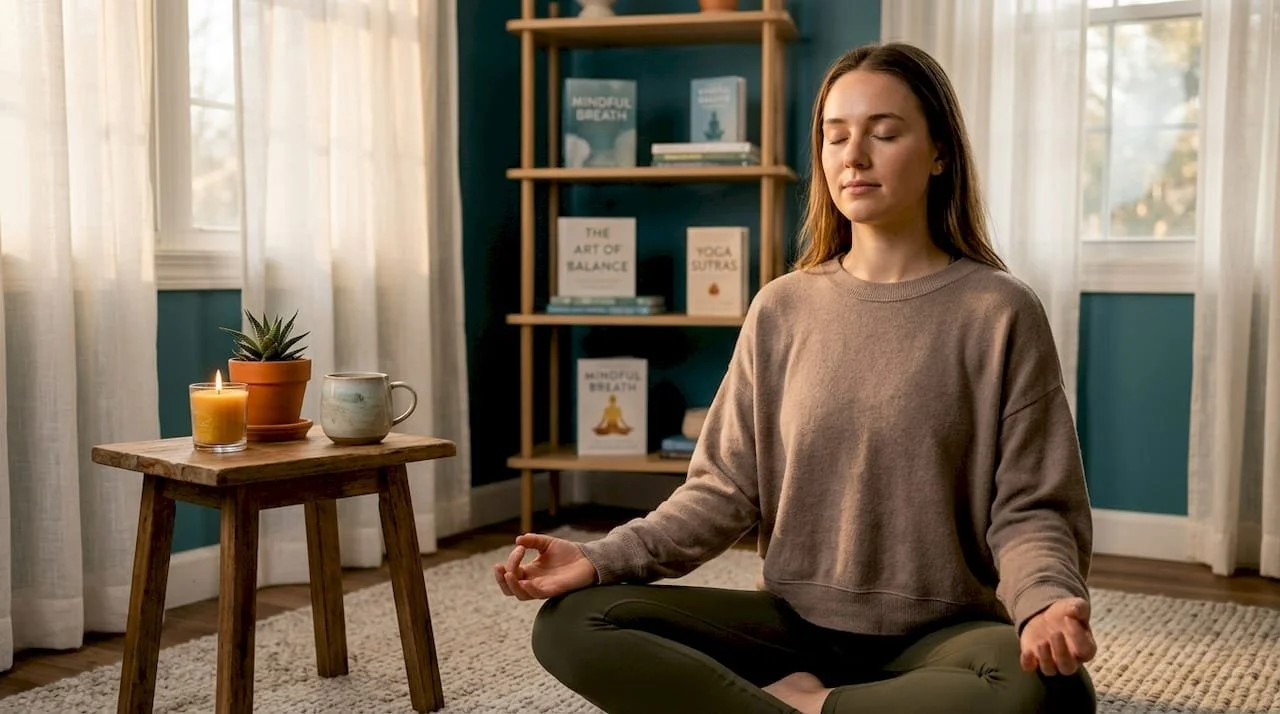
Starting meditation can be simple when focusing on manageable techniques like breath awareness and guided sessions that suit your mood and posture. Consistent short practice, set with a timer and integrated into daily routines, builds lasting habits regardless of technique choice. Remember, wandering minds are part of the process; gentle return and self-compassion ensure long-term success.
Starting a meditation practice sounds simple until you actually sit down and try it. With dozens of styles to choose from, the best meditation techniques for beginners are ones that feel manageable, not mystical. The core idea is straightforward: you focus your attention on something, your mind wanders, and you gently bring it back. That cycle, repeated over and over, is the actual practice. This guide cuts through the noise and walks you through seven approachable techniques, how to choose between them, and how to build a habit that actually sticks.
Key Takeaways
| Point | Details |
|---|---|
| Start short and consistent | 5 to 10 minute sessions daily build stronger habits than occasional long sits. |
| Mind-wandering is the practice | Noticing distraction and returning focus is what meditation training actually looks like. |
| Match technique to your mood | Flexible practice matched to energy keeps beginners engaged longer. |
| Use a timer from day one | A set end time reduces restlessness and helps you stay seated without checking the clock. |
| No single method fits everyone | Try multiple styles before deciding what works for your body, schedule, and temperament. |
Best meditation techniques for beginners: how to choose
Before you try a single technique, it helps to know what you are actually looking for. The right meditation style depends on your personality, your schedule, and how comfortable you are sitting in silence.
Here is a practical framework to evaluate any technique before you commit:
Session length. Can you realistically do this for five minutes today? If a method requires 30 minutes of stillness and you have never meditated before, the bar is too high. Start with what you can show up for.
Posture flexibility. Some people cannot sit cross-legged on the floor without discomfort. Good news: most techniques work fine in a chair, on a couch, or even lying down.
Guided vs. silent. Guided meditation gives you a voice to follow, which removes the pressure of "doing it right" on your own. Silent practice is more flexible but demands more self-direction. Neither is better. One may suit you more right now.
Your energy level. A body scan works well when you are tired and need to slow down. Walking meditation suits days when sitting feels impossible. Match the method to the moment.
Emotional readiness. Loving-kindness meditation asks you to direct warmth toward yourself, which some beginners find unexpectedly challenging. If self-compassion is hard for you right now, start with breath or sound awareness instead.
Pro Tip: Don't commit to one technique for weeks before trying others. Spend three days on breath awareness, three on a body scan, three on guided audio. You'll know what resonates faster than you think.
There is no wrong choice here. Trial and error is the method.
1. Breath awareness
This is where most people start, and for good reason. You sit comfortably, close your eyes, and place your full attention on the natural rhythm of your breath. The inhale. The pause. The exhale.
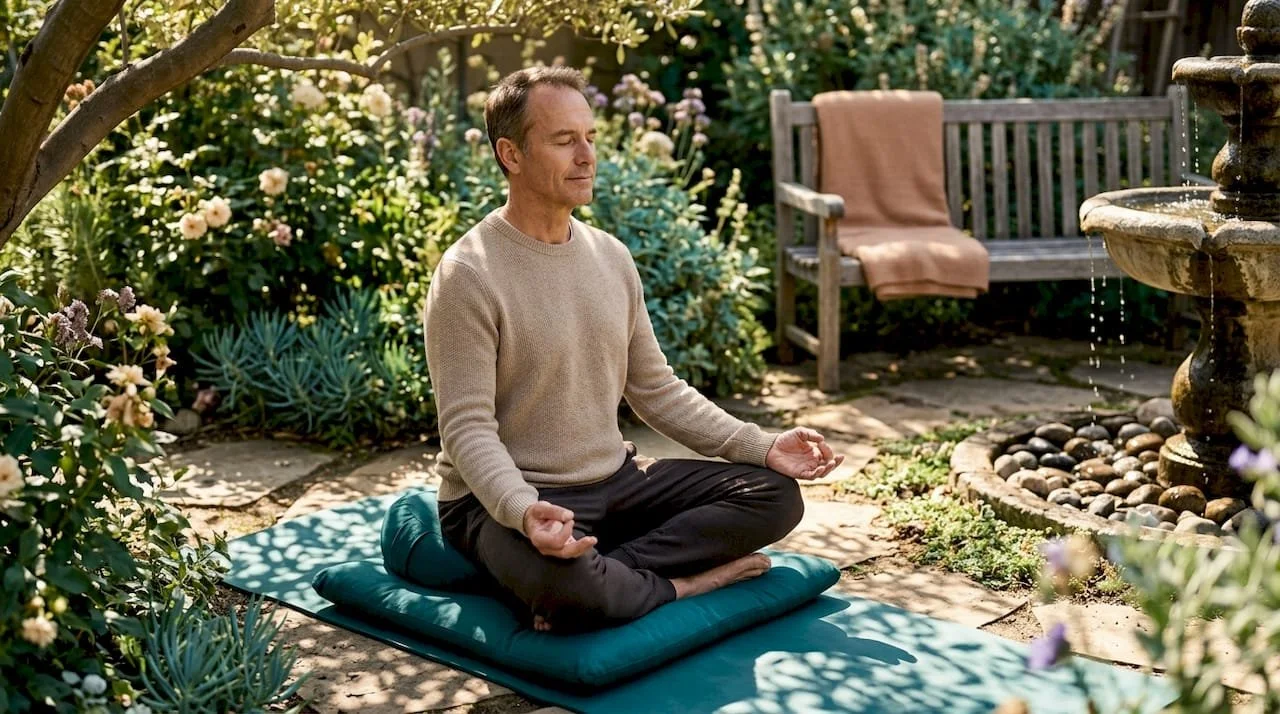
When your mind wanders to your grocery list or a conversation from yesterday, you simply notice that it wandered and return to the breath. No frustration needed. According to Simply Psychology, that act of noticing and returning is the actual training. You are not failing when your mind wanders. You are succeeding every time you catch it.
Breath awareness requires nothing except a comfortable seat and a few minutes. It pairs well with breathwork fundamentals if you want to deepen your understanding of how breath affects the body.
Best for: Anyone who wants the simplest possible starting point.
2. Guided meditation
If silence feels uncomfortable or you catch yourself wondering whether you are doing it correctly, guided meditation removes that uncertainty entirely. A teacher or audio recording walks you through the session moment by moment: where to place your attention, how to breathe, what to notice.
Guided sessions reduce self-consciousness for new meditators and make it much easier to stay present for the full session. Apps, YouTube videos, and studio classes all offer this format. Many beginners find that guided audio is the easiest on-ramp into daily practice.
Best for: People who feel anxious about "doing it wrong" or who get distracted quickly in silence.
3. Body scan
The body scan shifts your attention away from the breath and moves it systematically through different parts of your body. You might start at the top of your head and slowly work down to your feet, noticing any tension, warmth, tingling, or numbness along the way.
Body scan meditation grounds attentionwith concrete physical targets, which makes it easier for beginners who find breath focus too abstract. It can be done seated or lying down, and no equipment is needed. It is especially effective before sleep or after a stressful day.
Best for: People who feel disconnected from their body or who struggle to focus on breath alone.
4. Walking meditation
Sitting still is not the only way to meditate. Walking meditation asks you to bring your full attention to the physical experience of walking: the pressure of your foot against the ground, the movement of your legs, the air on your skin.
You walk slowly and deliberately, indoors or outside, and return your attention to those sensations whenever the mind pulls away. Movement meditation helps maintain attention when seated practice feels frustrating or impossible. It is also a natural fit if you already go for daily walks and want to turn that time into intentional practice.
Best for: Active people, restless beginners, or anyone who finds sitting still genuinely difficult.
5. Loving-kindness meditation (metta)
Loving-kindness, or metta, is less about focusing attention and more about deliberately generating feelings of warmth and compassion. You silently repeat simple phrases like "May I be happy. May I be well. May I be at peace." Then you gradually extend those wishes outward to a loved one, a neutral person, and eventually everyone.
Metta meditation reduces self-criticismand builds goodwill over time. It can feel strange at first, especially the self-directed part. That strangeness is worth sitting with. Many people find it becomes the technique they return to most often.
Best for: People dealing with self-judgment, anxiety, or difficult relationships.
6. Mindfulness meditation
Mindfulness is often used as a catch-all term, but as a specific practice it means paying deliberate, non-judgmental attention to whatever is happening right now. Your breath, the sounds in the room, a physical sensation, or even your own thoughts can serve as the anchor.
You can explore mindfulness techniques for beginners across a wide range of formats, from seated practice to informal everyday awareness. What makes mindfulness particularly beginner-friendly is that the anchor is flexible. If breath focus triggers discomfort, switching to sounds or sensations as anchors can prevent frustration and keep the practice sustainable.
Best for: Anyone who wants a flexible, adaptable daily practice.
7. Visualization meditation
Visualization asks you to hold a specific image in your mind with as much sensory detail as possible. A calm beach, a forest path, a warm light spreading through your body. The image becomes your anchor, replacing breath or body sensation.
This technique works particularly well for people who find abstract focus difficult but respond easily to imagery. It is also useful for goal-setting and emotional regulation beyond the meditation session itself. The catch: visualization requires a bit more mental effort than breath awareness, so it is worth trying after you have spent a few days with simpler methods.
Best for: Visual thinkers, creative types, or people who enjoy guided imagery audio tracks.
Comparing techniques at a glance
| Technique | Session length | Posture | Needs guidance? | Complexity |
|---|---|---|---|---|
| Breath awareness | 5+ minutes | Flexible | No | Very low |
| Guided meditation | 10–20 minutes | Flexible | Yes | Very low |
| Body scan | 10–15 minutes | Seated or lying | Optional | Low |
| Walking meditation | 10–20 minutes | Standing/walking | No | Low |
| Loving-kindness | 10–15 minutes | Flexible | Optional | Medium |
| Mindfulness | 5–20 minutes | Flexible | No | Low |
| Visualization | 10–20 minutes | Flexible | Optional | Medium |
Pro Tip: If you are completely new, spend your first week alternating between breath awareness and guided meditation. These two together cover the widest range of beginner needs and give you a real sense of what style fits your brain.
Building a meditation habit that actually lasts
Knowing seven techniques is only useful if you actually practice them. Here is what makes the difference between a habit that sticks and one that quietly disappears by week two.
Set a consistent time. Morning works well for many people because the day has not yet filled up with demands. That said, right after lunch or before bed are equally valid. The key is attaching meditation to an existing part of your routine, often called habit stacking.
Use a timer every session. Defined session lengths reduce the restlessness that comes from not knowing how long you have been sitting. Set five minutes, commit fully, and stop when it goes off. That boundary makes it easier to stay present.
Start at five minutes and add one minute per week, not per day.
Treat missed sessions as neutral information, not failures.
Keep your setup simple: one spot, one cushion, no ceremony required.
If a technique feels wrong on a given day, switch. Adapting to your energy is smart practice, not inconsistency.
Consistency matters more than duration. A five-minute daily practice outperforms a 45-minute session done twice a month. You can also explore different meditation types on the Amritayogawellness blog as your practice evolves.
My honest take on getting this right
Here is what I have seen over and over with people starting out: they expect meditation to feel peaceful. When it does not, they assume they are failing.
The truth is that a busy, wandering mind during meditation is not a problem to solve. It is the actual condition you are training with. Every time you notice the mind has drifted and you bring it back, that is one rep. That is the real measure of success, not how quiet your head feels.
I have also found that the people who sustain a practice long-term are not the ones who picked the "perfect" technique. They are the ones who were gentle with themselves when they skipped a day and kept the bar low enough to show up again the next morning.
If seated practice feels impossible, try walking meditation. If silence makes you spiral, use guided audio. There is no hierarchy here. Simple, short, and consistent will always beat ambitious and sporadic.
— Juiced
Start your practice with Amrita Yoga & Wellness
If you have read this far and feel ready to move from reading to doing, Amritayogawellness is a great place to take that next step. Amrita Yoga & Wellness in Philadelphia offers guided meditation sessions, yoga classes, and workshops designed specifically to support people who are just getting started.
Beyond movement and breathwork, Amritayogawellness also offers tarot readings for those looking to pair their meditation practice with deeper self-reflection and emotional clarity. Many students find that combining mindful awareness with intuitive tools opens up an entirely new layer of understanding. Whether you want to attend a class, explore the workshop schedule, or simply browse resources, the Amritayogawellness community is built for exactly the kind of beginner you are right now.
FAQ
How long should beginners meditate each day?
Starting with 5 to 10 minutes daily is the most practical approach. Consistency matters far more than session length when you are building a new habit.
What if my mind won't stop wandering during meditation?
Mind-wandering is a normal part of the process, not a sign you are doing it wrong. The practice is in noticing the wandering and gently returning your attention to your chosen anchor.
Is guided meditation better than silent meditation for beginners?
Guided meditation reduces self-consciousness and provides structure, making it easier for many beginners to stay focused. Neither style is superior. Try both in your first two weeks to see what feels more natural.
What is the easiest meditation technique for a complete beginner?
Breath awareness is the most accessible starting point. It requires no equipment, no guidance, and no special posture. Simply follow your natural inhale and exhale, and return your attention each time the mind wanders.
Can I meditate if I can't sit still?
Yes. Walking meditation is a documented option for people who struggle with seated practice. It uses slow, deliberate movement as the anchor instead of breath or body sensation.
Recommended
7 Essential Yoga and Meditation Tips for Holistic Wellness

More than 70 percent of american adults report feeling stressed on a regular basis, yet most overlook the simple power of conscious breathing and mindful rituals to reset their well being. For anyone seeking a calmer mind and healthier body, discovering easy ways to start with yoga and meditation can make a real difference. This guide shares practical, research-backed steps to help you build sustainable habits and transform your daily routine.
Table of Contents
Quick Summary
| Key Message | Explanation |
|---|---|
| 1. Practice Simple Breathing Techniques | Basic breathing exercises can significantly reduce stress and enhance relaxation anytime, anywhere. |
| 2. Establish a Consistent Practice Schedule | Regularly scheduled sessions create habits that improve wellness through persistent practice. |
| 3. Design a Calm Practice Space | A tranquil environment signals your brain to relax, aiding meditation and yoga effectiveness. |
| 4. Integrate Yoga with Meditation | Combining breath with movement transforms yoga into a holistic mindfulness exercise. |
| 5. Use Props for Accessibility | Props enhance safety and alignment, allowing deeper engagement with poses for all levels. |
1. Start With Simple Breathing Techniques
Breathing is more than just an automatic bodily function – it’s a powerful tool for holistic wellness and stress management. Learning basic breathing techniques can transform your physical and mental state, providing an accessible entry point into yoga and meditation practices.
Research has demonstrated the profound impact of breathwork, particularly during challenging times. A PubMed study exploring virtual yoga breathing techniques among healthcare workers revealed that 77% of participants found breathwork interventions useful for stress management.
Why Breathing Matters
Your breath acts as a bridge between your body and mind. When you breathe consciously, you activate the parasympathetic nervous system, which helps reduce stress, lower blood pressure, and promote relaxation. Simple techniques like diaphragmatic breathing can be practiced anywhere – at your desk, during commutes, or before important meetings.
How to Practice Basic Breathing
Start with these fundamental techniques:
Belly Breathing: Place one hand on your chest and another on your stomach. Inhale deeply through your nose, feeling your belly expand. Exhale slowly through your mouth.
Box Breathing: Inhale for 4 counts, hold for 4 counts, exhale for 4 counts, and pause for 4 counts. Repeat this cycle 5-10 times.
Counted Breath: Simply count your breaths from 1 to 10, then start over. This helps focus your mind and regulate your breathing rhythm.
Remember, consistency is key. Even 5 minutes of daily breathing practice can yield significant wellness benefits.
2. Set a Consistent Practice Schedule
Consistency is the secret ingredient that transforms yoga and meditation from occasional activities into powerful wellness practices. A regular schedule helps train your mind and body, creating lasting positive changes in your overall health and mental well being.
According to research from the Yoga Guidelines, practicing meditative techniques with breath awareness for twenty minutes every 3-4 hours can significantly enhance your wellness journey. A personalized approach that adapts to your changing needs is key.
Why Consistency Matters
Regular practice builds muscle memory, improves mental discipline, and creates a reliable framework for personal growth. When you show up for yourself consistently, even for short periods, you establish a powerful habit that compounds over time.
Creating Your Practice Schedule
Design a realistic and sustainable routine:
Start Small: Begin with 10-15 minute sessions 3-4 times per week
Choose Consistent Times: Select times when you are least likely to be interrupted
Use Calendar Reminders: Schedule practice sessions like important meetings
Be Flexible: Allow yourself grace if you miss a session
A research paper on personalized yoga emphasizes tailoring your practice to your unique needs, encouraging you to adjust your routine as your abilities and objectives evolve.
Remember, a consistent practice is not about perfection but commitment. Your wellness journey is uniquely yours.
3. Create a Calm and Inviting Space
Your physical environment plays a crucial role in supporting meditation and yoga practices. The right space can transform your experience, helping you transition from daily stress to a state of mindful relaxation.
Research on interactive music systems suggests that environmental elements like sound can significantly influence physiological states and enhance relaxation. By intentionally designing your practice space, you create a sanctuary that supports your wellness journey.
Why Space Matters
A thoughtfully curated environment signals to your brain that it is time to shift gears. When you enter a space that feels peaceful and intentional, you prime yourself for deeper meditation and more focused yoga practice.
Creating Your Wellness Sanctuary
Consider these elements when designing your space:
Lighting: Use soft, natural light or warm dimmable lamps
Sound: Select gentle background sounds like soft instrumental music or nature recordings
Temperature: Keep the room comfortably warm but not hot
Minimal Distractions: Remove electronic devices and clutter
Personal Touches: Add meaningful items like plants, candles, or meaningful artwork
Remember that your practice space does not need to be large or perfect. Even a small corner with thoughtful design can become a powerful wellness retreat.
4. Blend Yoga Poses With Gentle Meditation
Blending yoga poses with meditation creates a powerful holistic practice that connects body, breath, and mind. By integrating physical movement with mindful awareness, you transform your yoga session from a simple exercise routine into a deeply transformative experience.
According to Ashtanga yoga principles, flowing sequences of movements can purify the blood and balance energy by coordinating breath with movement. This approach turns each pose into a moving meditation.
Understanding Mind Body Connection
When you synchronize breath with movement, you activate a profound internal dialogue. Each pose becomes an opportunity for introspection, allowing you to observe your thoughts without judgment while maintaining physical alignment and balance.
Practical Meditation Integration Techniques
Try these approaches to blend poses and meditation:
Breath Awareness: Focus on your breath during each pose transition
Body Scanning: Mentally scan your body for sensations during holding poses
Intention Setting: Begin practice with a specific mental focus or gratitude
Mindful Movement: Move slowly and deliberately between postures
The ancient practice of Pranayama teaches us that breath control can regulate our life energy, transforming physical practice into a meditative experience.
Remember that meditation within yoga is not about perfection but presence. Your practice is a personal journey of connection and self discovery.
5. Use Props for Better Alignment and Comfort
Props are not a sign of weakness in yoga but powerful tools that enhance your practice by providing support, improving alignment, and making poses more accessible. Whether you are a beginner or an experienced practitioner, yoga props can help you experience poses more deeply and safely.
In Hatha Yoga: The Report of a Personal Experience, the importance of using supportive tools to achieve proper alignment is thoroughly explored. Props allow practitioners to modify poses to suit their individual body mechanics and flexibility levels.
Why Props Matter
Props help bridge the gap between where your body is and where you want it to be. They reduce strain, prevent injury, and allow you to experience the full benefits of each pose without compromising your physical safety.
Selecting and Using Yoga Props
Consider these essential props for your practice:
Yoga Blocks: Support balance and reduce reach distance in standing and seated poses
Straps: Help extend reach and improve flexibility in stretching poses
Bolsters: Provide support during restorative and relaxation poses
Blankets: Add cushioning and help maintain proper body temperature
According to research on Physiology of Breathing, relaxed muscles stretch more easily. Props can help create this relaxation, allowing deeper and more comfortable poses.
Remember that using props is a sign of wisdom not limitation. They are tools of empowerment that help you explore your practice more fully.
6. Explore Guided Meditation for Focus
Guided meditation offers a structured pathway to mindfulness, especially for those struggling to quiet their racing thoughts. By following a narrator’s voice, you can learn to anchor your attention and develop deeper concentration skills.
The ancient Ānāpānasati Sutta provides profound insights into breath awareness, outlining sixteen steps that guide practitioners through progressive stages of mindfulness and mental control.
Understanding Guided Meditation
Guided meditation works by providing external support that helps redirect your wandering mind. A skilled narrator can help you develop focus, reduce stress, and create mental clarity through carefully structured verbal instructions and visualization techniques.
Meditation Focus Techniques
Try these approaches to enhance your guided meditation practice:
Breath Counting: Use the traditional Gaṇanā technique of systematically counting breaths
Body Scan Meditations: Progressively relax each body part while maintaining awareness
Visualization Practices: Imagine peaceful scenes to anchor your attention
Mantra Repetition: Use repeated words or phrases to maintain mental focus
Start with short 5-10 minute sessions and gradually increase duration as your concentration improves. Remember that meditation is a skill developed through consistent practice.
7. Track Your Progress and Adjust Mindfully
Your wellness journey is dynamic, not static. Tracking your progress allows you to understand your body and mind better, making informed adjustments that support your holistic health goals.
Research on technology assisted personalized yoga emphasizes the critical need for individuals to discover and continuously adapt their practices based on changing environments and health conditions. Your practice should evolve as you do.
Understanding Progress Tracking
Progress tracking goes beyond measuring physical flexibility or meditation duration. It involves observing subtle changes in your mental clarity, stress levels, energy, and overall well being. By paying attention to these nuanced shifts, you create a more responsive and personalized wellness approach.
Practical Tracking Strategies
Consider these methods for mindful progress monitoring:
Journal Entries: Record daily experiences, emotional states, and physical sensations
Breath Pattern Analysis: Monitor your breathing rhythms, as research on stress recognition suggests breathing can indicate overall wellness
Weekly Self Reflection: Assess what practices feel supportive and which need modification
Physical Markers: Track flexibility, strength, balance, and recovery times
Remember that progress is not linear. Some days will feel more challenging than others, and that is perfectly normal. Your practice is a personal journey of continuous learning and growth.
Below is a comprehensive table summarizing the key concepts, benefits, and strategies discussed throughout the article focusing on holistic wellness practices.
| Concept | Description | Key Considerations |
|---|---|---|
| Breathing Techniques | Basic practices like Belly Breathing, Box Breathing, and Counted Breath to enhance mental and physical wellness. | Activates parasympathetic nervous system, reduces stress, promotes relaxation. |
| Consistent Practice | Establish a regular yoga and meditation schedule to transform habits. | Builds discipline, adapts based on needs, not about perfection but commitment. |
| Environment Design | Create a calming space with appropriate lighting, sound, and temperature. | Supports relaxation and mindfulness, minimal distractions enhance focus. |
| Integrated Yoga and Meditation | Blend poses with meditation techniques for a holistic practice. | Enhances mind-body connection, transforms physical routine into a meditative experience. |
| Use of Props | Employ tools like blocks, straps, and bolsters for improved alignment and comfort. | Enhances access to poses, bridges body gaps, empowers practice. |
| Guided Meditation | Follow structured sessions to improve focus and mindfulness. | Develops concentration, utilizes visualization and mantra repetition. |
| Progress Tracking | Observe changes in wellness aspects to adjust practices mindfully. | Involves journaling, breath pattern analysis, and self-reflection for continuous growth. |
Take Your Holistic Wellness to the Next Level with Amrita Yoga & Wellness
Struggling to maintain a consistent yoga and meditation routine or looking to deepen your breathwork and mindful movement? The challenges of creating a calm practice space and blending poses with meditation are common, but you do not have to face them alone. Unlock personalized support for your yoga journey with offerings designed to nourish your body, mind, and spirit.
Experience the benefits of expert-led classes, workshops, and retreats in Philadelphia that focus on gentle meditation, breath control techniques, and using props to improve comfort and alignment. Visit Amrita Yoga & Wellness to explore schedules and discover community-driven wellness services. Take the step today to cultivate consistent practice, track your progress mindfully, and transform stress into balance with resources that honor your unique path.
Frequently Asked Questions
What are some simple breathing techniques I can use for stress management?
To alleviate stress, try techniques like belly breathing, box breathing, and counted breath. Start with 5 minutes of practice daily to notice improvements in your mental state.
How can I create a consistent yoga and meditation practice schedule?
Establish a schedule by starting with 10-15 minute sessions, 3-4 times a week at times when you’re least interrupted. Use calendar reminders to keep your commitment and try to stick to it for at least a month to see real benefits.
What should I consider when designing a calming space for yoga and meditation?
Focus on lighting, sound, temperature, and personal touches to create a peaceful environment. Make it clutter-free to signal to your mind that it’s time to relax and engage in your practice.
How can I blend yoga poses with meditation effectively?
Synchronize your breath with each movement in your yoga practice to enhance mindfulness. Try incorporating breath awareness and body scanning to deepen your meditation experience during yoga each session.
What types of props can support my yoga practice?
Yoga blocks, straps, bolsters, and blankets are great tools for providing support, improving alignment, and making poses more accessible. Start using at least one prop in each practice to enhance your comfort and alignment while exploring deeper poses.
How can I track my progress in yoga and meditation?
Keep a journal to log your daily experiences, emotional shifts, and physical sensations. Aim to assess your progress weekly to adjust your practice as needed and recognize meaningful changes over time.