Bikram Yoga Dallas: Benefits, Classes, and Pricing
TL;DR:
Bikram yoga is a standardized hot yoga practice performed in heated rooms with a fixed sequence of postures. Regular practice leads to measurable body fat reduction, increased flexibility, and mental health benefits, especially when practiced three times weekly. Beginners face an adaptation phase marked by initial discomfort, but consistent attendance fosters progress over months.
Bikram yoga is a standardized hot yoga practice performed in a room heated to 90–105°F, following a fixed sequence of 26 postures and 2 breathing exercises. Dallas practitioners are turning to this method in growing numbers because the results are measurable and the format is consistent. A six-month longitudinal study found an average body fat reduction of 6.17% among adult women who practiced three sessions per week. That figure clears the clinical threshold for meaningful metabolic health improvement, making bikram yoga Dallas one of the most evidence-backed fitness options in the city.
What are the health and fitness benefits of Bikram yoga in Dallas?
Bikram yoga produces real, documented physical changes. The 6.17% body fat reduction recorded in consistent practitioners over six months is not a minor shift. It reflects the cumulative effect of sustained heat exposure, muscular engagement across all 26 postures, and the metabolic demand of practicing in a 40°C environment three times per week.
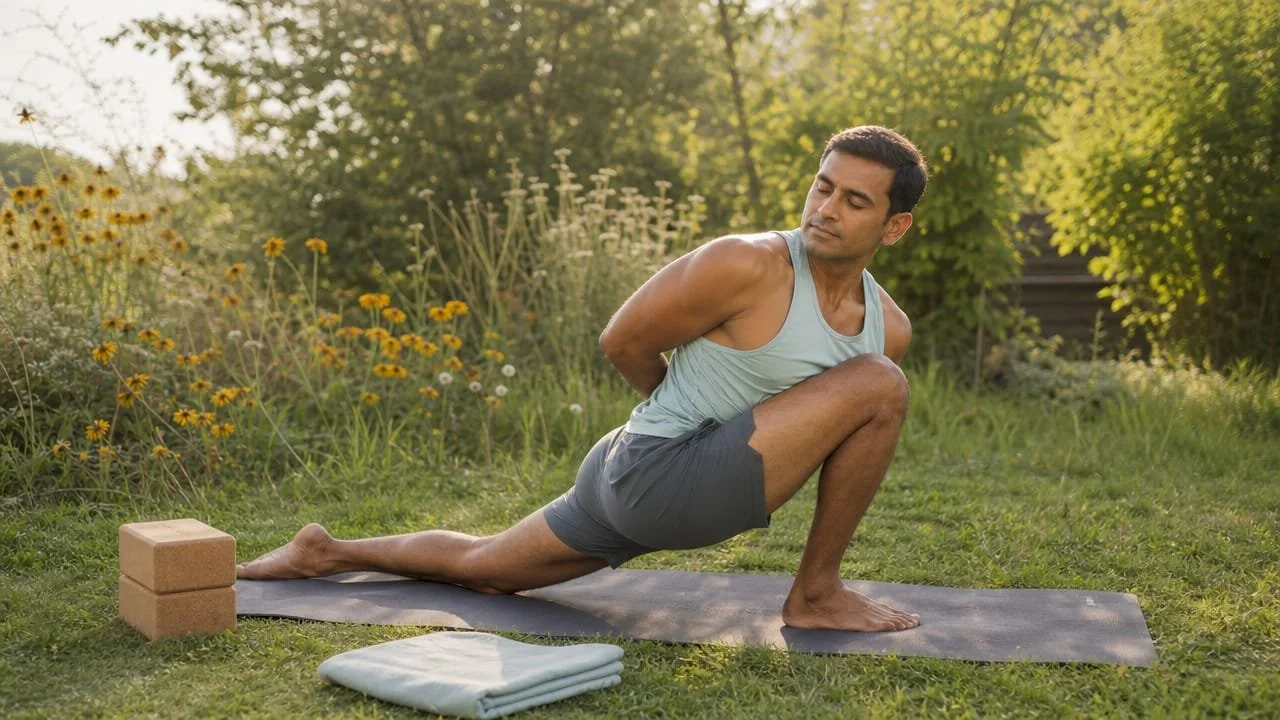
The heat does more than burn calories. Hot yoga rooms heated to 90–105°F increase muscle pliability, which allows deeper stretches than room-temperature yoga can safely produce. Greater hip mobility, improved spinal flexibility, and reduced joint stiffness are common outcomes reported by regular practitioners. These gains compound over weeks of consistent attendance.
Mental health benefits are equally significant. Hot yoga's mental health benefits include measurable stress reduction and improved mood, both of which matter for long-term wellness. The structured, repetitive nature of the sequence also trains mental focus. You learn to stay present under physical discomfort, which carries over into daily life.
One important clarification: clinical research confirms that hot yoga does not significantly elevate aerobic cardiovascular output compared to room-temperature yoga. The heat creates intensity, but it does not replace cardio training. Bikram yoga works best as a complement to a broader fitness routine that includes aerobic activity.
Key benefits at a glance:
Significant body fat reduction with consistent three-times-per-week practice
Improved flexibility and hip mobility from heat-assisted deep stretching
Stress reduction and mood improvement through structured movement
Increased mental focus and discipline from the fixed sequence format
Better spinal health and joint mobility over time
How is the 26-posture sequence designed for beginners in Dallas?
The standardized "26-and-2" sequence is built for neuromuscular memory development, not variety. Every class follows the exact same order of postures and breathing exercises. That consistency is the point. Your body learns the sequence deeply over time, and you measure progress against your own previous performance rather than against a changing set of challenges.
For beginners in Dallas, the first few weeks feel genuinely hard. Physical discomfort during initial weeks is a normal adaptation phase, not a sign that the practice is wrong for you. The combination of heat, unfamiliar postures, and sustained effort creates what experienced practitioners call an "intense breakdown" phase. Your body is recalibrating. Pushing through this period with patience is what separates those who adapt from those who quit.
Here is what the typical beginner progression looks like:
Weeks 1–2: Focus on surviving the heat. Stay in the room. Sit down when needed. Drink water between postures.
Weeks 3–4: Begin holding postures longer. Notice which poses feel easier. Your body is starting to adapt.
Month 2: The sequence starts to feel familiar. You stop thinking about what comes next and start focusing on form.
Month 3 onward: Measurable flexibility gains appear. Mental focus during class sharpens noticeably.
The heat in Bikram yoga enables deeper muscle stretches that are not safely achievable at room temperature. This is not a gimmick. Warm muscles stretch further with less injury risk, which is why the heated environment is a core design feature of the practice, not an optional add-on.
Pro Tip: Enter your first class with zero expectations about posture depth. Your only goal for the first month is to stay in the room and complete the sequence. Progress in Bikram yoga is measured in months, not sessions.
Unlike flow-based yoga styles, Bikram yoga does not reward creativity or improvisation. The fixed format can feel restrictive at first. Over time, that structure becomes an asset. You stop spending mental energy on what comes next and direct it entirely toward the posture you are in.
What do hot yoga classes in Dallas cost?
Dallas hot yoga studios offer accessible entry points for new practitioners. Introductory pricing at Dallas studios includes $10 for a single class, $40 for seven days of unlimited classes, and $119 for a monthly membership. These tiers reflect the boutique studio model that has become standard across the city's yoga community.
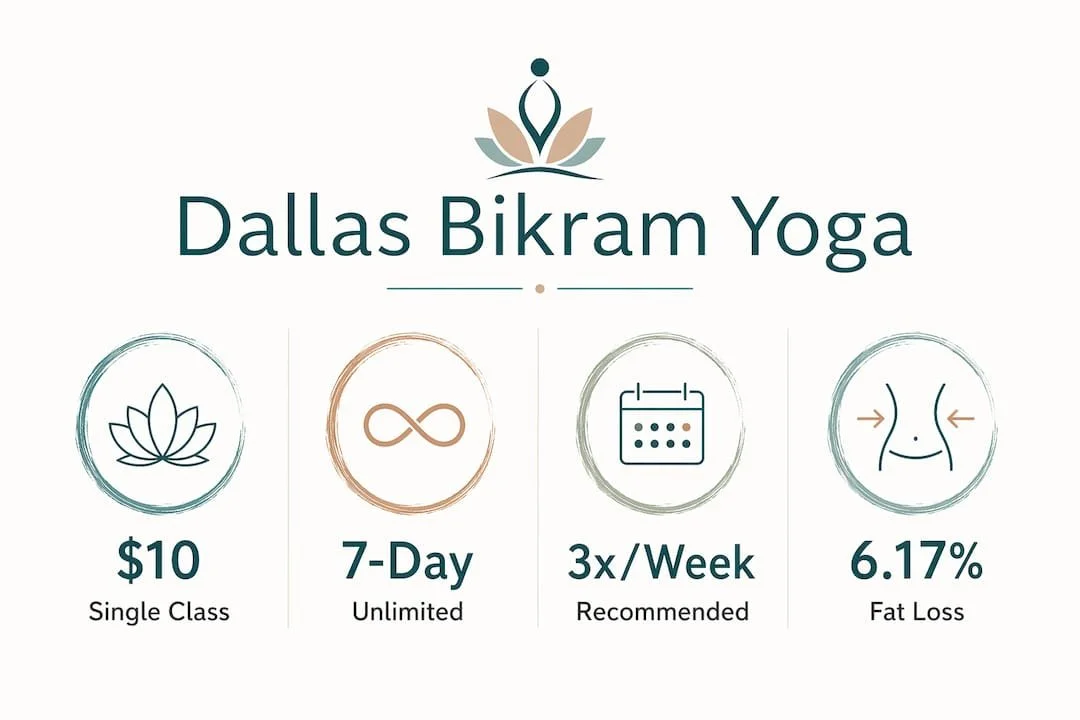
| Pricing tier | Cost | Best for |
|---|---|---|
| Single class | $10 | First-time visitors |
| 7-day unlimited | $40 | Beginners testing commitment |
| Monthly membership | $119 | Regular practitioners |
The seven-day unlimited option is the smartest starting point for most people. It lets you practice daily during your first week, which accelerates adaptation and gives you a realistic sense of whether the format suits you. Buying a single class first is fine, but one session rarely gives you enough information to judge the practice fairly.
Boutique studio membership models in Dallas are designed to welcome all levels. Most studios offer beginner-friendly class times, smaller class sizes during off-peak hours, and instructors who actively guide new practitioners through the sequence. Check each studio's schedule directly, as class times and introductory offer terms vary.
Before attending your first class, review hot yoga preparation guidance to understand what to bring, how to eat beforehand, and what to wear. Showing up unprepared for the heat is the most common beginner mistake, and it is entirely avoidable.
What safety tips are essential for practicing hot yoga in Dallas?
Safety in Bikram yoga starts with hydration. Drink at least 64 ounces of water in the hours before class. The heated room causes significant fluid loss, and arriving dehydrated makes the session dangerous rather than productive. Electrolyte drinks before and after class help replace what sweat removes.
Gradual acclimation is the second non-negotiable. Your body needs time to adjust to exercising in 90–105°F heat. Attend two to three classes per week during your first month rather than daily sessions. This gives your cardiovascular system time to adapt without overloading it.
Certain conditions require medical clearance before starting. Pregnancy, cardiovascular disease, heat sensitivity disorders, and recent surgery are all contraindications that warrant a conversation with your doctor first. The hot yoga safety tips resource from Amritayogawellness covers these precautions in detail and is worth reviewing before your first session.
Preparation checklist before your first class:
Drink water consistently throughout the day before class
Eat a light meal two to three hours before, not immediately before
Bring a large water bottle, a yoga mat, and two towels
Wear lightweight, moisture-wicking clothing
Arrive 15 minutes early to acclimate to the room temperature
Tell the instructor you are new before class begins
Pro Tip: If you feel dizzy or nauseous during class, sit or lie down on your mat immediately. Leaving the room is always an option. Staying in the room and resting is better than pushing through and overheating.
Recognizing physiological stress signals matters. Dizziness, nausea, and a sudden feeling of cold despite the heat are signs of heat exhaustion. These are not signs of weakness. They are your body communicating clearly. Respond by resting, hydrating, and cooling down. The yoga for beginners guidance at Amritayogawellness addresses these scenarios with practical advice for new practitioners.
Key Takeaways
Bikram yoga in Dallas delivers measurable physical and mental benefits when practiced consistently three times per week in a properly heated studio environment.
| Point | Details |
|---|---|
| Documented fat reduction | Six months of consistent practice produces an average 6.17% body fat reduction in adult women. |
| Heat enables deeper stretching | Rooms heated to 90–105°F allow muscle stretches not safely achievable at room temperature. |
| Beginners face an adaptation phase | Initial discomfort is normal and resolves with consistent attendance over the first four to six weeks. |
| Dallas pricing is accessible | Entry options start at $10 per class, with a $40 seven-day unlimited pass for new practitioners. |
| Bikram yoga complements cardio | Clinical research confirms hot yoga does not replace aerobic training and works best alongside it. |
What I have learned from the Dallas hot yoga community
The first time I walked into a heated yoga room, I thought I had made a mistake. The air felt thick, the temperature was aggressive, and the idea of holding 26 postures for 90 minutes seemed unrealistic. That reaction is nearly universal among beginners. What surprised me was how quickly that feeling changed.
The fixed sequence is the practice's greatest underrated feature. Every class is the same. That sameness removes the mental overhead of figuring out what comes next. After a few weeks, you stop managing the sequence and start managing yourself within it. That shift is where the real growth happens.
What the Dallas yoga community adds to this practice is accountability. Seeing the same faces in class three times a week creates a quiet form of social commitment. You show up not just for yourself but because the community notices when you do not. That dynamic is more powerful than any app or fitness tracker.
The mental toughness built in a Bikram class transfers directly to daily life. Staying calm and focused while physically uncomfortable is a skill. You practice it for 90 minutes, three times a week, and it becomes part of how you handle stress outside the studio. That is the benefit no study fully captures.
My honest advice: commit to 30 days before you judge the practice. The first two weeks are the hardest. The third week is when something shifts. By day 30, you will have enough data to decide whether this practice belongs in your life long-term.
— Juiced
Amritayogawellness and your wellness practice
Bikram yoga builds physical strength and mental clarity, but a complete wellness practice reaches further than the mat. Amritayogawellness supports practitioners who want to connect their physical work to deeper self-awareness and mind-body balance.
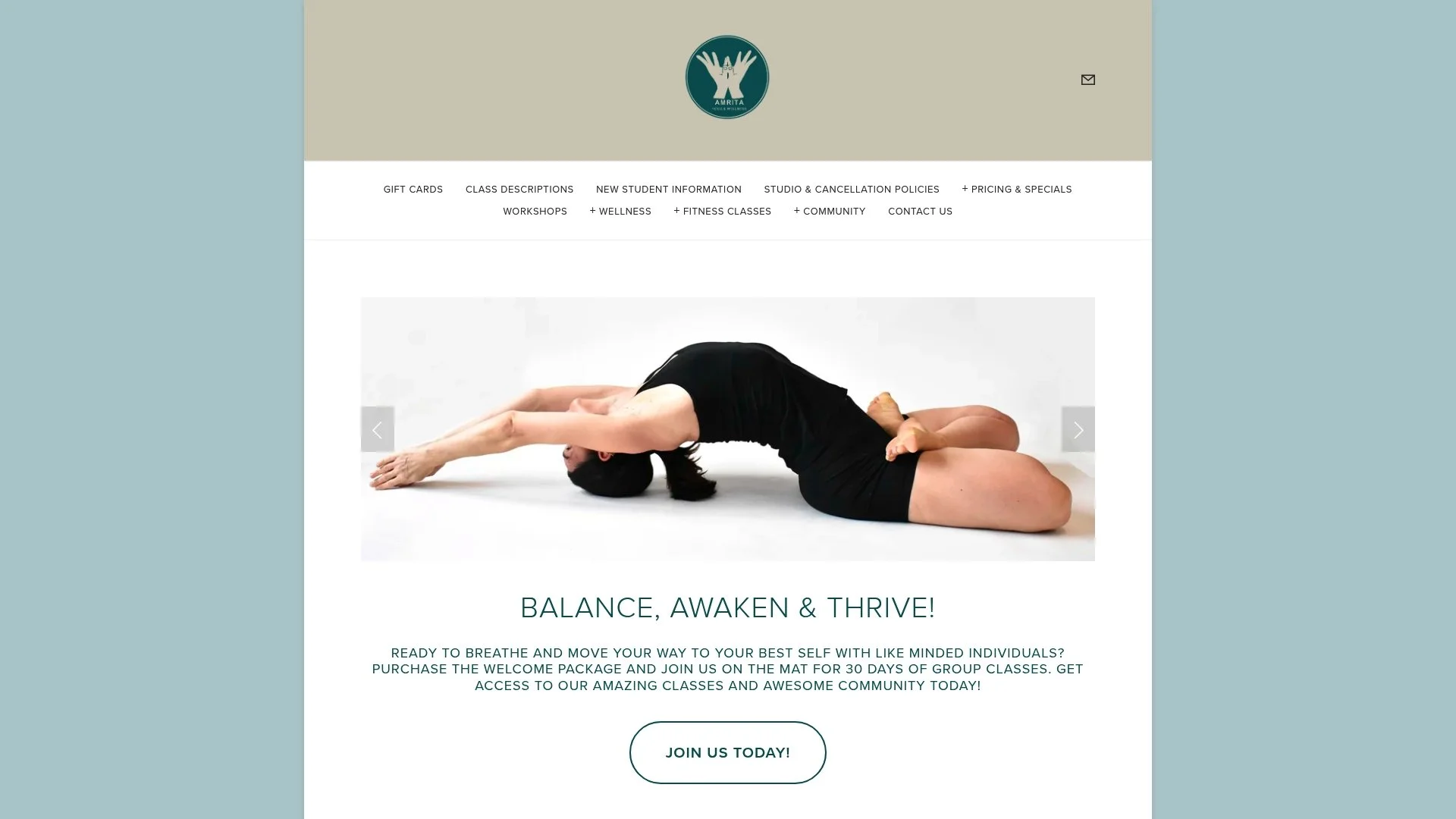
Amritayogawellness offers tarot readings as a complementary tool for practitioners exploring the mental and spiritual dimensions of their wellness practice. Many yogis find that reflective practices like tarot readings help them process what surfaces during intense physical training. The Amritayogawellness platform also serves as a resource hub for class guidance, wellness workshops, and community connection. Visit amritayogawellness.com to learn more about available offerings and how they support a well-rounded approach to health.
FAQ
What is Bikram yoga and how does it differ from regular hot yoga?
Bikram yoga is a specific standardized practice using a fixed sequence of 26 postures and 2 breathing exercises in a room heated to 90–105°F. General hot yoga classes vary in sequence and format, while Bikram yoga always follows the same order.
How many times per week should beginners practice Bikram yoga in Dallas?
Two to three sessions per week is the recommended starting frequency for beginners. This pace allows your body to adapt to the heat and postures without overloading your cardiovascular system.
Does Bikram yoga help with weight loss?
A six-month study found an average body fat reduction of 6.17% in adult women practicing three sessions per week. Bikram yoga supports fat reduction but works best alongside aerobic exercise for comprehensive fitness.
What should I bring to my first hot yoga class in Dallas?
Bring a large water bottle, a yoga mat, and two towels. Wear lightweight, moisture-wicking clothing and eat a light meal two to three hours before class, not immediately before.
Is Bikram yoga safe for people with health conditions?
Conditions including cardiovascular disease, pregnancy, and heat sensitivity disorders require medical clearance before starting. Consult your doctor and review hot yoga safety guidance before attending your first class.