Yoga Flow for Beginners: Build Strength and Flexibility
TL;DR:
A beginner yoga flow emphasizes foundational poses, breath awareness, and slow practice to build strength and flexibility. Practitioners need only a mat, loose clothing, and patience, with props supporting safety and alignment. Regular practice of simple poses and breath work leads to noticeable physical and mental improvements within weeks.
A yoga flow for beginners is a breath-synchronized sequence of foundational poses designed to build body awareness, strength, and flexibility from your very first session. Unlike advanced practices, beginner yoga sequences require nothing more than a mat, comfortable clothing, and a willingness to move at your own pace. Routines as short as 5–20 minutes covering 10 foundational poses can begin producing real benefits. Amritayogawellness, a Philadelphia-based yoga and wellness studio, sees new practitioners make steady progress when they commit to simple, consistent flows before attempting complex sequences.
What do you need to start a yoga flow for beginners?
Starting a beginner yoga flow requires less than most people expect. A non-slip mat is the one piece of gear you genuinely need. Beyond that, loose, stretchy clothing and a quiet corner of your home are enough to get moving.
Optional props make a real difference in comfort and safety:
Yoga blocks: Bring the floor closer when your hands cannot reach it in poses like Forward Fold or Low Lunge.
A strap: Extends your reach in seated stretches and helps you maintain alignment without straining.
A blanket or bolster: Supports your hips in seated poses and cushions your knees on hard floors.
Layers: A light hoodie or long-sleeved shirt keeps muscles warm during slower sequences.
Yoga props increase accessibility and safetyfor practitioners of all body types. Using a block is not a shortcut. It is a sign that you understand your body's current range and respect it.
The right mindset matters as much as the right gear. Moving at your own pace and focusing on physical sensations, rather than copying an instructor's exact shape, improves both safety and practice quality. Patience is the most underrated tool in any beginner's kit.
Pro Tip: Set your mat up the night before. Removing the setup step makes it far easier to practice consistently, especially on low-motivation mornings.
What are the key foundational poses in a beginner yoga sequence?
Prioritizing 8–10 foundation poses before attempting complex flows prevents the most common beginner injuries and frustrations. Each pose below builds a specific physical quality while teaching you how breath and movement connect.
Core poses and their benefits
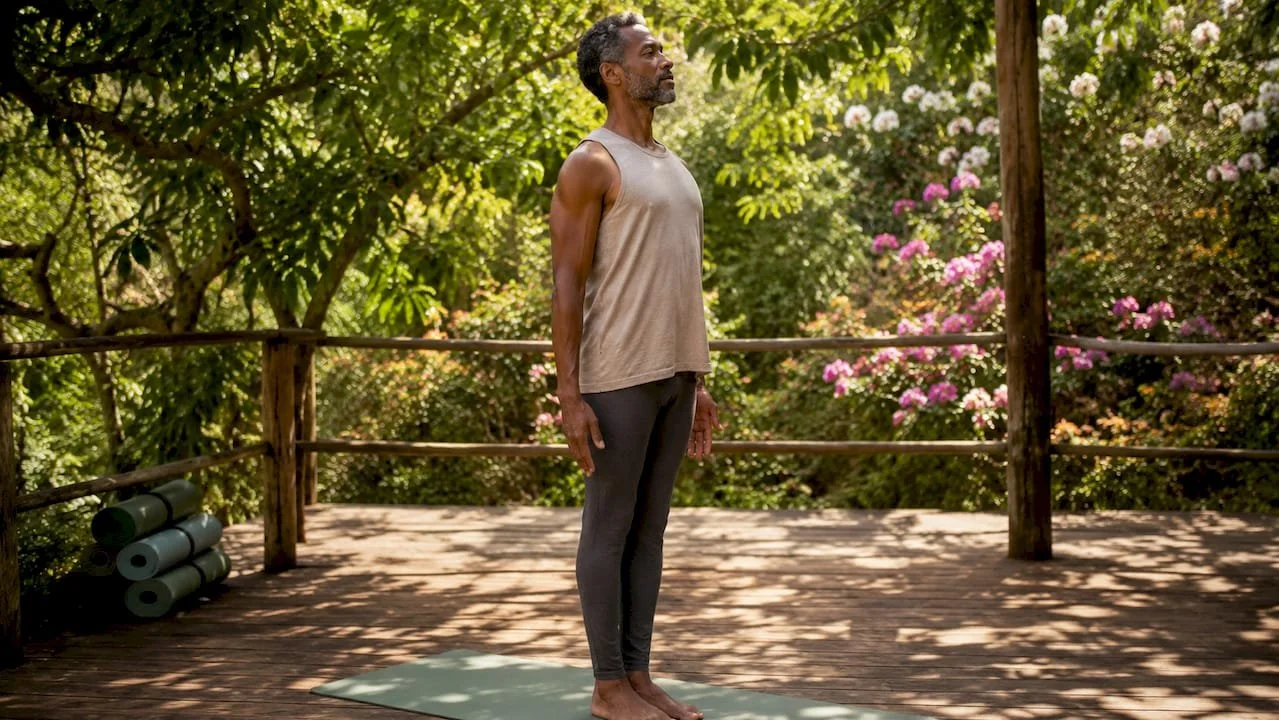
Mountain Pose (Tadasana) is the starting point for nearly every standing sequence. Stand with feet hip-width apart, arms at your sides, and spine tall. It trains posture awareness and grounds your attention before movement begins.
Cat-Cow (Marjaryasana-Bitilasana) is a paired spinal warm-up performed on hands and knees. Inhale as you drop your belly and lift your gaze (Cow), then exhale as you round your spine toward the ceiling (Cat). This sequence loosens the spine and introduces breath-to-movement coordination from the very start.
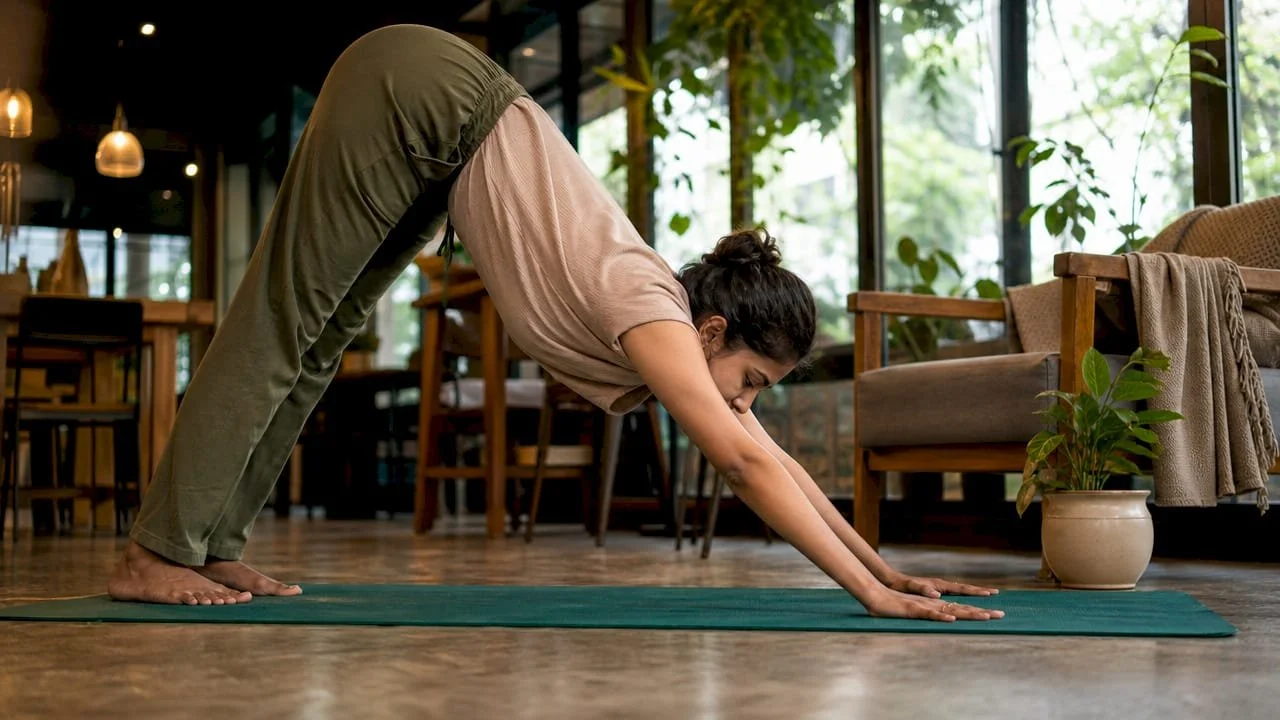
Downward-Facing Dog (Adho Mukha Svanasana) is the signature pose of most flows. From hands and knees, press your hips up and back to form an inverted V shape. It stretches the hamstrings and calves while building shoulder and core strength.
Child's Pose (Balasana) is your rest position. Kneel, sit back toward your heels, and extend your arms forward on the mat. Return to it any time you need to recover your breath or reduce intensity.
Warrior I (Virabhadrasana I) builds leg strength and hip flexibility. Step one foot forward into a lunge, bend the front knee to 90 degrees, and raise both arms overhead. Hold for 3–5 breaths per side.
Warrior II (Virabhadrasana II) opens the hips and chest. From Warrior I, open your arms wide and turn your gaze over your front hand. This pose builds endurance and focus simultaneously.
Cobra (Bhujangasana) strengthens the lower back and opens the chest. Lie face down, place your hands under your shoulders, and press your chest up while keeping your elbows slightly bent.
Plank Pose is the foundation of core strength in yoga. Hold a push-up position with wrists under shoulders and body in a straight line. Even 10–20 seconds builds meaningful stability.
Standing Forward Fold (Uttanasana) releases the hamstrings and calms the nervous system. Hinge at the hips, let your torso hang, and bend your knees as much as needed.
| Pose | Primary benefit | Hold time |
|---|---|---|
| Mountain Pose | Posture and grounding | 5–8 breaths |
| Cat-Cow | Spinal mobility and breath sync | 5–8 rounds |
| Downward-Facing Dog | Full-body stretch and strength | 5–8 breaths |
| Child's Pose | Rest and recovery | As needed |
| Warrior I | Leg strength and hip flexibility | 3–5 breaths per side |
| Warrior II | Hip opening and endurance | 3–5 breaths per side |
| Cobra | Back strength and chest opening | 3–5 breaths |
| Plank Pose | Core stability | 10–20 seconds |
| Standing Forward Fold | Hamstring release and calm | 5–8 breaths |
Pro Tip: In Downward Dog, bend your knees generously if your hamstrings are tight. A flat back matters more than straight legs in this pose.
How do you structure a beginner yoga flow sequence?
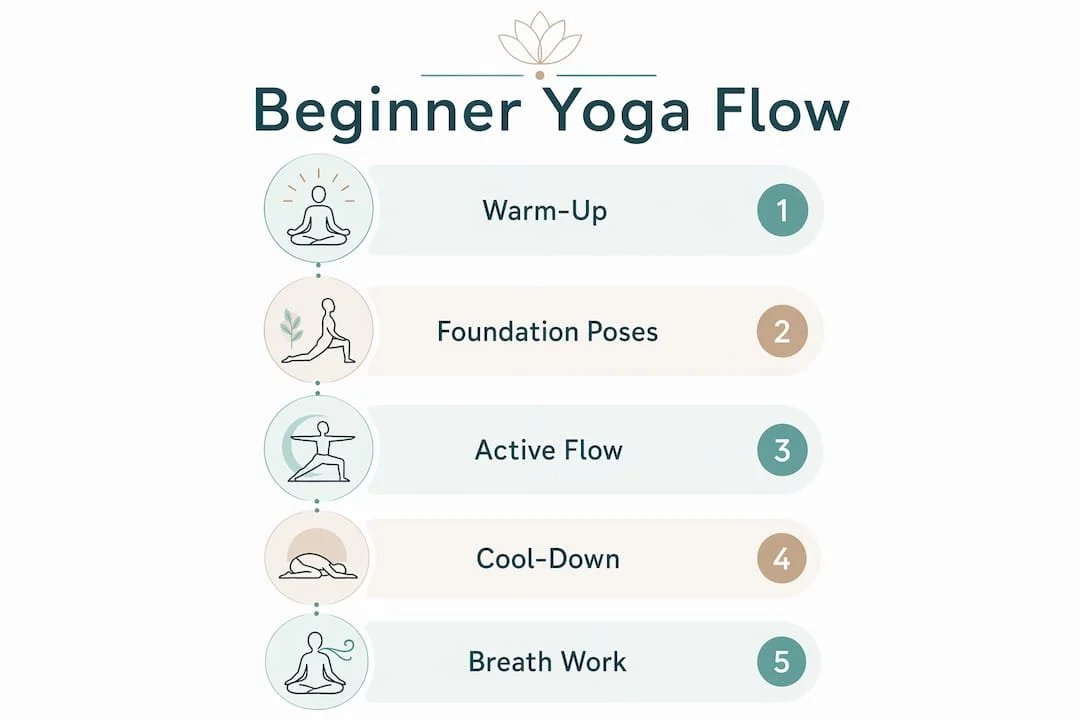
A well-structured beginner yoga sequence follows a clear arc: warm-up, active poses, and cool-down. A 15–20 minute session is the right target for new practitioners. Slow flow and Hatha styles reduce injury risk and give you time to settle into each posture before moving on.
Breath is the thread that holds the sequence together. A 4-count inhale paired with a 6-count exhale activates the parasympathetic nervous system, which reduces stress and sharpens focus. Controlled breathing transforms yoga from simple stretching into genuine nervous system regulation. Ujjayi breath, a soft ocean-sounding breath created by slightly constricting the throat, is the technique most teachers recommend for linking movement and breath in flow sequences.
A sample 20-minute beginner flow looks like this:
Arrive in Mountain Pose (2 minutes). Stand still, close your eyes, and take 10 slow breaths. Set an intention for the practice.
Cat-Cow warm-up (3 minutes). Move through 8–10 rounds, matching each movement to an inhale or exhale.
Downward-Facing Dog (1 minute). Pedal your heels alternately for the first 5 breaths, then hold still.
Warrior I, right side (1 minute). Step your right foot forward, rise into the pose, and hold for 5 breaths.
Warrior II, right side (1 minute). Open your arms and hold for 5 breaths.
Repeat Warriors on the left side (2 minutes). Mirror the same sequence.
Plank Pose (30 seconds). Hold steady, then lower to the mat.
Cobra (1 minute). Press up slowly on an inhale, lower on an exhale. Repeat 3 times.
Child's Pose (2 minutes). Rest completely and let your breath return to normal.
Standing Forward Fold (1 minute). Roll up slowly, one vertebra at a time.
Savasana, or final relaxation (3 minutes). Lie flat on your back, arms at your sides, and do nothing. This is not optional. It is when your nervous system integrates the work you just did.
Beginners who practice 3 times per week for 20–30 minutes each session report noticeable improvements, including reduced morning stiffness, within 4 weeks. Consistency matters far more than session length.
What are the most common beginner yoga challenges?
New practitioners face a predictable set of obstacles. Knowing them in advance removes most of the frustration.
Fear of injury: Skipping alignment basics and breath coordination is the primary cause of beginner injuries. Mastering fundamental alignment before adding speed or complexity eliminates most of this risk.
Comparing yourself to others: Every body has different proportions, flexibility, and history. A pose that looks effortless on someone else may require a block or a bent knee for you. That is not a limitation. It is good practice.
Muscle stiffness: Flexibility is not a prerequisite for yoga. It develops over time. Even 5 foundational poses practiced for 10 minutes begin producing benefits regardless of how stiff you feel on day one.
Inconsistency: Practicing once a week produces slow results. Three shorter sessions per week build momentum faster than one long session.
Skipping breath work: Practitioners who ignore breath cues and focus only on pose shapes miss the most important part of yoga. Breath is what makes a sequence a flow rather than a series of stretches.
"Yoga educator Maya Collins emphasizes functionality and awareness over appearance, encouraging practitioners to use props as positive aids that support proper alignment rather than signs of limitation."
The most sustainable habit is a short, consistent one. Building confidence as a beginner comes from showing up regularly, not from performing perfect poses. Ten minutes every day beats one hour on the weekend.
Key Takeaways
A beginner yoga flow built on foundational poses, consistent breath work, and a steady practice schedule produces measurable gains in flexibility, strength, and mindfulness within weeks.
| Point | Details |
|---|---|
| Start with 9 core poses | Mountain, Cat-Cow, Downward Dog, Child's Pose, Warriors I and II, Cobra, Plank, and Forward Fold cover all beginner needs. |
| Use Ujjayi breath | A 4-count inhale and 6-count exhale activates the parasympathetic nervous system and deepens focus. |
| Practice 3 times per week | Three 20-minute sessions per week produce noticeable results within 4 weeks. |
| Props are tools, not crutches | Blocks and straps support alignment and prevent injury for all body types. |
| Consistency beats intensity | Short, regular sessions build strength and flexibility faster than infrequent long ones. |
What I've learned watching beginners find their flow
The biggest shift I see in new practitioners is not physical. It happens when someone stops watching themselves in the mirror and starts feeling the pose from the inside. That moment usually arrives somewhere around the third or fourth week, and it changes everything.
New practitioners almost always underestimate breath. They focus on getting their legs into the right position and forget to exhale. Then they wonder why they feel tense after a yoga class. The breath is not decoration. It is the mechanism. Once you treat it that way, the poses start to feel different, and the practice starts to feel like something you actually want to do again.
My honest advice: do not rush into faster flows. A slow, deliberate Hatha yoga or gentle Vinyasa sequence practiced with full attention will build more real strength and body awareness than a 45-minute power flow done with poor alignment. The practitioners who progress fastest are the ones who stay curious about the basics longest.
Self-compassion is not a soft concept in yoga. It is a practical one. The days when you feel stiff, distracted, or clumsy are the days your practice matters most. Show up anyway. The mat is not a performance stage.
— Juiced
Wellness at Amritayogawellness goes beyond the mat
Amritayogawellness offers a full range of classes and wellness services designed to support practitioners at every level, from first-timers to experienced movers. Whether you are ready to step into a guided yoga class or want to deepen your self-awareness through complementary practices, the studio has something for you.
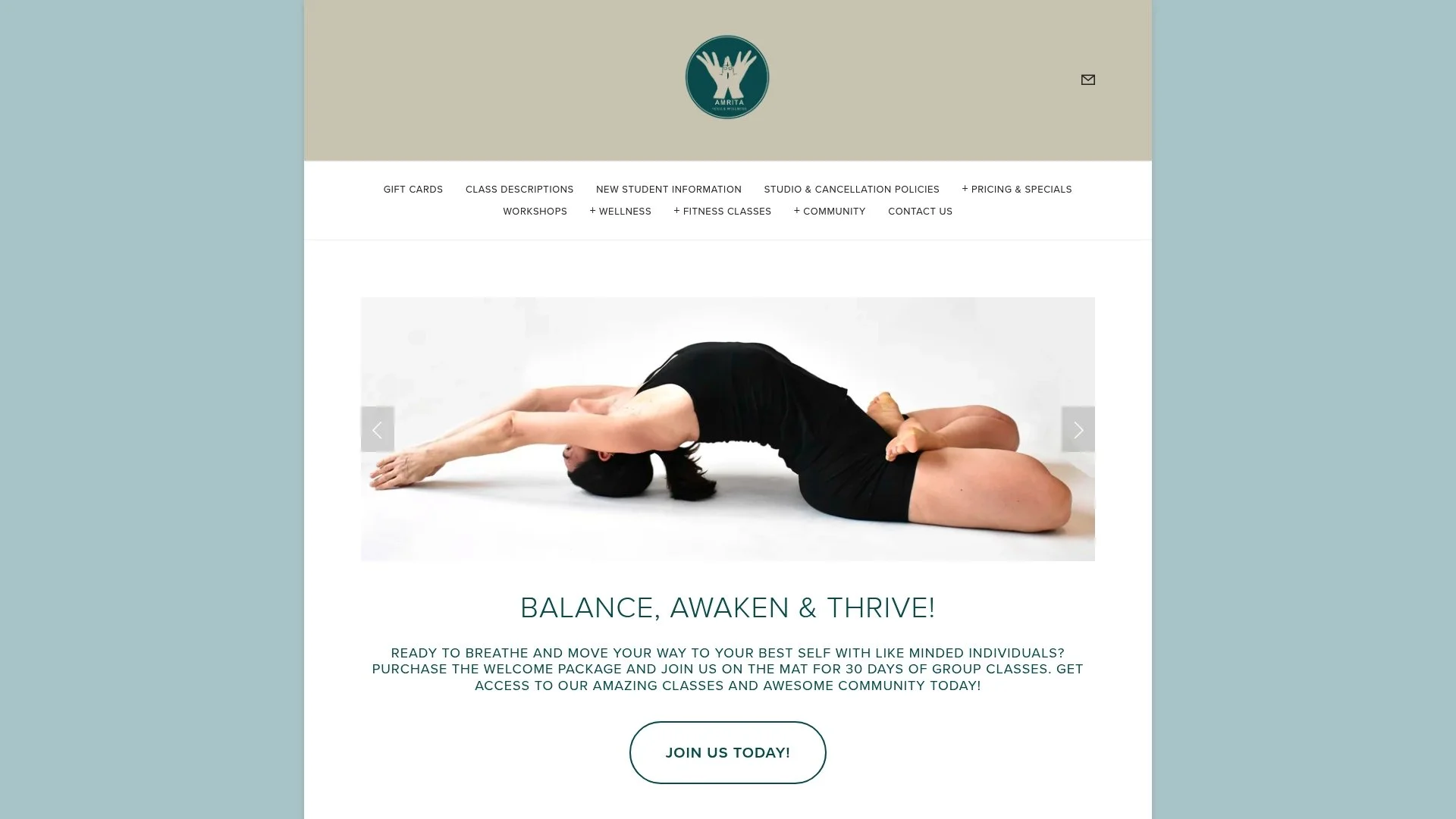
Mindfulness does not stop when you roll up your mat. Amritayogawellness also offers tarot reading sessions as a reflective wellness tool that pairs naturally with a new yoga practice. These sessions support the same inner awareness you build on the mat. If you are ready to explore what a consistent, guided practice looks like, Amritayogawellness in Philadelphia is a strong next step.
FAQ
What is a yoga flow for beginners?
A yoga flow for beginners is a breath-linked sequence of foundational poses practiced at a slow, accessible pace. It builds flexibility, strength, and mindfulness without requiring prior experience or advanced fitness.
How long should a beginner yoga session be?
Beginners should aim for 20–30 minute sessions practiced 3 times per week. Completing just 10 sessions over 4 weeks establishes a consistent pattern with noticeable physical improvements.
Do I need to be flexible to start yoga?
Flexibility is not required to begin yoga. It develops through consistent practice, and even a 10-minute routine with 5 foundational poses produces benefits regardless of your starting point.
What is Ujjayi breath and why does it matter?
Ujjayi breath is a soft, ocean-sounding breath created by slightly constricting the throat on the exhale. Mastering it supports long-term progress more than achieving perfect pose alignment.
What is the best yoga style for new practitioners?
Slow flow and Hatha yoga are the best starting styles for beginners. These approaches emphasize breath-linked movement with about 15 key poses and give practitioners time to settle into proper alignment before moving on.