Different Types of Pilates Reformers: Your 2026 Guide
TL;DR:
A Pilates reformer is a spring-resistance machine used for full-body training that varies in design and features. The main types include classical studio, contemporary studio, and home reformers, each differing in carriage width, frame material, spring tension, and accessory options. Choosing the right reformer depends on your goals, experience, space, and budget, with adjustable resistance and accessory compatibility being key considerations.
A Pilates reformer is a spring-resistance machine that uses a sliding carriage, adjustable springs, ropes, and a footbar to create full-body resistance training. The different types of Pilates reformers split into three broad categories: classical studio reformers, contemporary studio reformers, and home or compact reformers. Each category differs in frame material, carriage width, spring tension, and accessory options. Brands like Gratz, Balanced Body, and STOTT Pilates each represent a distinct design philosophy, and choosing the wrong type for your goals or space is a common and costly mistake.
What are the different types of Pilates reformers by design?
Pilates reformer types divide cleanly by structural design, and that structure shapes every workout you do on the machine.
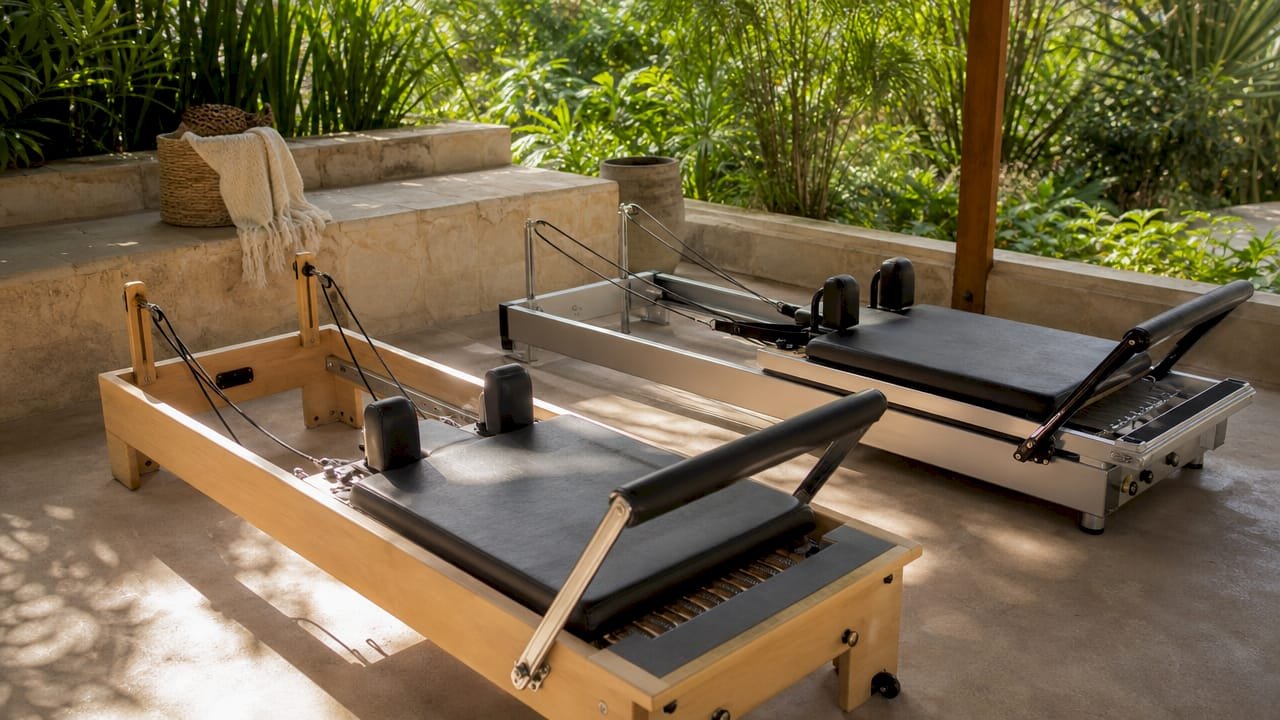
Classical reformers follow the original specifications developed by Joseph Pilates. The Gratz classical reformer is the clearest example: a narrow 22-inch carriage, a heavy steel frame, and firm springs that demand precise body control. That narrower carriage is not a flaw. It creates demanding feedback that forces correct alignment, which is exactly what classical Pilates training requires.
Contemporary studio reformers prioritize comfort and versatility. Balanced Body studio reformers feature a wider 24-inch carriage with smoother bearings and adjustable resistance, making them accessible to beginners and mixed-level classes. The extra two inches of carriage width sounds minor. In practice, it changes the feel of every lateral movement and makes the machine far more forgiving for people still building body awareness.
Home and compact reformers trade some performance for practicality. They use lighter frames, shorter rails, and simplified spring systems. Many fold flat for storage. The trade-off is real: foldable reformers have reduced carriage travel and less stability than studio machines, which limits the range of exercises you can perform safely.
Frame material comparison
| Frame Type | Material | Best For |
|---|---|---|
| Classical studio | Steel | Advanced practitioners, durability |
| Contemporary studio | Aluminum or steel | Mixed-level classes, versatility |
| Home reformer | Wood (maple/oak) or aluminum | Home gyms, space-saving setups |
| Foldable home | Lightweight aluminum | Small apartments, portability |
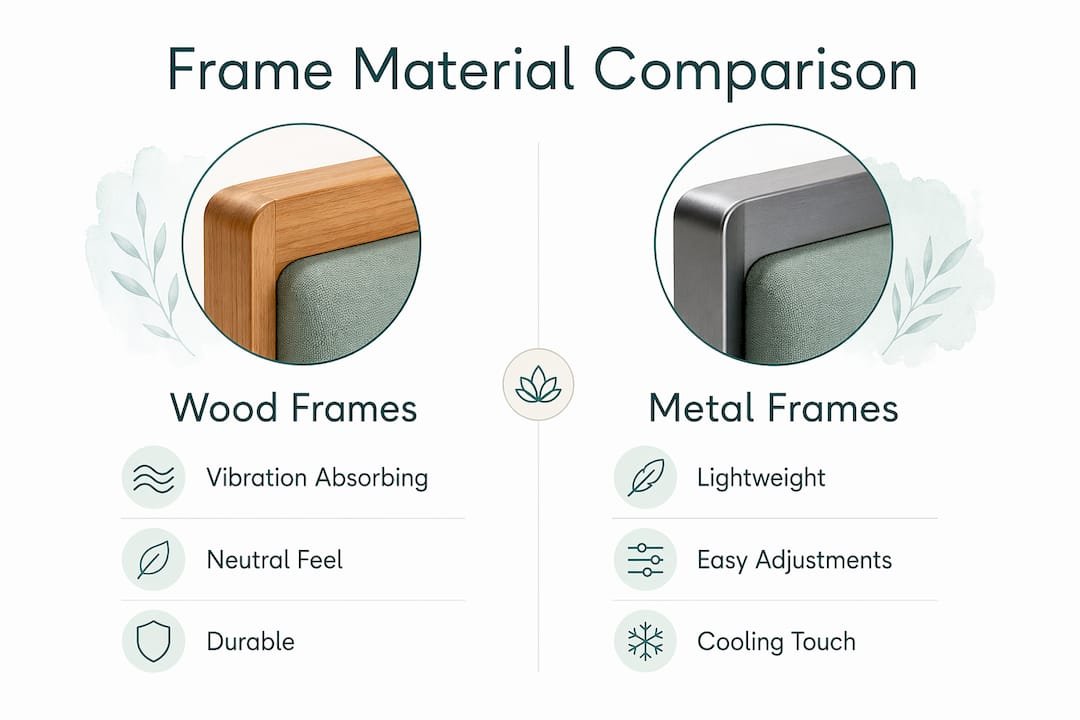
Wood frames absorb vibration and feel neutral under the body. Metal frames are lighter and easier to adjust but feel colder and more industrial. Neither is objectively better. The right choice depends on whether you prioritize feel or portability.
Pro Tip: If you plan to use your reformer daily, choose a steel or solid wood frame. Lightweight aluminum frames work well for occasional use but show wear faster under heavy training loads.
How do resistance systems vary across reformer models?
Spring tension is the single biggest performance variable between Pilates reformer models. Getting it wrong means either fighting the machine or getting no real training stimulus.
Classical reformers use firm springs that measure approximately 40–45 lbs per full spring. That high tension creates immediate, unforgiving feedback. Every misalignment shows up in the resistance. This is ideal for experienced practitioners who want to refine technique, but it can overwhelm beginners.
Contemporary reformers use adjustable spring systems with variable resistance ranges. The STOTT V2 Max Plus, for example, includes a pulley tower and multiple spring configurations that let instructors dial resistance up or down for each exercise. That flexibility makes contemporary machines the standard choice in commercial studios serving clients across all fitness levels.
Classical springs: firm, approximately 40–45 lbs per spring, fixed tension profile
Contemporary springs: adjustable, variable resistance, suitable for all skill levels
Home reformer springs: lighter tension, fewer spring positions, limited range
Tower-equipped reformers: additional vertical spring attachments for expanded resistance options
The spring count also matters. Most studio reformers carry four or five springs. Home models often carry three, which limits the resistance combinations available. Fewer combinations means fewer exercise progressions, which becomes a ceiling for motivated practitioners within months.
Pro Tip: Before buying, count the spring positions and test the lightest and heaviest resistance settings. A machine that feels challenging on day one may feel too easy within six months if it lacks enough spring range.
What accessory configurations expand reformer functionality?
Accessories determine how far a reformer can take your training. A bare-bones machine handles the Pilates fundamentals. A fully configured reformer covers cardio, strength, rehabilitation, and flexibility work in one piece of equipment.
Reformer with Tower: A tower attachment adds vertical spring resistance and a push-through bar above the carriage. Tower systems expand the exercise repertoire well beyond standard reformer moves, adding standing, kneeling, and supine exercises that use gravity differently. This is the most common upgrade in professional studios.
Jumpboard: A jumpboard replaces the footbar with a padded vertical surface. Practitioners push off it with their feet in a horizontal jumping motion, turning the reformer into a low-impact cardio and plyometric tool. This accessory is particularly popular in athletic reformer classes.
Box and straps: A long box placed on the carriage enables prone and seated exercises that the carriage alone cannot support. Short boxes allow rotational and spinal extension work. These are standard accessories on most studio machines.
Foldable rail systems: Some home reformers fold along the rail for vertical storage. This design reduces carriage travel and limits standing exercises, but it solves the space problem for anyone working in a small room or apartment.
Elevated leg rest and headrest: Adjustable headrests and padded shoulder blocks affect comfort during supine exercises. Studio machines typically offer more adjustment positions than home models.
The right accessory set depends on your goals. Rehabilitation work benefits most from a tower. Cardio-focused training benefits from a jumpboard. Pure classical Pilates needs only the box and straps. Buying a machine that cannot accept accessories later is a mistake that limits your training ceiling.
How to choose the right Pilates reformer for your goals and space
Choosing a reformer comes down to four variables: your fitness goals, your experience level, your available space, and your budget. Matching all four correctly is the difference between a machine you use daily and one that collects dust.
Certified instructor Erika Driscoll recommends that beginners prioritize safety and invest in machines with multiple accessories to support skill development over time. A beginner on a classical reformer with 45-lb springs and a narrow carriage is likely to struggle with form before building any real strength. A contemporary machine with adjustable resistance and a wider carriage gives beginners the stability they need to learn correctly.
Form Fitness instructors advise matching equipment to class format: foundational reformers for technique building, athletic reformers for cardio and strength challenges. That same logic applies to home buyers. If your goal is core strength and flexibility, a mid-range contemporary reformer handles it well. If you want to replicate athletic studio classes at home, you need a machine with a jumpboard and enough spring range to challenge you at high intensity.
Goal: rehabilitation or injury recovery. Choose a contemporary reformer with a tower and adjustable springs. Clinical reformers, which you can read more about at Amritayogawellness, are specifically designed for therapeutic use.
Goal: classical Pilates technique. Choose a Gratz or similar classical reformer with a steel frame and firm springs.
Goal: mixed fitness and cardio. Choose a contemporary reformer with a jumpboard attachment and at least four spring positions.
Goal: home use in a small space. Choose a foldable reformer with a solid frame and at least three spring positions. Accept the trade-off in exercise range.
Budget under $1,500. Home reformers in this range work for beginners but lack the spring range and stability of studio machines. Plan to upgrade within two years if your practice grows.
Studio-height reformers sit approximately 14–16 inches off the ground, making mounting and dismounting easier for older adults and those with joint issues. Many home models sit lower, which can be awkward for people with limited hip mobility.
Pro Tip: If possible, take a class on the reformer model you are considering before buying. The feel of the carriage, the spring tension, and the shoulder block position vary enough between brands that a 30-minute session tells you more than any spec sheet.
Key takeaways
Choosing the right Pilates reformer requires matching carriage width, spring tension, frame material, and accessory options to your specific goals, experience level, and available space.
| Point | Details |
|---|---|
| Carriage width defines feel | Classical reformers use a 22-inch carriage; contemporary models use 24 inches for more stability. |
| Spring tension shapes intensity | Classical springs run 40–45 lbs each; contemporary systems offer adjustable ranges for all levels. |
| Frame material affects durability | Wood absorbs vibration; metal frames are lighter but feel less neutral under the body. |
| Accessories expand training range | Tower systems and jumpboards add vertical resistance and cardio options beyond basic reformer work. |
| Match reformer type to goals | Beginners need adjustable resistance; advanced users benefit from firm classical springs and narrow carriages. |
What I've learned after years of watching people choose the wrong reformer
The most common mistake I see is buying for aspiration rather than current reality. Someone who has taken six reformer classes walks into a purchase decision imagining themselves as an advanced practitioner. They buy a classical reformer with firm springs and a narrow carriage because it looks serious and professional. Six weeks later, they are frustrated because the machine is fighting them on every exercise.
The second mistake is ignoring space. A full studio reformer is roughly 8 feet long and 2 feet wide. That sounds manageable until you account for the footbar extension, the carriage travel, and the clearance you need to mount and dismount safely. Measure your room before you buy, not after.
The third thing I want to push back on is the idea that home reformers are always a compromise. A well-built home reformer from a reputable brand, used consistently, produces real results. The core strength and flexibility benefits of reformer Pilates are accessible on a mid-range machine. The gap between a $2,000 home reformer and a $6,000 studio machine matters most to advanced practitioners and instructors. For most people starting out, the gap is smaller than the marketing suggests.
What actually matters in 2026 is whether the machine you buy matches where you are right now, with enough upgrade potential to meet where you are going. A reformer with four spring positions, a solid frame, and accessory compatibility covers most people for years. Start there.
— Juiced
Pilates reformer options at Amritayogawellness
Amritayogawellness, Philadelphia's community wellness studio, offers reformer Pilates classes across skill levels, from foundational technique sessions to athletic formats. Whether you are still deciding which reformer type fits your goals or ready to build a consistent practice, the studio's instructors can guide you toward the right fit.
Amritayogawellness also offers holistic wellness services that complement physical training with mind-body balance. Pilates builds the body. Pairing it with broader wellness support builds the whole practice. Explore the studio's class schedule and services at amritayogawellness.com.
FAQ
What are the main types of Pilates reformers?
The three main types are classical studio reformers, contemporary studio reformers, and home or compact reformers. Each differs in carriage width, spring tension, frame material, and accessory compatibility.
Classical vs. contemporary reformer: which is better for beginners?
Contemporary reformers are better for beginners. They offer wider carriages, adjustable spring resistance, and smoother bearings that support correct form while practitioners build strength and body awareness.
How much space does a Pilates reformer need?
A full studio reformer requires approximately 8 feet of length and 2 feet of width, plus clearance for mounting and dismounting. Foldable home reformers reduce the footprint but limit carriage travel and exercise range.
Do I need a reformer with a tower?
A tower is not required for basic Pilates practice, but it significantly expands your exercise options by adding vertical spring resistance and standing work. Studios and serious home practitioners benefit most from tower configurations.
What spring tension should a beginner look for in a reformer?
Beginners should look for adjustable spring systems rather than fixed classical springs. Classical reformers run approximately 40–45 lbs per spring, which is too demanding for most people learning foundational movement patterns.