20 Types of Yoga: Your Complete Style Guide for 2026
TL;DR:
Yoga comprises more than 20 styles, each tailored to different physical, mental, and philosophical goals. Choosing a style that matches your objectives and personal preferences ensures better consistency and long-term benefits.
Yoga is not one practice. It is a family of more than 20 distinct types, each built around different physical demands, mental goals, and philosophical roots. Some styles move fast and build heat. Others hold still and release tension stored deep in connective tissue. Whether you are stepping onto a mat for the first time or looking to expand beyond your usual Vinyasa class, knowing the full range of yoga styles helps you practice smarter and progress faster. This guide covers the full spectrum, from the eight styles you will find in most Western studios to specialized practices most people have never tried.
1. What are the 8 core modern yoga styles?
Eight major stylesform the backbone of Western studio yoga: Hatha, Vinyasa, Ashtanga, Yin, Kundalini, Hot/Bikram, Restorative, and Power Yoga. Including therapeutic and hybrid approaches pushes the total well past 20 distinct modern styles. Each one targets a different combination of strength, flexibility, breath, and mindfulness.
| Style | Intensity | Best For | Class Length |
|---|---|---|---|
| Hatha | Low to moderate | Beginners, alignment | 60–75 min |
| Vinyasa | Moderate to high | Cardio, flow | 60–75 min |
| Ashtanga | High | Structure, strength | 75–90 min |
| Yin | Low | Deep flexibility, recovery | 60–75 min |
| Kundalini | Moderate | Breath, energy work | 60–90 min |
| Hot/Bikram | High | Detox, endurance | 60–90 min |
| Restorative | Very low | Stress relief, healing | 60–75 min |
| Power Yoga | High | Strength, athleticism | 60 min |
Hatha is the most accessible entry point. Classes move slowly, hold poses longer, and focus on alignment. Vinyasa Yoga links breath to movement in a continuous flow, making it the most popular style in American studios today. Ashtanga follows a fixed sequence of poses practiced in the same order every session. That structure appeals to practitioners who want measurable progress.
Yin Yoga targets fascia and connective tissue by holding poses for 3–5 minutes. Kundalini combines breathwork, chanting, and movement to work on energy and nervous system regulation. Hot Yoga (often called Bikram when it follows the original 26-pose sequence) is practiced in a room heated to around 105°F. Restorative Yoga uses props like bolsters and blankets to support the body in complete stillness. Power Yoga is a gym-friendly, strength-focused adaptation of Ashtanga.
Pro Tip: Read the class description, not just the style name. A "Flow" class at one studio may be beginner-friendly; at another, it may be an advanced cardio session.
2. How do traditional philosophical yoga paths shape modern practice?
Six core philosophical pathsunderpin every physical yoga style practiced today: Hatha, Raja, Karma, Bhakti, Jnana, and Tantra. These are not workout categories. They are complete systems for living, each with a different primary focus.
Hatha Yoga uses the body as the primary tool for spiritual development. Most physical studio classes trace their roots here.
Raja Yoga centers on meditation and mental discipline. It follows the eight-limbed path described by Patanjali in the Yoga Sutras.
Karma Yoga is the path of selfless action and service. It shows up in volunteer-based teaching and donation-model studios.
Bhakti Yoga is devotional practice, expressed through chanting, prayer, and ritual. Kundalini classes often carry strong Bhakti elements.
Jnana Yoga is the path of knowledge and self-inquiry. It is more philosophical study than physical movement.
Tantra Yoga works with energy, ritual, and the body as a sacred instrument. Modern interpretations vary widely from the classical tradition.
Understanding these paths explains why two classes with similar poses can feel completely different. A teacher trained in Bhakti traditions will open class with chanting. A Raja-focused teacher will prioritize seated meditation. The physical sequence is just one layer of what yoga is.
3. What are 12 additional specialized yoga styles worth knowing?
Beyond the eight studio staples, specialized styles serve specific populations and goals. These are not fringe practices. Many are growing fast in therapeutic and clinical settings.
Iyengar Yoga uses props extensively to achieve precise alignment. It is ideal for people recovering from injury or managing chronic pain.
Anusara Yoga blends alignment principles with heart-centered philosophy. Classes tend to be warm and community-focused.
Jivamukti Yoga integrates physical practice with music, scripture, and activism. It is popular in urban studios and appeals to practitioners who want yoga to connect to daily life.
Sivananda Yoga follows a fixed sequence of 12 poses and emphasizes breathwork, relaxation, and vegetarian diet as part of a complete lifestyle.
Chair Yoga adapts standard poses for seated practice. It serves older adults, office workers, and people with limited mobility.
Prenatal Yoga modifies poses for pregnant practitioners, focusing on pelvic floor strength, breath, and stress reduction.
Aerial Yoga uses a fabric hammock suspended from the ceiling to support inversions and deep stretches. It reduces joint compression during poses.
Acro Yoga combines yoga with acrobatics and partner work. It builds trust, communication, and core strength simultaneously.
Therapeutic Yoga is prescribed for specific health conditions, from anxiety to back pain. Sessions are often one-on-one and guided by a trained yoga therapy specialist.
Trauma-Informed Yoga adapts language, touch, and sequencing to support survivors of trauma. It is increasingly used in mental health settings.
Yoga Nidra is a guided meditation practice done lying down. It induces a state between waking and sleep, used for deep rest and stress recovery.
Laughter Yoga combines intentional laughter exercises with breath techniques. Research links it to reduced cortisol and improved mood.
Each of these styles fills a gap the eight core types do not cover. If you are pregnant, recovering from surgery, or working through anxiety, a specialized style will serve you better than a general studio class.
4. How to choose the right yoga style for your goals
No single best yoga style exists.The right choice depends on your primary goal, your current fitness level, and what you will actually enjoy enough to keep doing. Enjoyment is not a soft factor. It is the main driver of consistency, and consistency is what produces results.
Start by identifying your primary goal:
Flexibility and mobility: Yin Yoga and Hatha Yoga are the strongest choices. Both hold poses long enough to work connective tissue, not just muscle.
Strength and endurance: Power Yoga, Ashtanga, and Hot Yoga build functional strength through bodyweight resistance and sustained effort.
Stress relief and recovery: Restorative Yoga and Yoga Nidra activate the parasympathetic nervous system. They are the most effective styles for nervous system reset.
Mindfulness and focus: Kundalini and Raja-based practices prioritize breath and meditation over physical output.
Community and spirituality: Jivamukti and Bhakti-influenced classes offer a social and devotional dimension that purely physical classes do not.
Beginners should prioritize pace and intensity over style names. A slow Hatha class is a better starting point than a fast Vinyasa, regardless of what the studio markets as beginner-friendly. Talk to the teacher before class. Ask about modifications and the expected pace.
Pro Tip: Try at least three different styles before committing to one. What feels wrong in week one often clicks by week three once your body adapts to the format.
5. Common misconceptions about yoga practice and flexibility
The biggest myth in yoga is that flexibility is a prerequisite. Flexibility is the outcome, not the entry requirement. Stiff people benefit more from yoga than flexible people, because they have more room to gain.
Flexibility improvement requiresnervous system engagement and sustained pose holds of 90 seconds or more. Muscle stretching alone does not remodel fascia. Breath control and controlled tension release are what allow connective tissue to adapt over time. A 30-second stretch at the end of a gym session does not accomplish this.
"Consistency beats intensity every time. Four short sessions a week will outperform one long session on the weekend, every single week." — Yoga for Flexibility research consensus
Beginners see measurable mobility gainsafter 2–4 weeks of consistent practice. Deeper pose gains become apparent at 6–8 weeks. That timeline requires regular attendance, not occasional drop-ins. Four sessions per week, each 15–30 minutes, produces more sustainable progress than one 90-minute class per week.
Other common misconceptions worth addressing:
Yoga is not only for young or already-fit people. Chair Yoga and Restorative Yoga are specifically designed for people with limited mobility or chronic conditions.
Yoga is not exclusively spiritual. Many practitioners use it purely as a physical training tool with no philosophical component.
Studio class names like "Flow," "Sculpt," or "Fusion" are often marketing terms for hybrid practices. They do not represent distinct yoga styles. Always read the full class description.
Rest weeks matter. A cycle of three weeks of practice followed by one lighter week supports nervous system adaptation and reduces injury risk.
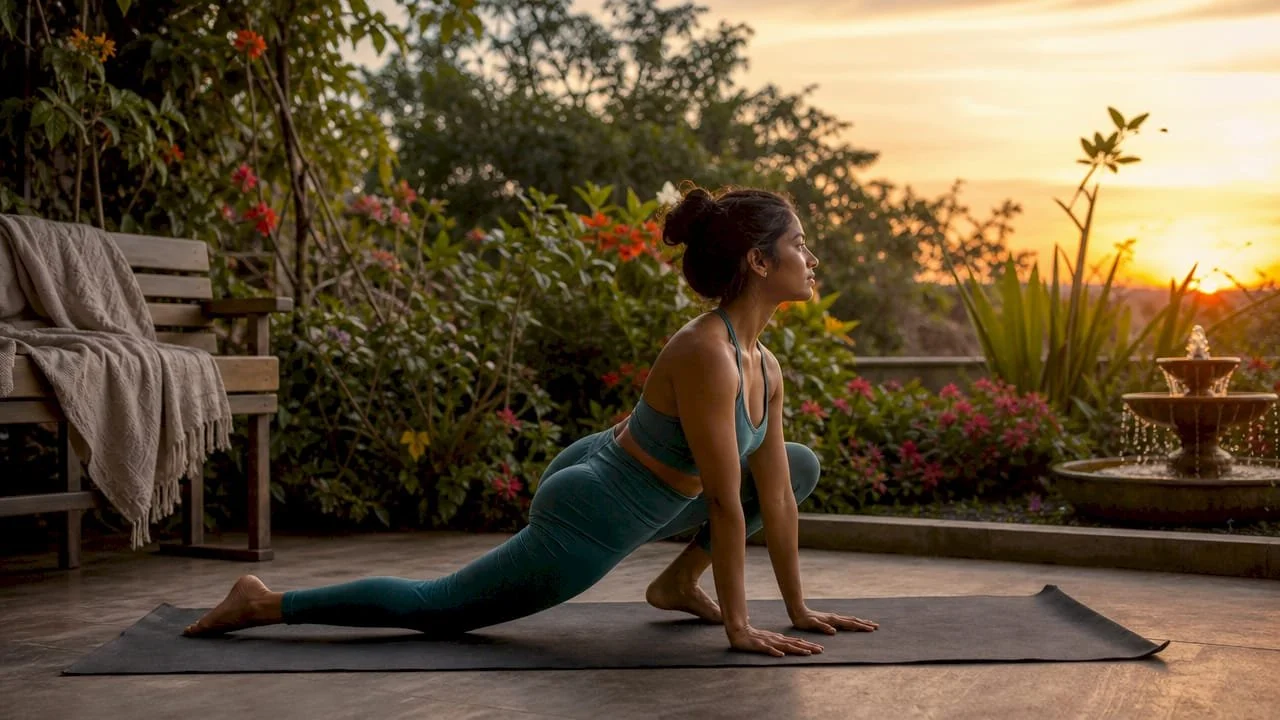
Poses like Forward Fold, Low Lunge, Pigeon, Downward Dog, Butterfly, and spinal twists target the key flexibility areas of hamstrings, hips, calves, spine, and shoulders. These show up across multiple styles, which means you build flexibility regardless of which style you choose, as long as you practice consistently.
Key takeaways
The most effective yoga practice is the one you enjoy enough to repeat four times a week, starting with a style matched to your current fitness level and primary goal.
| Point | Details |
|---|---|
| More than 20 styles exist | Eight core studio styles plus specialized and hybrid practices total well over 20 distinct types. |
| Match style to your goal | Yin and Hatha build flexibility; Power and Ashtanga build strength; Restorative resets the nervous system. |
| Consistency beats intensity | Four short sessions weekly produce more progress than one long, infrequent session. |
| Read descriptions, not labels | Class names like "Flow" or "Sculpt" are marketing terms and may not reflect the actual content. |
| Flexibility takes 2–8 weeks | Beginners see early gains at 2–4 weeks; deeper changes appear at 6–8 weeks of regular practice. |
Amritayogawellness also offers tarot readings as a complementary wellness tool for practitioners who want to pair physical practice with personal reflection and insight. For a full overview of yoga styles for beginners and how to get started, visit the Amritayogawellness blog and class schedule at amritayogawellness.com.
FAQ
What are the most beginner-friendly yoga styles?
Hatha and Restorative Yoga are the most accessible styles for beginners. Both move at a pace that allows new practitioners to learn alignment and breath without feeling overwhelmed.
How long does it take to see flexibility gains from yoga?
Beginners typically see early mobility improvements after 2–4 weeks of consistent practice. Deeper flexibility gains become visible at 6–8 weeks.
Is there one best yoga style for everyone?
No single best style exists. The right choice depends on your goal, fitness level, and what you enjoy enough to practice consistently several times per week.
What is the difference between Hatha and Vinyasa yoga?
Hatha holds poses statically and focuses on alignment, while Vinyasa links poses together in a continuous, breath-driven flow. Hatha is slower; Vinyasa is more cardiovascular.
Are class names like "Flow" or "Sculpt" official yoga styles?
No. Names like "Flow" and "Sculpt" are marketing terms for hybrid or varied practices. Always read the full class description to understand the actual content and intensity level.