Best Type of Yoga for Beginners: A Practical Guide
TL;DR:
Gentle yoga styles like hatha, restorative, and yin are best for beginners because they focus on slow movement, breath awareness, and proper alignment. They help build strength, flexibility, and mental calm without pressure, making them accessible and safe. Choosing the right style depends on your goals, flexibility, and how your body feels each day.
Hatha, restorative, and yin yoga are the best types of yoga for beginners because they move slowly, emphasize breath awareness, and give you time to learn each pose without pressure. These gentle beginner yoga styles build strength, flexibility, and mental calm at the same time. The best yoga style for beginners is ultimately the one that fits your current fitness level, your goals, and how your body feels on any given day. This guide breaks down each style, compares them directly, and helps you decide where to start.
What is the best type of yoga for beginners?
The best type of yoga for beginners is a gentle style that holds poses long enough for you to feel them, breathe through them, and understand your body's response. Beginners prefer gentler styles that hold poses longer, which eases them into more active yoga without feeling lost or rushed. Fast-paced styles like power yoga or Ashtanga demand that you already know the poses. Starting there is like learning to drive on a highway.
The three styles most recommended for new practitioners are hatha, restorative, and yin yoga. Each one prioritizes breath coordination, body awareness, and gradual progress over athletic performance. Vinyasa yoga is sometimes listed as beginner-friendly, but its continuous flow format can feel overwhelming without a foundation in basic poses first.
What makes a yoga style beginner-friendly?
A yoga style is beginner-friendly when it slows down enough for you to actually learn what you are doing. Four specific characteristics define these styles:
Slow pace with longer holds. Holding a pose for several breaths lets you feel which muscles are working and where your alignment needs adjustment. This builds body awareness faster than moving through poses quickly.
Breath coordination. Every beginner-friendly style ties movement or stillness to the breath. This keeps your nervous system calm and teaches you to use breathing as a tool, not just a background function.
Prop use. Blocks, bolsters, straps, and blankets allow your body to reach positions it cannot yet access on its own. Restorative yoga in particular relies on props so you can relax fully into a pose without strain.
Alignment focus. Slower styles give instructors time to correct your form. Good alignment prevents injury and makes each pose more effective.
These features work together to build confidence. You leave class knowing what you did and why, rather than just surviving the hour.
Pro Tip: Before your first class, tell the instructor you are new. A good teacher will watch your alignment and offer modifications. This one step prevents most beginner injuries.
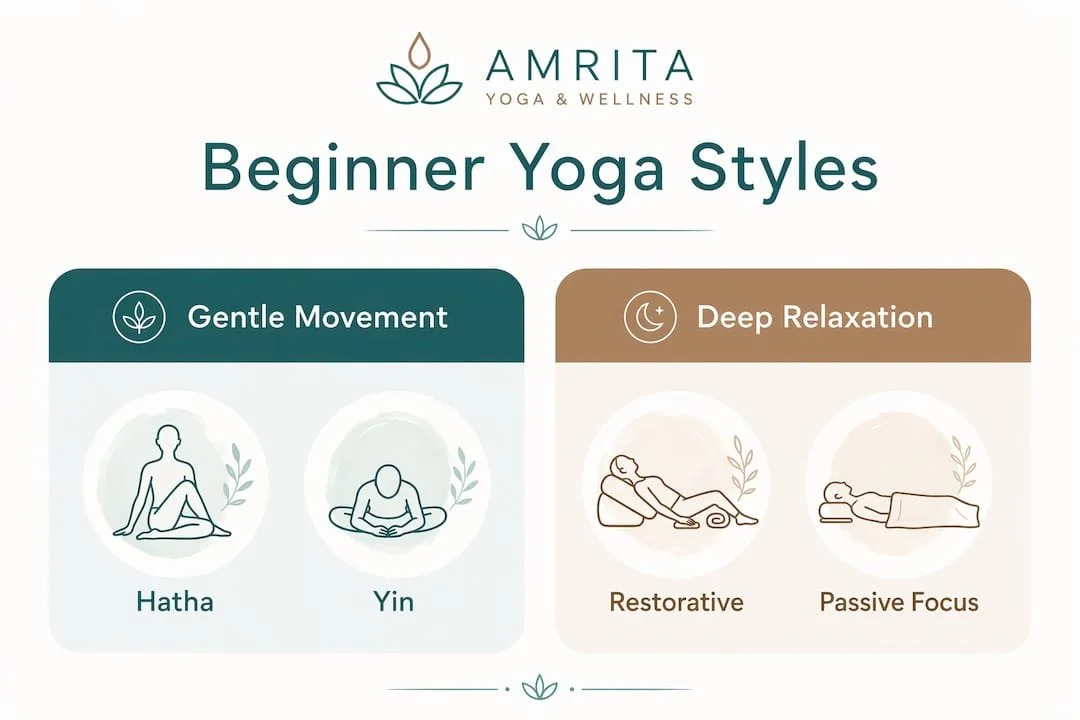
Hatha, restorative, and yin yoga: which one fits you?
These three styles share a slow pace but feel very different in practice. Understanding each one helps you pick the right starting point.
Hatha yoga
Hatha yogais the most widely recommended starting point for absolute beginners. Hatha focuses on movement with poses held long enough to learn muscle engagement without rushing. A typical hatha class moves through standing poses, seated stretches, and simple balances, pausing at each one to explain alignment and breath. You build real strength and flexibility because you spend enough time in each position to feel it working. Hatha is also where most yoga teachers learn to teach, so classes tend to be well-structured and clear.
Restorative yoga
Restorative yoga is the most physically passive of the three styles. Restorative yoga activates the parasympathetic nervous system, which is linked to lower blood pressure and heart rate. That means it is not just relaxing in a general sense. It produces measurable physical changes. A class typically involves five to seven poses, each held for five to twenty minutes, fully supported by props. Restorative yoga is the right choice if you are dealing with stress, recovering from illness, or simply need to slow down before you can build up.
Yin yoga
Yin yoga sits between hatha and restorative in terms of effort. Yin yoga holds poses for three to ten minutes, targeting connective tissue rather than muscle. Connective tissue, which includes fascia, ligaments, and joint capsules, responds to slow, sustained pressure rather than dynamic movement. This makes yin yoga particularly good for joint mobility and flexibility that other styles cannot reach. The long holds are meditative, which also trains mental focus and patience.
Side-by-side comparison
| Style | Pace | Physical intensity | Primary benefit | Best for |
|---|---|---|---|---|
| Hatha | Slow | Low to moderate | Strength, alignment, flexibility | Most beginners |
| Restorative | Very slow | Very low | Deep relaxation, stress relief | High stress, recovery |
| Yin | Slow | Low | Joint mobility, connective tissue | Flexibility, mindfulness |
Pro Tip: Try hatha first for two to three weeks. Once you know the basic poses by name and feel, yin and restorative will make much more sense because you will already understand the shapes your body is making.
How to choose the right yoga style for your needs
No single beginner yoga style fits everyone, so the selection process matters. Work through these four steps before signing up for a class.
Assess your physical starting point. If you have tight hips, lower back pain, or limited flexibility, start with restorative or yin yoga. If you are reasonably mobile and want to build strength alongside flexibility, hatha is the better fit. If you have a specific injury, check with your doctor before starting any style.
Clarify your primary goal. Stress relief and sleep improvement point toward restorative yoga. Building a physical practice with visible strength and flexibility gains points toward hatha. Improving joint range of motion and deepening body awareness points toward yin.
Try at least two different styles. Experts advise beginners to explore different classes because pace and energy vary even within the same style depending on the teacher. A hatha class with one instructor can feel very different from hatha with another. Sampling two or three classes before committing gives you real data.
Talk to the instructor before class. Tell them your experience level, any physical limitations, and what you hope to get from the practice. A qualified teacher will adjust their cues and offer modifications throughout the session. This conversation takes two minutes and changes the entire experience.
Once you find a style that feels right, starting yoga for stress relief and overall wellness becomes a natural, sustainable habit rather than a chore.
How to start yoga safely and build a lasting practice
Starting well matters more than starting fast. These principles keep beginners safe and help the practice stick.
Begin with breath, not poses. Beginners should start with breath-focused warm-ups and simple movements before attempting full poses. Even five minutes of conscious breathing before a session changes how your body responds to the practice.
Never force flexibility. Avoid forcing flexibility early and instead progress by holding poses with deep breath awareness. Pushing past your current range does not speed progress. It creates injury and sets you back weeks.
Practice briefly but consistently. A little yoga daily, even 10 minutes, beats infrequent long sessions for building confidence and physical adaptation. Ten minutes every day produces better results than a ninety-minute class once a week.
Include rest and stillness. Savasana, the final resting pose, is not optional. It is when your nervous system processes the session. Skipping it is like closing a document without saving.
Watch for signs a class fits you. You should leave feeling calmer and slightly more open in your body, not exhausted or sore. Mild muscle fatigue is normal. Sharp pain, dizziness, or feeling worse than when you arrived means the class is not the right match yet.
Pro Tip: If you practice at home, follow a structured sequence rather than random poses. A simple format of breath work, warm-up, three to five main poses, and a final rest gives your body a complete session in under twenty minutes.
A recommended progression for new practitioners is to start with foundational hatha poses and breath work, then move to flowing dynamic classes like vinyasa yoga once the basic holds feel comfortable. This gives you controlled movement instead of scrambling to keep up.
Key Takeaways
Hatha, restorative, and yin yoga are the most effective beginner yoga styles because they prioritize slow movement, breath awareness, and alignment over athletic performance.
| Point | Details |
|---|---|
| Best starting style | Hatha yoga suits most beginners with its slow pace, foundational poses, and alignment focus. |
| Restorative for stress | Restorative yoga activates the parasympathetic nervous system, lowering blood pressure and heart rate. |
| Yin for joint mobility | Yin yoga holds poses for 3–10 minutes to target connective tissue and improve joint range of motion. |
| Try before committing | Pace and energy vary by instructor, so sampling two or three classes gives you real information. |
| Consistency beats duration | Ten minutes of daily practice builds confidence and physical adaptation faster than weekly long sessions. |
What I have learned from watching beginners find their practice
Most beginners make the same mistake. They pick a style based on what looks impressive rather than what their body actually needs right now. They sign up for a fast-paced class because it seems more serious, then feel defeated when they cannot keep up. That experience convinces them yoga is not for them. It is not. It is just the wrong style at the wrong time.
The practitioners I have seen build the most consistent, rewarding practices almost always started with something gentle. They spent weeks in hatha or yin before they ever tried a flow class. By the time they got to faster styles, they already knew their body. They knew which hip was tighter, how their lower back responded to forward folds, and how to breathe when a pose got hard. That foundation made everything else easier.
Patience is not a personality trait in yoga. It is a skill you practice. The same way you hold a pose a little longer each week, you learn to stay with discomfort without reacting. That skill transfers directly to daily life, which is why so many people describe yoga as changing how they handle stress off the mat.
Find a teacher you trust. That matters more than the style. A great hatha teacher will serve you better than a mediocre yin teacher, even if yin is technically the better fit for your body. The relationship and the environment shape the practice as much as the poses do.
— Juiced
Beginner yoga classes at Amritayogawellness
Amritayogawellness, the Philadelphia-based yoga and wellness studio, offers beginner yoga classes across multiple styles, including hatha and restorative formats taught by experienced instructors who understand how to work with new practitioners. Every class is designed to meet you where you are, with modifications available so you never feel out of place.
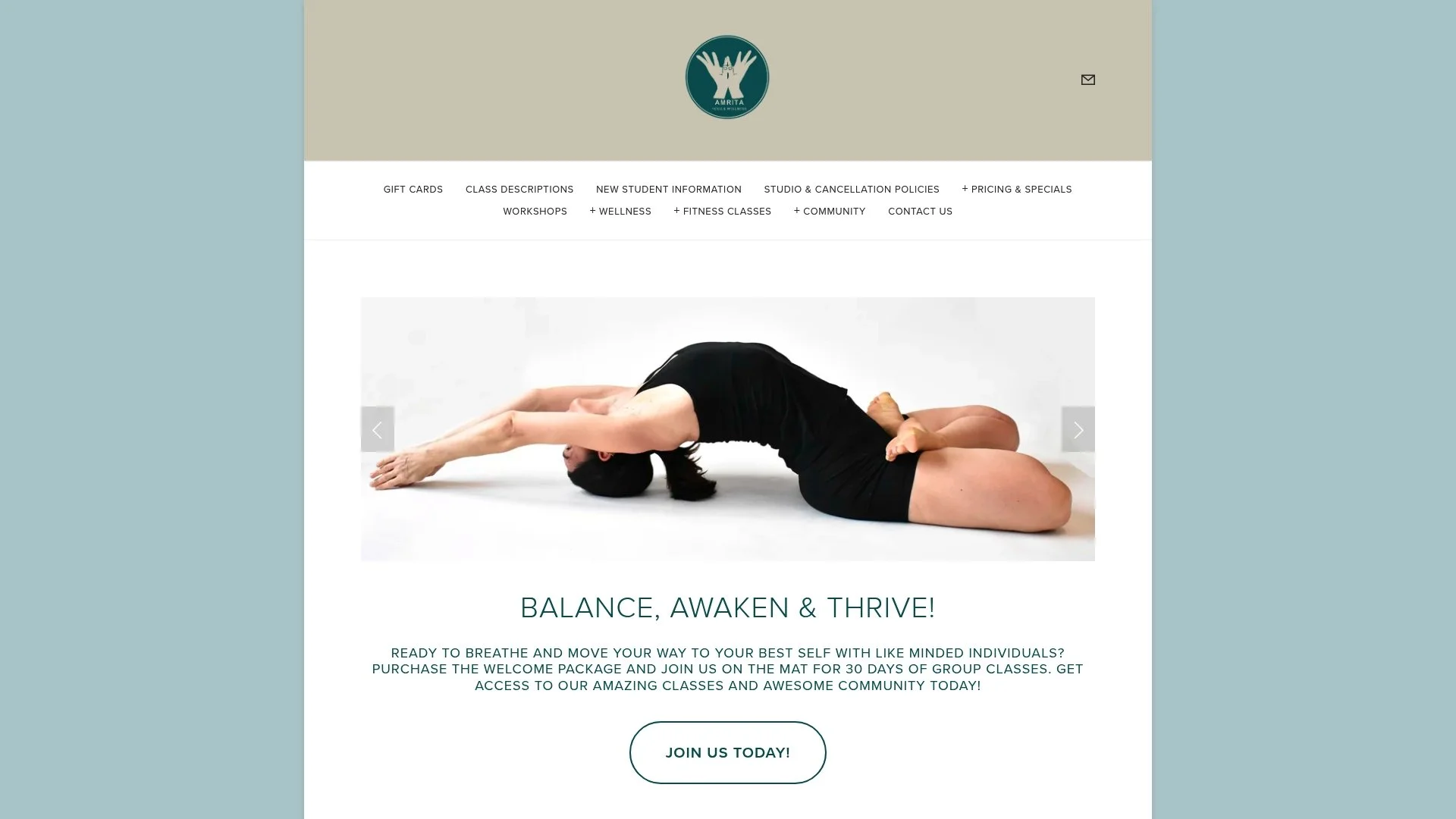
Beyond yoga, Amritayogawellness also offers wellness services that complement a new practice. If you want to deepen your self-awareness alongside your physical work, the studio's tarot reading sessions offer a reflective, grounded way to explore your intentions and personal growth. Amritayogawellness brings together physical practice and broader wellness support under one roof in Philadelphia.
FAQ
What is the best yoga style for absolute beginners?
Hatha yoga is the most recommended starting point for absolute beginners because its slow pace and longer pose holds give you time to learn alignment and breath coordination without feeling rushed.
Is yin yoga good for beginners with no flexibility?
Yes. Yin yoga uses passive, supported holds lasting 3–10 minutes that gently work connective tissue, making it well-suited for beginners with limited flexibility who want gradual, sustainable improvement.
How often should a beginner practice yoga?
Short daily sessions produce better results than infrequent long ones. Even ten minutes of consistent daily practice builds confidence and physical adaptation more effectively than a single weekly class.
Can beginners do yoga at home?
Beginners can practice at home by starting with breath-focused warm-ups and simple poses, moving slowly without forcing flexibility. A structured sequence with a clear rest period at the end keeps home sessions safe and effective.
What is the difference between hatha and restorative yoga?
Hatha yoga builds strength and flexibility through active poses held for several breaths, while restorative yoga uses full prop support and very long holds to activate the parasympathetic nervous system and produce deep physical relaxation.