Hot Yoga Renton: Your Complete Beginner's Guide

TL;DR:
Hot yoga in Renton is available in two formats: traditional heated classes and infrared sessions. Infrared yoga offers a dry environment with shorter sessions, making it more beginner-friendly and accessible.
Hot yoga is defined as any yoga practice performed in a heated room, typically between 95°F and 105°F, designed to deepen stretching and accelerate calorie burn. In Renton, WA, adults now have access to two distinct formats: traditional heated studio classes at Hot Yoga Renton downtown and infrared sessions at HOTWORX Benson Hill. Both options serve beginners and experienced practitioners, but they deliver very different experiences. This guide breaks down your local choices, explains what sets each format apart, and gives you the practical knowledge to walk into your first class with confidence.
What hot yoga studios are available in Renton, WA?
Renton residents can practice hot yoga at two main locations, each with a distinct approach to heat and class structure. Hot Yoga Renton is located at 222 Williams Ave S, Suite 200, Renton, WA 98057, offering traditional heated studio sessions with live instructors and scheduled class times. HOTWORX Benson Hill sits at 10713 SE Carr Road, Suite 16, Renton, WA 98055, and focuses on infrared technology with a very different scheduling model.
The biggest practical difference between these two Renton yoga studios is access. HOTWORX operates 24/7 with virtually instructed workouts available any time of day or night. That flexibility makes it a strong fit for shift workers, parents, or anyone whose schedule does not align with fixed class times. Hot Yoga Renton runs scheduled sessions, which suits people who prefer the energy and accountability of a live group class.
Class length also differs significantly between the two formats. HOTWORX infrared sessions run 30 minutes, roughly half the duration of traditional 60–90 minute hot yoga classes. That shorter window makes infrared sessions easier to fit into a lunch break or a busy evening without sacrificing a real workout.
Pricing and membership options
Pricing in the Renton and greater Seattle area varies by studio and membership tier. Regional infrared studios have launched with introductory rates around $49 bi-weekly for unlimited classes, rising to $69 bi-weekly after the founding period ends. That pricing model reflects a broader trend in the Pacific Northwest toward subscription-based fitness access. Drop-in options are also available at most studios for those who want to try before committing.
| Feature | Hot Yoga Renton (Traditional) | HOTWORX Benson Hill (Infrared) |
|---|---|---|
| Heat source | Heated air | Infrared panels |
| Class length | 60–90 minutes | 30 minutes |
| Scheduling | Fixed class times | 24/7 virtual access |
| Humidity level | High | Low |
| Best for | Community, live instruction | Flexibility, recovery |
How do traditional hot yoga and infrared hot yoga differ?
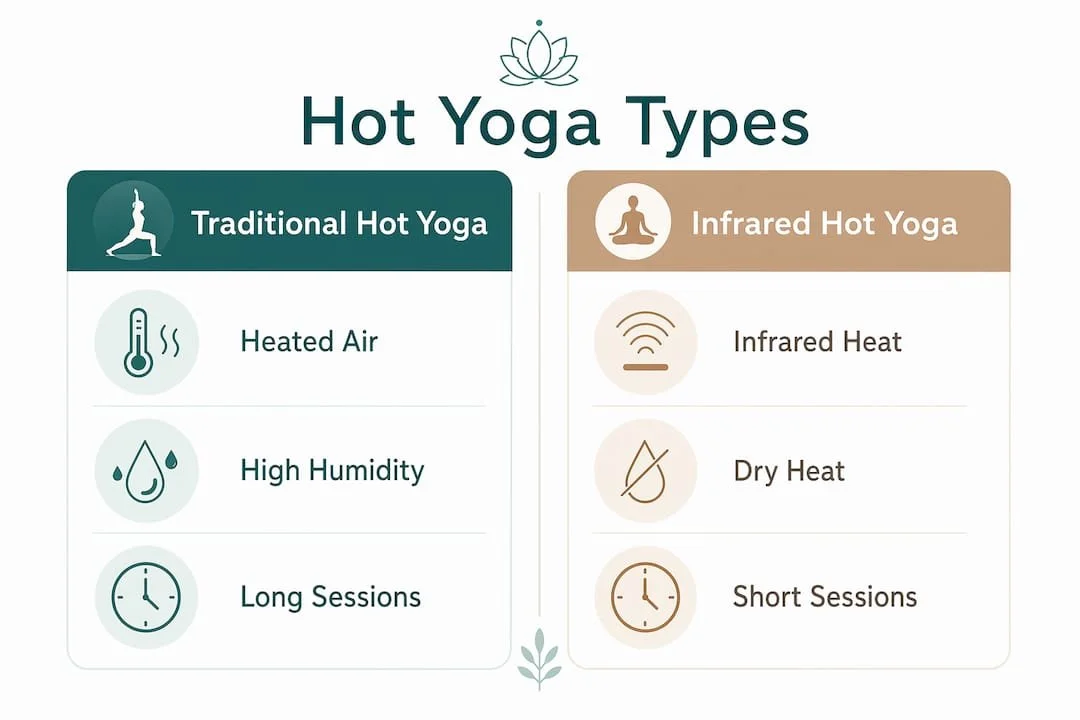
Traditional hot yoga heats the entire room using forced air systems, which raises both temperature and humidity. That combination creates the signature "sweat room" feel most people associate with Bikram or Baptiste-style classes. The heat loosens muscles quickly, but the high humidity can make breathing feel labored, especially in the first few sessions.
Infrared heat works differently. Infrared panels heat the body directly without significantly raising the ambient air humidity. The result is a warm, dry environment where breathing stays more comfortable throughout the session. This distinction matters most for beginners or anyone with respiratory sensitivities.
Here is a quick breakdown of what each format delivers:
Traditional hot yoga: Higher humidity, longer sessions, live instructor energy, strong community atmosphere, deeper sweat detox effect
Infrared hot yoga: Dry heat, shorter sessions, 24/7 access, easier breathing, gentler introduction for newcomers
Recovery focus: Infrared heat penetrates deeper into muscle tissue, which many practitioners find accelerates post-workout recovery compared to surface-level heated air
The trend toward infrared reflects real consumer demand. People want the muscle recovery and flexibility benefits of hot yoga without the overwhelming humidity that can cut a session short. If you have tried traditional hot yoga and found the air too thick to breathe comfortably, infrared is worth testing.
Pro Tip: If you are new to heated yoga, start with an infrared session at HOTWORX before moving to a traditional studio. The lower humidity gives your body time to adapt to exercising in heat without the added respiratory challenge.
What are the physical and mental health benefits of hot yoga?
Practicing hot yoga regularly delivers documented improvements across flexibility, strength, detoxification, stress relief, and cardiovascular health. Each benefit compounds over time, which is why consistent practitioners often report feeling stronger and calmer within just a few weeks. Here are the four core benefits worth understanding before you start:
Increased flexibility and strength. Heat allows muscles to stretch further with less risk of strain. Over time, poses that felt impossible become accessible, and the isometric holds build functional strength throughout the core, legs, and shoulders.
Detoxification through sweating. A single hot yoga session produces significant sweat output. Sweating flushes metabolic waste through the skin, and the heat encourages circulation that supports lymphatic drainage. This is one reason practitioners often report clearer skin and reduced bloating after consistent practice.
Stress relief and mental clarity. The focused breathing required in a heated room forces the nervous system to slow down. Controlled breathwork activates the parasympathetic nervous system, which is the body's rest-and-digest mode. Many Renton practitioners cite this mental reset as the primary reason they return week after week.
Improved cardiovascular health. Exercising in heat elevates heart rate similarly to moderate aerobic activity. A 30-minute infrared session or a 60-minute traditional class both challenge the cardiovascular system in ways that support heart health over time.
The mental benefits deserve equal weight alongside the physical ones. Yoga for flexibility in Renton is a common search goal, but the stress relief and mental clarity outcomes are what keep most people practicing long after they hit their flexibility goals.
What should beginners know before their first Renton hot yoga class?

Preparation is the single biggest factor in whether a first hot yoga class feels manageable or miserable. Most people who quit after one session do so because they arrived unprepared, not because the practice is wrong for them. Beginners benefit most from studios that offer pose modifications, and both Renton options provide instructor support for newcomers.
Follow these preparation steps before your first class:
Hydrate aggressively the day before. Drink at least 64 ounces of water in the 24 hours leading up to class. Arriving dehydrated in a heated room is the fastest route to dizziness or nausea.
Eat light. A small meal two to three hours before class is ideal. A full stomach in 100°F heat is deeply uncomfortable.
Know what to wear for hot yoga. Lightweight, moisture-wicking fabrics are the standard. For women, a fitted tank or sports bra with shorts or leggings works well. For men, compression shorts or lightweight athletic shorts are the go-to. Avoid cotton, which absorbs sweat and becomes heavy.
Bring a large water bottle and a towel. A non-slip yoga towel placed over your mat prevents sliding as sweat builds up. Most studios sell or rent these if you do not own one yet.
Tell the instructor you are new. A good instructor will watch for you and offer modifications. Inclusive classes with pose adjustments are standard at quality studios, so do not hesitate to ask for help.
For a deeper look at preparation, Amritayogawellness has a detailed resource on preparing for hot yoga that covers hydration, attire, and mindset in one place.
Pro Tip: Sit or lie down on your mat if you feel lightheaded during class. Leaving the room is always an option. Pushing through dizziness is never worth it, and experienced instructors expect beginners to need breaks.
How to choose the best hot yoga class in Renton for your goals
Choosing between Renton's hot yoga options comes down to three factors: your schedule, your heat tolerance, and what you want from the practice. There is no universally better option. The right class is the one you will actually attend consistently.
Consider these decision points:
Schedule flexibility: If your work hours vary or you travel frequently, HOTWORX's 24/7 virtual access removes the barrier of fixed class times entirely. Traditional studios require you to plan around their schedule.
Session length: A 30-minute infrared session fits easily into a lunch break. A 90-minute traditional class requires more time commitment and recovery time afterward.
Heat sensitivity: If you have asthma, sinus issues, or simply find high humidity uncomfortable, infrared is the more accessible starting point. The lower ambient humidity makes the transition to heated practice far less overwhelming for most beginners.
Community vs. solo practice: Traditional studios offer the energy of a live group class and the social accountability that keeps many people consistent. Infrared studios are quieter and more self-directed.
Budget: Compare drop-in rates against monthly memberships at each location. If you plan to practice three or more times per week, a membership almost always costs less per session than drop-in pricing.
For those also exploring hot yoga in Bellevue, Washington, options like Oxygen Yoga & Fitness are expanding the infrared market across the greater Seattle area, giving you additional comparison points if you work or live near the Eastside.
Key takeaways
Hot yoga in Renton delivers real physical and mental benefits through two distinct formats, and choosing the right studio depends on your schedule, heat tolerance, and practice goals.
| Point | Details |
|---|---|
| Two local formats | Hot Yoga Renton offers traditional heated classes; HOTWORX Benson Hill offers infrared sessions. |
| Infrared vs. traditional heat | Infrared produces less humidity, making breathing easier and sessions more beginner-friendly. |
| Session length matters | HOTWORX runs 30-minute sessions; traditional classes run 60–90 minutes. |
| Preparation is non-negotiable | Hydrate the day before, wear moisture-wicking fabrics, and inform your instructor you are new. |
| Benefits compound over time | Regular practice builds flexibility, strength, cardiovascular health, and stress resilience. |
Why I think most people overthink their first hot yoga class
The most common thing I hear from people who have never tried hot yoga is that they are waiting until they are "more flexible" or "more fit." That logic is backwards. Hot yoga is the tool that builds flexibility and fitness. You do not need to arrive ready for it. You just need to arrive.
What I have seen consistently is that the first class is the hardest, and it is hard for reasons that have nothing to do with yoga. The heat is unfamiliar. The room smells like effort. You do not know where to put your mat or how the flow works. All of that disappears by the second class. By the third, you start to feel the actual benefits.
The infrared option at HOTWORX is genuinely useful for people who are intimidated by traditional hot yoga. The dry heat environment is less aggressive, and the 30-minute format removes the mental barrier of committing to a 90-minute session. I would recommend it as a starting point for anyone who has bounced off traditional studios before.
One thing I would push back on is the idea that hot yoga is only for the already-athletic. The inclusivity built into modern classes means instructors are trained to meet you where you are. Every pose has a modification. Every instructor has seen a beginner. You are not a burden in that room. You are exactly who the class is designed for.
Show up, drink water, and give it three sessions before you decide. That is the only advice that actually matters.
— Juiced
Explore yoga and wellness with Amritayogawellness
Ready to take your wellness practice further? Amritayogawellness offers a full range of yoga styles, workshops, and holistic services designed for every level of practitioner. Whether you are stepping onto the mat for the first time or deepening an existing practice, the resources at Amritayogawellness connect you with expert guidance and community support.
Beyond yoga classes, Amritayogawellness offers tarot readings as a complementary wellness service for those exploring mindfulness and self-reflection alongside their physical practice. For anyone starting out, the hot yoga for beginners blog is a strong first resource. Visit amritayogawellness.com to browse classes, book a session, or connect with the community.
FAQ
What is hot yoga, and how is it different from regular yoga?
Hot yoga is practiced in a room heated to 95°F–105°F, which increases flexibility and sweat output compared to room-temperature yoga. The heat also raises heart rate, adding a cardiovascular component to the session.
Is hot yoga in Renton safe for beginners?
Yes. Both Hot Yoga Renton and HOTWORX Benson Hill offer modifications for beginners, and instructors are trained to support new practitioners. Hydrating well before class and informing your instructor you are new are the two most important safety steps.
How often should I practice hot yoga to see results?
Most practitioners notice improved flexibility and reduced stress within two to three weeks of attending two to three sessions per week. Consistency matters more than session length.
What should I bring to my first hot yoga class in Renton?
Bring a large water bottle, a non-slip yoga towel, and wear lightweight moisture-wicking clothing. Avoid cotton fabrics, which absorb sweat and become uncomfortable in a heated room.
Is infrared hot yoga better than traditional hot yoga for beginners?
Infrared hot yoga produces less ambient humidity, which makes breathing easier and the overall experience less overwhelming. For most beginners, starting with an infrared session at HOTWORX is a lower-barrier entry point than a traditional heated studio class.