The Amrita Journal
Explore thoughtful stories, practical wellness guidance and inspiring ideas to support your movement, mindfulness and everyday wellbeing at Amrita.
7 Essential Yoga and Meditation Tips for Holistic Wellness

More than 70 percent of american adults report feeling stressed on a regular basis, yet most overlook the simple power of conscious breathing and mindful rituals to reset their well being. For anyone seeking a calmer mind and healthier body, discovering easy ways to start with yoga and meditation can make a real difference. This guide shares practical, research-backed steps to help you build sustainable habits and transform your daily routine.
Table of Contents
Quick Summary
| Key Message | Explanation |
|---|---|
| 1. Practice Simple Breathing Techniques | Basic breathing exercises can significantly reduce stress and enhance relaxation anytime, anywhere. |
| 2. Establish a Consistent Practice Schedule | Regularly scheduled sessions create habits that improve wellness through persistent practice. |
| 3. Design a Calm Practice Space | A tranquil environment signals your brain to relax, aiding meditation and yoga effectiveness. |
| 4. Integrate Yoga with Meditation | Combining breath with movement transforms yoga into a holistic mindfulness exercise. |
| 5. Use Props for Accessibility | Props enhance safety and alignment, allowing deeper engagement with poses for all levels. |
1. Start With Simple Breathing Techniques
Breathing is more than just an automatic bodily function – it’s a powerful tool for holistic wellness and stress management. Learning basic breathing techniques can transform your physical and mental state, providing an accessible entry point into yoga and meditation practices.
Research has demonstrated the profound impact of breathwork, particularly during challenging times. A PubMed study exploring virtual yoga breathing techniques among healthcare workers revealed that 77% of participants found breathwork interventions useful for stress management.
Why Breathing Matters
Your breath acts as a bridge between your body and mind. When you breathe consciously, you activate the parasympathetic nervous system, which helps reduce stress, lower blood pressure, and promote relaxation. Simple techniques like diaphragmatic breathing can be practiced anywhere – at your desk, during commutes, or before important meetings.
How to Practice Basic Breathing
Start with these fundamental techniques:
Belly Breathing: Place one hand on your chest and another on your stomach. Inhale deeply through your nose, feeling your belly expand. Exhale slowly through your mouth.
Box Breathing: Inhale for 4 counts, hold for 4 counts, exhale for 4 counts, and pause for 4 counts. Repeat this cycle 5-10 times.
Counted Breath: Simply count your breaths from 1 to 10, then start over. This helps focus your mind and regulate your breathing rhythm.
Remember, consistency is key. Even 5 minutes of daily breathing practice can yield significant wellness benefits.
2. Set a Consistent Practice Schedule
Consistency is the secret ingredient that transforms yoga and meditation from occasional activities into powerful wellness practices. A regular schedule helps train your mind and body, creating lasting positive changes in your overall health and mental well being.
According to research from the Yoga Guidelines, practicing meditative techniques with breath awareness for twenty minutes every 3-4 hours can significantly enhance your wellness journey. A personalized approach that adapts to your changing needs is key.
Why Consistency Matters
Regular practice builds muscle memory, improves mental discipline, and creates a reliable framework for personal growth. When you show up for yourself consistently, even for short periods, you establish a powerful habit that compounds over time.
Creating Your Practice Schedule
Design a realistic and sustainable routine:
Start Small: Begin with 10-15 minute sessions 3-4 times per week
Choose Consistent Times: Select times when you are least likely to be interrupted
Use Calendar Reminders: Schedule practice sessions like important meetings
Be Flexible: Allow yourself grace if you miss a session
A research paper on personalized yoga emphasizes tailoring your practice to your unique needs, encouraging you to adjust your routine as your abilities and objectives evolve.
Remember, a consistent practice is not about perfection but commitment. Your wellness journey is uniquely yours.
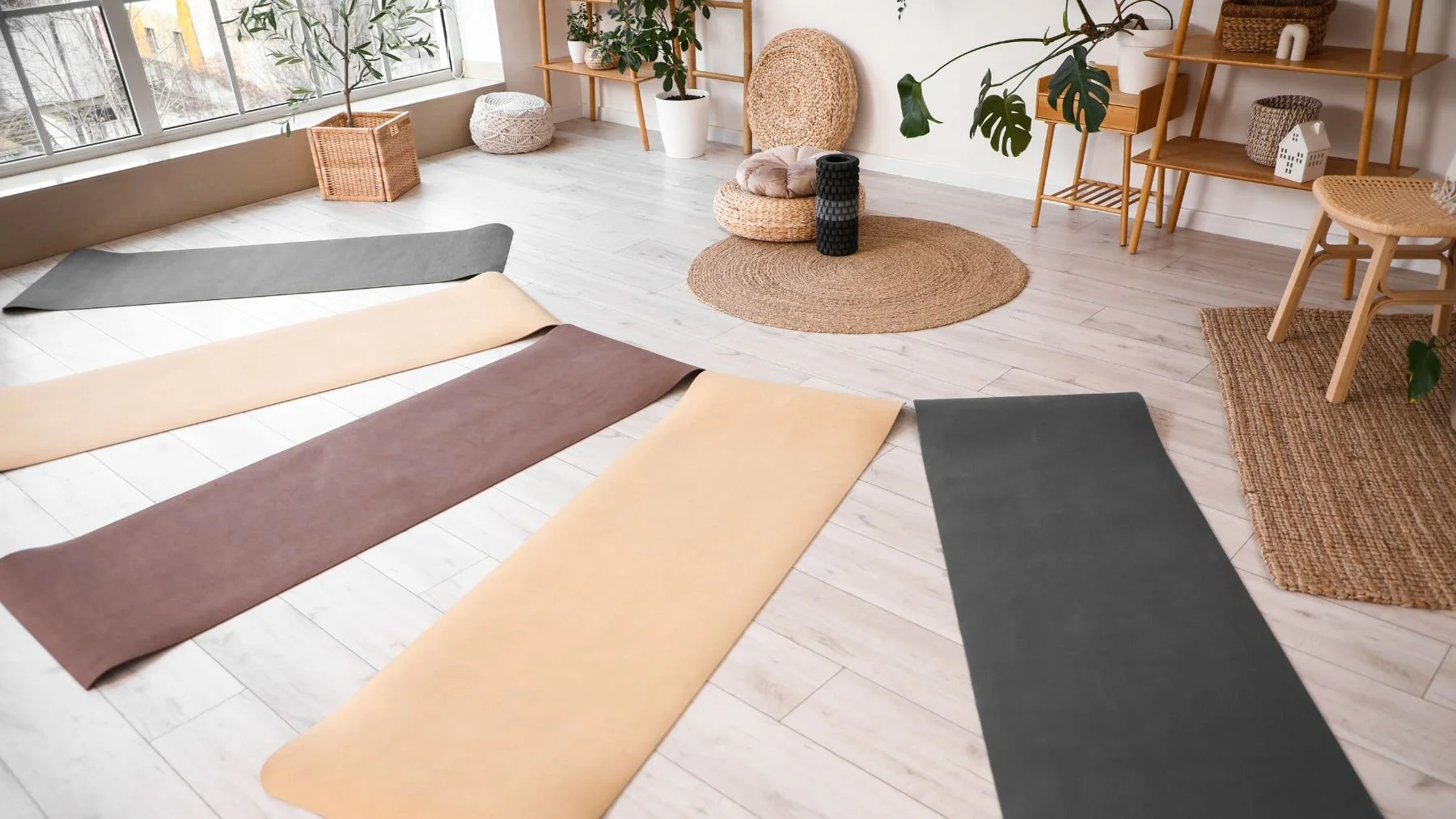
3. Create a Calm and Inviting Space
Your physical environment plays a crucial role in supporting meditation and yoga practices. The right space can transform your experience, helping you transition from daily stress to a state of mindful relaxation.
Research on interactive music systems suggests that environmental elements like sound can significantly influence physiological states and enhance relaxation. By intentionally designing your practice space, you create a sanctuary that supports your wellness journey.
Why Space Matters
A thoughtfully curated environment signals to your brain that it is time to shift gears. When you enter a space that feels peaceful and intentional, you prime yourself for deeper meditation and more focused yoga practice.
Creating Your Wellness Sanctuary
Consider these elements when designing your space:
Lighting: Use soft, natural light or warm dimmable lamps
Sound: Select gentle background sounds like soft instrumental music or nature recordings
Temperature: Keep the room comfortably warm but not hot
Minimal Distractions: Remove electronic devices and clutter
Personal Touches: Add meaningful items like plants, candles, or meaningful artwork
Remember that your practice space does not need to be large or perfect. Even a small corner with thoughtful design can become a powerful wellness retreat.
4. Blend Yoga Poses With Gentle Meditation
Blending yoga poses with meditation creates a powerful holistic practice that connects body, breath, and mind. By integrating physical movement with mindful awareness, you transform your yoga session from a simple exercise routine into a deeply transformative experience.
According to Ashtanga yoga principles, flowing sequences of movements can purify the blood and balance energy by coordinating breath with movement. This approach turns each pose into a moving meditation.
Understanding Mind Body Connection
When you synchronize breath with movement, you activate a profound internal dialogue. Each pose becomes an opportunity for introspection, allowing you to observe your thoughts without judgment while maintaining physical alignment and balance.
Practical Meditation Integration Techniques
Try these approaches to blend poses and meditation:
Breath Awareness: Focus on your breath during each pose transition
Body Scanning: Mentally scan your body for sensations during holding poses
Intention Setting: Begin practice with a specific mental focus or gratitude
Mindful Movement: Move slowly and deliberately between postures
The ancient practice of Pranayama teaches us that breath control can regulate our life energy, transforming physical practice into a meditative experience.
Remember that meditation within yoga is not about perfection but presence. Your practice is a personal journey of connection and self discovery.
5. Use Props for Better Alignment and Comfort
Props are not a sign of weakness in yoga but powerful tools that enhance your practice by providing support, improving alignment, and making poses more accessible. Whether you are a beginner or an experienced practitioner, yoga props can help you experience poses more deeply and safely.
In Hatha Yoga: The Report of a Personal Experience, the importance of using supportive tools to achieve proper alignment is thoroughly explored. Props allow practitioners to modify poses to suit their individual body mechanics and flexibility levels.
Why Props Matter
Props help bridge the gap between where your body is and where you want it to be. They reduce strain, prevent injury, and allow you to experience the full benefits of each pose without compromising your physical safety.
Selecting and Using Yoga Props
Consider these essential props for your practice:
Yoga Blocks: Support balance and reduce reach distance in standing and seated poses
Straps: Help extend reach and improve flexibility in stretching poses
Bolsters: Provide support during restorative and relaxation poses
Blankets: Add cushioning and help maintain proper body temperature
According to research on Physiology of Breathing, relaxed muscles stretch more easily. Props can help create this relaxation, allowing deeper and more comfortable poses.
Remember that using props is a sign of wisdom not limitation. They are tools of empowerment that help you explore your practice more fully.
6. Explore Guided Meditation for Focus
Guided meditation offers a structured pathway to mindfulness, especially for those struggling to quiet their racing thoughts. By following a narrator’s voice, you can learn to anchor your attention and develop deeper concentration skills.
The ancient Ānāpānasati Sutta provides profound insights into breath awareness, outlining sixteen steps that guide practitioners through progressive stages of mindfulness and mental control.
Understanding Guided Meditation
Guided meditation works by providing external support that helps redirect your wandering mind. A skilled narrator can help you develop focus, reduce stress, and create mental clarity through carefully structured verbal instructions and visualization techniques.
Meditation Focus Techniques
Try these approaches to enhance your guided meditation practice:
Breath Counting: Use the traditional Gaṇanā technique of systematically counting breaths
Body Scan Meditations: Progressively relax each body part while maintaining awareness
Visualization Practices: Imagine peaceful scenes to anchor your attention
Mantra Repetition: Use repeated words or phrases to maintain mental focus
Start with short 5-10 minute sessions and gradually increase duration as your concentration improves. Remember that meditation is a skill developed through consistent practice.
7. Track Your Progress and Adjust Mindfully
Your wellness journey is dynamic, not static. Tracking your progress allows you to understand your body and mind better, making informed adjustments that support your holistic health goals.
Research on technology assisted personalized yoga emphasizes the critical need for individuals to discover and continuously adapt their practices based on changing environments and health conditions. Your practice should evolve as you do.
Understanding Progress Tracking
Progress tracking goes beyond measuring physical flexibility or meditation duration. It involves observing subtle changes in your mental clarity, stress levels, energy, and overall well being. By paying attention to these nuanced shifts, you create a more responsive and personalized wellness approach.
Practical Tracking Strategies
Consider these methods for mindful progress monitoring:
Journal Entries: Record daily experiences, emotional states, and physical sensations
Breath Pattern Analysis: Monitor your breathing rhythms, as research on stress recognition suggests breathing can indicate overall wellness
Weekly Self Reflection: Assess what practices feel supportive and which need modification
Physical Markers: Track flexibility, strength, balance, and recovery times
Remember that progress is not linear. Some days will feel more challenging than others, and that is perfectly normal. Your practice is a personal journey of continuous learning and growth.
Below is a comprehensive table summarizing the key concepts, benefits, and strategies discussed throughout the article focusing on holistic wellness practices.
| Concept | Description | Key Considerations |
|---|---|---|
| Breathing Techniques | Basic practices like Belly Breathing, Box Breathing, and Counted Breath to enhance mental and physical wellness. | Activates parasympathetic nervous system, reduces stress, promotes relaxation. |
| Consistent Practice | Establish a regular yoga and meditation schedule to transform habits. | Builds discipline, adapts based on needs, not about perfection but commitment. |
| Environment Design | Create a calming space with appropriate lighting, sound, and temperature. | Supports relaxation and mindfulness, minimal distractions enhance focus. |
| Integrated Yoga and Meditation | Blend poses with meditation techniques for a holistic practice. | Enhances mind-body connection, transforms physical routine into a meditative experience. |
| Use of Props | Employ tools like blocks, straps, and bolsters for improved alignment and comfort. | Enhances access to poses, bridges body gaps, empowers practice. |
| Guided Meditation | Follow structured sessions to improve focus and mindfulness. | Develops concentration, utilizes visualization and mantra repetition. |
| Progress Tracking | Observe changes in wellness aspects to adjust practices mindfully. | Involves journaling, breath pattern analysis, and self-reflection for continuous growth. |
Take Your Holistic Wellness to the Next Level with Amrita Yoga & Wellness
Struggling to maintain a consistent yoga and meditation routine or looking to deepen your breathwork and mindful movement? The challenges of creating a calm practice space and blending poses with meditation are common, but you do not have to face them alone. Unlock personalized support for your yoga journey with offerings designed to nourish your body, mind, and spirit.
Experience the benefits of expert-led classes, workshops, and retreats in Philadelphia that focus on gentle meditation, breath control techniques, and using props to improve comfort and alignment. Visit Amrita Yoga & Wellness to explore schedules and discover community-driven wellness services. Take the step today to cultivate consistent practice, track your progress mindfully, and transform stress into balance with resources that honor your unique path.
Frequently Asked Questions
What are some simple breathing techniques I can use for stress management?
To alleviate stress, try techniques like belly breathing, box breathing, and counted breath. Start with 5 minutes of practice daily to notice improvements in your mental state.
How can I create a consistent yoga and meditation practice schedule?
Establish a schedule by starting with 10-15 minute sessions, 3-4 times a week at times when you’re least interrupted. Use calendar reminders to keep your commitment and try to stick to it for at least a month to see real benefits.
What should I consider when designing a calming space for yoga and meditation?
Focus on lighting, sound, temperature, and personal touches to create a peaceful environment. Make it clutter-free to signal to your mind that it’s time to relax and engage in your practice.
How can I blend yoga poses with meditation effectively?
Synchronize your breath with each movement in your yoga practice to enhance mindfulness. Try incorporating breath awareness and body scanning to deepen your meditation experience during yoga each session.
What types of props can support my yoga practice?
Yoga blocks, straps, bolsters, and blankets are great tools for providing support, improving alignment, and making poses more accessible. Start using at least one prop in each practice to enhance your comfort and alignment while exploring deeper poses.
How can I track my progress in yoga and meditation?
Keep a journal to log your daily experiences, emotional shifts, and physical sensations. Aim to assess your progress weekly to adjust your practice as needed and recognize meaningful changes over time.