Contact Us

Want to send us a quick message? Use the form on the right to contact us and we'll be in touch within 2 business days!

Please contact Audrey at info@amritayogawellness.com for general inquiries, software issues, in-studio and out-of-studio events and workshops, marketing, and community outreach and donations.

Please contact Heather at heather@amritayogawellness.com for private events, private yoga/pilates requests, and trainings.

1204 Frankford Avenue
North Philadelphia, PA, 19125
United States

(267) 928 3176

Amrita Yoga & Wellness offers a variety of Yoga traditions, Pilates Mat, Pilates Group Reformer, Tai Chi, and Massage services in a beautiful space. Our studio is located in Philadelphia, Pennsylvania.

Blog

Discover What Gyms Offer Pilates for Core Strength

Heather Rice
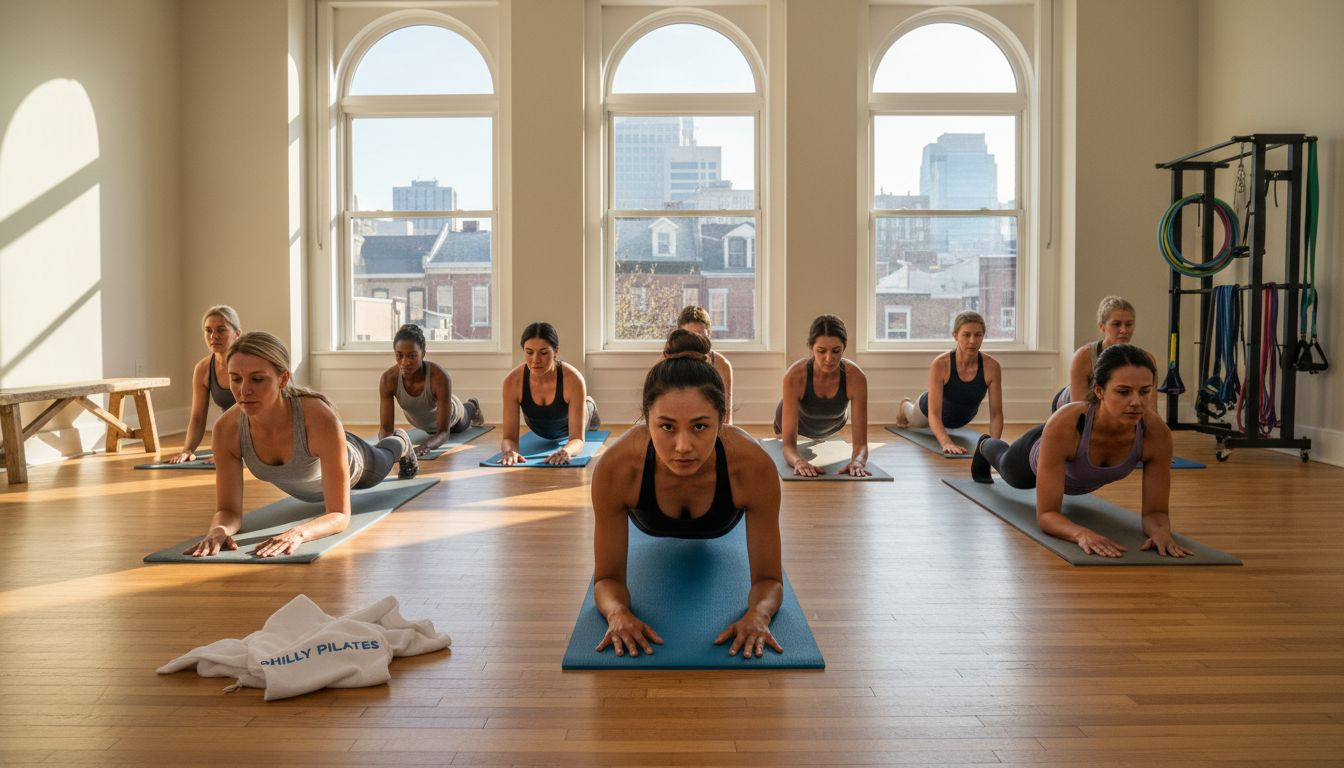
Choosing a Pilates studio in Philadelphia can feel overwhelming with so many boutique gyms spread across the city. Whether you crave intense reformer sessions or the precise challenge of mat Pilates, finding a studio that truly fits your schedule and goals is key to building lasting improvements in core strength and flexibility. By focusing on expert-led classes, personalized attention, and dedicated facilities, you can discover your ideal spot for real progress in your wellness journey. Boutique studios offer specialized options for every fitness level.

Table of Contents

Quick Summary

Key Point Explanation
1. Utilize Fitness Platforms Check ClassPass or other platforms for a curated list of pilates studios tailored to your preferences and schedule.
2. Verify Instructor Credentials Confirm that instructors have completed recognized certification programs to ensure quality and safety in your pilates practice.
3. Analyze Membership Options Compare different pricing structures and membership plans to find one that fits your budget and attendance habits best.
4. Visit Studios Physically Assess cleanliness, equipment quality, and the studio atmosphere in person to determine if it suits your personal training style.
5. Attend Trial Classes Participate in trial sessions to gauge your comfort level, teaching quality, and how well the workouts meet your fitness goals.

Step 1: Identify gyms in Philadelphia offering pilates classes

Finding the right pilates studio in Philadelphia starts with knowing where to look and what questions to ask. Your city has a vibrant wellness community with dozens of studios offering everything from mat pilates to intensive reformer classes. The good news is that you don't need to wander aimlessly. There's a straightforward approach to discovering studios that match your schedule, budget, and fitness level.

Start by checking dedicated fitness platforms that specialize in boutique classes. ClassPass maintains an updated list of pilates classes throughout Philadelphia, showcasing studios like Thrive Pilates, Lumos Yoga and Barre, and Urban Front Pilates. These platforms filter by neighborhood, class type, and skill level, so you can narrow down options based on whether you want full-body flow sessions, mind-body sculpt classes, or reformer-focused training. When you're browsing, pay attention to class descriptions and instructor qualifications. Studios emphasizing core strength, flexibility, and injury-friendly modifications tend to attract serious practitioners who know what they're doing.

Next, explore comprehensive local guides that dive deep into Philadelphia's pilates scene. Regional publications have published thorough breakdowns of reformer pilates studios in Philadelphia, highlighting facilities like Backbone, The Balance Room, and Brewerytown Pilates. These guides typically cover whether studios offer private sessions, semi-private training, or group classes, plus details about their equipment and instructors. The beauty of these resources is that they often include member reviews and feedback, giving you a realistic sense of what to expect before you walk through the door.

As you compile your list, visit the websites of studios that catch your eye. Look for specific details about their class schedules, introductory offers, and whether they offer beginner-friendly sessions or advanced options. Many Philadelphia studios provide a first class free or at a reduced rate, which is your chance to test the vibe and see if the instruction style resonates with you. Check if they specialize in classical pilates using traditional equipment or if they focus on contemporary mat pilates variations. Some studios cater specifically to injury recovery and rehabilitation, while others emphasize athletic performance and strength building.

Don't overlook what's literally in your neighborhood. Smaller, independent studios often deliver exceptional experiences with personalized attention that larger gyms can't match. You might discover a hidden gem just five minutes from your home or office, which means you're more likely to actually go to classes regularly.

Pro tip: Call or email studios directly and ask about their core strength focus areas and which classes are best for beginners, because online descriptions don't always capture whether a studio emphasizes the deep core work you're seeking or if they lean more toward flexibility and movement flow.

Step 2: Review pilates class types and instructor credentials

Now that you have a list of studios, the real work begins. Understanding what each studio offers and verifying that instructors actually know what they're doing separates the places worth your time from those that won't deliver results. You'll want to evaluate both the types of classes available and the credentials of the people teaching them. This step directly affects whether you'll see real progress in your core strength and overall fitness.

Start by familiarizing yourself with the main pilates formats you'll encounter. Mat pilates classes focus on bodyweight exercises performed on a floor, making them accessible and equipment-light but requiring serious core engagement. Reformer classes use specialized machines with springs and bars that add resistance and support, allowing for deeper muscle activation and modifications for different fitness levels. Some studios also offer apparatus-based pilates classes using equipment like Cadillac machines, chairs, and barrels for even more variety in your training. When you visit a studio's website or call, ask specifically which formats they specialize in. A studio that offers all three types gives you flexibility to switch things up and challenge your body in different ways. Pay attention to class descriptions that mention things like "classical pilates," "contemporary pilates," or "power pilates," since these indicate different teaching philosophies and intensity levels.

Here’s a look at the most common pilates class types and who they benefit:

Class Type Key Equipment Best For
Mat Pilates Mat only Beginners, core endurance
Reformer Pilates Reformer machine Strength, injury rehab
Apparatus Pilates Cadillac, barrel Advanced, variety seekers
Contemporary Pilates Mixed apparatus Creative routines, athletes

Instructor credentials matter enormously. Quality pilates instruction requires understanding anatomy, proper exercise progression, and how to modify movements for different bodies. Look for instructors who have completed comprehensive teacher certification programs covering mat, reformer, and other apparatus work. Organizations like BASI Pilates Academy offer university-level certification that ensures instructors understand theoretical knowledge, exercise application, and teaching methodology. When you contact studios, ask directly about their certification requirements. A reputable Philadelphia studio will proudly share where their instructors trained and what certifications they hold. Be cautious of studios that can't articulate their instructors' credentials or claim that "experience" alone qualifies someone to teach. Experience matters, but formal training in anatomy and teaching skills prevents injuries and ensures you're performing movements correctly.

During your first visit or initial conversation, observe or ask about teaching styles. Some instructors emphasize precise form and classical technique, while others focus on dynamic movement and creative sequencing. Neither is wrong, but they suit different learning preferences. Ask about their approach to beginners and whether they specialize in injury recovery, athletic performance, or general wellness. A studio that takes time to understand your specific goals and fitness history demonstrates the personalized attention that leads to actual results. You want instructors who see you as an individual, not just another person in the room.

Pro tip: During your first class, observe whether the instructor circulates the room, offers hands-on adjustments, and watches your form rather than just standing in front talking, since this level of engagement directly impacts how effectively you'll build core strength.

Step 3: Compare membership options and schedules

Once you've narrowed down your studio choices based on class types and instructor quality, it's time to look at the practical side. Membership structures vary wildly across Philadelphia pilates studios, and what works financially and logistically for someone else might be completely wrong for you. Your goal here is to find a pricing model that matches your commitment level and a schedule that actually fits your life.

Start by understanding the main membership categories most studios offer. Some studios sell class packs where you purchase a set number of sessions upfront, like 5 or 10 classes, good for people who aren't sure about long-term commitment. Others offer traditional monthly memberships with unlimited classes, which works best if you plan to attend several times per week. Many Philadelphia studios also provide drop-in rates for single classes, helpful when you're testing out a new place or traveling. Some facilities offer flexible subscription models that give you access to multiple studios across a network, meaning you're not locked into one location and can attend different studios depending on your schedule or if you want variety in your instructors and class styles. Private training options exist too, ranging from one-on-one sessions to semi-private duet classes, typically priced higher but offering personalized attention.

Compare membership structures to decide what fits your routine:

Pilates Membership Types
Membership Type Flexibility Ideal User
Class Packs Use anytime, no contract Irregular attendees
Unlimited Monthly Attend often, more value Multiple visits per week
Drop-in Classes Pay per visit, no commitment Travelers, trying new studios
Private Training Personalized schedule Rehab, personal goals

Beyond pricing structure, examine the actual class schedule. Pull up each studio's schedule online and be honest about your realistic attendance patterns. A studio with classes at times when you're actually available matters infinitely more than one with cheaper rates you'll never use because classes run when you're at work or picking up kids. Check whether they offer early morning classes for before-work sessions, lunch hour options if you work downtown Philadelphia, and evening classes for after work. Look at weekend availability too. Some studios pack their schedule with evening and weekend classes because that's when people actually show up. Others offer robust daytime classes catering to retirees and flexible workers. Count the number of different pilates class types offered each week. A studio with eight reformer classes but only two mat classes may not suit you if mat pilates is your preference. Also check their cancellation policy. Life happens. Can you skip class without losing your payment, or do you forfeit it? What's their policy on pausing membership if you travel or take a break?

Don't overlook additional perks that some studios bundle in. Many Philadelphia boutique studios include intro workshops for new members, free or discounted private consultations, access to online class libraries, or community events that add real value beyond the hourly class. Some offer membership plans with varying access levels allowing you to start with a basic package and upgrade later as your commitment grows. Ask about trial periods or introductory rates. Most reputable studios offer your first class free or at a heavily discounted rate specifically so you can experience their teaching style and community fit before committing money.

Pro tip: Compare the per-class cost across different membership options, not just the monthly price, and factor in how many classes you realistically attend per month, since an expensive unlimited membership is wasteful if you only go twice a month while a class pack might be perfect for your actual habits.

Step 4: Visit studios to assess facilities and atmosphere

You've done your research online, reviewed credentials, and compared pricing. Now comes the part that actually matters: walking through the door and experiencing each studio firsthand. No amount of website copy or online reviews can tell you whether a place feels right for you. This visit is where you'll discover whether the studio's vibe matches your personality and whether the physical space supports the kind of training you want to do.

When you arrive for your first class or studio tour, pay immediate attention to cleanliness and organization. Walk through the locker room and bathrooms. Are they spotless or dingy? Are there clean towels available? Can you store your belongings securely? Check whether the studio provides amenities that matter to you like grip socks, water stations, or yoga mats if you don't have your own. Look at the reformer machines and mat areas. Are they modern and well-maintained or showing visible wear and tear? Quality equipment makes a difference in how safely you can train and how effectively you can progress. A studio with outdated or poorly maintained machines signals that they're not reinvesting in the member experience. Observe the layout too. Is there adequate space between reformers so you're not practically shoulder-to-shoulder with someone else? Can the instructor actually see everyone in the room to provide feedback and corrections? Cramped studios make it harder to focus and increase injury risk because you can't move freely.

Beyond the physical space, tune into the atmosphere and community energy. Do people seem energized and happy when they arrive, or do they look like they're trudging through an obligation? Do students greet each other or chat before class, suggesting a real community, or is it mostly silent and transactional? Watch how the instructor interacts with members. Are they approachable and welcoming, or do they maintain distance? The best studio for building core strength and flexibility benefits is one where you feel safe asking questions and comfortable being a beginner. Listen to the music and ambient sound. Some studios play energizing upbeat music while others keep things calm and meditative. Neither is wrong, but your preference matters because you'll be spending time here regularly. Notice whether the temperature feels comfortable. Pilates studios that are too hot or too cold become unpleasant fast. Ask staff members questions during your visit. How do they treat you? Do they seem genuinely interested in helping you find the right fit, or are they just processing another potential customer? A studio that takes time to understand your goals and concerns demonstrates that member experience actually matters to them.

During your first actual class, notice how the instructor handles new people. Do they modify the introduction to explain things clearly? Do they offer alternatives for different fitness levels? Do they walk around and give hands-on adjustments or verbal cues when your form drifts? Boutique pilates facilities known for welcoming environments typically emphasize personal attention and supportive community. Pay attention to how you feel during and after the class. Are you sore in places you expected, or did something feel wrong? Did the instructor explain movements clearly enough that you understood what you were supposed to do? Would you want to come back, or does this place make you feel anxious or unwelcome?

Pro tip: Visit at least two different times of day or on different days of the week before committing to a membership, since a studio's atmosphere can shift dramatically between a packed evening class and a quieter morning session, and you want to experience the community you'll actually be joining.

Step 5: Verify pilates experience through trial classes

You've identified studios, reviewed credentials, compared pricing, and visited in person. Now it's time to actually test whether pilates works for you and whether a particular studio is the right fit long-term. Trial classes are your opportunity to move beyond theory and discover how your body responds to pilates training. This is where you confirm whether the investment of time and money makes sense before committing to a membership.

Approach your trial classes as a deliberate experiment. Pay attention to your physical response during and after each session. Are you feeling engaged and challenged, or bored? Do your muscles feel fatigued in the right way, or is something uncomfortable or painful? The distinction matters. Good pilates fatigue feels like your muscles worked hard. Pain that feels sharp or wrong signals a form issue or that the movement isn't appropriate for your current fitness level. Notice your breathing pattern during class. Quality pilates instruction emphasizes coordinating breath with movement to maximize core engagement. If the instructor never mentions breathing or you find yourself holding your breath, that's a red flag about the quality of instruction. Pay attention to how the instructor modifies movements. Can they scale exercises up or down? Do they offer alternatives, or do they just expect everyone to do the same thing? Research on pilates trial effectiveness shows that exposure to quality instruction and appropriate exercise modifications during initial sessions significantly impacts whether you'll see real strength and flexibility improvements.

Take mental notes about your post-class soreness and how your body feels over the next few days. Mild muscle soreness that appears within 24 hours and fades within a couple of days is normal and actually a sign that you challenged yourself appropriately. Intense soreness that lasts longer or sharp pain means something went wrong with form or progression. Your core should feel engaged but not strained. Over a series of trial classes, you should notice subtle changes. Maybe your posture feels straighter when you leave the studio. Perhaps movements that felt awkward in your first class feel more natural by your third or fourth visit. These small wins indicate that you're learning proper form and your body is adapting. Also notice your energy level. Pilates should leave you feeling energized and accomplished, not completely depleted or frustrated.

Beyond the physical aspects, assess whether the studio environment supports your continued attendance. Did you feel motivated by the instructor and other participants? Were people respectful and encouraging? Did the staff follow up with you after class or check in to see how you felt? Studios that invest in new member experience tend to have better retention and community. Consider taking at least three to five trial classes at a studio before deciding. Your first class is often disorienting because everything feels new and unfamiliar. By your third or fourth visit, you'll have a realistic sense of whether this place works for you. If you're sampling multiple Philadelphia studios, space out your trial classes across different weeks so you can accurately compare experiences without overlapping soreness or fatigue.

Think about whether you're ready to commit based on what you've learned. Pilates basics like building core strength require consistent practice over time to see meaningful results. If you've experienced good instruction and felt engaged during trial classes, that's a strong sign you've found a studio worth joining. If something felt off or you weren't sure, trust that instinct. You can always try a different studio instead of forcing yourself into a membership that doesn't feel right.

Pro tip: Keep a simple journal during your trial classes noting how your body felt, what was challenging, what clicked with you, and your overall impression, since memory becomes fuzzy after visiting multiple studios and this concrete record helps you make a confident final decision.

Elevate Your Core Strength with Expert Pilates at Amrita Yoga & Wellness

Discover the difference that personalized, instructor-led pilates classes can make after exploring what gyms in Philadelphia offer. If you found yourself struggling to identify studios with certified instructors who focus on deep core engagement and adaptable class formats you are not alone. Many wellness seekers want clear guidance, flexible schedules, and genuine community support to help them build lasting strength and flexibility safely.

At Amrita Yoga & Wellness, we understand these needs and go beyond the basics by offering accessible pilates classes tailored to all experience levels. Whether you prefer mat pilates or working with reformer equipment, our highly trained instructors focus on technique and breath coordination to optimize your results. Join us today to experience a welcoming space that prioritizes your individual goals and consistent progress. Explore class options, workshops, and more by visiting our landing page and take your first step toward a stronger, healthier center now.

Frequently Asked Questions

How can I find gyms that offer Pilates classes for core strength?

Start by checking fitness platforms and local guides that list Pilates studios in your area. Look for studios that provide detailed information about class types and instructor qualifications to ensure they align with your core strength goals.

What types of Pilates classes should I look for to improve core strength?

Focus on studios that offer Mat Pilates and Reformer Pilates classes, as these formats emphasize core engagement and muscle activation. Verify that the class descriptions highlight techniques for building core strength and flexibility.

What credentials should Pilates instructors have for core training?

Instructors should possess comprehensive certification in Pilates teaching, covering both Mat and Reformer training. Look for teachers who have completed programs recognized for anatomical training and exercise application to ensure a safe and effective experience.

How do Pilates trial classes help determine if a gym is right for me?

Trial classes allow you to experience the studio atmosphere and instructor quality firsthand. Use these sessions to assess how engaged you feel and whether the workouts effectively challenge your core strength.

What should I look for during a studio visit to assess their Pilates offerings?

Evaluate the cleanliness and organization of the studio, as well as the quality of equipment used in classes. Observe how the instructor interacts with participants, focusing on personalized attention and modifications offered for different skill levels.

How can I compare membership options for Pilates classes?

Look at membership structures like class packs, unlimited monthly passes, or drop-in rates to find what suits your fitness routine. Be sure to align the class frequency with your personal schedule, and check the cancellation policies to avoid losing payments.

Recommended

Infrared Yoga: Benefits for Stress Relief & Detox

Heather Rice

Long days in Philadelphia often leave you searching for deeper ways to manage stress and release toxins. Infrared yoga steps beyond traditional routines, using radiant heat technology that penetrates muscle tissue for a more comfortable and effective experience. This innovative practice is designed to support modern wellness by combining targeted detoxification and improved circulation. Discover how infrared yoga’s deep warming action can transform your approach to stress relief and leave you feeling rejuvenated from the inside out.

Table of Contents

Key Takeaways

Point Details
Infrared Yoga vs. Traditional Yoga Infrared yoga uses electromagnetic panels to deliver targeted heat, promoting deeper tissue warming and relaxation compared to traditional hot yoga’s ambient heating.
Health Benefits The practice leads to improved circulation, flexibility, and detoxification, making it accessible for various fitness levels.
Safety Considerations Individuals with certain health conditions should consult healthcare providers before participating, ensuring a safe practice.
Cost and Alternatives Infrared yoga classes generally cost more than traditional yoga; budget-conscious individuals might explore alternatives like home infrared devices or community classes.

Infrared Yoga Defined and Common Myths

Infrared yoga represents an innovative wellness practice that uses radiant heat technology to transform traditional yoga experiences. Unlike standard hot yoga studios, infrared yoga creates targeted heat through electromagnetic waves that directly warm practitioners' bodies rather than surrounding air.

The core difference between infrared and traditional hot yoga lies in heat delivery mechanisms. While conventional hot yoga relies on ambient air temperature, infrared yoga uses specialized panels that emit invisible light waves penetrating skin layers and muscle tissue. These electromagnetic waves trigger physiological responses including enhanced circulation, deeper tissue warming, and accelerated detoxification through increased perspiration.

Common myths surrounding infrared yoga often stem from misunderstandings about its scientific foundation. Contrary to popular belief, infrared heat is not a modern gimmick but a well-researched technology with roots dating back to NASA's wellness investigations in the 1960s. The heat operates at lower temperatures compared to traditional hot yoga, making the practice more comfortable and accessible for individuals with varying fitness levels.

Pro tip: Before your first infrared yoga class, hydrate extensively and wear lightweight, moisture-wicking clothing to maximize your body's natural detoxification process.

Types of Infrared Yoga and Studio Setup

Infrared yoga practices encompass multiple heat-based approaches designed to enhance physical and mental wellness. Far infrared heat variations offer distinct techniques for practitioners seeking targeted therapeutic benefits, with specialized studio setups enabling precise temperature and energy management.

Three primary types of infrared yoga exist: far infrared, near infrared, and mid infrared. Far infrared panels penetrate deepest into muscle tissues, providing comprehensive warmth that promotes circulation and flexibility. Near infrared technologies focus on surface-level healing, targeting skin and superficial muscle groups, while mid infrared wavelengths provide balanced penetration ideal for intermediate muscle recovery and metabolic stimulation.

Modern infrared yoga studios typically feature specialized heating panels strategically positioned around practice spaces. These panels create uniform heat distribution without the oppressive humidity associated with traditional hot yoga environments. Advanced studios often include temperature controls allowing precise adjustments between 100-125 degrees Fahrenheit, enabling instructors to customize experiences for different fitness levels and wellness goals.

Pro tip: Before attending an infrared yoga class, bring a lightweight towel and wear breathable, moisture-wicking clothing to maximize your comfort and heat absorption.

How Infrared Heat Enhances Practice

Infrared heat transforms yoga practice by creating unique physiological responses that traditional exercise methods cannot replicate. Muscle recovery mechanisms activate through deep tissue penetration, allowing practitioners to experience more profound stretching and healing potential.

The scientifically sophisticated heat technology works by triggering vasodilation, which expands blood vessels and increases circulation throughout the body. This process stimulates metabolic activity, supports immune function, and enables more efficient nutrient delivery to muscle groups. Unlike standard room heating, infrared wavelengths directly warm body tissues, creating a more targeted and therapeutic environmental experience that promotes deeper relaxation and physical adaptation.

Specifically, infrared heat mimics mild hyperthermia, a controlled elevation of internal body temperature that activates natural healing responses. By gently raising core temperature, the practice encourages enhanced detoxification through increased sweating, improved flexibility, and accelerated muscle recovery. Practitioners often report experiencing more profound stretches, reduced muscle tension, and an overall sense of physical and mental rejuvenation that extends beyond traditional yoga practices.

Pro tip: Stay thoroughly hydrated before and after your infrared yoga session to maximize detoxification benefits and support your body's natural healing processes.

Comparing Infrared Yoga vs. Hot Yoga

Both infrared and hot yoga offer transformative wellness experiences, but their fundamental approaches to heat and body conditioning differ significantly. Heating methods distinguish these practices dramatically, with each technique providing unique physiological benefits and sensory experiences for practitioners.

Traditional hot yoga typically operates at temperatures between 90-105 degrees Fahrenheit with high humidity levels, creating an intense and often challenging environmental condition. In contrast, infrared yoga utilizes specialized panels that emit radiant heat directly into body tissues, maintaining a lower ambient temperature and significantly reduced humidity. This key difference means infrared yoga practitioners experience gentler heat penetration, more comfortable breathing conditions, and potentially deeper muscle relaxation without the oppressive atmosphere associated with traditional hot yoga studios.

The thermal dynamics of each practice impact practitioners differently. Hot yoga's high-temperature, high-humidity environment primarily warms the air surrounding participants, causing intense sweating and potential cardiovascular stress. Infrared yoga, however, uses electromagnetic waves that penetrate directly into muscle tissues, promoting more targeted physiological responses. This direct heating mechanism allows for more efficient circulation improvement, metabolic stimulation, and detoxification processes with less physical strain on the body.

Here's a comparison of infrared yoga and traditional hot yoga environments and benefits:

Infrared Yoga vs Traditional Hot Yoga
Aspect Infrared Yoga Traditional Hot Yoga
Heat Source Electromagnetic panels Ambient room heaters
Room Temperature 100–125°F, low humidity 90–105°F, high humidity
Humidity Level Minimal High
Physiological Impact Deep tissue warming, less strain Surface-level sweating, more strain
Breathability Comfortable, easier to breathe Challenging, dense air
Target Audience Accessible for most fitness levels Best for those used to heat

Pro tip: Consider trying both yoga styles to understand how different heat technologies affect your personal practice and comfort level.

Risks, Safety Tips, and Who Should Avoid

Infrared yoga, while generally safe, requires careful consideration of individual health conditions and personal physical limitations. Potential health risks demand thoughtful preparation and understanding before participating in any heat-based yoga practice.

Certain populations should exercise extreme caution or completely avoid infrared yoga. Individuals with cardiovascular conditions, uncontrolled hypertension, diabetes, or heat intolerance should consult their healthcare provider before attempting this practice. Pregnant women, people with recent surgical histories, and those with skin conditions that might be exacerbated by heat exposure should similarly seek medical guidance. Specific contraindications include active infections, fever, open wounds, and implanted medical devices that could be sensitive to electromagnetic radiation.

Safety during infrared yoga hinges on mindful personal awareness and proactive health management. Practitioners should start with shorter sessions, maintain excellent hydration, and listen carefully to their body's signals. Recommended precautions include arriving well-hydrated, bringing electrolyte-rich fluids, wearing lightweight breathable clothing, and positioning yourself near studio exits or cooling areas. Monitoring personal heat tolerance, taking breaks when necessary, and avoiding competitive or overexertion mindsets are crucial strategies for safely experiencing infrared yoga's potential benefits.

Below is a summary of the main risks and safety recommendations for infrared yoga participan

Safety Considerations
Consideration Who Should Take Precaution Recommended Action
Cardiovascular Issues Heart disease, hypertension Get physician approval before attending
Pregnancy Expectant mothers Consult OB-GYN before participation
Heat Sensitivity Anyone with heat intolerance Start with short sessions, monitor response
Dehydration Risk All practitioners Drink plenty of water, use electrolytes
Medical Devices Those with implants Verify safety with healthcare professional

Pro tip: Always inform your instructor about any pre-existing health conditions and be prepared to modify or exit the practice if you feel uncomfortable.

Real Costs and Alternatives to Infrared Yoga

Infrared yoga represents a specialized wellness practice with unique pricing considerations that reflect its advanced technological infrastructure. Specialized equipment significantly impacts class pricing with costs typically ranging from 25-50% higher than traditional yoga classes due to expensive infrared heating panels and advanced studio ventilation systems.

Multiple alternatives exist for individuals seeking similar wellness benefits at different price points. Traditional hot yoga classes offer comparable heat-based experiences at lower costs, while home practitioners can explore personal infrared heating devices or combine regular yoga practice with infrared sauna sessions. Budget-conscious wellness enthusiasts might consider hybrid approaches like purchasing portable infrared heating elements or participating in community center classes that incorporate heat therapy techniques.

Cost comparisons reveal significant variations across different yoga formats. Single infrared yoga classes often range from $20-$35, monthly unlimited memberships spanning $150-$250, and specialized workshops potentially reaching $75-$150 per session. By contrast, standard yoga classes typically cost $15-$25 per session and $100-$200 for monthly memberships, making infrared yoga a premium wellness investment that requires careful financial consideration and personal health prioritization.

Pro tip: Request trial classes or introductory packages to experience infrared yoga's unique benefits without significant financial commitment.

Experience Deep Stress Relief and Detox with Infrared Yoga at Amrita Yoga & Wellness

Infrared Yoga offers a powerful way to enhance your physical and mental well-being by using targeted radiant heat to promote detoxification, improved circulation, and tension release. If you are seeking a practice that supports natural detox through mild hyperthermia while easing muscle recovery and stress, our studio in Philadelphia provides expertly guided classes suitable for all fitness levels. Embrace this comfortable, low-humidity heat yoga technique designed to deepen your relaxation and rejuvenation experience.

Discover how Infrared Yoga can transform your wellness journey by joining our diverse class offerings that include hot yoga, pilates, and massage therapy. Start today by visiting Amrita Yoga & Wellness to explore class schedules and workshops crafted to support your unique health goals. Take a confident step toward enhanced vitality and lasting calm by signing up now and immersing yourself in a welcoming community focused on holistic self-care.

Frequently Asked Questions

What are the benefits of infrared yoga for stress relief?

Infrared yoga promotes relaxation by using radiant heat, which helps to reduce muscle tension and enhances overall well-being. The warmth encourages deeper stretching and can lead to a more calming experience, making it effective for stress relief.

How does infrared heat aid in detoxification?

Infrared heat stimulates sweating by directly warming the body, which promotes detoxification through increased perspiration. This process helps to eliminate toxins from the body more effectively than traditional yoga.

Is infrared yoga suitable for beginners?

Yes, infrared yoga is generally accessible for beginners due to its lower ambient temperatures compared to traditional hot yoga. The gentle heat allows for comfortable practice, making it an ideal choice for individuals new to yoga or those with varying fitness levels.

Are there any risks associated with infrared yoga?

While infrared yoga is safe for most people, individuals with certain medical conditions, such as cardiovascular issues or pregnancy, should consult a healthcare provider before participating. It's essential to listen to your body and ensure proper hydration during sessions.

Recommended

Inclusive Yoga Explained: Benefits for Every Body

Heather Rice

Stepping into a yoga studio can feel intimidating when typical classes emphasize perfect poses and uniform bodies. Many people in Philadelphia discover that traditional yoga often overlooks individual differences and accessibility needs. Inclusive yoga practices center on personalized movement and compassionate self-exploration, so every ability and body type is accepted. Whether you are new to yoga or looking for holistic support, discover how community-oriented studios in Philadelphia welcome diversity and nurture true well-being.

Table of Contents

Key Takeaways

Point Details
Inclusive Yoga Focuses on Individual Needs This practice prioritizes accessibility and personal wellness, recognizing the unique abilities of each participant.
Diverse Class Types Are Available Various classes, such as Chair Yoga and Therapeutic Yoga, cater to different physical abilities and health conditions.
Communication is Key Open dialogue with instructors about specific needs enhances the yoga experience and promotes a supportive environment.
Community Benefits Are Significant Inclusive yoga fosters emotional resilience and social connections, creating a shared journey of healing and personal growth.

What Is Inclusive Yoga Practice

Inclusive yoga represents a profound reimagining of traditional yoga practice that centers on accessibility, respect, and personalized wellness. Unlike conventional approaches that demand rigid physical conformity, this philosophy recognizes that every body possesses unique capabilities, limitations, and healing potential. Yoga practices rooted in inclusivity transform mat experiences from competitive performance to compassionate self-exploration.

At its core, inclusive yoga dismantles barriers by offering adaptive techniques that welcome practitioners across diverse physical abilities, age ranges, body types, and mobility levels. This approach might involve modifying standard poses, using supportive props like blocks or chairs, providing alternative movement options, or creating environments where participants feel genuinely respected. Instructors trained in inclusive methodologies understand that yoga is not about achieving perfect postures but about creating meaningful connections between breath, movement, and individual experience.

The fundamental principles of inclusive yoga extend beyond physical adaptations to embrace emotional and spiritual dimensions. By removing judgment and emphasizing personal growth, these practices create spaces where individuals can explore their physical potential without shame or comparison. Whether someone is managing chronic pain, recovering from injury, navigating neurodiversity, or simply seeking gentle movement, inclusive yoga offers a pathway to holistic wellness that honors individual journeys.

Pro Tip: When exploring inclusive yoga, communicate openly with instructors about your specific needs and comfort levels to ensure a supportive and personalized practice.

Types of Inclusive Yoga Classes

Inclusive yoga offers a diverse range of class types designed to accommodate practitioners with varying physical abilities, health conditions, and personal wellness goals. Adaptive yoga techniques have revolutionized traditional practice by creating multiple entry points for participation across different fitness levels and mobility ranges.

Some primary types of inclusive yoga classes include:

  • Chair Yoga: Perfect for individuals with limited mobility, using a chair for support and modifications

  • Gentle Yoga: Slow-paced classes focusing on minimal physical strain and maximum mindfulness

  • Restorative Yoga: Emphasizing relaxation and healing through extended pose holds and supportive props

  • Therapeutic Yoga: Specifically designed for managing chronic conditions, injury recovery, and specialized health needs

  • Accessible Hatha: Traditional yoga principles adapted with extensive modifications and individualized support

Yoga Alliance-recognized instructorsare trained to create welcoming environments that prioritize individual comfort and personal growth. These professionals understand that inclusivity means more than physical adaptations—it involves creating emotionally safe spaces where every participant feels valued and empowered to explore their practice at their own pace.

The goal of these diverse class types is not about achieving perfect poses, but about providing meaningful movement experiences that respect individual limitations and celebrate unique body capabilities. By offering multiple entry points and personalized approaches, inclusive yoga transforms traditional practice into a truly universal wellness journey.

Pro Tip: Before attending a new inclusive yoga class, contact the instructor to discuss your specific needs and confirm the class's adaptation strategies.

Here's a comparison of key inclusive yoga class types and their primary benefits:

Yoga Class Types
Class Type Designed For Core Focus
Chair Yoga Limited mobility practitioners Stability and gentle movement
Gentle Yoga Beginners or sensitive bodies Stress relief and mindfulness
Restorative Yoga Stress or pain management Deep relaxation and healing
Therapeutic Yoga Chronic conditions or injury Personalized wellness plans
Accessible Hatha All body types Traditional practice with adaptations

Accessibility Features and Adaptations

Accessibility in yoga goes far beyond simple physical modifications, representing a comprehensive approach to creating welcoming spaces that honor individual needs and experiences. Inclusive design principles transform yoga practice into a flexible, personalized journey that empowers practitioners to customize their experience.

Key accessibility features in inclusive yoga classes typically include:

  • Adaptive Props: Blocks, straps, chairs, bolsters, and wall supports

  • Environmental Modifications: Adjustable lighting, temperature controls, and noise management

  • Communication Strategies: Visual demonstrations, verbal descriptions, and hands-off guidance

  • Space Considerations: Wide pathways, accessible entrances, and comfortable floor surfaces

  • Sensory Accommodations: Options for reducing visual/auditory stimulation

Practitioners with diverse needs benefit from these thoughtful adaptations, which transform yoga from a potentially intimidating practice to a welcoming, individualized experience. Whether managing chronic pain, navigating mobility challenges, or addressing sensory sensitivities, inclusive yoga creates multiple pathways for participation.

The ultimate goal of these accessibility features is to remove barriers and create an environment where every individual feels empowered to explore movement, breathwork, and mindfulness on their own terms. By prioritizing personal agency and respecting individual differences, inclusive yoga redefines wellness as a deeply personal and adaptable journey.

Pro Tip: Always communicate your specific needs and comfort levels with your yoga instructor before class to ensure the most supportive and personalized experience.

Community Benefits and Personal Growth

Inclusive yoga transcends individual practice, emerging as a powerful vehicle for community wellness and personal transformation. By creating supportive environments that welcome diverse experiences, yoga practice becomes a profound journey of connection, healing, and mutual understanding.

The community benefits of inclusive yoga extend far beyond physical movement, offering critical psychological and social advantages:

  • Emotional Resilience: Developing shared coping strategies

  • Social Connection: Breaking isolation through collective experience

  • Mutual Support: Creating spaces of non-judgmental acceptance

  • Skill Sharing: Exchanging adaptive techniques and personal insights

  • Empowerment: Celebrating individual strengths and unique abilities

Neurodiverse populations particularly benefitfrom these inclusive environments, which provide structured yet flexible spaces for exploration and growth. Such classes offer more than exercise—they represent microcosms of understanding, where differences are not just tolerated but genuinely celebrated.

Ultimately, inclusive yoga community practices remind us that personal growth is not a solitary journey, but a collective experience of mutual support, learning, and transformation. By honoring each individual's path while simultaneously weaving connections between practitioners, these spaces become powerful catalysts for holistic wellness.

Pro Tip: Approach your yoga community with curiosity and openness, recognizing that every person's journey contributes to the collective healing experience.

Common Mistakes and How to Avoid Them

Inclusive teaching strategiesreveal that most mistakes in yoga practice stem from a lack of understanding about individual diversity and adaptive learning. Recognizing these pitfalls is the first step toward creating truly welcoming and supportive yoga experiences.

Common mistakes practitioners and instructors often encounter include:

  • Forcing Uniform Postures: Assuming all bodies move identically

  • Ignoring Individual Limitations: Pushing students beyond comfortable boundaries

  • Inadequate Communication: Failing to provide clear, alternative instructions

  • Lack of Prop Awareness: Not offering or demonstrating adaptive equipment

  • Judgment-Based Environment: Creating spaces that feel competitive or exclusionary

Inclusive pedagogy approachesemphasize that avoiding these mistakes requires intentional, compassionate instruction. This means developing keen observation skills, remaining flexible in teaching methods, and continuously learning about diverse student needs. Successful inclusive yoga instructors view modifications not as compromises, but as creative opportunities for personalized movement.

Ultimately, transforming potential mistakes into learning opportunities demands ongoing education, self-reflection, and a genuine commitment to creating spaces where every individual feels respected, supported, and empowered to explore their unique wellness journey.

Pro Tip: Always approach your yoga practice with curiosity and self-compassion, remembering that adaptation is a strength, not a weakness.

This summary shows how common inclusive yoga mistakes can be addressed for more effective teaching and practice:

Common Mistakes and Alternatives
Common Mistake Positive Alternative Impact on Students
Forcing uniform postures Encourage pose variation Increases confidence and safety
Ignoring limitations Invite open feedback Builds trust and participation
Inadequate communication Use multi-sensory instruction Enhances clarity and comfort
Lack of prop awareness Demonstrate adaptive equipment Supports diverse body needs
Judgment-based environment Foster non-competitive mindset Promotes inclusivity and growth

Embrace Yoga That Welcomes Every Body at Amrita Yoga & Wellness

Experiencing the challenges of traditional yoga that expects uniform postures or overlooks individual needs can make wellness feel out of reach. This article highlights how inclusive yoga transforms practice by honoring unique abilities, adapting poses, and fostering compassionate self-exploration. If you seek a supportive environment that prioritizes your comfort and respects your personal journey toward physical, emotional, and spiritual growth, you are not alone.

Discover how Amrita Yoga & Wellness in Philadelphia offers an extensive range of classes designed with inclusivity at the core. From gentle and restorative practices to adaptive techniques that welcome all mobility levels, our studio nurtures a non-judgmental space where you can build confidence safely. Feel empowered to explore yoga on your terms by joining a community that celebrates diversity and personal progress. Take your next step today by visiting Our Classes and Workshops and reserving your spot. Begin your inclusive wellness journey now at https://amritayogawellness.com.

Frequently Asked Questions

What is inclusive yoga?

Inclusive yoga is a practice that emphasizes accessibility and personalized wellness, recognizing that each individual has unique capabilities and limitations. It focuses on creating a supportive environment where everyone can explore their physical potential without judgment or comparison.

What types of classes are available in inclusive yoga?

Inclusive yoga offers various classes, including Chair Yoga for limited mobility, Gentle Yoga for beginners, Restorative Yoga for relaxation, Therapeutic Yoga for chronic conditions, and Accessible Hatha, which adapts traditional poses to meet individual needs.

How do accessibility features improve the inclusive yoga experience?

Accessibility features in inclusive yoga classes, such as adaptive props, environmental modifications, and clear communication strategies, create a welcoming atmosphere that empowers individuals. These adaptations help remove barriers, encouraging all participants to engage comfortably in their practice.

What are the community benefits of practicing inclusive yoga?

Inclusive yoga fosters emotional resilience, social connection, and mutual support among practitioners. It creates a space for shared experiences that celebrate individual strengths and unique abilities, enhancing overall community wellness and personal growth.

Recommended

What Is Chair Yoga? Gentle Mobility and Less Stress

Heather Rice

Many older adults in Philadelphia want to stay active but find it challenging to join traditional exercise classes. Chair yoga offers a gentle path to better mobility, flexibility, and reduced stress without demanding floor movements or extreme stretching. By modifying classic yoga poses with the support of a chair, this practice makes yoga accessible to people with limited mobility or balance concerns while promoting overall wellness and peace of mind.

Table of Contents

Key Takeaways

Point Details
Inclusive Practice Chair yoga makes yoga accessible to individuals with limited mobility or chronic health conditions by modifying poses for seated practice.
Diverse Styles Different styles, such as Gentle, Active, and Specialized Chair Yoga, cater to various fitness levels and health needs.
Health Benefits Chair yoga enhances physical strength, flexibility, and mental well-being through gentle movement and mindfulness.
Safety Guidelines Practitioners should use a stable chair, consult healthcare providers, and listen to their bodies to ensure safe practice.

Chair Yoga Basics and Common Misconceptions

Chair yoga represents an inclusive, adaptive approach to yoga practice that challenges traditional misconceptions about physical fitness and flexibility. Unlike standard yoga classes, chair yoga allows individuals with limited mobility or balance challenges to experience the profound benefits of mindful movement and breath work. Accessible yoga practices demonstrate that physical wellness is not confined to extreme flexibility or complex pose sequences.

The fundamental concept behind chair yoga involves modifying traditional yoga poses to be performed while seated, using the chair as a supportive prop. This approach makes yoga accessible to seniors, individuals recovering from injuries, people with disabilities, and those managing chronic health conditions. Participants can experience improved strength, enhanced flexibility, reduced stress, and better overall body awareness without requiring complex floor-based movements.

Common misconceptions about chair yoga often stem from outdated perceptions of yoga as an exclusively athletic or highly flexible practice. Many people believe yoga requires extreme contortion or perfect physical condition, but chair yoga proves these assumptions incorrect. The practice adapts poses to individual capabilities, focusing on gentle stretching, mindful breathing, and maintaining physical comfort. Participants can engage muscle groups, improve circulation, and practice meditation techniques while remaining comfortably seated.

Pro Tip: Start your chair yoga practice by focusing on gentle breathing techniques and simple seated stretches, allowing your body to gradually build strength and flexibility without overwhelming yourself.

Types of Chair Yoga and Main Differences

Chair yoga encompasses several distinct styles, each designed to meet different fitness levels and health objectives. Yoga practice variations range from gentle rehabilitative sessions to more dynamic strength-building approaches. The primary distinction lies in how extensively the chair is used for support and the specific goals of each practice style.

The first category includes Gentle Chair Yoga, which focuses on slow, deliberate movements and breathwork. This style is particularly beneficial for seniors, individuals with limited mobility, or those recovering from injuries. Participants remain seated throughout the session, performing mild stretches and meditation techniques that improve flexibility and reduce stress. In contrast, Active Chair Yoga incorporates more dynamic movements, including standing poses with chair support, gentle twists, and strengthening exercises that engage multiple muscle groups.

Specialized Chair Yoga styles further differentiate the practice based on specific health needs. Senior-focused chair yoga approaches often emphasize rehabilitation and gentle movement, while therapeutic variations might target specific conditions like arthritis, chronic pain, or limited range of motion. Some classes integrate mindfulness meditation, while others prioritize physical conditioning, allowing participants to choose a style that best matches their personal wellness goals.

Pro Tip: Consult with a certified yoga instructor to identify the chair yoga style that aligns most closely with your current fitness level and health objectives.

Here's a comparison of popular chair yoga styles:

Chair Yoga Styles
Style Who It Suits Best Movement Type Main Wellness Focus
Gentle Chair Yoga Seniors, injury recovery Slow, seated stretches Stress relief, flexibility
Active Chair Yoga Adults, fitness seekers Dynamic, standing poses Strength, core engagement
Specialized Chair Yoga Chronic pain, arthritis Tailored, therapeutic Condition management

Physical and Mental Health Benefits

Chair yoga offers a comprehensive approach to wellness that addresses both physical and mental health challenges. Holistic health benefits extend far beyond traditional exercise, providing participants with a gentle yet powerful method of improving overall well-being. The practice uniquely combines physical movements with mindful breathing and meditation techniques, making it an ideal option for individuals seeking low-impact fitness and stress management.

Physically, chair yoga delivers significant improvements in muscle strength, flexibility, and joint mobility. Participants experience enhanced balance, reduced chronic pain, and increased range of motion, particularly beneficial for seniors or individuals managing conditions like arthritis. The controlled movements help strengthen core muscles, improve posture, and promote better circulation without putting excessive strain on joints or requiring complex physical maneuvers. Yoga's therapeutic potential extends to managing specific health challenges, including low-back pain, reduced cardiovascular stress, and improved respiratory function.

Mental health benefits are equally profound, with chair yoga providing powerful stress reduction and emotional regulation strategies. Regular practice helps practitioners develop mindfulness skills, reduce anxiety, and improve overall mood. The meditative aspects of chair yoga promote emotional resilience, enhance sleep quality, and create a sense of inner calm. By combining gentle physical movement with focused breathing and meditation, participants can effectively manage stress, boost mental clarity, and develop a more balanced emotional state.

Pro Tip: Begin your chair yoga journey with short, consistent sessions and focus on breathing techniques to gradually build physical and mental endurance.

How Chair Yoga Works in Daily Life

Chair yoga seamlessly integrates into everyday routines, transforming ordinary moments into opportunities for mindful movement and stress reduction. Senior wellness practices demonstrate how simple seated movements can dramatically improve physical and mental well-being. Whether at home, in an office, or during leisure time, practitioners can perform subtle stretches, breathing exercises, and mindfulness techniques without disrupting their daily schedules.

The core principle of chair yoga involves making physical activity accessible and adaptable to individual needs and environments. During work breaks, participants can perform seated twists to release tension, practice deep breathing to manage stress, or engage core muscles through gentle movements. At home, individuals can incorporate chair yoga while watching television, reading, or during sedentary activities, transforming previously inactive time into opportunities for gentle physical and mental engagement. Holistic movement strategies enable people to maintain body awareness and promote circulation without requiring significant time commitments or specialized equipment.

Practitioners can easily modify chair yoga techniques to suit specific daily contexts. Office workers can perform subtle shoulder rolls and neck stretches to counteract prolonged sitting, while seniors can use chair-based movements to maintain flexibility and prevent muscle stiffness. The practice's versatility allows individuals to address physical discomfort, reduce stress, and improve overall mobility without major lifestyle interruptions. By breaking down traditional exercise barriers, chair yoga empowers people to prioritize their health through small, consistent actions integrated naturally into daily life.

Pro Tip: Keep a comfortable chair in a easily accessible space and commit to just 5-10 minutes of chair yoga daily to build a consistent, sustainable wellness practice.

Essential Safety Tips and Common Risks

Safe chair yoga practices require careful preparation and mindful execution to prevent potential injuries. Participants must understand that while chair yoga is generally low-impact, individual health conditions and physical limitations can create unique challenges. Before beginning any practice, consulting a healthcare provider is crucial to assess personal fitness levels and identify any potential contraindications or necessary modifications.

Potential risks in chair yoga include muscle strain, balance challenges, and unexpected physical discomfort. Practitioners should select a sturdy, stable chair without wheels, positioned on a level surface to minimize fall risks. Proper technique involves maintaining good posture, moving slowly and deliberately, and listening to body signals. Exercise safety strategies recommend wearing non-slip footwear, using supportive clothing that allows free movement, and stopping immediately if experiencing pain, dizziness, or excessive fatigue.

Some specific safety considerations include managing pre-existing health conditions, understanding personal physical limitations, and creating a safe practice environment. Individuals with cardiovascular issues, recent surgeries, severe balance disorders, or chronic pain should work closely with healthcare professionals to develop personalized chair yoga approaches. Instructors should always be informed about participants' medical histories and be prepared to offer individualized modifications that ensure safe, comfortable practice.

Pro Tip: Always keep a sturdy support nearby and start each chair yoga session with a thorough body assessment to identify any areas of potential discomfort or limitation.

For quick reference, here are key safety tips for chair yoga:

Chair Yoga Safety Tips
Safety Tip Purpose Who Needs It Most
Use stable, armless chair Prevent tipping or falls All participants
Wear non-slip footwear Reduce risk of slipping Seniors, mobility concerns
Consult healthcare provider Identify health limitations People with health conditions

Experience Gentle Mobility and Stress Relief with Chair Yoga at Amrita Yoga & Wellness

If you are searching for a safe and accessible way to improve flexibility, build strength, and reduce stress without intense physical strain chair yoga can be the perfect solution. This practice meets you where you are by offering gentle seated movements that enhance mobility and calm the mind. At Amrita Yoga & Wellness, we understand the importance of adapting wellness routines to fit your individual needs and physical abilities. Whether you are recovering from an injury managing chronic pain or simply looking for a mindful way to move our chair yoga classes support your goals with expert guidance and a welcoming community.

Discover how incorporating chair yoga into your daily life can help you manage pain increase circulation and develop lasting emotional resilience. Join our diverse wellness offerings that include yoga pilates barre tai chi and massage therapy all designed to nurture your body and spirit. Take the next step to prioritize your well-being by exploring our class schedules and upcoming workshops at Amrita Yoga & Wellness. Start your journey today and feel the difference that thoughtful movement and mindful breath can make.

Frequently Asked Questions

What is chair yoga?

Chair yoga is an adaptive form of yoga that allows individuals with limited mobility or balance challenges to perform yoga poses while seated, using a chair for support. It focuses on gentle stretching, mindful breathing, and maintaining physical comfort.

Who can benefit from chair yoga?

Chair yoga benefits a wide range of individuals, including seniors, those recovering from injuries, people with disabilities, and anyone managing chronic health conditions. It promotes physical wellness without requiring extreme flexibility or complex poses.

What are the main styles of chair yoga?

The main styles of chair yoga include Gentle Chair Yoga, which focuses on slow, seated stretches, and Active Chair Yoga, which incorporates dynamic movements and standing poses with chair support. Specialized Chair Yoga targets specific health needs like arthritis or chronic pain.

How can chair yoga improve my health?

Chair yoga can improve physical health by enhancing muscle strength, flexibility, and joint mobility. It also provides mental health benefits by reducing stress, improving mood, and promoting mindfulness, helping practitioners achieve overall well-being.

Recommended

7 Expert Tips for Choosing the Best Yoga Mat Online

Heather Rice

Finding the perfect yoga mat can feel overwhelming with so many choices available. Whether you are a beginner or an experienced practitioner, picking the wrong mat can lead to discomfort, instability, or even injury during your sessions. Your mat should support your body, match your practice style, and align with your personal values.

The right yoga mat does much more than cushion your pose. It creates a safe space, offers reliable grip, and can even reflect your commitment to eco friendly living. You will learn actionable steps for choosing a mat based on yoga style, material safety, comfort, and durability. Each insight will help you avoid common mistakes and make confident decisions for your physical practice and wellness journey.

Get ready to uncover practical ways to select a mat that fits your needs, keeps you safe, and supports both your body and your yoga goals.

Table of Contents

Quick Summary

Takeaway Explanation
1. Match Your Mat to Your Yoga Style Choose a mat that aligns with your specific yoga practice, considering both intensity and grip needs.
2. Assess Mat Thickness for Support Select mat thickness based on joint protection requirements and practice type for enhanced stability.
3. Choose Eco-Friendly Materials Opt for mats made of natural materials for sustainability and better environmental impact.
4. Ensure Non-Slip and Durable Surfaces Pick mats with reliable grip and durability to support safety during various yoga poses.
5. Align Mat Choice with Wellness Goals Select a mat that reflects your personal health objectives, whether for physical recovery or meditation.

1. Determine Your Yoga Style and Mat Needs

Choosing the right yoga mat begins with understanding your specific yoga practice. Just like athletes select specialized equipment, yoga practitioners need a mat tailored to their unique style and physical requirements.

Every yoga style demands different mat characteristics. Gentle practices like Yin or Restorative Yoga require thicker, more cushioned mats for comfort during prolonged floor poses. In contrast, dynamic styles such as Vinyasa or Power Yoga need mats with superior grip and minimal cushioning to support quick transitions and balance.

Understanding the nuances of yoga styles helps choose appropriate mats that complement your practice. For instance, hot yoga practitioners need mats with excellent sweat absorption and non slip surfaces, while meditation focused practitioners might prioritize extra padding and thermal insulation.

Consider these key factors when matching your mat to your practice:

Physical Intensity Needs • High energy styles (Ashtanga, Power Yoga): Thin, firm mats • Gentle practices (Yin, Restorative): Thick, soft mats • Balanced practices (Hatha, Vinyasa): Medium thickness mats

Grip Requirements • Sweaty practices: Textured, non slip surface • Static poses: Smoother surface with moderate traction • Balance focused styles: Extra grip zones

Reflect on your personal yoga journey. Are you a beginner exploring different styles or an experienced practitioner with a specific routine? Your mat should evolve with your practice, supporting your physical and spiritual growth.

Pro tip: Try visiting a local yoga studio to test different mat types and get personalized recommendations based on your specific practice style.

2. Compare Mat Thickness for Comfort and Stability

Yoga mat thickness is more than just a comfort feature it is a critical performance factor that impacts your entire practice. Your mat's thickness directly influences your stability, joint protection, and overall yoga experience.

Mat thickness ranges typically fall into three primary categories standard (1/8 inch), thick (1/4 inch), and extra thick (1/2 inch). Each thickness level serves different physical needs and practice styles.

Thickness Categories and Their Benefits

Standard Thickness (1/8 inch) • Ideal for balance focused practices • Provides excellent stability for standing poses • Lightweight and portable • Best for experienced practitioners

Medium Thickness (1/4 inch) • Balanced support for joints • Suitable for most yoga styles • Offers moderate cushioning • Recommended for general practice

Extra Thick (1/2 inch) • Maximum joint protection • Perfect for restorative and gentle practices • Recommended for practitioners with sensitive knees • Provides significant padding during floor poses

Consider your personal physical needs when selecting mat thickness. Younger practitioners with strong joints might prefer thinner mats that enhance balance. Those with joint sensitivities or recovering from injuries should opt for thicker mats that provide more cushioning.

Body weight also plays a significant role in mat selection. Heavier practitioners benefit from thicker mats that distribute weight more evenly and prevent uncomfortable sinking during poses.

Pro tip: Always test yoga mats in person when possible to understand how different thicknesses feel during your specific practice style.

3. Understand Mat Materials and Eco-Friendliness

Your yoga mat is more than just a workout accessory it is a personal statement about your commitment to health and environmental consciousness. Understanding the materials used in yoga mats can help you make an informed choice that aligns with your physical practice and ecological values.

Yoga mat materials range from synthetic to naturaloptions, each with unique characteristics that impact performance, durability, and environmental sustainability.

Material Categories

Synthetic Materials • PVC (Polyvinyl Chloride) • Thermoplastic Elastomer (TPE) • Pros: Affordable, lightweight • Cons: Not biodegradable, potential chemical additives

Natural Materials • Natural Rubber • Cork • Organic Cotton • Jute • Pros: Biodegradable, sustainable • Cons: Sometimes more expensive

Eco Friendly Considerations

Performance Factors • Grip quality • Durability • Cushioning • Environmental impact

Environmentally conscious practitioners should prioritize mats made from natural rubber, cork, or organic materials. These options not only provide excellent performance but also minimize negative environmental consequences.

Consider your personal priorities. Are you seeking maximum sustainability? Prioritize natural rubber or cork mats. Need budget friendly options? Synthetic mats might work better. Some practitioners even choose hybrid mats that blend synthetic and natural materials for balanced performance.

Pro tip: Check mat labels for specific sustainability certifications and avoid materials containing harmful chemicals like PVC and phthalates.

4. Check for Non-Slip and Durable Surfaces

Safety and longevity are paramount when selecting a yoga mat. A high quality mat provides reliable grip and withstands repeated use across diverse practice styles and environmental conditions.

Non-slip surfaces prevent potential injuries during challenging poses and dynamic movements. Your mat's surface texture directly impacts your ability to maintain stability and focus during practice.

Surface Performance Factors

Grip Characteristics • Textured surfaces • Raised patterns • Moisture wicking abilities • Material specific traction

Durability Indicators • Resistance to wear • Ability to maintain grip when sweating • Quality of material construction • Resilience to repeated use

Surface Texture Analysis

Smooth Surfaces • Best for gentle practices • Limited traction • Ideal for controlled movements

Textured Surfaces • Maximum grip • Excellent for dynamic yoga styles • Prevents slipping during intense sequences

Natural rubber mats often provide superior grip and durability. Synthetic materials like TPE can also offer excellent non slip properties. Your ideal mat depends on your specific practice intensity and personal preferences.

Consider your typical yoga environment. Hot yoga practitioners need mats with exceptional moisture management. Studio practitioners might prioritize different surface qualities compared to those practicing at home.

Pro tip: Always test a mat's surface by performing a few poses in the store or checking detailed online reviews that discuss grip performance under different conditions.

5. Consider Portability and Mat Size Options

Your yoga mat is your personal practice sanctuary, and its size and portability can dramatically impact your yoga experience. Yoga mat dimensions vary to suit different needs, from compact travel versions to expansive studio mats.

Standard Mat Dimensions • Length: Typically 6 feet • Width: Approximately 2 feet • Ideal for average height practitioners

Size Categories

Travel Mats • Lightweight • Thin profile • Easy to fold or roll • Perfect for frequent travelers • Sacrifices some cushioning for portability

Standard Mats • Full size dimensions • Balanced cushioning • Suitable for studio and home practice • Supports most yoga styles

Extended or Therapeutic Mats • Wider width • Longer length • Extra support for taller practitioners • Enhanced comfort for restorative practices

Height plays a crucial role in mat selection. Taller individuals might require longer mats to ensure full body coverage during poses. Conversely, more petite practitioners can opt for compact mats that are easier to manage and transport.

Consider your primary practice environment. Frequent travelers need lightweight mats that compress easily. Studio practitioners might prioritize thicker mats with more cushioning. Home practitioners have more flexibility in mat selection.

Pro tip: Measure your height and preferred practice space before purchasing to ensure your mat provides adequate coverage and fits your lifestyle.

6. Read Reviews to Find Trusted Online Brands

Navigation through the complex world of online yoga mat shopping requires more than intuition you need strategic research and critical evaluation of available information. Consumer reviews offer crucial insights into product performance and authenticity.

Review Analysis Strategies

Credibility Indicators • Verified purchase badges • Detailed personal experiences • Consistent feedback patterns • Balanced positive and critical comments

Red Flags in Reviews • Generic language • Overly promotional tone • Identical review structures • Lack of specific product details

Key Review Evaluation Techniques

Quantity Matters • More reviews provide better perspective • Look for at least 50 comprehensive reviews • Assess overall rating trends • Pay attention to recent feedback

Quality Assessment • Seek reviews from practitioners similar to your experience level • Cross reference multiple platforms • Check professional review sources • Understand specific performance metrics

Reputable sources like Consumer Reports provide comprehensive testing beyond typical user reviews. These expert evaluations assess material safety, durability, environmental impact, and overall product quality with scientific rigor.

Remember that no single review tells the complete story. Synthesize information from multiple sources to build a comprehensive understanding of potential yoga mat options.

Pro tip: Create a spreadsheet to track review details from different sources, comparing key features and allowing objective side by side evaluation of potential yoga mat purchases.

7. Align Your Choice with Personal Wellness Goals

Your yoga mat is more than just a piece of equipment it is a foundational tool for your holistic wellness journey. Wellness goals require personalized approach to selecting the right supportive accessories.

Wellness Goal Categories

Physical Health • Injury prevention • Joint support • Muscle recovery • Flexibility enhancement

Mental Wellness • Stress reduction • Meditation support • Emotional balance • Mindfulness practice

Lifestyle Integration • Travel frequency • Home practice space • Environmental values • Budget considerations

Understand that wellness is multi dimensional. A yoga mat should complement your specific health objectives, whether you are seeking physical rehabilitation, stress management, or spiritual connection.

For practitioners focused on physical recovery, select mats with extra cushioning and joint support. Meditation enthusiasts might prioritize mats with thermal insulation and comfort for prolonged seated practices. Environmentally conscious yogis could choose sustainable materials that reflect their ecological values.

Consider how your mat can be a reflection of your wellness philosophy. Are you aiming for gentle restoration or intense physical transformation? Your mat selection should directly support these personal wellness trajectories.

Pro tip: Create a wellness vision board that includes your yoga mat as a key tool for achieving your holistic health objectives.

Below is a comprehensive table summarizing the key considerations for selecting an appropriate yoga mat as discussed in the article.

Yoga Mat Selection Guide
Aspect Details Consideration
Yoga Style Different styles of yoga require distinct mat types; e.g., Restorative Yoga prefers thick mats, while Power Yoga benefits from thin grippy mats. Match the mat to the style for optimal support and comfort.
Mat Thickness Varieties include 1/8 inch (standard), 1/4 inch (medium), and 1/2 inch (extra thick). Depending on joint comfort and practice type, select the most suitable thickness.
Material Composition Common materials: PVC, TPE, natural rubber, cork, organic cotton, jute. Assess based on durability, sustainability, cost, and performance.
Surface Grip and Durability Choose textures for traction: smooth for gentle practices, textured for intense styles. Ensures safety and longevity during practice.
Portability and Size Options for travel mats, standard dimensions, and therapeutic sizes. Match the mat to user height and portability requirements.
Personal Goals Align mat to wellness objectives: joint support, meditation, alignment with ecological values. Supports physical and mental growth effectively.

Find the Perfect Yoga Mat to Elevate Your Practice Today

Choosing the best yoga mat online can feel overwhelming with so many options that vary in thickness, material, grip, and size. This article highlights common struggles like finding the right balance between comfort and stability or selecting eco-friendly mats that align with your wellness goals. If you want a mat that supports your specific yoga style and personal health needs, it helps to connect with a community that understands these challenges and can guide you to the perfect fit.

At Amrita Yoga & Wellness, we offer expert advice and carefully selected yoga accessories that match your practice journey. Whether you need durable, non-slip mats for dynamic flows, extra cushioned mats for restorative work, or sustainable options for mindful living, you will find resources and products tailored to your experience. Explore our range of classes, workshops, and wellness services to deepen your connection to yoga and discover mats that truly enhance your physical and mental well-being.

Start your personalized wellness journey today and explore how the right mat can transform your practice.

Join our vibrant community where supportive instructors and fellow practitioners help you choose equipment that reflects your wellness goals.

Take the first step to feel confident and comfortable in every pose with Amrita Yoga & Wellness accessories and classes.

Find your ideal yoga mat now and experience the benefits of a practice set up just for you. Visit us to shop, learn, and grow with trusted support every step of the way.

Frequently Asked Questions

How do I determine the right yoga mat thickness for my practice?

Choosing the right yoga mat thickness depends on your practice style and personal needs. If you practice high-energy styles like Ashtanga, opt for a thinner mat (about 1/8 inch) for balance, while gentle practices like Yin may benefit from thicker mats (around 1/2 inch) for joint protection. Consider testing mats in person to see how different thicknesses feel during your practice.

What materials should I consider for my yoga mat?

When selecting a yoga mat, evaluate the materials for durability and eco-friendliness. Options range from synthetic materials like PVC to natural materials such as natural rubber or cork. Prioritize options that align with your environmental values, opting for biodegradable choices to minimize your ecological impact.

How important is the grip quality of a yoga mat?

Grip quality is crucial for safety in yoga practice, especially during dynamic movements. Look for mats with textured surfaces or moisture-wicking materials that prevent slipping. Test mats by performing a few poses to ensure they meet your grip requirements under varying conditions.

What factors should I consider for mat portability?

When it comes to portability, consider the size and weight of the mat. Lightweight travel mats are compact but may sacrifice cushioning, while standard mats offer balanced support for home and studio. Measure your height and practice space before purchasing to ensure your mat fits easily into your lifestyle.

How can I research online yoga mat brands effectively?

To effectively research online brands, focus on reading consumer reviews and feedback. Look for products with a balance of positive and critical comments, and assess the credibility of the reviews by seeking detailed personal experiences. Create a list of key features to compare and objectively evaluate your options based on gathered insights.

How can my wellness goals influence my yoga mat choice?

Your wellness goals should significantly guide your yoga mat selection. If you're focused on joint protection or injury recovery, choose mats that provide extra cushioning. For stress reduction or meditation, prioritize comfort and support for longer seated practices, ensuring your mat aligns with your holistic health objectives.

Recommended

How to Find and Join Yoga Classes Near Me Easily

Heather Rice

Searching for a yoga class in Philadelphia can sometimes feel overwhelming with so many choices available. Whether you want to try Hot Yoga or prefer gentle flows, finding a studio that matches your goals and comfort level matters for your physical and mental well-being. Exploring both local studios and community programs, you will discover options tailored for every experience level and style preference, allowing you to start your wellness journey with confidence.

Table of Contents

Quick Summary

Key Point Explanation
1. Research local studios thoroughly Use online directories and community programs to discover yoga classes that fit your needs and budget.
2. Understand different yoga styles Familiarize yourself with yoga styles like Hatha and Vinyasa to choose a class aligned with your fitness goals.
3. Prepare properly for your first class Wear comfortable clothing, bring essential items, and arrive early to mentally and physically prepare for your practice.
4. Utilize online registration effectively Create an account on the studio’s system, select classes, and understand policies regarding cancellations and payments.
5. Reflect on your class experience After class, assess your physical comfort and enjoyment to determine if the studio and style suit your wellness journey.

Step 1: Identify local studios offering yoga classes near me

Finding the right yoga studio near you requires strategic research and thoughtful exploration. Start by leveraging multiple search methods to discover local yoga spaces that match your fitness goals and comfort level. Community recreation programs frequently offer affordable yoga classes across different skill levels, making them an excellent starting point for your search.

Begin your local yoga studio hunt by checking online directories, social media platforms, and local fitness websites. Search specifically for studios in your neighborhood or city, paying attention to class descriptions, instructor backgrounds, and user reviews. Look for studios that offer beginner friendly classes and provide clear information about their class structures. Websites like Google Maps, Yelp, and specialized fitness platforms can help you identify multiple options quickly. Consider factors like studio location, class schedules, pricing, and the specific yoga styles offered such as Hatha, Vinyasa, or hot yoga.

Expand your search beyond traditional studios by exploring local health centers and community programs that might offer yoga classes. Community centers, gyms, parks and recreation departments often host affordable group classes suitable for various fitness levels. Call these facilities directly to inquire about current yoga offerings, introductory rates, and potential trial classes.

Expert Tip: Create a spreadsheet to track different yoga studios, their class offerings, prices, and initial impressions to help you make a systematic comparison and find your ideal yoga home.

Step 2: Review class schedules and select your preferred style

Navigating the diverse world of yoga styles requires careful consideration and strategic planning. Understanding the nuanced differences between yoga practices will help you select a class that aligns perfectly with your fitness goals and personal comfort level. Yoga offers multiple distinct styles ranging from gentle movements to intense physical practices.

Start by examining the various yoga styles available in your local studios. Common options include Hatha (gentle and foundational), Vinyasa (flow-based), Ashtanga (physically demanding), Yin (slow-paced), and Hot Yoga (performed in heated rooms). Each style offers unique benefits targeting different physical and mental wellness objectives. Pay close attention to class descriptions, instructor backgrounds, and difficulty levels to ensure you choose a practice that matches your current fitness level and personal interests.

Here is a comparison of common yoga styles to help you select the right class:

Yoga Styles Comparison
Style Intensity Key Benefit Ideal For
Hatha Low to medium Foundational techniques Beginners and relaxation
Vinyasa Medium Improves flow and stamina Those seeking dynamic movement
Ashtanga High Builds strength and focus Experienced practitioners
Yin Low Enhances flexibility Deep stretch and mindfulness
Hot Yoga High Increases sweat and detox Advanced heat-tolerant yogis

Public recreation department schedules provide excellent resources for comparing yoga class offerings. Most online platforms allow you to filter classes by style, time, instructor, and skill level. Create a shortlist of classes that intrigue you, noting their specific times, locations, and any prerequisite requirements. Consider factors like class duration, price, and whether introductory sessions are available for new practitioners.

Expert Tip: Always attend a beginner or introductory class first to understand the specific style and instructor teaching approach before committing to a full series.

Step 3: Prepare for your first visit to the studio

Stepping into a yoga studio for the first time can feel both exciting and intimidating. Proper preparation will help you feel confident and comfortable during your initial class experience. Medical research recommends starting slow and approaching your first session with mindful intention.

Your preparation begins with selecting appropriate attire and gathering essential items. Choose comfortable stretchy clothing that allows unrestricted movement and breathability. Pack a water bottle, a yoga mat if the studio does not provide one, and a small towel for potential perspiration. Before attending your first class, communicate any existing health conditions or physical limitations with the instructor to ensure they can offer appropriate modifications and support your practice safely.

Arriving approximately 15 minutes early provides ample time to complete studio registration, familiarize yourself with the space, and mentally prepare for your practice. Most studios have specific etiquette expectations such as removing shoes before entering the practice area, maintaining a quiet environment, and setting up your mat respectfully. Take a moment to observe the studio layout, locate changing areas, and understand any specific rules or protocols.

Below is a summary of essential preparations before your first yoga class:

Yoga Class Preparation
Preparation Step Purpose Tips for Success
Wear comfortable clothing Enable full range of movement Choose breathable fabrics
Bring water and towel Stay hydrated and manage sweat Avoid sugary drinks
Arrive early Complete registration, settle in Target 15 minutes beforehand
Inform about health needs Ensure safe, adaptive instruction Mention injuries or conditions

Expert Tip: Bring a positive and open mindset to your first class, understanding that every practitioner started exactly where you are right now.

Step 4: Book your spot and complete sign-up steps

Securing your yoga class spot involves navigating online registration systems with confidence and precision. Understanding the booking process will help you smoothly transition from interested student to active participant. Community center registration platforms offer straightforward methods for signing up and reserving your class.

Start by creating an account on the studio's online platform or booking system. Gather essential personal information like your full name, contact details, and any relevant health information you might need to disclose. Most registration systems will require you to select your preferred class, choose a specific date and time, and complete payment processing. Pay close attention to class capacity limits and any potential waitlist options if your desired session appears full.

Online registration systems typically provide multiple payment methods and will send a confirmation email immediately after successful registration. Review the studio's cancellation and refund policies carefully before finalizing your booking. Some studios might require you to complete a digital waiver or health disclosure form as part of the registration process. Double check all entered information to ensure accuracy and prevent potential booking complications.

Expert Tip: Create a dedicated email folder for yoga class confirmations to keep all your registration details organized and easily accessible.

Step 5: Attend your class and assess personal fit

Attending your first yoga class is a pivotal moment in your wellness journey that requires thoughtful reflection and self awareness. Medical research suggests evaluating how the practice aligns with your personal fitness goals, comfort level, and overall wellness objectives.

During the class, pay attention to multiple dimensions of your experience. Observe how your body responds to different poses, noting any physical challenges or sensations of strength and flexibility. Listen carefully to the instructor's guidance and assess whether their teaching style resonates with your learning preferences. Yoga effectiveness research emphasizes that finding the right class involves evaluating mental and physical benefits beyond simple physical movement.

After the class, take time for honest self reflection. Consider your emotional state, physical comfort, and overall enjoyment. Did the class challenge you appropriately? Were the instructor and environment welcoming? Remember that it is completely normal to try multiple classes and styles before finding your perfect yoga practice. Your first class is just the beginning of a potentially transformative wellness journey.

Expert Tip: Write down your observations and feelings immediately after class to track your progress and personal growth.

Find Your Perfect Yoga Class with Amrita Yoga & Wellness Today

Discovering the ideal yoga studio near you can feel overwhelming when considering diverse styles, class schedules, and personal comfort levels. This article highlights common challenges such as selecting the right yoga style, managing class sign-ups, and preparing for your first visit with confidence. If your goal is to experience welcoming instruction that matches your fitness level and personal wellness journey, Amrita Yoga & Wellness in Philadelphia offers accessible classes ranging from beginner-friendly Hatha to invigorating Hot Yoga

Join a community where personal growth and holistic well-being come first. Whether you want to try yoga, pilates, tai chi, or explore unique workshops and retreats, Amrita Yoga & Wellness provides clear class descriptions, easy scheduling, and supportive instructors ready to guide you at every step. Don't wait to take your first step toward balance and vitality. Explore our offerings now at Amrita Yoga & Wellness and easily book your spot to begin a transformative practice that fits your lifestyle.

Unlock your wellness potential with detailed class information and sign-up options on Amrita Yoga & Wellness. Dive deeper into the variety of styles to find your perfect fit. Start your journey today with confidence and support by visiting Amrita Yoga & Wellness.

Frequently Asked Questions

How can I find yoga classes near me?

Start by checking online directories, local fitness websites, and social media platforms to discover yoga studios in your area. Leverage Google Maps or Yelp to view class descriptions and user reviews, helping you narrow down your options.

What factors should I consider when choosing a yoga studio?

Consider the studio's location, class schedules, pricing, and the specific styles of yoga offered. Make a list of studios that provide beginner-friendly classes to find the best fit for your comfort and fitness goals.

How do I know which style of yoga is right for me?

Read class descriptions and instructor backgrounds to learn about the various yoga styles available, such as Hatha, Vinyasa, or Yin. Attend a beginner class to help you determine which style resonates with your personal interests and fitness level.

What should I bring to my first yoga class?

Bring comfortable, stretchy clothing, a water bottle, a yoga mat (if the studio doesn't provide one), and a small towel. Prepare these items in advance to ensure a smooth and enjoyable first-class experience.

How do I register for a yoga class?

Create an account on the yoga studio's booking platform and fill in your personal details. Select your desired class, choose a date and time, and complete the payment process to secure your spot.

What should I assess after attending my first yoga class?

Reflect on your physical sensations and emotional state during the class. Consider the instructor's teaching style and whether the environment felt welcoming, helping you decide if this studio is the right fit for your ongoing practice.

Recommended

How to Advance in Aerial Yoga for Greater Mastery

Heather Rice

Many American adults in Philadelphia push past plateaus in aerial yoga, yet only a small percentage actually reach advanced mastery through targeted self assessment and community support. When you have experience but crave greater flexibility, strength, and connection, knowing exactly where you stand becomes the catalyst for growth. Discover how seasoned practitioners shape their aerial yoga journeys with proven methods that help track progress, deepen technique, and spark meaningful local engagement.

Table of Contents

Quick Summary

Quick Summary

Key Insight Explanation
1. Assess Your Aerial Yoga Skills Evaluate your core strength, flexibility, and balance through self-recordings to establish a tailored progression strategy.
2. Prioritize Alignment and Safety Focus on maintaining core stability and proper body mechanics to create a safe aerial yoga practice.
3. Integrate Advanced Techniques Break down complex poses into manageable parts, mastering each movement before combining for full sequences.
4. Consistent Targeted Practice Schedule regular training sessions that focus on specified skill areas, balancing intensity with recovery time.
5. Seek Instructor Feedback Regularly consult a qualified instructor for professional evaluation and guidance to refine technique and progress.

Step 1: Assess Your Current Aerial Yoga Skills

Self evaluation is critical for advancing in aerial yoga and understanding your current skill level. By systematically analyzing your strength, flexibility, coordination, and existing movement patterns, you can create a targeted progression strategy that addresses your unique needs.

To begin your assessment, start by recording yourself performing fundamental aerial yoga poses and transitions. Look for key indicators of skill development such as stability in suspended positions, smoothness of movements, and overall body control. Researchers emphasize tracking progress through structured practice observation and coordination evaluations. Focus on examining your performance across several key dimensions:

  • Core strength and stability

  • Upper body endurance

  • Flexibility in shoulder and hip regions

  • Ability to execute smooth transitions

  • Balance and spatial awareness while suspended

Documenting these observations will help you identify specific areas requiring improvement and allow you to set measurable goals for your aerial yoga journey.

Here's a comparison of key focus areas at beginner, intermediate, and advanced aerial yoga levels:

Practice Levels
Practice Level Primary Focus Typical Challenges
Beginner Foundational strength, safety awareness Building confidence, learning alignment
Intermediate Enhancing transitions, increasing flexibility Coordination, mastering flow
Advanced Complex poses, creative sequencing Precision, consistency, mental focus

Pro Tip: Consider working with an experienced aerial yoga instructor who can provide professional insights and help you objectively assess your current skill level.

Step 2: Refine Foundational Alignment and Safety

Mastering aerial yoga requires developing precise body mechanics and understanding safety protocols that protect both your physical and mental well-being. Foundational skills demand biomechanical attention to create a secure and effective practice environment.

Start by focusing on core stabilization and proper body positioning. This means learning to engage your core muscles consistently while suspended, maintaining neutral spine alignment, and distributing your weight evenly across the aerial hammock. Practice fundamental poses slowly and mindfully, checking your body positioning from multiple angles. Pay special attention to:

  • Shoulder blade engagement

  • Spine neutrality

  • Weight distribution

  • Hand and foot placement

  • Breathing technique during suspension

Additionally, understand the psychological aspects of aerial yoga safety. Creating a mental framework of confidence and self awareness helps you navigate complex movements with greater precision and reduced risk of injury.

Pro Tip: Always inspect your aerial yoga equipment before each session and practice new movements with a qualified instructor nearby for immediate guidance and support.

Step 3: Integrate Advanced Poses and Transitions

Progressing in aerial yoga requires thoughtful integration of complex movements that challenge your strength, balance, and spatial awareness. Advanced aerial yoga postures push physical boundaries by combining traditional yoga elements with innovative aerial techniques.

Begin by breaking down advanced transitions into smaller components. Focus on mastering each individual movement separately before attempting full sequences. This approach allows you to build muscle memory and confidence gradually. Key advanced techniques to explore include:

  • Inverted poses with minimal hammock support

  • Fluid transitions between suspended and ground positions

  • Complex wrapping techniques

  • Sequences that combine strength and flexibility

  • Movements requiring asymmetrical body positioning

Mental preparation is equally important as physical skill. Visualize each movement before attempting it, understand the biomechanical requirements, and maintain a calm yet focused mindset. Work with experienced instructors who can provide personalized guidance and help you safely expand your aerial yoga practice.

Pro Tip: Practice new advanced movements near a wall or with a spotter until you develop complete confidence in your technique and body control.

Step 4: Develop Consistency Through Targeted Practice

Building a sustainable aerial yoga practice requires strategic planning and intentional skill development. Consistent practice promotes strength gains by creating neurological pathways and muscle memory that enhance your overall performance.

Establish a structured training approach that balances intensity with proper recovery. Create a weekly schedule that includes specific focus areas targeted to your skill development. This might involve dedicating certain sessions to strength training, flexibility work, technique refinement, and mental conditioning. Key components of a consistent practice include:

  • Regular scheduled training times

  • Varied workout intensities

  • Progressive skill challenges

  • Mindful rest and recovery periods

  • Cross training to support aerial yoga skills

Motivation plays a critical role in maintaining consistency. Track your progress through journaling, video recordings, and periodic skill assessments. Celebrate small victories and understand that progression is a gradual process requiring patience and commitment.

Pro Tip: Schedule your aerial yoga sessions in advance and treat them like important appointments you cannot miss.

Step 5: Verify Progress with Instructor Feedback

Advancing in aerial yoga requires more than personal assessment you need external expert perspectives to truly understand your progression. Instructor student relationship quality plays a critical role in motivating and supporting your aerial yoga development.

Schedule quarterly or biannual comprehensive skill assessments with a qualified aerial yoga instructor. During these sessions, request a detailed technical evaluation of your technique, body mechanics, and overall progression. Prepare specific questions and areas where you want focused feedback. Important elements to discuss include:

  • Precision of your movement patterns

  • Strength and flexibility improvements

  • Technique refinement opportunities

  • Mental focus and body awareness

  • Safety and alignment consistency

Approach these feedback sessions with an open mind and genuine curiosity. Understand that constructive criticism is a pathway to growth. Take detailed notes during the assessment and create a targeted improvement plan based on your instructor's professional recommendations.

Consider these strategies for progressing with effective practice:

Progress Strategies
Strategy How It Improves Progress When to Apply
Video self-assessment Reveals technical flaws quickly After solo practice
Instructor feedback Professional error correction Every quarter or biannually
Skill journaling Tracks subtle improvements After each session

Pro Tip: Record video of your aerial yoga sessions to review alongside your instructor and gain more objective insights into your performance.

Elevate Your Aerial Yoga Practice with Expert Guidance and Community Support

Advancing in aerial yoga means overcoming challenges like mastering foundational alignment, building strength, and integrating complex poses safely. If you are seeking to refine your technique, enhance your flexibility, and boost your confidence in suspended movements, embracing a structured and supportive environment is key. At Amrita Yoga & Wellness, we understand the journey of skill progression and the importance of consistency, self-awareness, and expert feedback highlighted in the article "How to Advance in Aerial Yoga for Greater Mastery".

Explore our diverse classes and workshops designed to meet all levels from beginner to advanced aerial practitioners. With personalized instructor insights and a welcoming community, you gain the tools for:

  • Improving core strength and body control

  • Learning safe transitions and advanced poses

  • Building mental focus and confidence

Do not wait to unlock your full potential. Visit Amrita Yoga & Wellness today, sign up for a class, and start transforming your aerial yoga experience with expert support and inclusive community energy.

Frequently Asked Questions

How can I assess my current aerial yoga skills?

Start by recording yourself performing fundamental aerial yoga poses and transitions. Look for stability, smoothness of movements, and overall body control to identify areas needing improvement.

What should I focus on to improve my foundational alignment and safety in aerial yoga?

Concentrate on engaging your core, maintaining a neutral spine, and distributing your weight evenly across the aerial hammock. Practice fundamental poses slowly and mindfully to develop correct body mechanics and safety protocols.

How do I integrate advanced poses and transitions into my aerial yoga practice?

Break down advanced transitions into smaller components to master each movement before attempting full sequences. This gradual approach will help build your confidence and muscle memory effectively.

How can I develop consistency in my aerial yoga practice?

Establish a structured training schedule that includes various focus areas such as strength training, flexibility work, and technique refinement. Aim for specific sessions dedicated to each skill to create a balanced practice.

Why is instructor feedback important for my aerial yoga development?

Instructor feedback provides expert perspectives that can identify technical flaws and offer correction strategies. Schedule assessments regularly and ask specific questions about your progress to inform your improvement plan.

What techniques can I use to track my progress in aerial yoga?

Utilize video self-assessment to observe your movement patterns objectively and track subtle improvements over time. Consider maintaining a skill journal to document your practice after each session to enhance your growth.

Recommended

What Is Vinyasa Yoga and Why It Matters

Heather Rice

Most American yoga classes today feature Vinyasa flow, yet many beginners never learn what sets it apart from other yoga styles. In Philadelphia, where wellness routines are on the rise, understanding Vinyasa yoga’s unique blend of breath and movement can transform your practice. Research shows mindful movement like Vinyasa reduces stress and builds resilience, making it a valuable tool for anyone looking to boost both physical strength and mental focus.

Table of Contents

Key Takeaways

Point Details
Dynamic Practice Vinyasa Yoga emphasizes continuous movement synchronized with breath, creating a versatile and engaging experience.
Breath Synchronization The practice links each movement with breath, enhancing body awareness and promoting a holistic mind-body connection.
Class Variability Vinyasa offers various class formats, allowing practitioners to choose styles that align with their fitness levels and wellness goals.
Physical and Mental Benefits Regular practice can improve physical fitness and reduce stress, enhancing both emotional resilience and mindfulness.

Defining Vinyasa Yoga and Its Principles

Vinyasa Yoga represents a dynamic and fluid style of yoga that transcends traditional static postures by emphasizing continuous movement synchronized with breath. Modern yoga practitioners understand this style as a transformative practice that connects physical motion with intentional breathing techniques, creating a meditative and adaptive experience.

At its core, Vinyasa means a special arrangement or placement of elements, reflecting an approach that goes beyond mere physical exercise. The practice involves mindful transitions between yoga poses, where each movement is carefully linked to an inhale or exhale, generating internal heat and promoting a sense of rhythmic flow. Orderly sequences with intentional adaptations characterize this style, allowing practitioners to customize their practice based on individual physical capabilities and goals.

Unlike more rigid yoga styles, Vinyasa does not follow a fixed sequence, which makes it remarkably versatile and engaging. Teachers can design unique flows that challenge practitioners while maintaining the fundamental principles of breath synchronization and mindful movement. This flexibility allows Vinyasa to appeal to diverse fitness levels, from beginners seeking gentle introduction to advanced yogis wanting intense physical challenge.

Pro tip: Start your Vinyasa practice by focusing on breath before movement, allowing each inhale and exhale to guide your transitions between poses.

Key Characteristics of Vinyasa Practice

Breath synchronization forms the fundamental cornerstone of Vinyasa yoga, creating a profound connection between physical movement and respiratory rhythms. Dynamic breath-synchronized movements transform the practice from a simple exercise routine into a holistic mind-body experience, where each inhale and exhale becomes an intentional catalyst for motion.

The practice is distinguished by its remarkable adaptability, allowing practitioners to customize their experience based on individual physical capabilities and personal wellness goals. Purposeful sequencing that leads to life-applicable objectives enables practitioners to design flows that not only challenge physical limits but also cultivate mental resilience. This approach means no two Vinyasa classes are exactly alike, with teachers crafting unique sequences that respond to the energy and needs of their specific group.

Unlike more structured yoga styles, Vinyasa emphasizes continuous, fluid movement that generates internal heat and promotes cardiovascular fitness. The practice integrates strength-building, flexibility enhancement, and mindfulness training into a single, seamless experience. By linking breath with precise, deliberate movements, practitioners develop enhanced body awareness, improved muscular control, and a deeper understanding of their physical and mental capabilities.

Pro tip: Focus on maintaining smooth, controlled breathing throughout your Vinyasa practice, allowing your breath to guide and pace your movements between poses.

Different Styles and Class Formats

Vinyasa yoga encompasses a diverse range of class formats, offering practitioners multiple options to explore their practice. Sequences structured with progressive intensity typically follow a predictable arc, beginning with gentle warm-ups, building toward a peak challenging segment, and concluding with restorative cool-down movements. These carefully designed progressions ensure practitioners can safely challenge themselves while maintaining proper physical alignment and preventing potential injuries.

Class formats vary dramatically, ranging from gentle, meditative flows to high-energy, athletic experiences. Three-dimensional yoga practices integrate body movement, breath control, and focused gaze (drishti), creating a holistic approach that transcends simple physical exercise. Some popular Vinyasa class variations include:

  • Power Vinyasa: Intense, strength-building sequences

  • Slow Flow: Deliberate, mindful movements with extended pose holds

  • Hot Vinyasa: Practiced in heated rooms to increase flexibility and detoxification

  • Alignment-Based Vinyasa: Emphasizing precise body positioning and technique

Teachers often theme their classes around specific goals like building core strength, improving flexibility, or developing mental focus. This thematic approach allows practitioners to select classes that align with their personal fitness objectives and current wellness needs, making Vinyasa an incredibly adaptable and personalized yoga practice.

To help you choose the best Vinyasa class format, here's a comparison of popular styles and their primary benefits:

Style Intensity Level Key Focus Best For
Power Vinyasa High Strength and stamina Advanced practitioners
Slow Flow Low to Moderate Mindful movement Beginners, relaxation
Hot Vinyasa High Flexibility, detox Sweating, flexibility
Alignment-Based Moderate Precise technique Injury prevention

Pro tip: Explore different Vinyasa class styles to discover which format best matches your current fitness level and personal wellness goals.

Physical and Mental Benefits Explained

Vinyasa yoga offers a comprehensive approach to wellness that extends far beyond traditional exercise routines. Holistic wellness practices demonstrate significant mental health benefits, addressing both physical and psychological dimensions of human well-being. The practice simultaneously strengthens the body while providing powerful stress reduction mechanisms that support overall mental resilience.

Physically, Vinyasa yoga delivers exceptional full-body conditioning. The continuous, fluid movements build muscular strength, enhance flexibility, and improve cardiovascular endurance. Practitioners develop improved body awareness, balance, and core stability through intentional sequences that challenge multiple muscle groups simultaneously. Unlike static workout routines, Vinyasa creates a dynamic environment where strength and mobility are cultivated through mindful, breath-synchronized movements.

Mental health benefits are equally profound. Regular practice can significantly reduce symptoms of anxiety and depression, promote emotional regulation, and enhance cognitive function. The meditative aspects of linking breath with movement create a moving meditation that helps practitioners develop mindfulness, reduce stress, and cultivate inner calm. By requiring complete present-moment awareness, Vinyasa yoga becomes a powerful tool for mental training, teaching practitioners to respond to challenges with greater emotional intelligence and resilience.

Below is a summary table highlighting major physical and mental benefits of regular Vinyasa practice:

Benefit Type Description Lasting Impact
Physical Boosts strength, endurance, mobility Enhanced fitness, posture
Mental Reduces stress, improves mindfulness Resilience, calm, focus

Pro tip: Commit to a consistent Vinyasa practice of at least three sessions per week to experience meaningful physical and mental transformation.

Common Risks and Safety Considerations

Yoga practice safety requires careful attention to individual physical limitations and proper technique. While Vinyasa yoga offers tremendous health benefits, practitioners must understand potential risks associated with improper execution. Muscle strains, joint injuries, and overexertion can occur when practitioners push beyond their current physical capabilities or fail to maintain proper alignment during complex sequences.

Cardiovascular responses during Vinyasa practice demand mindful monitoring. Research indicates variable heart rate and physiological reactions that differ among individuals. Practitioners with pre-existing health conditions, such as hypertension or cardiovascular issues, should consult healthcare professionals before beginning an intensive yoga practice. Heart rate variability studies suggest the importance of understanding personal physiological limits and adapting practice intensity accordingly.

Specific safety considerations include:

  • Avoiding sudden, aggressive movements

  • Maintaining proper body alignment

  • Listening to bodily signals and avoiding pain

  • Modifying poses for individual flexibility and strength

  • Working with qualified instructors who can provide personalized guidance

Pro tip: Always inform your yoga instructor about any existing health conditions or physical limitations before starting a new practice.

Experience the Transformative Flow of Vinyasa Yoga at Amrita Yoga & Wellness

Vinyasa Yoga offers a powerful way to connect breath with movement creating fluid sequences that build strength flexibility and mindfulness. If you relate to the challenges of mastering breath synchronization or finding classes that adapt to your personal fitness level Amrita Yoga & Wellness in Philadelphia is here to guide you on this journey. Our studio specializes in diverse Vinyasa formats from gentle slow flow to intense power Vinyasa designed to meet your unique wellness goals and help you safely overcome the risks of improper technique.

Take your practice further now by exploring our detailed class descriptions and signing up for sessions tailored to your needs at Amrita Yoga & Wellness. Discover a welcoming community where expert instructors support your physical and mental growth through mindful movement and breath control. Whether you seek enhanced strength better stress relief or balanced well-being our offerings empower you to transform your body and mind. Visit https://amritayogawellness.com and start flowing with intention today.

Also explore how our complementary workshops and wellness services amplify your holistic self-care and personal growth journey.

Frequently Asked Questions

What is Vinyasa Yoga?

Vinyasa Yoga is a dynamic style of yoga that emphasizes continuous movement synchronized with breath, creating a fluid and meditative practice.

What are the benefits of practicing Vinyasa Yoga?

Practicing Vinyasa Yoga enhances physical strength, flexibility, and cardiovascular endurance while also promoting mental well-being through stress reduction and improved mindfulness.

How does Vinyasa Yoga differ from other yoga styles?

Unlike more structured yoga styles, Vinyasa Yoga does not follow a fixed sequence of poses, allowing for a more personalized practice that adapts to different fitness levels and goals.

What should I consider for safety while practicing Vinyasa Yoga?

It's important to maintain proper body alignment, listen to your body, avoid aggressive movements, and consult with qualified instructors when trying new poses or sequences.

Recommended

7 Essential Yoga Asanas for Beginners to Start Today

Heather Rice

Finding time for self-care can feel impossible in a busy American city like Philadelphia, but a supportive yoga community offers a practical solution. Studies show that over 36 million Americans now practice yoga to help manage stress, build strength, and improve focus. If you want to develop a healthier body and calmer mind, starting with foundational asanas in a welcoming group can make your wellness journey both accessible and rewarding.

Table of Contents

Quick Summary

Takeaway Explanation
1. Master Mountain Pose for stability Practicing Mountain Pose improves balance and core stability, forming the basis for all standing yoga.
2. Use Downward Dog for full-body strength Downward Dog enhances upper body strength, flexibility, and spinal decompression, beneficial for physical function.
3. Incorporate Cobra Pose for spinal health Regularly performing Cobra Pose helps alleviate tension in the back and improves posture by strengthening spinal muscles.
4. Practice Child’s Pose for relaxation Child’s Pose offers a restorative break, reducing stress while gently stretching the back and hips during practice.
5. Enhance focus with Tree Pose Tree Pose develops balance, stability, and mindfulness, encouraging a deeper connection between body and mind.

1. Mountain Pose for Balance and Stability

Mountain Pose (Tadasana) is the fundamental standing posture that teaches precise body alignment and serves as the foundation for all standing yoga practices. This seemingly simple pose is actually a powerful technique for developing full body awareness and core stability.

Standing tall with feet together, Mountain Pose might look easy, but it requires significant muscular engagement and mental focus. When practiced correctly, this pose helps improve balance and stability through strategic muscle training. By activating leg muscles, engaging core stabilizers, and aligning your spine, you create a strong foundation that translates into better overall movement patterns.

To perform Mountain Pose, stand with feet hip width apart, distribute your weight evenly, and imagine a straight line running from the crown of your head through your spine to your feet. Keep your shoulders relaxed, arms at your sides, and breathe deeply. Focus on grounding through your feet while simultaneously lifting your chest and lengthening your spine.

Regular practice of Mountain Pose can significantly enhance postural awareness, reduce injury risk, and improve overall body coordination. Research indicates that balance exercises like this are crucial for preventing falls and maintaining muscular strength, particularly as we age.

Pro tip: Practice Mountain Pose near a wall initially to help maintain balance and check your alignment using the wall as a gentle reference point.

2. Downward Dog to Stretch and Strengthen

Downward Dog is a fundamental yoga pose that transforms your body through powerful stretching and strength building. This classic posture works simultaneously as an active rest position and an intense full body workout.

Also known as Adho Mukha Svanasana, Downward Dog uniquely engages multiple muscle groups simultaneously, creating an extraordinary stretch and strengthening experience. By positioning your body in an inverted V shape, you activate your shoulders, arms, core, and legs while decompressing your spine.

To perform the pose, start on your hands and knees, spread your fingers wide, then lift your hips toward the ceiling. Press your hands firmly into the ground, straighten your arms and legs, and create an inverted V shape with your body. Focus on distributing weight evenly and maintaining a long, straight spine.

Regular practice of Downward Dog offers significant benefits. It helps improve upper body strength, increases hamstring and shoulder flexibility, and provides gentle spinal decompression. Research indicates that consistent yoga practice with poses like Downward Dog can help manage chronic pain and enhance overall physical function.

Pro tip: If you have tight hamstrings, bend your knees slightly to maintain proper spine alignment and prevent lower back strain.

3. Cobra Pose for Spine Flexibility

Cobra Pose, known as Bhujangasana in Sanskrit, represents a powerful yoga posture designed to open and strengthen your spine through gentle backbending. This foundational pose offers remarkable benefits for improving overall spinal health and mobility.

As a gentle backbend, Cobra Pose works by engaging the posterior chain of muscles along your back, creating significant improvements in spinal flexibility and muscle strength. By lifting your chest while keeping your lower body grounded, you activate deep back muscles and create space between vertebrae, which can help alleviate tension and reduce stiffness.

To perform Cobra Pose, lie face down with palms placed beside your shoulders. Press your hands into the ground, engage your core, and slowly lift your chest while keeping your pelvis and legs connected to the floor. Focus on creating a smooth, controlled arch in your spine without straining or overextending.

Regular practice of Cobra Pose can help counteract the negative effects of prolonged sitting, improve posture, and increase overall back strength. By gently stretching and strengthening spinal muscles, you can develop greater flexibility and reduce the risk of back pain.

Pro tip: Start with a low lift in Cobra Pose and gradually increase your range of motion as your back muscles become stronger and more flexible.

4. Child's Pose for Relaxation and Recovery

Child's Pose, known as Balasana in Sanskrit, offers a powerful sanctuary of calm and restoration during your yoga practice. This gentle resting posture serves as a physical and mental reset button, allowing your body to release tension and your mind to find stillness.

Considered a restorative pose, Child's Pose provides remarkable benefits by supporting nervous system recovery. When you fold forward with your forehead resting on the mat, you create a protective cocoon that signals your body to transition from stress response to relaxation mode.

To practice Child's Pose, kneel on your mat with big toes touching and knees spread wide. Sit back on your heels and extend your arms forward or alongside your body. Allow your forehead to rest on the ground, creating a sense of surrender and letting go of external pressures.

This pose is particularly powerful for managing stress, reducing anxiety, and providing a gentle stretch to your back, hips, and shoulders. It serves as a safe space during yoga practice where you can pause, breathe deeply, and reconnect with your inner calm whenever feeling overwhelmed.

Pro tip: Use a folded blanket or yoga block under your forehead if you have difficulty reaching the ground comfortably, ensuring you can fully relax into the pose.

5. Warrior I to Build Strength and Confidence

Warrior I, known as Virabhadrasana I in Sanskrit, stands as a powerful yoga pose that transforms both physical strength and mental resilience. This dynamic posture embodies the warrior spirit of inner strength, balance, and focused determination.

As a fundamental standing pose, Warrior I supports functional fitness and muscle development. By creating a strong lunge position with your body, you engage multiple muscle groups simultaneously, building leg strength, core stability, and overall body awareness.

To practice Warrior I, start in a standing position and step one foot back, turning it slightly outward. Bend your front knee to create a 90-degree angle while keeping your back leg straight. Raise your arms overhead, palms facing each other, and gaze forward. Focus on creating a long, powerful line from your back heel through your fingertips.

This pose offers remarkable benefits beyond physical strength. By holding the challenging stance, you develop mental endurance, improve balance, and cultivate a sense of inner confidence. The deliberate breath and focused gaze help calm the mind while building physical stamina.

Pro tip: If balance is challenging, practice near a wall or use a chair for support, gradually building strength and stability as you become more comfortable with the pose.

6. Tree Pose for Improved Focus and Balance

Tree Pose (Vrksasana) represents a beautiful meditation in motion, challenging your body to find stillness and strength while balancing on a single leg. This elegant pose transforms physical balance into a powerful metaphor for mental concentration.

By requiring you to root down through one leg while maintaining an upright posture, Tree Pose develops critical balance and stability skills. The pose demands complete mental presence, training your nervous system to create harmony between physical alignment and inner calm.

To practice Tree Pose, begin by standing with your weight evenly distributed. Slowly shift your weight onto one leg, then gently place the sole of your opposite foot either on your inner ankle, calf, or upper thigh (avoiding the knee joint). Bring your hands together at your heart center or raise them overhead like branches reaching toward the sky.

What makes Tree Pose truly remarkable is its dual impact on physical and mental wellness. As you balance, you strengthen stabilizing muscles, improve proprioception, and cultivate a sense of inner quiet. The concentrated effort required helps quiet mental chatter and enhance overall mindfulness.

Pro tip: If you struggle with balance, practice near a wall or chair for support, and remember that wobbling is part of the learning process.

7. Seated Forward Bend to Increase Flexibility

Seated Forward Bend (Paschimottanasana) is a transformative yoga posture that gently opens your entire posterior chain, creating space and releasing tension throughout your back, hamstrings, and spine. This powerful stretch offers a moment of introspection and physical release.

The pose works by systematically elongating muscle groups through controlled, mindful movement. As you fold forward, you create a deep stretch that improves overall flexibility, reduces muscle stiffness, and promotes better body awareness.

To practice Seated Forward Bend, sit on the floor with legs extended straight in front of you. Inhale and lengthen your spine, then exhale and hinge forward from your hips. Reach toward your feet, holding onto your shins, ankles, or toes depending on your flexibility. Remember that the goal is not to touch your toes, but to create a comfortable stretch.

Regular practice of this pose can significantly improve hamstring flexibility, reduce lower back tension, and calm the nervous system. The combination of physical stretch and deep breathing helps release both muscular and mental stress, creating a sense of overall relaxation and well-being.

Pro tip: If you have tight hamstrings, sit on a folded blanket to elevate your hips and make the forward bend more accessible.

Below is a comprehensive table summarizing the primary yoga poses discussed in the article and their benefits, approaches, and notable tips for effective practice.

Yoga Pose Description Key Benefits Pro Tip
Mountain Pose A fundamental standing pose focused on body alignment and stability. Improves balance, promotes postural awareness, and enhances core engagement. Practice near a wall to aid initial balance and alignment.
Downward Dog An inverted V-shaped posture that strengthens and stretches various muscle groups. Builds upper body strength, stretches hamstrings and shoulders, and decompresses the spine. Bend knees slightly if hamstrings are tight to ensure spine alignment.
Cobra Pose A gentle backbend designed to enhance spinal flexibility and strength. Supports posture, alleviates stiffness, and increases spinal mobility. Begin with a low lift to build strength and avoid overstretching.
Child’s Pose A restorative pose focusing on relaxation and recovery. Reduces stress, stretches back and shoulders, and calms the nervous system. Use a yoga block or blanket under the forehead for added comfort when stretching.
Warrior I A strong standing pose that builds physical and mental resilience. Enhances leg strength, balance, and self-confidence. Utilize a wall or chair as support when starting out to maintain stability.
Tree Pose A balancing pose enhancing focus and stability. Strengthens stabilizing muscles and promotes mindfulness. Practice near support surfaces like walls or chairs until balance improves.
Seated Forward Bend A stretch targeting the posterior chain for flexibility and tension release. Improves flexibility of hamstrings and spine, and fosters a calming effect on the nervous system. Elevate the hips with a folded blanket when hamstrings are tight for improved posture.

Begin Your Yoga Journey with Confidence and Support

Starting yoga can feel overwhelming when facing challenges like balance, flexibility and mental focus as the article highlights with poses such as Mountain Pose for stability and Tree Pose for focus. These common beginner goals show the need for guided practice to build strength, reduce risk of injury and improve body awareness in a nurturing environment.

At Amrita Yoga & Wellness, we understand these very pain points. Our inclusive classes and workshops are designed specifically to help beginners master fundamental asanas like Downward Dog and Warrior I while cultivating mental calmness and confidence. Whether you want to enhance flexibility through restorative poses like Child's Pose or improve balance and core strength with standing postures, you will find expert instruction tailored to your unique needs.

Take the next step toward lasting holistic wellness by exploring our schedule and offerings at Amrita Yoga & Wellness.

Experience firsthand how guided yoga classes can transform your routine from intimidating to empowering. Start building your practice today with supportive community and personalized attention at Amrita Yoga & Wellness. Visit our landing page to reserve your spot and step into a healthier, balanced life now.

Frequently Asked Questions

What are the benefits of practicing Mountain Pose as a beginner?

Mountain Pose helps develop full body awareness and core stability, which are essential for all other yoga postures. Start by practicing for 5–10 minutes each day to improve posture and balance.

How can I ensure proper alignment in Downward Dog?

To ensure proper alignment in Downward Dog, focus on spreading your fingers wide and pressing your hands firmly into the ground while lifting your hips. Practice this pose for a few minutes daily to enhance upper body strength and flexibility.

How often should I practice Cobra Pose to see improvements in flexibility?

You should practice Cobra Pose several times a week to experience improvements in spinal flexibility and muscle strength. Aim for 3–5 times a week, holding the pose for 30 seconds each time.

Can Child's Pose help with stress relief?

Yes, Child's Pose is an excellent restorative posture that promotes relaxation and helps reduce stress and anxiety. Incorporate it into your practice whenever you feel overwhelmed, holding the position for 1–5 minutes to calm your mind.

What should I focus on when practicing Tree Pose?

When practicing Tree Pose, focus on grounding through your standing foot and maintaining an upright posture. Spend 3–5 minutes each session working on balance and concentration, gradually increasing your hold time as you improve.

How can Seated Forward Bend help me with flexibility?

Seated Forward Bend effectively stretches your back and hamstrings, which can significantly increase your overall flexibility. Practice this pose 2–3 times a week, aiming to hold the stretch for at least 30 seconds each time.

Recommended

Yoga Therapy: Personalized Healing for Mind and Body

Heather Rice

Nearly half of American adults face ongoing physical or mental health challenges that impact daily life. If you live in Philadelphia and want a holistic approach to healing, yoga therapy offers more than just gentle stretching. This personalized method blends mindful movement, breathwork, and emotional support to enhance recovery, support long-term wellness, and empower you on your journey toward balance and resilience.

Table of Contents

Key Takeaways

Point Details
Yoga Therapy is Personalized Unlike regular yoga classes, yoga therapy is tailored to individual health profiles and specific wellness goals.
Diverse Techniques for Healing Yoga therapy employs various techniques, including asanas, pranayama, and meditation, to address both physical and emotional challenges.
Professional Guidance is Essential It is important to work with a certified yoga therapist who has undergone extensive training to ensure safe and effective practice.
Ideal for Various Populations Yoga therapy can benefit individuals facing chronic pain, emotional challenges, and significant life transitions, offering a holistic healing approach.

Defining Yoga Therapy and Key Principles

Yoga therapy represents a deeply personalized healing approach that goes far beyond traditional exercise. At its core, yoga therapy applies targeted yogic principles to address specific mental, physical, and spiritual wellness goals for individuals.

Unlike generic fitness practices, yoga therapy is distinguished by its holistic, individualized methodology. Practitioners carefully assess each person's unique constitution, considering factors such as age, strength, occupation, medical history, and current health status. The goal is not merely symptom management, but comprehensive transformation that integrates physical movement, psychological support, and spiritual growth.

Key principles of yoga therapy include respecting individual differences and tailoring practices to meet specific needs. This might involve creating custom sequences of asanas (physical postures), pranayama (breathing techniques), meditation, chanting, or visualization exercises. Therapeutic yoga practices are intelligently designed to address everything from chronic pain management to stress reduction, emotional healing, and overall wellness optimization.

Pro tip: When exploring yoga therapy, seek a certified practitioner who takes time to understand your complete health profile and designs a practice specifically tailored to your individual needs.

Types of Yoga Therapy and Targeted Approaches

Yoga therapy encompasses a diverse range of specialized approaches designed to address specific health conditions and individual needs. Multiple therapeutic yoga styles target unique populations ranging from pregnancy-related anxiety to neurological disorders like Parkinson's disease, cognitive dysfunction in older adults, and chronic conditions such as diabetes and migraines.

Therapeutic approaches can be delivered through individual sessions or small group settings, utilizing various techniques tailored to each person's physical capabilities and health objectives. These methods might include traditional yoga postures, specialized breathing exercises, meditation, guided imagery, and targeted relaxation techniques. Personalized yoga interventions are carefully designed to provide holistic healing that addresses both physical symptoms and psychological well-being.

Some prominent types of yoga therapy include restorative yoga for stress management, adaptive yoga for individuals with mobility challenges, trauma-informed yoga for emotional healing, and medical yoga targeting specific health conditions. Each approach is meticulously crafted to create a safe, supportive environment that promotes healing, self-awareness, and transformation through mindful movement and breathwork.

Here is a summary showing how major types of yoga therapy target different needs:

Type of Yoga Therapy Target Population Primary Goal
Restorative Yoga Stressed individuals Deep relaxation response
Adaptive Yoga People with mobility challenges Improve safe movement
Trauma-Informed Yoga Emotional trauma survivors Emotional stability
Medical Yoga Chronic illness patients Symptom management
Seniors Yoga Older adults Maintain flexibility

Pro tip: When exploring yoga therapy, request a comprehensive initial consultation that thoroughly assesses your individual health history, current physical condition, and specific wellness goals.

How Yoga Therapy Differs from Regular Classes

Unlike traditional yoga classes that focus primarily on fitness and general wellness, yoga therapy represents a highly specialized and targeted approach to healing. Personalized yoga practices are designed with specific therapeutic goals in mind, addressing individual physical, mental, and emotional health challenges through carefully crafted interventions.

While standard yoga classes typically follow a generalized sequence of poses suitable for a broader group, yoga therapy involves a comprehensive assessment of an individual's unique health profile. A yoga therapist conducts an in-depth evaluation of your medical history, current physical condition, emotional state, and specific wellness objectives. This personalized approach allows for creating a customized practice that goes beyond generic fitness routines, focusing instead on targeted healing and rehabilitation.

Key differences between yoga therapy and regular yoga classes include the level of personalization, therapeutic intent, and professional guidance. In a yoga therapy session, the practitioner acts more like a healthcare professional, adapting techniques to address specific conditions such as chronic pain, anxiety, post-injury recovery, or neurological disorders. The sequences are meticulously designed to support healing, improve functional movement, and promote holistic well-being, rather than simply providing a workout or general stress relief.

Compare the unique focus of yoga therapy sessions versus regular yoga classes:

Aspect Yoga Therapy Regular Yoga Class
Personalization Highly customized Generalized sequence
Assessment Comprehensive intake Basic fitness screening
Therapeutic Intent Targeted healing General wellness/fitness
Professional Role Therapist as guide Instructor as teacher

Pro tip: Always discuss your specific health concerns and medical history with a yoga therapist before beginning a personalized practice to ensure the most effective and safe therapeutic approach.

Common Techniques and Real-World Benefits

Yoga therapy employs a sophisticated array of therapeutic techniques targeting holistic wellness, integrating physical postures, specialized breathing exercises, meditation, guided imagery, and targeted relaxation methods. Each technique is carefully selected and customized to address an individual's specific health challenges, ensuring a personalized approach to healing and wellness.

The core techniques utilized in yoga therapy include precise physical postures (asanas) designed to improve flexibility, strength, and body awareness, alongside specialized breathing practices (pranayama) that help regulate the nervous system and emotional responses. Meditation and mindfulness techniques are strategically incorporated to enhance cognitive function, reduce stress, and promote emotional balance. These practices work synergistically to create a comprehensive healing experience that goes beyond traditional exercise or mental health interventions.

Long-term yoga practice produces measurable neural benefits, demonstrating significant improvements in autonomic regulation, emotional resilience, and overall physiological functioning. Research indicates that consistent yoga therapy can positively impact hormonal balance, cognitive performance, and emotional reactivity, offering a powerful approach to managing chronic conditions, reducing stress, and supporting comprehensive mind-body healing.

Pro tip: Keep a detailed journal documenting your yoga therapy experience, tracking physical sensations, emotional shifts, and progress to help your practitioner fine-tune your personalized healing approach.

Who Can Benefit and When to Seek Care

Yoga therapy offers comprehensive healing across diverse populations, providing targeted support for individuals facing various physical, mental, and emotional challenges. This holistic approach is particularly beneficial for people managing chronic conditions, experiencing significant life transitions, or seeking alternative methods to support their overall wellness and healing journey.

Specific populations that can significantly benefit from yoga therapy include individuals struggling with chronic pain, mental health disorders, autoimmune conditions, digestive issues, cancer recovery, heart disease, and those experiencing high levels of stress. University students and professionals dealing with anxiety and emotional burnout may also find remarkable stress reduction through specialized yoga interventions, which provide structured techniques for emotional regulation and psychological resilience.

Critical indicators that suggest it might be time to explore yoga therapy include persistent physical discomfort, recurring stress-related symptoms, difficulty managing emotional challenges, limited mobility, post-injury recovery needs, and a desire for a more integrative approach to health that addresses mind-body connections. Veterans, seniors, and individuals navigating major life transitions can particularly benefit from the personalized, compassionate approach of yoga therapy, which emphasizes individual healing potential and holistic well-being.

Pro tip: Consult with a healthcare professional and a certified yoga therapist to develop a comprehensive, personalized approach that complements your existing medical treatment and addresses your unique health objectives.

Risks, Costs, and Certification Essentials

Yoga therapy is a specialized field with critical professional standards, requiring comprehensive training and certification to ensure safe and effective practice. Potential clients should understand the rigorous qualifications needed to become a legitimate yoga therapist, which involve extensive education and clinical experience beyond traditional yoga instructor training.

Certification programs typically demand substantial time and financial investment, with accredited programs requiring a minimum of 800 training hours, including supervised clinical experience and comprehensive examinations. Costs can range from $5,000 to $15,000, depending on the program's depth and institutional affiliation. Importantly, yoga therapy is considered a complementary approach and should not be viewed as a replacement for licensed medical or psychological treatment.

Potential risks in yoga therapy include potential physical injury from improper technique, inappropriate adaptations for individual health conditions, and unrealistic expectations about healing outcomes. Clients should always disclose complete medical history, seek practitioners with verifiable credentials, and maintain open communication with both their yoga therapist and primary healthcare providers. Ethical practitioners will clearly communicate the scope of their practice and refer clients to medical professionals when necessary.

Pro tip: Before committing to a yoga therapy program or practitioner, verify their professional credentials, ask about their specific training, and request references from previous clients.

Experience Personalized Healing with Yoga Therapy at Amrita Yoga & Wellness

If you are seeking a holistic approach to manage chronic pain, reduce stress, or enhance emotional balance yoga therapy could be the solution you need. This specialized practice focuses on customizing sequences of asanas breathing techniques and mindful meditation tailored to your unique health profile. At Amrita Yoga & Wellness in Philadelphia we understand the importance of addressing individual wellness goals through compassionate expert guidance.

Discover how our dedicated therapists create personalized practices that support your physical mental and spiritual well-being. Start your healing journey now to experience sustained relaxation improved mobility and emotional resilience. Visit Amrita Yoga & Wellness to learn about our offerings and schedule a consultation. Empower your transformation today by joining our community and exploring yoga classes and workshops designed to elevate your health and spirit.

Frequently Asked Questions

What is yoga therapy?

Yoga therapy is a personalized healing approach that utilizes targeted yogic principles to address specific mental, physical, and spiritual wellness goals for individuals, focusing on holistic transformation rather than just symptom management.

How does yoga therapy differ from traditional yoga classes?

Yoga therapy is highly personalized with a focus on specific therapeutic goals, while traditional yoga classes typically follow a general sequence of poses without individualized assessments. Yoga therapy considers a participant's unique health profile to tailor the practice accordingly.

Who can benefit from yoga therapy?

Various individuals can benefit from yoga therapy, especially those facing chronic pain, mental health disorders, or significant life transitions. It is also valuable for people seeking alternative methods for managing stress or improving overall wellness.

What should I look for in a yoga therapist?

When seeking a yoga therapist, look for certification from accredited programs, extensive training in therapeutic techniques, and a proven ability to create personalized practices based on your health history and wellness goals.

Recommended

Restorative Aerial Yoga: Relaxation and Stress Relief

Heather Rice

Stress affects more than 80 percent of American adults every year, making relaxation techniques a priority in busy cities like Philadelphia. For wellness-minded individuals seeking gentle movement and meaningful connection, beginner-friendly Restorative Aerial Yoga offers a unique way to calm the mind and improve flexibility. This guide explains how supported poses and a strong sense of community create a nurturing path to both physical and mental well-being without pressure or intimidation.

Table of Contents

Key Takeaways

Point Details
Restorative Aerial Yoga Focuses on Healing This practice emphasizes gentle, low-intensity postures that promote relaxation and support physical recovery.
Diverse Styles Cater to Individual Needs Different approaches within Restorative Aerial Yoga accommodate various wellness goals, making it accessible to all practitioners.
Physical and Mental Benefits Are Significant Participants can experience improved flexibility, reduced stress, and enhanced emotional resilience.
Safety Is Paramount in Practice Proper instructor guidance and adherence to safety protocols are crucial to prevent injuries and ensure an effective experience.

What Is Restorative Aerial Yoga?

Restorative Aerial Yoga represents a gentle and therapeutic approach to traditional yoga practice, utilizing specialized hammocks or silk fabric suspensions to support practitioners through relaxation and healing movements. Unlike standard aerial yoga styles that emphasize acrobatic techniques, restorative aerial yoga focuses on creating physical and mental calm through supportive, low-intensity postures.

This unique practice combines elements of traditional yoga, aerial suspension techniques, and meditation to provide a holistic wellness experience. Understanding aerial yoga techniques reveals how the suspended hammock allows practitioners to experience deeper stretches and releases while minimizing joint pressure. The hammock acts as a supportive tool, enabling individuals to explore poses with reduced gravitational strain and enhanced muscular relaxation.

Restorative Aerial Yoga typically involves gentle, supported postures where practitioners are partially or fully suspended, allowing for complete body weight distribution and targeted muscle release. These positions help reduce physical tension, promote spinal decompression, and create space for deep breathing and mental relaxation. Participants often experience improved flexibility, reduced stress, and a sense of weightlessness that traditional floor-based yoga cannot replicate.

Pro tip: Start your restorative aerial yoga journey with a beginner class that focuses on safety techniques and proper hammock adjustment to build confidence and understand fundamental suspension principles.

Types and Unique Features Explained

Restorative Aerial Yoga offers multiple distinctive styles and approaches, each designed to address specific wellness needs and physical conditions. Restorative aerial yoga techniques emphasize gentle suspension methods that accommodate diverse practitioner requirements, making it accessible for individuals with varying physical capabilities.

The primary types of Restorative Aerial Yoga include:

  • Therapeutic Suspension Yoga: Focuses on healing and rehabilitation, utilizing hammocks positioned close to the ground for maximum support and minimal risk

  • Mindful Relaxation Style: Emphasizes meditation and deep breathing techniques while using the hammock as a supportive prop

  • Gentle Stretch Series: Designed for increased flexibility and muscle release with minimal physical strain

  • Injury Recovery Approach: Specifically tailored for practitioners recovering from physical limitations or seeking low-impact movement

Each type of Restorative Aerial Yoga shares core characteristics: low-intensity movements, precise hammock positioning, and a holistic approach to physical and mental wellness. The hammock serves as more than just a support mechanism - it becomes an interactive tool that allows practitioners to explore movement with reduced gravitational pressure, enabling deeper stretches and more profound relaxation experiences.

Here's how the main styles of Restorative Aerial Yoga differ:

Style Name Primary Focus Typical Users Key Benefit
Therapeutic Suspension Yoga Healing and rehabilitation Individuals with injuries Enhanced muscle support
Mindful Relaxation Style Meditation and deep breathing Stress-prone participants Mental calm and clarity
Gentle Stretch Series Flexibility improvement Beginners, those with tension Minimal strain stretching
Injury Recovery Approach Recovery from physical limits Post-injury, seniors Safe movement restoration

Pro tip: Consult with a certified Restorative Aerial Yoga instructor to determine which specific style best matches your individual physical needs and wellness goals.

Benefits for Body and Mind

Scientific benefits of aerial yogademonstrate remarkable improvements in both physical and mental wellness. The unique suspension method of Restorative Aerial Yoga creates a holistic approach to health that addresses multiple body systems simultaneously, offering practitioners a comprehensive method of stress reduction and physical rehabilitation.

Physical benefits of this practice include:

  • Enhanced cardiovascular circulation

  • Improved core strength and muscle flexibility

  • Reduced joint pressure through suspended movements

  • Increased range of motion with minimal strain

  • Better spinal alignment and decompression

Mental wellness advantages are equally significant. The practice promotes deep relaxation by activating the parasympathetic nervous system, which helps regulate stress responses and emotional balance. By combining gentle movement with mindful breathing, Restorative Aerial Yoga creates a meditative experience that reduces anxiety, improves mental clarity, and supports overall emotional resilience.

Pro tip: Begin your Restorative Aerial Yoga journey with a certified instructor who can help customize the practice to your specific physical and emotional wellness goals.

Class Experience and Key Requirements

Restorative Aerial Yoga classes require specific preparation and understanding to ensure a safe and transformative experience. Participants should anticipate a carefully structured environment that prioritizes individual comfort, physical safety, and mindful movement through suspended fabric supports.

Key requirements for participating in a Restorative Aerial Yoga class include:

  • Comfortable, form-fitting clothing that allows free movement

  • Minimal jewelry or accessories that could snag on hammock fabric

  • Moderate level of physical mobility and flexibility

  • Willingness to follow instructor guidance carefully

  • No recent surgical procedures or serious physical injuries

Typical class experiences involve small group settings with individualized attention, where instructors help participants adjust hammock heights, understand proper suspension techniques, and modify poses according to personal physical capabilities. Understanding aerial yoga techniques can help practitioners feel more confident and prepared for their first session. The environment is designed to be supportive, non-competitive, and focused on personal wellness and exploration.

The following table summarizes key preparation tips and class expectations:

Requirement Why It Matters Participant Action
Form-fitting attire Prevents hammock snagging Wear appropriate clothing
Instructor guidance Ensures correct techniques Follow all instructions
Physical readiness Allows safe participation Disclose health conditions
Early arrival Equipment and safety check Arrive 15 minutes before class

Pro tip: Arrive at least 15 minutes early for your first class to discuss any physical limitations with the instructor and become familiar with the aerial yoga equipment.

Risks, Safety Precautions, and Best Practices

Aerial yoga safety considerationsare crucial for preventing potential injuries and ensuring a positive practice experience. While Restorative Aerial Yoga is generally considered safe, practitioners must understand and respect their individual physical limitations and follow expert guidance to minimize potential risks.

Potential risks and safety precautions include:

  • Risk of falls or improper suspension

  • Potential muscle strain or overextension

  • Equipment integrity and proper installation

  • Individual physical condition and medical history

  • Need for professional instructor supervision

Specific safety best practices involve comprehensive preparation and mindful engagement. Practitioners should undergo thorough initial assessments, communicate any pre-existing medical conditions, and progress gradually through poses. Instructors must ensure proper hammock height, secure attachments, and provide personalized modifications to accommodate individual physical capabilities and comfort levels. The goal is creating a supportive environment that prioritizes participant safety while enabling therapeutic movement and stress reduction.

Pro tip: Always perform a visual equipment check and communicate any physical concerns with your instructor before beginning your aerial yoga session.

Discover Deep Relaxation Through Restorative Aerial Yoga at Amrita Yoga & Wellness

If you are seeking effective ways to relieve stress and gently restore your body and mind, Restorative Aerial Yoga offers a transformative solution. This practice addresses common challenges like muscle tension, mental fatigue, and the need for mindful relaxation by using supportive hammocks to reduce joint pressure and promote emotional calm. From therapeutic suspension to mindful breathing techniques, the unique styles of this yoga help you experience profound physical relief and mental clarity without strain.

Take the step today to experience these healing benefits firsthand. At Amrita Yoga & Wellness, you can find thoughtfully designed classes that focus on safety, personalization, and holistic wellness. Whether you are a beginner or recovering from physical limitations, our expert instructors guide you through each session ensuring a nurturing and empowering environment. Visit our site to explore class schedules and begin your journey toward relaxation and stress relief now. Your body and mind deserve this moment of care.

Frequently Asked Questions

What is Restorative Aerial Yoga?

Restorative Aerial Yoga is a gentle and therapeutic approach to yoga that uses specialized hammocks to support relaxation and healing movements, focusing on low-intensity postures and mental calm rather than acrobatics.

What are the benefits of practicing Restorative Aerial Yoga?

Practicing Restorative Aerial Yoga offers numerous benefits, including enhanced flexibility, improved core strength, reduced joint pressure, stress relief, better spinal alignment, and a sense of weightlessness that aids relaxation and mental clarity.

What should I wear to a Restorative Aerial Yoga class?

Participants should wear comfortable, form-fitting clothing that allows for free movement and prevents any snagging on the hammock fabric. It is also advised to avoid wearing excessive jewelry or accessories.

Are there any risks associated with Restorative Aerial Yoga?

While generally considered safe, potential risks include falls or improper suspension, muscle strain, or overextension. It's essential to follow instructor guidance, communicate any pre-existing conditions, and ensure proper hammock installation to minimize these risks.

Recommended

Types of Yoga Styles: Choosing Your Best Fit

Heather Rice

More than 36 million American adults now practice yoga, yet myths about its true purpose continue to shape how people approach this ancient discipline. In Philadelphia’s vibrant yoga community, both beginners and seasoned enthusiasts are discovering that authentic yoga means far more than stretching on a mat. This guide explores the rich history, evolving styles, and common misconceptions so you can confidently choose a path that supports personal growth and genuine community connection.

Table of Contents

Key Takeaways

Point Details
Understanding Yoga’s Depth Yoga is an ancient practice integrating mental, physical, and spiritual growth, extending beyond mere exercise.
Exploring Various Styles Different yoga styles, such as Hatha, Vinyasa, and Kundalini, cater to specific wellness goals and personal growth.
Choosing the Right Practice Assessing your physical and mental needs is crucial in selecting a yoga style that aligns with your wellness journey.
Avoiding Common Mistakes Don’t choose a yoga style based solely on trends; focus on what supports your holistic development and personal exploration.

Yoga Styles Defined And Common Myths

Yoga represents far more than a fitness trend or series of physical postures. At its core, yoga is an ancient practice with deep philosophical roots originating in India, focused on achieving harmony between mind, body, and spirit. Traditional yoga practices explore complex spiritual disciplines beyond mere physical exercise, challenging many contemporary misconceptions about this transformative practice.

Common myths about yoga often reduce it to a simple workout routine or trendy wellness activity. In reality, traditional yoga encompasses a comprehensive system of mental, physical, and spiritual development. Western interpretations frequently emphasize physical fitness and flexibility, which represents only a fraction of yoga's authentic purpose. Authentic yoga aims to control mental fluctuations, promote self-awareness, and ultimately pursue spiritual liberation through disciplined practice.

Understanding yoga's multidimensional nature requires recognizing its philosophical foundations. Different yoga styles emerged to address various spiritual and personal development goals. Hatha Yoga focuses on physical postures and breathing techniques, Kundalini Yoga emphasizes spiritual energy awakening, while Jnana Yoga prioritizes intellectual and philosophical understanding. Each style offers unique approaches to personal transformation, demonstrating yoga's remarkable depth and adaptability.

Pro tip: Before selecting a yoga style, research its specific philosophy and practice to ensure alignment with your personal wellness goals and spiritual interests.

Traditional Yoga Styles And Their Features

Traditional yoga styles represent profound spiritual systems that extend far beyond physical exercise, embodying complex philosophical practices rooted in Indian spiritual traditions. Yoga's classical systems incorporate intricate frameworks addressing mental, physical, and spiritual development through carefully structured practices that aim to achieve holistic personal transformation.

The core traditional yoga styles each offer unique approaches to spiritual growth and self-understanding. Hatha Yoga concentrates on physical postures and breath control, creating balance between body and mind. Vinyasa Yoga emphasizes fluid movement synchronized with breathing, promoting cardiovascular fitness and mental clarity. Yin Yoga utilizes slow, meditative poses targeting deep connective tissues, encouraging profound physical and emotional release. Raja Yoga, often called the "royal path," focuses on mental discipline through meditation and contemplative practices, seeking to calm mental fluctuations and attain higher consciousness.

Each traditional yoga style integrates specific techniques designed to support personal evolution. Breath control and meditation techniques play crucial roles across different styles, with pranayama (breathing exercises) and dhyana (meditation) serving as fundamental practices. These techniques help practitioners develop self-awareness, emotional regulation, and spiritual insight. Some styles like Kundalini Yoga emphasize energy awakening, while Karma Yoga prioritizes selfless service as a path to spiritual growth.

Pro tip: Explore multiple yoga styles through introductory classes to discover which philosophical approach and physical practice most resonates with your personal wellness journey and spiritual goals.

Contemporary Yoga Styles Growing In Popularity

Contemporary yoga styles represent dynamic adaptations that blend traditional spiritual practices with modern fitness approaches, reflecting the evolving landscape of wellness and personal development. These innovative styles have emerged to meet diverse individual needs, transforming yoga from a traditional spiritual practice into a versatile approach to physical and mental well-being.

Modern yoga styles showcase remarkable diversity and creativity. Power Yoga offers an intense, strength-building workout that appeals to fitness enthusiasts, while Aerial Yoga introduces playful suspension techniques using hammocks to challenge balance and flexibility. Bikram Yoga, practiced in heated rooms, provides cardiovascular challenges and deep muscle conditioning. Fusion Yoga styles like Hip Hop Yoga and Acro Yoga combine traditional techniques with contemporary elements, attracting younger practitioners seeking dynamic and engaging experiences.

The popularity of these contemporary styles stems from their adaptability and accessibility. Yoga as exercise continues transforming global wellness practices, with online platforms and digital technologies expanding opportunities for practitioners worldwide. Many contemporary styles incorporate props, modify traditional sequences, and customize practices for specific populations like athletes, seniors, and individuals with physical limitations. This evolution demonstrates yoga's remarkable capacity to remain relevant while honoring its philosophical roots.

Pro tip: Experiment with multiple contemporary yoga styles to discover which approach best matches your fitness level, personal interests, and wellness goals.

Here's a concise comparison of traditional and contemporary yoga styles:

Aspect Traditional Yoga Styles Contemporary Yoga Styles
Main Focus Spiritual growth, mind-body harmony Fitness, innovation, accessibility
Typical Techniques Meditation, breathwork, postures Props, fusion methods, technology
Philosophical Depth Deeply rooted, ancient texts Mixed depth, varied philosophies
Popularity Factors Authenticity, personal evolution Trendiness, adaptability, variety

Physical And Mental Benefits Of Each Style

Yoga's comprehensive health benefitsextend far beyond simple physical exercise, offering profound impacts on both mental and physiological well-being. Different yoga styles provide targeted approaches to wellness, addressing individual needs through specialized techniques that promote holistic healing and personal transformation.

Each yoga style delivers unique physical advantages. Hatha Yoga enhances overall body strength and flexibility, promoting improved posture and muscular balance. Vinyasa Yoga offers cardiovascular conditioning, increasing endurance and coordination through continuous flowing movements. Yin Yoga targets deep connective tissues, improving joint mobility and releasing long-held muscular tension. Power Yoga builds significant muscle strength and supports weight management through intense, dynamic sequences.

Mental health benefits are equally remarkable across various yoga practices. Gentle styles like Restorative Yoga activate the parasympathetic nervous system, reducing stress and promoting deep relaxation. Breath-centered yoga practices help practitioners develop emotional regulation, mindfulness, and improved mental clarity. More meditative styles such as Kundalini Yoga focus on energy work, supporting psychological resilience and spiritual awareness. For individuals managing chronic conditions, specialized approaches like Chair Yoga provide accessible methods to improve physical function and mental well-being.

Pro tip: Consult with experienced yoga instructors to identify the most appropriate yoga style that aligns with your specific physical capabilities and mental health goals.

How To Choose The Best Yoga Style For You

Selecting the right yoga stylerequires understanding your unique physical, mental, and emotional needs. Each yoga practice offers distinct approaches to wellness, making personal assessment crucial in finding a practice that resonates with your individual goals and capabilities.

Beginners should consider their current fitness level, physical limitations, and primary wellness objectives. Gentle Yoga works best for those recovering from injury or seeking low-impact exercise. Vinyasa Yoga appeals to individuals desiring dynamic, cardiovascular-focused workouts. Restorative Yoga serves people managing high stress levels or seeking deep relaxation. Power Yoga attracts fitness enthusiasts looking for intense strength training and muscular conditioning. Your current health status, energy levels, and personal preferences will guide your ideal yoga style selection.

Taking a systematic approach helps identify the most suitable yoga practice. Comprehensive yoga style assessment involves experimenting with multiple styles, consulting experienced instructors, and listening to your body's responses. Attend introductory classes, observe different teaching approaches, and pay attention to how each style makes you feel physically and emotionally. Consider factors like class intensity, philosophical alignment, instructor teaching style, and personal comfort level when making your decision.

Pro tip: Start with beginner-friendly yoga classes that offer modifications and attend workshops to explore different styles before committing to a specific practice.

Use this guide to match popular yoga styles with wellness goals:

Yoga Style Best For Typical Pace
Hatha Beginners, flexibility Steady and moderate
Vinyasa Cardio, coordination Fast-flowing
Yin Stress relief, deep stretch Slow and meditative
Power Building strength, endurance Intense and dynamic
Restorative Relaxation, recovery Very gentle, calming

Common Mistakes When Selecting A Yoga Style

Yoga style selection mistakes can significantly impact your wellness journey, potentially leading to frustration, injury, or missed opportunities for holistic growth. Understanding these pitfalls helps practitioners make more informed and intentional choices about their yoga practice.

One common error involves selecting a yoga style based solely on physical intensity or trendy appearances. Beginners frequently choose advanced styles like Power Yoga or Ashtanga without considering their current fitness level, which can lead to potential injury or burnout. Another critical mistake is neglecting the mind-body connection by focusing exclusively on physical postures. True yoga encompasses more than just exercise—it integrates breathwork, meditation, and spiritual awareness that extend beyond mere physical movement.

People often make the mistake of rigidly adhering to a single style without exploring alternative approaches. Yoga practice requires personal exploration and adaptability. Some practitioners become discouraged when their first chosen style does not meet their expectations, instead of recognizing that different styles serve different purposes. Physical limitations, emotional needs, and personal wellness goals evolve, and your yoga practice should remain flexible enough to accommodate these changes.

Pro tip: Approach yoga with an open mind, prioritize professional instruction, and be willing to experiment with multiple styles to discover your most resonant practice.

Discover Your Perfect Yoga Style with Amrita Yoga & Wellness

Choosing the best yoga style can feel overwhelming when faced with so many options and personal goals. Whether you want to build strength with Power Yoga, find deep relaxation through Yin Yoga, or explore spiritual growth in a traditional practice, the key is finding the right fit that matches your body, mind, and wellness needs. This article highlights how understanding different yoga styles helps avoid common mistakes and supports a balanced, fulfilling practice.

At Amrita Yoga & Wellness, we bring a welcoming community to Philadelphia where you can explore diverse yoga styles including hot yoga, restorative sessions, and mindful breathing techniques. Benefit from expert-led classes, workshops, and retreats designed to guide you through your unique wellness journey. Start today and experience the emotional balance, physical strength, and mental clarity you seek. Visit our site, discover class schedules and sign up now to embrace a yoga practice that truly resonates with you.

Explore more on selecting your ideal yoga path with our resources at Amrita Yoga & Wellness and unlock your full potential.

Frequently Asked Questions

What are the main types of yoga styles?

The main types of yoga styles include Hatha Yoga, Vinyasa Yoga, Yin Yoga, Power Yoga, and Restorative Yoga, each offering unique approaches to physical and mental wellness.

How do I choose the right yoga style for my needs?

To choose the right yoga style, assess your fitness level, personal wellness goals, and any physical limitations. Experiment with different classes and consult experienced instructors for guidance.

What are the physical benefits of practicing yoga?

Practicing yoga can enhance strength, flexibility, balance, and joint mobility. Different styles target specific physical needs, such as cardiovascular fitness in Vinyasa Yoga or muscle conditioning in Power Yoga.

How does yoga contribute to mental health?

Yoga contributes to mental health by promoting relaxation, reducing stress, and enhancing emotional regulation and mindfulness. Styles focusing on meditation and breathwork offer particularly significant mental health benefits.

Recommended

Benefits of Barre Classes: Strength, Flexibility, Relief

Heather Rice

Nearly half of American adults now seek out exercise routines that protect joints while delivering real results. In Philadelphia, young professionals crave workouts that blend community spirit with effective, low-impact fitness. Barre classes offer a smart alternative, merging the flexibility of yoga, the strength of Pilates, and the grace of ballet for anyone eager to boost physical and mental wellness in a supportive setting.

Table of Contents

Key Takeaways

Point Details
Dynamic Workout Barre classes blend ballet, yoga, and Pilates for an effective low-impact fitness experience.
Variety of Formats Multiple barre formats cater to different fitness levels and personal goals, including beginner, HIIT, and prenatal variations.
Physical and Mental Benefits Practicing barre improves strength, flexibility, and mental clarity while promoting stress relief.
Accessibility Focus Barre classes welcome all fitness levels, with instructors trained to provide modifications for individual needs.

What Are Barre Classes and How They Work

Barre classes represent a dynamic fitness method that brilliantly combines elements of ballet, yoga, and Pilates into a comprehensive workout experience. Low-impact exercise techniques focus on precise, controlled movements using a stationary handrail for balance and support. Unlike traditional strength training, barre emphasizes high-repetition, micro-movements that target specific muscle groups with remarkable efficiency.

The typical barre class structure involves a carefully designed sequence that challenges participants through a combination of bodyweight exercises, light resistance work, and ballet-inspired movements. Participants perform small, intense pulses and isometric contractions that build muscular endurance without creating bulk. These workouts typically last between 30 to 45 minutes and incorporate warm-up segments, targeted muscle group training, and cool-down periods designed to enhance flexibility and core strength.

Most barre classes utilize minimal equipment - primarily a ballet barre, light hand weights, resistance bands, and sometimes small exercise balls. Ballet-derived workout techniques) require participants to work barefoot or wear special grip socks, allowing for enhanced foot articulation and stability during intricate movements. The method's unique approach focuses on challenging muscle groups through sustained contractions, creating long, lean muscle definition while simultaneously improving overall body alignment and posture.

Pro tip: Start your first barre class by arriving 15 minutes early to familiarize yourself with the equipment and inform the instructor about any physical limitations or injuries.

Variations in Barre: Formats and Techniques

Barre fitness has evolved significantly, offering multiple specialized formats to cater to different fitness levels and personal preferences. Barre for beginners typically introduces gentler movements and more foundational techniques, allowing newcomers to build strength and confidence gradually. These introductory classes focus on basic positioning, proper form, and lower-intensity movements that help participants understand the core principles of barre technique.

Advanced barre styles include high-intensity interval training (HIIT) barre, which incorporates more cardiovascular elements and faster-paced sequences. Classic ballet-inspired barre maintains a more traditional approach, emphasizing precise movements derived directly from dance technique. Some studios offer fusion classes that blend barre with other fitness modalities like Pilates, yoga, or strength training, creating unique workout experiences that challenge multiple muscle groups simultaneously.

Specialized barre variations have emerged to target specific populations and fitness goals. Prenatal barre classes modify traditional movements to support expecting mothers, while rehabilitation-focused barre programs work with physical therapists to help individuals recovering from injuries. Holistic barre fitness approaches increasingly emphasize mind-body connection, incorporating mindfulness techniques and breath work alongside physical movements.

Pro tip: Before committing to a specific barre class, attend introductory sessions from multiple instructors to find the teaching style and format that best matches your personal fitness objectives.

Here's a summary of the primary barre class variations and who they best serve:

Barre Format Key Focus Best For
Beginner Barre Foundational movements, form Newcomers, low-impact seekers
HIIT Barre High-intensity, cardio boost Advanced, cardio enthusiasts
Classic Ballet-Inspired Barre Dance technique, precision Dance lovers, form-focused
Fusion Barre Multi-modality, variety Those wanting mixed workouts
Prenatal Barre Safe for pregnancy Expecting mothers
Rehab-Focused Barre Recovery, adaptability Injury recovery, joint issues
Holistic Barre Mind-body connection Stress relief, mindfulness

Physical and Mental Benefits: Strength, Flexibility, Stress Relief

Low-impact fitness techniques like barre offer a comprehensive approach to physical and mental wellness that goes far beyond traditional exercise routines. The workout systematically targets multiple muscle groups through precise, controlled movements, building strength without creating bulk. By engaging stabilizing muscles often overlooked in conventional training, barre creates a balanced approach to muscular development that promotes long, lean muscle definition and enhanced overall body composition.

The mental health benefits of barre are equally impressive. Requiring intense focus and mindful movement, these classes create a meditative experience that helps participants disconnect from daily stressors and reconnect with their body. The combination of isometric holds, small-range movements, and deliberate breathing patterns reduces workout-related stress while simultaneously improving mental clarity and emotional resilience. Practitioners often report feeling more centered, calm, and physically empowered after consistent practice.

Flexibility stands as another crucial benefit of barre training. Unlike high-impact workouts that can strain joints, barre's gentle yet precise movements improve range of motion, enhance joint mobility, and gradually increase overall flexibility. The workout's emphasis on controlled stretching helps prevent injury, supports muscle recovery, and creates a more supple, responsive body. By integrating elements from ballet, Pilates, and yoga, barre provides a holistic approach to physical conditioning that supports both strength and suppleness.

Pro tip: Maximize your barre benefits by wearing form-fitting clothing that allows instructors to easily assess and correct your body alignment during class.

Use this table to distinguish key physical and mental benefits of regular barre practice:

Benefit Type Physical Impact Mental/Emotional Impact
Strength Lean muscle, endurance Boosted body confidence
Flexibility Increased joint mobility Reduced tension, more comfort
Balance Enhanced coordination, stability Improved focus, body awareness
Stress Relief Gentle movement, less strain Lowered anxiety, clarity
Posture Better alignment, core strength Greater self-assurance

Requirements and Accessibility for All Levels

Balancing challenge and accessibilityis the cornerstone of an effective barre practice, designed to welcome participants across diverse fitness backgrounds. Unlike intimidating workout environments, barre classes create an inclusive atmosphere where modifications are not just allowed but actively encouraged. Beginners can start with foundational movements, while experienced practitioners can intensify their workout through advanced techniques, ensuring everyone feels comfortable and challenged simultaneously.

Equipment requirements for barre are minimal and adaptable, making the workout exceptionally accessible. Most classes require only a ballet barre, comfortable athletic clothing, and optionally light hand weights or resistance bands. Some studios provide grip socks to enhance stability, but participants can often use their existing workout gear. International fitness standards emphasize creating an environment where physical limitations never prevent participation, with instructors trained to offer personalized adaptations for individuals recovering from injuries, managing chronic conditions, or returning to fitness after extended breaks.

The philosophy of barre accessibility extends beyond physical modifications to include mental and emotional support. Instructors are trained to create a non-judgmental space that celebrates individual progress, regardless of fitness level or prior experience. This approach means that a professional athlete and someone new to exercise can attend the same class, each receiving personalized guidance that meets their unique needs. The workout's low-impact nature further ensures that participants can engage without risking joint stress or unnecessary physical strain.

Pro tip: Communicate openly with your instructor about any physical limitations or concerns before class, allowing them to provide specific modifications tailored to your individual needs.

Risks, Limitations, and Common Mistakes

Low-impact workout risksemerge primarily from improper technique and overexertion, making awareness and mindful practice crucial in barre training. While barre is generally considered a safe fitness method, participants must understand potential limitations associated with isometric contractions and repetitive movements. Muscle fatigue, joint strain, and limited strength gains can occur when practitioners fail to maintain proper form or progress too quickly through challenging sequences.Common barre technique mistakesfrequently involve core engagement, body alignment, and movement control. Incorrect posture during plank positions, failing to activate core muscles, and overextending or underextending leg movements can significantly reduce workout effectiveness and increase injury potential. Practitioners should focus on maintaining controlled, precise movements rather than aggressive or momentum-driven exercises that compromise form and safety.

The most significant limitations in barre practice relate to muscular development and range of motion. Because barre emphasizes small, concentrated movements, strength gains are often limited to specific joint ranges. This means that while participants will develop muscular endurance and improve flexibility, they might not achieve the same comprehensive strength gains as traditional weight training. Additionally, individuals with pre-existing joint conditions or chronic injuries should consult healthcare professionals before starting a barre practice to ensure the workout aligns with their physical capabilities.

Pro tip: Always communicate with your instructor about your fitness level and any physical limitations to receive personalized modifications that prevent potential injuries.

Experience the Full Strength and Flexibility Benefits of Barre at Amrita Yoga & Wellness

If you have been inspired by the transformative power of barre classes and want to deepen your strength, flexibility, and stress relief, Amrita Yoga & Wellness in Philadelphia offers a welcoming space to start or continue your journey. Barre’s focus on precise, low-impact movements and mindful body alignment perfectly complements our holistic approach to wellness. Our expert instructors tailor every session to meet your individual needs, making each class both accessible and challenging whether you are a beginner or experienced practitioner.

Discover how combining barre with our diverse class offerings including yoga and Pilates can enhance your physical endurance and mental clarity. Take control of your health now by visiting Amrita Yoga & Wellness to explore our schedule and secure your spot. Start experiencing the long-term benefits of barre for strength and stress relief today and connect with a community that supports your personal growth every step of the way.

Frequently Asked Questions

What are the main physical benefits of barre classes?

Barre classes primarily enhance lean muscle development, muscular endurance, and balance while promoting flexibility and joint mobility. The low-impact nature of barre also supports injury prevention and muscle recovery.

How does barre improve mental well-being?

Barre workouts create a meditative experience, helping participants reduce stress, enhance mental clarity, and foster emotional resilience through mindful movement and focus.

Are barre classes suitable for beginners?

Yes, barre classes are designed to be accessible to participants of all fitness levels. Beginner classes focus on foundational movements and proper form, allowing newcomers to build strength and confidence gradually.

Can barre workouts help with posture and alignment?

Absolutely! Barre training emphasizes core strength and body alignment, which can significantly improve posture as participants learn to engage their stabilizing muscles and control their movements.

Recommended

Trauma-Informed Aerial Yoga for Healing Recovery

Heather Rice

Most American trauma survivors face persistent barriers when seeking physical and mental healing in Philadelphia. Trauma-informed aerial yoga stands out as a gentle yet powerful practice, offering safe movement and emotional support to those who need it most. Studies show participant-led techniques in trauma-sensitive yoga can decrease anxiety and increase trust. This guide highlights key strategies and safety practices unique to aerial yoga, spotlighting tools for recovery and renewed well-being in the Philadelphia area.

Table of Contents

Key Takeaways

Point Details
Trauma-Informed Approach Aerial yoga is tailored to address the unique needs of trauma survivors, emphasizing safety and participant control.
Principles of Practice Effective practices include predictable structures, consent-focused interactions, and sensory-safe environments.
Instructor Training Instructors must be specially trained in trauma awareness to ensure safe and supportive experiences for participants.
Emotional Benefits Regular practice of trauma-informed aerial yoga can significantly improve mental health, fostering emotional regulation and body awareness.

Defining Trauma-Informed Aerial Yoga Practices

Trauma-informed aerial yoga represents a specialized approach that recognizes the profound impact of traumatic experiences on an individual's physical and psychological well-being. Unlike traditional yoga practices, this method centers on creating a safe, empowering environment where participants can explore movement and healing with intentional sensitivity. Trauma-sensitive yoga techniques fundamentally prioritize participant agency, consent, and personal boundaries.

At its core, trauma-informed aerial yoga acknowledges that trauma survivors may experience physical and emotional challenges during movement practices. Instructors trained in this approach understand that traditional yoga poses or physical adjustments could potentially trigger uncomfortable or re-traumatizing responses. They implement specific strategies such as offering clear verbal instructions, providing multiple movement options, avoiding physical assists without explicit consent, and creating environments where participants feel complete control over their bodily experience.

The primary principles of trauma-informed aerial yoga include establishing predictable class structures, offering multiple modification choices, emphasizing participant autonomy, and creating sensory-safe spaces. Practitioners learn to approach each session with an understanding that trauma manifests differently for each individual. Some key elements include allowing participants to choose their level of engagement, providing clear communication about what will happen during class, and creating opportunities for participants to make independent choices about their movement and comfort.

Here is a summary of trauma-informed aerial yoga principles and their practical classroom application:

Principle Practical Application Participant Impact
Predictable structure Clear class agenda and flow Reduces anxiety, builds trust
Multiple movement options Ground-based or aerial alternatives Supports autonomy, inclusivity
Emphasis on consent Verbal check-ins before assists Prevents re-traumatization
Sensory-safe environment Controlled lighting, low noise Minimizes sensory overwhelm

Pro tip: Before attending a trauma-informed aerial yoga class, communicate privately with the instructor about your specific comfort needs and potential triggers to ensure a supportive experience.

Integrating Trauma Awareness in Aerial Classes

Integrating trauma awareness into aerial yoga classes requires a comprehensive approach that goes beyond traditional teaching methods. Trauma-informed yoga principles emphasize creating environments that support healing and empower participants through mindful, sensitive instruction. This approach recognizes that trauma survivors may have unique physiological and psychological responses to movement and physical space.

Key strategies for trauma-aware aerial yoga instruction include establishing clear communication, providing consistent class structures, and offering multiple movement options. Instructors must develop skills in reading nonverbal cues, understanding potential triggers, and creating spaces where participants feel complete autonomy over their physical experience. This might involve offering detailed explanations of class activities, allowing participants to choose their level of engagement, and ensuring that physical adjustments or assists are always optional and preceded by explicit consent.

The physical setup of an aerial yoga class becomes crucial in trauma-informed practice. This includes creating predictable environments with minimal sensory overwhelm, offering multiple options for silk height and support, and ensuring participants understand they can modify or stop any movement at any time. Instructors are trained to recognize signs of potential re-traumatization and create supportive frameworks that prioritize individual comfort and safety. The goal is to transform aerial yoga from a potentially triggering physical practice into a healing, empowering experience that supports both physical and emotional recovery.

This table highlights differences between traditional aerial yoga and trauma-informed aerial yoga:

Aspect Traditional Aerial Yoga Trauma-Informed Aerial Yoga
Instructor approach One-size-fits-all cues Personalized, invitational cues
Physical assists Common without explicit consent Only with explicit permission
Class environment May vary, not always predictable Highly predictable and structured
Emotional support focus Limited Core part of practice

Pro tip: Always communicate with your aerial yoga instructor beforehand about any specific needs or concerns to ensure a personalized, supportive class experience.

Key Techniques and Supportive Modifications

Trauma-informed aerial yoga demands a nuanced approach to physical modifications and movement techniques. Trauma-sensitive yoga modifications provide practitioners with critical strategies to create safe, empowering experiences for individuals recovering from traumatic experiences. These techniques go beyond traditional yoga adaptations, focusing specifically on supporting participants' emotional and physical autonomy.

Specific supportive modifications in aerial yoga include providing multiple movement options, allowing participants to control their silk height and engagement level, and creating predictable class structures. Instructors might offer variations like ground-based alternatives, reduced silk elevation, or modified aerial poses that minimize potential triggering sensations. Key techniques involve offering clear verbal instructions without commanding language, using invitational cues that emphasize personal choice, and maintaining a consistent, calm teaching environment that allows participants to feel completely in control of their bodily experience.

Breath work and grounding techniques become essential components of trauma-informed aerial yoga modifications. Practitioners can integrate gentle breathwork exercises, offer opportunities for participants to pause or reset during class, and create visual and auditory environments that minimize potential sensory overwhelm. These approaches help participants develop internal regulation skills, build body awareness, and create a sense of safety throughout their aerial yoga practice. The ultimate goal is transforming aerial yoga from a potentially challenging physical practice into a healing, empowering experience of self-discovery and resilience.

Pro tip: Practice gentle self-compassion by selecting aerial yoga classes that explicitly advertise trauma-informed approaches and communicate your specific needs with instructors beforehand.

Mental Health Benefits and Healing Outcomes

Aerial yoga offers profound mental health benefits for trauma survivors, providing a unique somatic approach to healing and emotional recovery. Trauma-informed yoga outcomes demonstrate significant improvements in psychological well-being, including reduced symptoms of anxiety, depression, and post-traumatic stress disorder. The suspended nature of aerial yoga creates a unique therapeutic environment that supports emotional regulation and body awareness in ways traditional ground-based practices cannot.

The healing process in trauma-informed aerial yoga involves multiple interconnected psychological mechanisms. Participants experience enhanced emotional regulation through controlled, mindful movements that promote a sense of safety and personal agency. The physical suspension provides a metaphorical and literal sense of support, allowing individuals to explore movement and emotional boundaries with reduced physical and psychological threat. Practitioners often report increased self-confidence, improved body awareness, and a greater capacity to manage stress and emotional triggers through consistent practice.

Research indicates that trauma-informed aerial yoga can be particularly effective in addressing complex psychological challenges. The practice supports neurological healing by engaging the parasympathetic nervous system, reducing hypervigilance, and creating opportunities for safe emotional processing. By combining physical movement, breath work, and mindful awareness, aerial yoga becomes a powerful tool for rebuilding a sense of safety, trust, and connection with one's body after traumatic experiences. The holistic approach addresses not just symptoms, but underlying patterns of emotional and physical disregulation.

Pro tip: Start with short, gentle aerial yoga sessions and prioritize classes specifically designed for trauma recovery to build confidence and comfort gradually.

Safety, Instructor Training, and Common Missteps

Safety in trauma-informed aerial yoga begins with comprehensive instructor training that goes far beyond standard yoga certification. Trauma-informed instructor qualifications require specialized knowledge of psychological triggers, ethical communication, and adaptive teaching techniques that prioritize participant safety and autonomy. These instructors must develop sophisticated skills in reading nonverbal cues, understanding trauma responses, and creating environments that support healing without retraumatization.

Common missteps in trauma-informed aerial yoga often stem from well-intentioned but misguided approaches. Instructors might inadvertently trigger trauma responses through inappropriate physical assists, commanding language, or failure to provide clear communication about class activities. Critical errors include assuming all participants have the same physical or emotional capacity, using forceful adjustments without consent, or creating unpredictable class environments that can overwhelm sensitive nervous systems. Effective trauma-informed instructors learn to offer multiple movement options, use invitational language, and create predictable, supportive class structures that empower participants.

Comprehensive safety protocols in aerial yoga for trauma survivors extend beyond physical techniques. They require a holistic approach that addresses psychological safety, sensory experiences, and individual autonomy. This includes careful attention to class setup, silk height adjustments, communication styles, and creating environments that allow participants to feel complete control over their bodily experience. Instructors must be trained to recognize signs of potential dysregulation, offer immediate support options, and create spaces that feel inherently safe and supportive for individuals with complex trauma histories.

Pro tip: Always research an instructor's specific trauma-informed training and certification before attending an aerial yoga class designed for trauma recovery.

Discover Healing Through Trauma-Informed Aerial Yoga at Amrita Yoga & Wellness

Trauma can deeply affect both mind and body leaving you searching for a safe and supportive path to recovery. This article highlights the importance of trauma-informed aerial yoga practices that emphasize participant autonomy clear communication and sensory-safe environments. If you are looking to reclaim control over your body and emotions while experiencing gentle empowering movement options consider joining trauma-sensitive classes tailored to your unique healing journey.

Take the first step toward emotional balance and physical confidence by exploring our inclusive offerings at Amrita Yoga & Wellness. Our expert instructors are trained to provide a trauma-aware atmosphere with multiple movement modifications and mindful instruction designed to honor your boundaries. Whether you are new or experienced use our class scheduling options to find a session that fits your comfort level and start building resilience today. Visit us online to learn more about how trauma-informed aerial yoga can support your well-being and become part of a compassionate community focused on personal growth.

Frequently Asked Questions

What is trauma-informed aerial yoga?

Trauma-informed aerial yoga is a specialized approach that prioritizes creating a safe, empowering environment for individuals who have experienced trauma. It focuses on participant agency, consent, and personal boundaries during movement practices to support healing.

How does trauma-informed aerial yoga differ from traditional aerial yoga?

Trauma-informed aerial yoga emphasizes personalized, invitational cues, maintains predictable class structures, and requires explicit consent for physical assists, whereas traditional aerial yoga may not prioritize these elements.

What are some key principles of trauma-informed aerial yoga?

Key principles include establishing predictable class structures, offering multiple movement options, emphasizing consent, and creating sensory-safe environments to minimize discomfort for participants.

What are the mental health benefits of practicing trauma-informed aerial yoga?

Practicing trauma-informed aerial yoga can lead to significant improvements in psychological well-being, including reduced symptoms of anxiety, depression, and PTSD, while enhancing emotional regulation and body awareness.

Recommended

Role of Breathwork in Yoga Practice: Transforming Mind, Body, and Balance

Heather Rice

Role of Breathwork in Yoga Practice: Transforming Mind, Body, and Balance

Few practices impact both mind and body as deeply as breathwork, yet many American yoga enthusiasts in Philadelphia are still discovering its power for balance and well-being. Scientific studies show that conscious breathing can regulate stress hormones and boost mental clarity. While myths often oversimplify breathwork, understanding its roots and real benefits can completely change your approach on the mat. This guide uncovers how breathwork transforms yoga from a physical routine into a holistic journey for the whole self.

Table of Contents

Key Takeaways

Point Details
Breath as a Tool Breathwork is a sophisticated practice that connects mind and body, promoting mental clarity and emotional regulation.
Diverse Techniques Various pranayama techniques cater to individual needs, offering unique benefits for stress reduction and energy balance.
Mind-Body Impact Controlled breathing significantly alters physiological states, enhances mental health, and activates the relaxation response.
Safe Practice Awareness of potential risks and personal limitations is essential for safe engagement in breathwork practices.

Defining Breathwork in Yoga: Concepts and Myths

Breathwork represents a profound intersection of physical technique and meditative practice within yoga, where breath becomes more than an automatic physiological process. Breath represents the foundational bridge between body and mind, reflecting our inner psychological landscape and external physiological experiences.

In yoga philosophy, breathwork (pranayama) is not merely about inhaling and exhaling, but a sophisticated system of conscious respiratory control designed to balance energy, calm the nervous system, and enhance mental clarity. Contrary to popular myths, breathwork is not a one-size-fits-all practice but a nuanced approach tailored to individual physical and emotional needs. Practitioners learn to recognize breath as a dynamic tool for self-regulation, moving beyond simplistic notions of just taking deep breaths.

The scientific understanding of breathwork reveals its complexity. In yoga psychology, mind and breath are intrinsically linked, with mental stillness directly connected to respiratory rhythm. By practicing controlled breathing techniques, individuals can actively influence their physiological state, reducing stress, improving concentration, and promoting overall psychological well-being. These techniques range from gentle, calming breaths to more intense practices that can dramatically shift consciousness.

Pro tip: Start your breathwork journey by observing your natural breath for five minutes daily, noticing its rhythm and quality without attempting to change it.

Types of Yogic Breathwork Techniques Explained

Yogic breathwork, or pranayama, encompasses a rich diversity of techniques designed to transform physiological and psychological states through intentional respiratory practices. Pranayama includes numerous breathwork techniques that regulate the autonomic nervous system and balance energy within the body.

Some fundamental pranayama techniques include:

  • Ujjayi (Victorious Breath): A powerful technique characterized by a soft oceanic sound created by slightly constricting the throat during breathing. This method generates internal heat, improves concentration, and helps calm the nervous system.

  • Nadi Shodhana (Alternate Nostril Breathing): A balancing technique involving controlled breathing through alternate nostrils. This practice harmonizes the left and right brain hemispheres, reduces stress, and enhances mental clarity.

  • Bhastrika (Bellows Breath): An energizing technique involving rapid, forceful inhalations and exhalations that generate internal heat, boost metabolism, and invigorate the entire system.

  • Bhramari (Humming Bee Breath): A calming technique where practitioners create a humming sound during exhalation, which helps reduce anxiety, lower blood pressure, and promote a meditative state.

Each pranayama technique offers unique benefits, allowing practitioners to cultivate deeper mind-body awareness and address specific physiological or psychological needs. The practice is not about performing complex breathing patterns but about developing a nuanced understanding of breath as a powerful tool for self-regulation and transformation.

Here's a comparison of key yogic breathwork techniques and their primary focus:

Technique Name Main Effect Typical Practice Duration
Ujjayi Calms, creates heat 5–15 minutes
Nadi Shodhana Balances, clears mind 3–10 minutes
Bhastrika Energizes, invigorates 1–5 minutes
Bhramari Calms, reduces anxiety 5–10 minutes

Pro tip: Begin your pranayama exploration with gentle techniques like Nadi Shodhana, practicing for 3-5 minutes daily and gradually increasing duration as you become more comfortable.

How Breathwork Impacts Your Mind and Body

Breathwork is far more than a simple respiratory exercise - it is a powerful mechanism for comprehensive mind-body transformation. Breathwork practices scientifically reduce stress and anxiety by fundamentally altering our physiological and psychological states through intentional respiratory control.

At the neurological level, controlled breathing techniques directly modulate the autonomic nervous system. By engaging the parasympathetic nervous system, breathwork triggers the body's natural relaxation response, lowering heart rate, reducing cortisol levels, and creating a cascade of calming physiological changes. This process helps practitioners move from a state of chronic stress and fight-or-flight activation to a more balanced, peaceful internal environment.

The psychological benefits of breathwork are equally profound. Modern research reveals breathwork as a powerful mental health intervention, demonstrating its potential to mitigate symptoms of chronic stress, anxiety, and depression. By improving oxygen exchange, enhancing neurobiological function, and promoting emotional regulation, these techniques offer a holistic approach to mental wellness that goes beyond traditional therapeutic interventions.

Critical physiological impacts include improved heart rate variability, enhanced immune system functioning, and increased mental clarity. The deliberate manipulation of breath acts as a bridge between conscious control and unconscious bodily processes, allowing practitioners to actively reset their nervous system and cultivate internal equilibrium.

Pro tip: Practice diaphragmatic breathing for five minutes daily, focusing on slow, deep breaths that expand your belly, to immediately activate your body's relaxation response.

Practical Integration of Breathwork in Yoga Sessions

Breathwork integration requires a person-centered approachthat considers individual needs, goals, and physical capabilities. Effective breathwork is not a one-size-fits-all technique but a nuanced practice tailored to each practitioner's unique physiological and psychological landscape.

Successful integration involves strategic techniques across different stages of a yoga session:

  • Pre-Practice Preparation: Begin with grounding breath awareness exercises like diaphragmatic breathing or body scanning to center practitioners and establish a mindful connection between breath and movement.

  • Warm-Up Phase: Introduce gentle breathing techniques such as Ujjayi breath, which helps regulate body temperature, calm the nervous system, and create internal heat before more intense physical sequences.

  • Asana Synchronization: Coordinate specific breath patterns with physical postures, using inhales and exhales to guide transitions, deepen stretches, and maintain muscular engagement during challenging poses.

  • Cool-Down and Meditation: Implement calming breathing techniques like alternate nostril breathing or extended exhale practices to gradually transition practitioners into a relaxed, meditative state.

Strategic breathwork techniques can calm or energize practitionersdepending on the intended outcome of the yoga session. The key is understanding how different breathing methods impact physiological and psychological states, allowing instructors to craft purposeful, transformative experiences.

Pro tip: Start by mastering one breathwork technique thoroughly before introducing multiple methods, ensuring you can guide practitioners with confidence and precision.

Risks, Misconceptions, and What to Avoid

Breathwork practices require careful understanding of potential risksto ensure practitioners approach these techniques with informed caution. While breathwork offers profound benefits, certain techniques can potentially trigger physiological responses that demand respect and professional guidance.

Key risks and potential complications include:

  • Hyperventilation Dangers: Improper breathing techniques can lead to excessive CO2 reduction, potentially causing dizziness, tingling sensations, or in extreme cases, loss of consciousness.

  • Medical Contraindications: Individuals with cardiovascular conditions, seizure disorders, pregnant women, and those with severe mental health challenges should consult healthcare professionals before engaging in intensive breathwork practices.

  • Psychological Overwhelm: Deep breathing techniques can trigger intense emotional releases or resurface suppressed psychological experiences, necessitating a supportive and supervised environment.

Common misconceptions about breathwork can lead to inappropriate practice, including beliefs that more intense or longer practices are always better. These misunderstandings can push practitioners beyond safe boundaries, potentially causing more harm than benefit. The reality is that breathwork should be gradual, personalized, and attentive to individual physiological responses.

Professional guidance is crucial. Practitioners should always start with gentle techniques, maintain awareness of their body's signals, and never force breathing patterns that feel uncomfortable or create physical stress.

For reference, here are common breathwork risks and recommended precautions:

Risk or ErrorPossible ImpactBest PracticeHyperventilationDizziness, loss of consciousnessUse slow, controlled breathsIgnoring contraindicationsAdverse health effectsConsult healthcare providerForced, intense breathingEmotional overwhelmProgress gradually

Pro tip: Always start breathwork practices under professional supervision and listen carefully to your body's signals, stopping immediately if you experience any unusual discomfort or adverse reactions.

Discover the Power of Breathwork with Amrita Yoga & Wellness

The article highlights how mindful breathwork transforms mind and body by calming the nervous system, balancing energy, and reducing stress. If you are looking to deeply connect with your breath and unlock these benefits through guided, personalized practice this is your opportunity. Breathwork is not just about breathing harder or faster but about gentle, conscious control that changes your experience of wellbeing.

At Amrita Yoga & Wellness in Philadelphia, our expert instructors integrate breathwork into varied classes like hot yoga, tai chi, and meditation to help you harness these techniques safely. Begin with gentle pranayama methods such as alternate nostril breathing or ujjayi breath in a supportive community. Visit Amrita Yoga & Wellness to explore class schedules, workshops, and retreats focused on breath awareness. Empower your mind and body now by signing up to cultivate balance and resilience through breath-centered yoga practice.

Frequently Asked Questions

What is breathwork in yoga?

Breathwork, also known as pranayama, is a practice in yoga that focuses on the conscious control of breath to develop energy balance, calm the nervous system, and enhance mental clarity.

How does breathwork impact mental health?

Breathwork can significantly reduce stress and anxiety by regulating the autonomic nervous system and promoting relaxation, which contributes to overall mental wellness.

What are some common breathwork techniques used in yoga?

Common techniques include Ujjayi (Victorious Breath), Nadi Shodhana (Alternate Nostril Breathing), Bhastrika (Bellows Breath), and Bhramari (Humming Bee Breath), each offering unique benefits for practitioners.

Are there any risks associated with breathwork?

Yes, potential risks include hyperventilation, which can cause dizziness, and psychological overwhelm, so it’s essential to practice under guidance and listen to your body’s signals.

Recommended

Role of Massage Therapy in Holistic Wellness

Heather Rice

Over eighty percent of American adults experience significant stress, affecting both their productivity and long-term health. Philadelphia professionals balancing demanding careers and personal growth feel this impact daily, often searching for holistic solutions that do more than just temporary relief. Exploring the foundations and power of massage therapy offers targeted insight for those ready to prioritize genuine physical and mental renewal within their busy American lifestyles.

Table of Contents

Key Takeaways

Point Details
Holistic Approach Massage therapy enhances physical and mental health through precise manipulation of soft tissues.
Variety of Techniques Different techniques, such as Swedish and Deep Tissue, cater to specific health needs and promote recovery.
Physical and Mental Benefits Regular massage can significantly reduce pain, enhance recovery, and manage stress while improving emotional well-being.
Client Communication Open communication about health history and preferences is essential for a safe and effective massage experience.

Defining Massage Therapy and Its Purpose

Massage therapy represents a holistic approach to wellness that involves precise manipulation of soft body tissues to enhance physical and mental health. At its core, this practice involves strategic techniques designed to address specific physiological and psychological needs. Soft tissue manipulation offers numerous potential benefits ranging from stress reduction to pain management.

Professional massage therapists utilize multiple modalities and techniques targeting different body systems. These methods might include Swedish, deep tissue, sports massage, and therapeutic approaches tailored to individual client requirements. The fundamental goal remains consistent: promoting healing, reducing muscular tension, and supporting overall bodily function through targeted manual interventions.

The historical roots of massage therapy span multiple cultures and medical traditions, demonstrating its enduring significance in health practices. Body tissue manipulation techniques have been documented in ancient medical texts from China, Egypt, Greece, and India, highlighting massage's long standing recognition as a healing practice. Modern massage therapy integrates traditional wisdom with contemporary scientific understanding, creating a comprehensive approach to wellness.

Pro tip: Always communicate your specific health concerns and medical history with your massage therapist to ensure a personalized and safe treatment experience.

Key Types of Massage Therapy Techniques

Massage therapy encompasses a diverse range of techniques, each designed to address specific health and wellness objectives. Massage styles range widely from gentle relaxation approaches to intense therapeutic interventions. These techniques are strategically developed to target different physiological needs, offering practitioners multiple tools for supporting client wellness.

Some prominent massage therapy techniques include:

  • Swedish Massage: Characterized by long, flowing strokes and gentle kneading, this technique promotes overall relaxation and improves circulation.

  • Deep Tissue Massage: Focuses on realigning deeper muscle layers and connective tissue, ideal for chronic muscle tension and injury recovery.

  • Neuromuscular Therapy: Uses precise pressure on specific trigger points to alleviate pain and restore muscular balance.

  • Sports Massage: Tailored for athletes, this technique helps prevent injuries, enhance performance, and support rapid recovery.

  • Lymphatic Drainage Massage: Gentle technique designed to stimulate lymphatic system function and reduce swelling.

Therapeutic massage techniquesreflect an intricate understanding of human anatomy and physiological responses. Professional massage therapists undergo extensive training to master these varied approaches, ensuring they can customize treatments to individual client needs. The complexity and diversity of massage techniques highlight the sophisticated nature of this holistic health practice.

Here's a summary of how leading massage techniques differ in approach and benefits:

Massage Technique Target Focus Typical Benefit
Swedish Massage Skin and superficial muscles Relaxation and stress relief
Deep Tissue Massage Deep muscle layers Chronic pain and recovery
Sports Massage Athletic muscle groups Injury prevention and rehab
Neuromuscular Therapy Trigger points and nerves Acute pain reduction
Lymphatic Drainage Lymph circulation Swelling and detoxification

Pro tip: Consult with a licensed massage therapist to determine the most appropriate technique for your specific health goals and physical condition.

Physical Benefits for Body and Recovery

Massage therapy offers profound physical benefitsfor body recovery and overall health optimization. By targeting specific muscle groups and soft tissue systems, massage techniques can significantly reduce physical stress, alleviate chronic pain, and support the body's natural healing processes. The strategic manipulation of muscles and connective tissues helps release tension, improve blood circulation, and promote faster recovery from physical exertion or injury.

The physical benefits of massage therapy are comprehensive and scientifically validated:

  • Pain Reduction: Alleviates chronic and acute muscle pain

  • Muscle Recovery: Accelerates healing after athletic performance or injury

  • Circulation Enhancement: Improves blood flow and oxygen delivery to tissues

  • Inflammation Management: Reduces muscular and soft tissue inflammation

  • Flexibility Improvement: Increases range of motion and joint mobility

  • Stress Hormone Reduction: Decreases cortisol levels and promotes relaxation

Clinical evidence demonstrates massage therapy's rehabilitation potentialacross multiple health conditions. Professional therapists can customize techniques to address specific physical challenges, from sports injuries to chronic pain management. The targeted approach allows for personalized treatment that supports the body's natural healing mechanisms, making massage a powerful tool in comprehensive wellness strategies.

Pro tip: Communicate openly with your massage therapist about your specific physical conditions and recovery goals to maximize therapeutic benefits.

Mental and Emotional Wellness Effects

Massage therapy provides remarkable mental health supportby addressing psychological stress and emotional challenges. The practice goes beyond physical manipulation, creating a holistic approach to mental wellness that triggers the body's natural relaxation response. By reducing stress hormones and promoting emotional balance, massage therapy offers a powerful intervention for individuals experiencing anxiety, depression, and chronic emotional tension.

The mental and emotional benefits of massage therapy include:

  • Stress Reduction: Lowers cortisol and adrenaline levels

  • Anxiety Management: Decreases overall anxiety symptoms

  • Mood Enhancement: Increases production of feel-good neurotransmitters

  • Emotional Release: Provides a safe space for processing emotions

  • Sleep Quality Improvement: Supports better sleep patterns

  • Psychological Resilience: Helps build emotional coping mechanisms

Research indicates massage therapy's potential for mental wellnessas a complementary approach to traditional mental health treatments. While benefits can be temporary, the cumulative effect of regular massage sessions can significantly contribute to emotional well-being. The practice offers a non-invasive, holistic strategy for managing mental health challenges, supporting the intricate connection between physical touch and psychological healing.

The table below contrasts physical and mental massage therapy outcomes for client wellness:

Wellness Area Typical Improvement Duration of Effect
Physical Recovery Faster healing and mobility Can last several days
Pain Management Reduced discomfort Usually short-term
Stress Relief Lower stress hormones Often immediate
Mood Enhancement Improved emotional stability Builds over sessions

Pro tip: Consider scheduling regular massage sessions as part of your comprehensive mental health and stress management strategy.

Safety Considerations and Client Responsibilities

Massage therapy safety requires careful client preparationand professional communication. Understanding potential risks and personal health limitations is crucial for ensuring a safe, effective therapeutic experience. Clients must take an active role in their wellness journey by providing comprehensive health information and maintaining open dialogue with their massage therapist.

Key safety considerations for massage therapy include:

  • Medical History Disclosure: Report all current health conditions

  • Contraindication Awareness: Understand when massage might not be appropriate

  • Physical Limitations: Identify areas of sensitivity or potential injury risk

  • Communication During Session: Provide immediate feedback about pressure or discomfort

  • Professional Credentials: Verify therapist's professional training and certification

  • Personal Comfort: Feel empowered to stop the session if feeling uncomfortable

Client responsibilities are fundamental to safe massage practices. Individuals with specific health conditions such as blood clotting disorders, recent surgeries, chronic inflammatory conditions, or implanted medical devices must consult healthcare providers before receiving massage therapy. Transparent communication helps therapists customize techniques and prevent potential complications.

Pro tip: Schedule a preliminary consultation with your massage therapist to discuss your complete health history and specific wellness goals.

Experience the Power of Massage Therapy for Holistic Wellness

If you are looking to reduce stress, manage chronic pain, and enhance both your physical and emotional well-being, massage therapy offers a proven path forward. This practice can feel overwhelming when trying to choose the right technique to meet your specific needs like muscle recovery, lymphatic health, or anxiety relief. At Amrita Yoga & Wellness, we understand these challenges and invite you to explore our diverse wellness services that complement massage therapy for a full-body mind experience.

Discover how you can integrate massage therapy with our yoga and wellness classes to create a personalized approach to health and healing. Whether you want to ease physical tension with deep tissue work or promote mental calm through relaxation techniques, our expert team in Philadelphia is here to support your journey. Don’t wait to prioritize your wellness. Visit Amrita Yoga & Wellness now, learn more about our offerings, and book your session to begin transforming your health today.

Frequently Asked Questions

What is the primary purpose of massage therapy?

Massage therapy aims to promote physical and mental wellness by manipulating soft body tissues to enhance health, reduce stress, and alleviate pain.

What are the key benefits of massage therapy for physical health?

Massage therapy offers various benefits, including pain reduction, improved circulation, faster muscle recovery, enhanced flexibility, and reduced inflammation.

How can massage therapy support mental and emotional well-being?

Massage therapy contributes to mental health by reducing stress, managing anxiety, enhancing mood, providing emotional release, and improving sleep quality.

What should I communicate to my massage therapist before a session?

It’s essential to disclose your complete medical history, any current health conditions, and specific wellness goals to ensure a safe and personalized treatment experience.

Recommended

7 Mindfulness Techniques Examples for Yoga and Pilates

Heather Rice

Most American adults find their minds wandering during yoga or Pilates, with distractions often breaking their concentration in class. For health-conscious residents of Philadelphia, a restless mind can stand between you and meaningful progress, both physically and mentally. This guide reveals proven mindfulness techniques, including focused breathing and body scan meditations, designed to help you stay present and get the most out of every session.

Table of Contents

Quick Summary

Quick Summary

Takeaway Explanation
1. Focus on Your Breath Concentrate on breath sensations to enhance mindfulness and reduce mental noise during practices.
2. Practice Body Scanning Methodically observe bodily sensations from head to toe to cultivate awareness and manage stress effectively.
3. Use Visualization Techniques Create calming mental images to enhance relaxation and emotional regulation during yoga or Pilates.
4. Engage in Mindful Movement Move slowly and with intention, focusing on bodily sensations to deepen your practice and prevent injury.
5. Cultivate Self-Compassion Use loving-kindness meditation to develop emotional resilience and reduce self-criticism in your practice.

1. Focused Breathing to Calm the Mind

Focused breathing represents a powerful mindfulness technique designed to anchor your attention and cultivate inner calm during yoga and Pilates practice. By directing consciousness to breath sensations, practitioners can systematically reduce mental noise and enhance moment-to-moment awareness.

This technique involves intentionally concentrating on breath patterns while maintaining a nonjudgmental attitude toward wandering thoughts. Research demonstrates that focused breathing can positively influence cognitive functions, including memory and emotional regulation. When distractions emerge during practice, the goal is to gently redirect attention back to breathing without self criticism.

To implement focused breathing, sit with an upright posture and close your eyes. Begin by observing the natural rhythm of your breath without attempting to modify it. Notice the sensation of air moving through your nostrils - feeling the coolness of inhalation and warmth of exhalation. Some practitioners find it helpful to count breaths or use a specific counting pattern to maintain concentration.

Physical benefits include reduced stress responses, lowered heart rate, and improved oxygen circulation. Mentally, this practice helps train attentional control and creates space between thoughts and reactive emotional patterns. Regular practice can significantly improve your ability to remain present during challenging yoga or Pilates movements.

Pro tip: Start with short 3-5 minute sessions and gradually increase duration as your concentration improves, making focused breathing a consistent part of your wellness routine.

2. Body Scan Technique for Deep Awareness

Body scan meditation represents a transformative mindfulness approach that supports profound mind body connection during yoga and Pilates practice. This systematic technique allows practitioners to cultivate deep somatic awareness by methodically focusing attention across different body regions from head to toe.

The technique involves deliberately moving consciousness through physical spaces while maintaining a nonjudgmental perspective toward bodily sensations. Unlike typical physical exercises that emphasize external performance, body scan meditation encourages internal observation. Participants learn to notice subtle experiences like temperature variations, muscle tension, or areas of comfort and discomfort without attaching emotional judgment.

To practice body scan meditation, find a comfortable position either seated or lying down. Begin by taking several deep breaths to center yourself. Start at your feet and progressively move attention upward through legs, abdomen, chest, arms, and head. With each region, pause to observe sensations without attempting to change them. Some individuals find it helpful to imagine breathing directly into areas of tension or discomfort.

Physical benefits include reduced muscle tension, improved stress management, and enhanced body awareness. Mental benefits encompass increased emotional regulation, heightened present moment awareness, and a deeper understanding of subtle physical signals that often go unnoticed during fast paced daily activities.

Pro tip: Practice body scan meditation for 10-15 minutes daily and experiment with different positions to discover what helps you maintain the most relaxed and attentive state.

3. Guided Visualization for Enhanced Relaxation

Guided visualization is a powerful mindfulness technique that uses imagination to promote deep relaxation and mental clarity during yoga and Pilates practice. This strategic mental exercise helps practitioners create immersive, calming experiences that engage multiple sensory pathways to reduce stress and enhance overall wellness.

The technique involves deliberately constructing a detailed mental landscape that triggers physiological relaxation responses. Practitioners are encouraged to engage all senses—visualizing vivid imagery, hearing soothing sounds, feeling gentle textures, and experiencing emotional tranquility. Unlike passive meditation, guided visualization actively directs mental focus toward constructing a peaceful inner environment.

To practice guided visualization, begin by finding a comfortable position during your yoga or Pilates session. Close your eyes and take several deep breaths. Choose a serene setting like a quiet beach, peaceful forest, or tranquil garden. Develop the scene in intricate detail. Imagine the warmth of sunlight, the sound of gentle waves or rustling leaves, and the soft texture of sand or moss beneath you. Allow your body to synchronize with this mental landscape, releasing tension with each breath.

Mental benefits include reduced anxiety, improved emotional regulation, and enhanced focus. Physical benefits encompass lowered heart rate, decreased muscle tension, and activation of the body's natural relaxation mechanisms. Regular practice can help practitioners develop greater resilience against stress and cultivate a more balanced internal state.

Pro tip: Create a personal library of 3-5 different visualization scenes to prevent mental fatigue and maintain the technique's effectiveness during repeated practice.

4. Mindful Movement During Yoga Sequences

Mindful movement represents a sophisticated approach to physical practice that transforms ordinary yoga sequences into profound experiences of consciousness and presence. Integrating attention and intentional motor skills creates a powerful mind body connection that extends beyond traditional physical exercise.

At its core, mindful movement requires practitioners to cultivate moment to moment awareness during each physical transition. This means moving with deliberate attention to bodily sensations, breath patterns, and internal experiences rather than performing sequences mechanically. Each pose becomes an opportunity to explore subtle muscular engagement, spinal alignment, and energetic flow.

To practice mindful movement during yoga, slow down your typical sequence pace. Begin by taking conscious breaths before initiating any movement. As you transition between poses, notice the weight distribution through your feet, the engagement of specific muscle groups, and the quality of your breath. Approach each posture with curiosity instead of judgment, observing how your body responds without creating narrative or expectation.

Physical benefits include improved body awareness, enhanced proprioception, and reduced risk of injury through intentional movement. Mental benefits encompass increased emotional regulation, reduced stress responses, and a deeper understanding of internal physical signals. Regular practice can transform yoga from a purely physical discipline into a meditative journey of self discovery.

Pro tip: Integrate a 30 second pause between challenging sequences to reset your awareness and maintain mindful connection throughout your entire practice.

5. Loving-Kindness Meditation for Self-Compassion

Loving-kindness meditation represents a transformative mindfulness practice designed to cultivate deep emotional resilience and compassionate self awareness. This powerful technique helps practitioners generate positive emotional states by intentionally directing warmth and goodwill toward themselves and others.

At its essence, loving-kindness meditation involves systematically generating feelings of acceptance, warmth, and care through intentional mental phrases and visualization. Unlike traditional meditation practices that focus solely on breath or stillness, this approach actively encourages practitioners to develop emotional softness and empathy toward themselves and their experiences.

To practice loving-kindness meditation during yoga or Pilates, begin by finding a comfortable seated position. Close your eyes and take several deep breaths. Start by generating kind phrases toward yourself such as may I be peaceful or may I be free from suffering. Gradually expand these wishes to include loved ones, neutral acquaintances, and eventually even challenging relationships. The goal is not to force positive emotions but to gently invite them with genuine curiosity and openness.

Psychological benefits include reduced anxiety, enhanced emotional regulation, and increased capacity for self compassion. By practicing regularly, individuals can develop greater emotional flexibility and resilience. The technique helps interrupt habitual patterns of self criticism and creates space for more nurturing internal dialogues.

Pro tip: Create a personalized set of three to five compassionate phrases that resonate deeply with your current emotional landscape, rotating them to maintain the practice's freshness and impact.

6. Observing Thoughts Without Judgment

Observing thoughts without judgment represents a sophisticated mindfulness technique that transforms how we interact with our inner mental landscape. This approach enables practitioners to develop a compassionate and curious relationship with their mental experiences.

The core principle involves treating thoughts as temporary mental events rather than absolute truths. Imagine your thoughts as clouds drifting across the sky of your consciousness existing momentarily without requiring engagement or resistance. This practice helps create distance between your essential self and the continuous stream of mental chatter that often dominates our internal experience.

To practice nonjudgmental thought observation during yoga or Pilates, begin by finding a comfortable seated position. Close your eyes and focus on your breath. When thoughts arise notice them as you would observe passing scenery from a train window. Acknowledge each thought without labeling it as good or bad. Simply recognize its presence and allow it to move along without attaching emotional significance or attempting to change its content.

Psychological benefits include reduced anxiety, enhanced emotional regulation, and increased cognitive flexibility. By practicing this technique regularly, individuals can develop greater metacognitive awareness. This means gaining the ability to observe mental processes with detachment, ultimately reducing the power of repetitive or negative thought patterns.

Pro tip: Create a visual metaphor for your thoughts like leaves floating down a stream to help maintain emotional distance and cultivate a sense of gentle curiosity during meditation.

7. Anchoring Attention with Sensory Practices

Sensory anchoring represents a sophisticated mindfulness technique that transforms how practitioners engage with present moment experience during yoga and Pilates. Multisensory mindfulness practices help ground attention by intentionally directing consciousness toward specific sensory inputs.

The fundamental principle involves using sensory experiences as stabilizing focal points that interrupt mental wandering and cultivate deep awareness. By systematically training attention on specific sensory signals such as breath rhythm, ambient sounds, or physical sensations, practitioners develop increased mental resilience and concentration skills. This approach differs from traditional meditation by actively engaging multiple sensory pathways rather than passively observing thoughts.

To implement sensory anchoring during practice, choose a specific sensory focus before beginning your yoga or Pilates session. This could involve listening to the subtle sound of your breath, feeling the temperature variations in your palms, or noticing the texture of your yoga mat against your skin. When mental distractions arise gently redirect attention back to your chosen sensory anchor without self criticism.

Physiological benefits include reduced stress responses, increased parasympathetic nervous system activation, and enhanced mind body connection. Regular practice supports improved emotional regulation and builds metacognitive skills that extend beyond formal meditation sessions. By training attention through sensory experiences, practitioners develop greater capacity to remain present and centered during challenging physical and mental circumstances.

Pro tip: Create a personalized sensory anchor kit with textured objects, essential oils, or sound tools to provide variety and maintain engagement in your mindfulness practice.

Below is a table providing a detailed summary of mindfulness techniques and practices outlined in the article, detailing their purposes, applications, and expected benefits.

Techniques Table
Technique Description Purpose and Benefits
Focused Breathing A method that involves concentrating on breath patterns to cultivate presence and calm the mind. Enhances attentional control, reduces stress, and improves emotional regulation.
Body Scan Meditation Systematically moving attention across body regions, observing sensations nonjudgmentally. Reduces muscle tension, increases bodily awareness, and enhances emotional regulation.
Guided Visualization Using detailed mental imagery to induce relaxation by engaging multiple sensory pathways. Promotes recovery, reduces anxiety, and enhances mental clarity.
Mindful Movement Intentionally maintaining moment-to-moment awareness during physical movements. Improves proprioception, lowers risk of injury, and deepens mindful presence.
Loving-Kindness Meditation Generating feelings of warmth and goodwill toward oneself and others through intentional phrases and imagery. Cultivates self-compassion and emotional resilience.
Observing Thoughts Viewing thoughts nonjudgmentally, detaching from the need to interact with them. Enhances cognitive flexibility and reduces the effect of intrusive thoughts.

Deepen Your Mindfulness Practice with Amrita Yoga & Wellness

The 7 mindfulness techniques highlighted in this article address common challenges such as calming the mind, cultivating self-compassion, and anchoring attention during yoga and Pilates sessions. Many practitioners struggle with distractions, mental noise, and maintaining present moment awareness. Techniques like focused breathing, body scan meditation, and loving-kindness meditation provide practical tools to overcome these hurdles and deepen your mind-body connection.

At Amrita Yoga & Wellness, we understand the importance of integrating these mindfulness practices into your routine. Whether you seek to enhance emotional regulation or improve physical performance through mindful movement, our diverse class offerings including hot yoga, Pilates, and barre are designed to support your personal growth. Explore our classes and workshops to experience guided sessions that bring these techniques to life.

Ready to transform your practice and embrace mindfulness fully?

Join a welcoming community committed to holistic wellness. Visit Amrita Yoga & Wellness today to sign up for a class or workshop that suits your goals. Start cultivating inner calm and resilience now before distractions take hold again.

Frequently Asked Questions

What is focused breathing and how can I practice it during yoga?

Focused breathing is a mindfulness technique that involves paying attention to your breath to calm your mind. To practice, sit upright, close your eyes, and take a few deep breaths while observing the natural rhythm of your breath for 3-5 minutes, gradually increasing the duration as you get more comfortable.

How do I perform a body scan meditation while practicing Pilates?

A body scan meditation involves directing your attention to different parts of your body to enhance awareness. Start by lying down comfortably, taking deep breaths, and slowly focusing on each body part from your feet to your head, pausing to observe sensations without judgment for 10-15 minutes.

What is guided visualization and how can it help during yoga?

Guided visualization is a technique that uses imagination to create a calming mental experience, promoting relaxation. To use it, close your eyes during practice, take deep breaths, and visualize a serene place in detail, allowing yourself to fully immerse in that peaceful scene to enhance your relaxation.

How can mindful movement impact my yoga practice?

Mindful movement emphasizes awareness of your body and breath as you transition between poses. Slow down your routine, focus on each movement and sensation, and allow yourself to be curious about how your body feels, ultimately transforming your practice into a meditative experience.

What are the benefits of practicing loving-kindness meditation during Pilates?

Loving-kindness meditation encourages emotional resilience and self-compassion by directing positive feelings toward yourself and others. To practice, find a comfortable seated position, take deep breaths, and repeat kind phrases to yourself, gradually extending these wishes to others during your Pilates sessions.

How can I observe my thoughts without judgment during yoga practice?

Observing thoughts without judgment involves recognizing them as temporary mental events rather than engaging with them. Sit comfortably, focus on your breath, and when thoughts arise, acknowledge them like passing scenery, allowing them to drift away without attaching significance, which you can practice routinely for better emotional regulation.

Recommended

Pilates Basics: Building Core Strength and Flexibility

Heather Rice

Most American adults struggle to find gentle workouts that actually make a difference in how they feel every day. With busy schedules and countless gym trends, it can be confusing to pick an exercise routine that fits real life in Philadelphia. Pilates stands out for beginners who want low-impact classes that truly build core strength and flexibility without the strain. Discover a smarter, safer way to move and see why so many locals are rethinking what fitness can look like.

Table of Contents

Key Takeaways

Point Details
Pilates Definition Pilates is a mind-body exercise system focused on core strength, flexibility, and controlled movements. It is suitable for all fitness levels and not limited to dancers or highly flexible individuals.
Two Primary Approaches Pilates can be practiced using mat-based or equipment-based methods, each offering distinct benefits for strength and support. Combining both approaches can enhance overall fitness outcomes.
Core Principles The practice emphasizes six fundamental principles: concentration, control, center, flow, precision, and breathing, fostering mindful movement and injury prevention.
Beginner Considerations Beginners should prioritize proper technique and communicate their health concerns with instructors to ensure a safe Pilates experience tailored to their abilities.

Defining Pilates and Common Misconceptions

Pilates is a sophisticated mind-body exercise system originally developed by Joseph Pilates in the early 20th century. Initially created as a rehabilitation method for dancers, this practice focuses on strengthening core muscles, improving flexibility, and creating balanced muscular development through precise, controlled movements.

Unlike traditional strength training, Pilates emphasizes quality of movement over quantity. The practice incorporates approximately 50 repetitive exercises centered around five essential principles: breath control, cervical alignment, rib and scapular stabilization, pelvic mobility, and transversus abdominis engagement. Pilates combines both mat-based exercises and specialized apparatus like the Reformer and Cadillac to challenge and support the body's movement patterns.

Many people misunderstand Pilates, assuming it is only for dancers or extremely flexible individuals. In reality, this practice is adaptable to virtually every fitness level, age group, and body type. Whether you are recovering from an injury, an athlete seeking improved performance, or someone looking to enhance overall body awareness, Pilates offers comprehensive benefits. Its low-impact nature makes it particularly appealing for individuals seeking sustainable, mindful exercise that supports long-term physical wellness.

Pro tip: Start with a beginner-level class and communicate any physical limitations to your instructor to ensure a safe, personalized Pilates experience.

Exploring Mat and Equipment-Based Pilates

Pilates offers two primary practice approaches: mat-based and equipment-based training, each providing unique benefits for practitioners. Mat Pilates focuses on bodyweight exercises performed on the floor, challenging core strength, flexibility, and postural control using minimal equipment. These foundational exercises leverage your body weight to create resistance, making them accessible for beginners and advanced practitioners alike.

Equipment-based Pilates introduces specialized apparatus like the Reformer, Cadillac, Wunda Chair, and Ladder Barrel, which incorporate springs and pulleys to provide variable resistance. Clinical research suggests equipment-based Pilates can accelerate core muscle activation, particularly beneficial for individuals managing chronic conditions like low back pain. The apparatus allows for more targeted muscle engagement and provides support or increased challenge depending on individual fitness levels.

While mat and equipment Pilates complement each other, they serve different training objectives. Comprehensive Pilates practices often integrate both approaches to create a well-rounded workout that addresses strength, flexibility, alignment, and body awareness. Mat work builds foundational strength and teaches precise movement patterns, while equipment training offers dynamic resistance and helps practitioners refine their technique with additional support and challenge.

Here's a comparison of Mat Pilates and Equipment Pilates to help you decide which best matches your goals:

Approach Core Benefit Level of Support Suitable For
Mat Pilates Builds foundational strength Minimal external support Beginners and travelers
Equipment Pilates Offers targeted muscle engagement Adjustable resistance Rehab and advanced users

Pro tip: Consider starting with a combination of mat and equipment classes to experience the full spectrum of Pilates benefits and find the approach that best suits your fitness goals.

Foundational Principles and Core Techniques

Pilates is built upon six fundamental principles that distinguish it from traditional exercise approaches, transforming movement into a mindful, intentional practice. These core techniques emphasize precision, control, and deliberate muscle engagement, creating a holistic approach to physical conditioning that goes beyond simple repetitive movements.

The six core principles of Pilates include concentration, control, center, flow, precision, and breathing. Concentration requires complete mental focus on each movement, ensuring proper form and muscle activation. Control emphasizes executing movements with intention, avoiding momentum-driven exercises. The center concept refers to engaging the body's powerhouse - the deep abdominal muscles, lower back, hips, and glutes - which form the foundation of every Pilates movement.

Breathing and flow are equally critical components that differentiate Pilates from other fitness practices. Proper breathing patterns synchronize with movement, helping to oxygenate muscles and create a rhythmic, fluid motion. By integrating breath with precise muscle engagement, practitioners develop a deeper awareness of their body's mechanics, improving overall movement efficiency and reducing the risk of injury.

Pro tip: Practice mindful breathing and focus on quality of movement over quantity, remembering that in Pilates, performing 5 perfect repetitions is far more beneficial than 20 rushed, imprecise movements.

Beginner Requirements and Starting Safely

Starting Pilates safely requires understanding fundamental guidelines and personal preparationthat ensure a positive, injury-free experience. Before beginning any Pilates practice, individuals should assess their current fitness level, discuss any pre-existing medical conditions with a healthcare provider, and choose an appropriate class or private instruction that matches their physical capabilities.

Pilates instructors recommend several key considerations for beginners. Low-impact movements can be customized to accommodate individual fitness levels and specific health needs, making the practice accessible to virtually everyone. Beginners should prioritize proper form over intensity, focusing on precise muscle engagement and controlled breathing. This approach helps develop core strength, improve flexibility, and prevent potential injuries by learning fundamental movement patterns gradually and mindfully.

Effective preparation for Pilates involves more than physical readiness. Mental preparation, understanding basic body mechanics, and developing body awareness are equally crucial. Newcomers should communicate openly with instructors about physical limitations, past injuries, or specific health concerns. Many studios offer introductory classes or private sessions designed specifically for beginners, providing personalized guidance and helping practitioners build confidence in their technique and movement capabilities.

Pro tip: Invest in comfortable, form-fitting clothing that allows unrestricted movement, and arrive to your first class 15 minutes early to discuss any personal health considerations with your instructor.

Risks, Mistakes, and Alternative Workouts

Pilates practitioners must be aware of potential risks and common mistakes that can compromise their practice, understanding that proper technique is crucial for preventing injury and maximizing benefits. The most frequent errors include improper body alignment, overexertion, and failing to engage core muscles correctly, which can lead to unnecessary strain and potential long-term physical complications.

Common mistakes in Pilates practice range from holding breath during exercises to using momentum instead of controlled muscle engagement. Beginners often push themselves too hard, attempting advanced movements before mastering fundamental techniques. This can result in poor form, reduced effectiveness, and increased risk of injury. Professional instructors recommend starting with modified versions of exercises, focusing on precision and gradual progression rather than attempting complex movements prematurely.

For individuals seeking alternative or complementary workouts, several options can provide similar benefits to Pilates. Yoga offers comparable core strengthening and flexibility improvements, while barre workouts combine elements of dance, Pilates, and strength training. Tai chi provides another low-impact alternative that emphasizes mind-body connection and controlled movements. Each of these practices can be integrated with or used as alternatives to Pilates, depending on individual fitness goals, physical limitations, and personal preferences.

Below is a summary of alternative workouts that complement or substitute for Pilates:

Workout Type Focus Area Unique Benefit
Yoga Flexibility & balance Calms mind and improves flexibility
Barre Full body & core Blends dance, Pilates, and strength
Tai Chi Mobility & coordination Promotes balance and mental focus

Pro tip: Always listen to your body, communicate with your instructor about any physical limitations, and remember that proper form is exponentially more important than the number of repetitions you complete.

Strengthen Your Core and Enhance Flexibility with Expert Pilates Guidance

If you are ready to take the next step in building core strength and improving flexibility through mindful movement this is your chance to explore personalized Pilates sessions designed to meet your fitness level. Whether you are new to Pilates or recovering from injury mastering the foundational principles like breath control and precise muscle engagement can transform your wellness journey. At Amrita Yoga & Wellness we understand the challenges of starting Pilates safely so our Pilates classes provide supportive environments where quality of movement always comes first.

Take control of your health today by joining our community in Philadelphia where you can experience both mat and equipment Pilates under expert guidance. Explore our full range of offerings including yoga and barre for a holistic approach to strength and flexibility. Discover more and sign up now at Amrita Yoga & Wellness and begin your path toward balanced body awareness and lasting wellness.

Frequently Asked Questions

What is Pilates?

Pilates is a mind-body exercise system focusing on strengthening core muscles, improving flexibility, and promoting balanced muscular development through precise movements.

Is Pilates suitable for beginners?

Yes, Pilates is adaptable to various fitness levels and body types, making it suitable for beginners. It's recommended to start with beginner-level classes to learn proper form and technique.

What are the main benefits of practicing Pilates?

The main benefits of Pilates include improved core strength, enhanced flexibility, better body awareness, and reduced risk of injuries, making it an ideal low-impact workout for long-term physical wellness.

What is the difference between mat and equipment-based Pilates?

Mat Pilates focuses on bodyweight exercises performed on the floor, while equipment-based Pilates uses specialized apparatus like the Reformer to provide variable resistance, offering targeted muscle engagement and support.

Recommended

Tips for Mindfulness Practice That Reduce Stress

Heather Rice

More than eighty percent of American professionals experience work-related stress each year. For those in Philadelphia, the relentless pace leaves many searching for practical ways to clear their minds and feel more in control. Mindfulness, rooted in scientific evidence rather than outdated misconceptions, provides a simple path to greater mental clarity and emotional balance. This guide reveals realistic practices busy Philadelphians can incorporate each day to find focus and connect with a supportive local wellness community.

Table of Contents

Key Takeaways

Point Details
Understanding Mindfulness Mindfulness is an active mental practice focused on present-moment awareness, not a mystical state or empty mind.
Integration of Practices Mindfulness techniques can easily fit into busy schedules, providing mental health benefits with minimal time investment.
Emotional Regulation Practicing mindfulness enhances emotional regulation and reduces impulsive reactions to stressors in daily life.
Common Pitfalls Avoid unrealistic expectations and treat mindfulness as a journey of awareness, integrating both mind and body into the practice.

Defining Mindfulness and Common Misconceptions

Mindfulness is a powerful mental practice that involves deliberately paying attention to the present moment with openness and curiosity. Defined scientifically as awareness arising from intentional, nonjudgmental attention, mindfulness goes far beyond popular misconceptions about meditation or spiritual practices.

Contrary to widespread beliefs, mindfulness is not about emptying the mind or achieving a mystical state. Instead, it represents an active process of observing experiences exactly as they occur, without criticism or judgment. Moment-to-moment awareness becomes the core principle, allowing practitioners to engage with their thoughts and sensations without becoming overwhelmed by them.

Many people mistakenly view mindfulness as exclusively religious or spiritual, but contemporary research demonstrates it is a secular, evidence-based approach to mental wellness that can be practiced by anyone regardless of background. The practice helps individuals develop greater emotional regulation, reduce stress, and cultivate a more balanced perspective on their internal experiences.

Pro tip: Start your mindfulness journey by dedicating just five minutes each day to observing your breath without trying to change anything, allowing thoughts to pass like clouds in the sky.

Types of Mindfulness Practices for Busy Lives

Research demonstrates that mindfulness practices can be seamlessly integrated into even the most hectic schedules, offering powerful stress reduction techniques that require minimal time investment. Busy professionals can leverage short, targeted practices that deliver significant mental health benefits without demanding extensive time commitments.

Some of the most effective micro-practices for time-constrained individuals include mindful breathing, body scan meditation, and brief awareness exercises. These techniques can be practiced during short breaks, while commuting, or even during routine activities like hand washing or waiting in line. Micro-practices lasting just 1-5 minutes can provide measurable benefits such as reduced anxiety and improved emotional regulation, making them ideal for Philadelphia professionals juggling multiple responsibilities.

Key mindfulness approaches for busy lives include:

  • Mindful Breathing: Taking 3-5 conscious breaths during transition moments

  • Single-Tasking: Focusing completely on one activity at a time

  • Mindful Pauses: Creating brief moments of intentional awareness throughout the day

  • Walking Meditation: Transforming daily commutes into mindfulness opportunities

These practices do not require special equipment or extensive training, making them accessible to anyone seeking to reduce stress and enhance mental clarity in their daily routine.

Here's a summary of different mindfulness practices and the environments where they work best:

Practice Type Ideal Environment Primary Benefit
Mindful Breathing Desk, commute, breaks Quick relaxation, mental clarity
Body Scan Meditation Home, quiet space Increased self-awareness
Walking Meditation Outdoors, commute Grounding, stress relief
Brief Awareness Pause Office, public places Emotional regulation, focus

Pro tip: Choose one 2-minute mindfulness technique and practice it consistently at the same time each day to build a sustainable habit.

How Mindfulness Works in Everyday Situations

Mindfulness fundamentally transforms how individuals respond to daily stressorsby developing a heightened awareness of automatic mental and emotional patterns. Instead of reacting impulsively to challenging situations, practitioners learn to create a deliberate pause between stimulus and response, allowing for more thoughtful and balanced interactions.

In practical terms, mindfulness operates through several key mechanisms. Emotional regulation becomes more accessible as individuals develop the ability to observe their internal experiences without immediate judgment. This skill proves particularly valuable in high-pressure environments like professional settings, where interpersonal dynamics and work challenges can trigger reactive stress responses. By cultivating moment-to-moment awareness, people can recognize emerging emotional states and choose more intentional responses.

The process of mindfulness involves training the brain to:

  • Interrupt automatic stress reactions

  • Develop greater emotional flexibility

  • Enhance self-awareness

  • Create mental space between thoughts and actions

  • Reduce the intensity of negative emotional experiences

These neurological shifts translate directly into improved communication, reduced workplace tension, and more effective problem-solving strategies. Mindfulness essentially rewires habitual mental patterns, allowing individuals to approach challenges with clarity and composure.

Pro tip: Practice a 30-second mindful breathing technique before entering potentially stressful interactions to reset your mental state and approach the situation with greater emotional balance.

Real-World Benefits and Applications

Scientific research confirms the profound impact of mindfulness across multiple domains of human experience, demonstrating its transformative potential in addressing complex personal and professional challenges. Mindfulness is not merely a theoretical concept but a practical approach with measurable benefits in healthcare, workplace performance, and personal well-being.

In professional environments, mindfulness practice offers significant advantages, including enhanced cognitive flexibility, improved emotional regulation, and reduced stress levels. Workers who integrate mindfulness techniques experience increased resilience, better communication skills, and more effective problem-solving abilities. These benefits translate directly into improved workplace dynamics, reduced burnout, and greater overall job satisfaction.

Key real-world applications of mindfulness include:

  • Stress management in high-pressure careers

  • Pain management in medical treatment

  • Emotional regulation for mental health support

  • Improved focus and productivity in academic and professional settings

  • Enhanced interpersonal communication and conflict resolution

Beyond professional contexts, mindfulness demonstrates remarkable potential in personal health management, particularly in addressing chronic conditions, managing anxiety and depression, and promoting overall psychological well-being. The practice provides individuals with a powerful toolkit for navigating life's complex emotional landscapes.

This table compares the impact of mindfulness in professional versus personal settings:

Context Major Benefit Example Application
Workplace Improved resilience Handling workplace conflict calmly
Personal Reduced anxiety Managing chronic stress and worries

Pro tip: Start by dedicating just five minutes daily to a consistent mindfulness practice, gradually increasing duration as you become more comfortable with the technique.

Mistakes to Avoid in Mindfulness Practice

Mindfulness is a nuanced practice that requires careful approach and understanding. Practitioners often encounter common pitfalls that can undermine their progress, potentially discouraging them from continuing their mindful journey.

One of the most significant misconceptions involves expecting immediate or perfect results. Mindfulness is not about achieving a state of constant calm or eliminating all thoughts, but rather developing a compassionate, non-judgmental awareness. Many beginners become frustrated when their minds continue to wander, mistakenly believing they are doing something wrong. In reality, noticing when your mind drifts and gently bringing attention back is the core of the practice.

Common mistakes in mindfulness practice include:

  • Setting unrealistic expectations

  • Trying to force a particular mental state

  • Judging yourself harshly during practice

  • Inconsistent or sporadic practice

  • Confusing mindfulness with relaxation or meditation

Another critical error is treating mindfulness as a purely mental exercise, disconnected from physical experience. True mindfulness integrates body and mind, requiring practitioners to pay attention to physical sensations, breath, and present-moment experiences without getting caught in analytical thinking.

Pro tip: Approach your mindfulness practice with curiosity and gentleness, treating yourself like you would a good friend learning a new skill.

Enhance Your Mindfulness Practice to Truly Reduce Stress

Struggling to find time for mindfulness or feeling overwhelmed by stress in your busy Philadelphia life is a common challenge. This article highlights simple yet effective mindfulness techniques like mindful breathing and brief awareness pauses that anyone can practice anytime. If you want to deepen your skills and experience lasting mental clarity and emotional balance, integrating mindfulness with holistic wellness can make a real difference.

Discover how Amrita Yoga & Wellness supports you in building consistent, gentle mindfulness habits through expert-led yoga, tai chi, and meditation classes designed for all levels. Our welcoming community and accessible offerings help you transform micro-practices into meaningful daily rituals. Visit the class schedule now to find sessions that fit your lifestyle and start reducing stress effectively today.

Frequently Asked Questions

What is mindfulness and how does it help reduce stress?

Mindfulness is the practice of intentionally paying attention to the present moment with openness and curiosity. It helps reduce stress by promoting greater emotional regulation, allowing individuals to respond more thoughtfully to stressors instead of reacting impulsively.

How can I practice mindfulness if I have a busy schedule?

You can practice mindfulness through short techniques such as mindful breathing, brief awareness pauses, or transforming routine activities like walking or hand washing into mindfulness exercises. These micro-practices can be done in just 1-5 minutes and fit seamlessly into your busy life.

What common mistakes should I avoid when starting mindfulness practice?

Common mistakes include setting unrealistic expectations, trying to force a specific mental state, self-judgment during practice, and inconsistent practice. Remember that mindfulness is not about achieving constant calm but about developing gentle awareness.

How can mindfulness improve my emotional regulation at work?

Mindfulness enhances emotional regulation by training individuals to observe their thoughts and feelings without immediate judgment. This increased awareness allows for more balanced and thoughtful responses in high-pressure professional situations, reducing stress and improving communication.

Recommended

Essential Hot Yoga Safety Tips for Injury-Free Practice

Heather Rice

Over 35 percent of American hot yoga enthusiasts report skipping key safety steps before their first class. For health-conscious adults in Philadelphia, practicing hot yoga can boost wellness but ignoring hydration or injury risks may cut you short. This guide shares actionable strategies to help you prepare, practice, and recover safely so you can enjoy every sweaty session while protecting your body and peace of mind.

Table of Contents

Quick Summary

Key Insight Explanation
1. Assess Your Physical Readiness Evaluate your health conditions and fitness level before starting hot yoga. Consult a healthcare professional for personalized advice.
2. Hydrate and Nourish Properly Start hydrating well before class and eat a balanced meal after to recover effectively and maintain performance.
3. Choose Appropriate Gear Wear lightweight, moisture-wicking clothing and use a quality mat for better comfort and performance during yoga sessions.
4. Adapt Movements for Safety Modify poses based on your body’s signals to prevent injury and respect your physical limitations during practice.
5. Monitor Well-Being During Class Stay aware of your physical state by checking for signs of distress and take necessary breaks to maintain a safe practice.

Step 1: Assess your physical readiness and health needs

Before stepping into a hot yoga studio, understanding your body's current condition is critical. Comprehensive health evaluations help determine whether hot yoga matches your wellness goals and physical capabilities.

Starting your hot yoga journey requires honest self reflection about your current fitness level, existing health conditions, and potential physical limitations. While hot yoga offers incredible benefits like increased flexibility and strength, individual health considerations are paramount. Consider consulting a healthcare professional who can provide personalized guidance based on your medical history. Important factors to assess include cardiovascular health, respiratory function, heat tolerance, hydration levels, and any chronic conditions that might impact your practice.

Your physical readiness checklist should include reviewing recent medical records, understanding any prior injuries, and recognizing your body's current stress and flexibility thresholds. Pay special attention to conditions like hypertension, respiratory issues, pregnancy, or recent surgeries that could make hot yoga challenging or potentially risky.

Expert Advice: Always listen to your body and progress gradually when exploring hot yoga practices.

Here's a quick summary of key physical considerations for hot yoga readiness:

Health Factor Why It Matters Recommended Action
Cardiovascular Increases heart workload Consult a doctor if concerns arise
Respiratory Hot air can challenge breathing Assess asthma or allergies early
Heat Tolerance Risk of overheating Start slow and monitor reactions
Hydration Status Critical for safe sweating Pre-hydrate before class
Chronic Conditions May impact exercise safety Share relevant information with the instructor

Step 2: Prepare your hydration and nutrition routine

Hydration and nutrition are your secret weapons for successfully navigating a hot yoga practice. Strategic fluid intake helps prevent heat illness and maintains peak performance during intense physical activity.

Your hydration strategy begins well before you step into the hot yoga studio. Experts recommend drinking 17-20 ounces of water a few hours before class, followed by 8 ounces 20-30 minutes prior to starting. During your practice, aim to consume 4-8 ounces of water every 15-20 minutes, adjusting based on the class intensity and your individual sweat rate. Focus on balanced nutrition that includes complex carbohydrates, lean proteins, and electrolyte rich foods to support your body's energy needs and recovery.

After class, prioritize replenishing fluids and nutrients. Drink water consistently, consume a small meal with protein and carbohydrates within 45 minutes of finishing, and consider adding electrolyte rich beverages to restore mineral balance lost through sweating.

Pro Tip: Prepare a hydration kit with a large water bottle, electrolyte supplements, and a small towel to keep yourself comfortable and well hydrated throughout your hot yoga experience.

Step 3: Select proper gear for hot yoga sessions

Choosing the right gear can make or break your hot yoga experience, transforming a potentially uncomfortable session into a comfortable and enjoyable practice. Appropriate clothing is essential for managing heat and maintaining comfort during intense yoga sessions.

Lightweight, moisture-wicking attire helps regulate body temperature and prevents skin irritation during hot yoga. Look for yoga pants and tops made from breathable, quick-drying fabrics that allow maximum movement and flexibility. Opt for fitted but not restrictive clothing that will stay in place during various poses. Your mat is equally important select a high quality mat with excellent grip to prevent slipping from increased perspiration. Consider investing in a specialized hot yoga towel that can be placed over your mat for additional traction and hygiene.

Accessorize wisely by bringing a large water bottle, extra towel for wiping sweat, and a change of clothes for after class. While you wont wear shoes during practice, having comfortable slip on shoes for before and after class can be helpful. Prioritize gear that supports your comfort and allows you to focus entirely on your practice.

Pro Tip: Bring a spare set of dry clothes and pack them in a sealed waterproof bag to ensure youre comfortable after an intense sweaty session.

Step 4: Adapt your movements to support safety

Successfully navigating hot yoga requires understanding how to modify your practice to prevent injury and respect your body's unique limitations. Yoga practice demands careful adaptation to individual capabilities to minimize potential risks.

Safe yoga movements involve recognizing your body's current flexibility and strength levelsand making intelligent modifications accordingly. Start by paying close attention to your body's signals during practice. If a pose feels uncomfortable or causes sharp pain, immediately modify or skip it. Use props like blocks, straps, or blankets to support your practice and provide additional stability. Focus on maintaining proper alignment rather than achieving the deepest possible stretch. In the heated environment of hot yoga, your muscles will feel more flexible, which increases the risk of overstretching. Move slowly, breathe deliberately, and prioritize controlled movements over extreme range of motion.

Remember that every yoga practice is personal. Some days you might feel strong and flexible, while other days you may need more gentle modifications. Learning to listen to your body and honor its current state is the most important skill in creating a sustainable and safe hot yoga practice.

Pro Tip: Practice each new pose near a wall or with an instructor nearby to ensure you can modify quickly if you lose balance or feel strain.

Step 5: Monitor your well-being during class

Navigating a hot yoga class requires constant awareness of your physical and mental state to ensure a safe and beneficial practice. Understanding the critical signs of potential overexertion is fundamental to maintaining your health during intense yoga sessions.

Monitoring your bodily signals involves staying alert to symptoms like dizziness, excessive fatigue, breathing difficulties, or sudden discomfort. Start by establishing a baseline awareness of your physical condition when entering the class. Pay attention to your breath rhythm, muscle tension, and overall energy levels. If you experience lightheadedness, stop moving and sit or lie down immediately. Position yourself near the door or a wall for quick access if you need to exit. Recognize that it is perfectly acceptable to take breaks, drink water, or modify poses when your body signals distress. The goal is not to push through pain but to maintain a balanced and mindful practice.

Develop a personal check in system where you pause briefly between poses to assess your comfort level. Some practitioners find it helpful to mentally scan their body from head to toe, noting any areas of tension or strain. Trust your intuition and understand that each yoga session is unique your body may respond differently depending on hydration, stress levels, and overall health.

Pro Tip: Create a personal code with your instructor beforehand using a discrete signal that indicates you need help or want to modify your practice.

Step 6: Evaluate recovery and adjust future practice

After completing a hot yoga session, understanding your body's response is crucial for developing a sustainable and safe practice. Post practice recovery involves carefully analyzing your physical and mental state to inform future yoga experiences.

Effective recovery evaluation requires a holistic approach that considers both physical sensations and overall wellness. Begin by performing a gentle body scan within 24 hours after your class, noting any muscle soreness, stiffness, or unusual fatigue. Pay attention to areas of potential strain or discomfort. Hydration and nutrition play significant roles in recovery track your fluid intake and consider how your diet might support muscle recovery and reduce inflammation. If you experienced challenges during the class like overheating, muscle tension, or balance issues, document these observations to help you modify future practices.

Treat your recovery process as a learning opportunity. Some days you might feel more resilient, while other times you may need gentler modifications. Communicate with your yoga instructor about your observations and seek personalized guidance on adjusting your approach. Remember that progress in yoga is not about pushing to extreme limits but about consistent, mindful practice that respects your body's current capabilities.

Pro Tip: Keep a short yoga journal to track your physical responses, helping you identify patterns and make informed adjustments to your practice.

Below is an overview of recovery strategies and their benefits after a hot yoga session:

Recovery Strategy Purpose Tips for Best Results
Hydration Replace fluids lost in sweat Drink water and electrolytes
Nutrition Restore energy and aid healing Consume protein and carbohydrates
Gentle Body Scans Detect soreness or strain Check muscles within 24 hours
Journaling Track progress and reactions Record observations post class
Instructor Feedback Personalize future practice Discuss challenges or adjustments

Stay Safe and Confident in Your Hot Yoga Journey with Amrita Yoga & Wellness

Navigating the challenges of hot yoga like hydration management, movement adaptations, and recovery can feel overwhelming. If you want to build your strength and flexibility while prioritizing safety, Amrita Yoga & Wellness offers supportive classes and expert guidance that align perfectly with essential hot yoga safety tips. From understanding your body's limits to selecting proper gear, our welcoming community in Philadelphia helps you honor your unique wellness needs.

Ready to embrace injury-free hot yoga practice today Explore diverse class options and personalized workshops designed to empower your safe progress at Amrita Yoga & Wellness. Take the first step toward mindful movement and lasting well-being by checking out our class schedules and offerings. Your safest, most rewarding hot yoga experience is just a click away.

Frequently Asked Questions

What should I assess before starting hot yoga?

Before starting hot yoga, assess your physical readiness by reflecting on your current fitness level, existing health conditions, and any possible limitations. Consider reviewing recent medical records and consulting a healthcare professional for personalized guidance.

How can I stay hydrated during a hot yoga class?

To stay hydrated during a hot yoga class, drink 17-20 ounces of water a few hours before practice and consume 4-8 ounces every 15-20 minutes during class. Start this hydration routine to ensure your body is well-prepared for the heat.

What type of clothing is best for hot yoga?

Wear lightweight, moisture-wicking clothing designed for quick-drying to maintain comfort during hot yoga. Choose fitted yet flexible attire that allows maximum movement, helping you focus on your practice without distractions.

How can I modify poses to ensure safety during hot yoga?

Modify poses by paying attention to your body’s signals and using props like blocks or straps for support. If any pose feels uncomfortable or painful, skip it or adjust the position to prevent injury and respect your body’s limits.

What signs indicate I should stop or take a break during hot yoga?

Signs that indicate you should stop or take a break include dizziness, excessive fatigue, or any breathing difficulties. Upon noticing these signals, position yourself near a wall and take a moment to rest and assess your condition.

How can I evaluate my recovery after a hot yoga session?

Evaluate your recovery by conducting a gentle body scan within 24 hours after your session, noting any soreness or unusual fatigue. Use this assessment to inform your future practice and adjust as needed for comfort and safety.

Recommended