The Amrita Journal
Explore thoughtful stories, practical wellness guidance and inspiring ideas to support your movement, mindfulness and everyday wellbeing at Amrita.
Why Join Aerial Yoga Workshops for Wellness
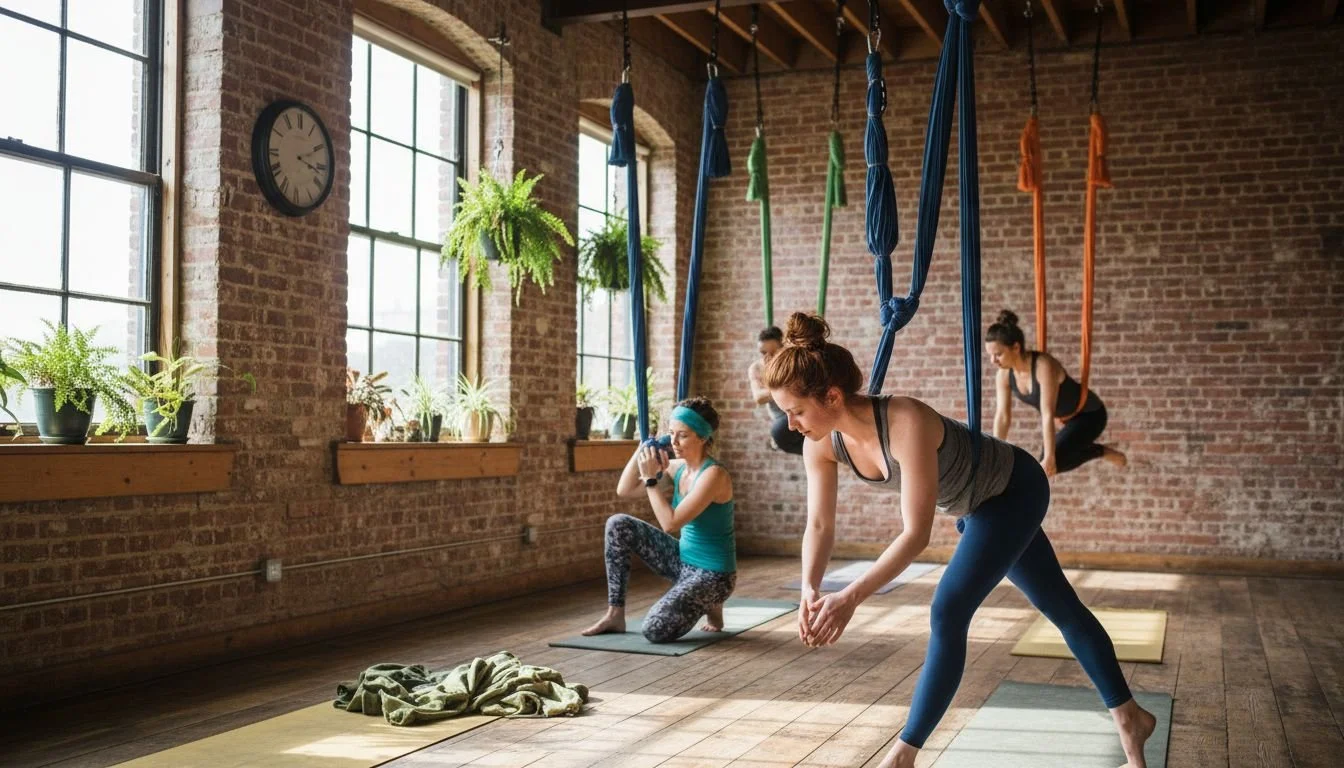
Most American fitness enthusiasts search for an effective way to improve both strength and flexibility without putting too much strain on their joints. With over 95 percent of participants reporting greater body awareness and stress relief after trying aerial yoga, the practice is quickly gaining attention across the United States. Aerial yoga’s blend of playfulness and support through fabric hammocks promises more than just a workout, offering a path to both physical improvement and renewed mental clarity.
Table of Contents
Key Takeaways
| Point | Details |
|---|---|
| Unique Appeal of Aerial Yoga | Aerial yoga uses silk hammocks to enhance physical and mental wellness, allowing deeper stretches and reducing strain on joints. |
| Physical and Mental Benefits | Participants gain improved core strength, flexibility, and mental clarity, making this practice suitable for various fitness levels. |
| Diverse Class Offerings | Aerial yoga includes various styles tailored to all skill levels, from restorative sessions to intense workouts. |
| Community and Connection | Workshops foster personal growth through social connections, enhancing emotional well-being and resilience among practitioners. |
Defining Aerial Yoga and Its Unique Appeal
Aerial yoga represents a revolutionary fitness practice that transforms traditional yoga by introducing silk hammocks as a dynamic support system. Unlike conventional floor-based yoga, this innovative approach enables deeper stretches and enhanced body alignment through suspended movement. Practitioners suspend themselves partially or fully in soft fabric slings, creating a weightless environment that challenges balance and core strength.
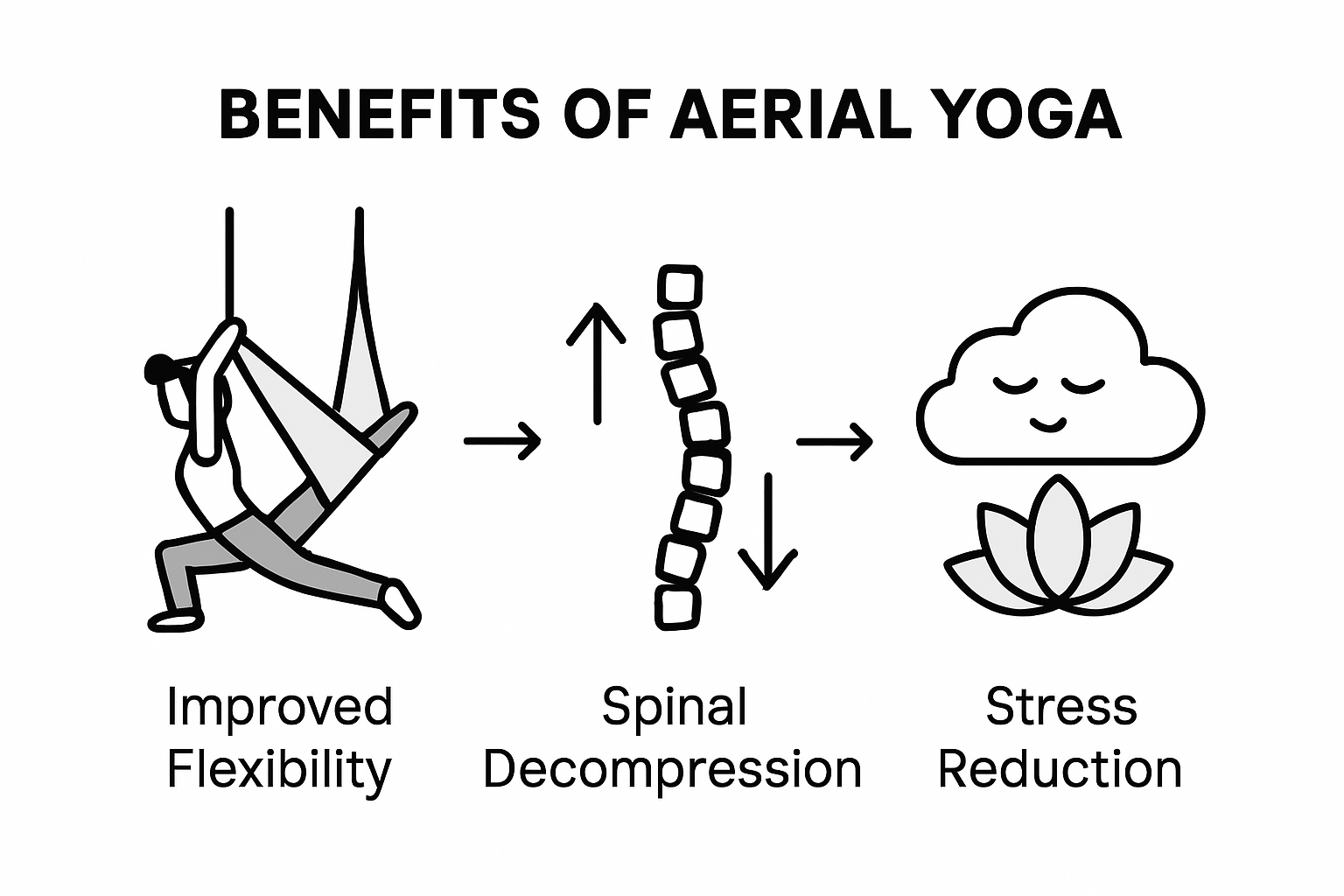
The unique appeal of aerial yoga lies in its ability to provide both physical and mental wellness benefits. Gravity-defying movements create opportunities for spinal decompression, improved flexibility, and increased muscular engagement that standard yoga practices cannot replicate. By supporting the body's weight through specialized hammocks, practitioners can achieve more extensive stretches and explore postures with reduced joint strain. This makes aerial yoga particularly attractive for individuals seeking low-impact exercise that simultaneously builds strength and promotes healing.
Critical physical benefits of aerial yoga include enhanced core strength, improved proprioception, and expanded range of motion. Participants experience a playful yet challenging workout that combines elements of yoga, Pilates, and aerial arts. The suspended environment encourages practitioners to develop greater body awareness, balance, and muscular control. Whether you are a fitness enthusiast or someone recovering from physical limitations, aerial yoga offers a uniquely adaptable approach to wellness that can be modified to suit individual fitness levels and physical capabilities.
Key elements that distinguish aerial yoga include:
Reduced gravitational pressure on joints
Enhanced spinal alignment and decompression
Increased muscular engagement through unstable surface training
Improved mental focus and mindfulness through novel movement patterns
Accessibility for practitioners with varying physical abilities
Physical and Mental Benefits Explained
Aerial yoga offers profound physical and mental wellness benefits that extend far beyond traditional exercise modalities. Individuals with mobility challenges can particularly benefit from these specialized techniques, experiencing improved joint mobility and reduced physical strain through carefully designed movements. The suspended hammock provides a unique environment that allows practitioners to explore movement patterns with reduced gravitational pressure, creating opportunities for healing and rehabilitation.
Spinal decompression emerges as a critical physical advantage of aerial yoga, enabling practitioners to release tension and realign their body with minimal stress. Research indicates that the weightless environment can help reduce chronic pain, improve posture, and enhance overall muscular flexibility. By supporting the body's weight through specialized fabric slings, participants can achieve deeper stretches and more extensive range of motion than traditional floor-based practices would permit.
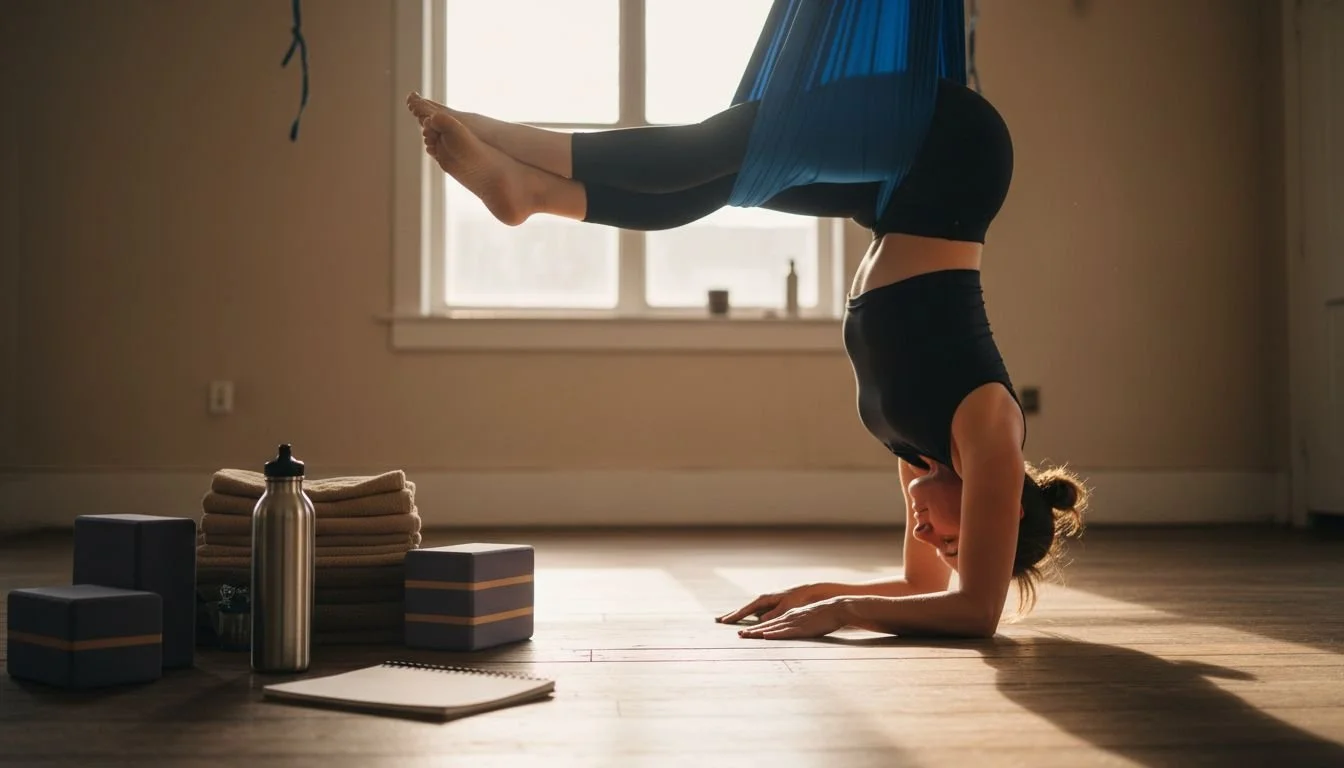
Mental wellness represents another significant dimension of aerial yoga's transformative potential. The practice encourages practitioners to develop heightened body awareness, mindfulness, and emotional resilience. Wellness approaches that integrate physical movement with psychological well-being can substantially improve mood, reduce stress, and promote a sense of empowerment. Participants often report feeling more connected to their bodies, experiencing reduced anxiety, and developing greater mental clarity through the meditative aspects of suspended movement.
Key psychological and physiological benefits of aerial yoga include:
Enhanced neurological body awareness
Improved stress management techniques
Increased proprioceptive capabilities
Reduced muscular tension
Elevated mood and emotional regulation
Greater sense of physical and mental freedom
Types of Aerial Yoga Classes Available
Aerial yoga encompasses a diverse range of class styles designed to meet various fitness levels and wellness goals. Specialized classes offer unique approaches to practicing suspended yoga techniques, allowing practitioners to explore different dimensions of movement and physical challenge. From gentle introductory sessions to more intense athletic practices, aerial yoga provides remarkable versatility for individuals seeking innovative fitness experiences.
The spectrum of aerial yoga classes typically includes beginner, intermediate, and advanced levels, each with distinct characteristics and focus areas. Restorative aerial yoga concentrates on gentle movements and relaxation, utilizing the hammock for supported stretching and meditation. In contrast, power aerial yoga offers a more intense workout, incorporating strength training and dynamic movements that challenge muscular endurance and core stability. Practitioners can explore different yoga styles through suspended training methods, adapting their practice to personal fitness objectives and physical capabilities.
Some popular aerial yoga class variations include:
Aerial Basics: Introductory classes focusing on fundamental techniques and safe hammock usage
Aerial Flow: Dynamic sequences combining traditional yoga flows with suspended movements
Aerial Fitness: High-intensity classes emphasizing strength training and cardiovascular conditioning
Therapeutic Aerial: Gentle sessions designed for rehabilitation and mobility improvement
Aerial Meditation: Mindfulness-centered classes utilizing hammocks for deep relaxation and stress reduction
Advanced Aerial Inversions: Challenging classes exploring complex aerial inversions and acrobatic techniques
These diverse class offerings ensure that practitioners of all skill levels can find an aerial yoga experience that matches their physical abilities and wellness goals. Whether seeking gentle restoration, intense physical conditioning, or meditative practice, aerial yoga provides a versatile and engaging approach to holistic fitness.
Safety Measures and Common Misconceptions
Aerial yoga safety requires a comprehensive understanding of potential risks and appropriate precautions. Practitioners should be aware of specific health considerations before beginning their aerial practice, as not everyone is immediately suited for suspended yoga techniques. Individuals with certain medical conditions such as high blood pressure, heart problems, glaucoma, or recent surgical histories must consult healthcare professionals before participating in aerial yoga classes.
Misconceptions about aerial yoga often stem from a lack of understanding about its accessibility and adaptability. Many people assume aerial yoga is exclusively for advanced athletes or extremely flexible individuals, which is fundamentally incorrect. The practice can be modified to accommodate various fitness levels and physical capabilities, making it an inclusive form of exercise. Proper attire and preparation are critical for safety, including wearing fitted clothing that covers the arms and legs to prevent skin irritation from silk hammock friction.
Key safety recommendations for aerial yoga practitioners include:
Attend classes with certified and experienced instructors
Inform instructors about any pre-existing medical conditions
Start with beginner-level classes and progress gradually
Use proper clothing that prevents skin abrasion
Remove jewelry and accessories that might snag the hammock
Stay hydrated and listen to your body's limitations
Practice with equipment from reputable studios
Maintain core engagement and follow instructor guidance
Common misconceptions about aerial yoga often prevent potential practitioners from experiencing its transformative benefits. The practice is not about performing acrobatic stunts but about creating a supportive environment for physical and mental wellness, with modifications available for every skill level and body type.
Building Community and Personal Growth
Aerial yoga workshops create powerful opportunities for personal transformation and social connection. Connecting with like-minded practitioners offers profound opportunities for individual growth, allowing participants to develop both physical skills and emotional resilience. The supportive environment of group classes encourages individuals to challenge personal limitations while building meaningful relationships with fellow practitioners.
The psychological benefits of community-based aerial yoga extend far beyond physical movement. Practicing yoga in a group setting can significantly enhance emotional well-being by reducing stress, improving mood, and developing greater self-awareness. Participants often experience reduced symptoms of anxiety and depression, with group dynamics providing motivation, accountability, and a sense of belonging that individual practices cannot replicate.
Key aspects of community and personal growth in aerial yoga workshops include:
Developing emotional intelligence and self-reflection
Building supportive social connections
Enhancing physical and mental resilience
Learning from diverse practitioners' experiences
Creating a non-competitive, inclusive environment
Experiencing collective energy and mutual encouragement
Practicing vulnerability and personal acceptance
Through consistent participation, aerial yoga practitioners discover that personal growth is not a solitary journey but a collaborative experience. The shared vulnerability of suspended movement creates a unique space where individuals can simultaneously challenge themselves and feel deeply supported by their community.
Transform Your Wellness Journey with Aerial Yoga Workshops at Amrita Yoga & Wellness
If you are searching for a way to enhance your physical and mental well-being while feeling part of a supportive community then aerial yoga workshops may be your answer. This unique practice offers more than just fitness; it addresses your need for spinal decompression, emotional resilience, and greater body awareness as described in the article. You will experience the benefits of reduced joint strain and heightened mindfulness with guidance from certified instructors who make this accessible for all skill levels.
Unlock your potential today by joining an aerial yoga workshop that fosters personal growth and connection. Explore the variety of classes tailored for every practitioner at Amrita Yoga & Wellness. Learn more about the benefits, sign up for classes, and become part of a wellness community dedicated to inclusivity and holistic health. Visit https://amritayogawellness.com now to take the first step toward a stronger body and calmer mind.
Frequently Asked Questions
What are the benefits of joining aerial yoga workshops?
Aerial yoga workshops provide both physical and mental wellness benefits, including improved flexibility, enhanced core strength, spinal decompression, and increased emotional resilience through community support and mindfulness practices.
Is aerial yoga suitable for beginners?
Yes, aerial yoga can be adapted for beginners. Many workshops offer classes specifically designed for newcomers, focusing on foundational techniques and safety to ensure a comfortable introduction to the practice.
What should I wear to an aerial yoga workshop?
It's recommended to wear fitted clothing that covers the arms and legs to prevent skin irritation from the silk hammocks. Avoid loose clothing and jewelry that could snag during practice.
How do aerial yoga workshops foster a sense of community?
Aerial yoga workshops encourage social connections and collaboration by bringing together individuals with shared interests, allowing participants to challenge personal limits while providing mutual support and motivation.