Contact Us

Want to send us a quick message? Use the form on the right to contact us and we'll be in touch within 2 business days!

Please contact Audrey at info@amritayogawellness.com for general inquiries, software issues, in-studio and out-of-studio events and workshops, marketing, and community outreach and donations.

Please contact Heather at heather@amritayogawellness.com for private events, private yoga/pilates requests, and trainings.

1204 Frankford Avenue
North Philadelphia, PA, 19125
United States

(267) 928 3176

Amrita Yoga & Wellness offers a variety of Yoga traditions, Pilates Mat, Pilates Group Reformer, Tai Chi, and Massage services in a beautiful space. Our studio is located in Philadelphia, Pennsylvania.

Blog

Filtering by Tag: Pilates reformer classes

Discover What Gyms Offer Pilates for Core Strength
Heather Rice

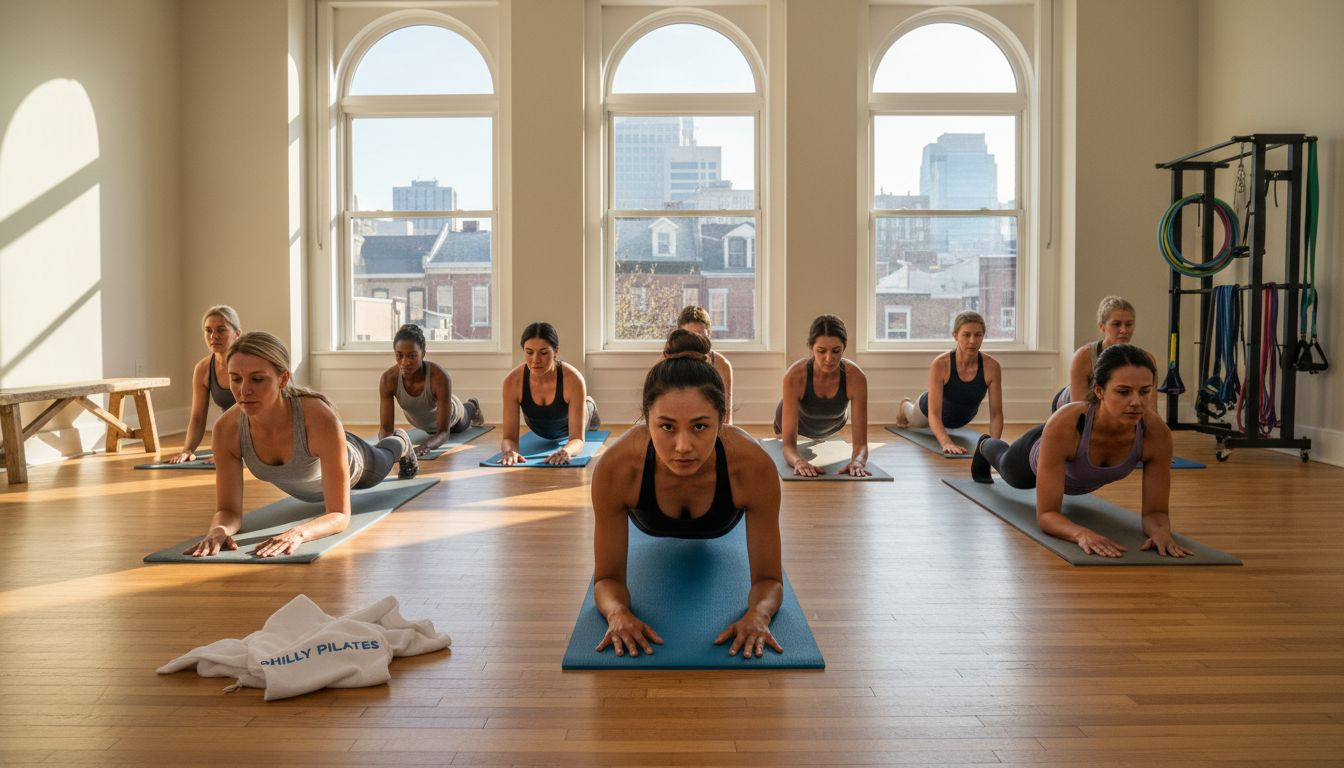
Choosing a Pilates studio in Philadelphia can feel overwhelming with so many boutique gyms spread across the city. Whether you crave intense reformer sessions or the precise challenge of mat Pilates, finding a studio that truly fits your schedule and goals is key to building lasting improvements in core strength and flexibility. By focusing on expert-led classes, personalized attention, and dedicated facilities, you can discover your ideal spot for real progress in your wellness journey. Boutique studios offer specialized options for every fitness level.

Table of Contents

Quick Summary

Key Point Explanation
1. Utilize Fitness Platforms Check ClassPass or other platforms for a curated list of pilates studios tailored to your preferences and schedule.
2. Verify Instructor Credentials Confirm that instructors have completed recognized certification programs to ensure quality and safety in your pilates practice.
3. Analyze Membership Options Compare different pricing structures and membership plans to find one that fits your budget and attendance habits best.
4. Visit Studios Physically Assess cleanliness, equipment quality, and the studio atmosphere in person to determine if it suits your personal training style.
5. Attend Trial Classes Participate in trial sessions to gauge your comfort level, teaching quality, and how well the workouts meet your fitness goals.

Step 1: Identify gyms in Philadelphia offering pilates classes

Finding the right pilates studio in Philadelphia starts with knowing where to look and what questions to ask. Your city has a vibrant wellness community with dozens of studios offering everything from mat pilates to intensive reformer classes. The good news is that you don't need to wander aimlessly. There's a straightforward approach to discovering studios that match your schedule, budget, and fitness level.

Start by checking dedicated fitness platforms that specialize in boutique classes. ClassPass maintains an updated list of pilates classes throughout Philadelphia, showcasing studios like Thrive Pilates, Lumos Yoga and Barre, and Urban Front Pilates. These platforms filter by neighborhood, class type, and skill level, so you can narrow down options based on whether you want full-body flow sessions, mind-body sculpt classes, or reformer-focused training. When you're browsing, pay attention to class descriptions and instructor qualifications. Studios emphasizing core strength, flexibility, and injury-friendly modifications tend to attract serious practitioners who know what they're doing.

Next, explore comprehensive local guides that dive deep into Philadelphia's pilates scene. Regional publications have published thorough breakdowns of reformer pilates studios in Philadelphia, highlighting facilities like Backbone, The Balance Room, and Brewerytown Pilates. These guides typically cover whether studios offer private sessions, semi-private training, or group classes, plus details about their equipment and instructors. The beauty of these resources is that they often include member reviews and feedback, giving you a realistic sense of what to expect before you walk through the door.

As you compile your list, visit the websites of studios that catch your eye. Look for specific details about their class schedules, introductory offers, and whether they offer beginner-friendly sessions or advanced options. Many Philadelphia studios provide a first class free or at a reduced rate, which is your chance to test the vibe and see if the instruction style resonates with you. Check if they specialize in classical pilates using traditional equipment or if they focus on contemporary mat pilates variations. Some studios cater specifically to injury recovery and rehabilitation, while others emphasize athletic performance and strength building.

Don't overlook what's literally in your neighborhood. Smaller, independent studios often deliver exceptional experiences with personalized attention that larger gyms can't match. You might discover a hidden gem just five minutes from your home or office, which means you're more likely to actually go to classes regularly.

Pro tip: Call or email studios directly and ask about their core strength focus areas and which classes are best for beginners, because online descriptions don't always capture whether a studio emphasizes the deep core work you're seeking or if they lean more toward flexibility and movement flow.

Step 2: Review pilates class types and instructor credentials

Now that you have a list of studios, the real work begins. Understanding what each studio offers and verifying that instructors actually know what they're doing separates the places worth your time from those that won't deliver results. You'll want to evaluate both the types of classes available and the credentials of the people teaching them. This step directly affects whether you'll see real progress in your core strength and overall fitness.

Start by familiarizing yourself with the main pilates formats you'll encounter. Mat pilates classes focus on bodyweight exercises performed on a floor, making them accessible and equipment-light but requiring serious core engagement. Reformer classes use specialized machines with springs and bars that add resistance and support, allowing for deeper muscle activation and modifications for different fitness levels. Some studios also offer apparatus-based pilates classes using equipment like Cadillac machines, chairs, and barrels for even more variety in your training. When you visit a studio's website or call, ask specifically which formats they specialize in. A studio that offers all three types gives you flexibility to switch things up and challenge your body in different ways. Pay attention to class descriptions that mention things like "classical pilates," "contemporary pilates," or "power pilates," since these indicate different teaching philosophies and intensity levels.

Here’s a look at the most common pilates class types and who they benefit:

Class Type Key Equipment Best For
Mat Pilates Mat only Beginners, core endurance
Reformer Pilates Reformer machine Strength, injury rehab
Apparatus Pilates Cadillac, barrel Advanced, variety seekers
Contemporary Pilates Mixed apparatus Creative routines, athletes

Instructor credentials matter enormously. Quality pilates instruction requires understanding anatomy, proper exercise progression, and how to modify movements for different bodies. Look for instructors who have completed comprehensive teacher certification programs covering mat, reformer, and other apparatus work. Organizations like BASI Pilates Academy offer university-level certification that ensures instructors understand theoretical knowledge, exercise application, and teaching methodology. When you contact studios, ask directly about their certification requirements. A reputable Philadelphia studio will proudly share where their instructors trained and what certifications they hold. Be cautious of studios that can't articulate their instructors' credentials or claim that "experience" alone qualifies someone to teach. Experience matters, but formal training in anatomy and teaching skills prevents injuries and ensures you're performing movements correctly.

During your first visit or initial conversation, observe or ask about teaching styles. Some instructors emphasize precise form and classical technique, while others focus on dynamic movement and creative sequencing. Neither is wrong, but they suit different learning preferences. Ask about their approach to beginners and whether they specialize in injury recovery, athletic performance, or general wellness. A studio that takes time to understand your specific goals and fitness history demonstrates the personalized attention that leads to actual results. You want instructors who see you as an individual, not just another person in the room.

Pro tip: During your first class, observe whether the instructor circulates the room, offers hands-on adjustments, and watches your form rather than just standing in front talking, since this level of engagement directly impacts how effectively you'll build core strength.

Step 3: Compare membership options and schedules

Once you've narrowed down your studio choices based on class types and instructor quality, it's time to look at the practical side. Membership structures vary wildly across Philadelphia pilates studios, and what works financially and logistically for someone else might be completely wrong for you. Your goal here is to find a pricing model that matches your commitment level and a schedule that actually fits your life.

Start by understanding the main membership categories most studios offer. Some studios sell class packs where you purchase a set number of sessions upfront, like 5 or 10 classes, good for people who aren't sure about long-term commitment. Others offer traditional monthly memberships with unlimited classes, which works best if you plan to attend several times per week. Many Philadelphia studios also provide drop-in rates for single classes, helpful when you're testing out a new place or traveling. Some facilities offer flexible subscription models that give you access to multiple studios across a network, meaning you're not locked into one location and can attend different studios depending on your schedule or if you want variety in your instructors and class styles. Private training options exist too, ranging from one-on-one sessions to semi-private duet classes, typically priced higher but offering personalized attention.

Compare membership structures to decide what fits your routine:

Pilates Membership Types
Membership Type Flexibility Ideal User
Class Packs Use anytime, no contract Irregular attendees
Unlimited Monthly Attend often, more value Multiple visits per week
Drop-in Classes Pay per visit, no commitment Travelers, trying new studios
Private Training Personalized schedule Rehab, personal goals

Beyond pricing structure, examine the actual class schedule. Pull up each studio's schedule online and be honest about your realistic attendance patterns. A studio with classes at times when you're actually available matters infinitely more than one with cheaper rates you'll never use because classes run when you're at work or picking up kids. Check whether they offer early morning classes for before-work sessions, lunch hour options if you work downtown Philadelphia, and evening classes for after work. Look at weekend availability too. Some studios pack their schedule with evening and weekend classes because that's when people actually show up. Others offer robust daytime classes catering to retirees and flexible workers. Count the number of different pilates class types offered each week. A studio with eight reformer classes but only two mat classes may not suit you if mat pilates is your preference. Also check their cancellation policy. Life happens. Can you skip class without losing your payment, or do you forfeit it? What's their policy on pausing membership if you travel or take a break?

Don't overlook additional perks that some studios bundle in. Many Philadelphia boutique studios include intro workshops for new members, free or discounted private consultations, access to online class libraries, or community events that add real value beyond the hourly class. Some offer membership plans with varying access levels allowing you to start with a basic package and upgrade later as your commitment grows. Ask about trial periods or introductory rates. Most reputable studios offer your first class free or at a heavily discounted rate specifically so you can experience their teaching style and community fit before committing money.

Pro tip: Compare the per-class cost across different membership options, not just the monthly price, and factor in how many classes you realistically attend per month, since an expensive unlimited membership is wasteful if you only go twice a month while a class pack might be perfect for your actual habits.

Step 4: Visit studios to assess facilities and atmosphere

You've done your research online, reviewed credentials, and compared pricing. Now comes the part that actually matters: walking through the door and experiencing each studio firsthand. No amount of website copy or online reviews can tell you whether a place feels right for you. This visit is where you'll discover whether the studio's vibe matches your personality and whether the physical space supports the kind of training you want to do.

When you arrive for your first class or studio tour, pay immediate attention to cleanliness and organization. Walk through the locker room and bathrooms. Are they spotless or dingy? Are there clean towels available? Can you store your belongings securely? Check whether the studio provides amenities that matter to you like grip socks, water stations, or yoga mats if you don't have your own. Look at the reformer machines and mat areas. Are they modern and well-maintained or showing visible wear and tear? Quality equipment makes a difference in how safely you can train and how effectively you can progress. A studio with outdated or poorly maintained machines signals that they're not reinvesting in the member experience. Observe the layout too. Is there adequate space between reformers so you're not practically shoulder-to-shoulder with someone else? Can the instructor actually see everyone in the room to provide feedback and corrections? Cramped studios make it harder to focus and increase injury risk because you can't move freely.

Beyond the physical space, tune into the atmosphere and community energy. Do people seem energized and happy when they arrive, or do they look like they're trudging through an obligation? Do students greet each other or chat before class, suggesting a real community, or is it mostly silent and transactional? Watch how the instructor interacts with members. Are they approachable and welcoming, or do they maintain distance? The best studio for building core strength and flexibility benefits is one where you feel safe asking questions and comfortable being a beginner. Listen to the music and ambient sound. Some studios play energizing upbeat music while others keep things calm and meditative. Neither is wrong, but your preference matters because you'll be spending time here regularly. Notice whether the temperature feels comfortable. Pilates studios that are too hot or too cold become unpleasant fast. Ask staff members questions during your visit. How do they treat you? Do they seem genuinely interested in helping you find the right fit, or are they just processing another potential customer? A studio that takes time to understand your goals and concerns demonstrates that member experience actually matters to them.

During your first actual class, notice how the instructor handles new people. Do they modify the introduction to explain things clearly? Do they offer alternatives for different fitness levels? Do they walk around and give hands-on adjustments or verbal cues when your form drifts? Boutique pilates facilities known for welcoming environments typically emphasize personal attention and supportive community. Pay attention to how you feel during and after the class. Are you sore in places you expected, or did something feel wrong? Did the instructor explain movements clearly enough that you understood what you were supposed to do? Would you want to come back, or does this place make you feel anxious or unwelcome?

Pro tip: Visit at least two different times of day or on different days of the week before committing to a membership, since a studio's atmosphere can shift dramatically between a packed evening class and a quieter morning session, and you want to experience the community you'll actually be joining.

Step 5: Verify pilates experience through trial classes

You've identified studios, reviewed credentials, compared pricing, and visited in person. Now it's time to actually test whether pilates works for you and whether a particular studio is the right fit long-term. Trial classes are your opportunity to move beyond theory and discover how your body responds to pilates training. This is where you confirm whether the investment of time and money makes sense before committing to a membership.

Approach your trial classes as a deliberate experiment. Pay attention to your physical response during and after each session. Are you feeling engaged and challenged, or bored? Do your muscles feel fatigued in the right way, or is something uncomfortable or painful? The distinction matters. Good pilates fatigue feels like your muscles worked hard. Pain that feels sharp or wrong signals a form issue or that the movement isn't appropriate for your current fitness level. Notice your breathing pattern during class. Quality pilates instruction emphasizes coordinating breath with movement to maximize core engagement. If the instructor never mentions breathing or you find yourself holding your breath, that's a red flag about the quality of instruction. Pay attention to how the instructor modifies movements. Can they scale exercises up or down? Do they offer alternatives, or do they just expect everyone to do the same thing? Research on pilates trial effectiveness shows that exposure to quality instruction and appropriate exercise modifications during initial sessions significantly impacts whether you'll see real strength and flexibility improvements.

Take mental notes about your post-class soreness and how your body feels over the next few days. Mild muscle soreness that appears within 24 hours and fades within a couple of days is normal and actually a sign that you challenged yourself appropriately. Intense soreness that lasts longer or sharp pain means something went wrong with form or progression. Your core should feel engaged but not strained. Over a series of trial classes, you should notice subtle changes. Maybe your posture feels straighter when you leave the studio. Perhaps movements that felt awkward in your first class feel more natural by your third or fourth visit. These small wins indicate that you're learning proper form and your body is adapting. Also notice your energy level. Pilates should leave you feeling energized and accomplished, not completely depleted or frustrated.

Beyond the physical aspects, assess whether the studio environment supports your continued attendance. Did you feel motivated by the instructor and other participants? Were people respectful and encouraging? Did the staff follow up with you after class or check in to see how you felt? Studios that invest in new member experience tend to have better retention and community. Consider taking at least three to five trial classes at a studio before deciding. Your first class is often disorienting because everything feels new and unfamiliar. By your third or fourth visit, you'll have a realistic sense of whether this place works for you. If you're sampling multiple Philadelphia studios, space out your trial classes across different weeks so you can accurately compare experiences without overlapping soreness or fatigue.

Think about whether you're ready to commit based on what you've learned. Pilates basics like building core strength require consistent practice over time to see meaningful results. If you've experienced good instruction and felt engaged during trial classes, that's a strong sign you've found a studio worth joining. If something felt off or you weren't sure, trust that instinct. You can always try a different studio instead of forcing yourself into a membership that doesn't feel right.

Pro tip: Keep a simple journal during your trial classes noting how your body felt, what was challenging, what clicked with you, and your overall impression, since memory becomes fuzzy after visiting multiple studios and this concrete record helps you make a confident final decision.

Elevate Your Core Strength with Expert Pilates at Amrita Yoga & Wellness

Discover the difference that personalized, instructor-led pilates classes can make after exploring what gyms in Philadelphia offer. If you found yourself struggling to identify studios with certified instructors who focus on deep core engagement and adaptable class formats you are not alone. Many wellness seekers want clear guidance, flexible schedules, and genuine community support to help them build lasting strength and flexibility safely.

At Amrita Yoga & Wellness, we understand these needs and go beyond the basics by offering accessible pilates classes tailored to all experience levels. Whether you prefer mat pilates or working with reformer equipment, our highly trained instructors focus on technique and breath coordination to optimize your results. Join us today to experience a welcoming space that prioritizes your individual goals and consistent progress. Explore class options, workshops, and more by visiting our landing page and take your first step toward a stronger, healthier center now.

Frequently Asked Questions

How can I find gyms that offer Pilates classes for core strength?

Start by checking fitness platforms and local guides that list Pilates studios in your area. Look for studios that provide detailed information about class types and instructor qualifications to ensure they align with your core strength goals.

What types of Pilates classes should I look for to improve core strength?

Focus on studios that offer Mat Pilates and Reformer Pilates classes, as these formats emphasize core engagement and muscle activation. Verify that the class descriptions highlight techniques for building core strength and flexibility.

What credentials should Pilates instructors have for core training?

Instructors should possess comprehensive certification in Pilates teaching, covering both Mat and Reformer training. Look for teachers who have completed programs recognized for anatomical training and exercise application to ensure a safe and effective experience.

How do Pilates trial classes help determine if a gym is right for me?

Trial classes allow you to experience the studio atmosphere and instructor quality firsthand. Use these sessions to assess how engaged you feel and whether the workouts effectively challenge your core strength.

What should I look for during a studio visit to assess their Pilates offerings?

Evaluate the cleanliness and organization of the studio, as well as the quality of equipment used in classes. Observe how the instructor interacts with participants, focusing on personalized attention and modifications offered for different skill levels.

How can I compare membership options for Pilates classes?

Look at membership structures like class packs, unlimited monthly passes, or drop-in rates to find what suits your fitness routine. Be sure to align the class frequency with your personal schedule, and check the cancellation policies to avoid losing payments.

Recommended