
The Amrita Journal
Explore thoughtful stories, practical wellness guidance and inspiring ideas to support your movement, mindfulness and everyday wellbeing at Amrita.
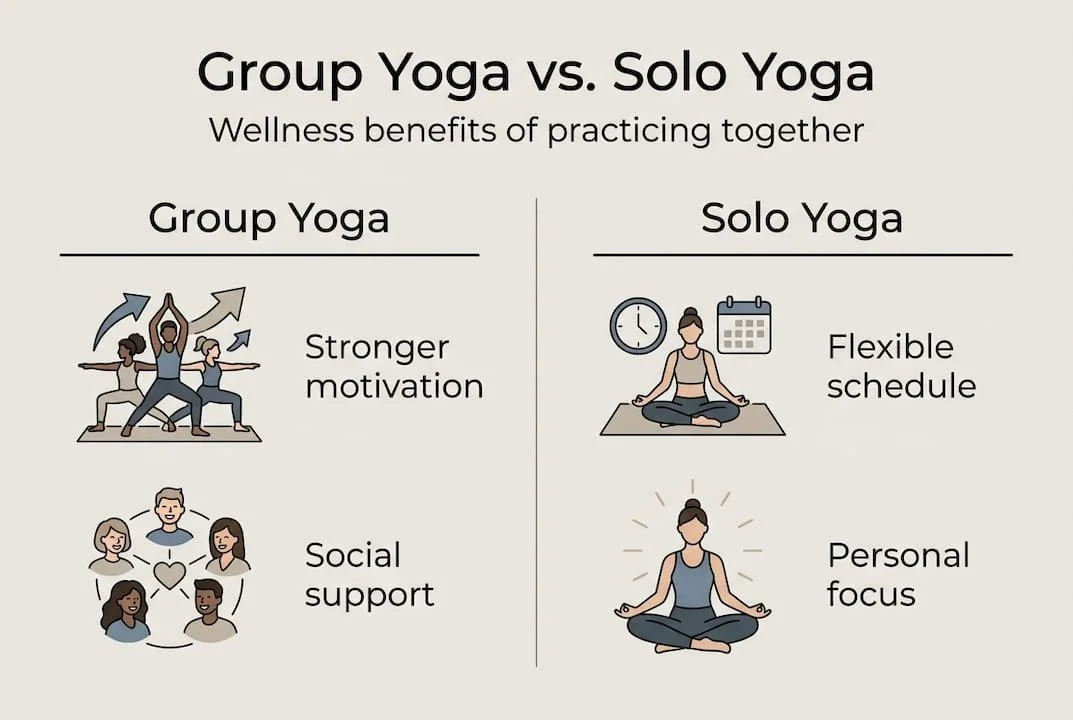
Why practice group yoga for wellness and community

Many people believe yoga is most effective when practiced alone, away from distractions, in quiet solitude. Yet research reveals a different story. Group yoga reduces anxiety and depression more effectively than solo practice, delivering measurable improvements in life satisfaction and emotional regulation. The collective energy of practicing alongside others creates unique benefits that extend far beyond the physical postures. This guide explores why group yoga strengthens mental health, enhances physical outcomes, deepens spiritual wellness, and builds meaningful community connections, especially within Philadelphia's vibrant wellness landscape.
Table of Contents
Key Takeaways
| Point | Details |
|---|---|
| Group yoga mental health | Practicing with others reduces anxiety and depression more than solo sessions by creating accountability, shared vulnerability, and social feedback. |
| Physical gains in groups | Regular group practice motivates attendance and feedback from instructors leading to improved flexibility and strength. |
| Spiritual wellness deepened | Collective practice deepens sense of purpose and spiritual connection through shared intention and communal practice. |
| Community belonging and connection | Regular group classes build familiarity and social bonds that reduce isolation and increase life satisfaction. |
Mental health benefits of group yoga
The psychological advantages of group yoga stem from shared energy and mutual support mechanisms that individual practice cannot replicate. When you step onto your mat surrounded by others, you enter a space where collective intention amplifies personal healing.
Participants report significantly lower anxiety, depression, and stress levels compared to those practicing alone. This phenomenon occurs because group settings create accountability, normalize vulnerability, and provide immediate social feedback. You witness others struggling with challenging poses, which reduces self-judgment and perfectionism. The instructor's guidance reaches everyone simultaneously, creating a shared learning experience that builds confidence.
Scientific studies demonstrate statistically significant improvements in emotional regulation among group yoga participants. The collective breathing patterns and synchronized movements activate mirror neurons, helping your nervous system attune to the calmer states of those around you. This neurological synchronization explains why you might feel more centered after a group class than after practicing the same sequence alone at home.
Philadelphia studios recognize these mental health benefits and design classes specifically to enhance emotional wellness. Instructors trained in yoga for emotional healing create safe spaces where participants can process stress and anxiety within a supportive community framework.
The sense of belonging that develops through regular group attendance combats isolation, a significant contributor to depression and anxiety. You begin to recognize familiar faces, exchange smiles, and share brief conversations that build social bonds. These micro-connections accumulate over time, creating a wellness community that extends beyond the studio walls.
Key mental health advantages include:
Enhanced emotional regulation through collective breathing and movement
Reduced feelings of isolation via shared vulnerability and support
Improved stress management from accountability and consistent attendance
Greater life satisfaction through meaningful social connections
"The mutual support and sense of belonging in group yoga classes create psychological safety that allows participants to explore their emotional landscapes more deeply than they might alone."
These mental health improvements compound over time, making group yoga a sustainable practice for long-term emotional wellness.
Physical advantages of practicing yoga in groups
Beyond mental health, group yoga delivers measurable physical benefits that often exceed what individual practice provides. The group dynamic naturally motivates you to attend regularly, push slightly beyond your comfort zone, and maintain proper form through observation and instructor feedback.
Meta-analysis shows physical benefitslike enhanced flexibility and strength demonstrate small but meaningful advantages in group settings. This occurs partly because you unconsciously mirror the effort levels of those around you. When you see someone holding a challenging pose, you find reserves of strength you might not access alone.
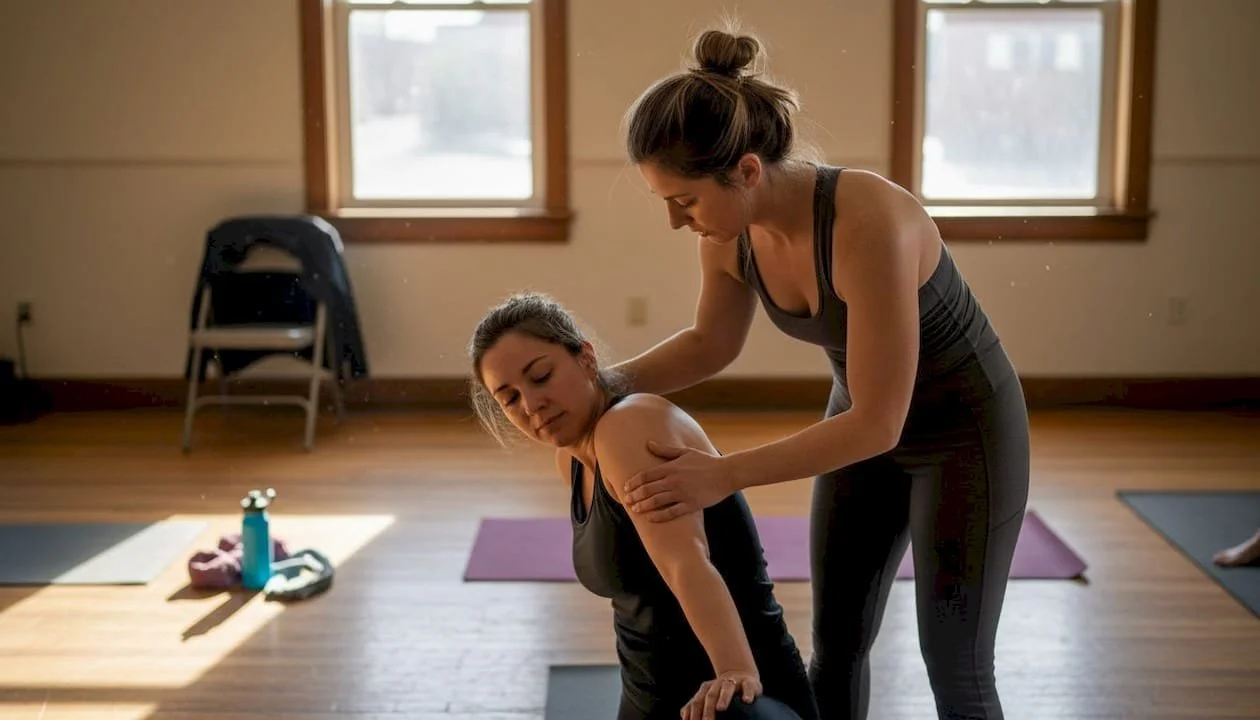
The instructor's ability to provide real-time corrections and modifications benefits everyone in the room. You learn not only from adjustments to your own practice but also from observing corrections given to others. This collective learning accelerates skill development and reduces injury risk.
Group practice improves psychosocial functional outcomes with effect sizes that translate to meaningful quality of life improvements. Balance, posture, and coordination all benefit from the structured environment and consistent practice schedule that group classes provide.
| Physical Outcome | Group Yoga | Individual Yoga |
|---|---|---|
| Flexibility gains | Moderate to high improvement | Moderate improvement |
| Strength building | Consistent progressive gains | Variable based on self-discipline |
| Balance enhancement | Significant improvement | Good improvement |
| Injury prevention | Higher due to instructor oversight | Depends on practitioner knowledge |
The table illustrates how group settings optimize physical outcomes through external motivation and expert guidance. You benefit from the instructor's trained eye catching misalignments before they become problematic patterns.
Philadelphia's diverse yoga practices for wellness include styles ranging from gentle restorative classes to vigorous vinyasa flows. This variety allows you to match your physical goals with appropriate group settings, whether you seek flexibility, strength, or both.
Physical benefits of group practice:
Consistent attendance motivated by scheduled classes and social commitment
Proper alignment reinforced through instructor feedback and peer observation
Progressive challenge supported by group energy and collective effort
Reduced injury risk from expert supervision and modifications
Pro Tip: Position yourself where you can see the instructor clearly and receive direct feedback. Arriving a few minutes early allows you to communicate any physical concerns or limitations, ensuring the instructor can offer appropriate modifications during class.
These physical improvements create a positive feedback loop. As your body grows stronger and more flexible, you feel motivated to attend more regularly, which further enhances your physical outcomes.
Spiritual and community wellness through group yoga
Group yoga nurtures dimensions of wellness that transcend the physical body, touching spiritual growth and community connection in ways that profoundly impact overall life satisfaction. The collective practice creates an energetic container that supports deeper exploration of consciousness and self-awareness.
Group yoga enhances spiritualwell-being and subjective well-being through collective asanas, pranayama, and meditation. When a room full of people breathes together in synchronized rhythm, individual consciousness expands to include awareness of the collective. This experience can be profoundly moving, offering glimpses of interconnectedness that philosophy describes but direct experience confirms.
Spiritual practices amplified in group settings:
Collective pranayama creates rhythmic coherence that deepens meditative states
Group meditation generates a field of focused awareness that supports individual concentration
Synchronized asana sequences build energetic resonance that enhances mind-body integration
Shared intention setting at class beginning amplifies personal commitment to growth
Closing rituals that honor the practice and community foster gratitude and completion
These practices work synergistically to cultivate inner peace, self-awareness, and spiritual insight. You might notice that meditation feels easier in a group setting, as the collective stillness supports your own efforts to quiet mental chatter.
Community engagement and life satisfaction improve significantly in group yoga participants, addressing the epidemic of loneliness affecting modern society. The relationships formed through consistent attendance create social support networks that extend beyond yoga practice into daily life.
| Wellness Dimension | Group Yoga Benefits | Individual Yoga Benefits |
|---|---|---|
| Spiritual growth | Collective energy deepens practice | Personal pace allows introspection |
| Social connection | Community reduces isolation | Solitude supports self-reflection |
| Sense of belonging | Shared identity and values | Independence and autonomy |
| Life satisfaction | Enhanced through relationships | Improved through self-care |
Philadelphia studios understand the importance of community wellness. Philadelphia studios like Amrita Yoga & Wellness and Cocoon Philly foster community wellness through intentionally designed group experiences that prioritize inclusivity and mutual support.
The yoga class complete Philadelphia guide reveals how local studios create spaces where diverse individuals find common ground through shared practice. These environments welcome beginners and advanced practitioners alike, recognizing that community strengthens when experience levels mix.
Pro Tip: Arrive early and stay a few minutes after class to connect with fellow practitioners. These informal conversations build relationships that transform a yoga class from a transaction into a community experience. Many lifelong friendships begin with simple exchanges about favorite poses or wellness challenges.
Community yoga class building wellness initiatives demonstrate how studios actively cultivate belonging through workshops, social events, and themed classes that bring people together around shared interests beyond the mat.
"Community is not just a nice addition to yoga practice. It is essential medicine for the isolation and disconnection that plague modern life. When we practice together, we remember our fundamental interconnectedness."
This spiritual and social dimension of group yoga addresses wellness holistically, recognizing that humans thrive when they feel connected to something larger than themselves.
Expert nuances and exceptions in group yoga practice
While group yoga offers substantial benefits, understanding important nuances ensures you make choices aligned with your unique needs and circumstances. Not everyone experiences group settings identically, and recognizing individual differences honors the diversity of human experience.
True group dynamics amplify effects but introverts or those with social anxiety may prefer individual practice, at least initially. The very social elements that benefit some practitioners can feel overwhelming to others. If you feel drained rather than energized after group classes, this does not mean something is wrong with you or with group yoga. It simply means you may need a different approach.
Some individuals benefit more from therapeutic individual sessions, particularly when addressing specific injuries, chronic conditions, or mental health challenges requiring personalized attention. Cognitive behavioral therapy combined with individual yoga practice may serve certain needs better than group classes.
However, trauma-informed group yoga classes address vulnerabilities safely by creating environments where participants can opt in or out of various elements without judgment. These specialized classes recognize that trauma survivors may need extra support to feel safe in group settings.
Situations favoring group versus individual yoga:
Group yoga works best when you seek motivation, community, structured learning, and social connection
Individual practice serves you better when recovering from specific injuries, managing severe social anxiety, or requiring highly personalized therapeutic intervention
Trauma-informed group classes bridge these needs by offering community support within safety-conscious frameworks
Hybrid approaches combining group classes with occasional private sessions optimize benefits for many practitioners
Philadelphia's wellness community offers trauma recovery yoga options that acknowledge healing requires both safety and connection. Studios trained in trauma-informed approaches create group experiences that honor individual boundaries while fostering community.
Specialized practices like aerial yoga for healing demonstrate how group classes can be adapted to serve specific populations. Trauma informed aerial yoga for healing recovery shows that innovative approaches make group practice accessible even to those with significant vulnerabilities.
"The accountability and shared energy of group practice keep me consistent in ways that good intentions alone never could. But I also honor that some days I need solitude, and that is equally valid."
Pro Tip: If you are new to yoga or have social anxiety, try trauma-informed group classes specifically designed to create psychological safety. These classes typically offer more options for personal space, clear consent practices, and instructor awareness of activation signs. Starting here can help you build confidence before exploring more traditional group settings.
The most effective approach for many people combines group classes for community and motivation with occasional individual practice or private sessions for personalized attention. This hybrid model leverages the strengths of both formats while minimizing their limitations.
Explore group yoga classes in Philadelphia with Amrita Yoga & Wellness
Ready to experience the transformative benefits of group yoga within a supportive Philadelphia community? Amrita Yoga & Wellness offers inclusive group classes designed specifically for adults seeking physical, mental, and spiritual wellness alongside meaningful social connection.

Located in North Philadelphia, the studio provides diverse class styles ranging from gentle restorative yoga to dynamic vinyasa flows, ensuring you find practices that match your current needs and goals. Experienced instructors create welcoming environments where beginners feel comfortable and advanced practitioners find continued growth.
Beyond yoga, Amrita Yoga & Wellness supports holistic wellness through complementary services including tarot readings for spiritual guidance and acupuncture for physical healing. This integrated approach recognizes that true wellness encompasses multiple dimensions of human experience.
Join a community that values inclusivity, personal growth, and mutual support. Your wellness journey becomes richer when shared with others who understand the challenges and celebrate the victories along the path.
Frequently asked questions
What is group yoga?
Group yoga involves practicing yoga postures, breathing techniques, and meditation alongside other participants under the guidance of a trained instructor in a shared physical space. This format creates synergy through collective energy and intention that individual home practice cannot replicate. The group dynamic provides motivation, accountability, and social connection that enhance both the physical and psychological benefits of yoga practice.
Can group yoga help reduce stress better than solo yoga?
Yes, group yoga reduces anxiety and depression more significantly than solo practice according to comparative research studies. The shared environment enhances emotional regulation through mirror neuron activation and provides immediate social support that buffers against stress. Participants benefit from the calming influence of synchronized breathing and the psychological safety created by practicing vulnerability alongside others facing similar challenges.
Are there group yoga classes suitable for people with PTSD or trauma?
Absolutely. Trauma-informed group yoga classes offer safe environments tailored to people with vulnerabilities by emphasizing choice, consent, and psychological safety. These specialized classes train instructors to recognize activation signs and provide modifications that honor individual boundaries while maintaining the benefits of community practice. Philadelphia studios increasingly offer trauma recovery yoga programs that combine expert trauma knowledge with the healing power of group support.
What should I expect when joining a group yoga class in Philadelphia?
Classes typically involve guided group sessions with diverse attendees ranging from complete beginners to experienced practitioners, all welcomed equally. You can expect a supportive, inclusive community atmosphere where instructors provide modifications for different skill levels and physical abilities. Philadelphia studios offer styles ranging from gentle restorative classes to intense power yoga, with local emphasis on holistic wellness that honors mental, physical, and spiritual dimensions. Review the yoga class Philadelphia guide for detailed information about what to bring, how to prepare, and what happens during a typical session.
Recommended
Heated Yoga: Transforming Stress Into Strength

Feeling overwhelmed by work stress or looking for a new way to reconnect with your body? Heated yoga has quickly become a favorite among Philadelphia adults searching for relief from daily tension and anxiety. By blending ancient Indian yoga traditions with modern fitness in heated studios, this practice offers much more than stretching—it delivers a powerful reset for both mind and muscles. Discover how stepping into a warm, focused space can spark real transformation and support lasting recovery from stress.
Table of Contents
Key Takeaways
| Point | Details |
|---|---|
| Heated Yoga Enhances Flexibility and Cardiovascular Health | The heat in heated yoga increases flexibility and intensifies cardiovascular workouts compared to traditional yoga. |
| Popularity and Diversity of Styles | Styles like Bikram, Hot Vinyasa, and Hot Power Yoga cater to different fitness levels and goals, allowing practitioners to choose what suits them best. |
| Psychological Benefits | The warm environment promotes mental focus and reduces anxiety, supporting emotional regulation alongside physical benefits. |
| Safety Considerations | Staying hydrated and listening to your body are crucial to prevent dehydration and overstretching in a heated yoga class. |
Defining Heated Yoga And Its Origins
Heated yoga is a modern practice that combines traditional yoga postures and breathing techniques in a deliberately warm environment, typically between 85 and 105 degrees Fahrenheit. The heat serves a specific purpose—it increases your body's flexibility, intensifies your cardiovascular workout, and creates a more demanding physical experience than room-temperature classes. This isn't your grandmother's yoga practice. It's a purposeful blend of ancient wisdom and contemporary fitness science.
The story of heated yoga traces back further than most people realize. While yoga's origins trace back thousands of years in India, where practitioners focused on spiritual and meditative discipline, the heated version is a distinctly modern invention. Traditional yoga was indeed practiced in India's warm climate, but the deliberate application of heat as a training tool emerged much more recently, particularly in the last 150 years as yoga evolved from a purely spiritual practice into the physical discipline we recognize today.
The most recognizable form—Bikram yoga—emerged in the 1970s when Bikram Choudhury designed a specific sequence of 26 postures performed in a heated room set to around 105 degrees. Choudhury theorized that replicating India's naturally warm climate while performing these poses would enhance flexibility, promote detoxification, and create a more intense workout. This approach gained explosive popularity in Western fitness culture, transforming how Americans viewed yoga. Suddenly, yoga wasn't just about meditation. It was about sweat, strength, and pushing your physical limits.
Today, heated yoga encompasses various styles beyond Bikram, including power yoga, vinyasa flow, and yin yoga—all performed in heated environments. Each style maintains heat's core benefits while offering different approaches to movement and breath. For Philadelphia residents managing stress and seeking physical transformation, this modern adaptation offers something traditional yoga alone couldn't deliver. You get the meditative benefits of the practice paired with the intensity of a cardiovascular workout, all while your muscles become more pliable and responsive.
The heated environment also plays a psychological role. The warmth creates a cocoon-like atmosphere where Philadelphia's fast-paced professional world feels distant. Your nervous system begins to shift. Your breath deepens. The combination of heat, movement, and community becomes genuinely transformative—not because of marketing, but because physiology and psychology align in that warm room.
Pro tip: If you're new to heated yoga, arrive early to your first class and inform the instructor about your experience level—they can modify poses and help you understand why heat changes how your body responds to traditional yoga positions.
Popular Types Of Heated Yoga Classes
Heated yoga isn't one-size-fits-all. Different styles cater to different goals, fitness levels, and what you're looking for from your practice. Understanding what each type offers helps you pick the right class for your needs—whether you want structure, creative flow, or intense strength building. Philadelphia studios like Amrita Yoga & Wellness offer multiple options, so knowing the differences matters.
Bikram Yoga remains the most recognizable heated yoga style. It's built on a fixed sequence of exactly 26 poses and two breathing exercises, performed in a room heated to 105 degrees Fahrenheit with 40 percent humidity. The structure appeals to people who appreciate consistency. You know exactly what to expect every single time. This predictability actually helps your nervous system relax—no surprises, just familiar poses in a familiar order.
Hot Vinyasa takes a different approach. Instead of a rigid sequence, instructors create flowing sequences linked to your breath in moderately heated rooms. This style feels more creative and dynamic. You're building heat through movement rather than relying solely on room temperature. Hot Vinyasa tends to attract people who want flexibility, cardiovascular challenge, and the meditative flow of connected breath and motion.
Hot Power Yoga emphasizes strength and athleticism. It combines challenging poses held longer than traditional vinyasa, building serious muscle endurance in heated conditions. If you're coming to heated yoga specifically to transform your body composition and build functional strength, this is where many Philadelphia professionals find their match. The intensity mirrors what your body experiences during stress recovery.
Infrared Hot Yoga represents newer technology. Rather than heating the entire room, infrared heating technology warms your body directly through infrared rays. Many practitioners report this feels gentler on joints while still delivering heat benefits. It's particularly appealing if you have sensitive skin or prefer a less intense thermal experience.
Each style works. Your job is matching the style to where you are right now. Someone deep in stress recovery might thrive in Bikram's structure. Someone seeking creative expression gravitates toward Hot Vinyasa. Someone rebuilding physical confidence often chooses Hot Power Yoga.
Here's a comparison of popular heated yoga styles to help you choose the right class:
| Style | Room Temp & Humidity | Key Focus | Who Benefits Most |
|---|---|---|---|
| Bikram Yoga | 105°F, 40% humidity | Fixed sequence, consistency | Stress recovery, beginners |
| Hot Vinyasa | 90–98°F, moderate | Creative flow, breath | Those seeking flexibility |
| Hot Power Yoga | 92–98°F, moderate-high | Strength, endurance | Athletes, muscle builders |
| Infrared Hot Yoga | Varies, infrared heat | Gentle on joints, direct heat | Sensitive skin, recovery |
Pro tip: Try at least three different heated yoga styles before deciding which one fits best—your first instinct might not match what your body actually needs for stress transformation and strength building.
How Heat Impacts Yoga Practice
When you step into a heated yoga room, your body immediately confronts something unfamiliar. The warmth isn't decorative. It's a physiological catalyst that transforms how your muscles, joints, and cardiovascular system respond to yoga postures. Understanding what heat actually does to your body helps you respect the practice and use it strategically for stress recovery and strength building.
Heat triggers immediate physical responses. Your core body temperature rises, your heart rate elevates, and your body initiates sweating to cool itself down. This thermal challenge forces your cardiovascular system to work harder than it would in a room-temperature class. Your cardiovascular system increases heart output to pump blood toward your skin for cooling through perspiration. It sounds intense because it is. This is why people often feel genuinely tired after their first heated class.
But here's what makes heat valuable for yoga specifically. Warm muscles become more elastic and pliable. Your connective tissues loosen. This means you can access deeper stretches and greater ranges of motion than you'd achieve in a cool environment. For someone recovering from stress, this accessibility matters enormously. Your muscles have been locked in tension patterns for months or years. Heat gives you permission to gently explore what's possible when tension finally releases.
The heat also influences your metabolism. Your body burns more calories simply by maintaining temperature regulation, and research indicates increased fat oxidation occurs in heated conditions. For Philadelphia professionals rebuilding their relationship with physical activity, this metabolic effect translates to real body composition changes over time.
There's a flip side, though. The heat creates real physical demands. Dehydration becomes a genuine risk if you're not strategic about water intake. Heat exhaustion is possible if you push too hard before acclimatization. Your nervous system also needs time to adjust to the thermal stress. This isn't a limitation of heated yoga. It's simply recognizing that challenge and safety must coexist.
The psychological impact matters too. The warmth creates a cocooning effect that quiets external noise and intrusive thoughts. Your breath becomes easier in warm muscles. Your body feels held. This combination of physical accessibility and psychological safety makes heated yoga exceptionally effective for transforming stress patterns into embodied strength.
To summarize how heat changes your yoga experience, here are the physiological and psychological effects side by side:
| Heat Effect | Physical Impact | Psychological Impact |
|---|---|---|
| Increased body temperature | Boosts heart rate, increases sweating | Heightened mental focus |
| Warm muscles, pliability | Deeper stretches, reduced injury risk | Sense of safety and calmness |
| Faster metabolism | Burns more calories | Releases tension, reduces anxiety |
| Dehydration risk | Dizziness or exhaustion possible | Increased need for self-awareness |
Pro tip: Arrive hydrated and drink water consistently throughout class rather than chugging large amounts before or after—your body processes steady hydration more effectively during thermal stress.
Health Benefits And Mental Advantages
Heated yoga delivers physical results you can see and feel. But the mental transformation is where the real power emerges. For Philadelphia adults drowning in stress and disconnection, heated yoga offers something antidepressants alone cannot: a pathway to genuine embodied healing that addresses both body and mind simultaneously.

The research is compelling. Clinical trials show that heated yoga significantly reduces depression symptoms in adults with moderate-to-severe cases, with many participants reaching full remission after just eight weeks. This isn't marginal improvement. People experiencing depression for years report genuine relief. The intervention proves safe and well-tolerated, making it a legitimate alternative when medication alone falls short or when you're seeking non-pharmaceutical approaches alongside traditional treatment.
Why does heated yoga work so effectively for depression and anxiety? The heat itself initiates a stress response, but within a controlled, safe container. Your body learns that it can handle intensity. Your nervous system acclimates. Over repeated sessions, your brain rewires its relationship with stress itself. You're not avoiding difficulty anymore. You're moving through it with intention.
Beyond depression relief, heated yoga enhances emotional regulation across the board. Your nervous system becomes more responsive and less reactive. You develop greater capacity to observe difficult emotions without being hijacked by them. For someone in stress recovery, this shift is transformative. You still encounter frustrating meetings and difficult relationships, but your baseline reactivity drops measurably.
The physical benefits amplify the mental ones. Heated yoga strengthens your cardiovascular system, improves bone mineral density, and enhances balance and flexibility. These physical improvements boost confidence. You feel stronger. Your body becomes an ally rather than a source of tension and shame. Cardiometabolic improvements like better body composition create real momentum. Six months into consistent practice, you notice your clothes fitting differently. Your breathing feels easier. Your sleep improves.
The combination matters enormously. It's not heat alone. It's not yoga alone. It's the synergy. The heat makes muscles accessible. The accessibility allows deeper presence. The presence quiets anxious thoughts. The quieted mind meets a stronger body. These elements feed each other, creating a virtuous cycle of genuine transformation rather than temporary relief.
Pro tip: If you're managing depression or anxiety, discuss heated yoga with your mental health provider before starting, but don't wait for permission to try a beginner class—the combination of accountability, community, and physical challenge often becomes the catalyst that therapy alone can't provide.
Safety Precautions And Risk Factors
Heated yoga's power comes with real physical demands. The benefits are genuine, but so are the risks if you approach the practice carelessly. Understanding what can go wrong empowers you to prevent it. This isn't fear mongering. It's respect for what your body experiences in a heated room.
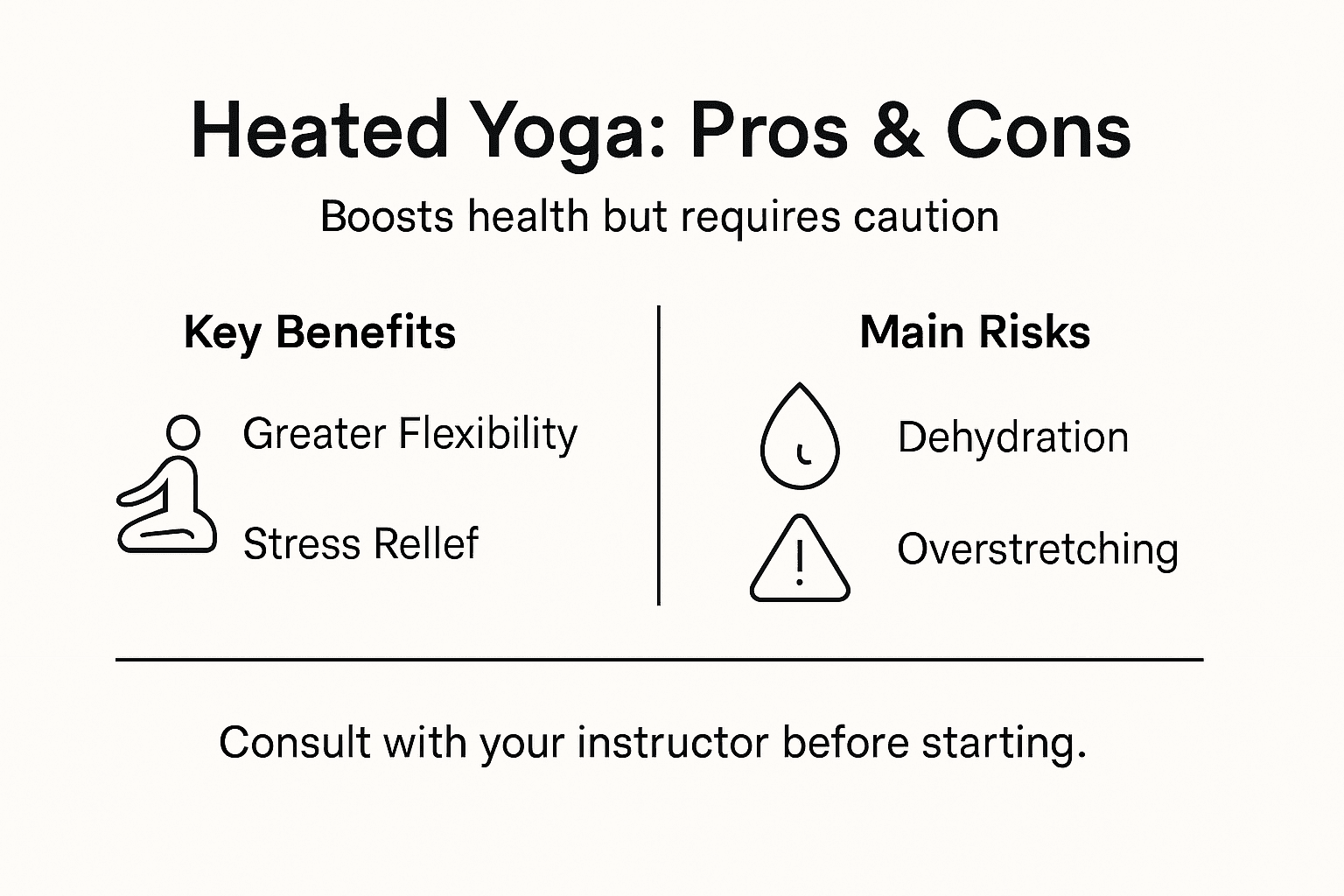
Dehydration is the most common issue. You're sweating profusely, your body is working hard, and it's easy to underestimate fluid loss. Many people finish class feeling dizzy or experiencing headaches because they didn't drink enough water beforehand. Heat exhaustion can develop quickly if dehydration combines with overexertion. The symptoms include dizziness, nausea, weakness, and rapid heartbeat. Heat stroke represents the serious escalation where your core temperature rises dangerously high. This is medical emergency territory.
Overstretching presents another significant risk. When your muscles are warm and pliable, your nervous system's protective instincts soften. You can push deeper into stretches than you normally would. The problem emerges when you exceed your actual safe range of motion. Ligaments and tendons don't appreciate this. Overstretching risks increase as heat reduces natural protective signals, potentially causing injury that takes weeks to heal. You feel amazing in class. Three days later, your shoulder hurts.
Certain populations need extra caution. Pregnant individuals face different thermoregulation challenges. People with cardiovascular conditions must consider whether increased heart rate demands are appropriate for them. Those taking medications that affect hydration or temperature regulation need medical clearance. If you have any pre-existing health condition, discuss heated yoga with your doctor before starting.
Key safety strategies that actually work:
Arrive hydrated, drinking water consistently for hours before class
Skip the first few classes if you typically experience heat sensitivity
Modify or skip poses when your body signals fatigue or dizziness
Listen to instructors who emphasize gradual acclimatization
Never compare your practice to others in the room
Exit class immediately if you feel disoriented or unwell
Acclimation matters tremendously. Your first three to five classes will feel harder than they should. This isn't weakness. It's your body adapting to thermal stress. By week three or four, your cardiovascular system has adjusted and the experience becomes genuinely sustainable. Systematic research emphasizes gradual acclimatization as critical for preventing heat-related illness.
Your instructor's qualifications matter too. Trained instructors understand how to guide people safely through thermal stress. They watch for signs of overheating. They encourage modification. They know the difference between productive challenge and dangerous pushing. At Amrita Yoga & Wellness, instructors receive specific training in heat safety protocols.
Pro tip: Schedule your first heated class on a day when you're well-rested and fully hydrated, arrive 15 minutes early to acclimate, and inform your instructor it's your first time so they can watch for any concerning signs.
Common Myths And What To Avoid
Heated yoga has accumulated plenty of misconceptions over the years. Some come from Instagram influencers pushing extreme versions of the practice. Others emerge from people who had one bad experience and generalized it to the entire practice. Separating fact from fiction helps you approach heated yoga with realistic expectations and genuine safety.
Myth: More sweat equals better results. This one causes real problems. People show up thinking they need to look like they just emerged from a swimming pool to get benefits. Sweat is simply your body's cooling mechanism. It tells you nothing about workout intensity or mental benefits. Someone could be quietly building tremendous strength while barely perspiring, while someone else floods the mat but hasn't challenged themselves meaningfully. Stop measuring your yoga by humidity levels.
Myth: You should push through discomfort. The yoga world loves this one. No pain, no gain mentality has infected even contemplative practices. But sharp pain in your knee isn't your edge. Burning sensation in your shoulders isn't progress. It's your body saying stop. Discomfort means you're challenging yourself. Pain means you're damaging yourself. Learn the difference immediately.
Myth: One class per day is ideal for transformation. This myth appeals to people desperate for quick results. Overfrequency leads to burnout, injury, and actually slows progress. Your nervous system needs recovery. Your muscles rebuild during rest, not during practice. Three quality sessions weekly beats seven mediocre ones. Consistency matters infinitely more than frequency.
Myth: Heated yoga detoxifies through sweating. Your kidneys and liver handle detoxification. Sweat removes minerals and water, not toxins. This myth has sold countless expensive cleanses and juice protocols. Your body is designed to process toxins without yoga's help. Heated yoga provides tremendous benefits without needing to invoke pseudoscience.
What to actually avoid:
Arriving hydrated means hours of water beforehand, not chugging right before class
Comparing your body or abilities to anyone else in the room
Eating heavy meals within two hours of practice
Judging yourself for needing modifications or rest days
Following trends instead of listening to your body's actual feedback
Skipping class because you're tired instead of using practice to reset your nervous system
The practice works best when you release attachment to external markers of success. Stop looking for the perfect Instagram moment. Stop counting calories burned or minutes held in poses. The real transformation happens internally, quietly, without performance. Your stress responses soften. Your capacity expands. Your relationship with your body heals.
Pro tip: When you catch yourself believing a heated yoga myth, pause and ask whether the belief serves your actual wellbeing or whether you're chasing someone else's ideal instead of honoring your body's authentic needs.
Transform Stress Into Strength with Heated Yoga at Amrita Yoga & Wellness
The article highlights how heated yoga provides a unique path to overcoming stress by blending mindful movement with the physical benefits of heat. If your muscles feel tense from daily pressures or your mind is overwhelmed by anxiety, heated yoga can help you release tension, build resilience, and regain control of your body and mind. Recognizing the importance of safety and gradual progress, this practice offers a powerful way to transform stress into lasting strength.
Dehydration is the most common issue. You're sweating profusely, your body is working hard, and it's easy to underestimate fluid loss. Many people finish class feeling dizzy or experiencing headaches because they didn't drink enough water beforehand. Heat exhaustion can develop quickly if dehydration combines with overexertion. The symptoms include dizziness, nausea, weakness, and rapid heartbeat. Heat stroke represents the serious escalation where your core temperature rises dangerously high. This is medical emergency territory.
Overstretching presents another significant risk. When your muscles are warm and pliable, your nervous system's protective instincts soften. You can push deeper into stretches than you normally would. The problem emerges when you exceed your actual safe range of motion. Ligaments and tendons don't appreciate this. Overstretching risks increase as heat reduces natural protective signals, potentially causing injury that takes weeks to heal. You feel amazing in class. Three days later, your shoulder hurts.
Certain populations need extra caution. Pregnant individuals face different thermoregulation challenges. People with cardiovascular conditions must consider whether increased heart rate demands are appropriate for them. Those taking medications that affect hydration or temperature regulation need medical clearance. If you have any pre-existing health condition, discuss heated yoga with your doctor before starting.
Key safety strategies that actually work:
Arrive hydrated, drinking water consistently for hours before class
Skip the first few classes if you typically experience heat sensitivity
Modify or skip poses when your body signals fatigue or dizziness
Listen to instructors who emphasize gradual acclimatization
Never compare your practice to others in the room
Exit class immediately if you feel disoriented or unwell
Acclimation matters tremendously. Your first three to five classes will feel harder than they should. This isn't weakness. It's your body adapting to thermal stress. By week three or four, your cardiovascular system has adjusted and the experience becomes genuinely sustainable. Systematic research emphasizes gradual acclimatization as critical for preventing heat-related illness.
Your instructor's qualifications matter too. Trained instructors understand how to guide people safely through thermal stress. They watch for signs of overheating. They encourage modification. They know the difference between productive challenge and dangerous pushing. At Amrita Yoga & Wellness, instructors receive specific training in heat safety protocols.
Pro tip: Schedule your first heated class on a day when you're well-rested and fully hydrated, arrive 15 minutes early to acclimate, and inform your instructor it's your first time so they can watch for any concerning signs.
Common Myths And What To Avoid
Heated yoga has accumulated plenty of misconceptions over the years. Some come from Instagram influencers pushing extreme versions of the practice. Others emerge from people who had one bad experience and generalized it to the entire practice. Separating fact from fiction helps you approach heated yoga with realistic expectations and genuine safety.
Myth: More sweat equals better results. This one causes real problems. People show up thinking they need to look like they just emerged from a swimming pool to get benefits. Sweat is simply your body's cooling mechanism. It tells you nothing about workout intensity or mental benefits. Someone could be quietly building tremendous strength while barely perspiring, while someone else floods the mat but hasn't challenged themselves meaningfully. Stop measuring your yoga by humidity levels.
Myth: You should push through discomfort. The yoga world loves this one. No pain, no gain mentality has infected even contemplative practices. But sharp pain in your knee isn't your edge. Burning sensation in your shoulders isn't progress. It's your body saying stop. Discomfort means you're challenging yourself. Pain means you're damaging yourself. Learn the difference immediately.
Myth: One class per day is ideal for transformation. This myth appeals to people desperate for quick results. Overfrequency leads to burnout, injury, and actually slows progress. Your nervous system needs recovery. Your muscles rebuild during rest, not during practice. Three quality sessions weekly beats seven mediocre ones. Consistency matters infinitely more than frequency.
Myth: Heated yoga detoxifies through sweating. Your kidneys and liver handle detoxification. Sweat removes minerals and water, not toxins. This myth has sold countless expensive cleanses and juice protocols. Your body is designed to process toxins without yoga's help. Heated yoga provides tremendous benefits without needing to invoke pseudoscience.
What to actually avoid:
Arriving hydrated means hours of water beforehand, not chugging right before class
Comparing your body or abilities to anyone else in the room
Eating heavy meals within two hours of practice
Judging yourself for needing modifications or rest days
Following trends instead of listening to your body's actual feedback
Skipping class because you're tired instead of using practice to reset your nervous system
The practice works best when you release attachment to external markers of success. Stop looking for the perfect Instagram moment. Stop counting calories burned or minutes held in poses. The real transformation happens internally, quietly, without performance. Your stress responses soften. Your capacity expands. Your relationship with your body heals.
Pro tip: When you catch yourself believing a heated yoga myth, pause and ask whether the belief serves your actual wellbeing or whether you're chasing someone else's ideal instead of honoring your body's authentic needs.
Transform Stress Into Strength with Heated Yoga at Amrita Yoga & Wellness
The article highlights how heated yoga provides a unique path to overcoming stress by blending mindful movement with the physical benefits of heat. If your muscles feel tense from daily pressures or your mind is overwhelmed by anxiety, heated yoga can help you release tension, build resilience, and regain control of your body and mind. Recognizing the importance of safety and gradual progress, this practice offers a powerful way to transform stress into lasting strength.

Ready to experience the healing benefits of heated yoga firsthand? At Amrita Yoga & Wellness in Philadelphia, we offer a variety of heated yoga classes tailored to your goals, whether you seek the structure of Bikram yoga or the dynamic flow of Hot Vinyasa. Our expert instructors prioritize your safety and comfort so you can confidently explore the profound physical and mental benefits described in the article. Explore our class schedule and community offerings to start your journey today. Visit class descriptions and scheduling to find the perfect heated yoga experience for your needs.
Frequently Asked Questions
What is heated yoga?
Heated yoga is a practice that combines traditional yoga postures and breathing techniques in a warm environment, typically between 85 and 105 degrees Fahrenheit, to enhance flexibility, cardiovascular workout, and provide a more intense physical experience.
What are the benefits of practicing heated yoga?
Heated yoga offers numerous benefits, including increased muscle elasticity, enhanced cardiovascular function, improved calorie burning, and significant mental health benefits such as reduced symptoms of depression and anxiety.
How does heat affect my yoga practice?
Heat increases your core body temperature, elevates your heart rate, and promotes sweating, which helps muscles become more pliable, allowing for deeper stretches and greater ranges of motion. It also enhances your metabolism, resulting in more calories burned.
Are there any risks associated with heated yoga?
Yes, there are risks such as dehydration, heat exhaustion, and overstretching. It's important to stay hydrated, listen to your body, and acclimate gradually to the heat to prevent these issues.
Recommended
Hot Yoga Trainer: Impact on Wellness and Community

Stress from a busy week in Philadelphia can feel never-ending, but stepping into a heated yoga studio is a game changer for your mind and body. Modern hot yoga trainers are more than instructors—they blend technical skill with a genuine focus on community and personal growth. If you crave stress relief and want to connect with others working toward wellness, understanding what sets apart a strong hot yoga trainer can help you find a supportive space where you truly belong.
Table of Contents
Key Takeaways
| Point | Details |
|---|---|
| Role of Hot Yoga Trainers | Modern hot yoga trainers must combine technical skill with emotional intelligence and community leadership to create safe, inclusive environments for diverse students. |
| Certification Requirements | Becoming a reputable hot yoga trainer involves accredited training beyond beginners’ workshops, typically a 200-hour program recognized by Yoga Alliance. |
| Physical and Mental Benefits | Regular hot yoga practice yields significant improvements in cardiovascular health, flexibility, mental clarity, and stress reduction. |
| Community Building Importance | Effective trainers foster a sense of community, which enhances student retention and improves overall wellness outcomes in hot yoga practices. |