Contact Us

Want to send us a quick message? Use the form on the right to contact us and we'll be in touch within 2 business days!

Please contact Audrey at info@amritayogawellness.com for general inquiries, software issues, in-studio and out-of-studio events and workshops, marketing, and community outreach and donations.

Please contact Heather at heather@amritayogawellness.com for private events, private yoga/pilates requests, and trainings.

1204 Frankford Avenue
North Philadelphia, PA, 19125
United States

(267) 928 3176

Amrita Yoga & Wellness offers a variety of Yoga traditions, Pilates Mat, Pilates Group Reformer, Tai Chi, and Massage services in a beautiful space. Our studio is located in Philadelphia, Pennsylvania.

Blog

Filtering by Tag: buy yoga mat

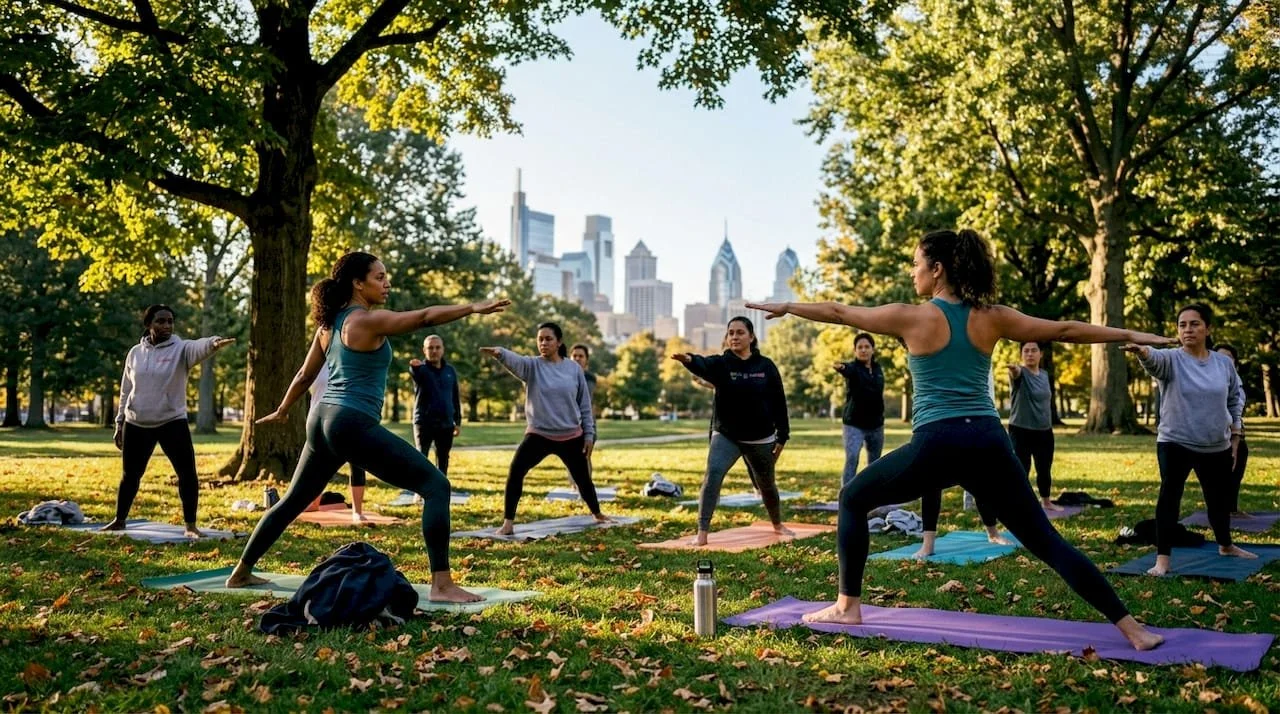
Best yoga mat: top picks for every Philadelphia yogi
Heather Rice

TL;DR:

Choosing the right yoga mat depends on your practice style, body needs, and environment.The Manduka PRO offers superior comfort, durability, and support for long-term use.For hot yoga or eco-conscious choices, mats like Liforme, Jade Harmony, or Lululemon provide optimal grip and sustainability.

Your mat slips mid-warrior pose. Your knees ache through a long yin hold. You roll out a borrowed studio mat that smells like a decade of hot yoga. Sound familiar? Picking the right yoga mat is one of the most personal decisions in your practice, yet most people grab whatever looks good online and hope for the best. With dozens of options across every price point and material, the choice feels overwhelming. This guide cuts through the noise. You'll learn the key criteria that actually matter, get honest reviews of top mats, and find local Philadelphia tips to help you test before you commit.

Table of Contents

Key Takeaways

Point Details
No universal 'best' mat The right yoga mat depends on your practice style, needs, and comfort preferences.
Manduka PRO leads in support Manduka PRO stands out for its comfort and durability, making it suitable for most practices.
Jade Harmony excels in grip Jade Harmony is eco-friendly with outstanding dry grip, perfect for vinyasa and mindful yogis.
Test mats locally Trying yoga mats at Philly studios or shops can help you find your perfect match.

How to choose your ideal yoga mat: Key criteria explained

Before you spend a dollar, you need to know what you're evaluating. There is no single 'best' mat; the right choice depends entirely on your practice style, body, and environment. Here's what to look at:

  • Thickness: A 4-6mm mat works for most practitioners, offering a balance of cushion and floor feel. If you have sensitive knees, wrists, or hips, lean toward 6mm or thicker. Travel mats drop to 1-2mm, which is great for portability but rough on joints.

  • Grip: Natural rubber and polyurethane surfaces lead the pack. Rubber grips well on dry surfaces, while polyurethane handles sweat better. If you practice hot yoga, wet grip is non-negotiable.

  • Material: Natural rubber mats are eco-friendly and grippy but can be heavy and may degrade in sunlight. PVC mats are more durable, easy to wipe clean, and typically cheaper, but they're not biodegradable.

  • Weight and portability: A 7-pound mat is fine for a home studio. If you're biking to class in Fishtown or taking the subway to Center City, you'll want something under 4 pounds.

  • Maintenance: Some mats need air-drying only; others tolerate a quick spray-and-wipe. Check care instructions before buying, especially if you sweat heavily.

  • Price and eco-friendliness: Budget mats start around $25. Premium mats run $80-$200. Eco-conscious options cost more upfront but often last longer.

Pro Tip: Before ordering online, visit a local Philadelphia studio or wellness shop to feel different mat textures and thicknesses in person. You can find expert mat tips and yoga mat safety and durability resources that help narrow your shortlist fast.

Matching your mat to your practice style matters more than chasing the highest-rated product. A mat built for restorative yoga will frustrate a hot yoga devotee, and vice versa.

For a deeper breakdown of what to look for locally, the local tips for choosing mats guide is a solid starting point tailored to Philadelphia practitioners.

Manduka PRO: Ultimate comfort and unmatched durability

Building on those criteria, let's look at one of the most consistently recommended mats for all-around use. The Manduka PRO is rated top overall for comfort, durability, and support, and it earns that reputation.

Here's what makes it stand out:

  • 6mm cushioning: That extra thickness makes a real difference in long holds, seated poses, and any practice where your knees or wrists take pressure. It's the sweet spot for joint support without losing ground connection.

  • Exceptional lifespan: The Manduka PRO is built to last 15 to 20 years and comes with a lifetime warranty. That's a significant upfront cost justified over time.

  • Grip that improves: New Manduka PRO mats feel slick. This surprises a lot of people. The surface needs a break-in period, typically a few weeks of regular use or a salt scrub treatment. Once broken in, grip is excellent.

  • Weight: At 7.5 pounds, this mat is heavy. It's ideal for a home practice or a studio where you leave your mat. Carrying it across Philadelphia daily will get old fast.

  • Versatility: It works beautifully for vinyasa, Ashtanga, and restorative yoga. For hot yoga, pair it with a thin towel to manage sweat.

Pro Tip: During Philadelphia's humid summer months, wet a small microfiber towel and lay it over your Manduka PRO. The moisture actually activates grip on the mat's surface, making it perform better in sweaty conditions.
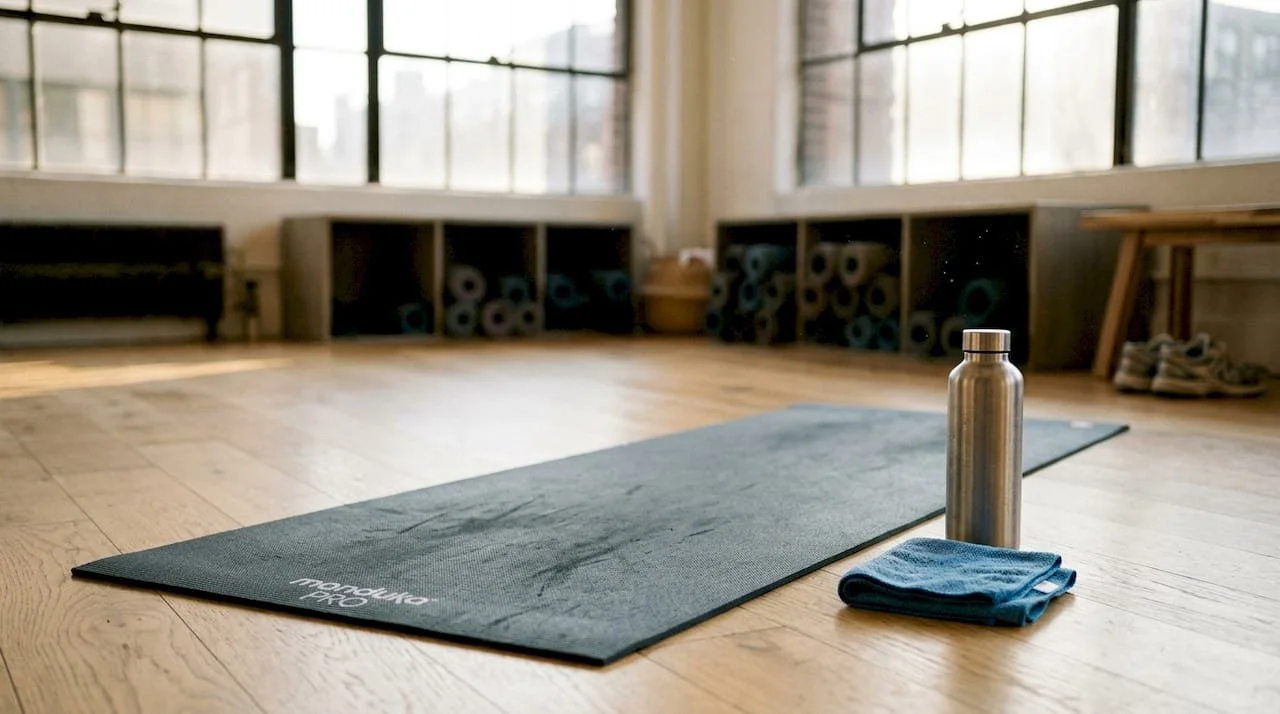
You can browse best mat roundups and a detailed PRO mat review to see how it compares across different practice styles. For full performance data, the full review data covers every benchmark in detail.

Jade Harmony and Lululemon The Mat: Grip and eco-friendly picks

For those prioritizing eco materials or supreme grip, here's how the Jade Harmony and Lululemon The Mat stack up against each other and against the Manduka PRO.

Jade Harmony highlights:

  • Made from natural rubber tapped from rubber trees, making it one of the most eco-friendly options available

  • 5mm thick, lighter than the Manduka PRO, easier to carry to class

  • Unbeatable dry grip, even without a break-in period

  • Works well for all yoga styles in dry conditions

  • Mediocre wet grip, so hot yoga practitioners may struggle without a towel

  • Attracts dust and pet hair, and may have a rubbery smell when new

Lululemon The Mat highlights:

  • Reversible design: one side offers more grip, the other more cushion

  • 5mm thick, comparable weight to Jade Harmony

  • Good for hot yoga in moderate sweat conditions

  • Wet grip scores around 4.5 out of 10, which is lower than expected for a premium mat

  • Easy to clean with a damp cloth

If you're a regular at hot yoga classes in Philadelphia, wet grip performance is the number you should care about most. Both mats perform better in dry conditions.

Feature Jade Harmony Lululemon The Mat
Material Natural rubber Polyurethane/rubber blend
Thickness 5mm 5mm
Dry grip Excellent Very good
Wet grip Fair Fair (4.5/10)
Eco-friendly Yes Partial
Reversible No Yes
Weight ~4.2 lbs ~4.9 lbs

For best mat for hot yoga recommendations, both mats benefit from a towel overlay when sweat is heavy. More detailed comparisons are available at more mat reviews.

At-a-glance: Yoga mat comparison for every style

Now that you've seen each mat's strengths, here's a quick side-by-side guide so you can match your practice to the right mat in seconds. Empirical benchmarks from user tests highlight how significantly mats differ in comfort and grip across real conditions.

Mat Thickness Grip (dry) Grip (wet) Weight Eco-friendly Best for
Manduka PRO 6mm Excellent (after break-in) Good with towel 7.5 lbs Partial Home studio, all styles
Jade Harmony 5mm Excellent Fair 4.2 lbs Yes Flow, yin, restorative
Lululemon The Mat 5mm Very good Fair 4.9 lbs Partial Hot yoga, travel
Gaiam Premium 5mm Good Poor 3.5 lbs No Budget, beginners
Liforme 4.2mm Excellent Very good 4.4 lbs Partial Hot yoga, alignment

How to use this table:

  1. Identify your primary practice style (flow, hot yoga, restorative, travel).

  2. Decide how much you care about eco-friendliness and portability.

  3. Match your priorities to the mat column that fits best.

  4. Cross-check grip rating against how much you sweat during class.

  5. Set your budget and pick the highest-performing mat within it.

For 2026 updates on new accessories that complement your mat choice, there's a full breakdown worth bookmarking.

Making the best choice for your practice in Philadelphia

With all the details in mind, here's how to finalize your choice and make it work for you in Philadelphia. There is no one-size-fits-all answer, and no Philly studio recommends a single mat; function for your specific style always comes first.

  • Joint support: If your knees or wrists need extra care, go 6mm or thicker. Manduka PRO is the obvious choice here.

  • Hot yoga: Test wet grip before committing. Liforme and Manduka GRP Adapt are purpose-built for sweat. Jade Harmony and Lululemon The Mat need a towel assist.

  • Eco priorities: Jade Harmony is the clearest choice. It uses sustainably sourced natural rubber and the company plants a tree for every mat sold.

  • Budget: Gaiam mats offer solid performance for beginners at a fraction of the price. They won't last as long, but they're a smart starting point.

  • Travel and commuting: Liforme and Lululemon The Mat are lighter and more packable. If you're heading to class across the city regularly, weight matters.

Pro Tip: Whenever possible, buy from a local Philadelphia yoga shop or studio retail space. You get expert advice, the ability to return if something doesn't work, and the chance to test the mat on a real floor before committing.

For more detailed buying advice tailored to different practice levels and styles, there's a helpful resource that covers common mistakes and overlooked factors.

Why there's no single 'best yoga mat' and what really matters

Every year, review sites publish definitive rankings. And every year, yogis buy the top-rated mat and feel disappointed. Here's the uncomfortable truth: no reviewer can account for your body, your studio's floor surface, your sweat rate, or where you are in your practice.

The mat that feels perfect for a seasoned Ashtanga practitioner in a climate-controlled studio may feel completely wrong for a beginner working through their first hot yoga class in South Philly in July. Your ideal mat will also change as you grow. What you need at month three of practice is rarely what you'll want at year three.

The most valuable thing you can do is borrow mats, try studio loaners, and test options at local shops before spending $150 online. Reading reviews is useful for narrowing your list, but it can't replace the physical experience of standing on a mat and moving through a few poses. For beginner yoga insight and tips from practitioners who have gone through this exact process, the community perspective is far more useful than any star rating.

Focus less on brand prestige and more on how your body feels after a full class. That's the only benchmark that matters.

Ready to enhance your practice? Explore more at Amrita Yoga & Wellness

Nothing in a review article replaces the feeling of rolling out a mat in a real class, surrounded by a supportive community, with an experienced instructor guiding your alignment. At Amrita Yoga & Wellness, we offer a full range of classes across styles, from hot yoga and vinyasa to restorative and barre, so you can discover what your body truly needs.

We also offer wellness experiences beyond the mat, including tarot and wellness sessions that support your mental and spiritual well-being alongside your physical practice. Whether you're a first-time student or a longtime practitioner looking to deepen your work, our Philadelphia studio is the place to find your footing. Come explore what we offer and let your practice lead the way.

Frequently asked questions

What's the best yoga mat for beginners?

The Jade Harmony is well-suited for beginners thanks to its immediate grip and comfortable 5mm cushion, while Gaiam mats offer a budget-friendly entry point. If you're ready to invest once and not replace it, the Manduka PRO's lifetime warranty makes it worth considering from day one.

Which yoga mat is best for hot yoga?

For hot yoga, prioritize wet grip above everything else. Hot yoga demands mats with strong wet grip, and options like Liforme or Manduka GRP Adapt are purpose-built for sweat-heavy sessions. If you already own a Manduka PRO, a thin microfiber towel over the surface solves most grip issues.

How thick should a yoga mat be?

A thickness of 4-6mm suits most practitioners, balancing cushion with a stable floor connection. If you experience knee or wrist discomfort, choose 6mm or thicker to reduce joint strain during longer holds.

Are eco-friendly yoga mats worth it?

Jade Harmony offers top dry grip along with sustainably sourced natural rubber, making it one of the best eco-friendly choices available. If environmental impact matters to you and your practice stays mostly dry, it's absolutely worth the investment.

Can I test yoga mats before buying in Philadelphia?

Yes. Philadelphia studios recommend testing mats locally before purchasing, and many shops allow you to stand on display mats or even try them in class. It's the single best way to avoid buyer's remorse on a premium mat.

Recommended

7 Expert Tips for Choosing the Best Yoga Mat Online
Heather Rice

Finding the perfect yoga mat can feel overwhelming with so many choices available. Whether you are a beginner or an experienced practitioner, picking the wrong mat can lead to discomfort, instability, or even injury during your sessions. Your mat should support your body, match your practice style, and align with your personal values.

The right yoga mat does much more than cushion your pose. It creates a safe space, offers reliable grip, and can even reflect your commitment to eco friendly living. You will learn actionable steps for choosing a mat based on yoga style, material safety, comfort, and durability. Each insight will help you avoid common mistakes and make confident decisions for your physical practice and wellness journey.

Get ready to uncover practical ways to select a mat that fits your needs, keeps you safe, and supports both your body and your yoga goals.

Table of Contents

Quick Summary

Takeaway Explanation
1. Match Your Mat to Your Yoga Style Choose a mat that aligns with your specific yoga practice, considering both intensity and grip needs.
2. Assess Mat Thickness for Support Select mat thickness based on joint protection requirements and practice type for enhanced stability.
3. Choose Eco-Friendly Materials Opt for mats made of natural materials for sustainability and better environmental impact.
4. Ensure Non-Slip and Durable Surfaces Pick mats with reliable grip and durability to support safety during various yoga poses.
5. Align Mat Choice with Wellness Goals Select a mat that reflects your personal health objectives, whether for physical recovery or meditation.

1. Determine Your Yoga Style and Mat Needs

Choosing the right yoga mat begins with understanding your specific yoga practice. Just like athletes select specialized equipment, yoga practitioners need a mat tailored to their unique style and physical requirements.

Every yoga style demands different mat characteristics. Gentle practices like Yin or Restorative Yoga require thicker, more cushioned mats for comfort during prolonged floor poses. In contrast, dynamic styles such as Vinyasa or Power Yoga need mats with superior grip and minimal cushioning to support quick transitions and balance.

Understanding the nuances of yoga styles helps choose appropriate mats that complement your practice. For instance, hot yoga practitioners need mats with excellent sweat absorption and non slip surfaces, while meditation focused practitioners might prioritize extra padding and thermal insulation.

Consider these key factors when matching your mat to your practice:

Physical Intensity Needs • High energy styles (Ashtanga, Power Yoga): Thin, firm mats • Gentle practices (Yin, Restorative): Thick, soft mats • Balanced practices (Hatha, Vinyasa): Medium thickness mats

Grip Requirements • Sweaty practices: Textured, non slip surface • Static poses: Smoother surface with moderate traction • Balance focused styles: Extra grip zones

Reflect on your personal yoga journey. Are you a beginner exploring different styles or an experienced practitioner with a specific routine? Your mat should evolve with your practice, supporting your physical and spiritual growth.

Pro tip: Try visiting a local yoga studio to test different mat types and get personalized recommendations based on your specific practice style.

2. Compare Mat Thickness for Comfort and Stability

Yoga mat thickness is more than just a comfort feature it is a critical performance factor that impacts your entire practice. Your mat's thickness directly influences your stability, joint protection, and overall yoga experience.

Mat thickness ranges typically fall into three primary categories standard (1/8 inch), thick (1/4 inch), and extra thick (1/2 inch). Each thickness level serves different physical needs and practice styles.

Thickness Categories and Their Benefits

Standard Thickness (1/8 inch) • Ideal for balance focused practices • Provides excellent stability for standing poses • Lightweight and portable • Best for experienced practitioners

Medium Thickness (1/4 inch) • Balanced support for joints • Suitable for most yoga styles • Offers moderate cushioning • Recommended for general practice

Extra Thick (1/2 inch) • Maximum joint protection • Perfect for restorative and gentle practices • Recommended for practitioners with sensitive knees • Provides significant padding during floor poses

Consider your personal physical needs when selecting mat thickness. Younger practitioners with strong joints might prefer thinner mats that enhance balance. Those with joint sensitivities or recovering from injuries should opt for thicker mats that provide more cushioning.

Body weight also plays a significant role in mat selection. Heavier practitioners benefit from thicker mats that distribute weight more evenly and prevent uncomfortable sinking during poses.

Pro tip: Always test yoga mats in person when possible to understand how different thicknesses feel during your specific practice style.

3. Understand Mat Materials and Eco-Friendliness

Your yoga mat is more than just a workout accessory it is a personal statement about your commitment to health and environmental consciousness. Understanding the materials used in yoga mats can help you make an informed choice that aligns with your physical practice and ecological values.

Yoga mat materials range from synthetic to naturaloptions, each with unique characteristics that impact performance, durability, and environmental sustainability.

Material Categories

Synthetic Materials • PVC (Polyvinyl Chloride) • Thermoplastic Elastomer (TPE) • Pros: Affordable, lightweight • Cons: Not biodegradable, potential chemical additives

Natural Materials • Natural Rubber • Cork • Organic Cotton • Jute • Pros: Biodegradable, sustainable • Cons: Sometimes more expensive

Eco Friendly Considerations

Performance Factors • Grip quality • Durability • Cushioning • Environmental impact

Environmentally conscious practitioners should prioritize mats made from natural rubber, cork, or organic materials. These options not only provide excellent performance but also minimize negative environmental consequences.

Consider your personal priorities. Are you seeking maximum sustainability? Prioritize natural rubber or cork mats. Need budget friendly options? Synthetic mats might work better. Some practitioners even choose hybrid mats that blend synthetic and natural materials for balanced performance.

Pro tip: Check mat labels for specific sustainability certifications and avoid materials containing harmful chemicals like PVC and phthalates.

4. Check for Non-Slip and Durable Surfaces

Safety and longevity are paramount when selecting a yoga mat. A high quality mat provides reliable grip and withstands repeated use across diverse practice styles and environmental conditions.

Non-slip surfaces prevent potential injuries during challenging poses and dynamic movements. Your mat's surface texture directly impacts your ability to maintain stability and focus during practice.

Surface Performance Factors

Grip Characteristics • Textured surfaces • Raised patterns • Moisture wicking abilities • Material specific traction

Durability Indicators • Resistance to wear • Ability to maintain grip when sweating • Quality of material construction • Resilience to repeated use

Surface Texture Analysis

Smooth Surfaces • Best for gentle practices • Limited traction • Ideal for controlled movements

Textured Surfaces • Maximum grip • Excellent for dynamic yoga styles • Prevents slipping during intense sequences

Natural rubber mats often provide superior grip and durability. Synthetic materials like TPE can also offer excellent non slip properties. Your ideal mat depends on your specific practice intensity and personal preferences.

Consider your typical yoga environment. Hot yoga practitioners need mats with exceptional moisture management. Studio practitioners might prioritize different surface qualities compared to those practicing at home.

Pro tip: Always test a mat's surface by performing a few poses in the store or checking detailed online reviews that discuss grip performance under different conditions.

5. Consider Portability and Mat Size Options

Your yoga mat is your personal practice sanctuary, and its size and portability can dramatically impact your yoga experience. Yoga mat dimensions vary to suit different needs, from compact travel versions to expansive studio mats.

Standard Mat Dimensions • Length: Typically 6 feet • Width: Approximately 2 feet • Ideal for average height practitioners

Size Categories

Travel Mats • Lightweight • Thin profile • Easy to fold or roll • Perfect for frequent travelers • Sacrifices some cushioning for portability

Standard Mats • Full size dimensions • Balanced cushioning • Suitable for studio and home practice • Supports most yoga styles

Extended or Therapeutic Mats • Wider width • Longer length • Extra support for taller practitioners • Enhanced comfort for restorative practices

Height plays a crucial role in mat selection. Taller individuals might require longer mats to ensure full body coverage during poses. Conversely, more petite practitioners can opt for compact mats that are easier to manage and transport.

Consider your primary practice environment. Frequent travelers need lightweight mats that compress easily. Studio practitioners might prioritize thicker mats with more cushioning. Home practitioners have more flexibility in mat selection.

Pro tip: Measure your height and preferred practice space before purchasing to ensure your mat provides adequate coverage and fits your lifestyle.

6. Read Reviews to Find Trusted Online Brands

Navigation through the complex world of online yoga mat shopping requires more than intuition you need strategic research and critical evaluation of available information. Consumer reviews offer crucial insights into product performance and authenticity.

Review Analysis Strategies

Credibility Indicators • Verified purchase badges • Detailed personal experiences • Consistent feedback patterns • Balanced positive and critical comments

Red Flags in Reviews • Generic language • Overly promotional tone • Identical review structures • Lack of specific product details

Key Review Evaluation Techniques

Quantity Matters • More reviews provide better perspective • Look for at least 50 comprehensive reviews • Assess overall rating trends • Pay attention to recent feedback

Quality Assessment • Seek reviews from practitioners similar to your experience level • Cross reference multiple platforms • Check professional review sources • Understand specific performance metrics

Reputable sources like Consumer Reports provide comprehensive testing beyond typical user reviews. These expert evaluations assess material safety, durability, environmental impact, and overall product quality with scientific rigor.

Remember that no single review tells the complete story. Synthesize information from multiple sources to build a comprehensive understanding of potential yoga mat options.

Pro tip: Create a spreadsheet to track review details from different sources, comparing key features and allowing objective side by side evaluation of potential yoga mat purchases.

7. Align Your Choice with Personal Wellness Goals

Your yoga mat is more than just a piece of equipment it is a foundational tool for your holistic wellness journey. Wellness goals require personalized approach to selecting the right supportive accessories.

Wellness Goal Categories

Physical Health • Injury prevention • Joint support • Muscle recovery • Flexibility enhancement

Mental Wellness • Stress reduction • Meditation support • Emotional balance • Mindfulness practice

Lifestyle Integration • Travel frequency • Home practice space • Environmental values • Budget considerations

Understand that wellness is multi dimensional. A yoga mat should complement your specific health objectives, whether you are seeking physical rehabilitation, stress management, or spiritual connection.

For practitioners focused on physical recovery, select mats with extra cushioning and joint support. Meditation enthusiasts might prioritize mats with thermal insulation and comfort for prolonged seated practices. Environmentally conscious yogis could choose sustainable materials that reflect their ecological values.

Consider how your mat can be a reflection of your wellness philosophy. Are you aiming for gentle restoration or intense physical transformation? Your mat selection should directly support these personal wellness trajectories.

Pro tip: Create a wellness vision board that includes your yoga mat as a key tool for achieving your holistic health objectives.

Below is a comprehensive table summarizing the key considerations for selecting an appropriate yoga mat as discussed in the article.

Yoga Mat Selection Guide
Aspect Details Consideration
Yoga Style Different styles of yoga require distinct mat types; e.g., Restorative Yoga prefers thick mats, while Power Yoga benefits from thin grippy mats. Match the mat to the style for optimal support and comfort.
Mat Thickness Varieties include 1/8 inch (standard), 1/4 inch (medium), and 1/2 inch (extra thick). Depending on joint comfort and practice type, select the most suitable thickness.
Material Composition Common materials: PVC, TPE, natural rubber, cork, organic cotton, jute. Assess based on durability, sustainability, cost, and performance.
Surface Grip and Durability Choose textures for traction: smooth for gentle practices, textured for intense styles. Ensures safety and longevity during practice.
Portability and Size Options for travel mats, standard dimensions, and therapeutic sizes. Match the mat to user height and portability requirements.
Personal Goals Align mat to wellness objectives: joint support, meditation, alignment with ecological values. Supports physical and mental growth effectively.

Find the Perfect Yoga Mat to Elevate Your Practice Today

Choosing the best yoga mat online can feel overwhelming with so many options that vary in thickness, material, grip, and size. This article highlights common struggles like finding the right balance between comfort and stability or selecting eco-friendly mats that align with your wellness goals. If you want a mat that supports your specific yoga style and personal health needs, it helps to connect with a community that understands these challenges and can guide you to the perfect fit.

At Amrita Yoga & Wellness, we offer expert advice and carefully selected yoga accessories that match your practice journey. Whether you need durable, non-slip mats for dynamic flows, extra cushioned mats for restorative work, or sustainable options for mindful living, you will find resources and products tailored to your experience. Explore our range of classes, workshops, and wellness services to deepen your connection to yoga and discover mats that truly enhance your physical and mental well-being.

Start your personalized wellness journey today and explore how the right mat can transform your practice.

Join our vibrant community where supportive instructors and fellow practitioners help you choose equipment that reflects your wellness goals.

Take the first step to feel confident and comfortable in every pose with Amrita Yoga & Wellness accessories and classes.

Find your ideal yoga mat now and experience the benefits of a practice set up just for you. Visit us to shop, learn, and grow with trusted support every step of the way.

Frequently Asked Questions

How do I determine the right yoga mat thickness for my practice?

Choosing the right yoga mat thickness depends on your practice style and personal needs. If you practice high-energy styles like Ashtanga, opt for a thinner mat (about 1/8 inch) for balance, while gentle practices like Yin may benefit from thicker mats (around 1/2 inch) for joint protection. Consider testing mats in person to see how different thicknesses feel during your practice.

What materials should I consider for my yoga mat?

When selecting a yoga mat, evaluate the materials for durability and eco-friendliness. Options range from synthetic materials like PVC to natural materials such as natural rubber or cork. Prioritize options that align with your environmental values, opting for biodegradable choices to minimize your ecological impact.

How important is the grip quality of a yoga mat?

Grip quality is crucial for safety in yoga practice, especially during dynamic movements. Look for mats with textured surfaces or moisture-wicking materials that prevent slipping. Test mats by performing a few poses to ensure they meet your grip requirements under varying conditions.

What factors should I consider for mat portability?

When it comes to portability, consider the size and weight of the mat. Lightweight travel mats are compact but may sacrifice cushioning, while standard mats offer balanced support for home and studio. Measure your height and practice space before purchasing to ensure your mat fits easily into your lifestyle.

How can I research online yoga mat brands effectively?

To effectively research online brands, focus on reading consumer reviews and feedback. Look for products with a balance of positive and critical comments, and assess the credibility of the reviews by seeking detailed personal experiences. Create a list of key features to compare and objectively evaluate your options based on gathered insights.

How can my wellness goals influence my yoga mat choice?

Your wellness goals should significantly guide your yoga mat selection. If you're focused on joint protection or injury recovery, choose mats that provide extra cushioning. For stress reduction or meditation, prioritize comfort and support for longer seated practices, ensuring your mat aligns with your holistic health objectives.

Recommended