The Amrita Journal
Explore thoughtful stories, practical wellness guidance and inspiring ideas to support your movement, mindfulness and everyday wellbeing at Amrita.
Unlimited Yoga Classes: Is a Monthly Membership Worth It?
TL;DR:
Unlimited yoga memberships are most cost-effective for practicing three or more times weekly. For irregular attendance, class packs or online subscriptions often offer better value. Building a consistent habit first is advised before committing to an unlimited plan.
An unlimited yoga membership pays off when you attend at least 3–4 times a week. Below that threshold, a class pack almost always costs less. If you're already practicing consistently, or you're committed to building that habit, an unlimited yoga pass is usually the smarter buy. Amrita Yoga & Wellness in Philadelphia offers in-studio, livestream, and workshop options worth considering once you've run the math on your own schedule. And if your doctor has recommended yoga for a specific condition, IRS Publication 502 outlines when wellness expenses may qualify for HSA or FSA reimbursement, which can meaningfully lower your effective monthly cost.
Table of Contents
What does "unlimited" actually cover in studio, online, and hybrid plans?
What to check before you sign: terms, cancellation, and red flags
Amrita Yoga & Wellness: what the studio offers regular practitioners
Amritayogawellness makes it easy to start without overcommitting
What does "unlimited" actually cover in studio, online, and hybrid plans?
Not all unlimited plans are built the same. Three structures dominate the U.S. market:
In-studio unlimited: Access to all regularly scheduled group classes at one or more physical locations. This is the most common format and the most expensive.
Online-only unlimited: Livestream and on-demand classes only, no studio floor access. Prices run significantly lower than in-studio plans.
Hybrid unlimited: Combines in-studio classes with livestream and on-demand access. Some studios include this in one membership tier; others charge separately for the digital layer.
What's typically included: daily group classes across styles (Vinyasa, Iyengar, restorative, hot yoga), livestream sessions, and an on-demand video library where one exists.
What's commonly excluded: specialty workshops, teacher trainings, merchandise, massage or bodywork services, and certain premium or heated classes that carry a surcharge. Guest passes and event tickets are almost never part of a base unlimited plan.
Pro Tip: Before signing, ask specifically whether the studio charges a surcharge for hot yoga, sculpt, or other specialty formats. Some studios advertise "unlimited" but add $5–$10 per class for their most popular formats, which can quietly erode the value.
What do unlimited yoga memberships typically cost?
Online-only unlimited plans in the U.S. commonly run in the $20–$50 per month range. In-studio unlimited memberships vary more widely depending on city, studio size, and included perks, and tend to run considerably higher than their digital-only counterparts. Comparing an online-only price to an in-studio price without checking access levels is one of the most common mistakes buyers make.
Several factors push a studio's price up or down:
Teacher credentials: Studios with faculty holding advanced certifications, anatomy training, or specialized Iyengar or therapeutic credentials typically charge more.
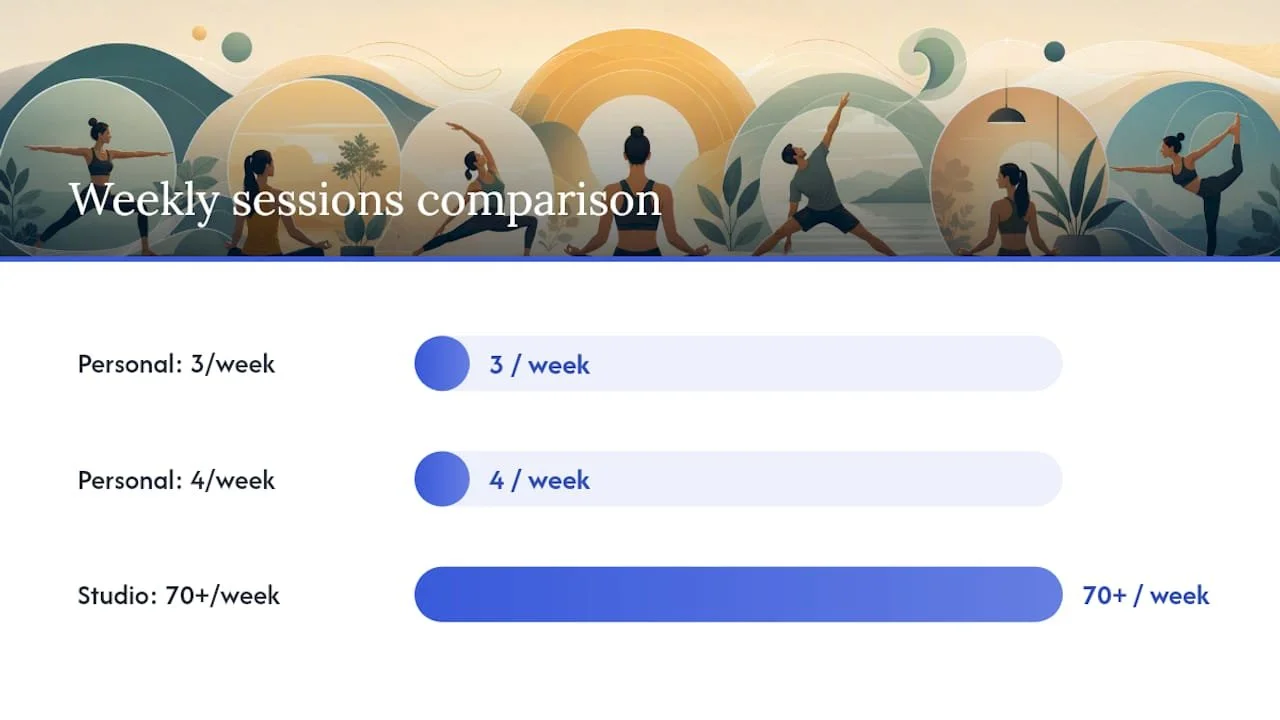
Class volume and schedule: A studio offering 70+ weekly sessions across multiple styles commands a premium over one with a limited schedule.
Location and overhead: Urban studios in high-rent markets charge more than suburban or community-cooperative studios.
Bundled perks: Free meditation classes, workshop discounts, and guest passes add real value. Count them when comparing sticker prices.
The per-class math shifts fast with attendance. At three classes a week, you're getting roughly 12–13 sessions a month. At four, that's 16–17. Run those numbers against local drop-in rates and you'll see quickly whether the monthly fee pencils out. Some wellness expenses tied to a medical recommendation may also qualify for HSA or FSA reimbursement per IRS Publication 502, so ask your studio if they can provide documentation.
Is unlimited right for you? A simple decision test
If you reliably attend yoga three or more times a week, choose unlimited. If you're still building the habit, start smaller.
Studio operators consistently advise that unlimited memberships work best for students with an established routine. Beginners or irregular attendees almost always get better value from a smaller class pack first.
Work through this checklist before committing:
Track your current attendance. How many times did you actually practice last month? Be honest.
Check your schedule flexibility. Can you realistically get to the studio three or more times a week, or does your week vary too much?
Assess your financial comfort. Are you prepared for an auto-renewing monthly charge, potentially with a minimum commitment period?
Match style to your goals. If you're focused on rehabilitation or mobility, Iyengar-based or therapeutic classes matter more than a broad schedule. If you want cardio and flow, Vinyasa yoga is likely your format.
Read the cancellation terms before you sign. More on this below.
Pro Tip: If you're unsure about your attendance habits, buy a 10-class pack first. Track how long it takes you to use it. That data tells you exactly what an unlimited plan is worth to you.
What to check before you sign: terms, cancellation, and red flags
Most studios auto-renew monthly memberships unless you cancel within a specific window, often 15–30 days before your next billing date. Missing that window by a day can mean another full month's charge.
Before signing any unlimited membership agreement, verify these items:
Auto-renew terms: When does billing recur, and how far in advance must you cancel?
Cancellation process: Is it online, by email, or in person only? Some studios require written notice sent by certified mail, which is a red flag.
Freeze policy: Can you pause your membership for travel or injury, and how many times per year?
Surcharges: Which class formats carry extra fees beyond the base membership?
Minimum commitment: Some agreements lock you in for several months with early-termination penalties.
"Before I commit to any membership, I ask three questions: How do I cancel? How much notice do I need? And what happens if I need to pause?" This approach surfaces the most important contract terms before you're bound by them.
Red flags to walk away from: vague cancellation instructions, no written freeze policy, and contracts that require you to call during business hours to cancel with no online option.
Alternatives to unlimited memberships
Unlimited isn't the only path to a regular practice. These options often make more sense depending on your situation:
5/10/20-class packs: — Best for irregular schedules or when you're testing a new studio. No recurring charge, no expiration pressure if the window is generous.
Online-only subscriptions: If in-studio access isn't a priority, online yoga subscriptions deliver solid value at a fraction of in-studio pricing. Good for home practitioners or those supplementing occasional studio visits.
Chair yoga programs offered in community care settings, like those described at Mearns House, show how structured, lower-intensity formats can serve specific populations well, a useful reminder that the right format matters as much as the right membership type.
Amrita Yoga & Wellness: what the studio offers regular practitioners
Amritayogawellness is a Philadelphia-based studio built for practitioners who want depth alongside consistency. The studio's offerings include:
In-studio group classes across multiple styles, including hot yoga, Vinyasa, pilates, barre, and tai chi
Workshops and retreats for students who want to go beyond the weekly schedule
Adjunct services including massage therapy and community events like tarot readings
Detailed class descriptions and teacher profiles to help students match format to goal
Membership options oriented to regular practice, with trial offers for new students
Community perks, workshop discounts, and a welcoming environment for all levels are part of what Amritayogawellness emphasizes. Teacher qualifications and class descriptions are publicly listed so you can assess fit before your first visit. For students with health-related goals, the studio's range of styles, from gentle restorative to hot yoga instruction, means you're not locked into one format.
How to cancel or freeze a membership without losing money
Cancellation mistakes are common and expensive. Follow these steps:
Read your agreement now. Note the cancellation window, required notice period, and accepted cancellation methods.
Set a calendar reminder at least five days before the cancellation deadline.
Submit your request in writing. Email is usually sufficient; keep a copy.
Request written confirmation. Don't assume the cancellation processed until you have it.
Check your next billing statement. If a charge appears after confirmed cancellation, dispute it with your bank immediately.
For freezes: Ask for the freeze policy in writing before you need it. Some studios limit freezes to one or two per year.
A simple cancellation email: "I am writing to cancel my membership effective [date]. Please confirm receipt and provide written confirmation of cancellation. My account name is [name] and my member ID is [ID]."
Watch for trials that auto-enroll at the end of the trial period. Confirm the exact cancellation mechanics and deadline before you start any intro offer.
Membership types side by side: which format fits your life?
| Membership Type | Best For | Commitment | Flexibility |
|---|---|---|---|
| Unlimited monthly | Consistent practitioners, 3–4x/week | Monthly, often with minimum term | Low to moderate |
| Class packs (5/10/20) | Irregular schedules, studio testing | None | High |
| Drop-in / single class | Travelers, very occasional use | None | Highest |
| Online-only subscription | Home practice, travel supplement | Monthly, usually cancel anytime | High |
| 30-day intro / trial | New students building a habit | Short-term | Moderate |
The unlimited monthly plan rewards frequency. Every other format rewards flexibility. Your attendance pattern, not your aspirations, should decide which row you're in.
Key Takeaways
An unlimited yoga membership saves you money only when you consistently attend 3–4 classes per week. Below that, class packs are almost always a better value.
| Point | Details |
|---|---|
| Attendance threshold | Attend 3–4 times per week for unlimited to beat class-pack pricing. |
| Test before committing | Use a 10-class pack to measure real attendance before buying unlimited. |
| Contract must-checks | Verify auto-renew terms, cancellation window, freeze policy, and surcharges before signing. |
| Alternatives exist | Class packs, drop-ins, and online subscriptions suit irregular or budget-first practitioners. |
| Amritayogawellness | Philadelphia studio offering in-studio, workshop, and adjunct wellness options for regular practitioners. |
The case for patience before you commit
The conventional wisdom says: buy unlimited and you'll practice more. Studios lean into this framing because it works for them. But the evidence from studio operators points the other way: students who build the habit first and then upgrade to unlimited get far more from the membership than those who buy it hoping the sunk cost will motivate them.
There's also a style-matching problem most buyers ignore. Choosing a studio because it's cheap or close, then discovering the teaching methodology doesn't match your goals, is a waste of money at any price point. A Vinyasa-heavy schedule won't serve someone focused on injury rehabilitation the way an Iyengar or therapeutic program will. Teacher credentials and class descriptions deserve more scrutiny than the monthly price.
The smartest move is a short trial, honest attendance tracking, and a careful read of the cancellation terms before you hand over a credit card. Unlimited yoga access is genuinely valuable for the right person at the right studio. The work is figuring out whether that's you, before the auto-renew kicks in.
Amritayogawellness makes it easy to start without overcommitting
Amritayogawellness offers new students a trial path into regular practice without locking you into a long-term contract upfront. The Philadelphia studio covers hot yoga, Vinyasa, pilates, barre, tai chi, and massage therapy under one roof, with teacher profiles and class descriptions that let you match format to goal before your first session.
Community events, including tarot readings and workshops, are part of the membership experience, not add-ons you pay extra for. If you've done the attendance math and you're ready to commit to a consistent practice, visit amritayogawellness.com to explore current membership options and book your first class.
Recommended
Yoga Instructor Class: Your 2026 Certification Guide
TL;DR:
Yoga instructor classes certify individuals to teach safely and professionally, with the RYT 200 being the industry standard minimum credential. Courses cover techniques, anatomy, philosophy, teaching methods, and supervised practicum, requiring at least 200 hours of training, followed by advanced certifications. Choosing between in-person, online, or hybrid formats depends on your schedule, learning style, and access, with credentialing also requiring documentation, CPR certification, and liability insurance.
A yoga instructor class is a structured training program that certifies individuals to teach yoga safely and professionally. The industry standard credential is the RYT 200, defined by Yoga Alliance, and studios across the United States treat it as the minimum qualification for hiring. If you are exploring how to become a yoga instructor, understanding the credential levels, curriculum requirements, and delivery formats available in 2026 will save you time and money before you commit to a program.
What types of yoga instructor classes and credentials exist?
Certification levels in yoga teacher training follow a clear progression. The 200-hour foundational program is the entry point for professional teaching. From there, instructors can pursue a 300-hour advanced training, and the combination of both earns the RYT 500 designation recognized by Yoga Alliance.
Many aspiring teachers underestimate the 200-hour requirement and assume a 100-hour certificate is enough to get hired. Studios and insurance providers do not agree. The 200-hour credential is the professional floor, not a shortcut option.
The table below compares the three main certification levels:
| Credential | Hours Required | Best For | Career Impact |
|---|---|---|---|
| RYT 200 | 200 hours | New instructors entering the field | Qualifies for most studio hiring and insurance |
| RYT 300 | 300 additional hours | Instructors deepening expertise | Unlocks advanced yoga techniques and specialty teaching |
| RYT 500 | 500 combined hours | Experienced teachers seeking top-tier status | Highest Yoga Alliance recognition; opens training roles |
A 300-hour advanced training requires prior completion of the 200-hour foundational program before enrollment. That sequencing matters because the advanced curriculum assumes you already understand class sequencing, anatomy basics, and verbal cueing from your foundational work.
Key facts about credential levels:
RYT 200 is the recognized minimum for certified yoga classes at most U.S. studios
RYT 300 focuses on advanced yoga techniques, specialty populations, and deeper philosophy
RYT 500 combines both levels and qualifies instructors to lead yoga teacher training programs themselves
Yoga Alliance is the most widely recognized credentialing body in the United States, though programs like the International Association of Yoga Therapists (IAYT) serve specialized tracks
Pro Tip: Before enrolling, verify that your chosen program is registered with Yoga Alliance as an RYS (Registered Yoga School). Without that registration, your hours may not count toward official RYT credentials.
What does a yoga instructor class curriculum actually cover?
The curriculum inside a 200-hour program is more demanding than most beginners expect. Yoga Alliance sets minimum content requirements across five core domains, and quality programs go well beyond those minimums.
Here are the five core areas covered in a standard yoga teacher training curriculum:
Techniques and practice: Asanas (physical postures), pranayama (breathwork), and meditation form the physical and experiential core of training. Students practice these techniques daily, not just study them theoretically.
Anatomy and physiology: You learn how the skeletal and muscular systems respond to yoga postures. This knowledge directly informs how you cue students safely and modify poses for different bodies.
Yoga philosophy, lifestyle, and ethics: Training covers foundational texts like the Yoga Sutras of Patanjali and the ethical principles that govern a teacher-student relationship. This is not optional background reading. It shapes how you show up in the room.
Teaching methodology: Class sequencing, verbal cueing, hands-on adjustments, and managing group yoga sessions are all taught here. You learn how to build a class arc from warm-up to savasana.
Practicum and supervised teaching: Typical 200-hour programs allocate roughly 10 hours to practicum and teaching methodology. Students observe experienced teachers, then lead sessions themselves under supervision.
The practicum component separates programs that produce confident teachers from those that produce knowledgeable students who freeze when they face a live class. Students typically lead at least two full classes during training to develop voice modulation and real-time problem-solving skills. Two classes is a minimum. The best programs build in more.
Pro Tip: Ask any program director how many live teaching hours students accumulate before graduation. If the answer is fewer than four full-length classes, look for a program with more supervised practice built in.
Personal yoga coaching and mentorship from experienced teachers during practicum is what turns curriculum knowledge into actual teaching ability. No amount of reading about verbal cueing replaces the feedback you get when a real teacher watches you lead a class and tells you exactly what to fix.
In-person, online, or hybrid: which format fits you?
Delivery format is one of the most consequential decisions you will make when choosing a training program. Each model has real trade-offs, and the right choice depends on your schedule, learning style, and access to local programs.

In-person intensive programs compress 200 hours into a short window. A Rishikesh-based program example completes 200 hours in 21 days with bi-monthly batches. That pace builds immersion and community fast, but it requires you to step away from work and family obligations entirely.
Online and hybrid programs spread training across a longer timeline. Online or hybrid 200-hour programs typically span 3–6 months with 2–4 synchronous live sessions per week. That structure fits working adults who cannot take three weeks off but still want a rigorous credential.
The critical compliance detail for online programs: Yoga Alliance requires a minimum of 15% synchronous live instruction for a program to count toward RYT credentials. Pre-recorded video modules do not count as contact hours. This distinction trips up many students who assume watching recorded content fulfills their live hour requirements.
Here is a direct comparison of format trade-offs:
In-person intensive: Maximum immersion, hands-on adjustments, fast community building. Requires full schedule availability and often travel costs.
Online synchronous: Flexible scheduling, lower cost, access to programs nationwide. Requires strong self-discipline and a reliable internet connection.
Hybrid: Combines online self-study with periodic in-person intensives. Balances flexibility with real-world practice time.
Maximizing live interaction during online trainingbuilds teaching confidence and mentorship connections far better than passively watching recorded content. Show up to every live session, ask questions, and volunteer to teach during practice rounds even when it feels uncomfortable.
What are the credentialing steps after completing your training?
Finishing your training hours is not the final step. Becoming a certified yoga instructor requires submitting documentation and meeting additional requirements before you can teach professionally.
The credentialing process typically involves:
Submitting training verification to Yoga Alliance through their online portal, including your school's RYS registration number and your completed hours log
Passing any program assessments required by your school, such as written exams, teaching evaluations, or philosophy papers
Obtaining CPR/AED certification, which costs between $50 and $100 and is strongly recommended or required by most studio insurance policies
Securing liability insurance before teaching any paid classes, whether in a studio, gym, or private setting
The legal picture in the U.S. is straightforward but often misunderstood. Most U.S. states do not legally license yoga instructors, but studios and insurers require the RYT 200 credential for hiring and coverage. That means insurance and venue policies regulate yoga teaching prerequisites more effectively than any law does. If you want to teach, you need the credential. The market enforces it even when the government does not.
In-person studio teaching also carries ongoing responsibility. Instructors managing hands-on adjustments must handle consent continuously and stay within their qualification scope to limit liability. This is especially relevant for teachers moving into group yoga sessions with mixed-ability students.
Pro Tip: Register with Yoga Alliance within 60 days of completing your training. Your school's registration may have an expiration window, and delays can complicate your application.
Key takeaways
Becoming a certified yoga instructor requires completing a recognized training program, meeting credentialing requirements, and choosing a delivery format that matches your learning style and schedule.
| Point | Details |
|---|---|
| RYT 200 is the professional standard | Studios and insurers require the 200-hour credential as the minimum qualification for hiring. |
| Curriculum covers five core domains | Training includes techniques, anatomy, philosophy, teaching methodology, and supervised practicum. |
| Format choice affects compliance | Online programs must meet Yoga Alliance’s 15% live instruction minimum to count toward credentials. |
| Credentialing goes beyond graduation | Submitting hours, obtaining CPR/AED certification, and securing liability insurance are all required steps. |
| Advanced credentials open new doors | The RYT 300 and RYT 500 designations qualify instructors for advanced teaching roles and training programs. |
What i have learned about choosing the right training program
Most people spend more time researching a laptop purchase than they spend vetting a yoga teacher training program. That is a mistake that costs real money and months of your life.
The first thing I look at is whether the school is a Registered Yoga School with Yoga Alliance. That single check eliminates a large percentage of programs that will leave you with hours that do not count. After that, I look at the lead trainer's biography, not the school's marketing copy. How long have they been teaching? Do they have a specialty that matches your interests, whether that is beginner yoga classes, hot yoga, or advanced yoga techniques?
The format question is personal, and I have seen both sides. Immersive in-person programs build community and confidence faster. But I have also watched working parents complete rigorous online programs and become excellent teachers because they had the discipline to show up to every live session and practice teach on their own time. The format matters less than your commitment to it.
One thing most guides will not tell you: plan to exceed the minimum hours before you start marketing yourself as a teacher. The RYT 200 qualifies you legally. Teaching 50 or 100 additional hours in community classes, donation-based sessions, or corporate wellness settings is what makes you actually good. The credential opens the door. The practice hours build the teacher.
If you are in the Philadelphia area, exploring the yoga teacher training options at Amritayogawellness is worth your time before committing to a program.
— Juiced
Start your path at amrita yoga & wellness
Amritayogawellness, based in Philadelphia, supports students at every stage of their yoga education, from first-time practitioners in beginner yoga classes to those pursuing formal certification pathways. Whether you are researching your first yoga instructor class or looking to deepen your practice before committing to a full training program, the studio's offerings give you a real foundation to build on.
Amritayogawellness also offers tarot readings and complementary wellness services that many students find valuable alongside their yoga studies. Holistic well-being extends beyond the mat, and the studio's community reflects that. Explore the full range of classes, workshops, and training support at Amritayogawellness and take the next concrete step toward your certification goal. You can also check out affordable training options that can reduce the cost of your path to certification by up to 30%.
FAQ
What is the minimum credential to teach yoga professionally?
The RYT 200 is the recognized minimum credential for professional yoga teaching in the United States. Most studios and insurance providers require it for hiring and coverage, even though no state legally mandates a license.
How long does a 200-hour yoga teacher training take?
Program length varies by format. Intensive in-person programs can complete 200 hours in about 21 days, while online and hybrid programs typically span 3–6 months with multiple live sessions per week.
Do online yoga teacher training programs count toward yoga alliance credentials?
Yes, but only if the program meets Yoga Alliance's requirement that at least 15% of instruction hours are delivered through synchronous live sessions. Pre-recorded modules do not count as contact hours.
Is CPR certification required to become a yoga instructor?
CPR/AED certification is not legally required in most U.S. states, but most studio insurance policies require it. Certification typically costs between $50 and $100 and is strongly recommended before teaching any live classes.
What is the difference between RYT 300 and RYT 500?
The RYT 300 is an advanced training credential that requires prior completion of a 200-hour program. The RYT 500 combines both the 200-hour and 300-hour credentials into a single designation, qualifying instructors for the highest-level teaching and training roles.
Recommended
What Is Yoga Six? Classes, Benefits, and More
TL;DR:
YogaSix is a modern yoga boutique with over 200 locations in the U.S., blending yoga philosophy with functional fitness. Its structured, fusion-style classes target diverse wellness goals through six core formats, emphasizing accessibility and results-driven practice. The brand leverages technology and mobility science to address physical and recovery needs for a broad range of practitioners.
If you've walked past a YogaSix studio or seen it in your city's boutique fitness lineup, you've probably wondered what is Yoga Six and whether it's actually different from a regular yoga class. The short answer: yes, significantly. YogaSix is a modern yoga boutique with over 200 locations across the U.S., built around structured, fusion-style class formats that blend yoga philosophy with functional fitness. It's not your grandmother's gentle flow, and it's not a hardcore gym class either. It sits in a category of its own, and understanding exactly what it offers will help you decide whether it fits your wellness goals.
Table of Contents
What Yoga Six is and what it actually offers
YogaSix launched as a franchised boutique yoga brand with a clear mission: make yoga more accessible, more varied, and more results-driven for modern life. The "six" in YogaSix refers directly to its six core signature classes, each designed to target a different aspect of physical wellness. This structure is one of the things that separates a Yoga Six overview from a description of a typical yoga studio, where classes are often loosely defined or instructor-dependent.
Here's what the core class lineup includes:
Y6 101 — The entry-level class built for complete beginners, covering foundational poses and breathwork without pressure
Y6 Restore — A deeply restorative session using props like bolsters and blankets to release tension and support recovery
Y6 Slow Flow — A gentler paced flow that builds awareness and flexibility without intensity
Y6 Hot — A heated yoga class that promotes detoxification and deepens muscle flexibility through elevated room temperature
Y6 Power — The most physically demanding class, designed to build strength, endurance, and cardiovascular fitness
Y6 Sculpt & Flow — A hybrid format that adds light weight training and resistance work into a flowing yoga sequence
More recently, YogaSix launched the Y6 Mobility class, a targeted session focused on hips, shoulders, ankles, and lower back. It's designed specifically for longevity, recovery, and injury prevention. Some locations also offer TRX suspension training integrated into class formats, pushing the fusion model even further. When you ask what does Yoga Six offer, the answer is genuinely broader than most people expect walking through the door.
Heated and non-heated classesserve different purposes within the YogaSix system. Heated classes like Y6 Hot promote muscle warmth and tissue flexibility, while non-heated formats like Y6 Restore and Y6 101 are lower intensity and focused on recovery and technique. This balance means you can build a weekly practice that mixes challenge with rest, which is exactly how sustainable fitness habits form.
How YogaSix blends yoga with movement science
The phrase "fusion yoga" gets used loosely, but YogaSix applies it with a clear framework. Understanding fusion yoga's core principles helps you see why YogaSix classes feel different from a standard vinyasa or hatha session at a neighborhood studio.
Traditional yoga prioritizes breath, philosophy, and a sequential pose practice rooted in ancient tradition. YogaSix keeps the breath work and the movement, but layers in modern movement science. That means deliberate mobility drills, targeted strength sequences, and attention to functional patterns your body uses in daily life. Standing up, reaching overhead, rotating through your spine — these are movement qualities that mobility training supports alongside the yoga framework.
Here's how YogaSix builds its fusion methodology in practice:
Functional movement first — Classes are designed around how your body actually moves, not just how yoga tradition dictates
Progressive intensity — You choose your class based on your current fitness level and rotate through formats as you build capacity
Joint-centered recovery — Restorative and mobility classes specifically address the joints most people neglect: hips, ankles, and thoracic spine
Props as tools, not shortcuts — Blocks, straps, and resistance balls are used to deepen work, not simplify it
Instructor cueing — Teachers guide both alignment and effort levels, making classes adaptable for the same room full of different bodies
Pro Tip: If you're comparing YogaSix vs other studios, ask specifically about class structure and instructor training. YogaSix teachers follow a branded curriculum, which means you get a more consistent experience from city to city than you would at an independently owned yoga studio.
The practical effect of this approach is significant. People recovering from athletic injuries, desk workers with tight hips, and fitness enthusiasts looking for active recovery all find entry points within the YogaSix format. It doesn't replace traditional yoga for those who want a purely spiritual or philosophical practice. However, it fills a real gap for people who want yoga's physical benefits packaged in a results-oriented structure.
The YogaSix app and digital membership experience
One thing that sets YogaSix apart as a modern franchise is its investment in technology. The YogaSix app lets members discover classes, view schedules, book sessions, and manage their membership entirely from their phone. For anyone balancing a packed schedule, this matters more than it sounds. Being able to spot an open Y6 Power slot at 6 a.m. and book it in thirty seconds is genuinely different from calling a studio or navigating a clunky web portal.
Key features of the app include:
Class booking and scheduling — View real-time availability and reserve your spot in any class format
Apple Watch integration — The app connects directly with Apple Watch to track active workout metrics during class
Apple Health sync — Workout data flows into Apple Health automatically for a complete picture of your weekly activity
Membership management — Pause, adjust, or review your Yoga Six membership without calling the studio
Privacy is also addressed directly in the app's design. The app does not collect or share user data, encrypts data in transit, and allows users to request deletion of their data at any time. For anyone cautious about connecting a fitness app to personal health data, this is the kind of transparency that builds trust.
Pro Tip: Before your first class, download the app and set up your profile. You'll be able to browse the class descriptions, check whether your location offers heated rooms, and pick a format matched to your current fitness level rather than showing up and guessing.
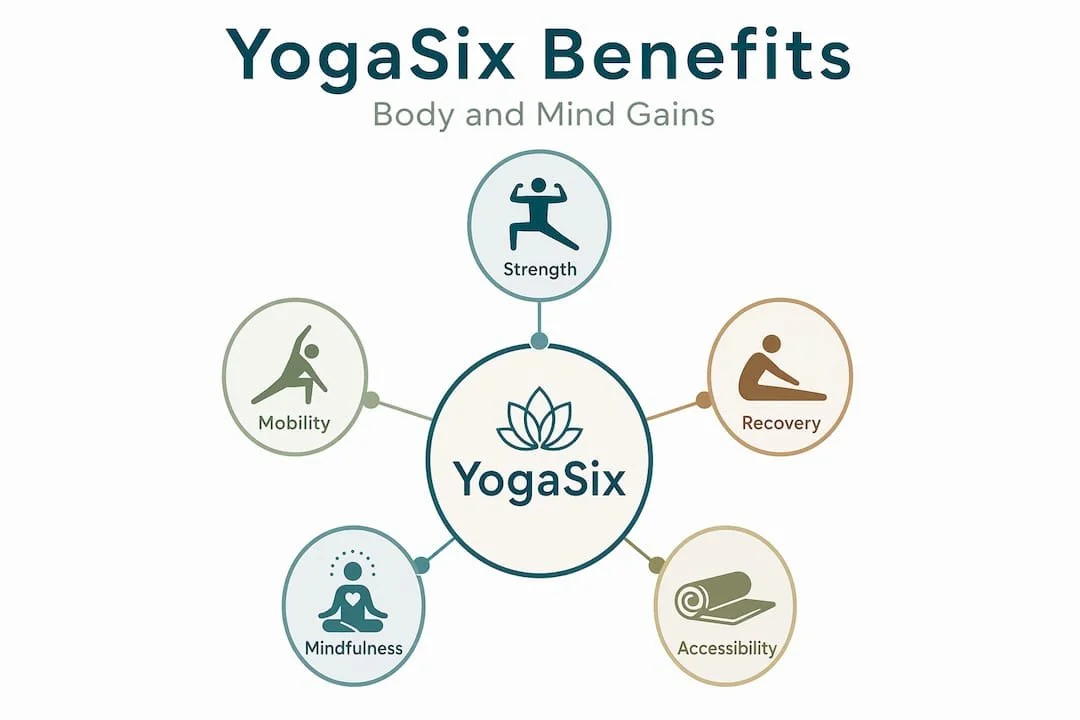
Benefits of practicing Yoga Six for body and mind
The benefits of Yoga Six are best understood by format because each class type is designed to deliver a different outcome. Someone doing Y6 Power three times a week experiences different physical results than someone rotating between Y6 Restore and Y6 Slow Flow. This is actually one of the strongest arguments for the YogaSix model over a single-style studio. You can build a practice around what your body actually needs week to week.
YogaSix's structured classes are designed to be energizing, empowering, and accessible without sacrificing challenge. That balance is hard to achieve, and it's the reason the brand has grown across so many markets.
| Class format | Physical benefits | Mental and recovery benefits |
|---|---|---|
| Y6 101 | Foundational strength, posture | Confidence building, stress reduction |
| Y6 Restore | Muscle release, improved flexibility | Deep relaxation, nervous system reset |
| Y6 Slow Flow | Balance, body awareness, flexibility | Mental clarity, focus development |
| Y6 Hot | Increased flexibility, cardiovascular work | Mood lift, mental resilience |
| Y6 Power | Strength, endurance, muscle tone | Energy, discipline, stress relief |
| Y6 Sculpt & Flow | Functional strength, lean muscle | Sense of accomplishment, drive |
| Y6 Mobility | Joint health, range of motion | Recovery support, long-term injury prevention |
What ties all of these together is that YogaSix is built for accessibility at every level. Beginners are not thrown into classes without structure. Advanced practitioners aren't bored by sessions that lack intensity. The layered class system lets you find the right yoga program to match your specific goals rather than adapting yourself to whatever a single teacher happens to teach that week.
My take on what YogaSix means for yoga culture
I've watched boutique fitness brands come and go, and I'll be direct: YogaSix is not a fad. What it represents is a genuine evolution in how people access yoga's physical benefits without needing to commit to yoga as a philosophy or lifestyle first. That's a real shift.
In my experience, the biggest barrier to yoga for fitness-oriented people isn't the poses. It's the sense that they're doing it wrong, or that they need a deeper spiritual context they don't have yet. YogaSix removes that friction by giving you a format, a class name, and a clear outcome before you walk in. You know what Y6 Power is going to feel like. That predictability is actually empowering.
What I find most interesting about the Y6 Mobility launch is that it signals something broader. Mobility training is being recognized as the missing layer in most people's fitness routines, and a yoga brand incorporating it deliberately tells me these class designers are paying attention to how bodies actually break down and what prevents it. That's not a marketing move. It's a substantive curriculum decision.
My honest advice if you're considering YogaSix: don't compare it to traditional yoga and decide it's lesser. Compare it to your current routine and ask whether it fills a gap. For most people, it will. That said, if you also want a practice that goes deeper into yoga philosophy, breath work traditions, or spiritual context, seek that out separately. YogaSix and a traditional studio can coexist in the same weekly practice. They're solving different problems.
— Juiced
Explore wellness beyond the studio
Understanding what Yoga Six offers is a great starting point, but the path to genuine wellness is wider than any single brand or format. At Amritayogawellness, we believe in exploring every tool that supports your body and mind. Our Philadelphia studio offers yoga classes and wellness services that span hot yoga, barre, tai chi, and holistic therapies. If you're curious about pairing your physical practice with deeper self-awareness, our tarot reading sessions offer a reflective complement to movement-based work. Whether you're brand new to yoga or already exploring formats like YogaSix, our community welcomes every level. Come find what fits you.
FAQ
What does the "six" in YogaSix stand for?
The "six" refers to YogaSix's six core signature class formats: Y6 101, Y6 Restore, Y6 Slow Flow, Y6 Hot, Y6 Power, and Y6 Sculpt & Flow, each targeting a different fitness and wellness goal.
Is Yoga Six good for beginners?
Yes. YogaSix specifically designed its Y6 101 class for beginners, and its structured format reduces intimidation by giving new students clear expectations before they set foot in a class.
How is Yoga Six different from a traditional yoga studio?
YogaSix blends yoga with functional movement, mobility science, and strength training, whereas traditional yoga studios typically focus on classical pose sequences, breathwork, and philosophical tradition.
Does Yoga Six have a membership app?
Yes. The YogaSix app supports class booking, schedule viewing, membership management, and integrates with Apple Watch and Apple Health for workout tracking, with a strong data privacy policy.
Is Yoga Six worth it for someone who already does yoga?
It depends on your goals. YogaSix is worth exploring if you want structured variety, athletic recovery support, or heated class options that a traditional studio may not provide alongside your existing practice.
Recommended
How to choose a yoga class that fits your wellness goals

Choosing the right yoga class can feel overwhelming when you're faced with countless styles, schedules, and studios across Philadelphia. Many adults struggle to match their personal wellness goals with the appropriate class format and intensity level. Without proper guidance, you might end up in a class that doesn't align with your experience or objectives, leading to frustration or even injury. This article provides a clear, step-by-step framework to help you select yoga classes that genuinely support your unique wellness journey, whether you're seeking flexibility, stress relief, strength building, or mindful movement.
Table of Contents
Key Takeaways
| Point | Details |
|---|---|
| Define wellness goals | Define your wellness goals and experience level before choosing a class to guide style and intensity. |
| Match styles to goals | Different goals pair with specific yoga styles and class intensities to help you select the right fit. |
| Test classes when possible | Whenever possible, try a class first to evaluate the environment, instruction quality, and whether it suits your preferences. |
| Consider policies and location | Review policies, instructor qualifications, and studio location to ensure convenience, safety, and alignment with your needs. |
Assess your wellness goals and yoga experience
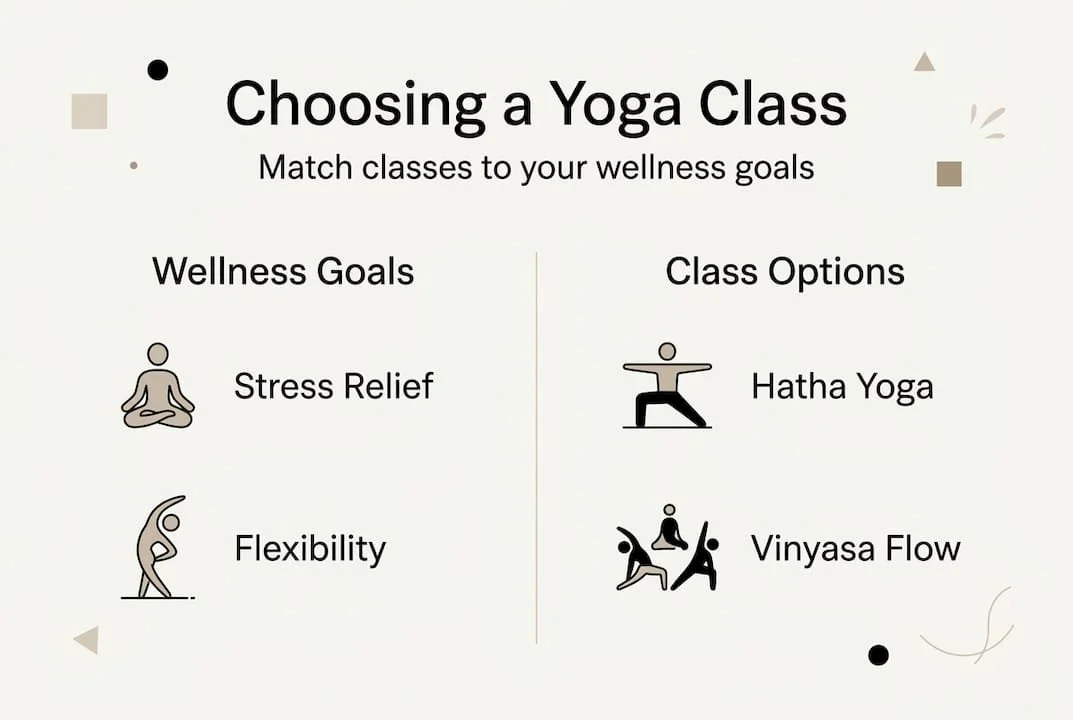
Before browsing class schedules, take time to define what you want from your yoga practice. Your primary wellness objective might be increasing flexibility, building strength, managing stress, cultivating mindfulness, or supporting injury recovery. Each goal pairs naturally with specific yoga styles and class intensities. For example, if you're seeking deep relaxation and stress relief, gentle Hatha or Restorative classes offer slow-paced movements and extended holds. If you want to build muscular strength and cardiovascular endurance, Power Yoga or Vinyasa flow classes provide dynamic sequences that challenge your body.
Next, honestly evaluate your current yoga experience. Beginners benefit from foundational classes that teach proper alignment and basic poses without rushing through sequences. Intermediate practitioners can handle faster-paced flows and more complex postures. Advanced students thrive in challenging classes that incorporate inversions, arm balances, and intricate transitions. Matching your experience level with appropriate class difficulty prevents frustration and reduces injury risk. Knowing your fitness and wellness goals creates a clear filter when evaluating different class options.
Common wellness goals pair with specific class styles:
Flexibility improvement: Yin Yoga, Restorative Yoga, gentle Hatha
Strength building: Power Yoga, Ashtanga, Vinyasa flow
Stress reduction: Restorative Yoga, Yin Yoga, meditation-focused classes
Mindfulness cultivation: Hatha Yoga, Iyengar, classes with pranayama emphasis
Injury recovery: Therapeutic Yoga, gentle Hatha, private sessions with modifications
Weight management: Power Yoga, Hot Yoga, vigorous Vinyasa
Pro Tip: Start with beginner or mixed-level classes if you're unsure about your experience level. Building a solid foundation in alignment and breathing prevents bad habits and keeps you safe as you progress to more challenging practices.
Explore yoga styles and class types available in Philadelphia
Philadelphia studios offer diverse yoga styles, each with distinct characteristics, pacing, and benefits. Hatha Yoga emphasizes foundational poses held for several breaths, making it ideal for beginners learning proper alignment. Vinyasa links breath with movement in flowing sequences that build heat and cardiovascular fitness. Ashtanga follows a set sequence of poses in a rigorous, structured format that appeals to disciplined practitioners. Iyengar focuses on precise alignment using props like blocks and straps, perfect for those recovering from injuries or wanting detailed instruction.
Restorative Yoga uses props to support the body in passive poses held for 5 to 10 minutes, triggering deep relaxation responses. Yin Yoga targets connective tissues through long-held floor poses, increasing flexibility in joints and fascia. Power Yoga delivers athletic, strength-focused sequences without the strict structure of Ashtanga. Understanding yoga class types helps you narrow your search based on what resonates with your personality and goals.
| Style | Intensity | Primary focus | Best for |
|---|---|---|---|
| Hatha | Low to moderate | Foundational poses, alignment | Beginners, stress relief |
| Vinyasa | Moderate to high | Flowing sequences, breath coordination | Fitness, strength |
| Ashtanga | High | Set sequence, discipline | Advanced practitioners, structure lovers |
| Iyengar | Low to moderate | Precise alignment, props | Injury recovery, detail-oriented students |
| Restorative | Very low | Deep relaxation, nervous system reset | Stress management, burnout recovery |
| Yin | Low | Connective tissue flexibility | Joint health, meditation |
| Power Yoga | High | Strength, endurance | Athletic goals, weight management |
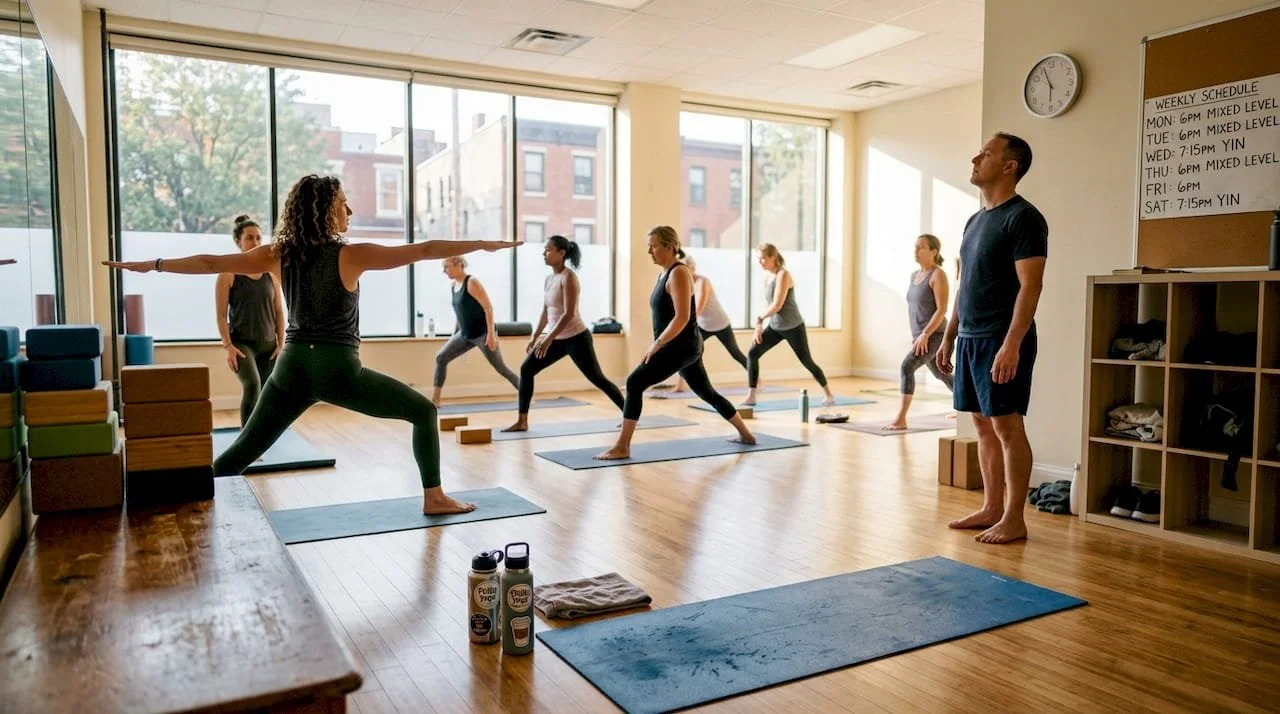
Beyond style, consider class formats. Drop-in classes offer flexibility for unpredictable schedules. Multi-week series build community and allow progressive skill development. Workshops provide deep dives into specific techniques like inversions or arm balances. Private sessions deliver personalized attention for unique needs or goals. Factors to weigh include class pacing, instructor teaching style, class size, and overall studio atmosphere.
Pro Tip: Watch online videos of different yoga styles before attending your first class. Seeing the pacing and movement patterns helps you identify which styles appeal to you and prepares you mentally for what to expect.
Evaluate practical considerations: studio location, policies, and instructor qualifications
Even the perfect yoga style won't serve you well if the studio location disrupts your routine or policies create unnecessary stress. Choose studios within a reasonable distance from your home or workplace to maintain consistent attendance. Morning practitioners benefit from studios near home, while evening class attendees might prefer locations close to work. Check class schedules to ensure multiple options fit your availability, giving you backup choices if your preferred time fills up.
Review studio policies carefully before purchasing class packages or memberships. Understand cancellation windows, typically 4 to 12 hours before class start times. Clarify refund policies for unused classes or packages. Ask about class package expiration dates and whether you can freeze memberships during travel or illness. Studios with flexible policies demonstrate respect for students' lives and reduce financial anxiety.
Instructor qualifications directly impact your safety and learning experience. Reputable teachers complete 200-hour or 500-hour yoga teacher training programs registered with Yoga Alliance. Beyond basic certification, look for instructors with specialized training relevant to your goals, such as prenatal yoga, therapeutic yoga, or specific style certifications. Experienced teachers adapt poses for different body types and limitations, creating inclusive environments where everyone progresses safely.
| Factor | What to check | Why it matters |
|---|---|---|
| Location | Distance from home/work, parking availability | Convenience supports consistent attendance |
| Schedule | Multiple class times, variety of styles offered | Flexibility accommodates your changing availability |
| Cancellation policy | Required notice period, late cancel fees | Protects you from unexpected charges |
| Pricing | Drop-in rates, package deals, membership options | Ensures affordability for your budget |
| Instructor credentials | Yoga Alliance registration, specialized training | Guarantees quality instruction and safety |
| Class size | Average number of students per class | Smaller classes offer more individual attention |
Practical tips for studio evaluation:
Visit studios during non-class hours to tour facilities and meet staff
Ask about trial offers or discounted first-time packages
Read online reviews focusing on instructor quality and studio cleanliness
Inquire about prop availability and whether you need to bring your own mat
Check if the studio offers modifications for common limitations like tight hamstrings or sensitive knees
Confirm whether classes include breathing exercises and meditation or focus purely on physical poses
Try classes and evaluate your experience to select the best fit
Theory only takes you so far. Actually attending classes reveals whether a studio's energy, teaching style, and community align with your needs. Start by booking trial classes at two or three studios offering styles that match your goals. Many Philadelphia studios offer new student specials that let you sample multiple classes at reduced rates. This hands-on approach helps you find and join yoga classes that truly fit.
Follow this step-by-step process:
Research three studios offering your target yoga style and book introductory offers
Arrive 10 minutes early to each class to introduce yourself and inform the instructor of any injuries or limitations
Pay attention to how the instructor explains poses, offers modifications, and circulates to provide adjustments
Notice the class pace and whether it matches your fitness level and preference for challenge versus ease
Observe the studio atmosphere, including cleanliness, temperature control, and fellow students' energy
After class, note how your body feels physically and your mental state emotionally
Compare your experiences across studios using consistent criteria like instructor attentiveness, class difficulty, and community vibe
Select the studio and class format where you felt most comfortable, challenged appropriately, and motivated to return
During trial classes, evaluate instructor style carefully. Some teachers offer hands-on adjustments while others use verbal cues exclusively. Certain instructors incorporate spiritual elements like chanting or philosophy, while others focus purely on physical practice. The best instructor for you communicates clearly, creates a non-judgmental environment, and balances challenge with accessibility. Testing multiple classes ensures you find teaching approaches that resonate with your learning style.
Track your observations systematically. Note which classes left you energized versus depleted. Identify instructors whose cueing helped you understand proper alignment. Record any discomfort or pain that arose during or after class, as this signals either inappropriate difficulty level or need for modifications. Pay attention to whether you felt welcomed by studio staff and other students, as community support enhances long-term commitment.
Pro Tip: Keep a simple yoga journal with entries for each trial class. Write down the studio name, class style, instructor, difficulty level, and your physical and emotional response. After trying several options, review your notes to identify clear patterns about what works best for your body and preferences.
Explore Amrita Yoga & Wellness offerings in Philadelphia
Now that you understand how to evaluate yoga classes systematically, put your knowledge into practice with local options designed for diverse wellness goals. Amrita Yoga & Wellness offers multiple yoga styles, from gentle Hatha to dynamic Vinyasa, plus complementary practices like pilates, barre, and tai chi. Whether you're just beginning your yoga journey or deepening an established practice, you'll find classes taught by experienced, certified instructors who prioritize safe alignment and inclusive teaching.
Take advantage of new student specials that let you explore different class formats affordably while discovering which styles support your specific wellness objectives. Flexible studio policies accommodate your schedule changes and life demands, removing barriers to consistent practice. Join a welcoming Philadelphia community where your individual goals matter and every class helps you progress toward greater physical vitality, mental clarity, and overall well-being.
Frequently asked questions
What yoga style is best for beginners?
Hatha and Restorative yoga work best for beginners because they move at a gentle pace and emphasize foundational poses with clear alignment instruction. These styles build strength and flexibility safely while teaching proper breathing techniques that form the basis of all yoga practice. As you gain confidence and body awareness through beginner-friendly classes, you can gradually explore more dynamic styles like Vinyasa or physically demanding practices like Power Yoga. Starting with yoga class types suited to your current ability prevents injury and builds sustainable habits.
How often should I attend yoga classes to see benefits?
Attending yoga at least two to three times per week balances consistent progress with adequate recovery time for most wellness goals. This frequency allows your body to adapt to new movement patterns, build strength gradually, and develop flexibility without overtraining. Consistency matters more than intensity when establishing a yoga practice, as regular attendance creates lasting benefits like reduced stress, improved posture, and enhanced body awareness. Your specific goals influence ideal frequency: strength building may require three to four sessions weekly, while stress management might benefit from daily gentle practice. Align your schedule with choosing yoga classes for your wellness goals to optimize results.
Can I switch yoga classes if I don't like one?
Yes, switching classes is completely normal and encouraged when searching for your ideal fit. Most studios allow you to try different class times, styles, and instructors without penalty, especially during introductory periods. Check studio policies regarding class cancellations and transfers to understand any time restrictions or fees. Finding the right match between your preferences and a class's pace, style, and instructor dramatically improves your motivation and wellness outcomes. Don't hesitate to explore multiple options until you discover an environment where you feel comfortable, challenged appropriately, and excited to return.
What should I bring to my first yoga class?
Bring a yoga mat if you own one, though most studios provide mats for rent or loan. Wear comfortable, breathable clothing that allows full range of motion without being too loose or restrictive. Arrive with an empty stomach, having eaten a light meal two to three hours before class, and bring a water bottle to stay hydrated. Leave jewelry and watches at home to avoid distractions during practice. Most importantly, bring an open mind and willingness to modify poses as needed, remembering that yoga is a personal practice without competition or comparison to others in the room.
How do I know if a yoga instructor is qualified?
Qualified yoga instructors typically complete 200-hour or 500-hour teacher training programs registered with Yoga Alliance, the industry's main credentialing organization. Look for instructors who display their certifications on studio websites or introduce their training background at the start of class. Beyond basic certification, experienced teachers demonstrate clear communication, offer modifications for different ability levels, and create safe, inclusive environments. Quality instructors also pursue continuing education in specialized areas like anatomy, therapeutic applications, or specific yoga styles. Don't hesitate to ask studio staff about instructor credentials and teaching experience before committing to a class series or package.
Recommended
Yoga class signup guide in Philadelphia 2026
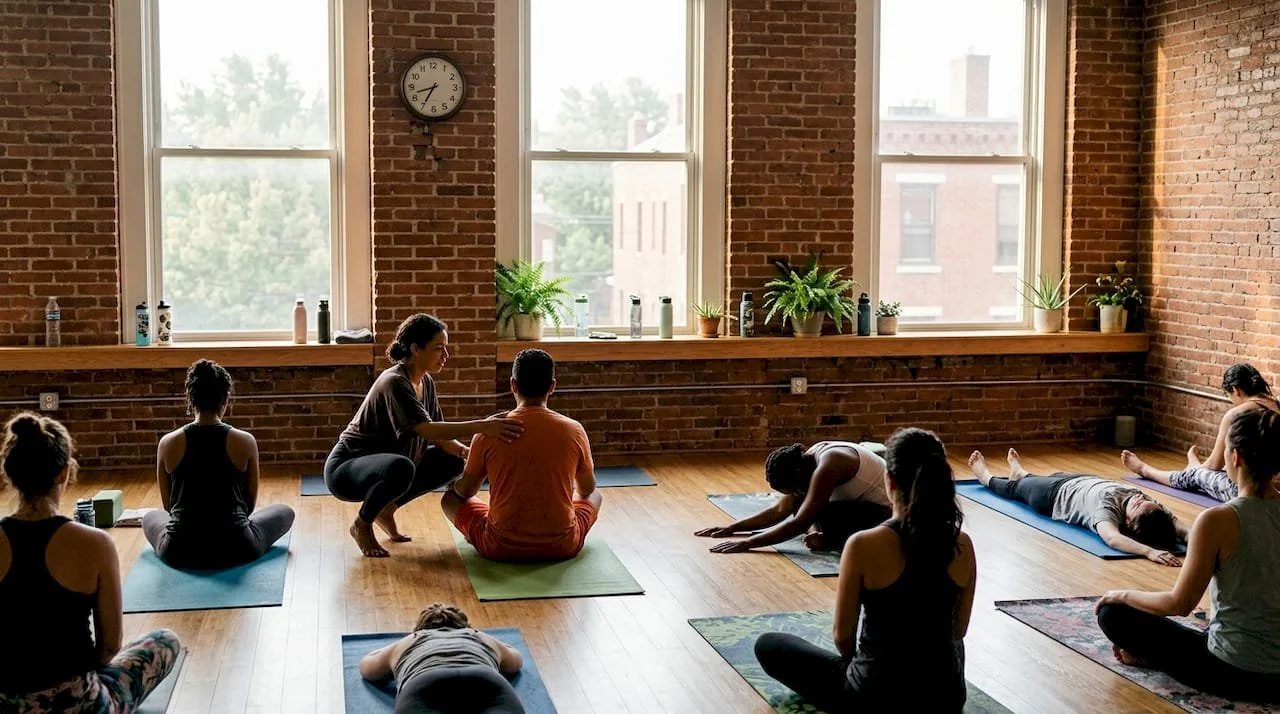
Choosing and signing up for yoga classes in Philadelphia can feel overwhelming when you're faced with dozens of studios, unfamiliar styles, and different registration systems. Whether you're a complete beginner or exploring new wellness practices, understanding what to expect before you commit makes all the difference. This guide walks you through selecting the right yoga style for your goals, preparing for signup, navigating online registration, and setting yourself up for success in Philadelphia's vibrant yoga community.
Table of Contents
Key takeaways
| Point | Details |
|---|---|
| Start with beginner-friendly styles | Hatha or gentle yoga classes teach alignment and breath control, minimizing injury risk for newcomers. |
| Explore diverse wellness options | Philadelphia studios offer hot yoga, trauma-informed practices, restorative sessions, and fusion classes like pilates and barre. |
| Understand studio policies | Read cancellation rules carefully, most studios require 48-hour notice to avoid fees or lost credits. |
| Prepare essential items | Bring a yoga mat, towel, water bottle, and comfortable clothing to your first class. |
| Match classes to your goals | Choose styles based on whether you prioritize fitness, mental health, injury recovery, or stress relief. |
Understanding yoga styles and choosing the right class
Philadelphia's yoga scene offers remarkable variety, from heated power classes to gentle trauma-informed sessions. Knowing which style aligns with your wellness goals helps you make confident signup decisions and avoid classes that might feel too intense or too slow for your needs.
Hatha and gentle yoga classesprovide the ideal foundation for beginners. These sessions emphasize proper alignment, controlled breathing, and modifications that prevent injury while building strength and flexibility. Studios like Amrita Yoga & Wellness, Yoga Home, and Maha welcome all levels with basics classes that move at a manageable pace. You'll learn foundational poses, understand how to use props like blocks and straps, and develop body awareness without feeling rushed.
Philadelphia also features specialized practices for different wellness priorities. Hot yoga classes operate at 95-105°F, promoting detoxification and cardiovascular endurance at studios like Hot Yoga Philly and Healthy Philly Yoga. Trauma-informed classes at Soul Haum specifically support individuals managing PTSD or anxiety through carefully sequenced movements and mindful breathing. Vinyasa and power yoga at Lumos and Yoga Habit deliver fitness-focused workouts, while restorative and yin styles offer deep relaxation and stress relief.
| Style | Temperature | Intensity | Primary Benefits | Example Studios |
|---|---|---|---|---|
| Hatha/Gentle | Room temp | Low to moderate | Alignment, breath control, injury prevention | Amrita, Yoga Home, Maha |
| Hot Yoga | 95-105°F | Moderate to high | Detox, cardiovascular endurance, flexibility | Hot Yoga Philly, HPY |
| Vinyasa/Power | Room temp or heated | Moderate to high | Strength, fitness, dynamic flow | Lumie, Yoga Habit |
| Trauma-Informed | Room temp | Low to moderate | PTSD support, anxiety relief, emotional healing | Soul Haum |
| Restorative/Yin | Room temp | Low | Deep relaxation, stress relief, flexibility | Various studios |
When selecting your first style, consider these factors:
Current fitness level and any physical limitations or injuries
Whether you prefer vigorous movement or gentle stretching
Sensitivity to heat or preference for climate-controlled spaces
Mental health goals like anxiety reduction or trauma recovery
Interest in complementary practices like pilates or barre
Pro Tip: Call studios directly to ask about beginner modifications and instructor experience with specific conditions. Most welcoming studios happily discuss how they accommodate new students, injuries, or special needs before you sign up.
Choosing between fitness-oriented and healing-focused practices represents a key decision point. Power and vinyasa classes build strength and endurance through challenging sequences, while trauma-informed and restorative sessions prioritize nervous system regulation and emotional processing. Neither approach is superior, they serve different purposes. Many practitioners eventually combine both, attending vigorous classes for physical conditioning and gentle sessions for mental restoration.
For those interested in trauma recovery yoga or yoga for emotional healing, Philadelphia offers several specialized options. Trauma-informed yoga uses invitational language, emphasizes student choice, and avoids physical adjustments that might trigger stress responses. These classes create safe spaces for individuals working through past trauma or managing anxiety disorders. If you're exploring local yoga classes with therapeutic focus, look for instructors trained in trauma-sensitive methods.
Preparing for your yoga class signup
Successful yoga registration starts with research and preparation. Understanding studio policies, gathering necessary items, and knowing what questions to ask prevents confusion and helps you feel confident walking into your first class.
Before signing up, assemble these essentials:
Yoga mat (studios often provide rentals, but personal mats ensure hygiene)
Large towel for hot yoga or to cover studio mats
Water bottle to stay hydrated, especially in heated classes
Comfortable, breathable clothing that allows full range of motion
Hair ties if you have long hair
Small towel for wiping sweat during intense sessions
Reading cancellation policies saves headaches later. Most studios require 48-hour notice for cancellations to avoid fees or lost class credits. Some offer makeup classes if you cancel within policy guidelines, while others enforce strict forfeiture rules. Understanding these details upfront prevents frustration when schedule conflicts arise.
| Policy Type | Typical Requirement | Consequence of Violation | Makeup Options |
|---|---|---|---|
| Cancellation Notice | 48 hours before class | Fee charged or credit lost | Usually not available |
| Late Cancellation | 24-48 hours before | Partial credit or reduced fee | Sometimes offered |
| No-Show | Failure to attend or cancel | Full credit lost, possible fee | Rarely available |
| Package Expiration | 30-90 days from purchase | Unused classes forfeited | Extensions sometimes granted |
Researching studios online involves several practical steps:
Visit studio websites to review class schedules and descriptions
Compare pricing for drop-in classes, multi-class packages, and monthly memberships
Read student reviews focusing on beginner experiences and instructor approachability
Check location and parking availability near your home or workplace
Look for new student specials or introductory offers
Verify whether the studio offers the specific style you want to try
Pro Tip: If you're managing an injury, pregnancy, or postpartum recovery, contact studios to inquire about private sessions before joining group classes. Individual instruction allows teachers to provide personalized modifications and ensure your safety while building foundational skills.
Scheduling yoga classesrequires attention to your energy patterns and daily routine. Morning classes energize your day but require early wake times. Lunchtime sessions offer midday stress relief but may feel rushed. Evening classes provide post-work decompression but can interfere with dinner or family time. Experiment with different time slots to discover what feels sustainable long term.

For heat-sensitive individuals, starting with non-heated classes prevents overwhelming experiences. You can always progress to hot yoga after building stamina and comfort with basic poses. Many students find that joining yoga classes gradually, beginning with one session per week, creates sustainable habits without burnout.
When preparing for local yoga class attendance, arrive 10 to 15 minutes early for your first visit. This buffer allows time to complete any required paperwork, meet the instructor, set up your space, and acclimate to the studio environment without feeling rushed.
Step-by-step guide to signing up for yoga classes in Philadelphia
Navigating the actual registration process becomes straightforward once you understand the typical workflow. Most Philadelphia studios use online systems, though a few still accept walk-in signups or phone registrations.
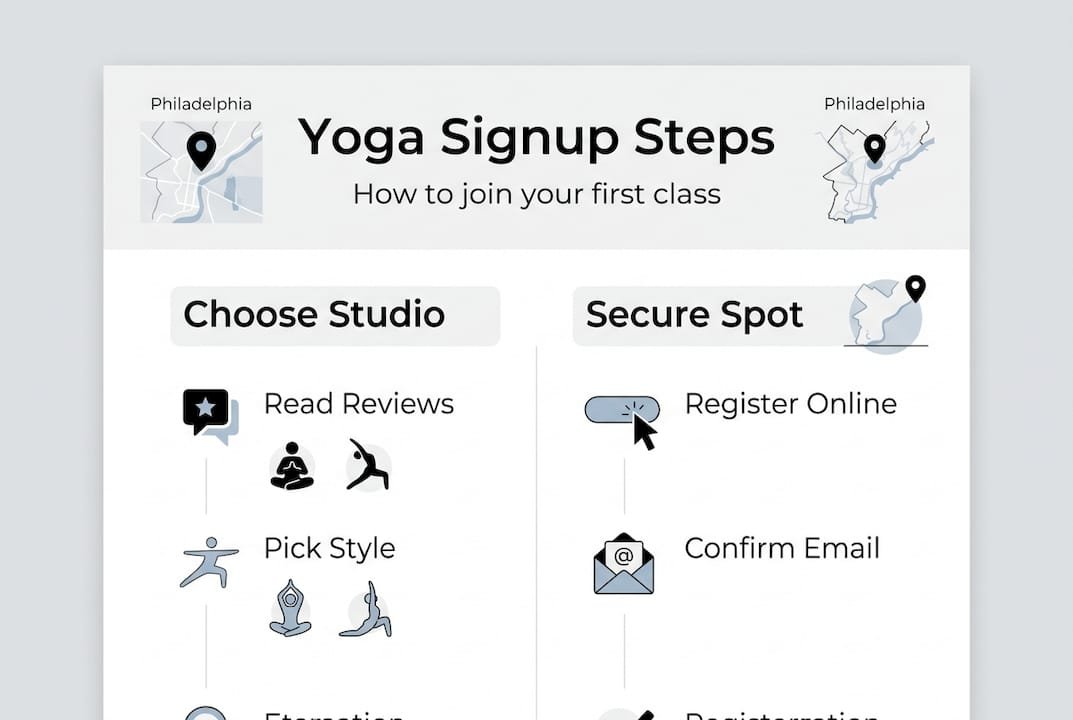
Follow these steps for smooth enrollment:
Search for studios and classes using Google Maps, studio websites, or yoga directories specific to Philadelphia
Review each studio's class schedule, filtering by style, time, and instructor if options exist
Compare pricing structures, including drop-in rates, class packages, and unlimited monthly memberships
Read cancellation and refund policies carefully before committing to packages
Register through the studio's website or Eventbrite for workshops and special events
Check your email for confirmation with class details, location, and any special instructions
Add the class to your calendar with reminders to prevent no-shows
Prepare your gear the night before to ensure you're not scrambling last minute
Understanding pricing models helps you choose cost-effective options. Drop-in classes offer flexibility for irregular schedules but cost more per session, typically $18 to $28 in Philadelphia. Multi-class packages (5, 10, or 20 classes) reduce per-class costs and usually expire within 60 to 90 days. Unlimited monthly memberships provide the best value for frequent practitioners, ranging from $100 to $180 depending on the studio and included amenities.
Online registration dominates Philadelphia's yoga scene. Studios maintain their own booking platforms where you create an account, add payment information, and reserve spots in upcoming classes. Some studios use scheduling software like Mindbody or Momence, which allows you to manage bookings across multiple studios through a single app. Eventbrite handles signups for pop-up classes, outdoor sessions, and special workshops that fall outside regular studio schedules.
Pro Tip: Create accounts with your preferred studios before you need to book a class. Saving your information in advance streamlines future signups and helps you grab spots in popular classes that fill quickly.
Keeping confirmation emails organized prevents confusion about class times and locations. Create a dedicated email folder for yoga confirmations or screenshot important details to your phone. Many students find success setting calendar alerts for 24 hours before class (to review cancellation windows) and 2 hours before class (to prepare and travel).
When you're ready to find and join yoga classes, prioritize studios with clear communication and responsive customer service. Studios that answer questions promptly and provide detailed class descriptions typically offer better overall experiences. Reading recent reviews helps identify which studios genuinely welcome beginners versus those that cater primarily to advanced practitioners.
For ongoing practice, understanding yoga class signup steps and building consistent booking habits supports your wellness journey. Many successful practitioners schedule their next week's classes every Sunday evening, treating yoga appointments with the same commitment as work meetings or doctor visits.
What to expect after signing up and attending your first class
Your first yoga class brings new sensations, terminology, and social dynamics. Knowing what typically happens helps you feel prepared rather than anxious.
Common beginner experiences include:
Learning to coordinate breath with movement, which feels awkward initially but becomes natural with practice
Using props like blocks, straps, and bolsters to make poses accessible for your current flexibility
Feeling muscle soreness 24 to 48 hours after class, especially in core, legs, and shoulders
Noticing mental chatter during meditation or savasana as your mind adjusts to stillness
Comparing yourself to other students, then gradually releasing that tendency as you focus inward
Discovering poses that feel surprisingly easy and others that challenge you unexpectedly
If schedule changes arise, handle cancellations promptly and courteously. Log into your studio account as soon as you know you can't attend, ideally more than 48 hours in advance. When emergencies prevent adequate notice, contact the studio directly to explain. While policies exist for fairness, many studios show flexibility for genuine emergencies, especially for regular students who typically follow guidelines.
Yoga's benefits accumulate gradually rather than appearing overnight. Most practitioners notice improved flexibility within 4 to 6 weeks of consistent practice. Strength gains become apparent around the same timeframe, particularly in stabilizing muscles. Mental benefits often emerge faster, with students reporting better stress management and emotional regulation within 2 to 3 weeks.
Research supports these experiential benefits:
Mindfulness-based interventions including yoga show medium effect sizes for reducing PTSD symptoms and depression, with standardized mean differences of 0.41, while hot yoga specifically improves cardiovascular fitness and flexibility beyond traditional practice.
Maintaining open communication with instructors enhances your experience significantly. Before class, briefly mention any injuries, physical limitations, or concerns. Most teachers appreciate this information and can suggest modifications during class. After class, ask questions about poses that confused you or request alternatives for movements that caused discomfort.
Philadelphia studios consistently receive positive reviews for welcoming environments. Students rate studios between 4.0 and 5.0 stars, frequently praising instructors who remember names, offer hands-on adjustments (with permission), and create inclusive spaces. These community aspects often prove as valuable as the physical practice itself, providing social connection and accountability that support long-term commitment.
For those pursuing trauma recovery yoga benefits, patience with the process matters enormously. Healing-focused practices work subtly on the nervous system, and progress may feel non-linear. Some sessions bring emotional release, others provide calm stability, and both serve important functions in recovery.
Explore yoga classes and specials at Amrita Yoga & Wellness
Now that you understand how to choose and sign up for yoga classes, Amrita Yoga & Wellness offers an ideal starting point for your Philadelphia practice. The studio provides beginner-friendly Hatha classes alongside diverse options including hot yoga, pilates, and barre, all designed to welcome students at every level.
Amrita's new student specials make trying multiple classes affordable while you discover which styles resonate with your goals. The studio maintains transparent cancellation policies that respect your schedule flexibility while ensuring fair access for all members. Beyond yoga, Amrita offers complementary wellness services like acupuncture to support holistic health. Browse the current schedule online and sign up with confidence, knowing you're joining a community that prioritizes both your physical practice and overall well-being.
FAQ
What if I'm new to yoga and worried about injury?
Beginner Hatha classes minimize injury risk through careful attention to alignment and controlled progressions. Instructors demonstrate proper form and offer modifications using props like blocks and straps to accommodate different flexibility levels. Most studios welcoming all levels encourage questions and provide hands-on adjustments to ensure safe positioning.
How do I find yoga classes that focus on mental health or trauma recovery?
Trauma-informed classes at Soul Haum specifically address PTSD and anxiety through specialized teaching methods. These sessions use invitational language and student-led pacing to create psychologically safe environments. You can also explore trauma recovery yoga resources to understand how different practices support emotional healing and nervous system regulation.
What should I bring to my first yoga class?
Bring a yoga mat (or confirm the studio provides rentals), a large towel, water bottle, and comfortable clothing that allows free movement. For hot yoga, pack an extra towel for sweat management. Most studios provide props like blocks and straps, but verify beforehand if you want to bring personal equipment.
How much do yoga classes typically cost in Philadelphia?
Drop-in classes range from $18 to $28 per session. Multi-class packages reduce costs to approximately $12 to $20 per class depending on quantity purchased. Unlimited monthly memberships cost between $100 and $180, offering the best value for students attending three or more classes weekly.
Can I try different yoga styles at the same studio?
Most Philadelphia studios offer multiple styles throughout their weekly schedule. This variety allows you to experiment with hot yoga, vinyasa, restorative sessions, and specialty classes without purchasing separate memberships. New student packages often include access to all class types, making exploration affordable and convenient.
Recommended
What is a yoga class: complete Philadelphia guide 2026 — Amrita Yoga & Wellness
Find Yoga Classes in Philadelphia: Your Step-by-Step Guide — Amrita Yoga & Wellness
Diverse yoga practices for wellness in Philadelphia 2026 — Amrita Yoga & Wellness
Simple yoga for beginners: easy low-impact routines — Amrita Yoga & Wellness
What is a yoga class: complete Philadelphia guide 2026
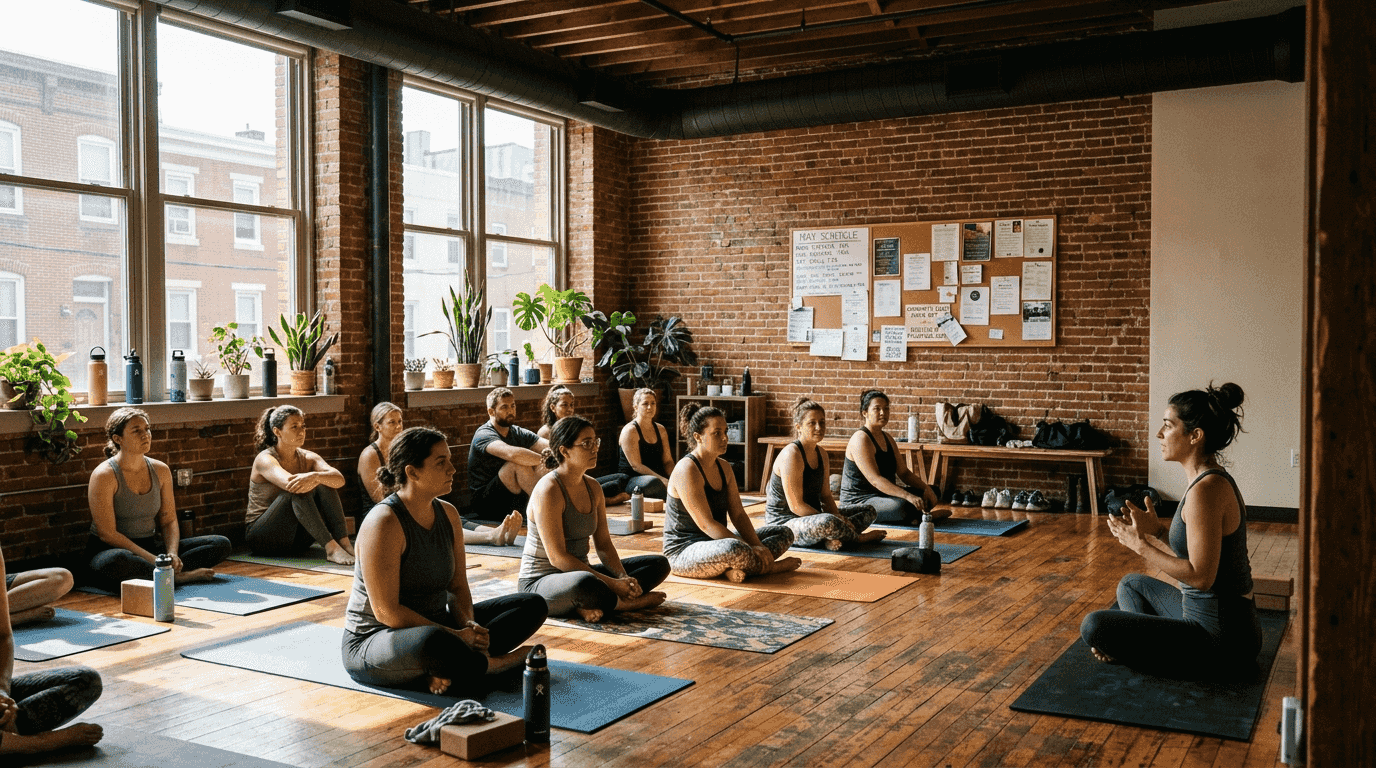
Many people curious about yoga feel uncertain about what actually happens in a class. You might wonder if you need to be flexible, what to wear, or whether yoga is just stretching. This guide clears up those misconceptions with research-backed insights tailored for Philadelphia beginners. You'll discover what yoga classes involve, the proven health benefits, how to choose the right style, and practical tips for your first session. Whether you're seeking stress relief, community connection, or improved fitness, understanding yoga classes helps you make confident decisions about your wellness journey.
Table of Contents
Key takeaways
| Point | Details |
|---|---|
| Physical benefits | Yoga improves balance, strength, flexibility and reduces chronic pain through consistent practice. |
| Mental wellness | Regular sessions reduce trait anxiety and inflammation markers, supporting emotional health. |
| Instructor quality matters | Certified, experienced teachers minimize injury risk and maximize benefits for beginners. |
| Class variety | Different yoga styles cater to diverse fitness levels, from gentle restorative to dynamic vinyasa. |
| Community connection | Philadelphia studios emphasize social support and belonging beyond physical exercise. |
Understanding what a yoga class entails
A typical yoga class follows a structured format designed to integrate body, breath, and mind. Sessions usually begin with a brief warm-up period where you focus on breathing and gentle movements to prepare your muscles and joints. The main portion involves practicing poses, called asanas, which range from standing balances to seated stretches and inversions. Instructors guide you through sequences that build strength, flexibility, and body awareness.
Breathing exercises, known as pranayama, play a central role throughout the class. You'll learn techniques to control your breath, which helps calm your nervous system and deepen your focus. Most classes conclude with a relaxation phase, often in a resting pose called savasana, where you integrate the physical and mental benefits of the practice.
Yoga classes vary significantly by style. Hatha classes move at a slower pace, making them ideal for beginners learning foundational poses. Vinyasa links breath with movement in flowing sequences that build heat and cardiovascular endurance. Restorative yoga uses props to support passive stretches held for several minutes, promoting deep relaxation. Hot yoga takes place in heated rooms to increase flexibility and detoxification through sweating.
Philadelphia studios often incorporate community-building elements that extend beyond the physical practice. You might find workshops, social events, or partner exercises that foster connections with fellow practitioners. This holistic approach addresses physical, mental, and emotional wellness simultaneously.
Sessions typically last 60 to 90 minutes, though some studios offer shorter express classes or longer intensive workshops. Beginners often feel confused by Sanskrit terminology and the pace of instruction initially. Friendly teachers bridge this gap by demonstrating modifications, offering hands-on adjustments with consent, and encouraging questions. The welcoming atmosphere helps newcomers feel comfortable exploring their capabilities without judgment.
Common class components include:
Centering and intention setting at the beginning
Dynamic warm-up sequences to prepare muscles
Standing poses for strength and balance
Floor work targeting flexibility and core stability
Breathing practices to regulate energy
Final relaxation for integration and stress relief
Physical and mental health benefits supported by research
Scientific studies demonstrate measurable improvements in physical function for regular yoga practitioners. An eight-week clinical trial found that yoga improves balance, strength, flexibility and reduces chronic pain through consistent practice. Participants showed better balance scores on standardized tests, increased muscular strength measured by push-up capacity, and enhanced flexibility in multiple joints.
The same research revealed reductions in chronic low back pain intensity and improvements in inflammatory markers like tumor necrosis factor alpha. These biological changes suggest yoga influences your immune system and inflammatory responses at a cellular level. For beginners managing pain or stiffness, these findings offer evidence that regular classes can provide meaningful relief.
Mental health benefits extend beyond temporary relaxation. Studies show yoga reduces trait anxiety, the baseline level of worry you experience in daily life. This differs from state anxiety, which fluctuates with specific stressors. By lowering trait anxiety, yoga helps you develop greater emotional resilience and calm that persists between sessions.
A balanced perspective acknowledges both benefits and limitations. Critics note risks and some overstated claims in yoga marketing, particularly around injury prevention and healing serious medical conditions. While yoga complements overall fitness, it doesn't replace cardiovascular exercise for heart health or resistance training for maximum strength gains. Injuries can occur, especially in fast-paced classes with inexperienced instructors or when students push beyond safe limits.
Pro Tip: Prioritize classes with certified instructors who have completed at least 200 hours of training from recognized programs. Quality teaching dramatically reduces injury risk and ensures you learn proper alignment from the start.
Research supports these specific outcomes:
Improved balance reduces fall risk, especially important for older adults
Increased flexibility enhances daily movement and reduces injury susceptibility
Muscular endurance supports better posture and reduces chronic tension
Lower inflammation markers contribute to overall immune function
Reduced anxiety improves sleep quality and emotional regulation
Experts emphasize realistic expectations for beginners. Dr. Sarah Mitchell, a sports medicine physician who studies yoga interventions, notes that benefits accumulate gradually with consistent practice rather than appearing after one or two sessions. She recommends attending classes at least twice weekly for eight to twelve weeks before evaluating personal outcomes.
The combination of physical postures, breathing control, and mindfulness meditation creates synergistic effects greater than any single component alone. This integration distinguishes yoga from conventional exercise, offering community yoga class benefits that address whole-person wellness. Philadelphia practitioners often report feeling more connected to their bodies, experiencing less stress reactivity, and developing greater self-awareness through regular attendance.
| Benefit Category | Measured Outcome | Typical Timeline |
|---|---|---|
| Balance | Improved BESS scores | 6-8 weeks |
| Strength | Increased push-up capacity | 8-10 weeks |
| Flexibility | Enhanced range of motion | 4-6 weeks |
| Pain relief | Reduced low back pain intensity | 6-12 weeks |
| Mental health | Lower trait anxiety scores | 8-12 weeks |
For maximum benefit, combine yoga with other healthy lifestyle practices including adequate sleep, balanced nutrition, and social connection. The inclusive yoga benefits extend to people of all ages, body types, and fitness levels when classes are appropriately modified and taught with skill.
Choosing the right yoga class in Philadelphia: styles, safety, and community
Selecting your first yoga class involves understanding style differences, safety considerations, and community culture. Philadelphia offers diverse options ranging from vigorous power yoga to gentle chair-based classes. Matching the style to your goals and current fitness level sets you up for sustainable practice.
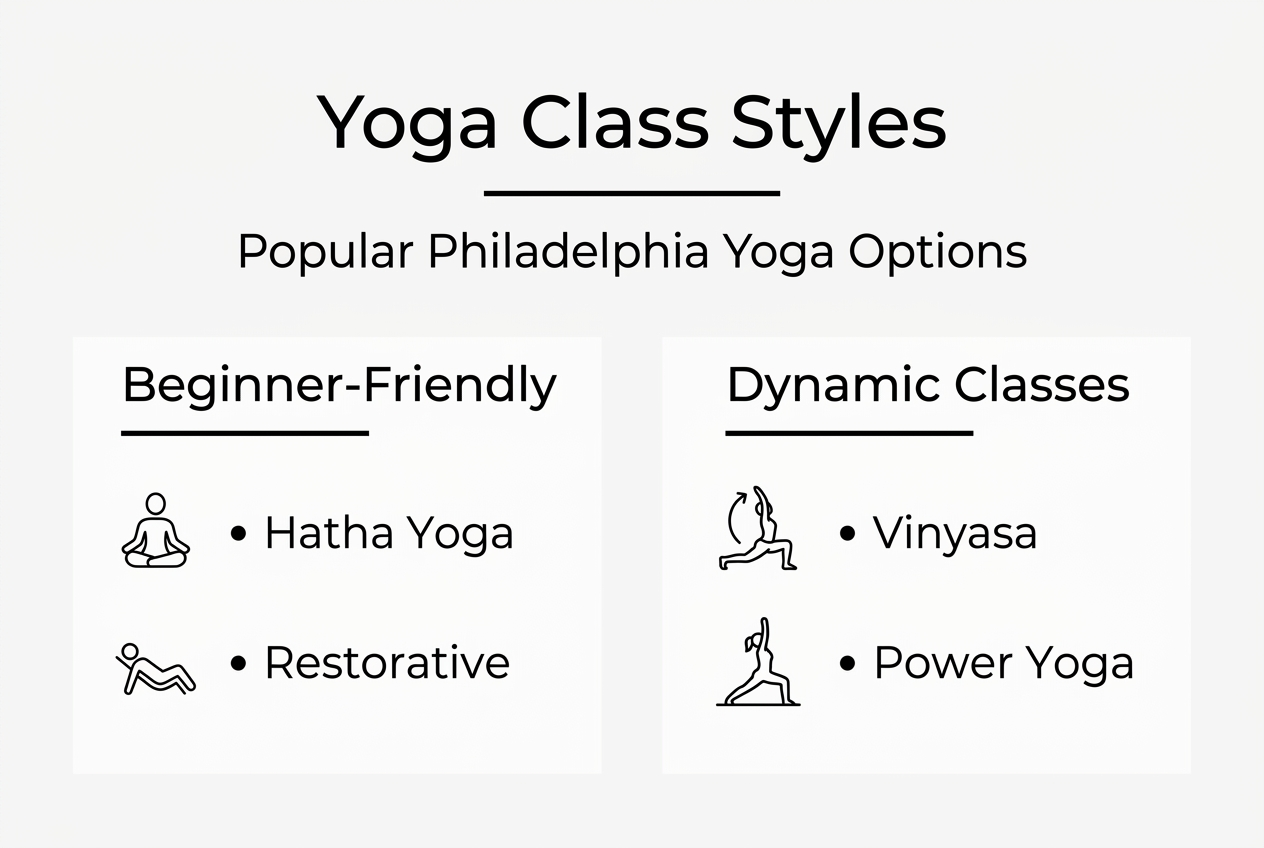
Hatha yoga provides an excellent starting point for most beginners. Classes move slowly through foundational poses with detailed instruction on alignment and breathing. You'll have time to ask questions and make adjustments without feeling rushed. Vinyasa offers more dynamic movement, linking poses in flowing sequences synchronized with breath. This style builds cardiovascular endurance and appeals to those seeking a more athletic practice.
Restorative yoga uses bolsters, blankets, and blocks to support passive stretches held for five to ten minutes each. This deeply relaxing style helps manage stress and complements more active exercise. Aerial yoga incorporates fabric hammocks for supported inversions and unique movement patterns. While exciting, aerial classes require good upper body strength and comfort with being upside down.
| Yoga Style | Intensity Level | Primary Focus | Beginner Friendly | Community Feel |
|---|---|---|---|---|
| Hatha | Low to moderate | Foundational poses, alignment | Highly suitable | Supportive, educational |
| Vinyasa | Moderate to high | Flowing movement, breath-body link | Moderately suitable | Energetic, creative |
| Restorative | Very low | Deep relaxation, stress relief | Highly suitable | Nurturing, introspective |
| Aerial | Moderate | Inversions, core strength | Requires some fitness | Playful, adventurous |
| Hot yoga | High | Flexibility, detoxification | Challenging for beginners | Intense, committed |
Safety should guide your class selection, especially if you have injuries or health conditions. Instructor quality is crucial for minimizing risks and improving outcomes. Look for teachers certified through reputable programs who demonstrate clear communication and attentiveness to student needs. Quality instructors offer modifications for different ability levels and encourage you to honor your body's limits.
Before attending, verify that instructors:
Hold current certification from recognized training programs
Provide clear verbal cues and demonstrate poses when helpful
Offer modifications for common limitations or injuries
Create a welcoming environment for questions and feedback
Maintain appropriate class sizes for individual attention
Pro Tip: Visit studios in person or attend trial classes before committing to memberships. Experiencing the space, meeting instructors, and observing the community vibe helps you find the best fit for your personality and goals.
Philadelphia's yoga scene emphasizes community connection alongside physical practice. Many studios host social events, workshops, and volunteer opportunities that deepen relationships between practitioners. This social support enhances motivation and accountability, making it easier to maintain consistent attendance. Inclusive yoga classes welcome people of all backgrounds, body types, and abilities, fostering belonging and reducing intimidation for newcomers.
When evaluating studios, ask about:
Class size limits and student-teacher ratios
Availability of props and equipment for modifications
Cancellation and makeup class policies
Accessibility features for mobility limitations
Trial class options or introductory packages
The aerial yoga safety guide provides detailed information for those interested in hammock-based classes. Understanding proper setup, contraindications, and progression helps you practice safely and enjoyably.
Community-oriented classes offer social support and motivation that enhance long-term adherence. You'll find accountability partners, make friends who share wellness values, and participate in group activities that extend beyond the mat. This social dimension often becomes as valuable as the physical benefits for sustained practice.
What to expect your first yoga class: preparation and tips for beginners
Preparing thoughtfully for your first class reduces anxiety and helps you focus on the experience rather than logistics. Start by selecting appropriate clothing that allows free movement without restriction. Choose breathable fabrics that wick moisture and avoid overly loose garments that might shift during inversions or forward folds. Most practitioners prefer fitted tops and stretchy leggings or shorts.
Follow this pre-class checklist:
Wear comfortable, non-restrictive clothing in breathable fabrics
Bring a water bottle to stay hydrated before and after class
Arrive 10 to 15 minutes early for check-in and setup
Eat a light snack 1 to 2 hours before if needed, avoiding heavy meals
Remove jewelry that might interfere with poses or cause discomfort
Silence your phone and store belongings in designated areas
Inform the instructor about any injuries, health conditions, or concerns
Most studios provide yoga mats, but you may prefer bringing your own for hygiene and familiarity. If borrowing a studio mat, arrive early to select equipment and set up your space. Position yourself where you can see the instructor clearly, typically in the middle or front rows for beginners who benefit from visual cues.
Your first class will likely begin with introductions if the group is small, or a brief welcome explaining class format and safety guidelines. The instructor will demonstrate key poses, offer modifications for different levels, and guide you through breathing techniques. Don't worry about matching everyone else's pace or depth in poses. Yoga emphasizes personal exploration rather than competition or comparison.
Common first-class activities include:
Centering practice with focused breathing or meditation
Warm-up sequences to prepare joints and muscles
Instruction on foundational poses with modifications
Guided breathing exercises to regulate energy
Cool-down stretches and final relaxation
Etiquette helps create a respectful environment for everyone. Arrive on time or slightly early to avoid disrupting the class once it begins. Keep conversations quiet before and after sessions, as many practitioners value the peaceful atmosphere. Respect personal space by leaving adequate room between mats. If you need to leave early, position yourself near the door and exit quietly during a transition.
Communicate openly with instructors about physical limitations, injuries, or discomfort during class. Quality teachers appreciate this information and will offer appropriate modifications. If a pose feels painful beyond normal muscle engagement, back off or skip it entirely. Yoga should challenge you without causing sharp pain or strain.
Pro Tip: Set realistic goals focused on mindfulness and personal growth rather than achieving perfect poses. Progress happens gradually, and every practitioner starts as a beginner regardless of fitness level.
Maintain realistic expectations about flexibility and strength development. You won't master complex poses in your first session, and that's completely normal. Focus on learning proper breathing, understanding basic alignment principles, and noticing how your body responds to different movements. These foundational skills support safe, sustainable practice over time.
Many beginners feel self-conscious about their abilities compared to experienced practitioners. Remember that everyone in the room started exactly where you are now. The yoga community generally embraces beginners with encouragement rather than judgment. Preparing for yoga classes includes cultivating patience with yourself and trusting the learning process.
After class, take time to notice how you feel physically and mentally. Some people experience immediate relaxation and clarity, while others feel energized or notice subtle shifts in mood. These responses help you understand which styles and intensities work best for your needs. Keep a simple journal noting your experiences to track progress and preferences over time.
Explore yoga classes in Philadelphia with Amrita Yoga & Wellness
Ready to experience the benefits of yoga for yourself? Amrita Yoga & Wellness welcomes beginners with open arms, offering diverse class styles taught by certified, experienced instructors who prioritize safety and individual attention. Our Philadelphia studio creates a supportive community where you can explore yoga at your own pace without pressure or judgment.
Take advantage of our new student specials designed to help you find the perfect class fit affordably. Try multiple styles, meet different teachers, and discover which approach resonates with your wellness goals. Our transparent studio and cancellation policies ensure a smooth, stress-free experience from your first visit forward.
Beyond yoga, we offer complementary wellness services including acupuncture, massage therapy, and holistic health workshops. This integrated approach supports your whole-person wellness journey, addressing physical, mental, and emotional health through multiple proven modalities. Join our vibrant community and discover how yoga classes can transform your relationship with movement, stress, and self-care.
Frequently asked questions
What should I wear to a yoga class?
Wear comfortable, breathable clothing that allows free movement without restriction. Fitted tops and stretchy leggings or shorts work well for most styles. Avoid overly loose garments that might shift during inversions or interfere with poses. Most practitioners go barefoot, so leave shoes and socks in designated storage areas.
How often should beginners attend yoga sessions?
Start with one to two classes per week to build familiarity, strength, and flexibility gradually. Consistency matters more than frequency initially, so choose a sustainable schedule you can maintain long-term. As you develop comfort and endurance, you can increase attendance to three or more sessions weekly. Listen to your body and allow adequate recovery time between classes.
Can yoga help with stress and pain relief?
Yes, yoga reduces trait anxiety and chronic low back pain with regular practice over eight to twelve weeks. Research shows measurable improvements in pain intensity and stress markers through consistent attendance. Yoga serves as an effective complementary therapy for stress management when combined with other healthy lifestyle practices. Individual results vary based on class style, frequency, and personal health conditions.
Are yoga classes safe for people with injuries?
Yoga can be safe for those with injuries when instructors are experienced and modifications are appropriately used. Always inform your teacher about any health issues, injuries, or limitations before class begins. Quality instructors will offer alternative poses and adjustments to accommodate your needs safely. Consult your healthcare provider before starting yoga if you have serious injuries or chronic conditions.
What if I'm not very flexible?
Flexibility improves over time with consistent practice, and initial limitations are completely normal for beginners. Yoga classes are designed to accommodate all levels, with modifications available for tight muscles and restricted range of motion. Focus on gradual progress rather than comparing yourself to others. Many experienced practitioners started with minimal flexibility and developed it through patient, sustained practice.
Recommended
How to Find and Join Yoga Classes Near Me Easily
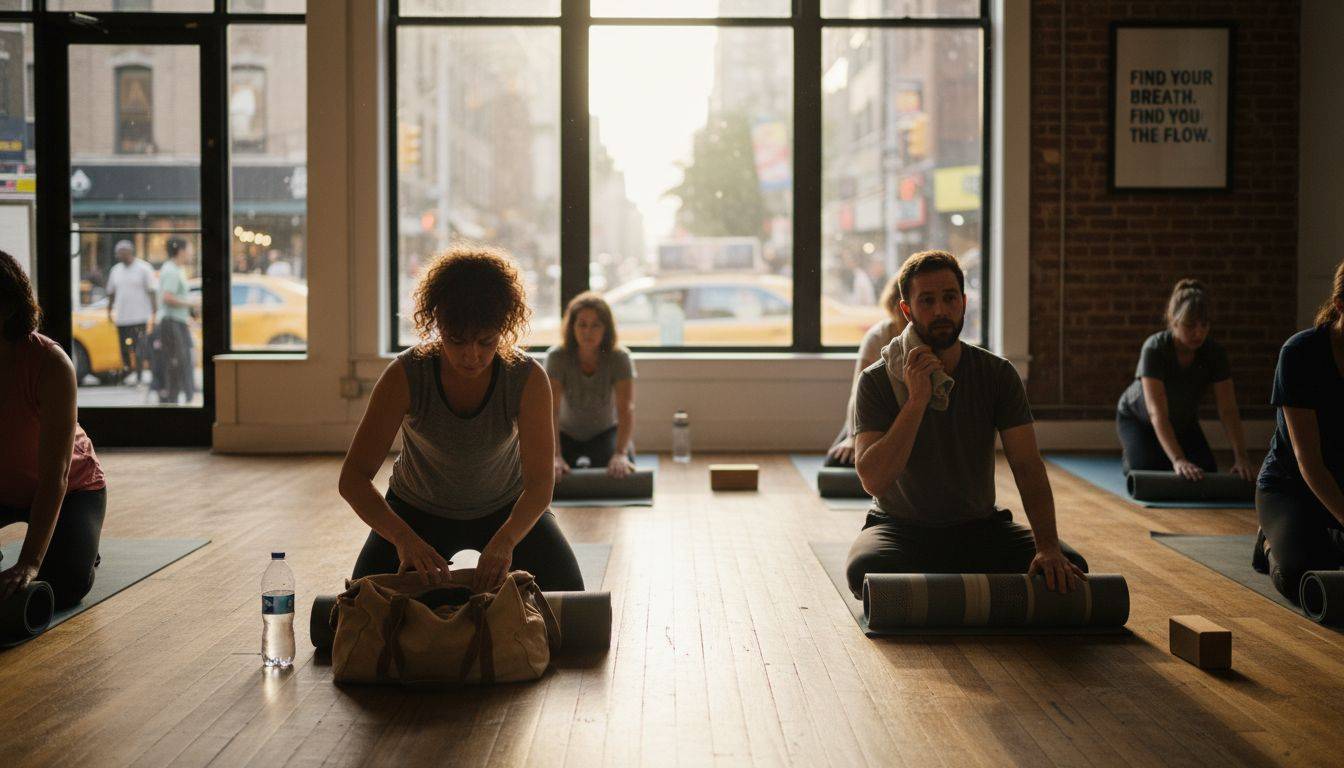
Searching for a yoga class in Philadelphia can sometimes feel overwhelming with so many choices available. Whether you want to try Hot Yoga or prefer gentle flows, finding a studio that matches your goals and comfort level matters for your physical and mental well-being. Exploring both local studios and community programs, you will discover options tailored for every experience level and style preference, allowing you to start your wellness journey with confidence.
Table of Contents
Quick Summary
| Key Point | Explanation |
|---|---|
| 1. Research local studios thoroughly | Use online directories and community programs to discover yoga classes that fit your needs and budget. |
| 2. Understand different yoga styles | Familiarize yourself with yoga styles like Hatha and Vinyasa to choose a class aligned with your fitness goals. |
| 3. Prepare properly for your first class | Wear comfortable clothing, bring essential items, and arrive early to mentally and physically prepare for your practice. |
| 4. Utilize online registration effectively | Create an account on the studio’s system, select classes, and understand policies regarding cancellations and payments. |
| 5. Reflect on your class experience | After class, assess your physical comfort and enjoyment to determine if the studio and style suit your wellness journey. |