The Amrita Journal
Explore thoughtful stories, practical wellness guidance and inspiring ideas to support your movement, mindfulness and everyday wellbeing at Amrita.
Role of Breathwork in Yoga Practice: Transforming Mind, Body, and Balance
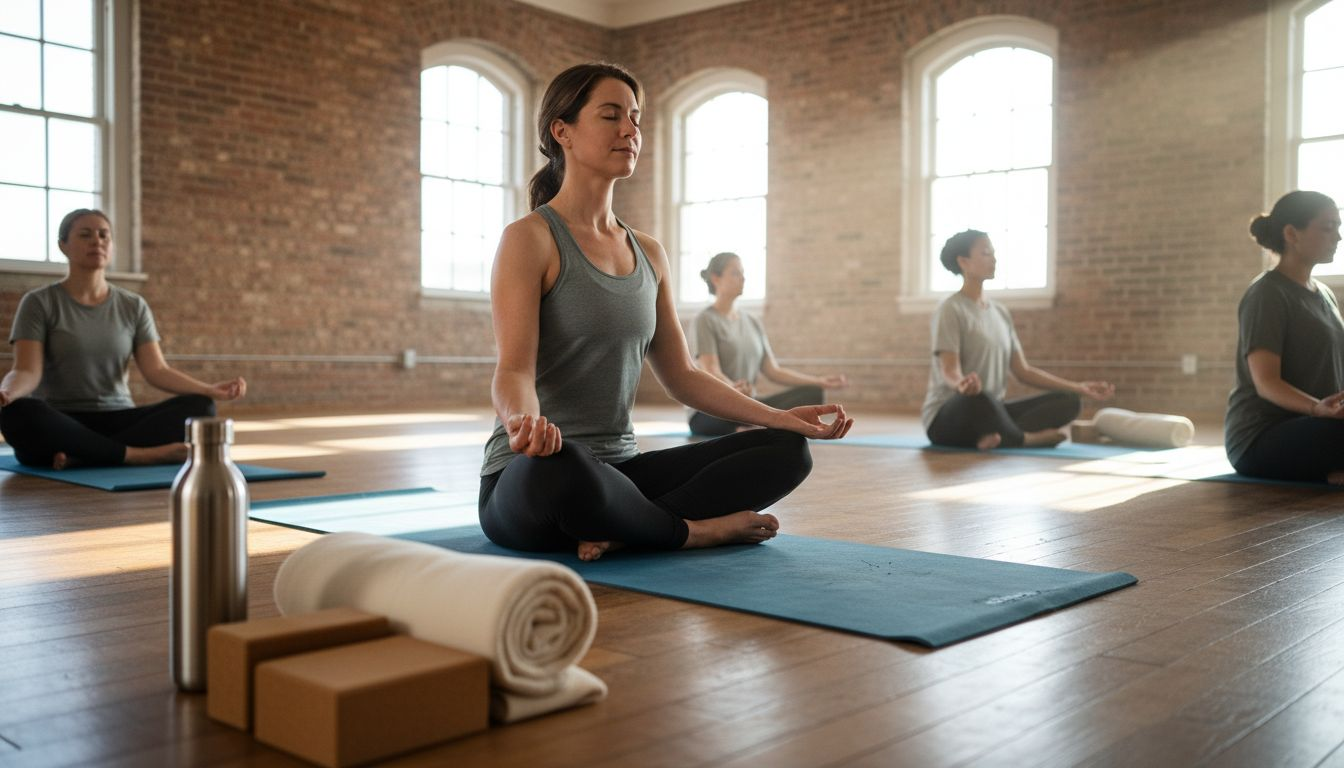
Few practices impact both mind and body as deeply as breathwork, yet many American yoga enthusiasts in Philadelphia are still discovering its power for balance and well-being. Scientific studies show that conscious breathing can regulate stress hormones and boost mental clarity. While myths often oversimplify breathwork, understanding its roots and real benefits can completely change your approach on the mat. This guide uncovers how breathwork transforms yoga from a physical routine into a holistic journey for the whole self.
Table of Contents
Key Takeaways
| Point | Details |
|---|---|
| Breath as a Tool | Breathwork is a sophisticated practice that connects mind and body, promoting mental clarity and emotional regulation. |
| Diverse Techniques | Various pranayama techniques cater to individual needs, offering unique benefits for stress reduction and energy balance. |
| Mind-Body Impact | Controlled breathing significantly alters physiological states, enhances mental health, and activates the relaxation response. |
| Safe Practice | Awareness of potential risks and personal limitations is essential for safe engagement in breathwork practices. |
Defining Breathwork in Yoga: Concepts and Myths
Breathwork represents a profound intersection of physical technique and meditative practice within yoga, where breath becomes more than an automatic physiological process. Breath represents the foundational bridge between body and mind, reflecting our inner psychological landscape and external physiological experiences.
In yoga philosophy, breathwork (pranayama) is not merely about inhaling and exhaling, but a sophisticated system of conscious respiratory control designed to balance energy, calm the nervous system, and enhance mental clarity. Contrary to popular myths, breathwork is not a one-size-fits-all practice but a nuanced approach tailored to individual physical and emotional needs. Practitioners learn to recognize breath as a dynamic tool for self-regulation, moving beyond simplistic notions of just taking deep breaths.
The scientific understanding of breathwork reveals its complexity. In yoga psychology, mind and breath are intrinsically linked, with mental stillness directly connected to respiratory rhythm. By practicing controlled breathing techniques, individuals can actively influence their physiological state, reducing stress, improving concentration, and promoting overall psychological well-being. These techniques range from gentle, calming breaths to more intense practices that can dramatically shift consciousness.
Pro tip: Start your breathwork journey by observing your natural breath for five minutes daily, noticing its rhythm and quality without attempting to change it.
Types of Yogic Breathwork Techniques Explained
Yogic breathwork, or pranayama, encompasses a rich diversity of techniques designed to transform physiological and psychological states through intentional respiratory practices. Pranayama includes numerous breathwork techniques that regulate the autonomic nervous system and balance energy within the body.
Some fundamental pranayama techniques include:
Ujjayi (Victorious Breath): A powerful technique characterized by a soft oceanic sound created by slightly constricting the throat during breathing. This method generates internal heat, improves concentration, and helps calm the nervous system.
Nadi Shodhana (Alternate Nostril Breathing): A balancing technique involving controlled breathing through alternate nostrils. This practice harmonizes the left and right brain hemispheres, reduces stress, and enhances mental clarity.
Bhastrika (Bellows Breath): An energizing technique involving rapid, forceful inhalations and exhalations that generate internal heat, boost metabolism, and invigorate the entire system.
Bhramari (Humming Bee Breath): A calming technique where practitioners create a humming sound during exhalation, which helps reduce anxiety, lower blood pressure, and promote a meditative state.
Each pranayama technique offers unique benefits, allowing practitioners to cultivate deeper mind-body awareness and address specific physiological or psychological needs. The practice is not about performing complex breathing patterns but about developing a nuanced understanding of breath as a powerful tool for self-regulation and transformation.
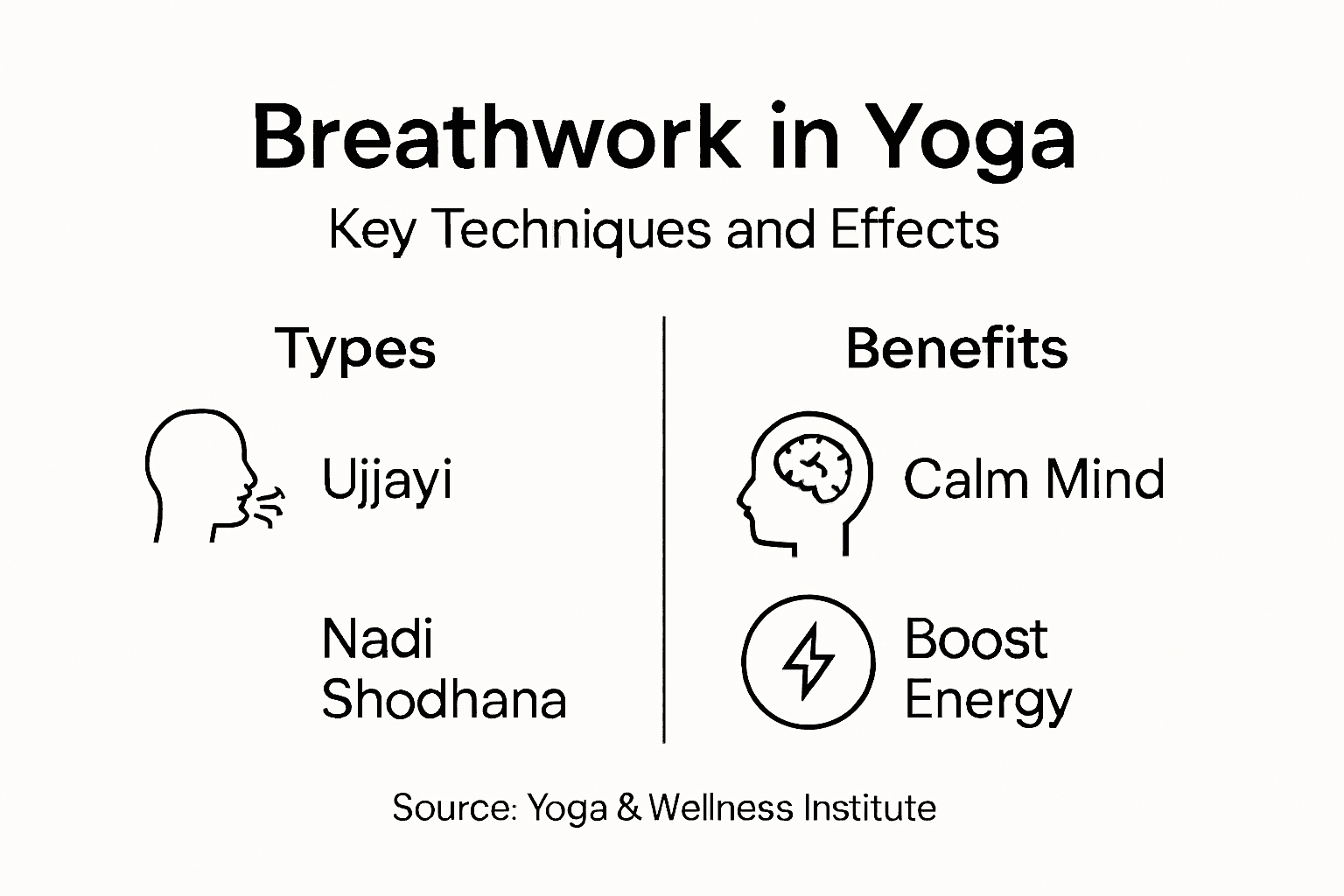
Here's a comparison of key yogic breathwork techniques and their primary focus:
| Technique Name | Main Effect | Typical Practice Duration |
|---|---|---|
| Ujjayi | Calms, creates heat | 5–15 minutes |
| Nadi Shodhana | Balances, clears mind | 3–10 minutes |
| Bhastrika | Energizes, invigorates | 1–5 minutes |
| Bhramari | Calms, reduces anxiety | 5–10 minutes |
Pro tip: Begin your pranayama exploration with gentle techniques like Nadi Shodhana, practicing for 3-5 minutes daily and gradually increasing duration as you become more comfortable.
How Breathwork Impacts Your Mind and Body
Breathwork is far more than a simple respiratory exercise - it is a powerful mechanism for comprehensive mind-body transformation. Breathwork practices scientifically reduce stress and anxiety by fundamentally altering our physiological and psychological states through intentional respiratory control.

At the neurological level, controlled breathing techniques directly modulate the autonomic nervous system. By engaging the parasympathetic nervous system, breathwork triggers the body's natural relaxation response, lowering heart rate, reducing cortisol levels, and creating a cascade of calming physiological changes. This process helps practitioners move from a state of chronic stress and fight-or-flight activation to a more balanced, peaceful internal environment.
The psychological benefits of breathwork are equally profound. Modern research reveals breathwork as a powerful mental health intervention, demonstrating its potential to mitigate symptoms of chronic stress, anxiety, and depression. By improving oxygen exchange, enhancing neurobiological function, and promoting emotional regulation, these techniques offer a holistic approach to mental wellness that goes beyond traditional therapeutic interventions.
Critical physiological impacts include improved heart rate variability, enhanced immune system functioning, and increased mental clarity. The deliberate manipulation of breath acts as a bridge between conscious control and unconscious bodily processes, allowing practitioners to actively reset their nervous system and cultivate internal equilibrium.
Pro tip: Practice diaphragmatic breathing for five minutes daily, focusing on slow, deep breaths that expand your belly, to immediately activate your body's relaxation response.
Practical Integration of Breathwork in Yoga Sessions
Breathwork integration requires a person-centered approachthat considers individual needs, goals, and physical capabilities. Effective breathwork is not a one-size-fits-all technique but a nuanced practice tailored to each practitioner's unique physiological and psychological landscape.
Successful integration involves strategic techniques across different stages of a yoga session:
Pre-Practice Preparation: Begin with grounding breath awareness exercises like diaphragmatic breathing or body scanning to center practitioners and establish a mindful connection between breath and movement.
Warm-Up Phase: Introduce gentle breathing techniques such as Ujjayi breath, which helps regulate body temperature, calm the nervous system, and create internal heat before more intense physical sequences.
Asana Synchronization: Coordinate specific breath patterns with physical postures, using inhales and exhales to guide transitions, deepen stretches, and maintain muscular engagement during challenging poses.
Cool-Down and Meditation: Implement calming breathing techniques like alternate nostril breathing or extended exhale practices to gradually transition practitioners into a relaxed, meditative state.
Strategic breathwork techniques can calm or energize practitionersdepending on the intended outcome of the yoga session. The key is understanding how different breathing methods impact physiological and psychological states, allowing instructors to craft purposeful, transformative experiences.
Pro tip: Start by mastering one breathwork technique thoroughly before introducing multiple methods, ensuring you can guide practitioners with confidence and precision.
Risks, Misconceptions, and What to Avoid
Breathwork practices require careful understanding of potential risksto ensure practitioners approach these techniques with informed caution. While breathwork offers profound benefits, certain techniques can potentially trigger physiological responses that demand respect and professional guidance.
Key risks and potential complications include:
Hyperventilation Dangers: Improper breathing techniques can lead to excessive CO2 reduction, potentially causing dizziness, tingling sensations, or in extreme cases, loss of consciousness.
Medical Contraindications: Individuals with cardiovascular conditions, seizure disorders, pregnant women, and those with severe mental health challenges should consult healthcare professionals before engaging in intensive breathwork practices.
Psychological Overwhelm: Deep breathing techniques can trigger intense emotional releases or resurface suppressed psychological experiences, necessitating a supportive and supervised environment.
Common misconceptions about breathwork can lead to inappropriate practice, including beliefs that more intense or longer practices are always better. These misunderstandings can push practitioners beyond safe boundaries, potentially causing more harm than benefit. The reality is that breathwork should be gradual, personalized, and attentive to individual physiological responses.
Professional guidance is crucial. Practitioners should always start with gentle techniques, maintain awareness of their body's signals, and never force breathing patterns that feel uncomfortable or create physical stress.
For reference, here are common breathwork risks and recommended precautions:
Risk or ErrorPossible ImpactBest PracticeHyperventilationDizziness, loss of consciousnessUse slow, controlled breathsIgnoring contraindicationsAdverse health effectsConsult healthcare providerForced, intense breathingEmotional overwhelmProgress gradually
Pro tip: Always start breathwork practices under professional supervision and listen carefully to your body's signals, stopping immediately if you experience any unusual discomfort or adverse reactions.
Discover the Power of Breathwork with Amrita Yoga & Wellness
The article highlights how mindful breathwork transforms mind and body by calming the nervous system, balancing energy, and reducing stress. If you are looking to deeply connect with your breath and unlock these benefits through guided, personalized practice this is your opportunity. Breathwork is not just about breathing harder or faster but about gentle, conscious control that changes your experience of wellbeing.
At Amrita Yoga & Wellness in Philadelphia, our expert instructors integrate breathwork into varied classes like hot yoga, tai chi, and meditation to help you harness these techniques safely. Begin with gentle pranayama methods such as alternate nostril breathing or ujjayi breath in a supportive community. Visit Amrita Yoga & Wellness to explore class schedules, workshops, and retreats focused on breath awareness. Empower your mind and body now by signing up to cultivate balance and resilience through breath-centered yoga practice.
Frequently Asked Questions
What is breathwork in yoga?
Breathwork, also known as pranayama, is a practice in yoga that focuses on the conscious control of breath to develop energy balance, calm the nervous system, and enhance mental clarity.
How does breathwork impact mental health?
Breathwork can significantly reduce stress and anxiety by regulating the autonomic nervous system and promoting relaxation, which contributes to overall mental wellness.
What are some common breathwork techniques used in yoga?
Common techniques include Ujjayi (Victorious Breath), Nadi Shodhana (Alternate Nostril Breathing), Bhastrika (Bellows Breath), and Bhramari (Humming Bee Breath), each offering unique benefits for practitioners.
Are there any risks associated with breathwork?
Yes, potential risks include hyperventilation, which can cause dizziness, and psychological overwhelm, so it’s essential to practice under guidance and listen to your body’s signals.