Contact Us

Want to send us a quick message? Use the form on the right to contact us and we'll be in touch within 2 business days!

Please contact Audrey at info@amritayogawellness.com for general inquiries, software issues, in-studio and out-of-studio events and workshops, marketing, and community outreach and donations.

Please contact Heather at heather@amritayogawellness.com for private events, private yoga/pilates requests, and trainings.

1204 Frankford Avenue
North Philadelphia, PA, 19125
United States

(267) 928 3176

Amrita Yoga & Wellness offers a variety of Yoga traditions, Pilates Mat, Pilates Group Reformer, Tai Chi, and Massage services in a beautiful space. Our studio is located in Philadelphia, Pennsylvania.

Blog

Filtering by Tag: stress relief yoga

Heated Yoga Classes: Boost Flexibility and Relieve Stress
Heather Rice

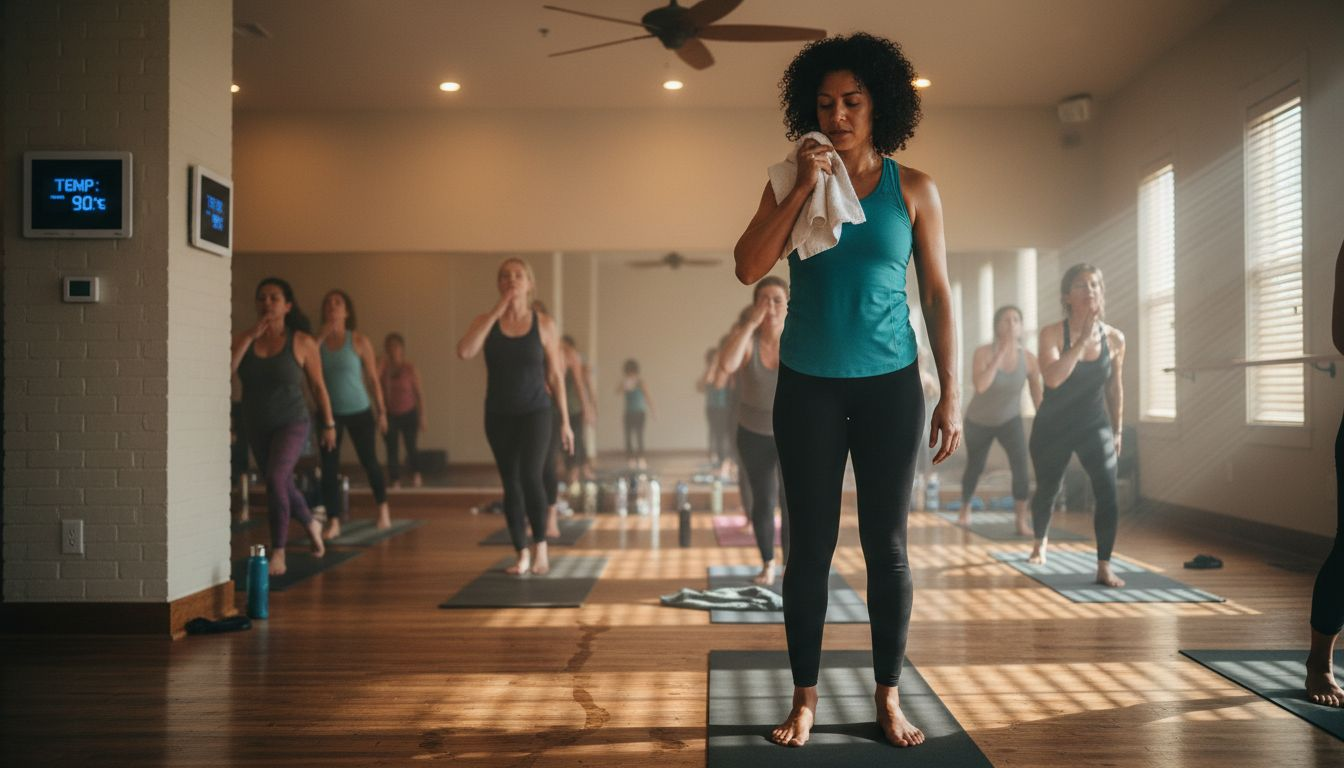
Stepping into a heated yoga studio in Philadelphia, you notice immediately how the warmth wraps around your body and shifts your experience from the very first posture. As an intermediate yogi, you’re familiar with asanas and breath work, but the added heat offers a new path toward deeper stretching and releasing daily stress. The elevated temperature in these sessions not only makes muscles more pliable for improved flexibility but also encourages detoxification through sweating, offering both immediate and lasting benefits for body and mind.

Table of Contents

Key Takeaways

Point Details
Heated Yoga Enhances Flexibility Practicing in warm temperatures increases muscle elasticity, allowing deeper stretches and improved range of motion.
Detoxification Benefits Sweating during heated yoga helps flush toxins, supporting the body’s natural cleansing processes.
Mental Clarity and Mindfulness The combination of breath control and heat creates a calming environment that aids in stress relief and mental focus.
Safety Precautions Are Essential Proper hydration and awareness of personal limits are crucial to prevent injuries and ensure a safe yoga experience.

What Heated Yoga Classes Involve

Heated yoga classes take the foundational postures and breathing techniques you're already familiar with and add one critical element: temperature. The room is typically heated between 80 to 105 degrees Fahrenheit, often with added humidity to create an environment that mirrors the warm, tropical climate where yoga originated in India. This isn't just about comfort or nostalgia for warmer weather. The heat fundamentally changes how your body responds to the practice, making muscles more pliable and allowing you to explore deeper ranges of motion than you might achieve in a regular room-temperature class.

During a heated yoga session, you'll move through a sequence of asanas (yoga postures) combined with pranayama (breath work) and relaxation techniques, just as you would in any yoga class. The difference is that the elevated temperature triggers profuse sweating and increased heart rate, which accelerates cardiovascular activity and mimics the benefits of moderate exercise. This physiological response does two things simultaneously: it helps flush toxins from your system through perspiration while also conditioning your cardiovascular system. Most heated yoga classes last 60 to 90 minutes, giving your body time to adjust to the heat while working through a thoughtful progression of poses. Some studios follow a fixed sequence, while others offer more flexibility in pose selection, though the heat intensity remains consistent throughout.

What makes heated yoga different from your current intermediate practice is the mental and physical adaptation required. Your nervous system works harder in the heat, your muscles tire differently, and your breath becomes more deliberate. You'll need to drink water before and after class, wear breathable clothing that can handle moisture, and bring a towel since sweat becomes part of the experience. Many Philadelphia practitioners find that the heat creates a meditative quality too—the warmth and sweat become anchoring sensations that naturally deepen your focus and presence on the mat. If you're accustomed to standard yoga classes, expect your first heated session to feel more demanding than you anticipated, even if the individual poses feel familiar.

Pro tip: Arrive to your first heated class with lower expectations for how deep you'll go into poses; the heat makes your body more flexible but also more prone to overstretching, so honor your body's signals and back off slightly earlier than you normally would.

Popular Heated Yoga Styles and Differences

Not all heated yoga classes are created equal. While they all involve practicing in a warm room, the styles available in Philadelphia vary significantly in their approach, intensity, and philosophy. Understanding these differences helps you choose the right fit for your intermediate practice. Bikram Yoga remains the most structured and traditional heated style, featuring a fixed sequence of 26 poses and 2 breathing exercises performed in a room heated to exactly 105 degrees Fahrenheit with 40 percent humidity. This consistency means that every Bikram class you attend anywhere in the world follows the same sequence, making it predictable and measurable for tracking your progress. The rigidity appeals to practitioners who value routine and clear benchmarks for advancement.

Other heated styles offer more flexibility and personalization. Baptiste Power Yoga and Vinyasa heated classes incorporate warmth but allow instructors to vary sequences and link breath with movement more dynamically, giving you greater freedom to explore different poses within a flowing practice. Moksha Yoga (also called Modo Yoga) builds on Bikram's foundation but emphasizes environmental consciousness and often incorporates mindfulness elements alongside the physical practice. Forrest Yoga takes a different approach by using heat to enable longer-held poses that target deep stretching and self-discovery. There's also Tribalance Hot Yoga, which intentionally blends Bikram's structured heat with Yin Yoga's meditative, restorative qualities. These variations exist because instructors and studios recognize that students have different goals. Some people crave the meditative stability of fixed sequences, while others want dynamic flow and the freedom to modify based on how their body feels on any given day.

The practical differences come down to a few key factors. Temperature ranges from 80 to 105 degrees depending on the style, sequence flexibility varies from completely fixed to entirely fluid, and the pacing ranges from slow and deliberate to rapid and cardiovascular. Some styles embrace props like blocks and straps, while others discourage them. Music plays a role in some classes and not others. As an intermediate practitioner, you might find that one style perfectly complements your existing practice while another feels limiting or overly intense. Many Philadelphia studios offer introductory classes in different heated styles, which gives you the chance to experience the differences firsthand before committing to a regular schedule.

Here's a comparison of popular heated yoga styles, highlighting their key differences:

Yoga Style Room Temperature Sequence Type Practice Focus
Bikram 105°F, 40% humidity Fixed sequence Consistency, discipline
Baptiste Power 90–95°F Variable / creative Dynamic flow, strength
Vinyasa (Heated) 90–95°F Flexible sequences Breath-movement connection
Moksha (Modo) 95–100°F Structured, varied Mindfulness, eco-focus
Forrest 85–90°F Long hold sequences Inner work
Tribalance Hot 100°F Mixed / static Yin elements, meditation

Pro tip: Try at least three different heated yoga styles before settling on your favorite, as the style that sounds perfect in theory often differs from what resonates with your body during practice.

Benefits for Flexibility, Detox, and Mindfulness

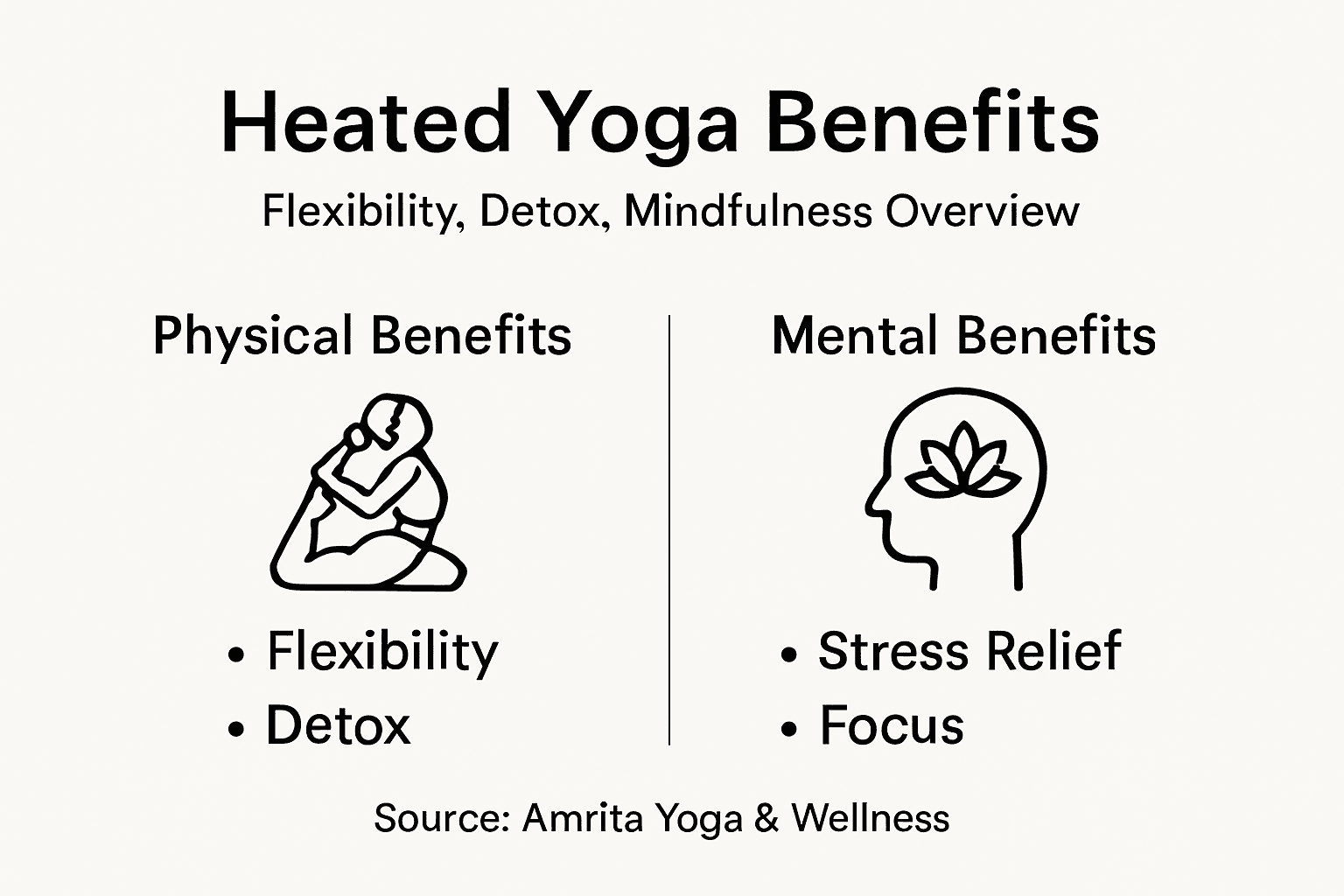
Heated yoga delivers three interconnected benefits that make it particularly valuable for intermediate practitioners looking to deepen their practice. The first and most obvious is improved flexibility. When muscles warm up in a heated room, their elasticity increases naturally, allowing you to move deeper into stretches than you could in a standard temperature class. This isn't forced or unsafe; the heat simply prepares your tissues more thoroughly. Think of it like warming up a rubber band before stretching it. Your Philadelphia studio's heated room creates this optimal condition throughout the entire class, meaning you can progress faster toward poses that might have felt out of reach. Over consistent practice, you'll notice increased range of motion that extends beyond just the yoga mat into daily activities like reaching, bending, and moving with greater ease.

The second benefit centers on detoxification through sweating. The profuse perspiration that comes from heated yoga eliminates toxins through your skin, supporting your body's natural cleansing processes. Your lymphatic system moves more effectively when your body temperature rises, which means waste products and metabolic byproducts can be released more efficiently. This is why you feel so refreshed after a heated class, even though you've exerted significant energy. Many practitioners report clearer skin, better digestion, and increased energy levels after establishing a regular heated yoga practice. The detox effect isn't mystical; it's straightforward biology. Your body's natural cooling mechanism becomes your cleansing tool.
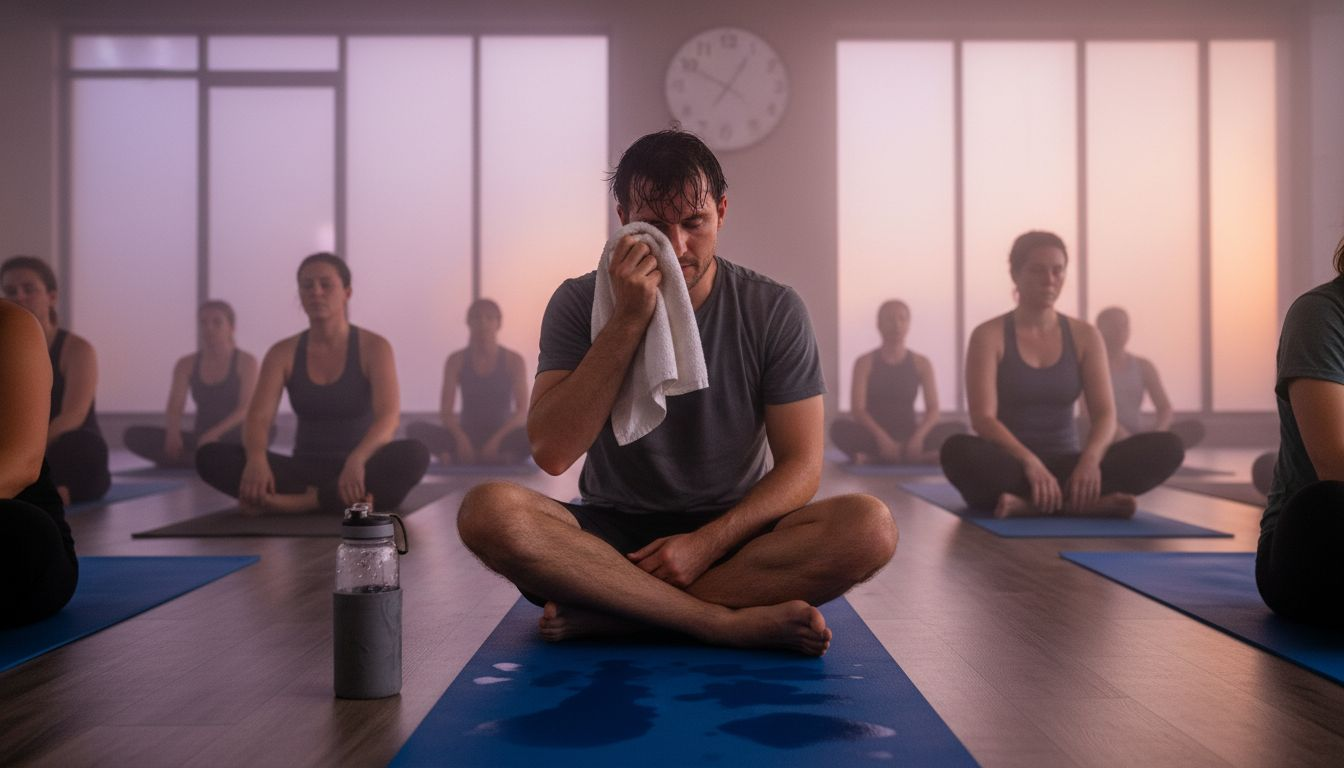
The third benefit addresses your mental health through mindfulness and stress relief. Heated yoga classes incorporate breath control and meditation alongside physical postures, which research shows helps practitioners cope with stress and reduce anxiety. The heat itself supports body relaxation, creating a calm nervous system response that complements the mental work you're doing. As you focus on your breath while moving through poses in the warmth, your mind naturally quiets down. This meditative quality addresses the stress relief you're seeking. Unlike the physical benefits that develop over weeks, the mental clarity often arrives during your first heated class. You leave feeling not just more flexible, but also more grounded and centered. The combination of heat, breath work, and movement creates a powerful reset for your nervous system, which is especially valuable if you're managing Philadelphia's busy lifestyle.

The table below quickly summarizes how heated yoga benefits the body and mind:

Benefit How It Manifests Lasting Impact
Flexibility Easier deep stretching Increased range of motion
Detoxification Heavy sweating Enhanced toxin elimination
Mindfulness Enhanced focus Lowered stress, clarity

Pro tip: Schedule your heated yoga classes during times when you can rest afterward rather than rushing into your day, as the relaxation and detox effects deepen significantly when you allow your body time to integrate the practice.

Preparing for and Attending Heated Yoga Safely

Safety in heated yoga starts before you step into the studio. The most critical preparation involves hydration. Your body will lose significant fluids through sweating, sometimes up to 1.5 liters during a single 60 to 90 minute session. Begin hydrating at least two to three hours before your class, drinking water steadily rather than chugging large amounts right before you practice. This gives your body time to absorb what you drink. Avoid arriving thirsty, as dehydration in a heated room compromises your ability to regulate body temperature and increases the risk of dizziness or cramping. You should also consume adequate electrolytes before and after class to prevent muscle cramps and the post-practice fatigue that comes from mineral loss through sweat. Many Philadelphia practitioners keep coconut water or an electrolyte drink on hand specifically for this purpose.

What you eat and wear matters significantly. Avoid heavy meals two to three hours before class, as your body needs energy for the practice, not for digesting food. A light snack like a banana or a few almonds an hour beforehand provides fuel without making you uncomfortable. Clothing should be lightweight and breathable, allowing sweat to evaporate rather than sit against your skin. Cotton or moisture-wicking fabrics work best. Avoid anything too baggy or too restrictive. Bring a towel, as the floor becomes slippery with perspiration, and consider investing in a yoga towel with grip dots specifically designed for heated classes. Your regular mat can become a skating rink without proper coverage.

During class itself, listen to your body with genuine attention. Your intermediate experience means you know what your normal limits feel like, but heat changes everything. If you feel dizzy, lightheaded, or overwhelmed, take a break. Sitting or lying down in child's pose is not failure; it's intelligence. Build your heat tolerance gradually over several classes rather than pushing yourself to complete every pose in your first session. Use modifications and props without hesitation. The studio likely offers blocks and straps for a reason. Warm up your muscles gently before moving into deeper stretches, and always cool down afterward rather than rushing out immediately. Your nervous system needs time to transition from the intensity back to normal functioning. After class, continue drinking water and give yourself at least 15 to 20 minutes of rest if possible, allowing your body to fully integrate the practice.

Pro tip: Schedule a heated yoga class at a time when you can skip social plans and sit quietly afterward, as attempting to jump into errands or conversations immediately after class reduces the safety and recovery benefits significantly.

Common Risks and How to Avoid Injury

Heated yoga carries specific risks that differ from traditional yoga practice, primarily because the combination of heat and physical intensity accelerates how your body fatigues. The most common injuries include muscle strains, ligament tears, and overexertion injuries. Your muscles feel more flexible in heat, which can trick you into pushing deeper than is actually safe. The heat masks pain signals that normally alert you to stop, meaning you might stretch a muscle or tear a ligament without realizing it until hours later when inflammation kicks in. Heat exhaustion and dehydration also pose real risks if you ignore your body's warning signals. Beyond physical injury, strains and sprains represent the most common outcomes when practitioners overestimate their heat tolerance or try to match the pace of more experienced students.

The path to injury prevention requires honest self-awareness. Work exclusively with qualified instructors who understand how heat changes movement mechanics and can offer proper modifications. When choosing classes, select ones suited to your intermediate experience level rather than jumping into advanced heated sessions. Never compete with the person next to you or try to match their depth of pose. Your body is unique, and heat affects everyone differently. Use props without shame. Blocks and straps exist to help you maintain proper alignment and prevent compensatory movements that lead to injury. Warm up deliberately before attempting deep stretches, and resist the urge to push harder just because the heat makes flexibility feel accessible. The flexibility is temporary; the injury would be lasting. Stay genuinely hydrated throughout class, and take breaks whenever you feel dizzy, unusually fatigued, or confused. These are not signs of weakness. They are your body asking for rest.

If you have preexisting medical conditions, consult your healthcare provider before attending heated yoga classes. High blood pressure, heart conditions, heat sensitivity, or pregnancy require medical clearance. Many Philadelphia practitioners benefit from heated yoga, but some people's bodies handle heat differently, and that is not a personal failing. Even without medical concerns, pay attention to subtle signals your body sends. Mild discomfort while stretching is normal; sharp pain is not. Fatigue that feels manageable is fine; dizziness or nausea means stop immediately. The goal of heated yoga is to deepen your practice sustainably over months and years, not to achieve maximum depth in a single session. Respect that timeline, and your body will reward you with genuine progress without setbacks.

Pro tip: If you experience sharp pain during a pose, come out of it immediately and inform your instructor; they can help you modify future sessions to prevent recurring injury in that area.

Elevate Your Practice with Heated Yoga at Amrita Yoga & Wellness

Heated yoga offers a powerful way to boost your flexibility, detoxify through sweat, and find deep mental clarity. If you have felt the challenge of managing heat safely while working toward greater range of motion and mindfulness this practice meets those needs directly. By embracing the warmth and focused breath work, you can unlock new levels of physical ease and emotional balance right here in Philadelphia.
Discover the right heated yoga style for your goals with expert guidance at Amrita Yoga & Wellness. Our welcoming community provides classes designed to respect your limits and enhance your well-being safely. Visit us at Amrita Yoga & Wellness to explore schedules and find a class that fits your intermediate practice. Experience the transformational benefits of heated yoga now and take the next step in your wellness journey with confidence.

Frequently Asked Questions

What should I wear to a heated yoga class?

You should wear lightweight, breathable clothing that allows sweat to evaporate. Avoid heavy or restrictive fabrics to ensure comfort during class.

How can I prepare for my first heated yoga class?

Hydrate well before class, avoid heavy meals, and arrive feeling comfortable. Also, consider bringing a towel and a mat towel for grip, as the class can get very sweaty.

What are the main benefits of heated yoga?

Heated yoga improves flexibility, facilitates detoxification through sweating, and promotes mindfulness, helping to relieve stress and enhance mental clarity.

How can I prevent injuries in heated yoga?

Listen to your body, stay hydrated, and use props to maintain proper alignment. Avoid pushing too hard, especially in a heated environment, and take breaks if you feel dizzy or fatigued.

Recommended

What Is Chair Yoga? Gentle Mobility and Less Stress

Heather Rice

Many older adults in Philadelphia want to stay active but find it challenging to join traditional exercise classes. Chair yoga offers a gentle path to better mobility, flexibility, and reduced stress without demanding floor movements or extreme stretching. By modifying classic yoga poses with the support of a chair, this practice makes yoga accessible to people with limited mobility or balance concerns while promoting overall wellness and peace of mind.

Table of Contents

Key Takeaways

Point Details
Inclusive Practice Chair yoga makes yoga accessible to individuals with limited mobility or chronic health conditions by modifying poses for seated practice.
Diverse Styles Different styles, such as Gentle, Active, and Specialized Chair Yoga, cater to various fitness levels and health needs.
Health Benefits Chair yoga enhances physical strength, flexibility, and mental well-being through gentle movement and mindfulness.
Safety Guidelines Practitioners should use a stable chair, consult healthcare providers, and listen to their bodies to ensure safe practice.

Chair Yoga Basics and Common Misconceptions

Chair yoga represents an inclusive, adaptive approach to yoga practice that challenges traditional misconceptions about physical fitness and flexibility. Unlike standard yoga classes, chair yoga allows individuals with limited mobility or balance challenges to experience the profound benefits of mindful movement and breath work. Accessible yoga practices demonstrate that physical wellness is not confined to extreme flexibility or complex pose sequences.

The fundamental concept behind chair yoga involves modifying traditional yoga poses to be performed while seated, using the chair as a supportive prop. This approach makes yoga accessible to seniors, individuals recovering from injuries, people with disabilities, and those managing chronic health conditions. Participants can experience improved strength, enhanced flexibility, reduced stress, and better overall body awareness without requiring complex floor-based movements.

Common misconceptions about chair yoga often stem from outdated perceptions of yoga as an exclusively athletic or highly flexible practice. Many people believe yoga requires extreme contortion or perfect physical condition, but chair yoga proves these assumptions incorrect. The practice adapts poses to individual capabilities, focusing on gentle stretching, mindful breathing, and maintaining physical comfort. Participants can engage muscle groups, improve circulation, and practice meditation techniques while remaining comfortably seated.

Pro Tip: Start your chair yoga practice by focusing on gentle breathing techniques and simple seated stretches, allowing your body to gradually build strength and flexibility without overwhelming yourself.

Types of Chair Yoga and Main Differences

Chair yoga encompasses several distinct styles, each designed to meet different fitness levels and health objectives. Yoga practice variations range from gentle rehabilitative sessions to more dynamic strength-building approaches. The primary distinction lies in how extensively the chair is used for support and the specific goals of each practice style.

The first category includes Gentle Chair Yoga, which focuses on slow, deliberate movements and breathwork. This style is particularly beneficial for seniors, individuals with limited mobility, or those recovering from injuries. Participants remain seated throughout the session, performing mild stretches and meditation techniques that improve flexibility and reduce stress. In contrast, Active Chair Yoga incorporates more dynamic movements, including standing poses with chair support, gentle twists, and strengthening exercises that engage multiple muscle groups.

Specialized Chair Yoga styles further differentiate the practice based on specific health needs. Senior-focused chair yoga approaches often emphasize rehabilitation and gentle movement, while therapeutic variations might target specific conditions like arthritis, chronic pain, or limited range of motion. Some classes integrate mindfulness meditation, while others prioritize physical conditioning, allowing participants to choose a style that best matches their personal wellness goals.

Pro Tip: Consult with a certified yoga instructor to identify the chair yoga style that aligns most closely with your current fitness level and health objectives.

Here's a comparison of popular chair yoga styles:

Chair Yoga Styles
Style Who It Suits Best Movement Type Main Wellness Focus
Gentle Chair Yoga Seniors, injury recovery Slow, seated stretches Stress relief, flexibility
Active Chair Yoga Adults, fitness seekers Dynamic, standing poses Strength, core engagement
Specialized Chair Yoga Chronic pain, arthritis Tailored, therapeutic Condition management

Physical and Mental Health Benefits

Chair yoga offers a comprehensive approach to wellness that addresses both physical and mental health challenges. Holistic health benefits extend far beyond traditional exercise, providing participants with a gentle yet powerful method of improving overall well-being. The practice uniquely combines physical movements with mindful breathing and meditation techniques, making it an ideal option for individuals seeking low-impact fitness and stress management.

Physically, chair yoga delivers significant improvements in muscle strength, flexibility, and joint mobility. Participants experience enhanced balance, reduced chronic pain, and increased range of motion, particularly beneficial for seniors or individuals managing conditions like arthritis. The controlled movements help strengthen core muscles, improve posture, and promote better circulation without putting excessive strain on joints or requiring complex physical maneuvers. Yoga's therapeutic potential extends to managing specific health challenges, including low-back pain, reduced cardiovascular stress, and improved respiratory function.

Mental health benefits are equally profound, with chair yoga providing powerful stress reduction and emotional regulation strategies. Regular practice helps practitioners develop mindfulness skills, reduce anxiety, and improve overall mood. The meditative aspects of chair yoga promote emotional resilience, enhance sleep quality, and create a sense of inner calm. By combining gentle physical movement with focused breathing and meditation, participants can effectively manage stress, boost mental clarity, and develop a more balanced emotional state.

Pro Tip: Begin your chair yoga journey with short, consistent sessions and focus on breathing techniques to gradually build physical and mental endurance.

How Chair Yoga Works in Daily Life

Chair yoga seamlessly integrates into everyday routines, transforming ordinary moments into opportunities for mindful movement and stress reduction. Senior wellness practices demonstrate how simple seated movements can dramatically improve physical and mental well-being. Whether at home, in an office, or during leisure time, practitioners can perform subtle stretches, breathing exercises, and mindfulness techniques without disrupting their daily schedules.

The core principle of chair yoga involves making physical activity accessible and adaptable to individual needs and environments. During work breaks, participants can perform seated twists to release tension, practice deep breathing to manage stress, or engage core muscles through gentle movements. At home, individuals can incorporate chair yoga while watching television, reading, or during sedentary activities, transforming previously inactive time into opportunities for gentle physical and mental engagement. Holistic movement strategies enable people to maintain body awareness and promote circulation without requiring significant time commitments or specialized equipment.

Practitioners can easily modify chair yoga techniques to suit specific daily contexts. Office workers can perform subtle shoulder rolls and neck stretches to counteract prolonged sitting, while seniors can use chair-based movements to maintain flexibility and prevent muscle stiffness. The practice's versatility allows individuals to address physical discomfort, reduce stress, and improve overall mobility without major lifestyle interruptions. By breaking down traditional exercise barriers, chair yoga empowers people to prioritize their health through small, consistent actions integrated naturally into daily life.

Pro Tip: Keep a comfortable chair in a easily accessible space and commit to just 5-10 minutes of chair yoga daily to build a consistent, sustainable wellness practice.

Essential Safety Tips and Common Risks

Safe chair yoga practices require careful preparation and mindful execution to prevent potential injuries. Participants must understand that while chair yoga is generally low-impact, individual health conditions and physical limitations can create unique challenges. Before beginning any practice, consulting a healthcare provider is crucial to assess personal fitness levels and identify any potential contraindications or necessary modifications.

Potential risks in chair yoga include muscle strain, balance challenges, and unexpected physical discomfort. Practitioners should select a sturdy, stable chair without wheels, positioned on a level surface to minimize fall risks. Proper technique involves maintaining good posture, moving slowly and deliberately, and listening to body signals. Exercise safety strategies recommend wearing non-slip footwear, using supportive clothing that allows free movement, and stopping immediately if experiencing pain, dizziness, or excessive fatigue.

Some specific safety considerations include managing pre-existing health conditions, understanding personal physical limitations, and creating a safe practice environment. Individuals with cardiovascular issues, recent surgeries, severe balance disorders, or chronic pain should work closely with healthcare professionals to develop personalized chair yoga approaches. Instructors should always be informed about participants' medical histories and be prepared to offer individualized modifications that ensure safe, comfortable practice.

Pro Tip: Always keep a sturdy support nearby and start each chair yoga session with a thorough body assessment to identify any areas of potential discomfort or limitation.

For quick reference, here are key safety tips for chair yoga:

Chair Yoga Safety Tips
Safety Tip Purpose Who Needs It Most
Use stable, armless chair Prevent tipping or falls All participants
Wear non-slip footwear Reduce risk of slipping Seniors, mobility concerns
Consult healthcare provider Identify health limitations People with health conditions

Experience Gentle Mobility and Stress Relief with Chair Yoga at Amrita Yoga & Wellness

If you are searching for a safe and accessible way to improve flexibility, build strength, and reduce stress without intense physical strain chair yoga can be the perfect solution. This practice meets you where you are by offering gentle seated movements that enhance mobility and calm the mind. At Amrita Yoga & Wellness, we understand the importance of adapting wellness routines to fit your individual needs and physical abilities. Whether you are recovering from an injury managing chronic pain or simply looking for a mindful way to move our chair yoga classes support your goals with expert guidance and a welcoming community.

Discover how incorporating chair yoga into your daily life can help you manage pain increase circulation and develop lasting emotional resilience. Join our diverse wellness offerings that include yoga pilates barre tai chi and massage therapy all designed to nurture your body and spirit. Take the next step to prioritize your well-being by exploring our class schedules and upcoming workshops at Amrita Yoga & Wellness. Start your journey today and feel the difference that thoughtful movement and mindful breath can make.

Frequently Asked Questions

What is chair yoga?

Chair yoga is an adaptive form of yoga that allows individuals with limited mobility or balance challenges to perform yoga poses while seated, using a chair for support. It focuses on gentle stretching, mindful breathing, and maintaining physical comfort.

Who can benefit from chair yoga?

Chair yoga benefits a wide range of individuals, including seniors, those recovering from injuries, people with disabilities, and anyone managing chronic health conditions. It promotes physical wellness without requiring extreme flexibility or complex poses.

What are the main styles of chair yoga?

The main styles of chair yoga include Gentle Chair Yoga, which focuses on slow, seated stretches, and Active Chair Yoga, which incorporates dynamic movements and standing poses with chair support. Specialized Chair Yoga targets specific health needs like arthritis or chronic pain.

How can chair yoga improve my health?

Chair yoga can improve physical health by enhancing muscle strength, flexibility, and joint mobility. It also provides mental health benefits by reducing stress, improving mood, and promoting mindfulness, helping practitioners achieve overall well-being.

Recommended

Restorative Aerial Yoga: Relaxation and Stress Relief

Heather Rice

Stress affects more than 80 percent of American adults every year, making relaxation techniques a priority in busy cities like Philadelphia. For wellness-minded individuals seeking gentle movement and meaningful connection, beginner-friendly Restorative Aerial Yoga offers a unique way to calm the mind and improve flexibility. This guide explains how supported poses and a strong sense of community create a nurturing path to both physical and mental well-being without pressure or intimidation.

Table of Contents

Key Takeaways

Point Details
Restorative Aerial Yoga Focuses on Healing This practice emphasizes gentle, low-intensity postures that promote relaxation and support physical recovery.
Diverse Styles Cater to Individual Needs Different approaches within Restorative Aerial Yoga accommodate various wellness goals, making it accessible to all practitioners.
Physical and Mental Benefits Are Significant Participants can experience improved flexibility, reduced stress, and enhanced emotional resilience.
Safety Is Paramount in Practice Proper instructor guidance and adherence to safety protocols are crucial to prevent injuries and ensure an effective experience.

What Is Restorative Aerial Yoga?

Restorative Aerial Yoga represents a gentle and therapeutic approach to traditional yoga practice, utilizing specialized hammocks or silk fabric suspensions to support practitioners through relaxation and healing movements. Unlike standard aerial yoga styles that emphasize acrobatic techniques, restorative aerial yoga focuses on creating physical and mental calm through supportive, low-intensity postures.

This unique practice combines elements of traditional yoga, aerial suspension techniques, and meditation to provide a holistic wellness experience. Understanding aerial yoga techniques reveals how the suspended hammock allows practitioners to experience deeper stretches and releases while minimizing joint pressure. The hammock acts as a supportive tool, enabling individuals to explore poses with reduced gravitational strain and enhanced muscular relaxation.

Restorative Aerial Yoga typically involves gentle, supported postures where practitioners are partially or fully suspended, allowing for complete body weight distribution and targeted muscle release. These positions help reduce physical tension, promote spinal decompression, and create space for deep breathing and mental relaxation. Participants often experience improved flexibility, reduced stress, and a sense of weightlessness that traditional floor-based yoga cannot replicate.

Pro tip: Start your restorative aerial yoga journey with a beginner class that focuses on safety techniques and proper hammock adjustment to build confidence and understand fundamental suspension principles.

Types and Unique Features Explained

Restorative Aerial Yoga offers multiple distinctive styles and approaches, each designed to address specific wellness needs and physical conditions. Restorative aerial yoga techniques emphasize gentle suspension methods that accommodate diverse practitioner requirements, making it accessible for individuals with varying physical capabilities.

The primary types of Restorative Aerial Yoga include:

  • Therapeutic Suspension Yoga: Focuses on healing and rehabilitation, utilizing hammocks positioned close to the ground for maximum support and minimal risk

  • Mindful Relaxation Style: Emphasizes meditation and deep breathing techniques while using the hammock as a supportive prop

  • Gentle Stretch Series: Designed for increased flexibility and muscle release with minimal physical strain

  • Injury Recovery Approach: Specifically tailored for practitioners recovering from physical limitations or seeking low-impact movement

Each type of Restorative Aerial Yoga shares core characteristics: low-intensity movements, precise hammock positioning, and a holistic approach to physical and mental wellness. The hammock serves as more than just a support mechanism - it becomes an interactive tool that allows practitioners to explore movement with reduced gravitational pressure, enabling deeper stretches and more profound relaxation experiences.

Here's how the main styles of Restorative Aerial Yoga differ:

Style Name Primary Focus Typical Users Key Benefit
Therapeutic Suspension Yoga Healing and rehabilitation Individuals with injuries Enhanced muscle support
Mindful Relaxation Style Meditation and deep breathing Stress-prone participants Mental calm and clarity
Gentle Stretch Series Flexibility improvement Beginners, those with tension Minimal strain stretching
Injury Recovery Approach Recovery from physical limits Post-injury, seniors Safe movement restoration

Pro tip: Consult with a certified Restorative Aerial Yoga instructor to determine which specific style best matches your individual physical needs and wellness goals.

Benefits for Body and Mind

Scientific benefits of aerial yogademonstrate remarkable improvements in both physical and mental wellness. The unique suspension method of Restorative Aerial Yoga creates a holistic approach to health that addresses multiple body systems simultaneously, offering practitioners a comprehensive method of stress reduction and physical rehabilitation.

Physical benefits of this practice include:

  • Enhanced cardiovascular circulation

  • Improved core strength and muscle flexibility

  • Reduced joint pressure through suspended movements

  • Increased range of motion with minimal strain

  • Better spinal alignment and decompression

Mental wellness advantages are equally significant. The practice promotes deep relaxation by activating the parasympathetic nervous system, which helps regulate stress responses and emotional balance. By combining gentle movement with mindful breathing, Restorative Aerial Yoga creates a meditative experience that reduces anxiety, improves mental clarity, and supports overall emotional resilience.

Pro tip: Begin your Restorative Aerial Yoga journey with a certified instructor who can help customize the practice to your specific physical and emotional wellness goals.

Class Experience and Key Requirements

Restorative Aerial Yoga classes require specific preparation and understanding to ensure a safe and transformative experience. Participants should anticipate a carefully structured environment that prioritizes individual comfort, physical safety, and mindful movement through suspended fabric supports.

Key requirements for participating in a Restorative Aerial Yoga class include:

  • Comfortable, form-fitting clothing that allows free movement

  • Minimal jewelry or accessories that could snag on hammock fabric

  • Moderate level of physical mobility and flexibility

  • Willingness to follow instructor guidance carefully

  • No recent surgical procedures or serious physical injuries

Typical class experiences involve small group settings with individualized attention, where instructors help participants adjust hammock heights, understand proper suspension techniques, and modify poses according to personal physical capabilities. Understanding aerial yoga techniques can help practitioners feel more confident and prepared for their first session. The environment is designed to be supportive, non-competitive, and focused on personal wellness and exploration.

The following table summarizes key preparation tips and class expectations:

Requirement Why It Matters Participant Action
Form-fitting attire Prevents hammock snagging Wear appropriate clothing
Instructor guidance Ensures correct techniques Follow all instructions
Physical readiness Allows safe participation Disclose health conditions
Early arrival Equipment and safety check Arrive 15 minutes before class

Pro tip: Arrive at least 15 minutes early for your first class to discuss any physical limitations with the instructor and become familiar with the aerial yoga equipment.

Risks, Safety Precautions, and Best Practices

Aerial yoga safety considerationsare crucial for preventing potential injuries and ensuring a positive practice experience. While Restorative Aerial Yoga is generally considered safe, practitioners must understand and respect their individual physical limitations and follow expert guidance to minimize potential risks.

Potential risks and safety precautions include:

  • Risk of falls or improper suspension

  • Potential muscle strain or overextension

  • Equipment integrity and proper installation

  • Individual physical condition and medical history

  • Need for professional instructor supervision

Specific safety best practices involve comprehensive preparation and mindful engagement. Practitioners should undergo thorough initial assessments, communicate any pre-existing medical conditions, and progress gradually through poses. Instructors must ensure proper hammock height, secure attachments, and provide personalized modifications to accommodate individual physical capabilities and comfort levels. The goal is creating a supportive environment that prioritizes participant safety while enabling therapeutic movement and stress reduction.

Pro tip: Always perform a visual equipment check and communicate any physical concerns with your instructor before beginning your aerial yoga session.

Discover Deep Relaxation Through Restorative Aerial Yoga at Amrita Yoga & Wellness

If you are seeking effective ways to relieve stress and gently restore your body and mind, Restorative Aerial Yoga offers a transformative solution. This practice addresses common challenges like muscle tension, mental fatigue, and the need for mindful relaxation by using supportive hammocks to reduce joint pressure and promote emotional calm. From therapeutic suspension to mindful breathing techniques, the unique styles of this yoga help you experience profound physical relief and mental clarity without strain.

Take the step today to experience these healing benefits firsthand. At Amrita Yoga & Wellness, you can find thoughtfully designed classes that focus on safety, personalization, and holistic wellness. Whether you are a beginner or recovering from physical limitations, our expert instructors guide you through each session ensuring a nurturing and empowering environment. Visit our site to explore class schedules and begin your journey toward relaxation and stress relief now. Your body and mind deserve this moment of care.

Frequently Asked Questions

What is Restorative Aerial Yoga?

Restorative Aerial Yoga is a gentle and therapeutic approach to yoga that uses specialized hammocks to support relaxation and healing movements, focusing on low-intensity postures and mental calm rather than acrobatics.

What are the benefits of practicing Restorative Aerial Yoga?

Practicing Restorative Aerial Yoga offers numerous benefits, including enhanced flexibility, improved core strength, reduced joint pressure, stress relief, better spinal alignment, and a sense of weightlessness that aids relaxation and mental clarity.

What should I wear to a Restorative Aerial Yoga class?

Participants should wear comfortable, form-fitting clothing that allows for free movement and prevents any snagging on the hammock fabric. It is also advised to avoid wearing excessive jewelry or accessories.

Are there any risks associated with Restorative Aerial Yoga?

While generally considered safe, potential risks include falls or improper suspension, muscle strain, or overextension. It's essential to follow instructor guidance, communicate any pre-existing conditions, and ensure proper hammock installation to minimize these risks.

Recommended

Aerial Yoga for Stress Relief: Benefits Explained

Heather Rice

Over 2 million American adults have tried aerial yoga in the past decade, drawn by its blend of movement and stress relief. With modern routines often leading to increased tension and joint strain, people across the United States are searching for new ways to build strength and improve well-being. Aerial yoga uses suspended hammocks to make classic yoga feel lighter while offering benefits that target both body and mind, making it an appealing choice for anyone seeking a fresh wellness solution.

Table of Contents

Key Takeaways

Point Details
Innovative Fitness Practice Aerial yoga combines traditional yoga with suspended fabric hammocks, offering a unique approach to movement and physical wellness.
Stress Management Benefits This practice effectively reduces physiological stress responses through suspension techniques, mindful breathing, and enhanced relaxation.
Accessibility for All Levels Aerial yoga is adaptable for various fitness levels, providing support for beginners to explore challenging postures safely.
Safety Requirements Proper preparation and professional guidance are essential to ensure safe participation and avoid injuries during aerial yoga classes.

Aerial Yoga Basics And Core Principles

Aerial yoga represents an innovative fitness practice that transforms traditional yoga by incorporating suspended fabric hammocks. Developed in 2006 by Michelle Dortignac, this dynamic approach merges classic yoga principles with aerial arts, creating a unique movement experience that challenges and supports practitioners in entirely new ways.

Core Elements of aerial yoga include:

  • Full body suspension techniques

  • Integrated strength and flexibility training

  • Mindful movement using fabric supports

  • Reduced gravitational pressure on joints

  • Enhanced range of motion

The fundamental principle behind aerial yoga involves using a specialized hammock that allows partial or complete body suspension. This innovative practice combines traditional yoga, Pilates, and dance movements into a holistic workout that simultaneously challenges and nurtures the body. Practitioners can explore poses with greater freedom, utilizing the fabric’s support to achieve deeper stretches and more expansive movements than traditional mat-based practices.

While aerial yoga might seem intimidating to beginners, its adaptable nature makes it accessible to multiple fitness levels. The hammock provides consistent support, enabling individuals to safely explore challenging postures while minimizing joint strain. By integrating core strength, balance, and mindful breathing, aerial yoga offers a transformative approach to physical and mental wellness that goes far beyond conventional exercise routines.

Key Stress Relief Benefits Of Aerial Yoga

Aerial yoga offers a transformative approach to stress management that goes beyond traditional exercise routines. Research by the American Council on Exercise demonstrates that regular aerial yoga participation can positively modify cardiovascular disease risk factors, suggesting significant potential for reducing physiological stress responses.

Key Stress Reduction Mechanisms in aerial yoga include:

  • Suspension-based movement reducing physical tension

  • Controlled breathing techniques

  • Enhanced mindfulness through unique body positioning

  • Decreased gravitational pressure on joints

  • Improved neurological relaxation responses

The psychological benefits of aerial yoga stem from its unique ability to create a sense of weightlessness and safety. By using fabric hammocks, practitioners experience a gentle, supportive environment that encourages relaxation and emotional release. The combination of physical movement, deep breathing, and meditative focus helps interrupt stress cycles, allowing individuals to reset their nervous system and cultivate a more balanced mental state.

Beyond immediate stress relief, consistent aerial yoga practice contributes to long-term wellness strategies by building resilience, improving body awareness, and teaching practitioners sustainable stress management techniques. The practice empowers individuals to develop a more mindful approach to handling daily pressures, transforming stress from an overwhelming experience into an opportunity for personal growth and emotional regulation.

How Inversions And Poses Reduce Tension

Aerial yoga inversions offer a powerful physiological approach to stress reduction, providing practitioners with unique techniques to reset their nervous system and alleviate accumulated mental and physical tension. By suspending the body in specialized fabric hammocks, these inverted postures create an environment that fundamentally transforms how the body processes stress and emotional strain.

Key Stress Reduction Mechanisms through aerial yoga inversions include:

  • Increased blood flow to the brain

  • Activation of the parasympathetic nervous system

  • Reduced muscle tension

  • Enhanced neurological relaxation

  • Improved overall body awareness

Inversion postures specifically stimulate the parasympathetic nervous system, promoting a state of calm and emotional equilibrium. The gentle rocking motion combined with deep, controlled breathing allows practitioners to interrupt stress cycles, creating a meditative experience that encourages mental reset and emotional release. These suspended poses help individuals literally and metaphorically shift their perspective, providing a physical and psychological counterpoint to the compressed, gravity-bound experiences of daily life.

The neurological benefits of aerial yoga inversions extend beyond immediate relaxation. By encouraging blood circulation to the brain and engaging the body’s natural relaxation responses, these poses help improve cognitive function, memory, and concentration. The unique combination of physical suspension, mindful breathing, and gentle movement creates a holistic approach to stress management that addresses both physiological tension and mental strain, offering practitioners a comprehensive tool for emotional regulation and personal wellness.

Practice Requirements And Safety Precautions

Aerial yoga demands careful preparation and specific safety considerations that practitioners must understand before beginning their practice. Unlike traditional floor-based yoga, aerial yoga introduces complex equipment and suspension techniques that require specialized knowledge and physical preparation to ensure safe and effective participation.

Essential Safety Requirements include:

  • Professional equipment inspection

  • Proper hammock installation

  • Adequate core and shoulder strength

  • Safety mat placement

  • Supervised initial training

  • Physical fitness assessment

Beginners should prioritize professional instruction and comprehensive equipment setup, understanding that aerial yoga involves more than simply hanging in a fabric hammock. Specific physical prerequisites include sufficient upper body strength, core stability, and basic flexibility. Practitioners must develop foundational fitness levels that support safe suspension and prevent potential injuries during complex aerial movements.

The technical aspects of aerial yoga safety extend beyond individual physical preparation. Practitioners must ensure their practice space includes structural reinforcement capable of supporting body weight, utilize professional-grade hammocks with appropriate weight ratings, and maintain consistent equipment maintenance. Recommended precautions involve having a trained instructor present during initial sessions, using safety mats beneath the suspended area, and gradually progressing through complexity levels to build confidence and technical proficiency. By approaching aerial yoga with methodical preparation and respect for its unique physical demands, practitioners can transform potential risk into a safe, transformative wellness experience.

Comparing Aerial Yoga To Other Stress Relief Methods

Aerial yoga emerges as a distinctive stress relief method with unique physiological and psychological benefits that differentiate it from traditional exercise and mindfulness practices. Unlike standard meditation or gym workouts, this approach combines physical movement, suspension techniques, and mindful breathing to create a holistic stress management experience.

Key Comparative Advantages of aerial yoga include:

  • Dynamic physical engagement

  • Enhanced mind-body connection

  • Lower joint impact compared to high-intensity exercises

  • Immediate neurological relaxation response

  • Unique sensory experience

The practice offers metabolic responses similar to moderate-intensity exercises while providing a novel approach to stress reduction, bridging the gap between traditional yoga and more dynamic fitness methods. Where standard meditation might feel static and typical gym workouts can feel repetitive, aerial yoga introduces an element of playfulness and sensory stimulation that makes stress relief feel less like a chore and more like an engaging experience. The suspended environment creates a sense of weightlessness that interrupts habitual stress patterns, offering practitioners a literal and metaphorical shift in perspective.

Compared to traditional stress relief methods like seated meditation, running, or static yoga practices, aerial yoga provides a more immersive and multisensory approach to emotional regulation. The combination of controlled movement, unique gravitational experiences, and focused breathing creates a comprehensive stress management tool that addresses physiological tension and mental strain simultaneously. By integrating physical challenge with mindful techniques, aerial yoga transforms stress relief from a passive activity into an active, transformative experience that engages both body and mind.

Discover Lasting Stress Relief Through Aerial Yoga at Amrita Yoga & Wellness

If you are seeking innovative ways to manage stress and embrace holistic wellness the stress-relieving power of aerial yoga described in this article is exactly what you need. By gently suspending your body in fabric hammocks you can release physical tension, improve mindfulness, and reset your nervous system for emotional balance. This practice supports increased blood flow and nervous system relaxation all while reducing joint strain and building core strength.

Join us at Amrita Yoga & Wellness in Philadelphia where our expert instructors guide you safely through aerial yoga sessions designed for all levels. Experience accessible classes that help you deepen your mind-body connection and embrace a transformative stress management strategy. Start with our class offerings today and take the vital step toward reclaiming calm and vitality in your daily life.

Frequently Asked Questions

What is aerial yoga and how does it help with stress relief?

Aerial yoga combines traditional yoga, Pilates, and dance movements using a suspended fabric hammock. It helps relieve stress by reducing gravitational pressure on joints, promoting mindfulness through unique body positioning, and encouraging enhanced relaxation responses.

How do inversions in aerial yoga contribute to reducing tension?

Inversions in aerial yoga increase blood flow to the brain, activate the parasympathetic nervous system, and promote a state of calm. They facilitate a meditative experience that interrupts stress cycles and encourages emotional release.

What safety precautions should I take when practicing aerial yoga?

Practitioners should ensure proper equipment inspection, correct hammock installation, and adequate core and shoulder strength. Initial training with a professional instructor and the use of safety mats is highly recommended for beginners.

How does aerial yoga compare to traditional stress relief methods?

Aerial yoga offers a dynamic approach that combines physical engagement, sensory stimulation, and mindful breathing, making it a more immersive experience than static practices like seated meditation or standard gym workouts.

Recommended