Contact Us

Want to send us a quick message? Use the form on the right to contact us and we'll be in touch within 2 business days!

Please contact Audrey at info@amritayogawellness.com for general inquiries, software issues, in-studio and out-of-studio events and workshops, marketing, and community outreach and donations.

Please contact Heather at heather@amritayogawellness.com for private events, private yoga/pilates requests, and trainings.

1204 Frankford Avenue
North Philadelphia, PA, 19125
United States

(267) 928 3176

Amrita Yoga & Wellness offers a variety of Yoga traditions, Pilates Mat, Pilates Group Reformer, Tai Chi, and Massage services in a beautiful space. Our studio is located in Philadelphia, Pennsylvania.

Blog

Filtering by Tag: Yoga for Relaxation

How to Start Hot Yoga Naturally for Stress Relief Success
Heather Rice

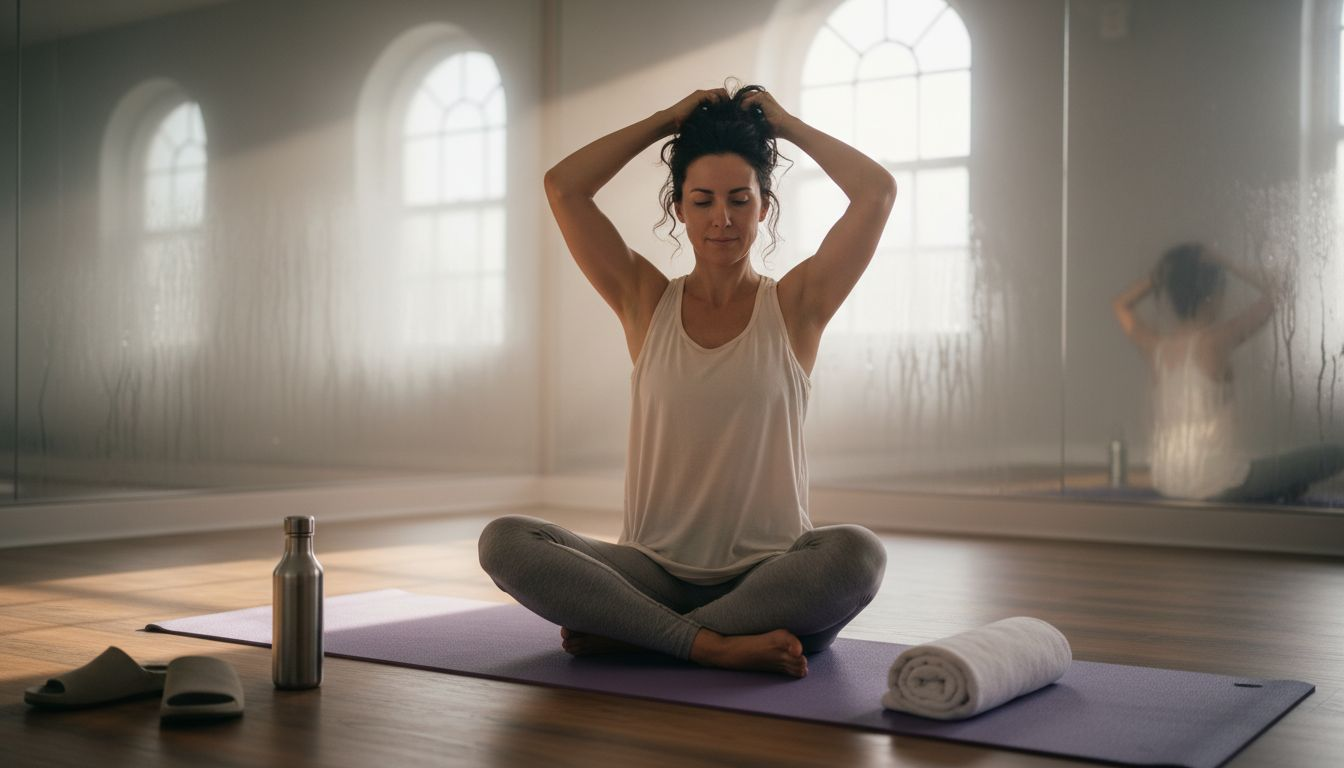
Many Philadelphia adults feel the strain of city living and search for fresh ways to manage stress while building healthier habits. Hot yoga has become a popular option for those seeking a holistic approach to wellness and flexibility. Before getting started, assessing your readiness ensures you experience the transformative benefits of heated yoga practice while keeping safety and self-care as top priorities.

Table of Contents

Quick Summary

Important Insight Explanation
1. Assess Your Readiness for Hot Yoga Evaluate your medical history and fitness level to ensure a safe practice. Consult a healthcare professional if unsure.
2. Gather Essential Hot Yoga Gear Choose functional, moisture-wicking clothing and a high-grip mat to enhance comfort and safety during sessions.
3. Hydrate Strategically Before Class Drink adequate water and electrolytes prior to class to ensure proper hydration and avoid fatigue.
4. Choose the Right Class for You Opt for beginner-friendly classes with experienced instructors to build confidence and skills safely.
5. Track Your Progress Consistently Monitor physical and mental development to understand your body's needs and make informed adjustments in practice.

Step 1: Assess Your Readiness for Hot Yoga

Assessing your physical readiness for hot yoga is the critical first step in developing a safe and transformative practice. Understanding your current fitness level, health conditions, and personal limitations will help you approach this intense workout with confidence and awareness.

Before diving into hot yoga, you'll want to carefully evaluate several key factors that determine your ability to participate safely. Hot yoga safety considerations involve understanding your body's current capabilities and potential risks. Here are some essential elements to consider:

  • Medical history: Check for any pre-existing conditions like high blood pressure, heart issues, or respiratory problems

  • Current fitness level: Assess your overall strength, flexibility, and endurance

  • Heat tolerance: Understand how your body responds to high temperatures

  • Hydration habits: Evaluate your ability to maintain proper fluid intake

For beginners, experts recommend starting with standard yoga classes to build foundational skills before transitioning to hot yoga. Preparing for hot yoga involves gradually introducing your body to more intense practices. Pay special attention to how your body responds during initial sessions, watching for signs of dizziness, excessive fatigue, or discomfort.

Consult with a healthcare professional if you have any underlying health concerns or are unsure about your readiness. They can provide personalized guidance based on your specific physical condition and help you determine whether hot yoga is an appropriate practice for you.

Pro tip: Start by attending a beginner-friendly hot yoga class and inform the instructor about your fitness level and any health considerations to receive tailored guidance and support.

Step 2: Gather Essential Hot Yoga Gear

Preparing for your hot yoga journey starts with selecting the right equipment that will support your practice and keep you comfortable during intense sessions. Hot yoga gear essentials go far beyond just picking a random mat and outfit.

Your hot yoga gear should focus on managing heat, moisture, and maintaining safety. Here are the key items you'll need:

  • Moisture-wicking clothing: Choose lightweight, breathable fabrics that draw sweat away from your body

  • High-grip yoga mat: Select a mat specifically designed for hot yoga with superior traction

  • Large absorbent towel: Crucial for wiping away excessive sweat and creating a hygienic surface

  • Water bottle: Invest in an insulated bottle to keep water cool and encourage hydration

  • Quick-dry microfiber towel: For covering your mat and preventing slipping during practice

When selecting clothing, prioritize materials that allow maximum breathability and movement. Opt for fitted but not restrictive shorts, tank tops, or breathable leggings that will help regulate your body temperature. Look for specialized hot yoga clothing with antimicrobial properties to manage moisture and prevent bacterial growth.

Investing in quality hot yoga gear isn't about spending the most money—it's about choosing functional, comfortable equipment that supports your practice.

Pro tip: Always bring an extra change of clothes and consider packing a small gym towel for additional sweat management during your hot yoga session.

Step 3: Hydrate and Prepare Your Body

Preparing your body for hot yoga involves strategic hydration and mindful physical conditioning that goes beyond simply drinking water before class. Physical activity preparation requires a comprehensive approach to ensure your body can safely handle the intense heated environment.

Effective hydration is crucial for hot yoga success. Here are key strategies to prime your body:

  • Pre-class hydration: Drink 16-20 ounces of water 2-3 hours before your session

  • Electrolyte balance: Consider adding electrolyte-rich drinks to replace minerals lost through sweating

  • Meal timing: Avoid heavy meals 2-3 hours before class to prevent digestive discomfort

  • Gradual acclimatization: Start with shorter hot yoga sessions and slowly increase duration

  • Nutrition focus: Consume light, easily digestible foods that provide sustained energy

Your body needs consistent preparation to adapt to hot yoga's demanding conditions. Avoid consuming alcohol or excessive caffeine before class, as these can interfere with hydration and potentially increase heat sensitivity. Pay close attention to how your body responds during initial sessions and adjust your preparation accordingly.

Proper hydration isn't just about drinking water—it's about creating a balanced internal environment that supports your physical practice.

Pro tip: Weigh yourself before and after hot yoga to track your fluid loss and develop a personalized hydration strategy specific to your body's needs.

Step 4: Choose the Right Hot Yoga Class

Selecting the perfect hot yoga class involves more than just picking a random studio – it requires understanding your personal fitness goals, physical condition, and comfort level. Yoga practice effectiveness depends on finding a class that matches your individual needs and experience.

Different hot yoga styles cater to various fitness levels and objectives. Here are key considerations for choosing your ideal class:

  • Beginner-friendly options: Look for classes specifically designed for newcomers

  • Temperature range: Understand different heat levels across yoga styles

  • Instructor credentials: Check for certified and experienced yoga instructors

  • Class size: Consider smaller classes for more personalized attention

  • Style variations: Explore different hot yoga approaches like Bikram, Vinyasa, or power yoga

Your first hot yoga experience should prioritize safety and comfort. Bikram yoga, for instance, follows a fixed 26-pose sequence in a 105°F room, while other styles might offer more flexible sequences and temperatures. Listen to your body and don't hesitate to communicate with instructors about modifications or concerns.

Here's a quick comparison of common hot yoga styles to help you choose the right class:

Hot Yoga Styles
Style Typical Room Temperature Sequence Type Ideal For
Bikram 105°F Fixed 26 poses Beginners, structure
Vinyasa 90–95°F Flowing, variable Intermediate, flexibility
Power Yoga 95–100°F Dynamic, challenging Advanced, strength

"The right hot yoga class is not about pushing your limits, but about creating a sustainable practice that supports your physical and mental well-being."

Pro tip: Attend a studio’s introductory class or request a brief orientation to understand their specific approach and ensure it aligns with your personal fitness goals.

Step 5: Track Progress and Adjust Your Routine

Tracking your hot yoga journey requires more than just showing up to class – it demands intentional observation and strategic adjustments. Movement assessment techniques help you understand your body's evolving capabilities and maintain a sustainable practice.

Develop a comprehensive tracking system that captures both physical and mental progress:

  • Physical markers: Monitor flexibility, strength, and endurance

  • Mental wellness: Record stress levels, mood, and sleep quality

  • Performance metrics: Track class frequency, pose improvements, and recovery time

  • Personal journal: Document your emotional and physical responses

  • Photographic evidence: Take periodic progress photos to visualize changes

Consistent tracking allows you to recognize patterns and make informed modifications to your hot yoga routine. Pay attention to how your body responds during different sessions, noting any improvements in posture, breathing, or overall energy levels. Be prepared to adjust intensity, frequency, or style based on your observations and personal goals.

Progress Tracking Metrics

To make tracking your progress easier, here are useful metrics and suggested tools:

Metric What It Measures Suggested Tracking Tool
Flexibility Range of motion gains Weekly progress photos
Hydration Fluid loss post-class Body weight scale
Mood & Energy Mental wellness changes Personal journal or app
Pose Mastery Technique improvements Spreadsheet or yoga app

"Progress is not linear – it’s a dynamic journey of understanding and adapting to your body’s unique needs."

Pro tip: Consider using a digital yoga tracking app or create a simple spreadsheet to systematically record your progress and identify trends in your practice.

Embrace Stress Relief with Hot Yoga at Amrita Yoga & Wellness

Starting hot yoga naturally for stress relief can be challenging without the right guidance and support. The article highlights key concerns like heat tolerance, hydration, and choosing the right class to ensure a safe and effective practice. If you are looking to overcome these hurdles while tapping into the mental and physical benefits of hot yoga, Amrita Yoga & Wellness provides a welcoming space in Philadelphia designed with your well-being in mind.

Discover beginner-friendly hot yoga classes tailored to your fitness level and health needs. Our experienced instructors help you navigate heat acclimatization, optimal hydration, and pose modifications. Be part of a supportive community focused on holistic growth and stress reduction. Take your first step toward a transformative hot yoga journey by exploring our class offerings and planning your visit today at Amrita Yoga & Wellness. Let us guide you toward lasting stress relief and balanced wellness starting now.

Frequently Asked Questions

How do I know if I'm ready to start hot yoga for stress relief?

Assess your physical readiness by evaluating your medical history, current fitness level, and heat tolerance. Consult with a healthcare professional to get personalized advice and ensure it's a safe choice for you.

What should I wear to a hot yoga class?

Choose moisture-wicking and breathable clothing to keep cool and comfortable during intense sessions. Opt for fitted but not restrictive outfits, such as tank tops and lightweight shorts or leggings, to help regulate body temperature.

How can I prepare my body for a hot yoga class?

Hydrate adequately before class by drinking 16-20 ounces of water 2-3 hours before you start. Additionally, avoid heavy meals prior to class to prevent discomfort and allow your body to adapt better to the heat.

What are the best beginner hot yoga classes?

Look for classes specifically designed for newcomers, as they typically provide a supportive environment. Popular beginner styles include Bikram or gentle flow classes, which can help you gradually build heat tolerance and confidence.

How can I track my progress in hot yoga?

Develop a tracking system that includes monitoring your flexibility, strength, and emotional wellness. Regularly journal your experiences and take notes on your performance metrics, such as class frequency and improvements in specific poses.

How often should I practice hot yoga to experience stress relief?

Aim to practice hot yoga 2-3 times a week for optimal benefits. Consistency is key, and over 30 days, you should notice improvements in stress levels and overall well-being.

Recommended