The Amrita Journal
Explore thoughtful stories, practical wellness guidance and inspiring ideas to support your movement, mindfulness and everyday wellbeing at Amrita.
How to Start Yoga Naturally for Stress Relief and Wellness
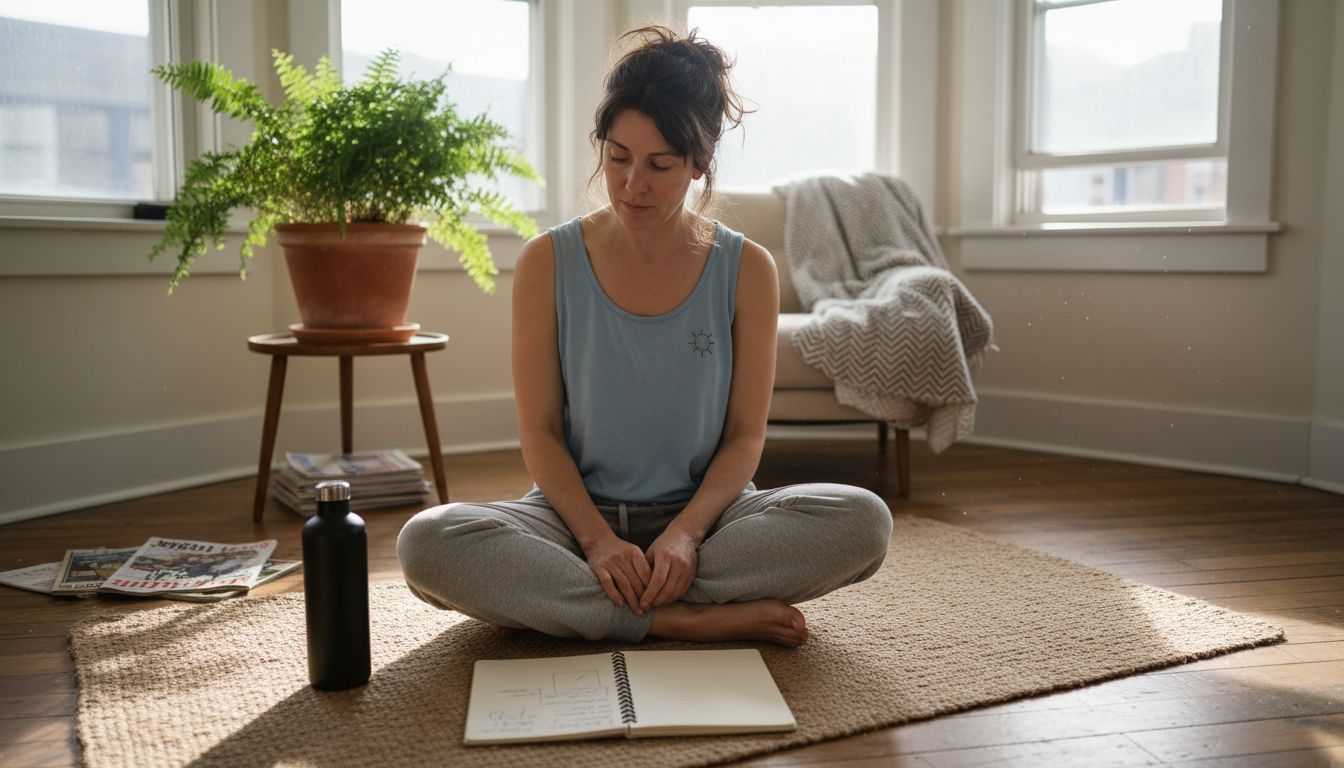
Nearly 80 percent of American adults experience ongoing stress that impacts their health and wellbeing. For busy people in Philadelphia, finding time and space to relax can feel impossible. Creating a simple yoga routine at home offers a practical way to ease tension and support your body, helping you reclaim moments of calm in a hectic week. This guide walks you through every step, from setting up your space to choosing beginner poses, so you can build a soothing practice even in the middle of city life.
Table of Contents
Quick Summary
| Key Insight | Explanation |
|---|---|
| 1. Create a dedicated yoga space | Select a quiet, clutter-free area with natural light to enhance relaxation and mindfulness during practice. |
| 2. Start with beginner-friendly styles | Hatha Yoga is recommended for new practitioners; it focuses on basic postures and proper alignment. |
| 3. Invest in essential yoga equipment | A high-quality yoga mat, blocks, and straps will support comfort, stability, and alignment during practice. |
| 4. Develop a simple initial routine | Focus on a few gentle poses, practicing 10–15 minutes daily to build consistency and body awareness. |
| 5. Track your progress regularly | Maintain a yoga journal to document your physical and emotional growth, adjusting your practice as needed. |
Step 1: Prepare your space for comfortable yoga practice
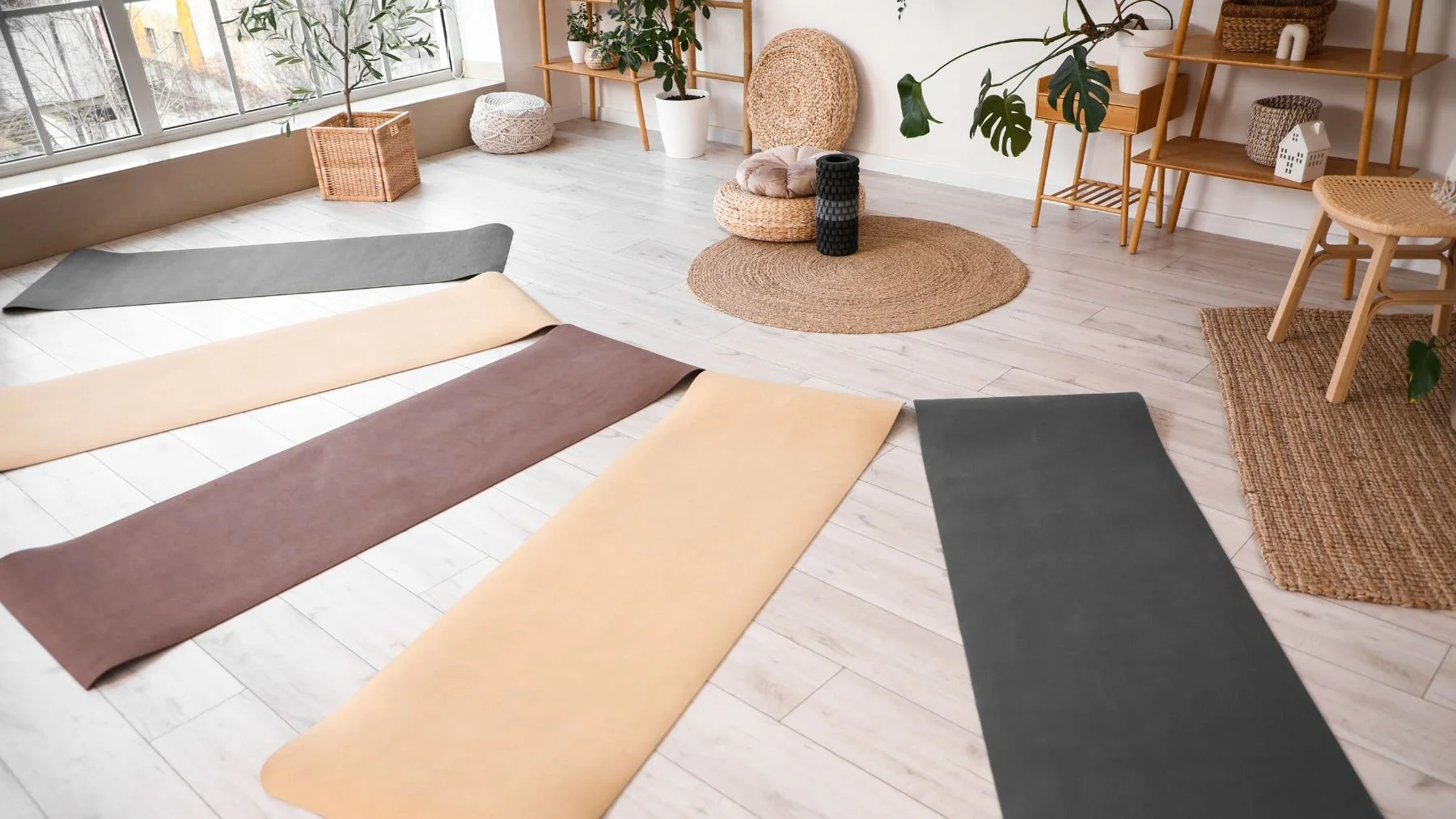
Creating a calming and inviting yoga space is crucial for developing a consistent and enjoyable practice. Your environment sets the tone for relaxation and mindfulness, transforming an ordinary area into a personal sanctuary where stress melts away. By thoughtfully arranging your space, you signal to your body and mind that this is a dedicated time for self care and wellness.
Start by selecting a quiet area in your home with minimal distractions. Ideally, choose a space with natural light and enough room to fully extend your yoga mat without bumping into furniture. Clear away clutter and unnecessary items that might disrupt your mental focus. If possible, select a spot near a window where soft natural light can create a serene atmosphere. Beginner yoga practices often emphasize the importance of creating a peaceful environment that supports your mental and physical journey.
Consider adding soft elements that enhance relaxation such as a clean yoga mat, comfortable temperature, and minimal noise. Use neutral colored linens or blankets, place a few plants for natural energy, and ensure the room temperature is slightly warm but not hot. Soft background music or nature sounds can also help create a meditative ambiance that supports your practice.
Pro tip: Keep your yoga space consistent and dedicated, treating it as a sacred area for personal growth and wellness transformation.
Step 2: Select beginner-friendly yoga styles and classes
Navigating the world of yoga styles can be overwhelming for newcomers, but choosing the right class is essential for building confidence and establishing a sustainable practice. Your goal is to find a style that matches your fitness level, physical capabilities, and personal wellness objectives.
Beginner yoga classes in Philadelphiatypically recommend Hatha Yoga as the ideal starting point for new practitioners. Hatha Yoga is specifically designed for beginners, focusing on holding positions for several breaths and allowing you to master basic postures comfortably. This style provides a solid foundation by teaching proper alignment, breathing techniques, and helping you develop body awareness without overwhelming intensity.
When exploring yoga styles, consider your personal fitness level and any physical limitations. While more dynamic styles like Vinyasa and hot yoga can be appealing, they require a stronger baseline of strength and flexibility. For absolute beginners, gentler practices such as Yin Yoga or restorative classes offer slower paced environments where you can learn fundamental poses and breathing techniques. Many local studios offer introductory workshops or beginner series that provide structured learning environments with expert guidance.
Pro tip: Always communicate with your yoga instructor about your experience level and any physical concerns before starting a new class.
Here is a comparison of beginner-friendly yoga styles to help you select the best fit for your needs:
| Yoga Style | Pace and Intensity | Key Benefits | Suitability |
|---|---|---|---|
| Hatha Yoga | Slow, gentle | Builds foundation, improves focus | Best for absolute beginners |
| Vinyasa Yoga | Moderate to fast | Boosts stamina, dynamic movement | Good for active beginners |
| Yin Yoga | Very slow, relaxing | Enhances flexibility, deep rest | Ideal for stress reduction |
| Restorative Yoga | Minimal movement | Promotes healing, calms mind | Suited to relaxation seekers |
Step 3: Gather essential supportive yoga equipment
Starting your yoga journey requires some basic equipment that supports comfort, stability, and proper alignment during your practice. Investing in a few key items will help you feel more confident and prepared as you begin exploring yoga techniques and poses.
The most critical piece of equipment is a high quality yoga mat that provides adequate cushioning and grip. Aerial yoga safety recommendations emphasize choosing a mat with good traction to prevent slipping during various poses. Look for a mat that is approximately 1/4 inch thick with a textured surface suitable for beginners. Beyond the mat, consider purchasing supportive accessories like yoga blocks, which help modify poses and provide additional support when flexibility is limited, and a comfortable yoga strap to assist with stretching and alignment.
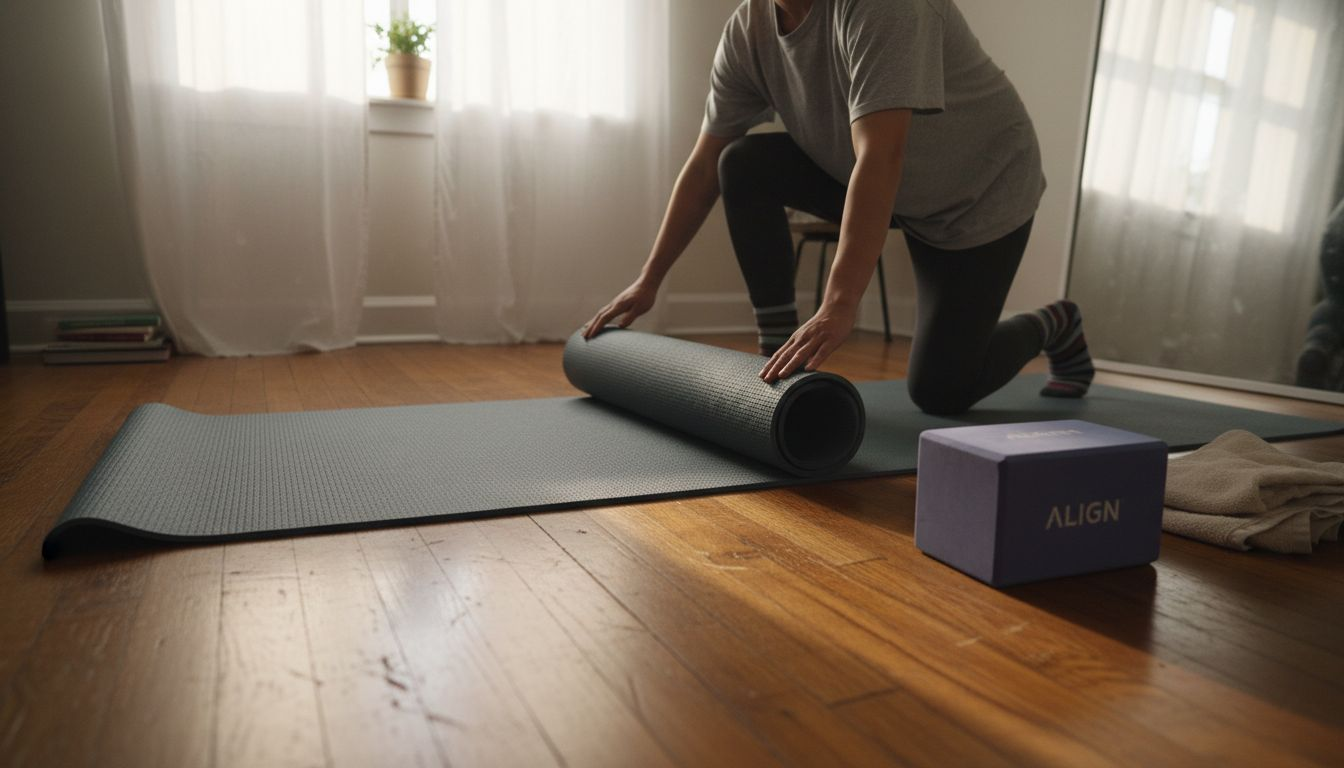
While building your yoga equipment collection, remember that you do not need to purchase expensive or elaborate gear. Start with basic, functional items that support your practice and allow you to move comfortably. Many studios offer equipment rentals, which can be a great way to experiment with different types of props and materials before making a personal investment.
Pro tip: Choose multipurpose yoga equipment that can adapt to different styles and skill levels to maximize your initial investment.
Here is a summary of essential yoga equipment and its role in supporting your practice:
| Equipment | Purpose | Beginner Benefit |
|---|---|---|
| Yoga Mat | Cushioning and stability | Prevents slips, adds comfort |
| Yoga Blocks | Support and pose modification | Aids limited flexibility |
| Yoga Strap | Assists stretches | Improves reach and alignment |
| Blanket | Warmth and comfort | Enhances relaxation in poses |
Step 4: Develop your initial routine with simple poses
Building a foundational yoga practice requires starting with accessible, gentle poses that help you develop body awareness, flexibility, and confidence. Your initial routine will focus on creating a sustainable approach to movement that feels comfortable and supportive.
7 Essential yoga poses for beginnerstypically include fundamental movements like Mountain Pose, Child's Pose, Cat Cow Stretch, and Downward Facing Dog. These poses help you build strength, improve balance, and learn proper breathing techniques without overwhelming your body. Start by holding each pose for 3 to 5 breaths, paying careful attention to your body's alignment and sensations. Remember that yoga is not about perfection but about exploring your body's capabilities with patience and self compassion.
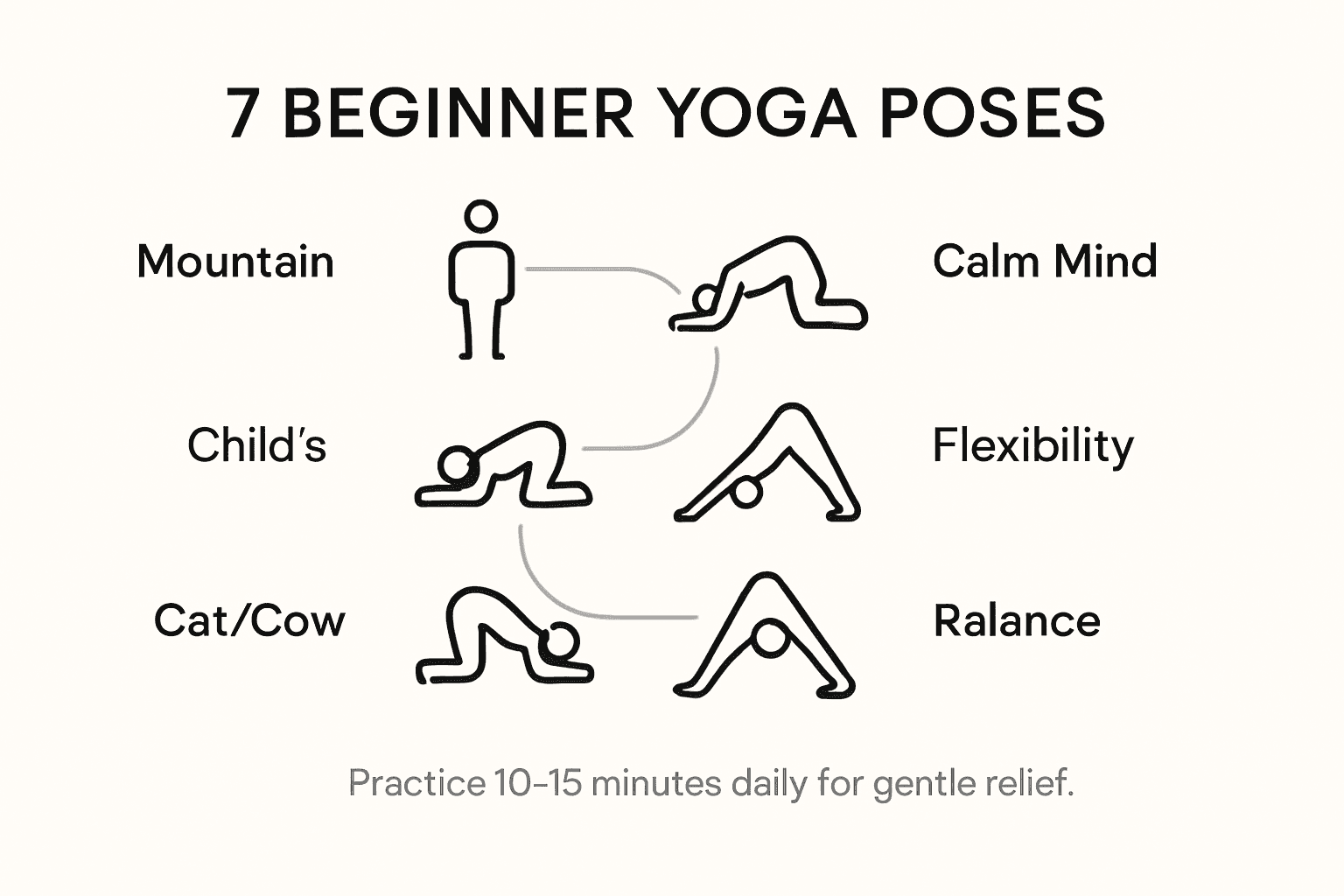
As you develop your routine, focus on consistency rather than complexity. Begin with a short 10 to 15 minute practice, gradually increasing duration as you become more comfortable. Listen to your body and modify poses using yoga blocks or straps if needed. The goal is to create a sustainable practice that feels nurturing and reduces stress, not to achieve advanced postures immediately.
Pro tip: Practice your routine at the same time each day to help establish a consistent and grounding yoga habit.
Step 5: Evaluate your progress and adjust your yoga journey
Tracking your yoga journey is about understanding your physical and mental growth, not achieving perfection. Your practice will naturally evolve as you become more aware of your body's capabilities and limitations, creating opportunities for meaningful personal development.
How to schedule yoga classes for seamless wellnesssuggests maintaining a practice journal to document your experiences and progress. Record details like how you feel before and after each session, which poses challenge you, and any improvements in flexibility, strength, or stress levels. Pay attention to both physical changes and emotional shifts, recognizing that progress in yoga extends beyond physical performance.
Be patient and kind to yourself as you develop your practice. Some weeks you might feel more flexible or strong, while others might feel more challenging. Adjust your routine based on your energy levels, listening to your body and modifying poses as needed. Consider taking occasional classes with experienced instructors who can provide personalized feedback and help you refine your technique. Remember that consistency matters more than intensity, and your yoga journey is a personal path of continuous learning and self discovery.
Pro tip: Review your practice journal every month to identify patterns, celebrate small victories, and mindfully adjust your yoga approach.
Embrace Your Yoga Journey for Lasting Stress Relief and Wellness
Starting yoga can feel overwhelming when trying to create the perfect space and selecting the right practice for your needs. This article highlights common challenges like finding beginner-friendly yoga styles and assembling comfortable equipment that supports your growth. If you are looking to naturally reduce stress while improving flexibility and mental clarity, you are not alone. Many seek a nurturing, consistent yoga routine that fosters personal wellness without adding pressure or complexity.
Discover how Amrita Yoga & Wellness in Philadelphia offers supportive classes tailored to beginners that guide you through foundational poses and mindful breathing techniques. Our welcoming community and expert instructors help you ease into yoga styles such as Hatha and restorative yoga, perfect for cultivating calm and self-awareness.
Take the next step toward a balanced life by exploring beginner-friendly sessions and workshops designed for your wellness goals. Experience firsthand how a dedicated practice space and the right guidance can transform your mental and physical health. Visit this page today to find the perfect class and start your path to lasting stress relief and holistic wellness.
Frequently Asked Questions
How can I create a calming yoga space for stress relief?
Creating a calming yoga space starts by selecting a quiet area in your home where you can practice without distractions. Clear clutter and use calming colors and natural light to set the mood. Consider dedicating this space solely to your yoga practice to help reinforce your commitment to wellness.
What beginner-friendly yoga styles should I try for stress relief?
For stress relief, consider starting with Hatha Yoga, as it’s gentle and perfect for beginners. This style focuses on holding poses and mastering breathing techniques, which can enhance relaxation. Look for classes that cater to new practitioners to ensure a supportive learning environment.
What essential equipment do I need to start yoga?
To start yoga, you will need a good quality yoga mat for cushioning and grip. Additionally, consider acquiring yoga blocks and a strap, which can help you modify poses and enhance your practice. Begin with these basics, and gradually add more equipment as your skills develop.
How can I develop a routine with simple yoga poses?
Start by selecting a few simple poses like Mountain Pose and Child’s Pose, holding each for 3 to 5 breaths. Aim for a routine that lasts 10 to 15 minutes daily, gradually increasing duration as you gain confidence. Consistency is key—practice at the same time each day to establish a grounding habit.
What should I include in my yoga journal to track my progress?
In your yoga journal, record your feelings before and after each session, along with details on which poses challenge you. Note improvements in flexibility and strength, as well as any emotional shifts you experience. Reviewing your entries monthly can help identify patterns and celebrate small victories in your yoga journey.
How do I adjust my yoga practice if I feel challenged?
Listen to your body and adjust your poses if you encounter challenges. Consider using props like blocks or straps for support, and be patient with your progress. Modify your routine based on your energy levels, ensuring it remains a nurturing experience rather than feeling overwhelming.
Recommended
7 Simple Yoga Tips for Beginners to Boost Wellness Fast
Over half of American adults say they struggle to find time for self care, especially in busy cities like Philadelphia. Stress and tight schedules can quickly take a toll on both body and mind, making it harder to feel your best each day. If you are looking for gentle ways to support your well-being, accessible yoga practices offer simple options that fit easily into daily life and help you feel more balanced, flexible, and relaxed.
Table of Contents
Quick Summary
| Key Message | Explanation |
|---|---|
| 1. Start with Gentle Warm-Ups | Gentle stretches like Happy Baby pose prepare your body, increasing flexibility and helping prevent injury. |
| 2. Learn Basic Poses | Master foundational poses such as Mountain Pose and Forward Fold to build strength and body awareness. |
| 3. Focus on Breathing Techniques | Use diaphragmatic breathing to enhance relaxation and improve movement synchronization during yoga. |
| 4. Create a Comfortable Space | Set up a serene, clutter-free environment with supportive props to promote relaxation during practice. |
| 5. Stay Motivated with Community | Engage in local classes or online groups to connect with others, finding support and inspiration. |
1. Start with Gentle Warm-Up Stretches
Beginning your yoga journey requires a thoughtful approach, especially when it comes to preparing your body for movement. Gentle warm-up stretches are the foundation of a safe and effective yoga practice that helps prevent injury and gradually increases flexibility.
When exploring gentle warm-up techniques, understanding how to properly engage your muscles becomes crucial. These initial movements help transition your body from a stationary state to an active practice, reducing the risk of strain or discomfort.
One particularly beneficial stretch for beginners is the Happy Baby pose. This pose not only helps loosen tight muscles but also promotes relaxation and releases tension in the lower back and hip area. By gently rocking side to side while holding your feet, you can create a soothing stretch that prepares your body for more advanced yoga positions.
For those new to yoga, start with slow, deliberate movements that allow you to tune into your body's signals. Focus on breathing deeply and moving with intention, allowing each stretch to feel like a gentle exploration of your physical capabilities.
Pro tip: Move slowly and listen to your body. If a stretch feels uncomfortable or painful, back off and modify the movement to suit your current flexibility level.
2. Learn Basic Yoga Poses for Everyday Practice
Building a consistent yoga practice starts with mastering a few foundational poses that can transform your daily wellness routine. Understanding and integrating basic yoga poses allows you to create a flexible, accessible approach to movement and mindfulness.
The fundamental yoga poses for beginners offer an excellent starting point for developing strength, flexibility, and body awareness. Two key poses every beginner should learn are Mountain Pose and Forward Fold, which provide a solid foundation for more advanced yoga movements.
Mountain Pose helps improve posture and body alignment by teaching you to stand with intentional awareness. By standing tall with feet together, engaging your core, and distributing weight evenly, you develop a sense of groundedness and balance. Forward Fold complements this by stretching the entire back of your body, releasing tension in the hamstrings and lower back.
Incorporating these poses into your daily routine can be as simple as taking five minutes each morning to move through them mindfully. Focus on your breath, move slowly, and pay attention to how your body feels during each position.
Pro tip: Start with just two or three basic poses and practice them consistently. Consistency matters more than complexity when you are building a sustainable yoga practice.
3. Focus on Easy Breathing Techniques
Breathing is the cornerstone of any successful yoga practice, transforming simple movements into profound moments of mindfulness and connection. Understanding how to control and utilize your breath can dramatically improve both physical and mental wellness.
The integration of mindful breathing with yoga stretches allows practitioners to reduce tension and enhance overall relaxation. By synchronizing breath with movement, you create a powerful tool for managing stress and increasing body awareness.
One fundamental technique is diaphragmatic breathing, where you focus on filling your lower belly with air rather than shallow chest breathing. This approach helps activate the parasympathetic nervous system, signaling your body to relax and release tension. When practicing yoga poses like the Happy Baby pose, concentrating on deep, rhythmic breathing can significantly improve flexibility and promote a sense of inner calm.
Beginners can start by practicing a simple breath counting method. Inhale for four counts, hold for two, then exhale for four counts. This structured approach helps train your mind to stay present and your body to move with intentional, controlled breathing.
Pro tip: Practice breathing techniques for five minutes daily, even when not doing yoga. Consistent practice helps build muscle memory and makes breathing naturally during yoga poses much easier.
4. Practice Mindfulness and Relaxation
Mindfulness transforms yoga from a physical exercise into a powerful practice of self awareness and inner peace. By intentionally connecting your mind and body, you create a sanctuary of calm amidst life's daily chaos.
Mindfulness techniques during yoga can dramatically reduce stress by focusing your attention on the present moment and your body's sensations. This approach helps release accumulated mental tension and promotes a deeper sense of relaxation.
One accessible method for practicing mindfulness is body scanning. Start by sitting comfortably and systematically bringing attention to each part of your body from your toes to your head. Notice any sensations without judgment. During poses like the Happy Baby pose, you can use this technique to increase body awareness and release emotional tension.
Beginners can start with short five minute mindfulness sessions. Choose a quiet space, sit comfortably, and focus on your breath. When your mind wanders, gently redirect your attention back to your breathing. This simple practice trains your brain to stay present and reduces anxiety.
Pro tip: Set a daily reminder on your phone for a two minute mindfulness break. Consistency matters more than duration when developing a mindful practice.
5. Set Up a Safe and Comfortable Yoga Space
Creating the right environment for your yoga practice can transform a simple exercise routine into a powerful wellness experience. Your personal yoga space should be a sanctuary that supports both physical movement and mental relaxation.
Setting up a conducive yoga environment involves more than just clearing floor space. You want to design an area that minimizes distractions and promotes a sense of calm and focus.
Begin by selecting a quiet area in your home with enough room to move freely. Ideally, choose a space with natural light and minimal noise. Use a dedicated yoga mat or soft surface that provides cushioning and grip. Consider adding elements like a small plant, calming artwork, or soft lighting to create a soothing atmosphere.
Props can significantly enhance your comfort and safety during practice. Keep a few essential items nearby such as blocks, a bolster, or a folded blanket. These tools help modify poses like the Happy Baby pose, making them more accessible and supportive for beginners. They also help prevent strain and allow you to explore poses with greater confidence.
Pro tip: Treat your yoga space as a sacred area. Keep it clean, clutter-free, and use it exclusively for your practice to help your mind associate this space with relaxation and mindfulness.
6. Build a Consistent Yoga Routine
Consistency is the secret ingredient that transforms yoga from an occasional activity into a powerful wellness practice. Developing a reliable routine helps you unlock the full potential of yoga for physical and mental transformation.
Building a sustainable yoga practice requires strategic planning and realistic goal setting. Start by committing to short, manageable sessions that fit naturally into your daily schedule, rather than attempting marathon practices that feel overwhelming.
Begin with a realistic commitment of three to four 15-minute sessions per week. This approach allows you to build muscle memory, improve flexibility, and develop a sustainable habit without causing burnout. Choose specific times that align with your energy levels whether that is early morning, lunch break, or evening wind down.
Track your progress using a simple journal or smartphone app. Document how you feel after each session, noting improvements in flexibility, stress levels, and overall well being. This approach helps maintain motivation and provides tangible evidence of your yoga journey.
Pro tip: Pair your yoga routine with another daily habit like morning coffee or evening meditation to help anchor the practice into your existing lifestyle.
7. Stay Motivated with Community Support
Connecting with like minded individuals can transform your yoga journey from a solitary practice into an inspiring and supportive experience. Community engagement provides the accountability, motivation, and encouragement needed to sustain your wellness goals.
Yoga community participation offers more than just social interaction it creates a powerful network of shared learning and mutual inspiration. By surrounding yourself with individuals who are passionate about wellness, you create an environment that naturally propels your personal growth.
Start by exploring local yoga classes, online forums, or group workshops where you can meet practitioners at similar skill levels. These spaces provide opportunities to share experiences, learn from others, and feel part of a supportive wellness ecosystem. Many studios offer beginner friendly group sessions that welcome newcomers and create a judgment free learning environment.
Digital platforms like social media groups, wellness apps, and virtual classes have made community connection more accessible than ever. You can participate in live sessions, join discussion forums, or follow inspiring yoga practitioners who share techniques and motivational content.
Pro tip: Choose a community that aligns with your personal wellness goals and makes you feel comfortable and inspired. The right support network can make your yoga journey enjoyable and sustainable.
Below is a comprehensive table summarizing the main strategies and steps for beginning a successful yoga practice as discussed throughout the article.
| Main Step | Key Points & Actions | Benefits/Outcomes |
|---|---|---|
| Gentle Warm-Up Stretches | Engage muscles with slow, deliberate movements; try poses like Happy Baby. | Prevents injury, releases tension, prepares for advanced poses. |
| Basic Yoga Poses | Learn Mountain Pose and Forward Fold; practice daily. | Improves posture, flexibility, body awareness. |
| Breathing Techniques | Use diaphragmatic breathing; practice breath counting. | Reduces stress, enhances relaxation, improves flexibility. |
| Mindfulness and Relaxation | Practice body scanning; focus on breath awareness. | Reduces anxiety, promotes inner peace. |
| Setting Up Yoga Space | Select a quiet, distraction-free area with props. | Provides a sanctuary for mental and physical relaxation. |
| Consistent Yoga Routine | Commit to 3–4 sessions per week; track progress. | Builds muscle memory, improves wellness. |
| Community Support | Join local or online yoga groups and forums. | Provides motivation, accountability, and shared learning. |
Elevate Your Wellness Journey with Guided Yoga and Community Support
Starting yoga can feel overwhelming when trying to navigate gentle warm-ups, basic poses, and mindful breathing on your own. This article highlights common challenges like building a consistent routine, finding a calm space, and staying motivated. If you want to overcome those hurdles and embrace a sustainable wellness practice, finding the right guidance and community is key.
Discover how Amrita Yoga & Wellness in Philadelphia can help you transform your yoga experience from uncertainty to confidence. With thoughtfully designed classes for beginners, including hot yoga, tai chi, and pilates, you can safely progress through foundational poses, breathing techniques, and mindfulness practices. Take advantage of workshops, supportive group settings, and expert instructors to build a consistent, nurturing routine that fits your lifestyle. Visit Amrita Yoga & Wellness to explore class schedules, sign up for beginner-friendly sessions, and join a welcoming community dedicated to your physical and mental well-being today.
Frequently Asked Questions
What are some gentle warm-up stretches for beginners in yoga?
Starting with gentle warm-up stretches helps prepare your body for movement and prevents injury. Try the Happy Baby pose, which loosens tight muscles and promotes relaxation. Incorporate this stretch before more advanced poses to enhance your flexibility and comfort.
How do I learn the basic yoga poses effectively?
Mastering a few foundational yoga poses is key for building a consistent practice. Focus on Mountain Pose and Forward Fold, which improve posture and stretch your back. Integrate these poses into your daily routine for just five minutes to enhance your overall wellness.
What breathing techniques should beginners practice in yoga?
Breathing techniques are essential for enhancing your yoga experience. Practice diaphragmatic breathing by filling your lower belly with air instead of shallow chest breathing. Start with a simple method: inhale for four counts, hold for two, and exhale for four, practicing for five minutes each day.
How can I create a comfortable yoga space at home?
To set up a safe and comfortable yoga space, choose a quiet area with enough room for movement and natural light. Use a dedicated yoga mat and consider adding calming elements like plants or soft lighting to create a serene atmosphere for your practice.
How often should I practice yoga to see results?
Building a consistent yoga routine is crucial for reaping its benefits. Start with three to four 15-minute sessions per week, gradually increasing duration as you become more comfortable. Track your progress to stay motivated and notice improvements within a few weeks.
How can I find support in my yoga journey?
Connecting with a community can significantly enhance your yoga experience. Look for local classes, online forums, or group workshops where you can share experiences and learn from others. Engaging with supportive individuals helps maintain motivation and enriches your practice.