The Amrita Journal
Explore thoughtful stories, practical wellness guidance and inspiring ideas to support your movement, mindfulness and everyday wellbeing at Amrita.
Yoga Northeast: Stress Relief and Community Impact
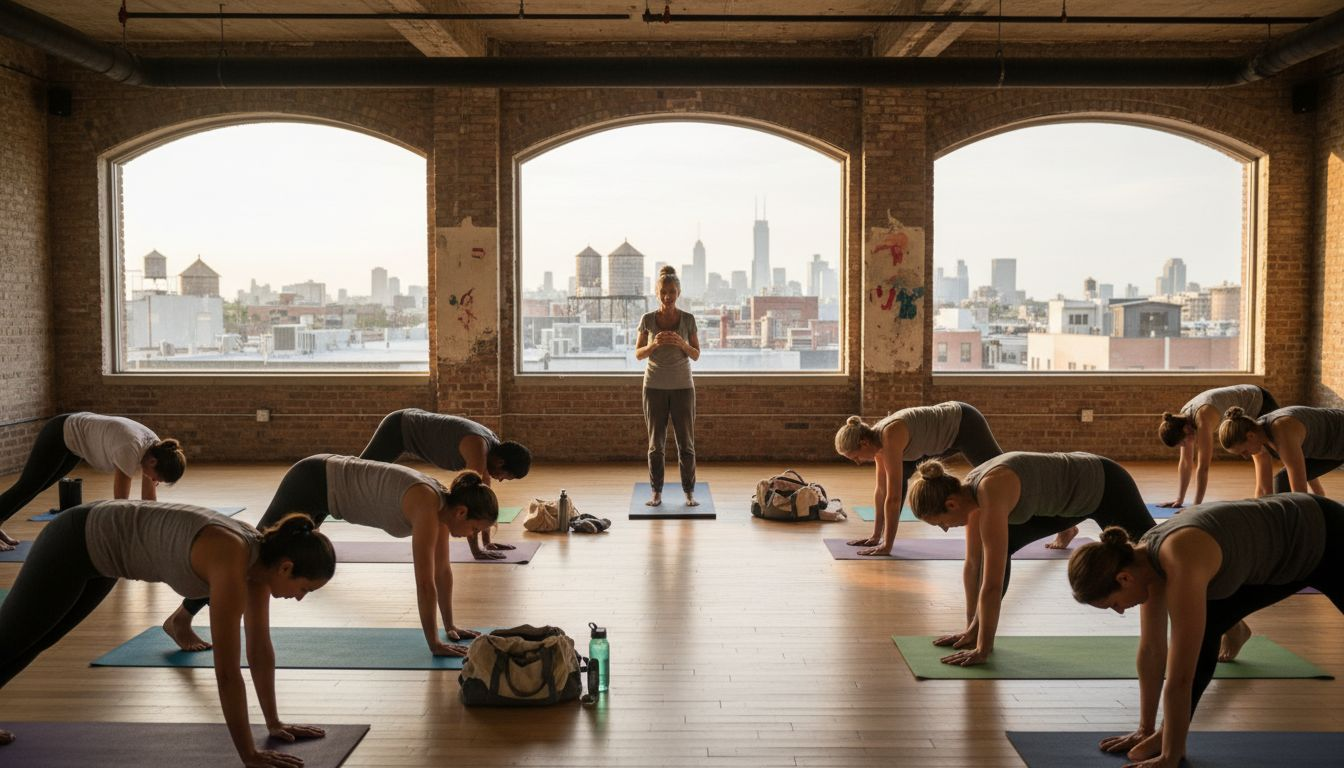
Balancing work, family, and self-care in a city like Philadelphia is no small feat for health-conscious adults. Many find everyday stress and lack of connection leaving them searching for something deeper than just routine exercise. Yoga Northeast brings together a vibrant community focused on holistic wellness and mental tranquility, with a range of beginner to intermediate classes including hot yoga. This movement goes beyond stretching, supporting healthier minds, stronger bodies, and genuine connections in the heart of the city.
Table of Contents
Key Takeaways
| Point | Details |
|---|---|
| Holistic Wellness | Yoga Northeast emphasizes a comprehensive approach to wellness, blending physical practices with mental and emotional support. |
| Community Impact | The practice fosters social connectivity and emotional intelligence, helping individuals build supportive networks. |
| Accessibility | Modern yoga challenges misconceptions, promoting inclusivity and offering adaptive practices for diverse participants. |
| Safe Participation | Practitioners should prioritize studio safety and instructor qualifications to ensure a beneficial yoga experience. |
What Yoga Northeast Really Means Today
Yoga Northeast represents a transformative wellness movement far beyond traditional exercise, embodying a holistic approach to physical and mental restoration. In contemporary urban environments like Philadelphia, it signifies a community-driven practice that goes well beyond simple stretching, offering profound stress relief and personal growth strategies.
Today, Yoga Northeast reflects an evolving paradigm where yoga transcends its ancient spiritual roots to become a critical wellness intervention. Research from national health institutes demonstrates that modern yoga practices provide significant mental health benefits, including:
Stress reduction and emotional regulation
Improved sleep quality
Enhanced physical flexibility and strength
Mental clarity and mindfulness development
Chronic pain management
The contemporary interpretation of Yoga Northeast is fundamentally about creating accessible, inclusive wellness experiences. It acknowledges that individuals seek more than physical exercise - they want holistic practices that support mental resilience, community connection, and personal transformation.
Community Impact stands at the core of this movement. Yoga Northeast isn't just about individual practice, but about creating supportive networks where people can heal, grow, and connect. Urban professionals, students, and wellness enthusiasts are finding meaningful connections through shared mindfulness practices.
Pro tip: Start your yoga journey by exploring multiple styles and finding an instructor who understands your unique wellness goals and personal challenges.
Popular Yoga Styles and Holistic Practices
Yoga is a multifaceted wellness practice with diverse styles catering to different physical and mental health needs. Holistic health research demonstrates that various yoga approaches offer comprehensive benefits for mind-body wellness.
The most popular yoga styles in Northeast urban centers like Philadelphia include:
Hatha Yoga: Foundational style focusing on basic postures and breath control
Vinyasa Flow: Dynamic practice emphasizing smooth movement and breath synchronization
Power Yoga: Strength-building style with intense physical sequences
Restorative Yoga: Gentle practice using props for deep relaxation
Yin Yoga: Meditative style targeting deep connective tissues
Each yoga style represents a unique approach to holistic wellness, addressing different aspects of physical and mental health. Mindful movement goes beyond simple exercise, creating opportunities for personal transformation and stress management.
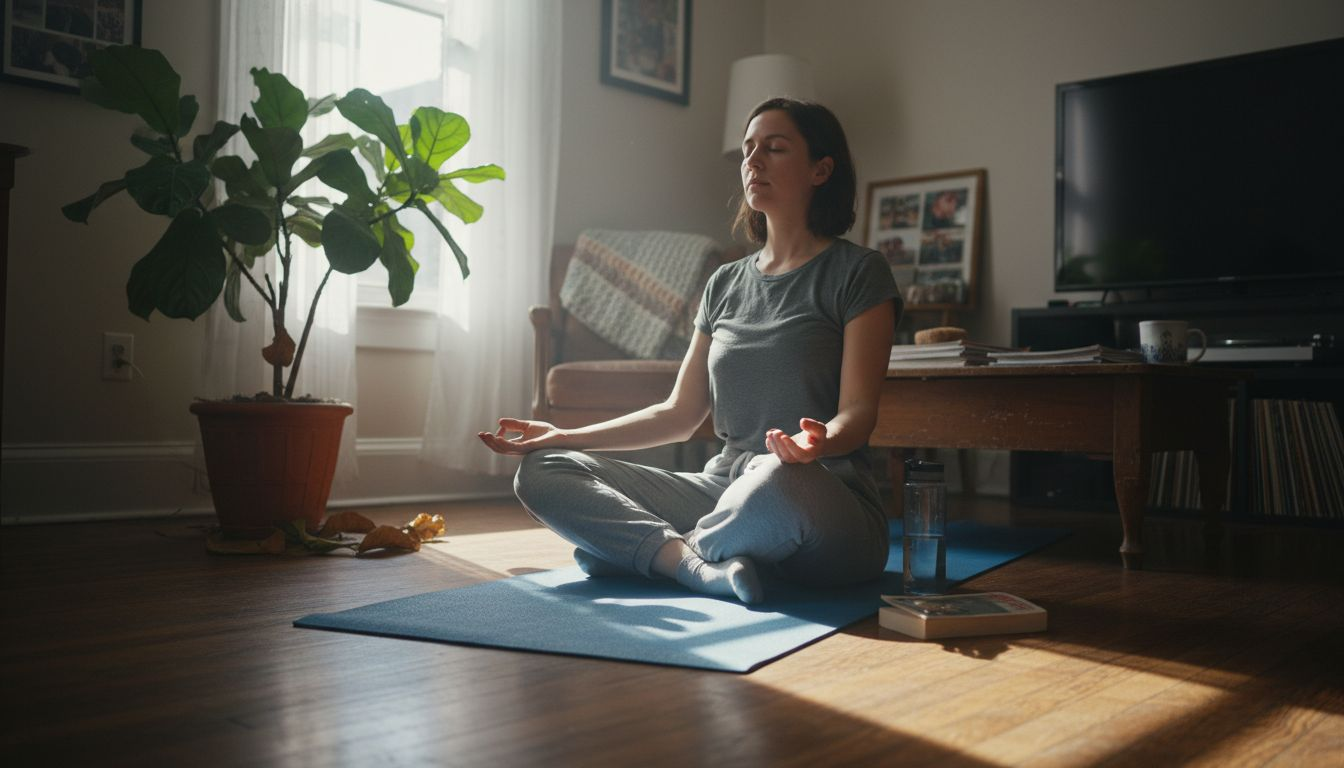
Here’s a comparison of popular yoga styles and the wellness goals they best support:
| Yoga Style | Best For | Typical Session Focus |
|---|---|---|
| Hatha Yoga | Beginners, relaxation | Building core strength, breath control |
| Vinyasa Flow | Energy, movement | Dynamic flow, breath synchronization |
| Power Yoga | Fitness, endurance | Intense sequences, physical challenge |
| Restorative Yoga | Stress relief, healing | Deep relaxation, gentle stretching |
| Yin Yoga | Mindfulness, flexibility | Long poses, connective tissues |
Urban practitioners increasingly recognize yoga as more than a fitness routine – it’s a comprehensive approach to maintaining emotional balance, physical strength, and mental clarity. These practices offer powerful tools for navigating the complex challenges of modern life.
Pro tip: Experiment with multiple yoga styles to discover the practice that best resonates with your personal wellness goals and physical capabilities.
Community Impact and Personal Growth Benefits
Community health researchreveals yoga's transformative power extends far beyond individual practice, creating profound ripple effects throughout urban communities. By fostering connection, resilience, and holistic wellness, yoga becomes a powerful tool for personal and collective growth.
The key community impact dimensions of yoga practice include:
Social Connectivity: Breaking down isolation barriers
Emotional Intelligence: Developing empathy and self-awareness
Stress Reduction: Collective healing through shared mindfulness
Mental Health Support: Creating supportive wellness networks
Intergenerational Learning: Bridging age and cultural divides
Yoga serves as more than an individual wellness practice - it's a transformative social technology that rebuilds community connections in increasingly fragmented urban environments. Mindful movement becomes a language of mutual understanding, helping practitioners develop deeper compassion and interpersonal skills.
Urban communities benefit tremendously from yoga's holistic approach, which addresses physical, emotional, and social dimensions of well-being. By creating spaces of shared vulnerability and strength, yoga helps individuals develop personal resilience while simultaneously strengthening community bonds.
Pro tip: Attend community yoga classes with an open mind, focusing on connection and shared experience rather than personal performance.
Accessibility, Inclusivity, and Common Misconceptions
Yoga accessibility researchreveals that modern yoga practices must actively challenge historical barriers and misconceptions that prevent widespread participation. Yoga is not about perfect physical performance, expensive equipment, or achieving complex poses - it's a deeply personal journey of wellness available to everyone.
Common misconceptions about yoga include:
Flexibility Myth: You must be naturally flexible to practice yoga
Body Type Barrier: Yoga is only for slim, young practitioners
Cost Limitation: Yoga requires expensive classes and gear
Skill Level Concern: Beginners cannot participate in group classes
Physical Ability Restriction: Yoga is not suitable for individuals with disabilities
Adaptive yoga approaches demonstrate remarkable inclusivity, offering modified practices for diverse populations. Inclusive movement means creating welcoming spaces where practitioners of all ages, body types, and physical abilities can explore mindfulness and personal growth.
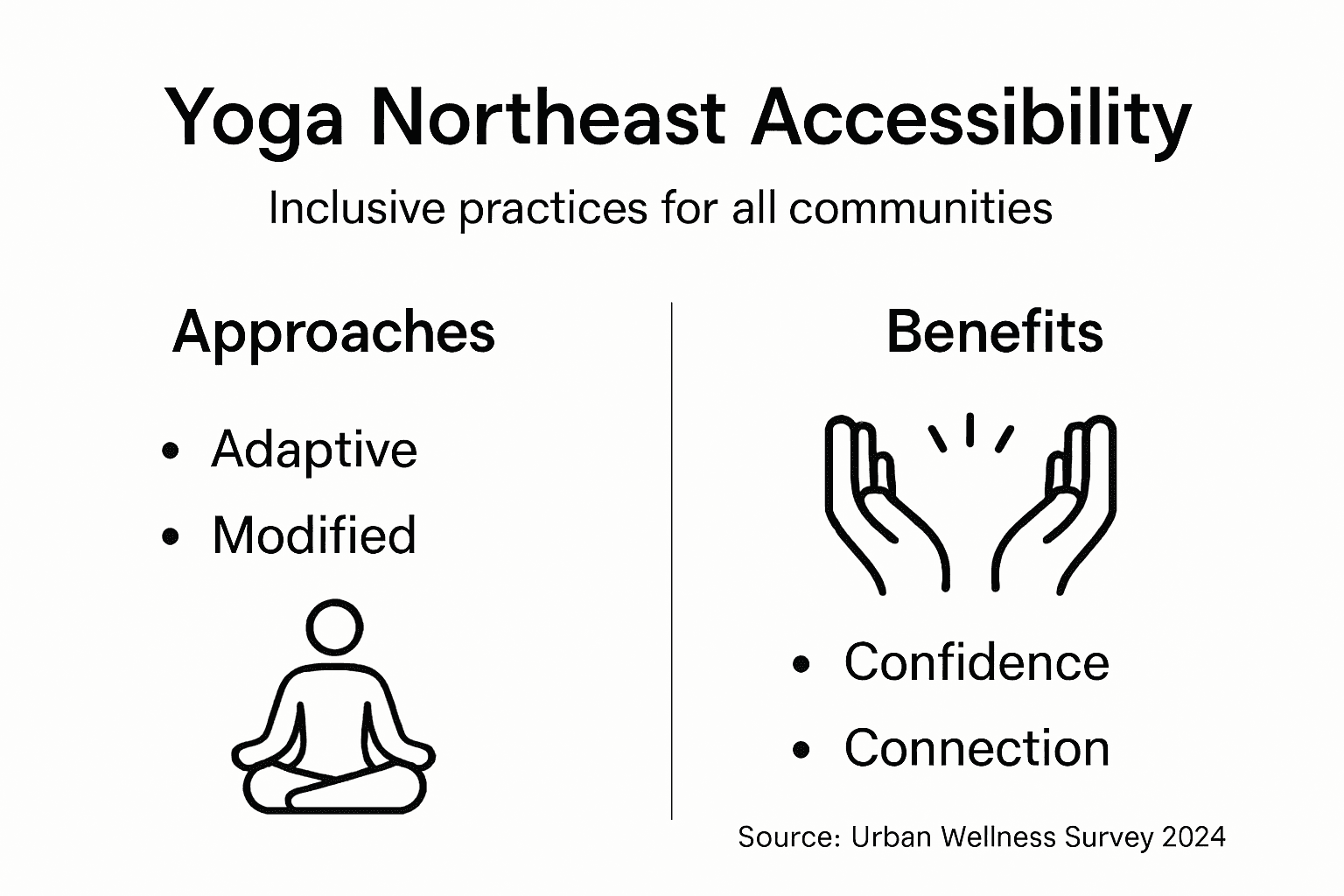
Urban yoga communities are increasingly recognizing the importance of breaking down traditional barriers. By offering sliding-scale pricing, chair yoga, online classes, and specialized workshops, studios can make yoga more accessible and welcoming to diverse populations.
Pro tip: Start with free online resources and community classes that offer modifications to build confidence and discover your unique yoga journey.
Risks, Participation Tips, and Choosing a Studio
Yoga practice safety research highlights the importance of understanding potential risks and taking proactive steps to ensure a safe, beneficial yoga experience. While yoga offers tremendous wellness benefits, practitioners must approach their practice with mindfulness and informed caution.
Key risks and considerations for yoga participation include:
Physical Strain: Potential for muscle or joint injury
Overexertion: Risk of pushing beyond personal physical limits
Pre-Existing Conditions: Potential complications with certain health issues
Instructor Qualifications: Importance of expert, certified guidance
Individual Adaptation: Need for personalized practice modifications
Studio selection requires careful evaluation beyond just class schedules. Urban yoga practitioners should prioritize studios that demonstrate comprehensive safety protocols, offer beginner-friendly options, and provide individualized attention.
This summary outlines key factors to consider when evaluating a yoga studio:
| Evaluation Factor | Why It Matters | Example of Good Practice |
|---|---|---|
| Instructor Certification | Ensures safety and expertise | Certified, experienced teachers |
| Safety Protocols | Reduces injury risk | Clear guidance, pre-class screening |
| Inclusivity and Access | Welcomes diverse participants | Adaptations, sliding-scale pricing |
| Personalized Attention | Addresses unique needs | Small classes, individual feedback |
Successful yoga participation demands a balanced approach of self-awareness, gradual progression, and open communication with instructors. Understanding one’s physical capabilities and limitations helps create a sustainable, injury-free practice that supports long-term wellness goals.
Pro tip: Always consult your healthcare provider before starting a new yoga practice, especially if you have any pre-existing medical conditions or physical limitations.
Embrace Stress Relief and Community Connection with Amrita Yoga & Wellness
The challenges of modern urban life demand more than just physical exercise. If you are searching for holistic stress relief, personal growth, and a warm community embracing diverse wellness practices like yoga, pilates, and tai chi you have found the right place. This article highlights how Yoga Northeast fosters mindfulness, emotional balance, and social connection which aligns perfectly with the welcoming environment at Amrita Yoga & Wellness.
Embrace Stress Relief and Community Connection with Amrita Yoga & Wellness
The challenges of modern urban life demand more than just physical exercise. If you are searching for holistic stress relief, personal growth, and a warm community embracing diverse wellness practices like yoga, pilates, and tai chi you have found the right place. This article highlights how Yoga Northeast fosters mindfulness, emotional balance, and social connection which aligns perfectly with the welcoming environment at Amrita Yoga & Wellness.
Discover classes designed to meet you where you are whether you are a beginner or an advanced practitioner. Our offerings include styles that support relaxation, strength, and mental clarity. Join us for group sessions and workshops that build emotional resilience and foster meaningful community ties. Take your first step toward lasting wellness and connection now by exploring our full range of yoga and wellness classes. Your journey to renewed stress relief and belonging starts today at Amrita Yoga & Wellness.
Frequently Asked Questions
What are the mental health benefits of practicing Yoga Northeast?
Practicing Yoga Northeast provides significant mental health benefits, including stress reduction, improved sleep quality, enhanced emotional regulation, mental clarity, and effective chronic pain management.
How does Yoga Northeast promote community connection?
Yoga Northeast fosters community connection by creating supportive wellness networks where practitioners can share experiences, develop empathy, and work on personal growth together, breaking down feelings of isolation.
What types of yoga styles are commonly practiced in Yoga Northeast?
Common yoga styles practiced in Yoga Northeast include Hatha Yoga, Vinyasa Flow, Power Yoga, Restorative Yoga, and Yin Yoga. Each style addresses unique aspects of physical and mental wellness.
How can beginners safely participate in Yoga Northeast?
Beginners can safely participate in Yoga Northeast by starting with classes designed for their skill level, seeking instructors who offer personalized guidance, and being mindful of their physical limitations to avoid injury.