The Amrita Journal
Explore thoughtful stories, practical wellness guidance and inspiring ideas to support your movement, mindfulness and everyday wellbeing at Amrita.
Aerial Yoga: Unlocking Strength and Flexibility Safely
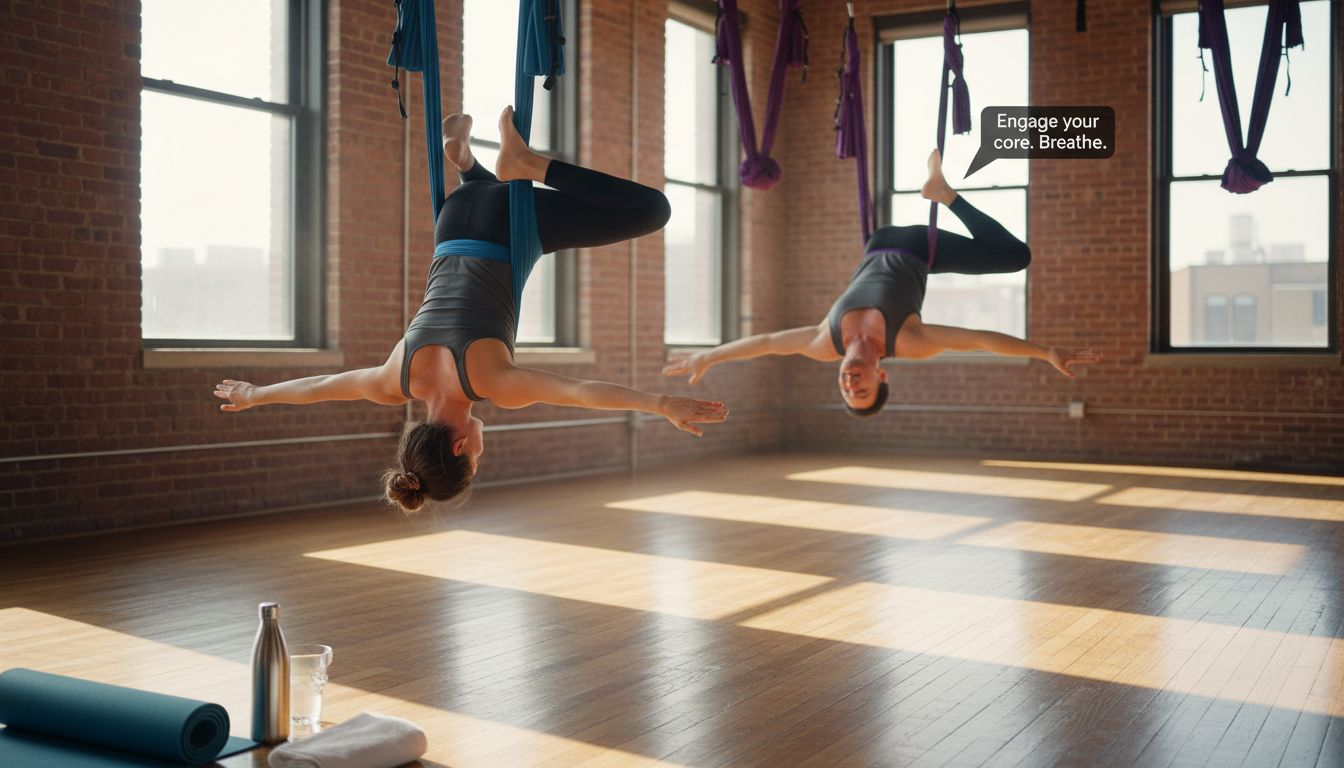
Stepping into a new fitness routine often brings a mix of curiosity and caution, especially for those in Philadelphia looking to regain strength or recover from an injury. Many beginners are drawn to aerial yoga’s supportive fabric hammock because it allows greater ease and comfort while performing stretches and poses. With its foundation in traditional yoga, pilates, and dance, this practice offers a gentle path to improved flexibility, muscle balance, and a calmer mind—all while minimizing joint stress and making challenging movements accessible.
Table of Contents
Key Takeaways
| Point | Details |
|---|---|
| Aerial Yoga Essentials | Aerial yoga combines traditional yoga, dance, and pilates using a suspended hammock to enhance physical and mental wellness. |
| Myths and Realities | It’s not a circus act or exclusive to athletes; it caters to various fitness levels and offers substantial conditioning benefits. |
| Class Types | Various formats, such as Beginner Suspension Yoga and Restorative Aerial Yoga, address different fitness goals and capabilities. |
| Safety First | Always consult with professionals and ensure proper equipment and instructor qualifications to minimize risks during practice. |
Aerial Yoga Defined and Common Misconceptions
Aerial yoga represents a dynamic fusion of traditional yoga practices, dance, and pilates that uses a suspended hammock as a primary training tool. Developed in 2006, this innovative fitness approach transforms standard yoga movements by introducing an elevated, supportive apparatus that enables practitioners to explore poses with reduced gravitational stress. Aerial yoga techniques challenge traditional mat-based practices by providing unique physical and psychological engagement opportunities.
Understanding aerial yoga requires dispelling several prevalent misconceptions about its nature and benefits:
Not a circus performance: Despite using suspended equipment, aerial yoga is a structured fitness practice
Not exclusively for athletes: Suitable for various fitness levels and body types
Not just another workout trend: Offers genuine physical and mental conditioning
While physical benefits are significant, practitioners should recognize that scientific research remains limited. Yoga practices have demonstrated potential for stress reduction and minor pain management, but aerial yoga specifically requires more comprehensive clinical evaluation.
Key characteristics that distinguish aerial yoga include:
Use of a fabric hammock suspended from ceiling anchors
Incorporation of traditional yoga poses with aerial support
Enhanced flexibility and strength training opportunities
Reduced joint compression compared to mat-based practices
Aerial yoga requires specialized training and proper technique. Participants must learn correct form, understand equipment limitations, and progress gradually to prevent potential injuries. Certified instructors play a crucial role in guiding newcomers through safe and effective practice.
Pro tip: Always verify instructor credentials and studio safety standards before beginning aerial yoga practice.
Types of Aerial Yoga and Class Formats
Aerial yoga represents a multifaceted practice with diverse class formats designed to meet various fitness goals and practitioner skill levels. Yoga practice types demonstrate remarkable versatility, particularly in aerial variations that integrate physical movement with holistic wellness approaches.
The primary aerial yoga class formats include:
Beginner Suspension Yoga: Gentle introduction focusing on basic hammock techniques and foundational poses
Power Aerial Yoga: High-intensity workout emphasizing strength training and cardiovascular endurance
Restorative Aerial Yoga: Slow-paced, meditative practice concentrating on relaxation and deep stretching
Aerial Pilates Fusion: Combines traditional Pilates movements with aerial apparatus for enhanced core conditioning
Each class format offers unique benefits and challenges, catering to different physical capabilities and fitness objectives. Hammock configuration plays a crucial role in determining the class experience, with some formats using single-point suspensions for greater movement complexity, while others utilize double-point setups for increased stability.
Here's a side-by-side summary of popular aerial yoga class formats and their key features:
| Format | Primary Focus | Key Challenge | Ideal For |
|---|---|---|---|
| Beginner Suspension | Technique, safety, basics | Hammock familiarity | Newcomers, low impact needs |
| Power Aerial | Strength, cardio endurance | High intensity movement | Fitness enthusiasts |
| Restorative Aerial | Relaxation, deep stretch | Flexibility, patience | Stress relief, recovery |
| Aerial Pilates Fusion | Core, posture integration | Core stability demands | Pilates or yoga regulars |
Participants should consider their personal fitness level, physical limitations, and wellness goals when selecting an appropriate aerial yoga class format. Certified instructors typically assess individual capabilities and recommend suitable class types to ensure safe and effective practice.
Pro tip: Consult with a qualified aerial yoga instructor to determine the most appropriate class format based on your current fitness level and specific health objectives.
How Aerial Yoga Works in Practice
Aerial yoga transforms traditional yoga practice by introducing a suspended hammock that revolutionizes movement and body mechanics. Aerial yoga techniques leverage a specialized fabric apparatus to support, challenge, and enhance physical practice through unique biomechanical approaches.
The fundamental mechanics of aerial yoga involve several key components:
Hammock Suspension: Fabric sling anchored to ceiling supports
Body Weight Distribution: Utilizing gravity and support for pose execution
Range of Motion: Enhanced flexibility through reduced gravitational constraints
Spinal Decompression: Allowing deeper stretches with minimal joint stress
Pose Execution differs significantly from traditional mat-based yoga. Practitioners can explore inversions, backbends, and complex stretches with greater ease and reduced physical strain. The hammock provides multiple points of contact, enabling practitioners to modify poses dynamically and safely.
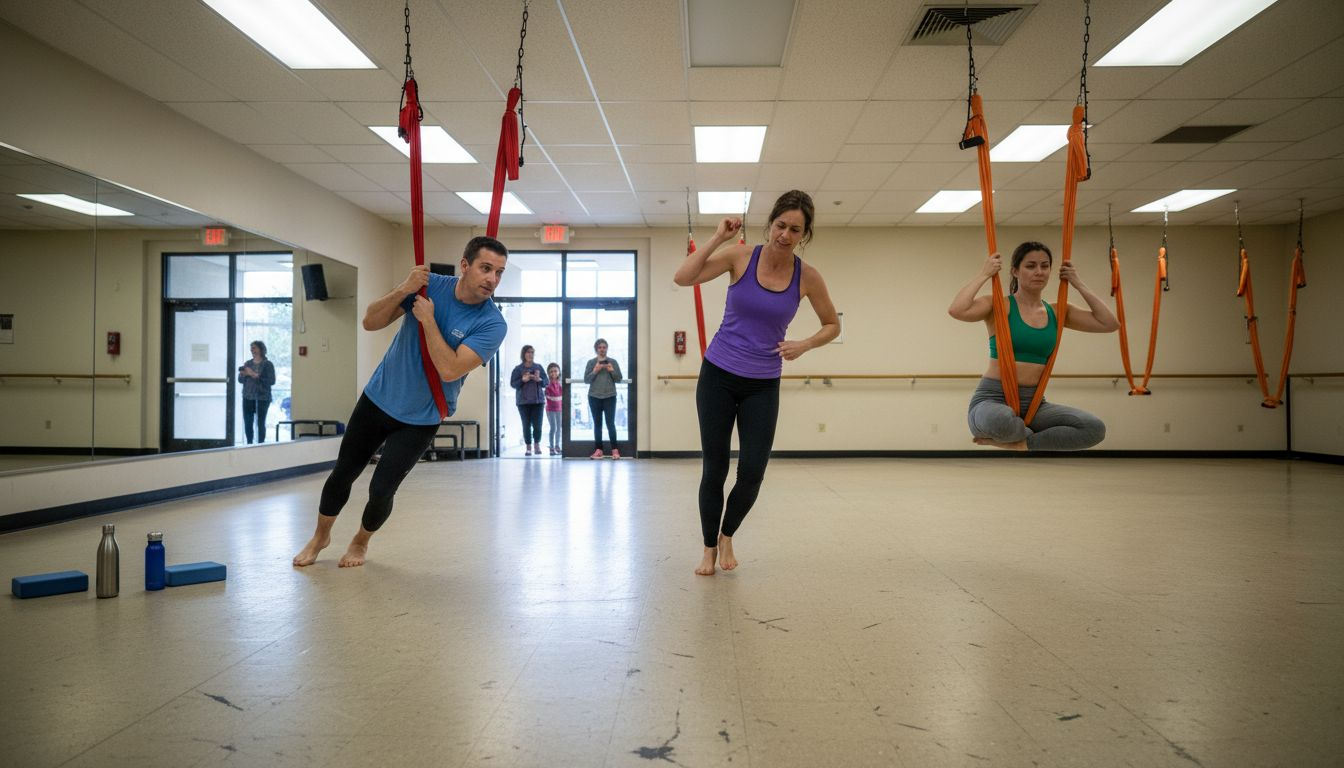
Physical engagement in aerial yoga encompasses multiple fitness dimensions. Full-body workout techniques integrate elements of Pilates, dance, and gymnastics, creating a comprehensive exercise method that challenges strength, balance, and core stability simultaneously.
Key practice elements include:
Initial equipment familiarization
Gradual skill progression
Breath synchronization with movement
Controlled, mindful transitions
Pro tip: Begin with introductory classes and always communicate any physical limitations to your instructor before attempting advanced aerial techniques.
Physical and Mental Benefits for Beginners
Aerial yoga offers transformative experiences for novice practitioners, providing unique physical and mental wellness opportunities. Yoga benefits for beginners demonstrate remarkable potential for holistic health improvement through gentle, supportive movement techniques.
Physical benefits for beginners include:
Enhanced Flexibility: Hammock support allows deeper stretches
Core Strength Development: Engages stabilizing muscles continuously
Spinal Decompression: Reduces back tension and improves alignment
Low-Impact Movement: Minimizes joint stress during exercise
Improved Balance: Challenges proprioceptive skills safely
Mental Wellness Advantages extend beyond physical conditioning. The suspended practice creates a unique meditative environment that promotes stress reduction and mindfulness. Practitioners experience a sense of weightlessness that can dramatically alter psychological perception, helping release tension and anxiety.
This table highlights physical, mental, and cognitive benefits beginners gain from aerial yoga:
| Benefit Type | Description | Lasting Impact |
|---|---|---|
| Physical | Supported stretching and strength building | Increased flexibility, spinal health |
| Mental | Enhanced mood, reduced anxiety | Lower stress, improved focus |
| Cognitive | Better body awareness and breathing control | Mindfulness, coordination, confidence |
“Aerial yoga transforms physical exercise into a holistic mind-body experience, offering beginners a gentle yet profound pathway to wellness.”
Cognitive benefits are equally significant. Aerial yoga techniques stimulate mental engagement through focused breathing, body awareness, and controlled movements that challenge both physical and psychological boundaries.
Pro tip: Start with beginner-friendly classes and communicate any physical limitations to ensure a safe, personalized aerial yoga experience.
Essential Safety Tips and Practical Requirements
Safety is paramount in aerial yoga, requiring careful preparation and understanding of potential risks and preventive measures. Aerial yoga safety guidelines emphasize the importance of informed, cautious practice to protect practitioners from potential injuries.
Critical safety considerations include:
Medical Consultation: Check with healthcare professionals before beginning practice
Equipment Verification: Ensure hammocks are professionally installed and rated
Instructor Qualifications: Choose classes led by certified, experienced instructors
Personal Limitations: Understand and respect individual physical constraints
Proper Attire: Wear fitted clothing that prevents fabric slippage
Pre-Practice Health Screening is essential for identifying potential risks. Individuals with the following conditions should consult medical professionals before participating:
Cardiovascular disorders
Glaucoma
Severe joint issues
Recent surgical procedures
Pregnancy
Aerial yoga safety depends on mindful practice, proper equipment, and understanding personal physical limits.
Aerial yoga class protocolsrequire rigorous attention to technique and environmental safety. Practitioners must focus on controlled movements, proper warm-up procedures, and gradual skill progression to minimize injury risks.
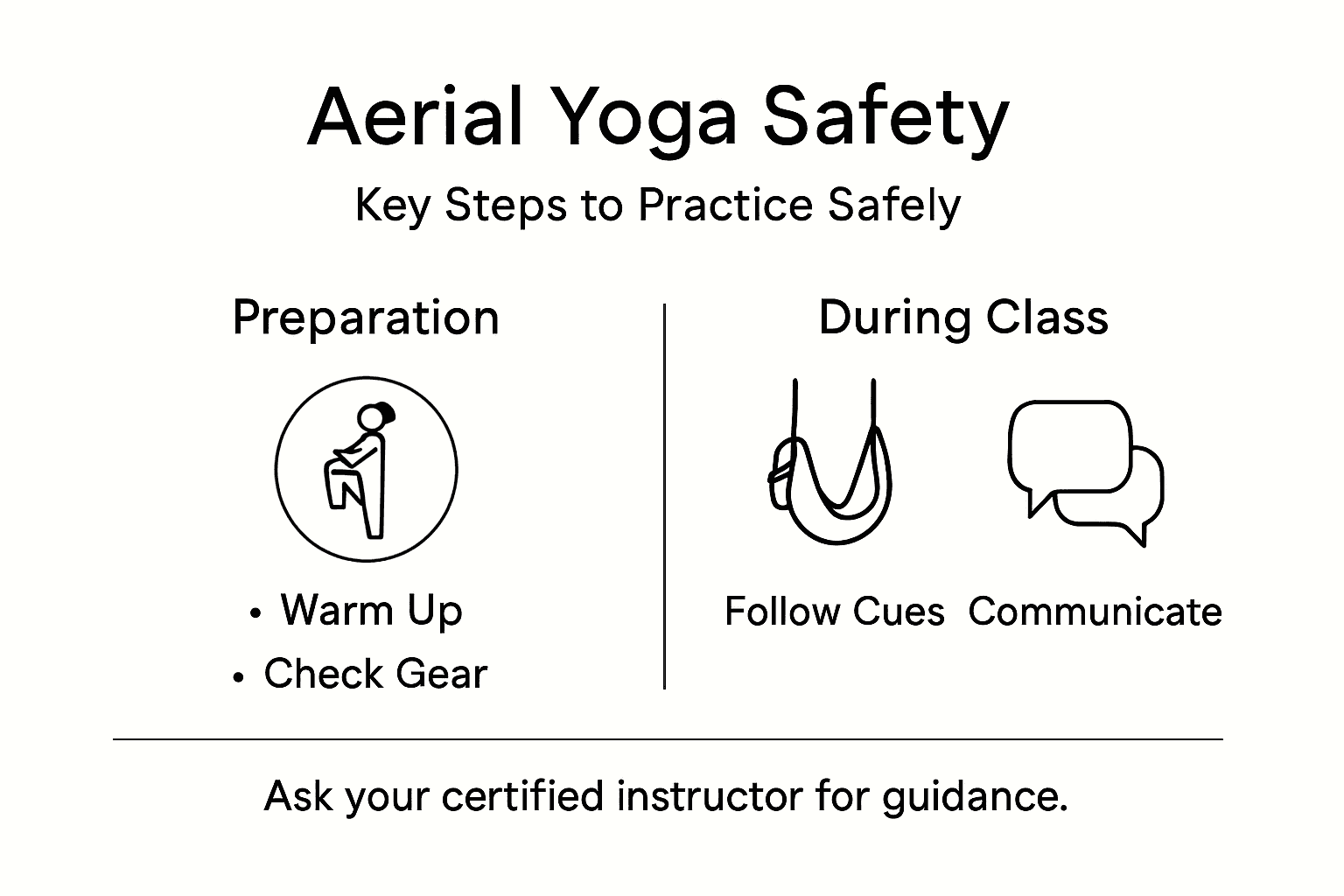
Pro tip: Always perform a thorough equipment check and communicate any health concerns with your instructor before each aerial yoga session.
Experience Strength and Flexibility the Safe Way with Aerial Yoga
Discover how aerial yoga can unlock your potential by building strength and enhancing flexibility while protecting your joints and spine. If you are looking to transform your physical and mental well-being through a supportive, low-impact practice that respects your body limits this is your opportunity. At Amrita Yoga & Wellness, we understand the importance of guided instruction and quality equipment to practice aerial yoga safely and effectively.
Join our welcoming community in Philadelphia and explore beginner to advanced aerial yoga classes designed to meet your personal fitness goals. Benefit from certified instructors who emphasize proper technique and gradual progression so you can enjoy the full physical and mental advantages discussed in the article. Visit Amrita Yoga & Wellness today to find detailed class descriptions, schedule your sessions easily, and start your journey of holistic wellness with confidence.
Frequently Asked Questions
What is aerial yoga and how is it different from traditional yoga?
Aerial yoga is a dynamic fusion of traditional yoga, dance, and Pilates that utilizes a suspended hammock to perform poses, allowing for reduced gravitational stress and enhanced flexibility compared to mat-based yoga.
What are the physical benefits of practicing aerial yoga?
Practicing aerial yoga can enhance flexibility, develop core strength, decompress the spine, minimize joint stress, and improve balance through supported movements.
How should I prepare for my first aerial yoga class?
To prepare for your first aerial yoga class, consult with a healthcare professional if you have any medical conditions, wear fitted clothing to prevent slippage, and communicate any physical limitations to your instructor for a safe practice.
Are there different types of aerial yoga classes available?
Yes, there are various aerial yoga class formats such as Beginner Suspension Yoga, Power Aerial Yoga, Restorative Aerial Yoga, and Aerial Pilates Fusion, each catering to different fitness levels and goals.