The Amrita Journal
Explore thoughtful stories, practical wellness guidance and inspiring ideas to support your movement, mindfulness and everyday wellbeing at Amrita.
Heated Yoga Classes: Boost Flexibility and Relieve Stress
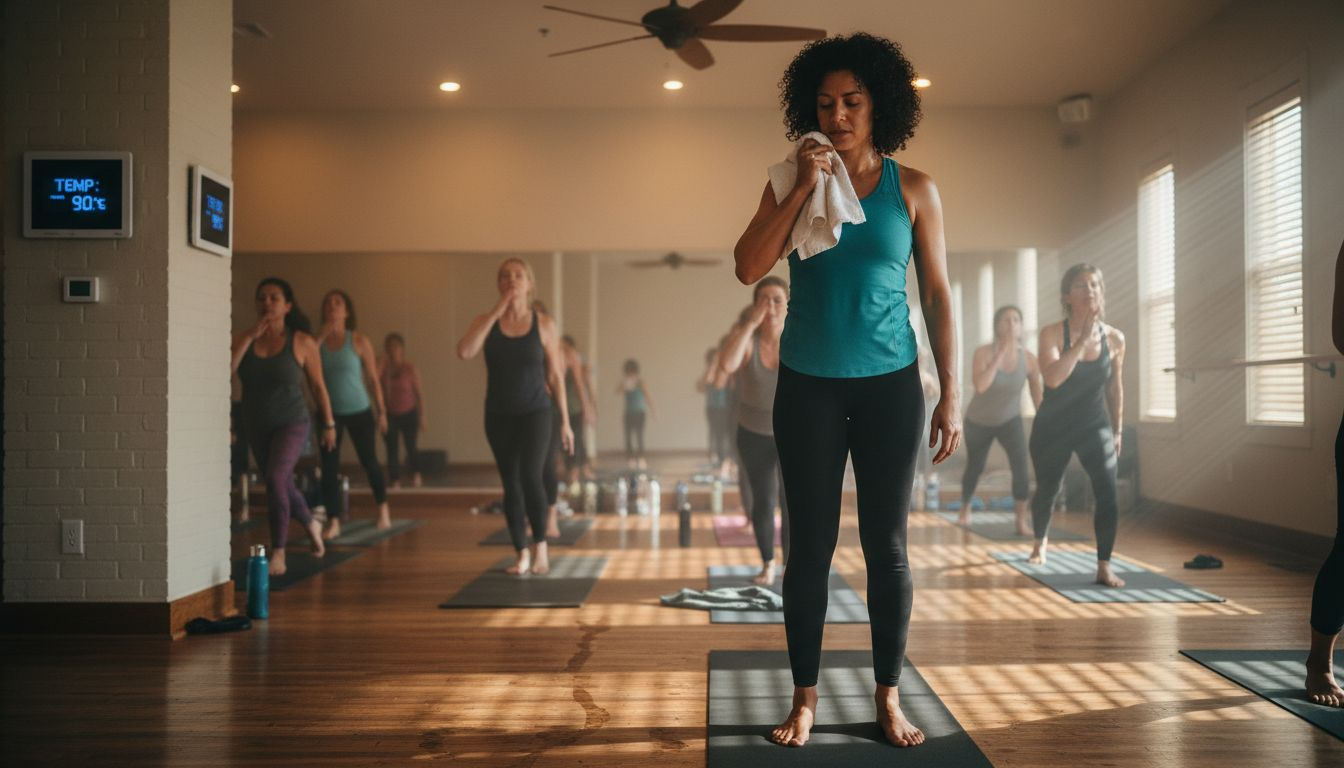
Stepping into a heated yoga studio in Philadelphia, you notice immediately how the warmth wraps around your body and shifts your experience from the very first posture. As an intermediate yogi, you’re familiar with asanas and breath work, but the added heat offers a new path toward deeper stretching and releasing daily stress. The elevated temperature in these sessions not only makes muscles more pliable for improved flexibility but also encourages detoxification through sweating, offering both immediate and lasting benefits for body and mind.
Table of Contents
Key Takeaways
| Point | Details |
|---|---|
| Heated Yoga Enhances Flexibility | Practicing in warm temperatures increases muscle elasticity, allowing deeper stretches and improved range of motion. |
| Detoxification Benefits | Sweating during heated yoga helps flush toxins, supporting the body’s natural cleansing processes. |
| Mental Clarity and Mindfulness | The combination of breath control and heat creates a calming environment that aids in stress relief and mental focus. |
| Safety Precautions Are Essential | Proper hydration and awareness of personal limits are crucial to prevent injuries and ensure a safe yoga experience. |
What Heated Yoga Classes Involve
Heated yoga classes take the foundational postures and breathing techniques you're already familiar with and add one critical element: temperature. The room is typically heated between 80 to 105 degrees Fahrenheit, often with added humidity to create an environment that mirrors the warm, tropical climate where yoga originated in India. This isn't just about comfort or nostalgia for warmer weather. The heat fundamentally changes how your body responds to the practice, making muscles more pliable and allowing you to explore deeper ranges of motion than you might achieve in a regular room-temperature class.
During a heated yoga session, you'll move through a sequence of asanas (yoga postures) combined with pranayama (breath work) and relaxation techniques, just as you would in any yoga class. The difference is that the elevated temperature triggers profuse sweating and increased heart rate, which accelerates cardiovascular activity and mimics the benefits of moderate exercise. This physiological response does two things simultaneously: it helps flush toxins from your system through perspiration while also conditioning your cardiovascular system. Most heated yoga classes last 60 to 90 minutes, giving your body time to adjust to the heat while working through a thoughtful progression of poses. Some studios follow a fixed sequence, while others offer more flexibility in pose selection, though the heat intensity remains consistent throughout.
What makes heated yoga different from your current intermediate practice is the mental and physical adaptation required. Your nervous system works harder in the heat, your muscles tire differently, and your breath becomes more deliberate. You'll need to drink water before and after class, wear breathable clothing that can handle moisture, and bring a towel since sweat becomes part of the experience. Many Philadelphia practitioners find that the heat creates a meditative quality too—the warmth and sweat become anchoring sensations that naturally deepen your focus and presence on the mat. If you're accustomed to standard yoga classes, expect your first heated session to feel more demanding than you anticipated, even if the individual poses feel familiar.
Pro tip: Arrive to your first heated class with lower expectations for how deep you'll go into poses; the heat makes your body more flexible but also more prone to overstretching, so honor your body's signals and back off slightly earlier than you normally would.
Popular Heated Yoga Styles and Differences
Not all heated yoga classes are created equal. While they all involve practicing in a warm room, the styles available in Philadelphia vary significantly in their approach, intensity, and philosophy. Understanding these differences helps you choose the right fit for your intermediate practice. Bikram Yoga remains the most structured and traditional heated style, featuring a fixed sequence of 26 poses and 2 breathing exercises performed in a room heated to exactly 105 degrees Fahrenheit with 40 percent humidity. This consistency means that every Bikram class you attend anywhere in the world follows the same sequence, making it predictable and measurable for tracking your progress. The rigidity appeals to practitioners who value routine and clear benchmarks for advancement.
Other heated styles offer more flexibility and personalization. Baptiste Power Yoga and Vinyasa heated classes incorporate warmth but allow instructors to vary sequences and link breath with movement more dynamically, giving you greater freedom to explore different poses within a flowing practice. Moksha Yoga (also called Modo Yoga) builds on Bikram's foundation but emphasizes environmental consciousness and often incorporates mindfulness elements alongside the physical practice. Forrest Yoga takes a different approach by using heat to enable longer-held poses that target deep stretching and self-discovery. There's also Tribalance Hot Yoga, which intentionally blends Bikram's structured heat with Yin Yoga's meditative, restorative qualities. These variations exist because instructors and studios recognize that students have different goals. Some people crave the meditative stability of fixed sequences, while others want dynamic flow and the freedom to modify based on how their body feels on any given day.
The practical differences come down to a few key factors. Temperature ranges from 80 to 105 degrees depending on the style, sequence flexibility varies from completely fixed to entirely fluid, and the pacing ranges from slow and deliberate to rapid and cardiovascular. Some styles embrace props like blocks and straps, while others discourage them. Music plays a role in some classes and not others. As an intermediate practitioner, you might find that one style perfectly complements your existing practice while another feels limiting or overly intense. Many Philadelphia studios offer introductory classes in different heated styles, which gives you the chance to experience the differences firsthand before committing to a regular schedule.
Here's a comparison of popular heated yoga styles, highlighting their key differences:
| Yoga Style | Room Temperature | Sequence Type | Practice Focus |
|---|---|---|---|
| Bikram | 105°F, 40% humidity | Fixed sequence | Consistency, discipline |
| Baptiste Power | 90–95°F | Variable / creative | Dynamic flow, strength |
| Vinyasa (Heated) | 90–95°F | Flexible sequences | Breath-movement connection |
| Moksha (Modo) | 95–100°F | Structured, varied | Mindfulness, eco-focus |
| Forrest | 85–90°F | Long hold sequences | Inner work |
| Tribalance Hot | 100°F | Mixed / static | Yin elements, meditation |
Pro tip: Try at least three different heated yoga styles before settling on your favorite, as the style that sounds perfect in theory often differs from what resonates with your body during practice.
Benefits for Flexibility, Detox, and Mindfulness
Heated yoga delivers three interconnected benefits that make it particularly valuable for intermediate practitioners looking to deepen their practice. The first and most obvious is improved flexibility. When muscles warm up in a heated room, their elasticity increases naturally, allowing you to move deeper into stretches than you could in a standard temperature class. This isn't forced or unsafe; the heat simply prepares your tissues more thoroughly. Think of it like warming up a rubber band before stretching it. Your Philadelphia studio's heated room creates this optimal condition throughout the entire class, meaning you can progress faster toward poses that might have felt out of reach. Over consistent practice, you'll notice increased range of motion that extends beyond just the yoga mat into daily activities like reaching, bending, and moving with greater ease.
The second benefit centers on detoxification through sweating. The profuse perspiration that comes from heated yoga eliminates toxins through your skin, supporting your body's natural cleansing processes. Your lymphatic system moves more effectively when your body temperature rises, which means waste products and metabolic byproducts can be released more efficiently. This is why you feel so refreshed after a heated class, even though you've exerted significant energy. Many practitioners report clearer skin, better digestion, and increased energy levels after establishing a regular heated yoga practice. The detox effect isn't mystical; it's straightforward biology. Your body's natural cooling mechanism becomes your cleansing tool.
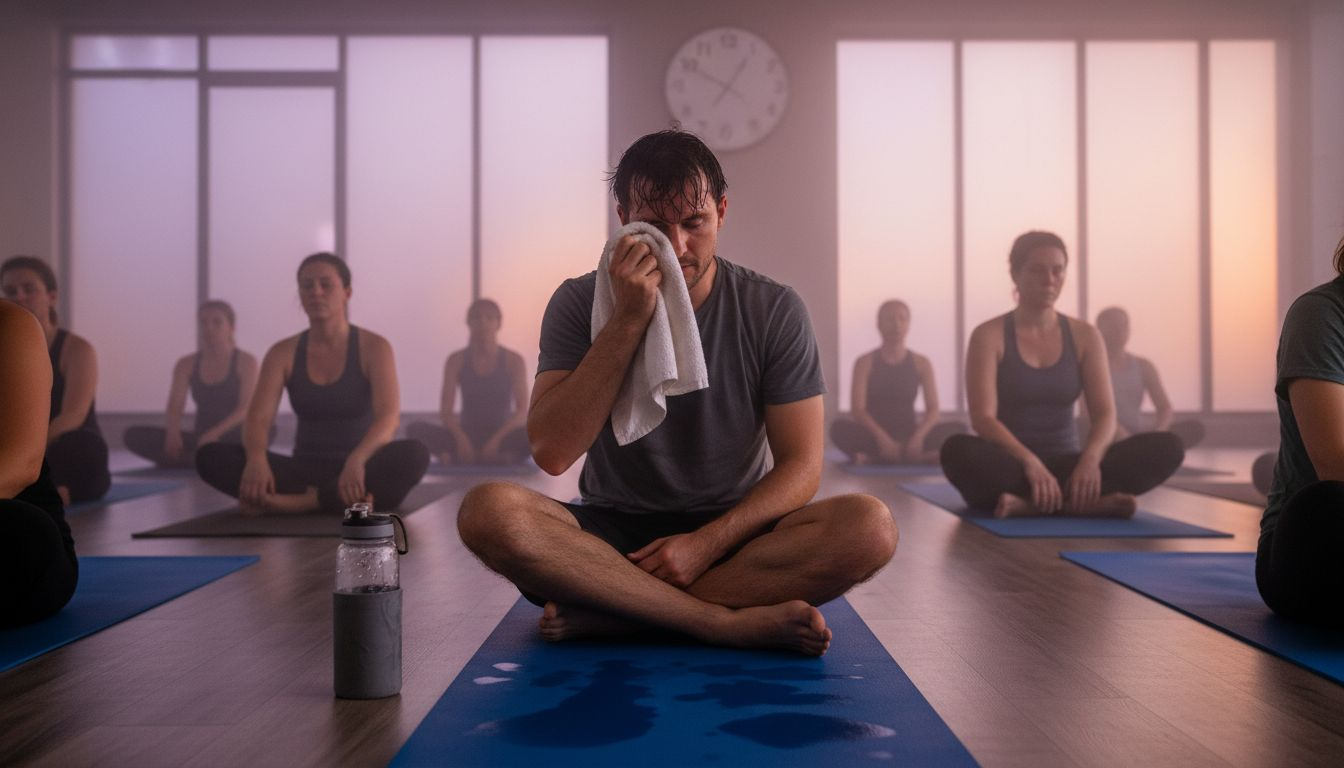
The third benefit addresses your mental health through mindfulness and stress relief. Heated yoga classes incorporate breath control and meditation alongside physical postures, which research shows helps practitioners cope with stress and reduce anxiety. The heat itself supports body relaxation, creating a calm nervous system response that complements the mental work you're doing. As you focus on your breath while moving through poses in the warmth, your mind naturally quiets down. This meditative quality addresses the stress relief you're seeking. Unlike the physical benefits that develop over weeks, the mental clarity often arrives during your first heated class. You leave feeling not just more flexible, but also more grounded and centered. The combination of heat, breath work, and movement creates a powerful reset for your nervous system, which is especially valuable if you're managing Philadelphia's busy lifestyle.
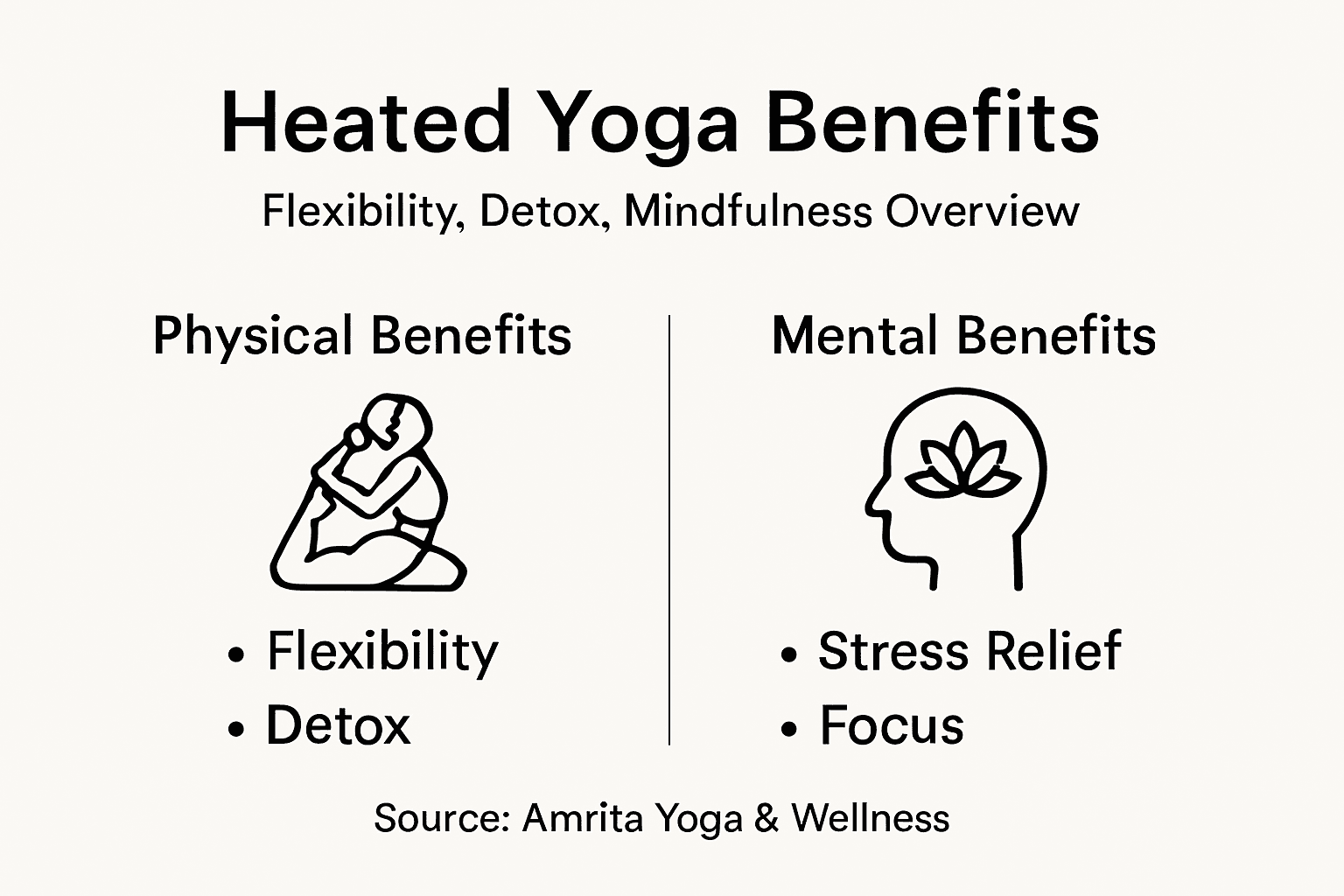
The table below quickly summarizes how heated yoga benefits the body and mind:
| Benefit | How It Manifests | Lasting Impact |
|---|---|---|
| Flexibility | Easier deep stretching | Increased range of motion |
| Detoxification | Heavy sweating | Enhanced toxin elimination |
| Mindfulness | Enhanced focus | Lowered stress, clarity |
Pro tip: Schedule your heated yoga classes during times when you can rest afterward rather than rushing into your day, as the relaxation and detox effects deepen significantly when you allow your body time to integrate the practice.
Preparing for and Attending Heated Yoga Safely
Safety in heated yoga starts before you step into the studio. The most critical preparation involves hydration. Your body will lose significant fluids through sweating, sometimes up to 1.5 liters during a single 60 to 90 minute session. Begin hydrating at least two to three hours before your class, drinking water steadily rather than chugging large amounts right before you practice. This gives your body time to absorb what you drink. Avoid arriving thirsty, as dehydration in a heated room compromises your ability to regulate body temperature and increases the risk of dizziness or cramping. You should also consume adequate electrolytes before and after class to prevent muscle cramps and the post-practice fatigue that comes from mineral loss through sweat. Many Philadelphia practitioners keep coconut water or an electrolyte drink on hand specifically for this purpose.
What you eat and wear matters significantly. Avoid heavy meals two to three hours before class, as your body needs energy for the practice, not for digesting food. A light snack like a banana or a few almonds an hour beforehand provides fuel without making you uncomfortable. Clothing should be lightweight and breathable, allowing sweat to evaporate rather than sit against your skin. Cotton or moisture-wicking fabrics work best. Avoid anything too baggy or too restrictive. Bring a towel, as the floor becomes slippery with perspiration, and consider investing in a yoga towel with grip dots specifically designed for heated classes. Your regular mat can become a skating rink without proper coverage.
During class itself, listen to your body with genuine attention. Your intermediate experience means you know what your normal limits feel like, but heat changes everything. If you feel dizzy, lightheaded, or overwhelmed, take a break. Sitting or lying down in child's pose is not failure; it's intelligence. Build your heat tolerance gradually over several classes rather than pushing yourself to complete every pose in your first session. Use modifications and props without hesitation. The studio likely offers blocks and straps for a reason. Warm up your muscles gently before moving into deeper stretches, and always cool down afterward rather than rushing out immediately. Your nervous system needs time to transition from the intensity back to normal functioning. After class, continue drinking water and give yourself at least 15 to 20 minutes of rest if possible, allowing your body to fully integrate the practice.
Pro tip: Schedule a heated yoga class at a time when you can skip social plans and sit quietly afterward, as attempting to jump into errands or conversations immediately after class reduces the safety and recovery benefits significantly.
Common Risks and How to Avoid Injury
Heated yoga carries specific risks that differ from traditional yoga practice, primarily because the combination of heat and physical intensity accelerates how your body fatigues. The most common injuries include muscle strains, ligament tears, and overexertion injuries. Your muscles feel more flexible in heat, which can trick you into pushing deeper than is actually safe. The heat masks pain signals that normally alert you to stop, meaning you might stretch a muscle or tear a ligament without realizing it until hours later when inflammation kicks in. Heat exhaustion and dehydration also pose real risks if you ignore your body's warning signals. Beyond physical injury, strains and sprains represent the most common outcomes when practitioners overestimate their heat tolerance or try to match the pace of more experienced students.
The path to injury prevention requires honest self-awareness. Work exclusively with qualified instructors who understand how heat changes movement mechanics and can offer proper modifications. When choosing classes, select ones suited to your intermediate experience level rather than jumping into advanced heated sessions. Never compete with the person next to you or try to match their depth of pose. Your body is unique, and heat affects everyone differently. Use props without shame. Blocks and straps exist to help you maintain proper alignment and prevent compensatory movements that lead to injury. Warm up deliberately before attempting deep stretches, and resist the urge to push harder just because the heat makes flexibility feel accessible. The flexibility is temporary; the injury would be lasting. Stay genuinely hydrated throughout class, and take breaks whenever you feel dizzy, unusually fatigued, or confused. These are not signs of weakness. They are your body asking for rest.
If you have preexisting medical conditions, consult your healthcare provider before attending heated yoga classes. High blood pressure, heart conditions, heat sensitivity, or pregnancy require medical clearance. Many Philadelphia practitioners benefit from heated yoga, but some people's bodies handle heat differently, and that is not a personal failing. Even without medical concerns, pay attention to subtle signals your body sends. Mild discomfort while stretching is normal; sharp pain is not. Fatigue that feels manageable is fine; dizziness or nausea means stop immediately. The goal of heated yoga is to deepen your practice sustainably over months and years, not to achieve maximum depth in a single session. Respect that timeline, and your body will reward you with genuine progress without setbacks.
Pro tip: If you experience sharp pain during a pose, come out of it immediately and inform your instructor; they can help you modify future sessions to prevent recurring injury in that area.
Elevate Your Practice with Heated Yoga at Amrita Yoga & Wellness
Heated yoga offers a powerful way to boost your flexibility, detoxify through sweat, and find deep mental clarity. If you have felt the challenge of managing heat safely while working toward greater range of motion and mindfulness this practice meets those needs directly. By embracing the warmth and focused breath work, you can unlock new levels of physical ease and emotional balance right here in Philadelphia.
Discover the right heated yoga style for your goals with expert guidance at Amrita Yoga & Wellness. Our welcoming community provides classes designed to respect your limits and enhance your well-being safely. Visit us at Amrita Yoga & Wellness to explore schedules and find a class that fits your intermediate practice. Experience the transformational benefits of heated yoga now and take the next step in your wellness journey with confidence.
Frequently Asked Questions
What should I wear to a heated yoga class?
You should wear lightweight, breathable clothing that allows sweat to evaporate. Avoid heavy or restrictive fabrics to ensure comfort during class.
How can I prepare for my first heated yoga class?
Hydrate well before class, avoid heavy meals, and arrive feeling comfortable. Also, consider bringing a towel and a mat towel for grip, as the class can get very sweaty.
What are the main benefits of heated yoga?
Heated yoga improves flexibility, facilitates detoxification through sweating, and promotes mindfulness, helping to relieve stress and enhance mental clarity.
How can I prevent injuries in heated yoga?
Listen to your body, stay hydrated, and use props to maintain proper alignment. Avoid pushing too hard, especially in a heated environment, and take breaks if you feel dizzy or fatigued.
Recommended
6 Types of Yoga Every Wellness Seeker Should Know
Choosing the right yoga style can feel overwhelming when every class promises different results. If you want to start a practice that truly matches your goals—whether that's less stress, more flexibility, or deeper relaxation—the key is finding a style that works for your lifestyle and needs. You deserve clear guidance, not more confusion.
This list breaks down the unique strengths of today’s most popular yoga styles. You’ll discover exactly how each approach impacts your mind and body, based on proven insights from American and Indian traditions as well as scientific research. Get ready to learn which styles support physical health, emotional well-being, and authentic personal growth—so you can confidently pick the path that fits you best.
Table of Contents
Quick Summary
| Takeaway | Explanation |
|---|---|
| 1. Hatha Yoga fosters balance | Focus on asanas, breath control, and meditation for holistic wellness improvement. |
| 2. Vinyasa Yoga energizes flow | Synchronizing breath with movement enhances cardiovascular health and builds strength. |
| 3. Hot Yoga amplifies flexibility | Practicing in heat improves circulation and releases tension, enhancing physical and mental wellness. |
| 4. Yin Yoga promotes deep relaxation | Holding poses for extended periods helps release tension and encourages emotional well-being. |
| 5. Restorative Yoga facilitates healing | Gentle, supported poses promote relaxation and recovery from stress and fatigue. |
1. Hatha Yoga: Building a Strong Foundation
Hatha yoga is the most accessible entry point for anyone beginning a yoga journey, and it's likely the style you'll encounter at studios like Amrita Yoga & Wellness when you're just starting out. Unlike some other yoga styles that emphasize intense flows or specific goals, hatha yoga focuses on holding poses longer, controlling your breath, and building a genuine understanding of how your body moves. This deliberate pace makes it perfect for Philadelphia residents exploring wellness for the first time, whether you're recovering from stress at work or simply looking to add movement to your routine.
The beauty of hatha yoga lies in its three pillar approach: asanas (physical postures), pranayama (breath control), and meditation. When you practice hatha, you're not just stretching or strengthening muscles. You're learning how to coordinate your breath with movement, calm your nervous system, and build mental clarity alongside physical fitness. Consistent hatha practice fosters psychological health by improving stress management and enhancing overall physical fitness. A typical session might include 10 to 15 poses held for several breaths each, giving your body time to adapt and your mind time to settle. This methodical approach means you'll actually feel improvements week to week, whether that's better sleep, fewer tension headaches, or simply feeling more grounded during your commute.
What makes hatha particularly valuable for building a foundation is how it respects your individual capacity. You won't be pressured to keep pace with anyone else or forced into advanced variations before you're ready. The practice works whether you're 22 or 62, whether you're flexible or stiff, whether you've exercised your whole life or you're picking it up now. As you progress, the same basic poses deepen naturally. Your body grows stronger, your mind becomes clearer, and your ability to handle everyday stress noticeably improves. Essential yoga poses for beginners provide the solid groundwork you'll build on for years to come.
Pro tip: Hold each hatha pose for 5 to 10 full breaths rather than rushing through sequences, as this slower pace allows your muscles to lengthen safely and your nervous system to activate the relaxation response you're actually seeking.
2. Vinyasa Yoga: Flowing Movement for Energy
If you've ever walked into a yoga class and seen people moving fluidly from one pose to another like a choreographed dance, you were likely watching vinyasa yoga in action. Vinyasa is a dynamic style where each movement syncs with your breath, creating a rhythmic flow that builds heat, energy, and cardiovascular strength. This is the yoga style for people who get bored sitting still, who need to burn off stress from their day, and who want to feel genuinely energized after their practice rather than just relaxed.
What sets vinyasa apart is its emphasis on breath as the anchor guiding all transitions between postures. As you inhale, you move into an opening position. As you exhale, you flow into the next pose. This continuous connection between breath and movement does something powerful to your nervous system and your body. Vinyasa yoga builds functional strength and mobility by combining aerobic and isometric exercises, which improves vascular function and reduces cardiovascular risks. Your heart rate elevates during a vinyasa session, similar to a moderate cardio workout, but because you're flowing through poses rather than pounding a treadmill, your joints stay protected. Many Philadelphia residents find this style particularly appealing because it checks multiple boxes at once: cardiovascular health, strength building, flexibility work, and mental clarity all wrapped into one practice.
The creativity built into vinyasa keeps things fresh and engaging. Instructors can design sequences in countless ways, varying the intensity and the specific poses included. One class might focus on arm balances and inversions, while another emphasizes longer holds and deeper stretches. This adaptability means you'll never feel stuck in a rut, and your body continues to progress because it's constantly experiencing new challenges. For someone returning to movement after time away, starting with slower vinyasa flows helps you rebuild strength and confidence before attempting faster-paced sessions. The practice meets you where you are and grows with you.
Pro tip: Focus on matching your movement to your breath rather than rushing through poses, as this synchronization is what transforms vinyasa from just exercise into a meditative, energizing practice that leaves you feeling centered and alive.
3. Hot Yoga: Detox and Flexibility Boost
Walk into a hot yoga studio and the first thing that hits you is the warmth. The room temperature typically ranges from 86 to 105 degrees Fahrenheit, creating an environment that transforms your practice into something deeper and more intense. Hot yoga, with Bikram yoga being the most recognized form, uses this purposeful heat to amplify the benefits of traditional yoga poses. For Philadelphia wellness seekers, hot yoga offers a unique combination of physical challenge and mental clarity that keeps people coming back week after week.
The heat isn't just there to make you sweat. When your body practices in warm conditions, it experiences increased circulation, elevated heart rate, and accelerated muscle activation, all without requiring you to work significantly harder than in a regular yoga class. This means your muscles warm up faster, allowing you to move deeper into stretches safely and build flexibility that might take much longer to achieve in a non heated environment. Hot yoga practice promotes enhanced bone density, flexibility, and balance while supporting cardiometabolic health over time. The heat also activates your parasympathetic nervous system, the part of your body responsible for relaxation and recovery. Many people report that the warm environment creates a meditative quality to the practice, making it easier to quiet racing thoughts and find mental peace during class.
Beyond the physical flexibility gains, hot yoga delivers significant mental and emotional wellness benefits. A six week study with nearly 300 healthy adults found that hot yoga improved life satisfaction, mindfulness, and peace of mind, with participants experiencing notably positive emotional shifts during classes themselves. The combination of heat, movement, and breath work creates what researchers call a positive psychology intervention, meaning the practice actively builds your emotional resilience and well being. You'll leave class not just feeling stronger and more flexible, but also calmer and more mentally clear. If you're carrying stress from your week or struggling with anxiety, the hot yoga room becomes a sanctuary where physical exertion and heat combine to reset your nervous system.
Pro tip: Drink water before entering the room and bring a towel you don't mind sweat soaking through, as proper hydration and realistic expectations about perspiration help you stay comfortable and focused on your practice rather than distracted by discomfort.
4. Yin Yoga: Deep Stretching for Relaxation
Yin yoga feels nothing like the yoga classes you might have tried before. Instead of flowing through sequences or holding poses for a few breaths, you settle into poses and stay there. Sometimes for three minutes. Sometimes for five. The practice emphasizes stillness, patience, and the kind of deep relaxation that seems to melt tension you didn't even know you were carrying. If you've been cycling through high intensity workouts or dealing with constant stress, yin yoga offers something radically different: permission to slow down and simply be.
The philosophy behind yin yoga comes from Eastern traditions about balancing yin and yang energies. While yang practices like vinyasa or hot yoga are dynamic, vigorous, and stimulating, yin yoga is the counterbalance. It's meditative, introspective, and deeply calming. When you hold poses for extended periods, you're not just stretching muscles. You're working with connective tissues and joints, releasing tension that builds up from daily life and other physical activities. Yin yoga poses held for several minutes target deep relaxation and facilitate emotional release through sustained stretches combined with mindful breathing. Practitioners typically use props like blocks, blankets, and bolsters to support these extended holds, making the experience comfortable rather than strained. This approach allows your nervous system to shift into a parasympathetic state, where your body can actually heal and restore itself.
What makes yin yoga particularly valuable for Philadelphia residents juggling careers, families, and busy lives is that it's the antidote to constant motion. You don't need to be flexible to start. You don't need to be strong. You just need to show up and give yourself permission to be still for an hour. The practice works for everyone from desk workers dealing with tight hips and shoulders to athletes seeking active recovery. Many people discover that the mental benefits match the physical ones. The quiet space created during a yin session gives your mind time to process emotions and stress stored in your body. You leave class not just more flexible, but genuinely calmer and more centered.
Pro tip: Arrive to yin yoga with minimal expectations about how deep you should go into each pose, as the practice rewards surrender over ambition, and your connective tissues will release more fully when your mind lets go of performance goals.
5. Restorative Yoga: Healing Through Gentle Poses
Imagine a yoga class where you spend most of your time lying down, supported by pillows and blankets, barely moving at all. That's restorative yoga. This therapeutic practice focuses on holding gentle, fully supported poses for extended periods, often 5 to 20 minutes each, allowing your body and mind to slip into a state of deep healing. If you've been pushing yourself hard through work, managing health challenges, or simply exhausted from the demands of daily life, restorative yoga offers something your nervous system desperately needs: permission to completely let go.
The magic of restorative yoga lies in how it uses props strategically to eliminate effort from your practice. Bolsters support your spine. Blankets cradle your head. Blocks prop up your limbs so nothing requires muscular engagement. This supported approach does something profound at a physiological level. When your body doesn't have to work, it shifts into parasympathetic mode, the relaxation state where healing happens. Restorative yoga activates the relaxation response by reducing cortisol levels, easing mental stress, and promoting emotional release through mindful breathing and stillness. Research shows that this practice enhances focus, reduces anxiety, and improves sleep quality. For someone recovering from illness, injury, or burnout, restorative yoga becomes a genuine tool for restoration rather than just another workout.
What separates restorative yoga from other gentle practices is its therapeutic intentionality. Each pose is designed and props are arranged specifically to encourage healing in particular areas of your body and mind. A supported forward fold might release tension held in your hips and lower back. A reclined pose with a bolster under your chest opens your heart space and calms anxiety. Unlike yin yoga, which emphasizes sensation and letting tissues open, restorative yoga prioritizes comfort and complete relaxation. The practice works beautifully for people of all abilities. Someone recovering from surgery, someone managing chronic pain, someone experiencing grief or emotional overwhelm, and someone who simply needs deep rest all benefit equally. Many Philadelphia residents find that adding one restorative class weekly to their routine transforms how they handle stress and sleep.
Pro tip: Attend restorative yoga when you're tired rather than when you have energy, as the practice is specifically designed to meet your body where it is and help you genuinely recover rather than achieve anything.
6. Ashtanga Yoga: Structured Practice for Strength
Ashtanga yoga is the practice for people who thrive on structure, consistency, and clear progression. Unlike styles where each class differs based on the instructor's creativity, Ashtanga follows a defined sequence of poses performed in the same order every time. This discipline might sound repetitive, but it's actually deeply liberating. When you know exactly what poses are coming, your mind can focus entirely on the quality of your movement, your breath control, and the subtle internal work happening beneath the surface. Popularized by K. Pattabhi Jois in the 20th century, Ashtanga has become a serious practice for people seeking genuine strength, mental clarity, and long term transformation.
The structure of Ashtanga rests on three foundational elements working together. First, vinyasa links each pose with breath, creating a flowing sequence where movement and breathing synchronize perfectly. Second, bandhas are energy locks you engage throughout your practice, creating internal strength and control that radiates far beyond the yoga mat. Third, drishti involves focused gazing points that anchor your attention and develop mental concentration. Ashtanga Yoga practice enhances quality of life by reducing stress, anxiety, and chronic pain while fostering mental clarity and emotional stability. The six progressive sequences that make up the full Ashtanga system allow you to build strength systematically. You master the first sequence completely before advancing to the next, which means you're developing deep foundational strength rather than chasing novelty. Many people find this methodical approach incredibly satisfying because they can literally feel themselves getting stronger and more capable week after week.
What makes Ashtanga particularly valuable for serious wellness seekers is that it's far more than physical exercise. Rooted in the ancient Yoga Sutras of Patanjali, Ashtanga encompasses eight limbs that address ethical living, physical practice, breath control, sensory awareness, concentration, meditation, and spiritual absorption. This holistic framework means your practice eventually transcends the physical mat and influences how you move through the world. For Philadelphia residents seeking a yoga practice that demands commitment and delivers measurable results, Ashtanga provides exactly that. Yes, it requires showing up consistently. Yes, it challenges both your body and your mind. But the payoff is genuine transformation in your strength, focus, and overall well being.
Pro tip: Commit to practicing Ashtanga at least three times weekly for a minimum of three months before evaluating whether it resonates with you, as the true benefits of this structured practice emerge through consistency and repetition rather than occasional sessions.
Below is a comprehensive table summarizing the main types of yoga practices, their unique characteristics, and associated benefits as discussed in the article.
| Yoga Type | Unique Characteristics | Key Benefits |
|---|---|---|
| Hatha Yoga | Focuses on holding poses longer, breath control, and foundational movements. | Builds physical strength, enhances mental clarity, reduces stress, and adapts to individual levels. |
| Vinyasa Yoga | Involves dynamic flows linking movement with breath in a rhythmic sequence. | Improves cardiovascular health, builds functional strength, enhances flexibility, and energizes. |
| Hot Yoga | Conducted in a heated room to intensify practice and promote sweating. | Enhances flexibility, boosts bone density, supports cardiovascular health, and fosters relaxation. |
| Yin Yoga | Emphasizes prolonged pose holds with focus on connective tissues and stillness. | Promotes deep relaxation, improves joint mobility, supports emotional release, and reduces tension. |
| Restorative Yoga | Features gentle, supported poses intended to deeply relax and rejuvenate. | Activates the relaxation response, reduces cortisol levels, enhances sleep quality, and heals the mind. |
| Ashtanga Yoga | Follows a structured sequence of poses promoting strength and mental focus. | Develops discipline, improves mental clarity, enhances physical strength, and promotes holistic wellness. |
Each type of yoga practice offers unique advantages tailored to different individual goals and preferences, as reflected in this comparison.
Discover Your Ideal Yoga Practice at Amrita Yoga & Wellness
Finding the right yoga style to ease stress, build strength, or deepen relaxation can feel overwhelming. The article highlights real challenges like managing workplace tension, improving flexibility, and restoring mental clarity through mindful breathing and intentional movement. Whether you are drawn to the gentle holds of Hatha Yoga, the energizing flow of Vinyasa, or the deep calm of Restorative Yoga, knowing what suits your body and mind is the first step toward lasting wellness.
Take control of your wellness journey today with classes designed for all levels at Amrita Yoga & Wellness. Explore detailed class descriptions and find your perfect fit—whether that means sweating through a Hot Yoga session or savoring stillness in Yin Yoga. Don’t wait to transform your body and mind. Start now and experience the empowered balance you deserve by visiting Amrita Yoga & Wellness and signing up for your first class.
Frequently Asked Questions
What is the main focus of Hatha Yoga?
Hatha Yoga primarily focuses on holding poses longer while coordinating breath with movement. To get started, try attending a beginner class to learn the foundational postures and breathing techniques, aiming to practice consistently for noticeable improvements in your physical and mental well-being.
How does Vinyasa Yoga differ from other styles?
Vinyasa Yoga emphasizes a flowing connection between breath and movement, creating a dynamic workout that builds strength and cardiovascular health. Consider joining a Vinyasa class that ranges in pace and intensity to keep your practice engaging and challenging.
What should I expect in a Hot Yoga class?
In Hot Yoga, practitioners experience a heated room that enhances flexibility and promotes detoxification through sweating. Prepare by hydrating well before class and bringing a towel to manage the heat, aiming to practice regularly to enjoy its full benefits over time.
How long do I hold poses in Yin Yoga?
In Yin Yoga, poses are held for several minutes—typically between three to five minutes—to promote deep relaxation and release tension in connective tissues. To incorporate Yin Yoga into your routine, aim to attend a class once a week, allowing yourself to unwind and recuperate from daily stress.
What are the key benefits of Restorative Yoga?
Restorative Yoga focuses on gentle, supported poses that facilitate deep relaxation and healing. If you experience high stress or fatigue, try scheduling a restorative session into your week to help rejuvenate your mind and body effectively.
Why is Ashtanga Yoga considered structured?
Ashtanga Yoga is structured around a defined sequence of postures performed in the same order, which helps practitioners focus on their form and breath. To experience its benefits, commit to practicing Ashtanga at least three times weekly for several months, allowing your strength and clarity to develop progressively.
Recommended
Hot Yoga Trainer: Impact on Wellness and Community
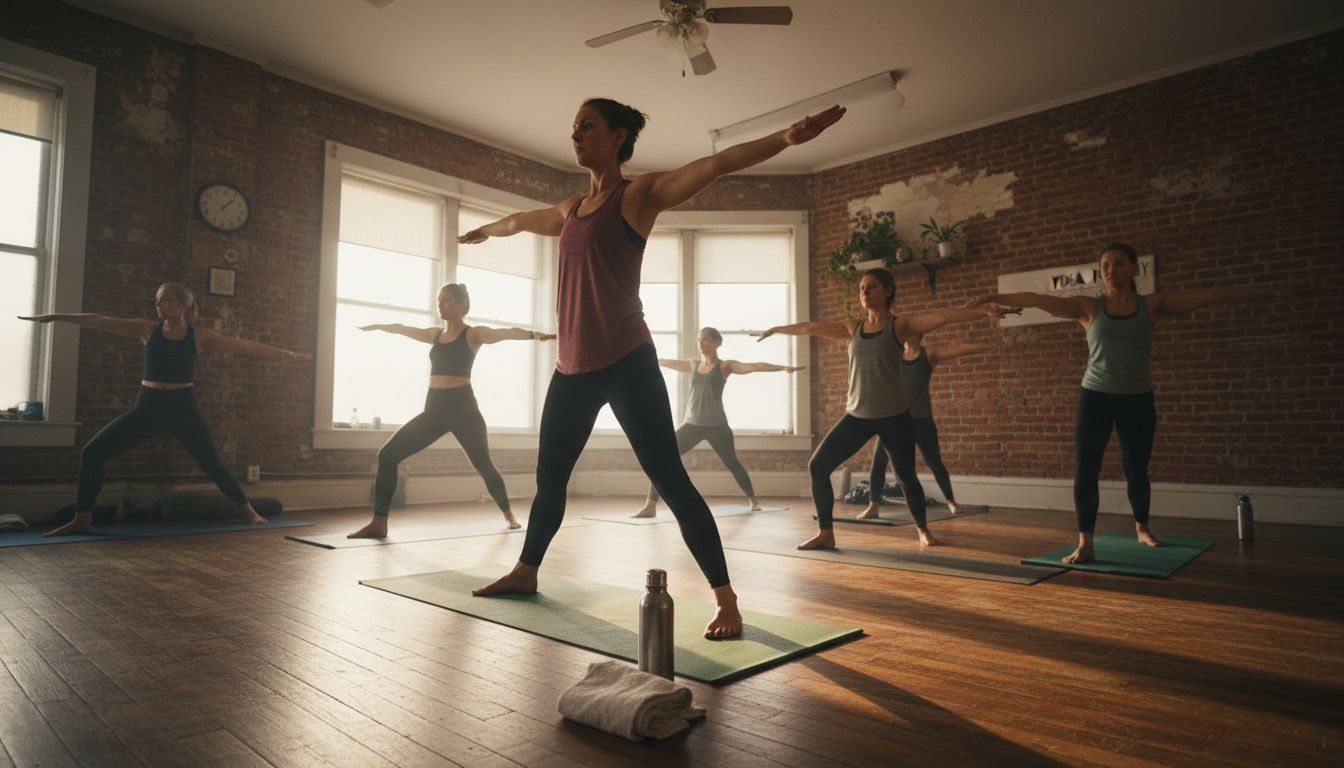
Stress from a busy week in Philadelphia can feel never-ending, but stepping into a heated yoga studio is a game changer for your mind and body. Modern hot yoga trainers are more than instructors—they blend technical skill with a genuine focus on community and personal growth. If you crave stress relief and want to connect with others working toward wellness, understanding what sets apart a strong hot yoga trainer can help you find a supportive space where you truly belong.
Table of Contents
Key Takeaways
| Point | Details |
|---|---|
| Role of Hot Yoga Trainers | Modern hot yoga trainers must combine technical skill with emotional intelligence and community leadership to create safe, inclusive environments for diverse students. |
| Certification Requirements | Becoming a reputable hot yoga trainer involves accredited training beyond beginners’ workshops, typically a 200-hour program recognized by Yoga Alliance. |
| Physical and Mental Benefits | Regular hot yoga practice yields significant improvements in cardiovascular health, flexibility, mental clarity, and stress reduction. |
| Community Building Importance | Effective trainers foster a sense of community, which enhances student retention and improves overall wellness outcomes in hot yoga practices. |