The Amrita Journal
Explore thoughtful stories, practical wellness guidance and inspiring ideas to support your movement, mindfulness and everyday wellbeing at Amrita.
Vinyasa Flow Yoga: Benefits, Techniques, and Classes
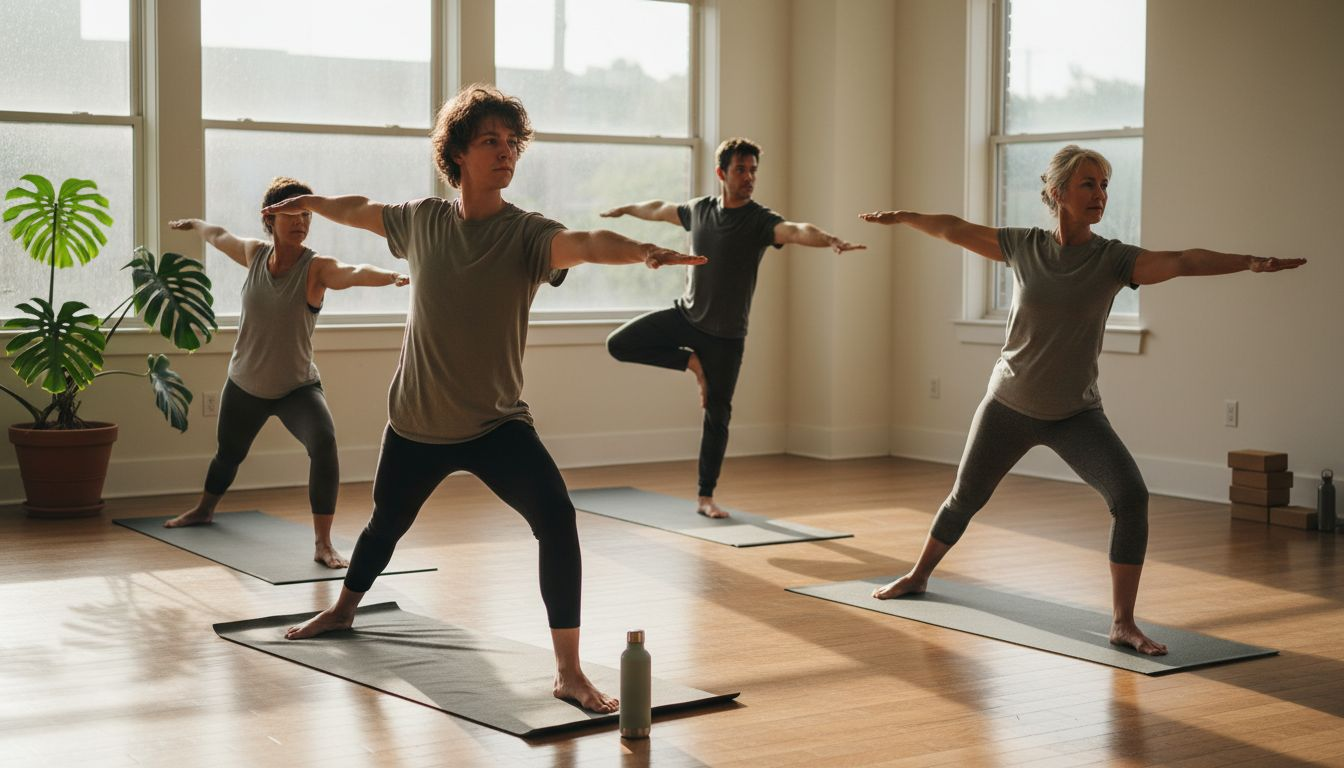
Smooth, breath-synchronized movement is what sets Vinyasa Flow yoga apart, attracting Philadelphia practitioners looking for both challenge and calm. When your breath becomes the anchor, every motion gains meaning and presence—yoga shifts from static poses to an intentional dance. This dynamic practice offers a unique combination of breath-to-movement coordination and seamless transitions, supporting physical strength, flexibility, and the kind of mental focus that nurtures well-being.
Table of Contents
Key Takeaways
| Point | Details |
|---|---|
| Breath-Synchronized Movement | Vinyasa Flow yoga emphasizes matching breath with movement, enhancing both physical and mental focus during practice. |
| Continuous Flow | Unlike static yoga styles, vinyasa involves seamless transitions between poses, promoting cardiovascular benefits and dynamic engagement. |
| Varied Class Structure | Classes typically progress through centering, warm-ups, main sequences, and cooldowns, ensuring a comprehensive approach to practice. |
| Mindful Practice | Practitioners are encouraged to listen to their bodies, prioritize alignment, and use props to foster safety and sustainability in their practice. |
Defining Vinyasa Flow Yoga and Key Concepts
Vinyasa Flow yoga is a dynamic, breath-synchronized practice where movement and respiration work as partners. Think of your breath as the conductor and your body as the orchestra—they move together seamlessly. This approach transforms yoga from isolated poses into a continuous, flowing sequence.
At its core, vinyasa coordinates each movement with the breath, using inhalations and exhalations to anchor transitions between poses. As you inhale, you might lift your chest in an upward motion; as you exhale, you fold forward. Breath control with movement demands intense focus and presence, making it far more than just stretching.
The word "vinyasa" itself comes from Sanskrit and means "to place in a special way." Each pose flows into the next with intention and awareness. This seamless transition between poses is what gives the practice its popular nickname: flow yoga.
Understanding Flow and Movement
Flow describes how vinyasa yoga creates a continuous stream of movement rather than holding static poses. Instead of pausing between stretches, you move with your breath.
Consider the cat stretch as a simple example. On your inhale, your spine curves gently as your chest lifts forward and upward. On your exhale, your spine rounds as you draw your chin toward your chest. This wave-like quality reflects vinyasa's fundamental principle.
Key characteristics of vinyasa flow include:
Breath-synchronized movement: Every motion links directly to an inhalation or exhalation
Continuous sequencing: Poses connect fluidly without long pauses
Increased focus: The breath anchor keeps your mind engaged throughout practice
Cardiovascular engagement: The flowing movement elevates your heart rate moderately
Physical and Mental Integration
Unlike slower yoga styles, vinyasa blends strength, flexibility, and cardiovascular work into one practice. Your body heats up naturally through movement, which is why some practitioners choose heated versions.
Mentally, the breath-to-movement connection creates a meditative quality during practice. You cannot drift into distraction—your mind must follow your breath and body simultaneously. This integration builds mental clarity alongside physical strength.
Research shows positive cardiovascular effects from vinyasa practice, including improved blood vessel function and arterial health. The continuous movement naturally supports your heart and circulatory system.
What Makes Vinyasa Different
Vinyasa stands apart from other yoga styles because it prioritizes flow and breath over holding poses long-term. A power yoga class might hold warrior poses for five breaths; vinyasa moves through them in two or three breaths, maintaining momentum.
This modern style appeals to people seeking:
Active, energizing practice rather than restorative sessions
Mental focus through synchronized breathing
Improved cardiovascular fitness alongside flexibility
A challenging physical practice that builds heat and strength
Vinyasa flow yoga transforms yoga into a continuous dance between breath and movement, making it both a physical and mental practice.
At Amrita Yoga & Wellness in Philadelphia, vinyasa classes range from beginner-friendly flows to advanced challenges. Whether you're new to yoga or a seasoned practitioner, understanding these foundational concepts helps you approach the practice with intention and awareness.
Pro tip: Focus on syncing one breath per movement when starting vinyasa—one inhale for one pose transition, one exhale for the next. This 1:1 ratio builds your foundation before exploring faster flows.
How Vinyasa Flow Differs From Other Yoga Styles
Vinyasa Flow stands out because it prioritizes continuous movement linked to breath rather than holding poses in fixed sequences. While other popular styles like Hatha or Iyengar focus on alignment and static holds, vinyasa creates a seamless dance of motion. This fundamental difference shapes your entire experience on the mat.
The key distinction lies in how vinyasa structures its sequences. Unlike Ashtanga yoga, which follows a rigid, repetitive order of poses every class, vinyasa allows variable sequences tailored to the instructor and students. Your Tuesday morning class might flow differently than Thursday evening—that flexibility is intentional.
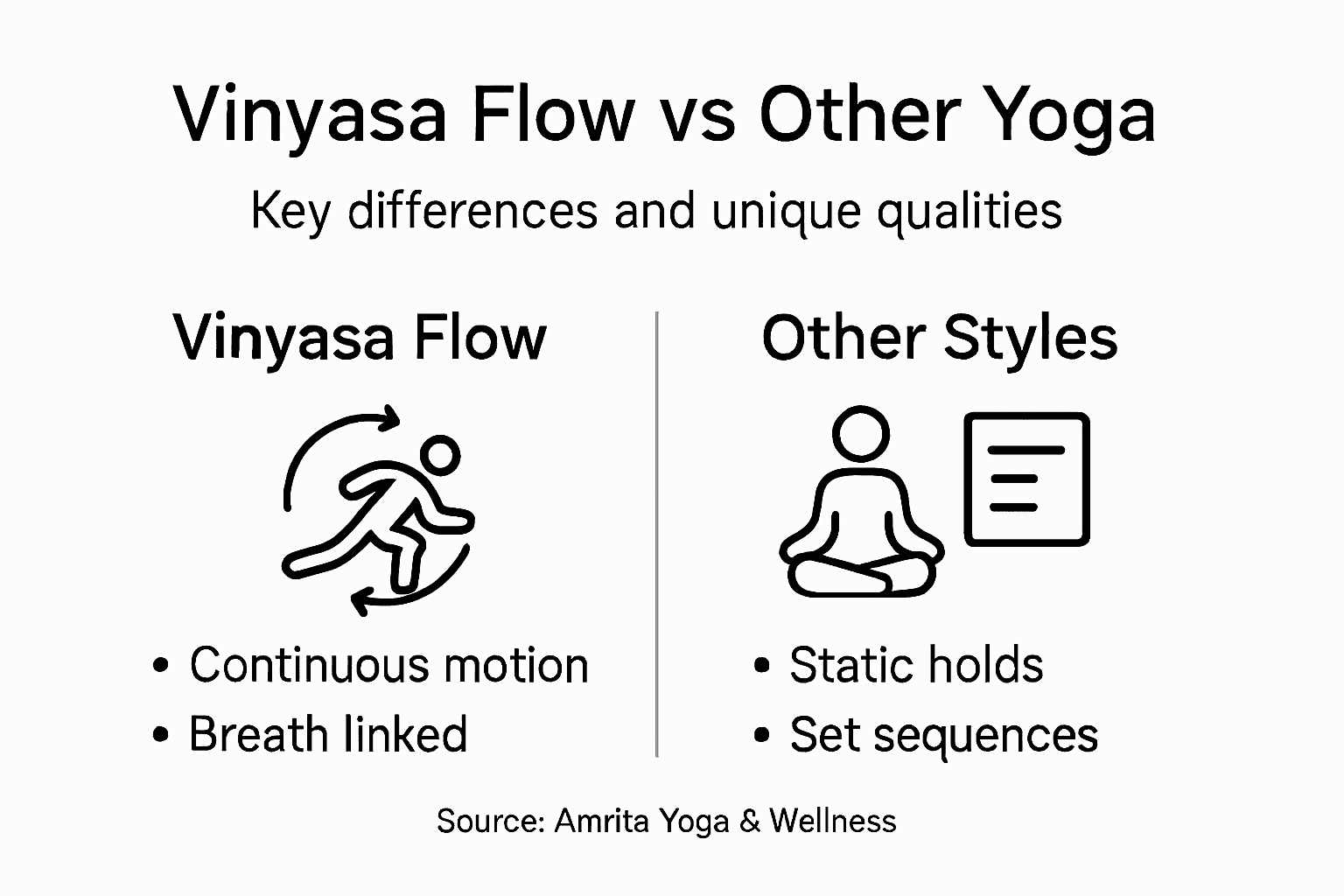
Vinyasa's continuous flowing movement generates a cardiovascular workout that other styles don't typically offer. When you move from pose to pose without long pauses, your heart rate stays elevated and your body naturally generates heat. This aerobic quality appeals to people seeking a more physically demanding practice.
Comparing Major Yoga Styles
Understanding how vinyasa compares to other approaches helps you choose what fits your goals.
Hatha yoga emphasizes holding poses longer while focusing on proper alignment. You might spend five or more breaths in warrior pose, building strength through stillness. Hatha moves slower and gives you time to adjust your positioning.
Iyengar yoga takes alignment even further, often using props like blocks and straps to achieve precise positioning. Classes focus on understanding anatomy and biomechanics. The pace is deliberate and detailed.
Ashtanga yoga does include flowing movement, but breath-linked flowing sequences follow a fixed, unchanging order every single time. You'll practice the same sequence in every class, which builds deep familiarity but less variety.
Power yoga borrows vinyasa's flowing style but adds challenging variations and creative sequences. It emphasizes building strength and heat more aggressively than traditional vinyasa.
Why Vinyasa Feels Different
The integration of breath and movement creates a meditative quality you might not experience in static-hold styles. Your mind must stay present because your body is constantly moving. You cannot zone out.
Vinyasa also offers customization that rigid systems do not. An instructor can modify sequences for different class levels, themes, or even student feedback. One class might focus on hip openers; another might emphasize arm balances—both are vinyasa.
Key differences at a glance:
Here is a quick comparison of major yoga styles you might encounter:
| Yoga Style | Structure Type | Focus Area | Variety in Practice |
|---|---|---|---|
| Vinyasa | Flowing, variable | Breath & movement | High, changes each class |
| Hatha | Static, sequenced | Alignment & stillness | Moderate, adjusts by class |
| Iyengar | Detailed, static | Precision & props | Moderate, pose-based |
| Ashtanga | Fixed, flowing | Repetition & structure | Low, same every class |
| Power Yoga | Dynamic, creative | Strength & stamina | High, instructor-driven |
Vinyasa: Flowing sequences, breath-linked movement, variable structure, cardiovascular engagement
Hatha: Longer static holds, alignment focus, slower pace, foundational approach
Iyengar: Props and precision, detailed alignment study, slower, therapeutic applications
Ashtanga: Fixed sequences, breath-linked, repeating order, structured progression
Power yoga: Dynamic flows, strength emphasis, heat generation, creative variations
Vinyasa creates movement as meditation, while other styles often use stillness as their meditation practice.
At Amrita Yoga & Wellness in Philadelphia, vinyasa classes attract people who love active, engaging practice. If you've tried slower styles and craved more movement, or practiced power yoga and want something more accessible, vinyasa offers the sweet spot between dynamic flow and intentional pacing.
Pro tip: Try a Hatha class to understand static alignment, then return to vinyasa with better body awareness. This cross-training deepens your vinyasa practice by showing you how proper alignment moves through your flowing sequences.
Typical Class Structure and Sequencing Elements
Most vinyasa classes follow a predictable arc, though instructors customize the journey. Understanding this structure helps you know what to expect and prepares your body mentally for the practice ahead. The typical 60-minute class moves through distinct phases, each serving a specific purpose.
Classes begin with centering and breathwork, often called pranayama. You might sit cross-legged while focusing on your natural breath or practicing specific breathing patterns. This 5-10 minute opening settles your mind and syncs you with your body before movement begins.
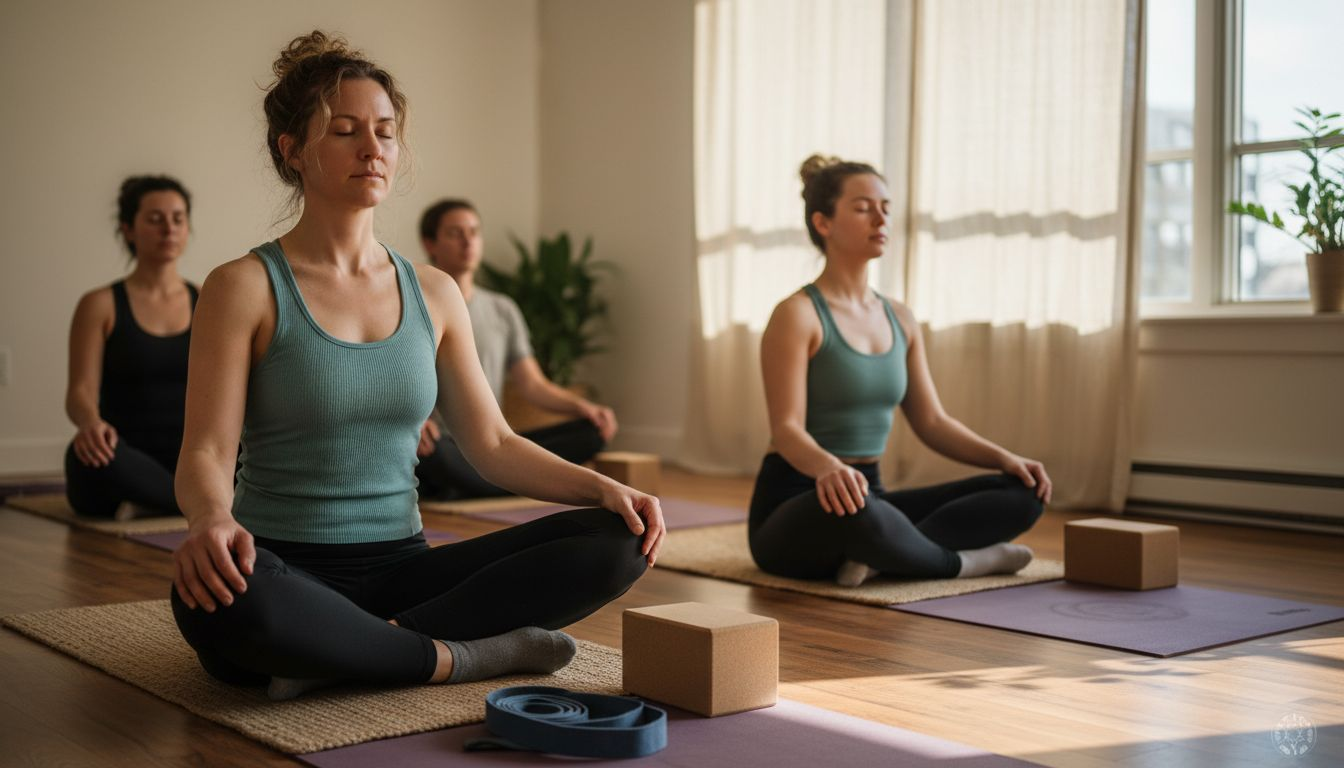
After centering, classes move into gentle warm-up sequences that prepare your joints and muscles. Cat-cow stretches, shoulder circles, and wrist rotations gradually increase blood flow. These movements are slower and more controlled than what follows, building your internal heat.
Building the Practice
The main body of class, typically 30-40 minutes, consists of flowing sequences that build in intensity. Instructors often begin with foundational poses and sun salutations that every student knows. Sun salutations are the backbone of vinyasa—they coordinate breath with a specific sequence of movements.
From there, classes progress into standing poses and balancing work. You might move through warriors, triangles, and standing leg lifts while maintaining breath-synchronized transitions. The pace gradually increases as your body warms.
Most classes include a peak pose or theme near the middle. This might be arm balances, deep backbends, or advanced hip openers. The instructor spends extra time preparing your body for this challenging moment.
Key phases in order:
Centering (5-10 minutes): Breathing and mental preparation
Warm-up (5-10 minutes): Joint mobility and gentle movement
Sun salutations (10-15 minutes): Breath-linked foundational sequences
Standing poses (10-15 minutes): Strength and balance building
Peak pose (5-10 minutes): The class highlight or challenge
Cool-down (5-10 minutes): Slower stretches and transitions
Final relaxation (5-10 minutes): Savasana or meditation
Closing and Integration
After the peak pose, instructors bring energy down with cool-down stretches and slower-paced poses. This transition prevents dizziness and gives your heart rate time to decrease naturally. You'll often hold poses longer here than in the main body.
Classes end with savasana, or final relaxation pose. You lie flat on your back, completely still, for 5-10 minutes while the instructor guides relaxation or silence fills the room. This integration period allows your nervous system to absorb the practice's benefits.
Every vinyasa class tells a story through its sequencing—beginning, building, peaking, and concluding with intention and purpose.
At Amrita Yoga & Wellness in Philadelphia, instructors vary their sequences while maintaining this classic structure. Beginning vinyasa classes move more slowly and focus on foundational poses, while advanced classes feature creative variations and longer holds in challenging positions. Knowing the typical flow helps you feel more confident stepping onto your mat.
Pro tip: Arrive 10 minutes early to your first vinyasa class. This gives you time to set up your mat, settle your nervous system, and ask the instructor about any physical limitations before class begins.
Physical and Mental Benefits of Vinyasa Flow Practice
Vinyasa Flow yoga delivers benefits that extend far beyond the mat. The combination of continuous movement, breath work, and mental focus creates measurable improvements in both body and mind. Whether you're seeking stress relief or physical strength, vinyasa addresses multiple wellness goals simultaneously.
The flowing nature of vinyasa creates a full-body cardiovascular workout that builds endurance naturally. Unlike static poses, continuous movement elevates your heart rate and demands oxygen throughout class. Over time, your heart becomes stronger and your circulation improves, supporting overall cardiovascular health.
Muscle engagement happens throughout every transition. You develop increased muscle strength and tone especially in your core, shoulders, and legs. The constant stabilization required during flowing sequences activates muscles you might not use in everyday life.
Physical Transformation
Vinyasa also enhances flexibility and range of motion as you move through varied poses regularly. The dynamic stretching embedded in flowing sequences gradually lengthens muscles safely. You gain mobility without forcing rigid holds that might create tension.
Your posture improves naturally through vinyasa practice. Strengthening your core and back muscles while building body awareness helps you stand taller and move more efficiently. Many Philadelphia practitioners notice better alignment in daily life after several weeks of consistent practice.
Physical benefits include:
Enhanced flexibility and joint mobility
Improved muscle strength throughout your body
Better balance and stability
Increased cardiovascular endurance
Improved digestion and immune function
Better sleep quality and energy levels
Mental and Emotional Gains
The breath-to-movement synchronization creates a powerful meditative state that reduces stress and anxiety. When your mind focuses on breath and body, daily worries fade temporarily. This consistent mental break builds your resilience over time.
Mental clarity and mindfulnessdevelop naturally through the practice's demand for presence. You cannot multitask during vinyasa—your brain must stay engaged with the moment. This training carries into daily life, helping you approach challenges with greater focus and awareness.
Emotional benefits accumulate steadily. Regular practitioners report improved mood, increased self-confidence, and better emotional regulation. The physical effort releases endorphins while the meditative aspect calms your nervous system—a powerful combination for mental wellness.
Mental and emotional benefits include:
Decreased stress and anxiety levels
Enhanced mood and emotional stability
Improved focus and concentration
Greater self-awareness and confidence
Better stress management tools
Deeper mind-body connection
Vinyasa yoga integrates strength training, cardiovascular exercise, and meditation into one unified practice.
At Amrita Yoga & Wellness in Philadelphia, students consistently report feeling calmer, stronger, and more connected after adopting a regular vinyasa practice. Whether you attend one class weekly or practice three times per week, benefits accumulate and deepen over time.
Pro tip: Practice vinyasa at least twice weekly to notice measurable physical and mental changes. Consistency matters more than intensity—regular, moderate practice beats sporadic intense sessions for building lasting benefits.
Common Mistakes and Essential Safety Tips
Vinyasa yoga's intensity demands attention to proper technique and body awareness. Injuries happen when practitioners push beyond their limits or ignore warning signals from their bodies. Understanding common mistakes helps you practice safely and sustainably for years to come.
The most frequent mistake beginners make is losing breath coordination during transitions. When poses get challenging, your instinct is to hold your breath and power through. This breaks vinyasa's fundamental principle and robs your muscles of oxygen, increasing injury risk.
Rushing through sequences ranks as another major error. Speed creates momentum that masks poor alignment and prevents your muscles from engaging properly. Slow, controlled movement always beats quick, sloppy transitions.
What Goes Wrong
Skipping warm-up or cool-down sections significantly increases injury risk. These phases prepare your body for intensity and help it recover afterward. Jumping directly into peak poses without preparation strains cold muscles and connective tissue.
Ignoring your body's pain signals causes preventable injuries. Discomfort and pain are messages—learn to distinguish between productive muscle sensation and harmful joint stress. Sharp, localized pain demands immediate attention and modification.
Common mistakes practitioners make:
Below is a summary of common vinyasa mistakes and their smart solutions:
| Common Mistake | Why It Happens | Safer Practice Solution |
|---|---|---|
| Losing breath coordination | Trying to keep up with pace | Slow down, match breath to move |
| Rushing transitions | Wanting a good workout fast | Prioritize control over speed |
| Skipping proper warm-up | Eager to advance poses | Always include full warm-up phase |
| Ignoring pain signals | Comparing to other students | Modify or rest at first discomfort |
| Avoiding props or help | Viewing props as weakness | Use props to maintain alignment |
Holding breath during challenging transitions
Rushing through sequences for speed
Neglecting proper warm-up and cool-down
Forcing depth in stretches beyond your current capacity
Comparing your progress to others in class
Skipping props or modifications when offered
Practicing on exhaustion or injury
Essential Safety Practices
Breathing consciously and moving mindfullywithin your limits prevents most vinyasa injuries. Sync each breath with one movement, and stop if coordination breaks down. This intentional pace protects your body while deepening your practice.
Maintain alignment over depth always. A shallow pose with perfect form beats a deep pose with compromised alignment. Props like blocks, straps, and blankets serve your body—using them shows wisdom, not weakness.
Build gradually under qualified instruction. Starting with basic poses and increasing intensity slowly prevents overwhelming your body. Philadelphia instructors at Amrita Yoga & Wellness modify classes for all levels—take advantage of these adjustments.
Essential safety tips include:
Breathe consciously: Sync breath with movement throughout class
Listen to your body: Distinguish between productive sensation and harmful pain
Use props freely: Blocks, straps, and blankets enhance safety
Warm up properly: Never skip opening sequences
Cool down intentionally: Allow your heart rate to decrease gradually
Ask for modifications: Instructors expect and encourage adaptation
Practice with rest days: Your body needs recovery time between intense classes
Your practice should feel sustainable for life, not just impressive for today.
Safety creates longevity. Practicing mindfully now prevents injuries that could sideline you for months. Building strength and flexibility gradually, with respect for your body's limits, creates a practice that grows stronger year after year.
Pro tip: If a pose feels wrong, stop immediately and ask your instructor for a modification rather than pushing through discomfort. Honoring your body's signals prevents injury and deepens your practice.
Elevate Your Well-Being with Vinyasa Flow at Amrita Yoga & Wellness
Struggling to find a yoga practice that combines strength, flexibility, and mindful breath coordination? Vinyasa Flow yoga offers a dynamic way to build physical endurance while calming your mind through synchronized movement and breath. If you want to experience the benefits described in "Vinyasa Flow Yoga Benefits, Techniques, and Classes," why not start your journey where expert guidance and inclusive community come together
Discover personalized vinyasa classes tailored to your level at Amrita Yoga & Wellness. From beginner flows focusing on breath awareness to advanced sessions that challenge your limits safely, our Philadelphia studio supports your growth every step of the way. Take the next step toward improved cardiovascular health, greater mental clarity, and deeper mind-body connection by exploring our detailed class descriptions online and securing your spot today. Visit our homepage and embrace a practice that respects your pace and empowers your practice.
Frequently Asked Questions
What are the primary benefits of Vinyasa Flow yoga?
Vinyasa Flow yoga offers numerous benefits including improved cardiovascular health, increased muscle strength and flexibility, enhanced mental clarity, reduced stress and anxiety, and better posture. The continuous movement and breath synchronization create a full-body workout that supports both physical and mental well-being.
How does Vinyasa Flow differ from other yoga styles?
Vinyasa Flow differs from other styles like Hatha or Iyengar as it focuses on continuous movement linked to breath rather than holding poses for an extended time. This dynamic flow creates an engaging and energizing practice, making it suitable for those looking for a more active yoga experience.
What should I expect in a typical Vinyasa Flow class?
In a typical Vinyasa Flow class, you can expect a structured sequence that includes centering and breathwork, gentle warm-ups, sun salutations, standing poses, a peak pose, cool-down stretches, and final relaxation. Classes are usually 60 minutes long and emphasize breath-synchronized movement.
Are there any common mistakes to avoid while practicing Vinyasa Flow yoga?
Common mistakes include losing breath coordination during transitions, rushing through sequences, skipping warming up or cooling down, and ignoring pain signals. It's crucial to practice mindfully, prioritize proper alignment, and use props when necessary to prevent injury.
Recommended
Pilates Fusion: Transforming Holistic Fitness Routines
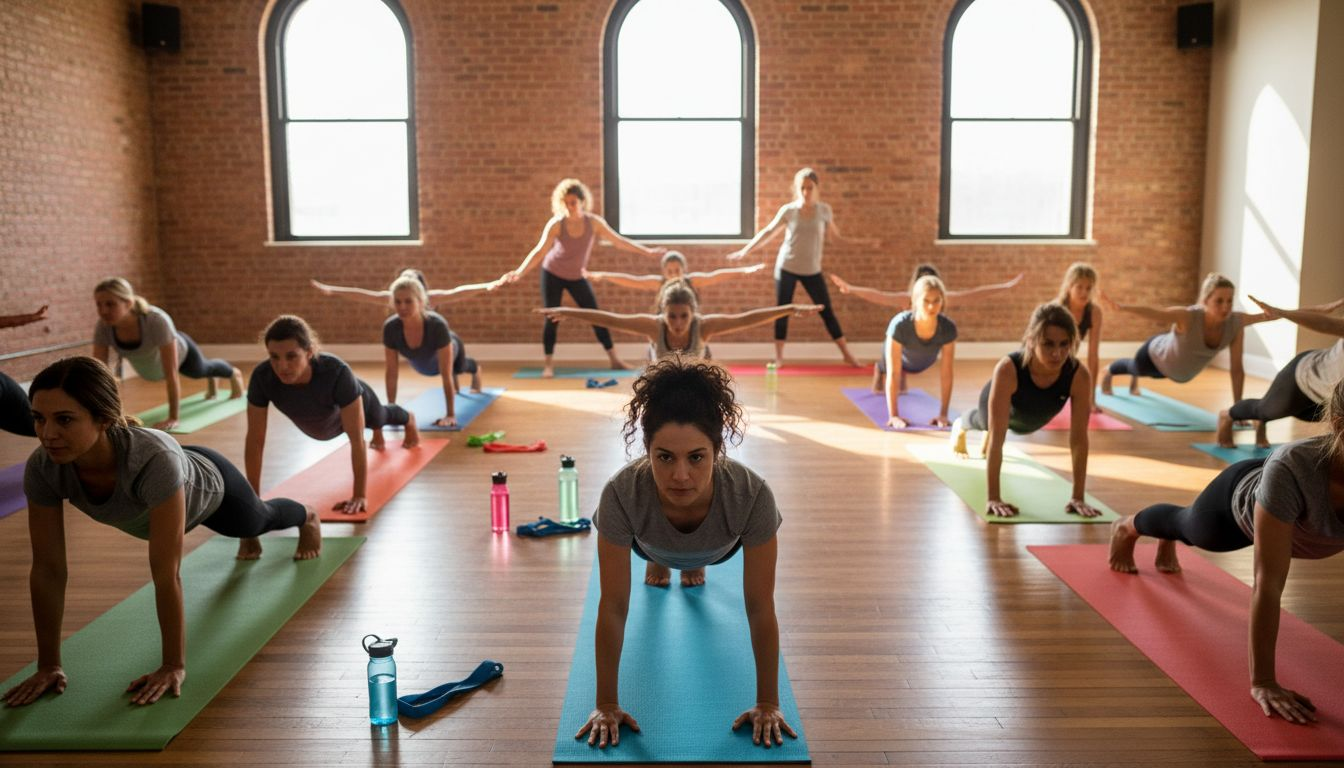
Stepping into a new fitness studio in Philadelphia can feel intimidating, especially when you want a routine that supports both strength and recovery without harsh impact. That is why so many locals are discovering the power of Pilates Fusion, a practice that blends mindful yoga stretching with core-focused Pilates techniques. This innovative approach not only helps you build strength and flexibility, it also nurtures the mind-body connection that is vital for holistic wellness and lasting results.
Table of Contents
Key Takeaways
| Point | Details |
|---|---|
| Holistic Fitness Approach | Pilates Fusion blends Pilates with other movement disciplines for comprehensive wellness. |
| Accessible to All | This workout accommodates various fitness levels and can be tailored for individual needs. |
| Mind-Body Connection | Emphasizes mindful movements and breathing, enhancing emotional and physical well-being. |
| Dynamic Class Variations | Offers diverse styles, such as Cardio and Rehabilitation Fusion, targeting specific fitness objectives. |
What Is Pilates Fusion and How It Works
Pilates Fusion represents an innovative approach to holistic fitness that blends traditional Pilates principles with complementary movement disciplines. Unlike standard workout routines, this integrative practice combines core strengthening techniques from classic Pilates with elements from yoga, dance, and functional training to create a comprehensive wellness experience.
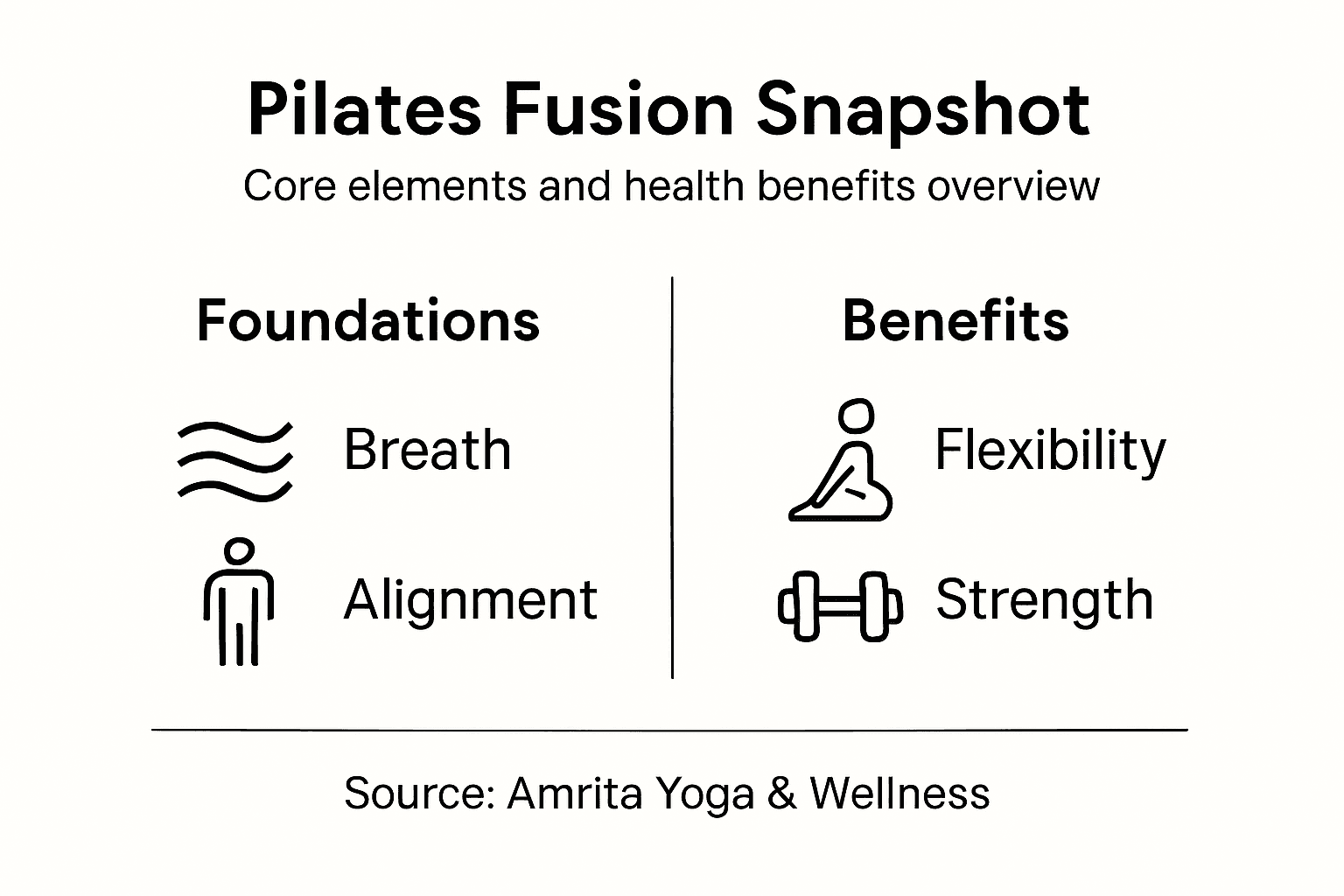
At its core, Pilates Fusion focuses on several key objectives:
Enhancing overall body alignment and posture
Improving muscular strength and flexibility
Developing mindful movement patterns
Reducing risk of injury through balanced conditioning
Promoting mind-body connection
The methodology works by strategically incorporating fusion energy principles into physical training - much like scientific fusion combines different elements to create something more powerful. Just as fusion science aims to merge atomic components, Pilates Fusion merges different movement modalities to generate a more holistic fitness approach.
Physically, this practice involves dynamic movements that challenge multiple muscle groups simultaneously. Practitioners engage in sequences that might include traditional Pilates mat work, yoga-inspired stretching, resistance training elements, and targeted core stabilization exercises. The result is a workout that builds strength, increases flexibility, and promotes balanced muscle development.
Pro tip: Start your Pilates Fusion journey by focusing on proper breathing techniques and maintaining precise, controlled movements rather than rushing through exercises.
Popular Types and Class Variations Explained
Pilates Fusion offers a rich landscape of class variations designed to accommodate diverse fitness levels and personal wellness goals. Integrative Pilates approaches have evolved to create multiple distinctive fusion styles that cater to different physical needs and preferences.
Some popular Pilates Fusion class variations include:
Cardio Pilates Fusion: Combines high-intensity cardiovascular movements with traditional Pilates core work
Yoga Pilates Fusion: Blends mindful yoga stretching with Pilates strengthening techniques
Barre Pilates Fusion: Incorporates ballet-inspired movements with Pilates principles
Strength Training Pilates Fusion: Integrates resistance training and weight work with Pilates core exercises
Rehabilitation Pilates Fusion: Focuses on gentle movements for injury recovery and physical therapy
Each fusion style offers unique benefits, targeting specific fitness outcomes while maintaining the foundational principles of controlled, precise movements and mindful body awareness. The adaptability of these classes allows participants to customize their workout experience based on individual fitness levels, physical limitations, and personal wellness objectives.
To help you select the right Pilates Fusion class, here's a summary table of distinct styles and their typical benefits:
| Fusion Style | Physical Benefit | Recommended For |
|---|---|---|
| Cardio Fusion | Boosts heart health and stamina | Those wanting aerobic fitness |
| Barre Fusion | Improves balance and coordination | Fans of dance and ballet |
| Strength Training Fusion | Builds resilience and power | Individuals seeking strength gains |
| Rehabilitation Fusion | Supports gentle recovery | Injury rehab or seniors |
| Yoga Fusion | Enhances flexibility and calm | Beginners or stress management |
The complexity of Pilates Fusion classes means practitioners can progressively challenge themselves. Beginners might start with gentler variations like Yoga Pilates Fusion, which emphasizes flexibility and mind-body connection, while more advanced participants could explore Cardio Pilates Fusion for higher-intensity workouts that combine cardiovascular endurance with core strengthening.
Pro tip: Always communicate with your instructor about your fitness level and any physical limitations to ensure you select the most appropriate Pilates Fusion class variation for your individual needs.
Core Benefits for Strength and Mind-Body Health
Pilates Fusion represents a transformative approach to holistic wellness that goes far beyond traditional exercise routines. Physical activity basics demonstrate how these integrated practices can dramatically improve both physical strength and mental well-being through targeted, mindful movements.
Key benefits of Pilates Fusion include:
Enhanced Muscular Strength: Develops core and peripheral muscle groups through precise, controlled movements
Improved Flexibility: Increases range of motion and reduces muscle tension
Better Posture Alignment: Promotes proper body mechanics and reduces strain
Stress Reduction: Combines meditative breathing with physical exercise
Increased Body Awareness: Develops deeper connection between mental and physical states
The physiological impacts of this practice extend beyond surface-level fitness. Practitioners experience comprehensive health improvements that address both muscular development and psychological resilience. Each movement is designed to challenge the body while simultaneously calming the mind, creating a unique synergy of physical and mental conditioning.
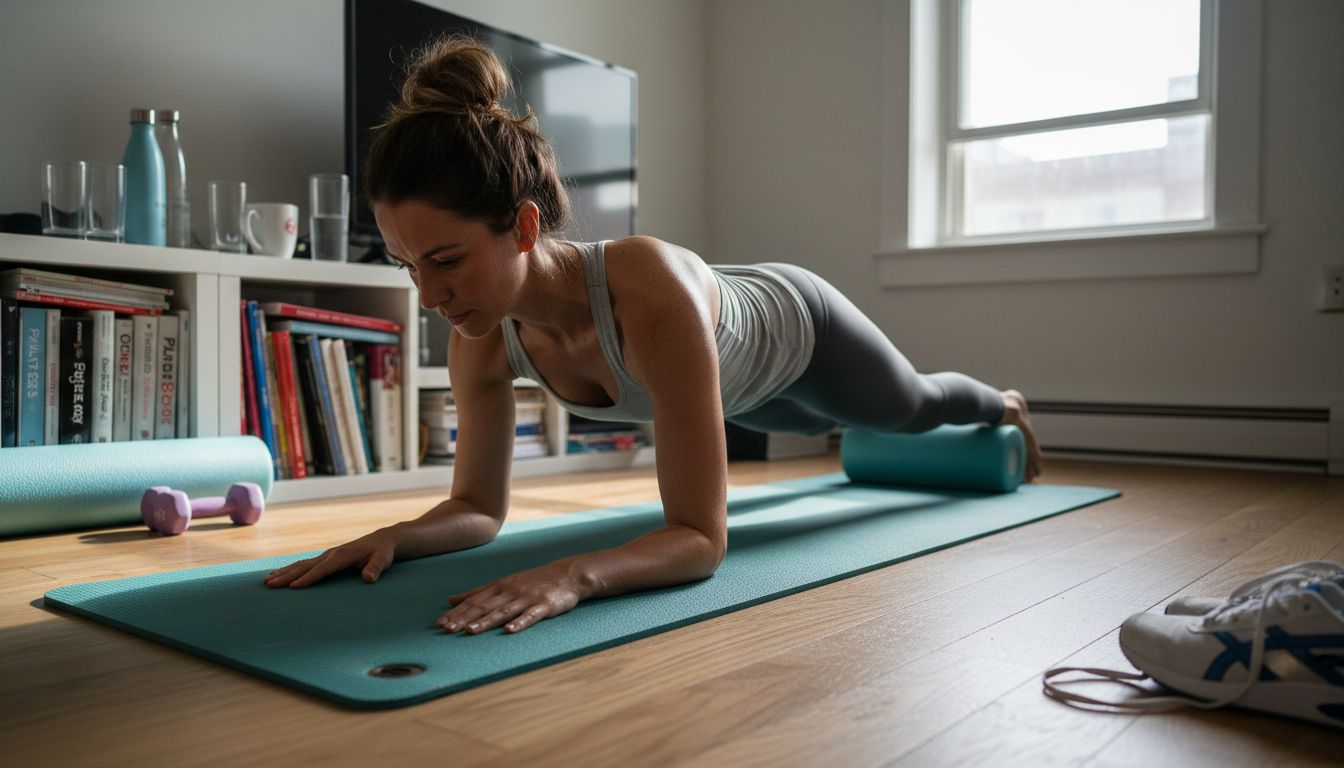
Beyond immediate physical benefits, Pilates Fusion supports long-term wellness by promoting balanced muscle development, reducing injury risks, and enhancing overall body mechanics. The mind-body connection fostered through these practices helps individuals develop greater self-awareness, emotional regulation, and holistic health strategies.
Pro tip: Begin your Pilates Fusion journey with an open mind, focusing on quality of movement rather than intensity, and allow your body to gradually adapt to this integrated fitness approach.
Who Should Try Pilates Fusion Workouts
Pilates Fusion is an exceptionally versatile fitness approach that accommodates diverse physical activity guidelines, making it accessible to a wide range of individuals seeking holistic wellness. Unlike traditional exercise regimens, this practice offers customizable intensity levels and modifications to suit different fitness backgrounds and physical capabilities.
Ideal candidates for Pilates Fusion include:
Fitness Beginners: Those new to structured exercise programs
Athletes: Seeking cross-training and injury prevention strategies
Seniors: Looking for low-impact strength and flexibility maintenance
Professionals: Managing stress and countering sedentary work lifestyles
Rehabilitation Patients: Recovering from injuries with controlled movements
Pregnant Women: Wanting safe, gentle conditioning during pregnancy
Chronic Pain Sufferers: Seeking gentle, supportive movement techniques
The beauty of Pilates Fusion lies in its inherent adaptability. For individuals with limited mobility or specific health concerns, instructors can modify movements to ensure safe, effective workouts. This approach allows people of all ages and fitness levels to participate, from young adults to seniors, creating an inclusive fitness experience that prioritizes individual needs and capabilities.
Each Pilates Fusion class offers scalable challenges, meaning participants can progressively increase difficulty as their strength, flexibility, and body awareness improve. Whether you're a complete novice or an experienced fitness enthusiast, these workouts provide a personalized approach to physical conditioning that respects individual limitations while simultaneously pushing personal boundaries.
Pro tip: Always consult with a qualified instructor about your personal health history and fitness goals before starting any new exercise program, ensuring a safe and tailored Pilates Fusion experience.
Risks, Common Pitfalls, and Comparison With Alternatives
Pilates Fusion offers numerous benefits, but practitioners must be aware of potential challenges and potential risks associated with improper technique. Understanding these nuances helps individuals make informed decisions about their fitness journey and implement strategies to minimize potential complications.
Common risks and pitfalls in Pilates Fusion include:
Technique Errors: Incorrect form leading to muscle strain or joint stress
Overexertion: Pushing beyond personal physical limitations
Inadequate Instruction: Lack of professional guidance
Unrealistic Expectations: Believing in instant transformation
Incomplete Fitness Approach: Relying solely on Pilates Fusion without complementary exercises
Compared to alternative fitness approaches, Pilates Fusion presents unique advantages and limitations. Traditional weight training focuses on muscle hypertrophy and strength, while high-intensity interval training (HIIT) prioritizes cardiovascular endurance. In contrast, Pilates Fusion emphasizes controlled movements, core engagement, and mind-body connection, offering a more holistic approach to physical conditioning.
Here's a comparison of Pilates Fusion with traditional fitness methods for quick reference:
| Training Approach | Core Focus | Mind-Body Integration | Ideal For |
|---|---|---|---|
| Pilates Fusion | Strength and flexibility balance | High, encourages mindfulness | All ages and abilities |
| Weight Training | Muscular hypertrophy and strength | Low, movement is isolated | Muscle gain enthusiasts |
| Yoga | Flexibility and relaxation | High, emphasizes inner calm | Stress relief seekers |
| HIIT | Cardiovascular endurance | Moderate, emphasis on intensity | Athletes and advanced users |
The key differentiator lies in Pilates Fusion's comprehensive approach. Unlike single-dimensional workout methods, this practice integrates strength, flexibility, balance, and mental awareness. However, practitioners should recognize that while Pilates Fusion provides exceptional benefits, it may require supplementation with cardiovascular and strength training for truly comprehensive fitness.
Pro tip: Always prioritize quality of movement over quantity, and consult a certified Pilates Fusion instructor to ensure proper technique and personalized modifications.
Elevate Your Holistic Fitness Journey with Pilates Fusion at Amrita Yoga & Wellness
Feeling overwhelmed by traditional workouts that ignore the mind-body connection It can be a challenge to strengthen your core, improve flexibility, and reduce stress all at once. This article highlights how Pilates Fusion blends precise Pilates movements with complementary practices like yoga and barre to create a balanced approach that enhances posture, body awareness, and overall wellness. If you are looking to overcome common pitfalls like technique errors or want a customizable routine that grows with you Pilates Fusion offers a mindful, adaptable solution.
Discover how Amrita Yoga & Wellness in Philadelphia supports your Pilates Fusion journey with expert-led classes tailored for all fitness levels. Whether you want to build strength, boost flexibility, or reduce tension in a welcoming community setting explore our diverse offerings including Pilates, barre, and yoga on the class schedule page. Ready to experience transformative holistic fitness The time to start is now Visit Amrita Yoga & Wellness to sign up for classes, workshops, and retreats designed to nurture both body and mind. Your path to a stronger, calmer you begins here.
Frequently Asked Questions
What is Pilates Fusion?
Pilates Fusion is a holistic fitness approach that combines traditional Pilates principles with other movement disciplines like yoga, dance, and functional training, focusing on core strengthening and balanced conditioning.
Who can benefit from Pilates Fusion workouts?
Pilates Fusion is suitable for a wide range of individuals including fitness beginners, athletes, seniors, pregnant women, and those recovering from injuries, as it can be tailored to various fitness levels and physical capabilities.
What are the main benefits of practicing Pilates Fusion?
The key benefits of Pilates Fusion include enhanced muscular strength, improved flexibility, better posture alignment, stress reduction, and increased body awareness through mindful movements.
How does Pilates Fusion differ from traditional workouts?
Pilates Fusion emphasizes a comprehensive approach by integrating strength, flexibility, balance, and mind-body connection, unlike traditional workouts that may focus solely on cardio, strength, or flexibility.
Recommended
7 Types of Meditation Practices for Holistic Wellness
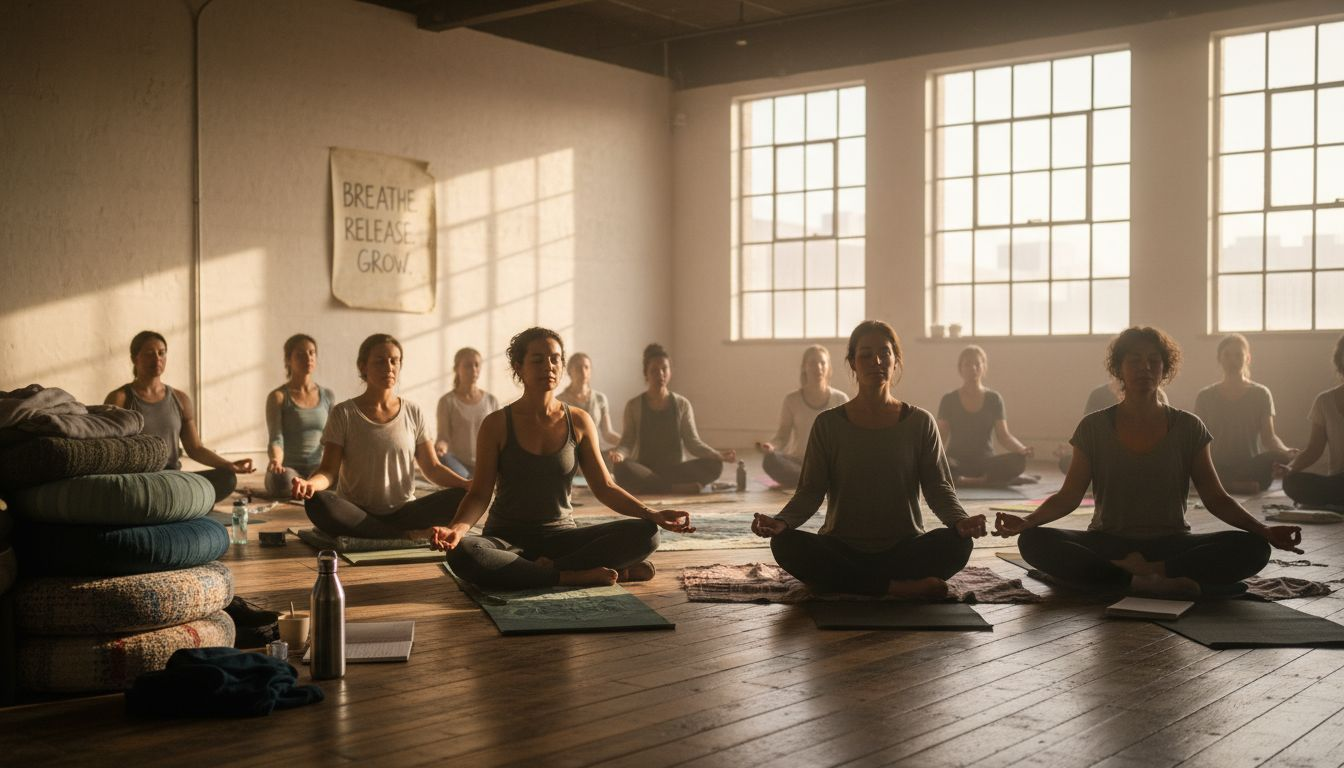
Stress, anxiety, and restless nights can make it feel like your mind is always on overdrive. Finding relief often seems out of reach, especially when you want practical solutions you can use in your everyday life. The good news is that meditation practices are proven to help ease mental strain and bring more calm into your daily routine.
Backed by scientific research, these meditation techniques have been shown to significantly reduce stress, lift your mood, and even improve your sleep quality. You will discover a variety of approaches you can try right away, each offering unique benefits for both mind and body. Get ready to explore simple methods that can transform how you handle stress and boost your emotional well-being.
Table of Contents
Quick Summary
| Key Message | Explanation |
|---|---|
| 1. Mindfulness Meditation Reduces Stress | Practicing mindfulness can decrease perceived stress, anxiety, and depression, enhancing emotional resilience. |
| 2. Loving-Kindness Creates Compassion | Engaging in loving-kindness meditation can enhance empathy and social connections while reducing negative emotional states. |
| 3. Body Scan Enhances Relaxation | Body scan meditation promotes deep relaxation and sleep quality by focusing on physical sensations and releasing tension. |
| 4. Mantra Meditation Improves Concentration | Repeating a mantra can significantly improve focus and cognitive performance by reducing mental distractions. |
| 5. Chakra Meditation Balances Energy | Chakra meditation harmonizes the body's energy centers, promoting emotional regulation and spiritual connection. |
1. Mindfulness Meditation for Stress Reduction
Mindfulness meditation offers a powerful approach to managing stress by training your brain to stay present and cultivate emotional resilience. This ancient practice has gained significant scientific recognition for its ability to transform how we respond to life's challenges.
Researchers have consistently demonstrated the profound impact of mindfulness on mental health. A recent systematic review of stress reduction techniques revealed that mindfulness-based interventions can significantly decrease perceived stress, anxiety, and depression among adults.
Key benefits of mindfulness meditation include:
Reduced physiological stress responses
Enhanced emotional regulation
Improved cognitive flexibility
Greater self-awareness
Decreased symptoms of anxiety and depression
Practicing mindfulness involves developing a non-judgmental awareness of your present moment experience. This means observing your thoughts and feelings without getting caught up in them or trying to change them immediately. By creating mental distance from stressors, you can respond more thoughtfully and less reactively.
To begin a mindfulness practice, start with short daily sessions:
Find a quiet space
Sit comfortably with your back straight
Focus on your breath
When your mind wanders, gently return attention to breathing
Practice for 5-10 minutes initially
Mindfulness is not about perfection but about consistent, gentle practice.
Pro tip: Use smartphone apps or guided meditation recordings to support your initial mindfulness journey and maintain consistency.
2. Loving-Kindness Meditation to Cultivate Compassion
Loving-kindness meditation represents a transformative practice designed to expand your capacity for empathy and emotional connection. By systematically directing positive intentions toward yourself and others, you can fundamentally reshape your emotional landscape.
Scientific research highlights the profound impact of this practice. A comprehensive study on compassion meditation revealed that even a single session can significantly increase positive emotions and reduce negative psychological states.
Key benefits of loving-kindness meditation include:
Enhanced emotional resilience
Increased empathy and compassion
Reduced symptoms of depression
Improved social connections
Greater capacity for self-acceptance
The practice involves a structured approach of mentally sending goodwill and kindness to various individuals. You begin by cultivating compassion for yourself, then gradually extend those feelings to others - from loved ones to neutral acquaintances, and eventually even to challenging relationships.
To practice loving-kindness meditation:
Find a comfortable seated position
Take several deep, centering breaths
Silently repeat phrases of goodwill
Start with yourself ("May I be happy. May I be healthy.")
Progressively extend phrases to others
Compassion is a skill that can be deliberately cultivated through intentional practice.
Pro tip: Practice this meditation for just 10 minutes daily to experience significant emotional transformation and increased empathy.
3. Body Scan Meditation for Deep Relaxation
Body scan meditation is a powerful technique that guides you through a systematic exploration of physical sensations, promoting deep relaxation and heightened body awareness. By deliberately focusing attention on different body parts, you can release tension and cultivate a profound sense of inner calm.
Research demonstrates remarkable benefits of this practice. A recent study revealed significant improvements in sleep quality through body scan meditation techniques.
Key benefits of body scan meditation include:
Reduced muscle tension
Enhanced mind-body connection
Improved stress management
Better sleep quality
Increased self-awareness
The practice involves a deliberate and gentle process of mental attention. You systematically move your awareness through different body regions, observing sensations without judgment or attempts to change them.
To practice body scan meditation:
Find a comfortable lying or sitting position
Close your eyes and take several deep breaths
Start at your toes and slowly move upward
Notice sensations in each body part without analyzing
Breathe into areas of tension or discomfort
Meditation is not about perfection but about gentle, consistent awareness.
Pro tip: Practice body scan meditation in a quiet space where you won't be interrupted, using soft background music to enhance relaxation.
4. Mantra Meditation to Improve Focus
Mantra meditation is a powerful cognitive technique that uses rhythmic sound repetition to anchor your attention and dramatically enhance mental concentration. By focusing on a specific word or phrase, you create a powerful mental tool for redirecting wandering thoughts and cultivating deeper awareness.
Research provides compelling evidence for the cognitive benefits. A systematic review showed significant improvements in brain wave activity and enhanced working memory through mantra practices.
Key benefits of mantra meditation include:
Increased sustained attention
Reduced mental clutter
Enhanced executive functioning
Lower stress levels
Improved cognitive performance
The practice involves selecting a meaningful word or phrase and repeating it silently or aloud. This repetition serves as a mental anchor, preventing distracting thoughts from disrupting your focus. Your chosen mantra can be traditional Sanskrit phrases, positive affirmations, or simple words like "peace" or "calm".
To practice mantra meditation:
Choose a comfortable seated position
Select a meaningful mantra
Close your eyes and take deep breaths
Begin repeating the mantra rhythmically
Gently redirect attention when mind wanders
Consistency transforms mantra meditation from a technique into a transformative practice.
Pro tip: Start with short 5-minute sessions and gradually increase duration as your concentration improves.
5. Guided Visualization for Emotional Healing
Guided visualization meditation is a powerful therapeutic technique that uses intentional mental imagery to process emotions, reduce stress, and promote psychological healing. By creating vivid mental landscapes, you can transform negative thought patterns and cultivate inner resilience.
Research demonstrates profound benefits of this practice. Studies reveal significant improvements in emotional regulation through targeted mental imagery techniques.
Key benefits of guided visualization include:
Reduced anxiety and depression symptoms
Enhanced emotional coping skills
Improved stress management
Increased mental clarity
Greater emotional self-awareness
The practice involves systematically imagining peaceful, healing scenarios guided by a narrator or your own internal voice. You might visualize walking through a serene forest, healing past emotional wounds, or experiencing personal transformation.
To practice guided visualization:
Find a quiet, comfortable space
Close your eyes and take deep breaths
Listen to a guided meditation recording
Allow mental images to emerge naturally
Stay present with emerging emotions
Visualization is a bridge between imagination and emotional healing.
Pro tip: Create a personal library of visualization scenarios tailored to different emotional needs, such as stress relief or confidence building.
6. Movement-Based Meditation to Boost Energy
Movement-based meditation integrates mindful physical activity to transform how you experience energy and awareness. Unlike traditional sitting meditation, these practices harness motion as a pathway to mental clarity and inner calm.
Research demonstrates the powerful impact of meditative movement practices on mental and physical well-being, showing how intentional movement can regulate internal states and boost overall energy.
Key benefits of movement-based meditation include:
Enhanced body awareness
Improved emotional regulation
Increased mental focus
Stress reduction
Natural energy boost
Popular forms of movement-based meditation include:
Tai Chi
Yoga flow sequences
Walking meditation
Qigong
Mindful dance
To practice movement-based meditation:
Choose a movement style that resonates with you
Focus on breath synchronization
Move with deliberate, slow movements
Maintain present-moment awareness
Notice bodily sensations without judgment
Movement is meditation in motion.
Pro tip: Start with short 10-minute sessions and gradually increase duration as you become more comfortable with mindful movement.
7. Chakra Meditation for Spiritual Balance
Chakra meditation is an ancient practice designed to harmonize your body's subtle energy centers, promoting holistic well-being across physical, emotional, and spiritual dimensions. By systematically focusing on seven key energy points along the spine, you can unlock profound inner balance and healing potential.
Scientific research supports the physiological basis of chakra energy centers, revealing their connection to neurological and hormonal systems.
Key benefits of chakra meditation include:
Enhanced emotional regulation
Improved autonomic nervous system balance
Increased self-awareness
Deeper spiritual connection
Reduced stress and anxiety
The seven primary chakras are:
Root (Muladhara): Grounding and stability
Sacral (Svadhisthana): Creativity and emotion
Solar Plexus (Manipura): Personal power
Heart (Anahata): Compassion and love
Throat (Vishuddha): Communication
Third Eye (Ajna): Intuition
Crown (Sahasrara): Spiritual connection
To practice chakra meditation:
Find a quiet, comfortable space
Sit in a relaxed position
Take deep, rhythmic breaths
Visualize each chakra's color and location
Focus on balancing energy flow
Spiritual balance begins with inner awareness.
Pro tip: Begin with 10-minute sessions, focusing on one chakra at a time to build deeper understanding and connection.
Below is a summary table of meditative practices featured in the article, underscoring techniques, benefits, and implementation guidance.
| Meditative Practice | Technique Overview | Benefits |
|---|---|---|
| Mindfulness Meditation | Focus on present-moment awareness through breath observation and thought detachment. | Reduced stress, enhanced emotional resilience, and improved self-awareness. |
| Loving-Kindness Meditation | Systematic cultivation of compassion by directing positive intentions to oneself and others. | Increased empathy, reduced depression symptoms, and stronger social connections. |
| Body Scan Meditation | Guided focus on physical sensations by systematically attending to body regions. | Alleviating tension, better sleep quality, and heightened body awareness. |
| Mantra Meditation | Use of rhythmic sound repetition of selected words or phrases to anchor concentration. | Improved cognitive focus, reduced distractions, and emotional calm. |
| Guided Visualization | Creation of vivid mental imagery to address emotions and promote healing. | Enhanced emotional self-regulation and clarity, alongside reduced anxiety. |
| Movement-Based Meditation | Integration of mindful body motions such as yoga or walking meditation for energy balance. | Boosted energy levels, improved emotional regulation, and stress reduction. |
| Chakra Meditation | Focus on visualizing and harmonizing seven subtle energy centers along the spine. | Spiritual alignment, emotional equanimity, and reduced anxiety. |
Discover Your Path to Holistic Wellness with Amrita Yoga & Wellness
The article highlights how different meditation practices like mindfulness, loving-kindness, and movement-based meditation can help you manage stress, enhance emotional resilience, and boost energy. If you find yourself seeking deeper relaxation, improved focus, or spiritual balance these goals often require ongoing guidance and a supportive community. At Amrita Yoga & Wellness we understand these challenges and offer classes and workshops specifically designed to complement these meditation styles and nurture holistic well-being.
Start your journey today by exploring our diverse offerings in yoga, tai chi, and mindful movement. Whether you want to experience the calming flow of tai chi or deepen compassion through loving-kindness meditation our Philadelphia studio invites you to connect with expert instructors and a welcoming community. Visit Amrita Yoga & Wellness now to view class schedules, sign up for workshops, and find tools that support your emotional and spiritual growth. Take the first step toward lasting balance and wellness.
Explore our class descriptions and sign up to transform your practice and life.
Frequently Asked Questions
What are the key benefits of mindfulness meditation for stress reduction?
Mindfulness meditation helps reduce perceived stress, anxiety, and depression by promoting emotional regulation and self-awareness. Start practicing daily for just 5-10 minutes to see improvements in your overall mental health within a few weeks.
How do I experience the benefits of loving-kindness meditation?
Loving-kindness meditation cultivates empathy and compassion. By practicing for 10 minutes a day, you can enhance your emotional resilience and improve your social connections, leading to a more positive outlook on life.
What steps do I follow for body scan meditation?
To practice body scan meditation, lie down comfortably and close your eyes. Begin focusing on each part of your body, starting from your toes and moving upward, to release tension and relax. Aim to practice this for about 10-20 minutes to enjoy greater self-awareness and relaxation.
How can mantra meditation improve my focus?
Mantra meditation enhances focus by using rhythmic repetition of a chosen word or phrase. Start with short 5-minute sessions, and gradually increase the duration to build concentration and reduce mental clutter over time.
How do I perform guided visualization for emotional healing?
Guided visualization involves listening to a narrative that helps you create peaceful mental imagery. By dedicating 10-15 minutes to this practice, you can foster emotional healing and improve your emotional coping skills.
What types of movement-based meditation can I try?
Popular forms of movement-based meditation include Yoga, Tai Chi, and walking meditation. Choose a style that resonates with you and practice for about 10-15 minutes daily to boost your energy and enhance body awareness.
Recommended
How to Start Hot Yoga Naturally for Stress Relief Success
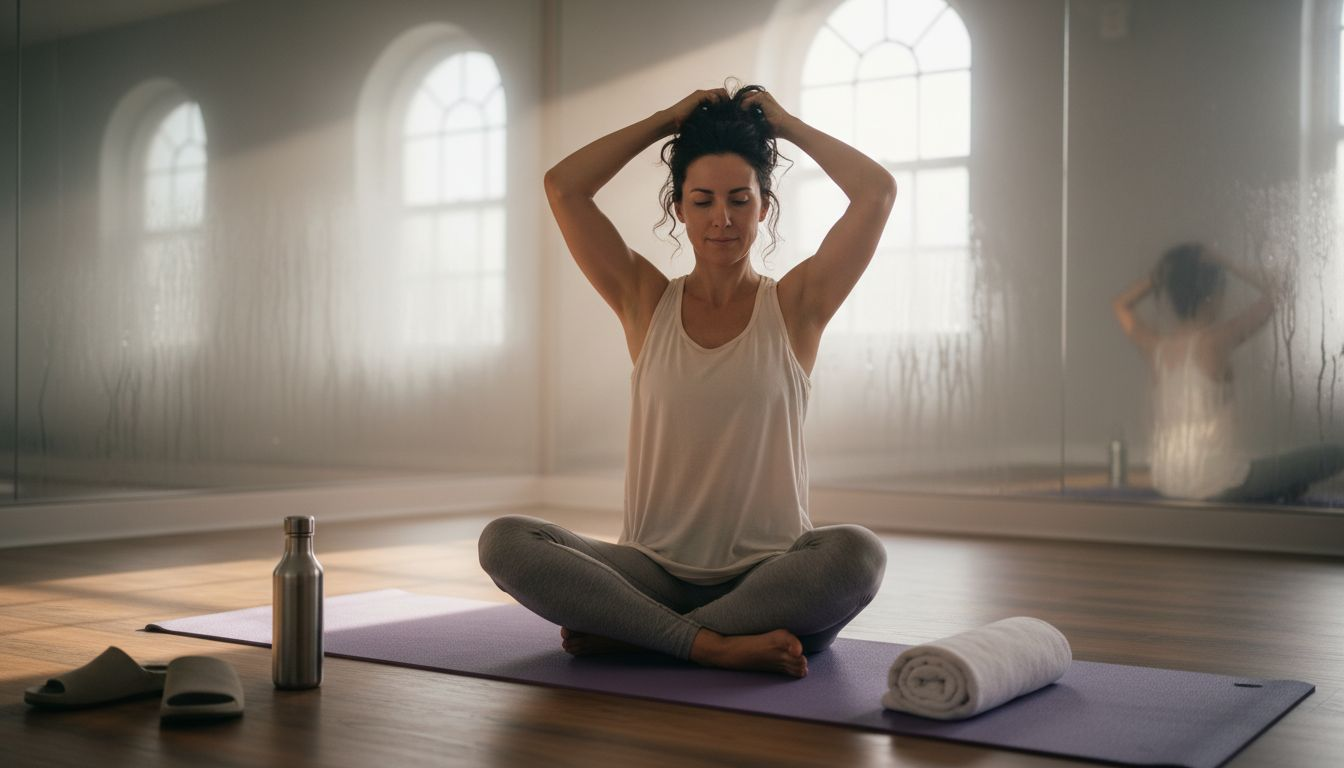
Many Philadelphia adults feel the strain of city living and search for fresh ways to manage stress while building healthier habits. Hot yoga has become a popular option for those seeking a holistic approach to wellness and flexibility. Before getting started, assessing your readiness ensures you experience the transformative benefits of heated yoga practice while keeping safety and self-care as top priorities.
Table of Contents
Quick Summary
| Important Insight | Explanation |
|---|---|
| 1. Assess Your Readiness for Hot Yoga | Evaluate your medical history and fitness level to ensure a safe practice. Consult a healthcare professional if unsure. |
| 2. Gather Essential Hot Yoga Gear | Choose functional, moisture-wicking clothing and a high-grip mat to enhance comfort and safety during sessions. |
| 3. Hydrate Strategically Before Class | Drink adequate water and electrolytes prior to class to ensure proper hydration and avoid fatigue. |
| 4. Choose the Right Class for You | Opt for beginner-friendly classes with experienced instructors to build confidence and skills safely. |
| 5. Track Your Progress Consistently | Monitor physical and mental development to understand your body's needs and make informed adjustments in practice. |