The Amrita Journal
Explore thoughtful stories, practical wellness guidance and inspiring ideas to support your movement, mindfulness and everyday wellbeing at Amrita.
Aerial Yoga for Stress Relief: Benefits Explained

Over 2 million American adults have tried aerial yoga in the past decade, drawn by its blend of movement and stress relief. With modern routines often leading to increased tension and joint strain, people across the United States are searching for new ways to build strength and improve well-being. Aerial yoga uses suspended hammocks to make classic yoga feel lighter while offering benefits that target both body and mind, making it an appealing choice for anyone seeking a fresh wellness solution.
Table of Contents
Key Takeaways
| Point | Details |
|---|---|
| Innovative Fitness Practice | Aerial yoga combines traditional yoga with suspended fabric hammocks, offering a unique approach to movement and physical wellness. |
| Stress Management Benefits | This practice effectively reduces physiological stress responses through suspension techniques, mindful breathing, and enhanced relaxation. |
| Accessibility for All Levels | Aerial yoga is adaptable for various fitness levels, providing support for beginners to explore challenging postures safely. |
| Safety Requirements | Proper preparation and professional guidance are essential to ensure safe participation and avoid injuries during aerial yoga classes. |
Aerial Yoga Basics And Core Principles
Aerial yoga represents an innovative fitness practice that transforms traditional yoga by incorporating suspended fabric hammocks. Developed in 2006 by Michelle Dortignac, this dynamic approach merges classic yoga principles with aerial arts, creating a unique movement experience that challenges and supports practitioners in entirely new ways.
Core Elements of aerial yoga include:
Full body suspension techniques
Integrated strength and flexibility training
Mindful movement using fabric supports
Reduced gravitational pressure on joints
Enhanced range of motion
The fundamental principle behind aerial yoga involves using a specialized hammock that allows partial or complete body suspension. This innovative practice combines traditional yoga, Pilates, and dance movements into a holistic workout that simultaneously challenges and nurtures the body. Practitioners can explore poses with greater freedom, utilizing the fabric’s support to achieve deeper stretches and more expansive movements than traditional mat-based practices.
While aerial yoga might seem intimidating to beginners, its adaptable nature makes it accessible to multiple fitness levels. The hammock provides consistent support, enabling individuals to safely explore challenging postures while minimizing joint strain. By integrating core strength, balance, and mindful breathing, aerial yoga offers a transformative approach to physical and mental wellness that goes far beyond conventional exercise routines.
Key Stress Relief Benefits Of Aerial Yoga
Aerial yoga offers a transformative approach to stress management that goes beyond traditional exercise routines. Research by the American Council on Exercise demonstrates that regular aerial yoga participation can positively modify cardiovascular disease risk factors, suggesting significant potential for reducing physiological stress responses.
Key Stress Reduction Mechanisms in aerial yoga include:
Suspension-based movement reducing physical tension
Controlled breathing techniques
Enhanced mindfulness through unique body positioning
Decreased gravitational pressure on joints
Improved neurological relaxation responses
The psychological benefits of aerial yoga stem from its unique ability to create a sense of weightlessness and safety. By using fabric hammocks, practitioners experience a gentle, supportive environment that encourages relaxation and emotional release. The combination of physical movement, deep breathing, and meditative focus helps interrupt stress cycles, allowing individuals to reset their nervous system and cultivate a more balanced mental state.
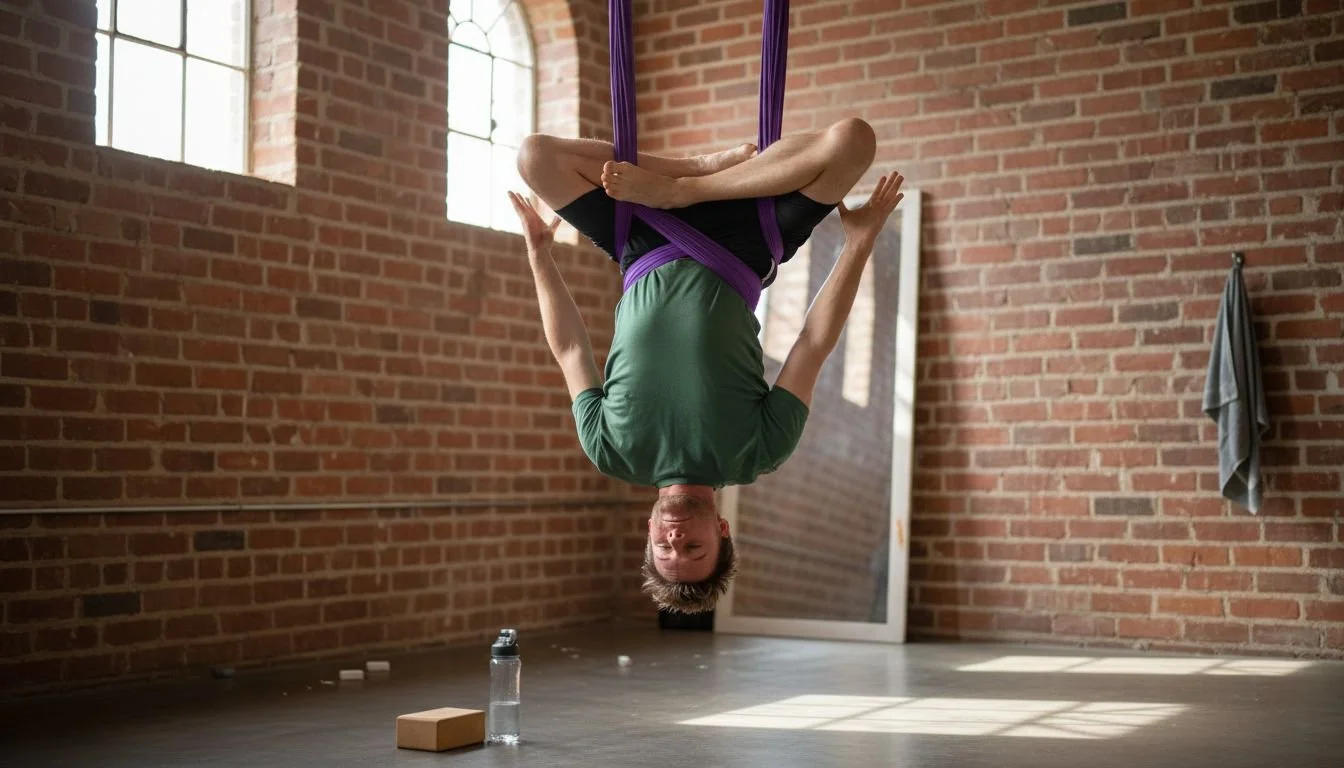
Beyond immediate stress relief, consistent aerial yoga practice contributes to long-term wellness strategies by building resilience, improving body awareness, and teaching practitioners sustainable stress management techniques. The practice empowers individuals to develop a more mindful approach to handling daily pressures, transforming stress from an overwhelming experience into an opportunity for personal growth and emotional regulation.
How Inversions And Poses Reduce Tension
Aerial yoga inversions offer a powerful physiological approach to stress reduction, providing practitioners with unique techniques to reset their nervous system and alleviate accumulated mental and physical tension. By suspending the body in specialized fabric hammocks, these inverted postures create an environment that fundamentally transforms how the body processes stress and emotional strain.
Key Stress Reduction Mechanisms through aerial yoga inversions include:
Increased blood flow to the brain
Activation of the parasympathetic nervous system
Reduced muscle tension
Enhanced neurological relaxation
Improved overall body awareness
Inversion postures specifically stimulate the parasympathetic nervous system, promoting a state of calm and emotional equilibrium. The gentle rocking motion combined with deep, controlled breathing allows practitioners to interrupt stress cycles, creating a meditative experience that encourages mental reset and emotional release. These suspended poses help individuals literally and metaphorically shift their perspective, providing a physical and psychological counterpoint to the compressed, gravity-bound experiences of daily life.
The neurological benefits of aerial yoga inversions extend beyond immediate relaxation. By encouraging blood circulation to the brain and engaging the body’s natural relaxation responses, these poses help improve cognitive function, memory, and concentration. The unique combination of physical suspension, mindful breathing, and gentle movement creates a holistic approach to stress management that addresses both physiological tension and mental strain, offering practitioners a comprehensive tool for emotional regulation and personal wellness.
Practice Requirements And Safety Precautions
Aerial yoga demands careful preparation and specific safety considerations that practitioners must understand before beginning their practice. Unlike traditional floor-based yoga, aerial yoga introduces complex equipment and suspension techniques that require specialized knowledge and physical preparation to ensure safe and effective participation.
Essential Safety Requirements include:
Professional equipment inspection
Proper hammock installation
Adequate core and shoulder strength
Safety mat placement
Supervised initial training
Physical fitness assessment
Beginners should prioritize professional instruction and comprehensive equipment setup, understanding that aerial yoga involves more than simply hanging in a fabric hammock. Specific physical prerequisites include sufficient upper body strength, core stability, and basic flexibility. Practitioners must develop foundational fitness levels that support safe suspension and prevent potential injuries during complex aerial movements.
The technical aspects of aerial yoga safety extend beyond individual physical preparation. Practitioners must ensure their practice space includes structural reinforcement capable of supporting body weight, utilize professional-grade hammocks with appropriate weight ratings, and maintain consistent equipment maintenance. Recommended precautions involve having a trained instructor present during initial sessions, using safety mats beneath the suspended area, and gradually progressing through complexity levels to build confidence and technical proficiency. By approaching aerial yoga with methodical preparation and respect for its unique physical demands, practitioners can transform potential risk into a safe, transformative wellness experience.
Comparing Aerial Yoga To Other Stress Relief Methods
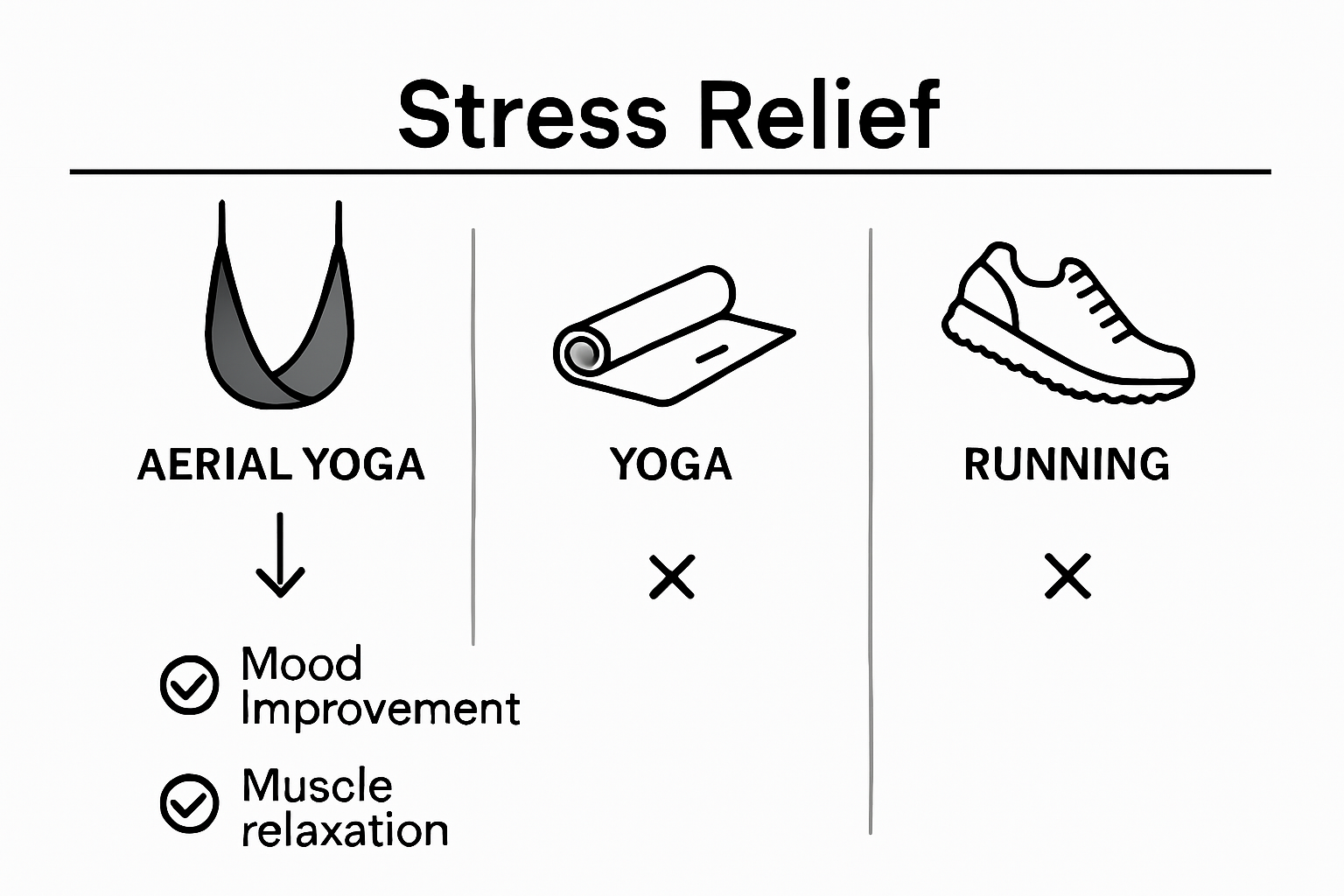
Aerial yoga emerges as a distinctive stress relief method with unique physiological and psychological benefits that differentiate it from traditional exercise and mindfulness practices. Unlike standard meditation or gym workouts, this approach combines physical movement, suspension techniques, and mindful breathing to create a holistic stress management experience.
Key Comparative Advantages of aerial yoga include:
Dynamic physical engagement
Enhanced mind-body connection
Lower joint impact compared to high-intensity exercises
Immediate neurological relaxation response
Unique sensory experience
The practice offers metabolic responses similar to moderate-intensity exercises while providing a novel approach to stress reduction, bridging the gap between traditional yoga and more dynamic fitness methods. Where standard meditation might feel static and typical gym workouts can feel repetitive, aerial yoga introduces an element of playfulness and sensory stimulation that makes stress relief feel less like a chore and more like an engaging experience. The suspended environment creates a sense of weightlessness that interrupts habitual stress patterns, offering practitioners a literal and metaphorical shift in perspective.
Compared to traditional stress relief methods like seated meditation, running, or static yoga practices, aerial yoga provides a more immersive and multisensory approach to emotional regulation. The combination of controlled movement, unique gravitational experiences, and focused breathing creates a comprehensive stress management tool that addresses physiological tension and mental strain simultaneously. By integrating physical challenge with mindful techniques, aerial yoga transforms stress relief from a passive activity into an active, transformative experience that engages both body and mind.
Discover Lasting Stress Relief Through Aerial Yoga at Amrita Yoga & Wellness
If you are seeking innovative ways to manage stress and embrace holistic wellness the stress-relieving power of aerial yoga described in this article is exactly what you need. By gently suspending your body in fabric hammocks you can release physical tension, improve mindfulness, and reset your nervous system for emotional balance. This practice supports increased blood flow and nervous system relaxation all while reducing joint strain and building core strength.
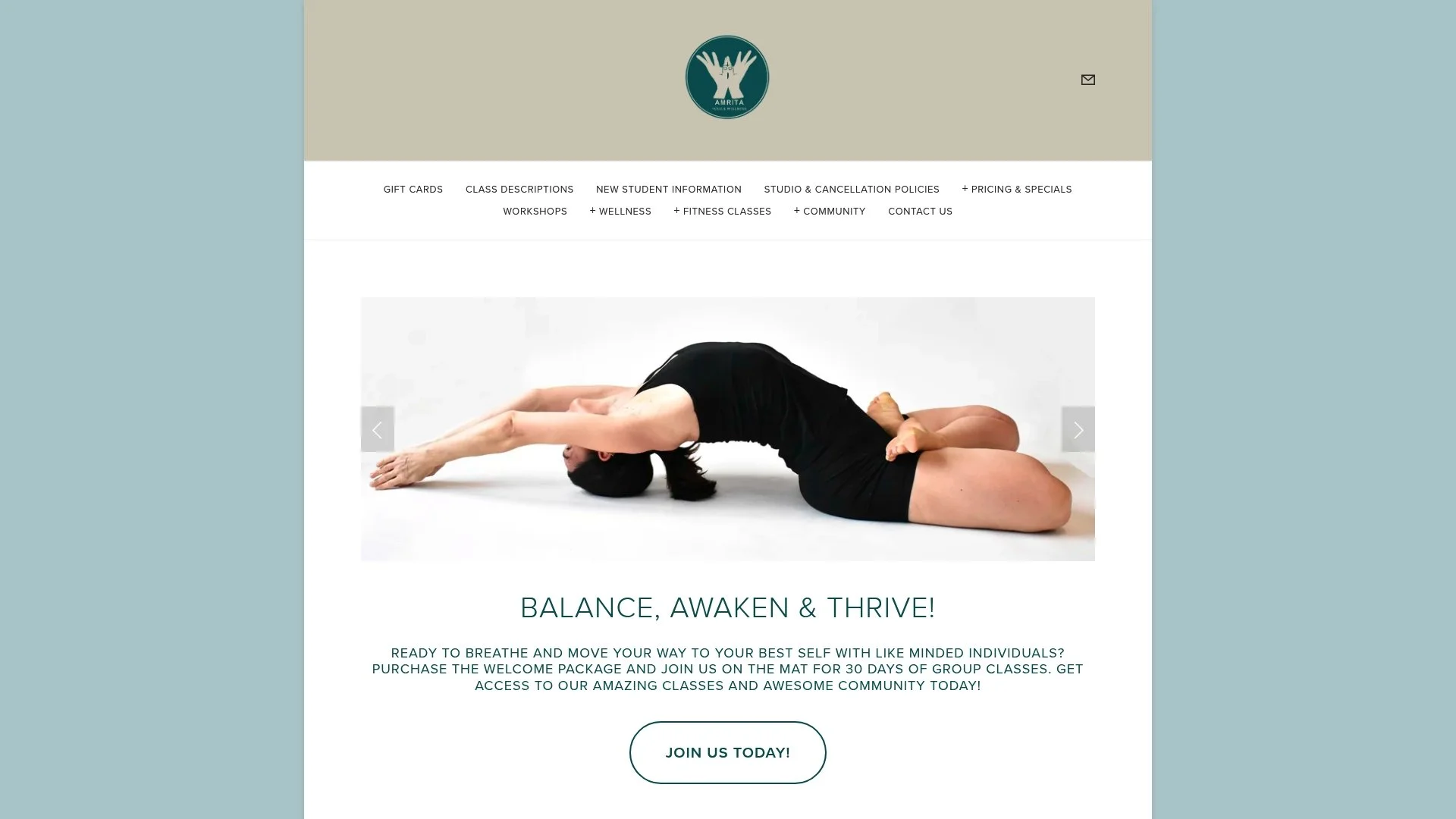
Join us at Amrita Yoga & Wellness in Philadelphia where our expert instructors guide you safely through aerial yoga sessions designed for all levels. Experience accessible classes that help you deepen your mind-body connection and embrace a transformative stress management strategy. Start with our class offerings today and take the vital step toward reclaiming calm and vitality in your daily life.
Frequently Asked Questions
What is aerial yoga and how does it help with stress relief?
Aerial yoga combines traditional yoga, Pilates, and dance movements using a suspended fabric hammock. It helps relieve stress by reducing gravitational pressure on joints, promoting mindfulness through unique body positioning, and encouraging enhanced relaxation responses.
How do inversions in aerial yoga contribute to reducing tension?
Inversions in aerial yoga increase blood flow to the brain, activate the parasympathetic nervous system, and promote a state of calm. They facilitate a meditative experience that interrupts stress cycles and encourages emotional release.
What safety precautions should I take when practicing aerial yoga?
Practitioners should ensure proper equipment inspection, correct hammock installation, and adequate core and shoulder strength. Initial training with a professional instructor and the use of safety mats is highly recommended for beginners.
How does aerial yoga compare to traditional stress relief methods?
Aerial yoga offers a dynamic approach that combines physical engagement, sensory stimulation, and mindful breathing, making it a more immersive experience than static practices like seated meditation or standard gym workouts.