The Amrita Journal
Explore thoughtful stories, practical wellness guidance and inspiring ideas to support your movement, mindfulness and everyday wellbeing at Amrita.
Hot Pilates Benefits: Your Complete Fitness Guide
TL;DR:
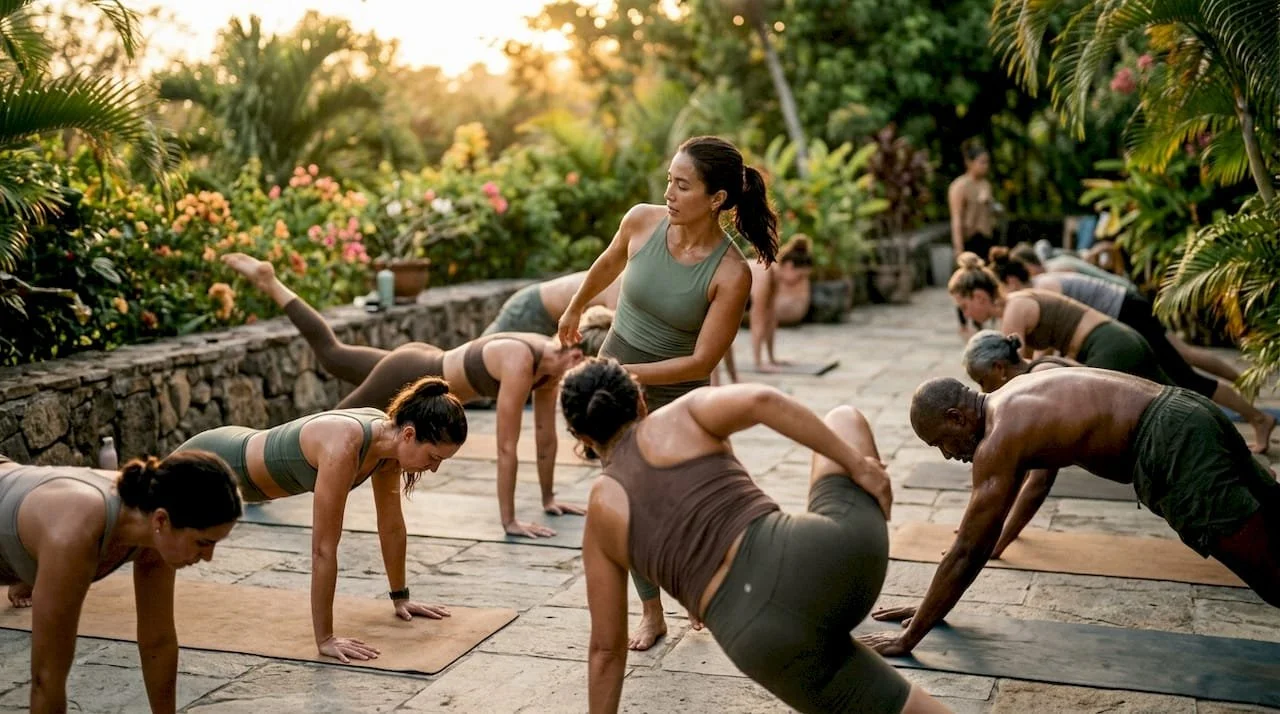
Hot Pilates is performed in a heated room to enhance flexibility, calorie burn, and mental focus. The heat increases muscle pliability, joint mobility, and cardiovascular effort without high-impact movements, providing unique physical and mental benefits. To practice safely, hydrate well, enter gradually, and cool down after each session, especially for beginners and those with joint concerns.
Hot Pilates is defined as a Pilates practice performed in a room heated to 35°C–40°C (95°F–104°F), and the benefit of hot pilates goes well beyond what you get from a standard mat class. The heat amplifies every core Pilates advantage: deeper flexibility, higher calorie burn, and sharper mental focus. Where traditional Pilates builds strength and control, the heated environment adds a cardiovascular layer and a meditative intensity that changes the entire experience. Amritayogawellness offers heated Pilates and yoga classes in Philadelphia for practitioners at every level, from first-timers to seasoned athletes.
What is the core benefit of hot pilates for your body?
Hot Pilates delivers a measurably higher physical output than room-temperature Pilates, and the science behind that difference is straightforward. Heat raises your core temperature, which triggers a cascade of physiological changes that make every movement more effective.
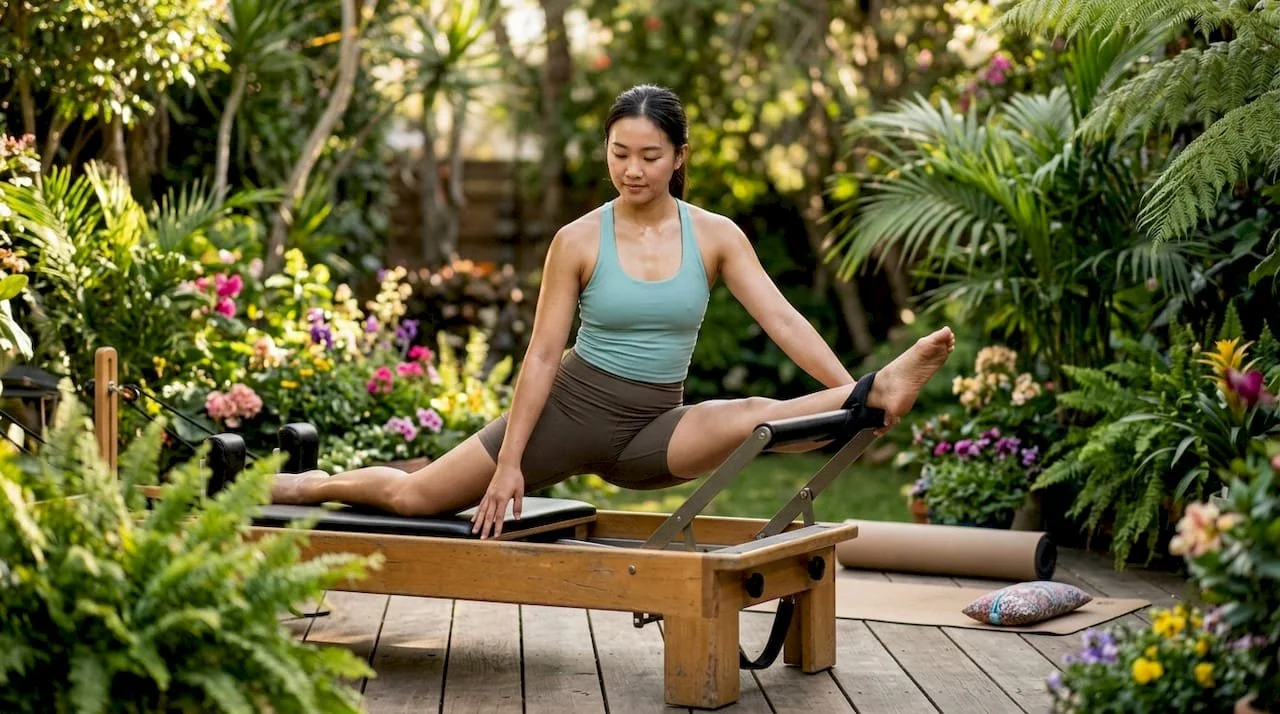
The most direct effect is on your muscles. Warmed muscle tissue stretches farther and with less resistance, which means you access deeper ranges of motion without forcing the movement. That depth is not just about flexibility. It reduces the micro-tearing risk that comes from cold muscles being pushed too hard.
Heat also acts on your joints. Increased synovial fluid production due to warmth allows smoother, less abrasive joint motion and deeper ranges of motion with less initial resistance. Warm joints are simply less prone to strain during Pilates movements. That is a meaningful advantage for anyone who has ever felt stiff at the start of a class.
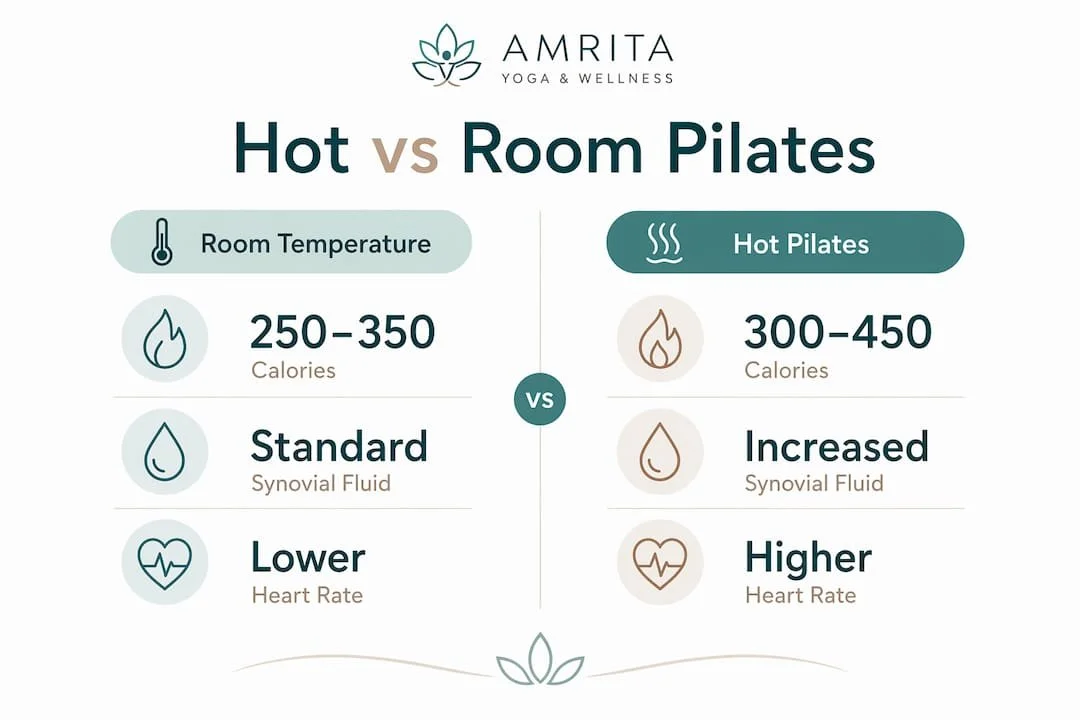
The cardiovascular effect is real and quantifiable. A 60-minute hot Pilates session typically burns 300–450 calories, compared to 250–350 calories for the same routine at room temperature, with heart rate increasing by 10–20 BPM. That 20–30% increase in calorie burn comes without adding high-impact movements. You get aerobic conditioning inside a low-impact framework, which is a rare combination.
Calorie burn and heart rate: hot vs. room temperature Pilates
| Metric | Room temperature Pilates | Hot Pilates |
|---|---|---|
| Calories burned (60 min) | 250–350 | 300–450 |
| Heart rate increase | Baseline | +10–20 BPM |
| Muscle pliability | Standard | Significantly higher |
| Joint mobility | Standard | Enhanced by synovial fluid |
Pro Tip: Arrive at class already warm. A 5-minute brisk walk before entering the studio primes your cardiovascular system and shortens the adjustment period in the heated room.
What are the mental and wellness benefits of hot Pilates?
The mental benefits of hot Pilates are as real as the physical ones, and they come from a specific mechanism. Exercising in heat forces you to control your breath deliberately. That deliberate breathwork shifts your nervous system into a parasympathetic state, which is the rest-and-digest mode associated with calm, recovery, and reduced anxiety.
Mental benefits derive from forced focus on breathing in heat, creating a meditative, moving mindfulness state that activates the parasympathetic nervous system. Students consistently report feeling physically challenged yet mentally reset after class. That combination is not common in most fitness formats.
The mental and emotional advantages practitioners report include:
Reduced stress and anxiety through breath-regulated nervous system activation
Improved mental clarity that carries into the hours after class
Heightened present-moment focus because the heat demands your full attention
Mood improvement linked to endorphin release during elevated heart rate exercise
A sense of accomplishment from completing a physically demanding session without high-impact strain
One misconception worth addressing directly: sweating in hot Pilates does not detox your body in any meaningful clinical sense. Sweat during hot Pilates primarily aids in cooling. The detox narrative is a marketing claim, not a physiological fact. The real value of the sweat response is thermoregulation, and that process does improve with regular practice.
Pro Tip: If your mind wanders during class, return your attention to your exhale. The breath is your anchor in a heated room, and refocusing on it resets both your form and your mental state.
Who benefits most from hot Pilates, and how do you practice it safely?
Hot Pilates works for a wide range of practitioners, but certain groups see outsized results. Beginners benefit because warmed muscles allow access to deeper stretches from the first class, reducing the frustration of feeling tight and limited. Athletes and runners use it specifically for joint health, core strengthening, and active recovery between higher-intensity training days.
The low-impact nature makes hot Pilates a strong option for fitness enthusiasts seeking both aerobic conditioning and muscle toning without the joint stress of running or jumping. That makes it particularly useful for cross-training programs where recovery and mobility matter as much as output.
Safe practice follows a clear set of steps:
Hydrate with electrolytes 1–2 hours before class. Plain water is not enough. Electrolytes prevent the dizziness and cramping that dehydration causes in a heated room.
Enter the room a few minutes early. Gradual acclimatization reduces the shock of the heat and lets your body adjust before the class intensity builds.
Pace your effort in the first few sessions. The heat makes you feel more capable than you may be. Respect that gap between perceived effort and actual muscle readiness.
Never push a stretch to its absolute limit. Heat masks muscle tension, which means you can overstretch without feeling the warning signals. Stop before the end range.
Cool down for 5–10 minutes after class. A post-class cooldown in a cooler, quiet space helps regulate body temperature and heart rate, reducing the risk of fainting or dizziness.
For detailed guidance on staying safe in heated environments, the hot yoga safety tips resource from Amritayogawellness covers medical recommendations and gradual adaptation protocols that apply directly to hot Pilates practice.
How does hot Pilates support joint health and injury prevention?
Joint health is one of the most underappreciated hot pilates advantages, and it works through two reinforcing mechanisms. First, heat widens blood vessels, improving blood flow to muscles and joints, making movements smoother and improving mobility, especially during colder months. Second, Pilates itself trains the deep stabilizing muscles around the knee, hip, and spine, which are the structures most responsible for preventing common overuse injuries.
The combination is more protective than either element alone. Warm joints move more freely, and stronger stabilizers keep those joints aligned under load. That is why athletes recovering from knee or hip issues often find hot Pilates more accessible than weight-based rehabilitation exercises.
The pilates core strength work central to every class also reduces the muscular imbalances that cause strain over time. A weak core forces other structures, like the lower back and hip flexors, to compensate. Hot Pilates addresses that root cause directly.
Hot Pilates vs. traditional Pilates: joint health comparison
| Joint health factor | Traditional Pilates | Hot Pilates |
|---|---|---|
| Synovial fluid production | Standard | Increased by heat |
| Muscle tension reduction | Moderate | Higher due to warmth |
| Range of motion access | Standard | Deeper with less resistance |
| Circulation to joints | Standard | Enhanced by vasodilation |
| Cold-weather stiffness relief | Limited | Significant |
Regular exercise in heated environments also facilitates heat acclimatization over time, reducing heart rate response during general activity and increasing sweat efficiency. Your body becomes better at managing heat, which translates to lower cardiovascular strain in everyday life. That adaptation is a long-term health benefit that most practitioners do not anticipate when they start.
Key Takeaways
Hot Pilates delivers measurably greater physical and mental benefits than room-temperature Pilates by combining heat-induced physiological changes with the core-strengthening and flexibility principles of traditional Pilates.
| Point | Details |
|---|---|
| Higher calorie burn | Hot Pilates burns 300–450 calories per 60-minute session, roughly 20–30% more than room temperature classes. |
| Enhanced joint mobility | Heat increases synovial fluid production, allowing deeper, safer ranges of motion with less strain. |
| Mental reset through breathwork | Forced breath control in heat activates the parasympathetic nervous system, reducing stress and improving clarity. |
| Safe practice requires hydration | Drink electrolytes 1–2 hours before class and cool down for 5–10 minutes after every session. |
| Injury prevention through core training | Strengthening deep stabilizers in a warm environment protects knees, hips, and the lower back from overuse injuries. |
Why hot Pilates is harder to master than it looks
Hot Pilates sits in a category of its own, and I say that having observed practitioners across many fitness formats. The format looks approachable because the movements are controlled and low-impact. That appearance is misleading. The heat adds an endurance layer that exposes weaknesses in breath control and pacing that a room-temperature class never would.
The practitioners who get the most from hot Pilates are the ones who stop treating the heat as something to fight through. When you work with the heat by slowing your breath, softening unnecessary tension, and pacing your effort, the session becomes genuinely restorative. When you fight it, you exhaust yourself before the real work begins.
The biggest mistake I see is skipping the cooldown. People feel fine immediately after class and walk straight out into the cold air. That temperature shift hits the cardiovascular system hard. Five to ten minutes in a temperate space after class is not optional. It is the part of the practice that keeps you coming back without setbacks.
Integrating hot Pilates gradually, starting with one session per week and building from there, produces far better results than jumping in daily. The benefits of Pilates compound over weeks, not days. Patience with the process is what separates practitioners who thrive from those who burn out.
— Juiced
Wellness at Amrita Yoga & Wellness in Philadelphia
Physical fitness and mental well-being reinforce each other, and Amritayogawellness builds its entire program around that connection. If hot Pilates has opened your interest in practices that work on both levels, the studio's offerings extend well beyond the mat.
Amritayogawellness offers tarot readings as a complementary mental wellness practice for members who want to deepen their self-awareness alongside their physical training. The studio's Philadelphia location brings together yoga, Pilates, barre, tai chi, and massage therapy under one roof, making it straightforward to build a complete wellness routine. Class schedules, sign-ups, and full service details are available at Amritayogawellness.
FAQ
What is the main benefit of hot pilates over regular Pilates?
Hot Pilates burns 20–30% more calories per session and allows deeper muscle and joint mobility due to the heated environment, while maintaining the same low-impact structure as traditional Pilates.
Is hot Pilates safe for beginners?
Yes. Warmed muscles allow beginners to access deeper stretches from the first class, but new practitioners should hydrate with electrolytes before class and pace their effort carefully in the first few sessions.
How hot is a hot Pilates class?
Industry-standard studio temperatures for hot Pilates range from 35°C to 40°C (95°F to 104°F), which is the range that optimizes connective tissue pliability and muscle fascia warming.
Does sweating in hot Pilates detox your body?
No. Sweat during hot Pilates primarily regulates body temperature, not detoxification. The real benefit of sweating is thermoregulation, and that process improves with regular practice.
How often should you do hot Pilates to see results?
Starting with one session per week and building gradually produces the most consistent results. The physical and mental benefits compound over weeks of regular practice, not after a single session.
Recommended
What Is Reformer Pilates Good For: Real Benefits
TL;DR:
Reformer Pilates is a resistance exercise system that enhances core strength, flexibility, and posture through controlled movements on a sliding carriage. It produces reliable physical improvements, supporting injury recovery and mental health by targeting stabilizer muscles and reducing anxiety. Beginners should focus on mastering equipment mechanics and commit to consistent sessions to experience its full benefits.
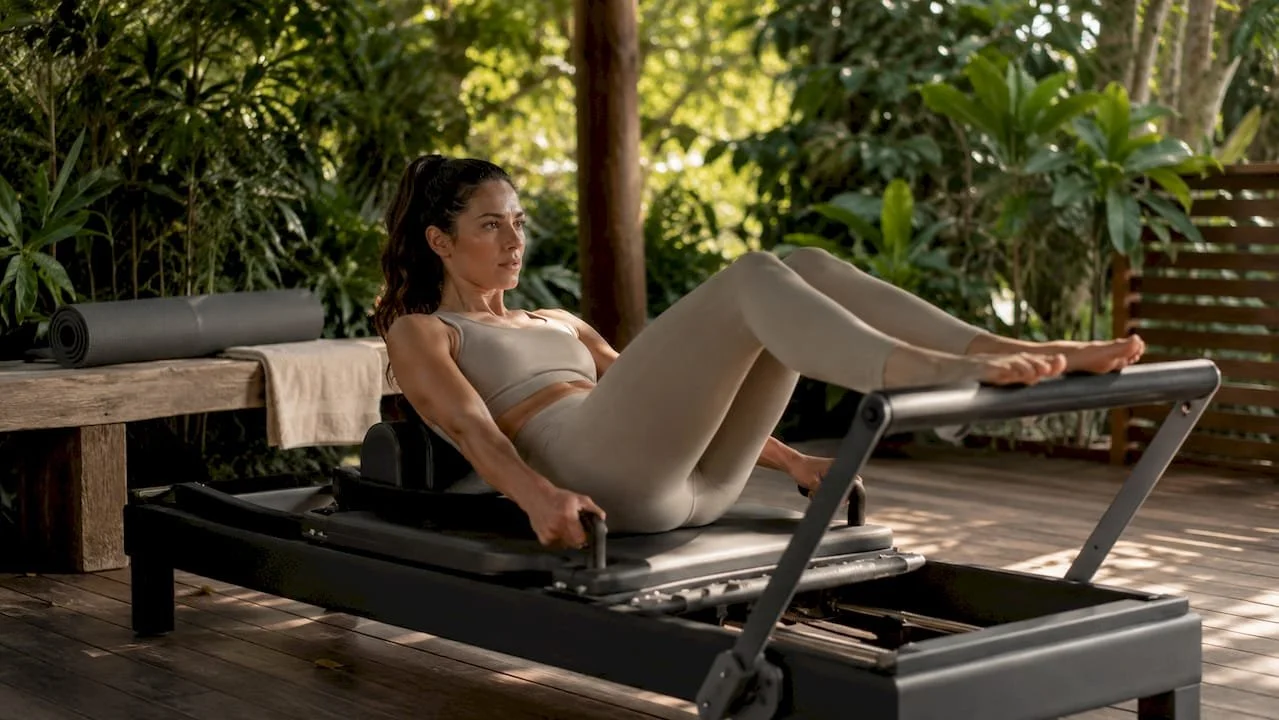
Reformer Pilates is a spring-loaded resistance exercise system, developed from Joseph Pilates' original method, that builds core strength, improves flexibility, and corrects posture through controlled movement on a sliding carriage. The apparatus uses adjustable springs, a footbar, and straps to create resistance in both the pushing and pulling phases of each exercise. This makes it distinctly different from mat Pilates or conventional gym training. Whether you are recovering from an injury, managing chronic pain, or simply looking for a low-impact workout that delivers real results, reformer Pilates addresses all of those goals within a single practice.
What is reformer Pilates good for physically?
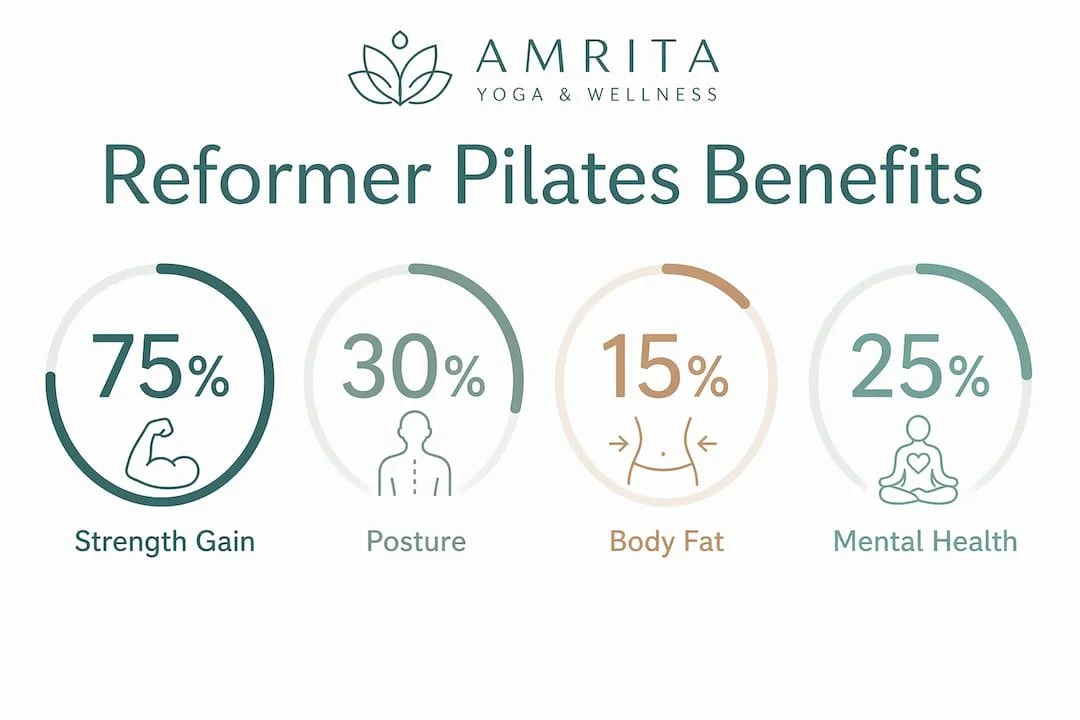
Reformer Pilates produces measurable physical improvements across strength, posture, and body composition. A consistent 8-week protocol of two to three sessions per week shows statistically significant gains in muscular strength, endurance, BMI reduction, and fat mass loss, with results reaching p < 0.001. That level of statistical confidence means the improvements are not random. They are reliable and repeatable.
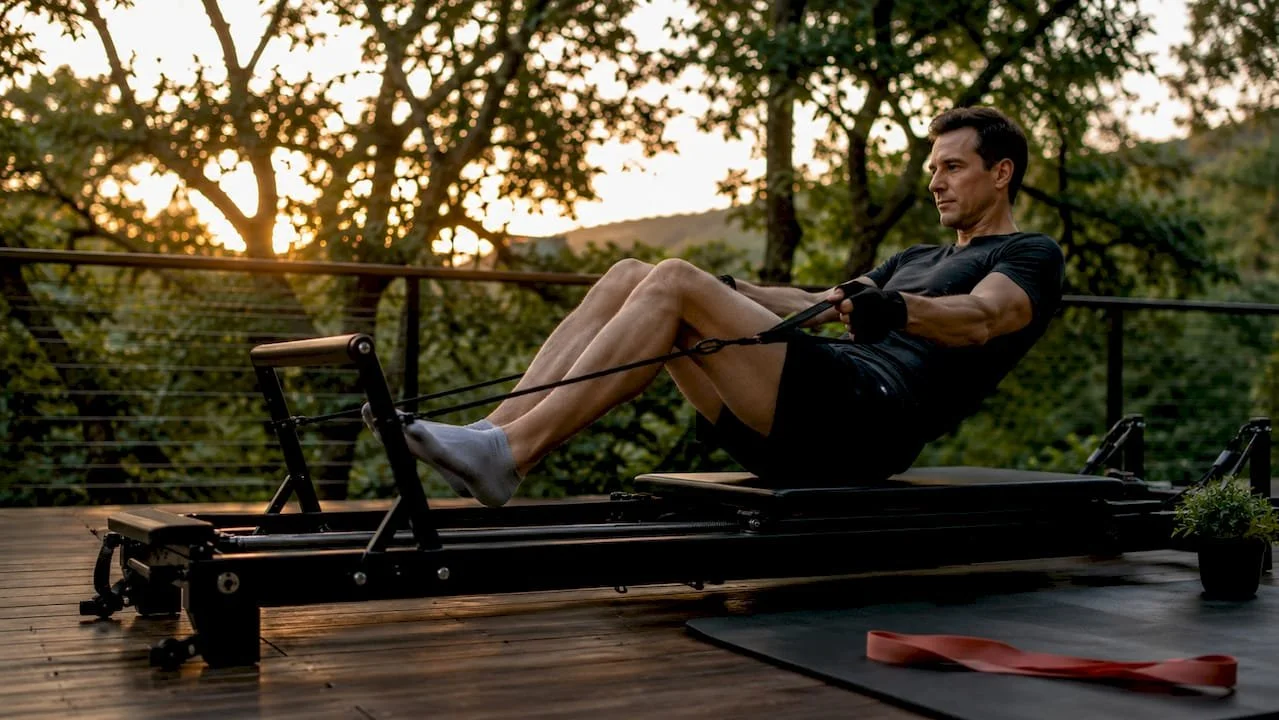
The mechanism behind these results is dual-phase muscle engagement. Reformer Pilates challenges muscles eccentrically and concentrically during every controlled resistance movement. Eccentric loading, the lengthening phase, is where most gym-based training falls short. The reformer forces your muscles to work hard in both directions, which builds functional strength and corrects imbalances that standard weight training misses entirely.
Core activation is another standout benefit. The sliding carriage creates an unstable surface that demands constant engagement from deep stabilizer muscles, including the transverse abdominis and multifidus. These are the muscles that protect your spine and support your posture. Traditional exercises like squats or bench press rarely target them directly.
Key physical benefits include:
Muscular strength and endurance across major and stabilizer muscle groups
Postural alignment with large effect sizes documented in recent research
Body composition improvements including fat mass reduction and BMI changes
Spinal stability through deep core muscle activation
Functional movement patterns that transfer to daily activities
Pro Tip: Start with lighter spring resistance and focus on form before adding load. The reformer rewards precision over power, especially in the first few weeks.
How does reformer Pilates support injury recovery?
Reformer Pilates is one of the most adaptable rehabilitation tools available for low-impact exercise. The spring resistance system allows a practitioner to reduce load significantly, making it safe for people with joint pain, post-surgical recovery needs, or chronic conditions. Research validates its benefits for older adults at risk of falls, fibromyalgia patients, and people managing chronic pain, across studies spanning 2018 to 2025.
Fall risk reduction is a particularly well-documented outcome. Reformer Pilates improves balance and lower body strength simultaneously, two factors that directly reduce fall incidents in older adults. The controlled, slow movements also retrain neuromuscular coordination, which declines with age and inactivity.
One underappreciated rehabilitation benefit is imbalance detection. Reformer Pilates exposes hidden mobility gaps and muscle weaknesses that conventional training overlooks. Even trained athletes report difficulty controlling the reformer's movements at first. That difficulty is diagnostic. It tells you exactly where your body compensates and where it needs work.
Rehabilitation-specific advantages include:
Graded progression by adjusting spring tension as strength returns
Joint-friendly loading that avoids the compressive forces of free weights
Balance and proprioception training built into every exercise
Chronic pain management for conditions like fibromyalgia and lower back pain
Imbalance correction that prevents re-injury after returning to sport
Pro Tip: Always inform your instructor about any injuries or medical conditions before your first session. A qualified teacher will modify exercises to match your current capacity and keep you safe.
What psychological benefits does reformer Pilates offer?
Reformer Pilates produces measurable mental health improvements alongside its physical effects. A 2025 study on office workers found significant reductions in anxiety, depression, and social appearance anxiety after an 8-week reformer Pilates program. Quality of life scores and body appreciation also improved with moderate to large effect sizes. These are not anecdotal outcomes. They are statistically supported findings.
The mind-body connection built through reformer Pilates is central to these results. Each session requires focused breathing coordinated with precise movement. That level of attention pulls your mind away from external stressors and into the present moment. Over time, this practice builds body awareness that extends beyond the studio.
Sedentary workers benefit especially. Office-based adults who spend most of their day seated accumulate postural stress, muscle tension, and psychological fatigue. Reformer Pilates addresses all three simultaneously. The physical release of tight hip flexors and rounded shoulders has a direct effect on mood and energy levels.
"Reformer Pilates improves psychological wellbeing by reducing anxiety, depression, and social appearance anxiety, and enhancing quality of life and body appreciation among sedentary and older adults." — BMC Sports Science, Medicine and Rehabilitation, 2025
Consistency amplifies these psychological gains. Practitioners who attend two to three sessions per week report faster improvements in mood and body image than those who practice sporadically. The learning curve itself, mastering new movements and building control, contributes to a sense of accomplishment that supports mental resilience.
What should beginners expect from reformer Pilates?
Reformer Pilates for beginners starts with an orientation phase focused entirely on machine mechanics. New users need to master the carriage, spring settings, footbar positions, and strap adjustments before performing full exercises. This is not a weakness. It is a necessary foundation that protects you and makes every subsequent session more effective.
Coordination challenges are normal and temporary. Most beginners resolve them within 3–5 sessions as their neuromuscular system adapts to the machine's demands. The first session often feels more mentally taxing than physically exhausting, because you are learning movement patterns, not just exercising.
Expect delayed onset muscle soreness after your first few sessions. Deep core and stabilizer muscles that rarely get targeted in conventional workouts will feel the work. This soreness decreases quickly as your body adapts.
Here is a practical starting sequence for new practitioners:
Book a beginner or fundamentals class. These sessions teach machine setup and basic movement vocabulary at a safe pace.
Arrive early. Give yourself time to meet the instructor and ask about spring resistance before class starts.
Communicate your health history. Mention any injuries, surgeries, or chronic conditions so the instructor can modify exercises.
Focus on breath and control. Speed and load come later. Precision is the goal in early sessions.
Attend consistently. Two sessions per week for the first month builds the neuromuscular foundation faster than sporadic attendance.
Reformer Pilates vs. mat Pilates: key differences
| Feature | Reformer Pilates | Mat Pilates |
|---|---|---|
| Resistance | Adjustable spring resistance | Bodyweight only |
| Muscle engagement | Eccentric and concentric phases | Primarily concentric |
| Injury adaptability | High, springs reduce joint load | Moderate |
| Equipment required | Reformer machine | Mat only |
| Learning curve | Steeper, machine orientation needed | Gentler for beginners |
| Core activation depth | Deep stabilizers targeted | Surface muscles emphasized |
Pro Tip: If you have done mat Pilates before, do not assume the reformer will feel familiar. The spring resistance changes the movement dynamics completely. Approach it as a new skill.
How does reformer Pilates compare to other exercise types?
Reformer Pilates occupies a unique position in the fitness spectrum. It serves as a comprehensive wellness tool for foundational strength and imbalance correction, but it is not a direct replacement for high-volume sport-specific training. A marathon runner still needs long runs. A powerlifter still needs heavy compound lifts. Reformer Pilates fills the gaps those modalities leave behind.
The dual-phase muscle engagement that defines reformer Pilates is its clearest differentiator. Traditional weight training loads muscles primarily in the concentric phase. Aerobic exercise builds cardiovascular capacity but does little for stabilizer strength. Reformer Pilates targets both the push and pull of every movement, which builds the kind of balanced strength that supports all other physical activities.
| Exercise type | Impact level | Stabilizer engagement | Injury risk | Mental health effect |
|---|---|---|---|---|
| Reformer Pilates | Low | High | Low | Strong positive |
| Mat Pilates | Low | Moderate | Low | Moderate positive |
| Weight training | Low to high | Low to moderate | Moderate | Moderate positive |
| Aerobic exercise | Moderate to high | Low | Moderate to high | Strong positive |
The table above shows why reformer Pilates is particularly well-suited for people returning from injury, managing chronic conditions, or building a fitness base. Its low impact and high stabilizer engagement combination is rare among mainstream exercise options.
Key Takeaways
Reformer Pilates delivers evidence-backed improvements in core strength, posture, body composition, and mental health through low-impact spring resistance training that targets deep stabilizer muscles conventional exercise misses.
| Point | Details |
|---|---|
| Physical strength gains | An 8-week protocol at 2–3 sessions per week produces significant strength, endurance, and posture improvements. |
| Rehabilitation adaptability | Adjustable spring resistance makes it safe and effective for injury recovery, chronic pain, and fall prevention. |
| Mental health benefits | Research shows reduced anxiety, depression, and social appearance anxiety after consistent reformer Pilates practice. |
| Beginner learning curve | Coordination challenges typically resolve within 3–5 sessions once machine mechanics are understood. |
| Not a standalone solution | Reformer Pilates builds foundational fitness best when integrated with other activities suited to your specific goals. |
Why reformer Pilates surprised me
I expected reformer Pilates to feel like a gentler version of gym training. It does not. The first time I worked through a basic footwork sequence on the carriage, my inner thighs and deep abdominals were working harder than they had in months of conventional strength sessions. That is the thing about this practice: the resistance is subtle, but the demand on stabilizer muscles is not.
What I find most compelling is the diagnostic quality of the reformer. The machine does not let you cheat. If one hip is tighter than the other, the carriage will show you. If your core disengages mid-movement, you lose control of the slide. This honest feedback loop accelerates progress in a way that free weights simply cannot replicate.
The mental health angle is also real, not just a wellness marketing claim. The focused breathing and deliberate movement patterns create a meditative quality that reduces mental noise. Practitioners who come in stressed often leave noticeably calmer. That outcome is consistent enough to be considered a feature of the practice, not a side effect.
My advice for anyone considering reformer Pilates: commit to at least six sessions before forming an opinion. The first two are orientation. The next two are adaptation. Sessions five and six are where you start to feel what the practice actually does. Pair it with your existing fitness routine rather than replacing it, and you will notice improvements in how your body moves across everything else you do.
— Juiced
Reformer Pilates classes at Amrita Yoga & Wellness
Amritayogawellness offers reformer Pilates classes designed for practitioners at every level, from complete beginners learning machine fundamentals to experienced movers building on an established practice. The studio's Philadelphia location provides a structured, instructor-led environment where you get personalized attention on spring settings, footbar alignment, and movement technique.
Beginner sessions at Amrita Yoga & Wellness focus on the orientation phase that research identifies as critical for safe, effective progress. Instructors guide you through machine mechanics before any exercise load is added. If you are managing an injury or chronic condition, the team can adapt exercises to your current capacity. Browse the full reformer Pilates class schedule or explore the studio's broader wellness offerings to find the right combination of practices for your goals.
FAQ
What does reformer Pilates do for your body?
Reformer Pilates builds muscular strength, improves posture, reduces body fat, and activates deep stabilizer muscles through spring-loaded resistance. Research shows significant improvements in all these areas after just 8 weeks of consistent practice.
Is reformer Pilates good for beginners with no experience?
Yes. Beginner and fundamentals classes teach machine mechanics and movement basics at a safe pace. Most new practitioners resolve coordination challenges within 3–5 sessions.
Can reformer Pilates help with injury recovery?
Reformer Pilates is validated as a low-impact rehabilitation method for older adults, fibromyalgia patients, and people with chronic pain. Adjustable spring resistance allows graded loading that protects joints while rebuilding strength.
How often should you do reformer Pilates to see results?
Two to three sessions per week for 8 weeks produces statistically significant improvements in strength, endurance, posture, and psychological wellbeing, based on current research findings.
Is reformer Pilates better than mat Pilates?
Reformer Pilates offers greater resistance variety, deeper stabilizer muscle engagement, and higher injury adaptability than mat Pilates. Mat Pilates requires no equipment and has a gentler learning curve, making it a solid complement rather than a direct competitor.
Recommended
Benefits of Yoga and Pilates for Your Fitness and Mind
TL;DR:
Yoga and Pilates are complementary practices that enhance physical fitness, mental well-being, and long-term health. Pilates excels in alleviating chronic back pain and improving core strength, while yoga significantly reduces stress, anxiety, and supports cardiometabolic health. Consistent practice over eight to twelve weeks, combining two to three sessions weekly, maximizes both physical and psychological benefits.
Yoga and Pilates are complementary mind-body exercise systems that deliver distinct and overlapping benefits for physical fitness, mental well-being, and long-term health. Yoga is a practice rooted in postures, breathwork, and focused attention, while Pilates is a controlled movement system built around core strength, posture correction, and muscular endurance. Together, the benefits of yoga and Pilates cover a wide spectrum: from reducing chronic pain and improving flexibility to lowering anxiety and supporting emotional regulation. Recent 2026 meta-analyses confirm both practices produce measurable improvements in stress, back pain, and cardiometabolic health, making them two of the most evidence-supported options for adults pursuing holistic fitness.
What are the main physical benefits of yoga and Pilates?
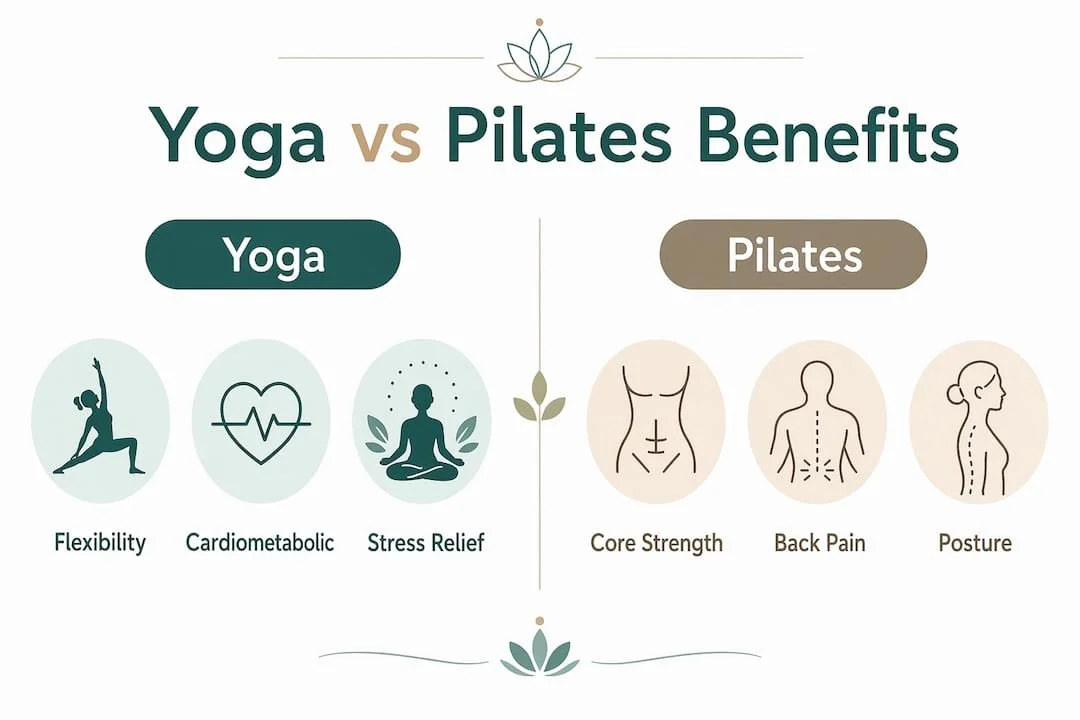
Yoga and Pilates each target physical fitness from a different angle, and understanding that difference helps you get more from both. Yoga builds flexibility, joint mobility, and muscular strength through sustained postures and flowing sequences. Pilates develops core stability, postural alignment, and muscular endurance through precise, controlled movements that demand full-body coordination.
The pain relief evidence for Pilates is particularly strong. A meta-analysis of 35 RCTs involving 2,132 participants found that Pilates produced a mean difference of MD=−1.14 on chronic low back pain, outperforming yoga and most other exercise modalities. That result means Pilates is not just a gentle stretch routine. It is one of the most clinically validated tools for back pain management available to adults without surgery or medication.
Yoga's physical benefits extend into cardiometabolic health. A meta-analysis of 30 RCTs found that yoga reduced systolic blood pressure by 4.35 mmHg and diastolic blood pressure by 2.06 mmHg in adults with overweight or obesity, with additional improvements in LDL and HDL cholesterol. For adults managing cardiovascular risk factors, a consistent yoga practice is a meaningful intervention, not a supplement to real exercise.
| Physical benefit | Yoga | Pilates |
|---|---|---|
| Flexibility | Strong improvement via sustained postures | Moderate, through full-range-of-motion movement |
| Core strength | Moderate, through stabilizing poses | Primary focus of every session |
| Posture correction | Moderate | Strong, especially with reformer work |
| Chronic back pain relief | Moderate evidence | Superior analgesic effect vs. most exercise types |
| Cardiometabolic health | Significant in overweight adults | Limited direct evidence |
| Balance and body awareness | Strong | Strong |
Pro Tip: Aim for at least two to three sessions per week for a minimum of eight weeks before evaluating physical results. Single sessions produce temporary relief. Sustained practice produces structural change.
How do yoga and Pilates benefit mental health?
Both practices produce measurable psychological benefits, and the mechanisms behind them are well understood. Yoga's mental health effects come primarily from breath control, mindfulness cues embedded in class instruction, and the parasympathetic activation that sustained movement and stillness produce. Pilates contributes through mind-body coordination, the concentration required for precise movement, and the sense of physical competence that builds over time.
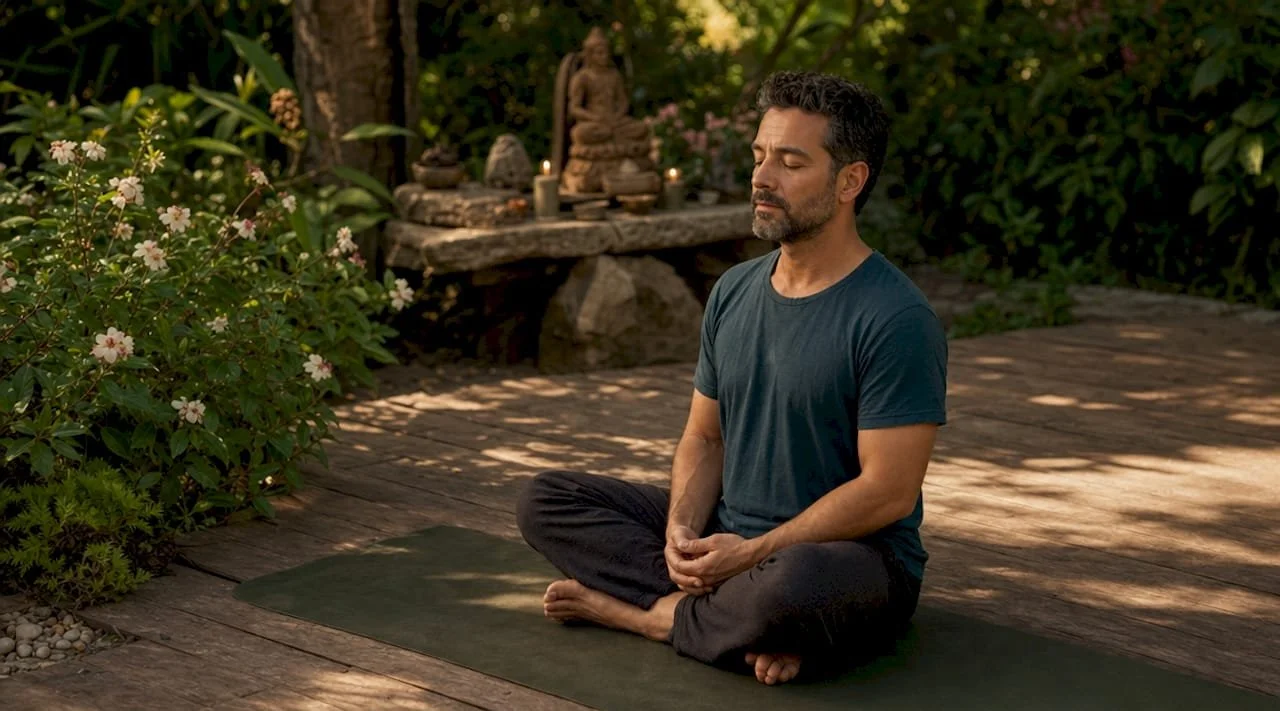
A systematic review and meta-analysis of 30 controlled studies with 2,288 participants found that yoga interventions produced effect sizes of ES=−0.54 for stress, ES=−0.52 for anxiety, and ES=−0.50 for depression. Those are moderate effect sizes, comparable to many pharmaceutical interventions for mild-to-moderate conditions. The review also found that benefits increased with participant age, meaning adults over 40 tend to see stronger results than younger participants.
Program length is a critical factor that most people underestimate. A meta-analysis of over 24,000 participants found that mindfulness-based programs, including yoga, produced a pooled effect size of Hedges' g=−0.45 for anxiety, stress, and depression combined, with stronger effects for anxiety (g=−0.56) and for programs lasting 8 to 12 weeks. Short programs or irregular attendance produce underwhelming results. The dose matters as much as the practice itself.
The mental health benefits of both practices include:
Stress reduction: Yoga's breathwork directly activates the parasympathetic nervous system, lowering cortisol and heart rate. Pilates achieves similar effects through focused concentration and physical exertion.
Anxiety relief: Structured mindfulness-based programs show the strongest anxiety reductions among all mental health outcomes studied.
Depression support: Both practices improve mood through movement, social connection in group classes, and the neurochemical effects of regular physical activity.
Sleep quality: A four-week Pilates program showed significant sleep improvements (p=0.004) in adults with chronic low back pain, a population where poor sleep is nearly universal.
Emotional regulation: Yoga's emphasis on present-moment awareness builds the same attentional skills that cognitive behavioral therapy targets.
Pro Tip: If mental health is your primary goal, choose a yoga class that explicitly incorporates breathwork and mindfulness cues, such as a restorative, yin, or trauma-informed format. A flow class focused on physical intensity will produce fewer psychological benefits than a slower, breath-centered practice.
What is the difference between yoga and Pilates?
The difference between Pilates and yoga is best understood as a difference in primary emphasis, not a difference in quality or difficulty. Both are mind-body movement systems that develop balance, flexibility, and body awareness. But yoga prioritizes mindfulness, stress reduction, and a spiritual or philosophical framework, while Pilates prioritizes core stability, postural alignment, and controlled muscular engagement.
Yoga sessions typically require only a mat and can range from deeply restorative to physically demanding, depending on the style. Hatha, yin, and restorative yoga are gentle and meditative. Vinyasa, Ashtanga, and hot yoga are vigorous and cardiovascular. Pilates mat classes are accessible and equipment-free, while reformer Pilates uses a spring-resistance machine that adds load and precision to every movement. Reformer sessions tend to be more individualized and are often used in physical therapy settings for rehabilitation.
A common misconception is that both practices are "too gentle" to produce real fitness results. The clinical evidence on Pilates for back pain and the cardiometabolic data on yoga directly contradict that view. Both practices produce measurable physiological changes when practiced consistently at the right intensity.
Here is a practical breakdown of where the two practices differ and overlap:
Breath use: Yoga uses breath as a mindfulness anchor and a guide for movement transitions. Pilates uses breath to stabilize the core and coordinate muscular engagement.
Spiritual dimension: Yoga carries philosophical roots in Indian traditions and often includes meditation, intention-setting, or chanting. Pilates has no spiritual component.
Equipment: Yoga requires a mat. Pilates can use a mat, reformer, Cadillac, or Wunda chair.
Instructor training: Both require specialized certification, but Pilates teacher training, especially for reformer instruction, tends to be more anatomy-focused and longer in duration.
Shared benefits: Both improve balance and body awareness, reduce stress, and build functional movement quality that transfers to daily life.
For a deeper comparison of how to choose between the two based on your specific fitness goals, the yoga vs Pilates guide at Amritayogawellness covers the decision framework in detail.
How to integrate yoga or Pilates into your wellness routine
Choosing between yoga and Pilates, or combining both, depends on your primary health goal. If chronic back pain or postural issues are your main concern, start with Pilates. If stress, anxiety, or emotional regulation is the priority, start with yoga. If you want both physical and mental benefits simultaneously, a combined weekly schedule produces the broadest results.
Here is a practical framework for building a sustainable practice:
Define your primary goal. Back pain relief, core strength, flexibility, stress reduction, and sleep improvement each point toward different starting points and class formats.
Commit to a minimum of eight weeks. Both the Pilates back pain research and the mindfulness meta-analyses confirm that shorter programs produce weaker results. Eight to twelve weeks is the threshold for meaningful change.
Schedule two to three sessions per week. Once-weekly practice produces some benefit but falls below the dose needed for significant physical or psychological outcomes.
Choose qualified instructors. For Pilates, look for instructors certified through the Pilates Method Alliance or a recognized studio training program. For yoga, Yoga Alliance registration (RYT-200 or higher) indicates a baseline standard of training.
Track functional outcomes, not just how you feel after class. Note changes in pain levels, sleep quality, emotional reactivity, and physical performance over four-week intervals. These markers tell you whether the practice is working before you feel the full effect.
Consider combining both. Two Pilates sessions and one yoga session per week covers core strength, postural work, and mindfulness in a manageable schedule. The benefits of Pilates and yoga compound when practiced together rather than treated as competing options.
Pro Tip: If you are new to both practices, start with a beginner Pilates mat class before moving to reformer work. The mat builds the body awareness and core engagement patterns that make reformer sessions far more effective and safe.
For adults managing stress alongside physical fitness goals, pairing your practice with stress reduction techniques from evidence-based frameworks can accelerate the mental health benefits of both yoga and Pilates.
Key takeaways
Both yoga and Pilates produce clinically significant physical and mental health benefits, with Pilates showing superior results for chronic back pain and yoga showing stronger effects for stress, anxiety, and cardiometabolic health.
| Point | Details |
|---|---|
| Pilates leads on back pain | Meta-analysis of 35 RCTs confirms Pilates outperforms yoga and most exercise types for chronic low back pain relief. |
| Yoga targets stress and anxiety | Effect sizes of ES = -0.52 for anxiety and ES = -0.54 for stress make yoga a clinically meaningful mental health tool. |
| Eight to twelve weeks is the minimum | Programs shorter than eight weeks consistently show weaker outcomes across both physical and psychological measures. |
| Combining both practices maximizes results | Pilates covers core strength and posture; yoga covers mindfulness and stress reduction. Together they address the full spectrum. |
| Functional outcomes matter most | Pain levels, sleep quality, and emotional reactivity are better progress markers than how you feel immediately after a session. |
Why I think most people underestimate what these practices actually do
Most adults approach yoga or Pilates expecting a gentle supplement to their "real" workout. That framing is the single biggest reason people quit before they see results. The clinical data tells a different story. A mean difference of MD=−1.14 on chronic back pain from Pilates is not a wellness trend. It is a result that competes with physical therapy protocols. Yoga's effect on blood pressure and anxiety is not anecdotal. It is replicated across thousands of participants in controlled trials.
What I have observed, both personally and through the Amritayogawellness community in Philadelphia, is that the people who get the most from these practices are the ones who stop treating them as interchangeable. Yoga and Pilates are not the same thing done in different clothes. Yoga asks you to regulate your nervous system through attention and breath. Pilates asks you to stabilize your spine through precise muscular control. Both skills are worth developing, and they reinforce each other in ways that neither practice achieves alone.
The other pattern I see consistently: people expect results in two or three weeks and walk away when they do not feel transformed. The research is clear that eight to twelve weeks is the threshold. Patience is not a personality trait here. It is a clinical requirement. If you are exploring these practices for the first time, give yourself a full program cycle before you evaluate whether it is working.
— Juiced
Explore holistic wellness at Amrita Yoga & Wellness
Amritayogawellness offers yoga, Pilates, barre, tai chi, and massage therapy at its Philadelphia studio, with classes designed for every level from complete beginners to advanced practitioners. Whether you are starting with a mat Pilates class to address back pain or exploring restorative yoga for stress relief, the studio provides qualified instruction across all the practices covered in this article.
Beyond movement classes, Amritayogawellness also offers tarot readings as part of its holistic wellness programming. Tarot sessions provide a structured space for personal reflection and self-inquiry, complementing the mindfulness work you develop through yoga and Pilates. For adults who want to integrate physical, mental, and reflective practices into a single wellness routine, Amritayogawellness brings all of those offerings together under one roof in Philadelphia.
FAQ
What are the main benefits of yoga and Pilates together?
Combining yoga and Pilates addresses both core strength and mental well-being simultaneously. Yoga reduces stress and anxiety with effect sizes comparable to mild clinical interventions, while Pilates delivers superior results for chronic back pain and postural alignment.
Is Pilates or yoga better for back pain?
Pilates produces stronger results for chronic low back pain. A meta-analysis of 35 RCTs found Pilates outperformed yoga and most other exercise types on both pain intensity and functional disability measures.
How long does it take to see results from yoga or Pilates?
Meaningful physical and mental health improvements typically require eight to twelve weeks of consistent practice at two to three sessions per week. Programs shorter than eight weeks show significantly weaker outcomes across both practices.
What is the difference between yoga and Pilates for mental health?
Yoga produces moderate effect sizes for stress (ES=−0.54), anxiety (ES=−0.52), and depression (ES=−0.50) through breathwork and mindfulness. Pilates supports mental well-being through physical competence and mind-body coordination, but with less direct evidence for psychological outcomes than yoga.
Can beginners do both yoga and Pilates at the same time?
Yes, and combining both from the start is practical. A beginner schedule of two Pilates mat sessions and one yoga session per week covers core stability, posture, and stress reduction without overloading recovery. Start with mat-based formats in both practices before progressing to reformer Pilates or advanced yoga styles.
Recommended
Reformer Pilates benefits for core strength and flexibility
TL;DR:
Reformer Pilates is a scientifically supported method that enhances strength, flexibility, and mental health through controlled, spring-resisted movements. Its equipment promotes precise core engagement and stability, making it suitable for rehabilitation and low-impact exercise. The benefits extend beyond physical gains, actively supporting emotional well-being and long-term fitness sustainability.
If you've ever dismissed reformer Pilates as a gentle stretch session for people who want to avoid "real" exercise, you're not alone in that assumption. But the research tells a completely different story. Reformer Pilates is designed to improve strength, endurance, mobility, flexibility, balance, and mental health through controlled, spring-resisted movements and coordinated breathing. Those aren't soft claims. They're measurable outcomes that show up consistently in clinical studies, and they're exactly what adults in Philadelphia who want powerful results without punishing their joints are looking for.
Table of Contents
Key Takeaways
| Point | Details |
|---|---|
| Low-impact, high results | Reformer Pilates can boost core strength and flexibility without stressing joints. |
| Research-backed benefits | Studies show improvements in endurance, muscle tone, and even mental health outcomes. |
| Adaptable for all levels | Adjustable resistance makes reformer Pilates accessible for beginners to experienced athletes. |
| Instructor guidance matters | Quality instruction and gradual progression maximize safety and effectiveness. |
How reformer Pilates works: Key mechanics and methodology
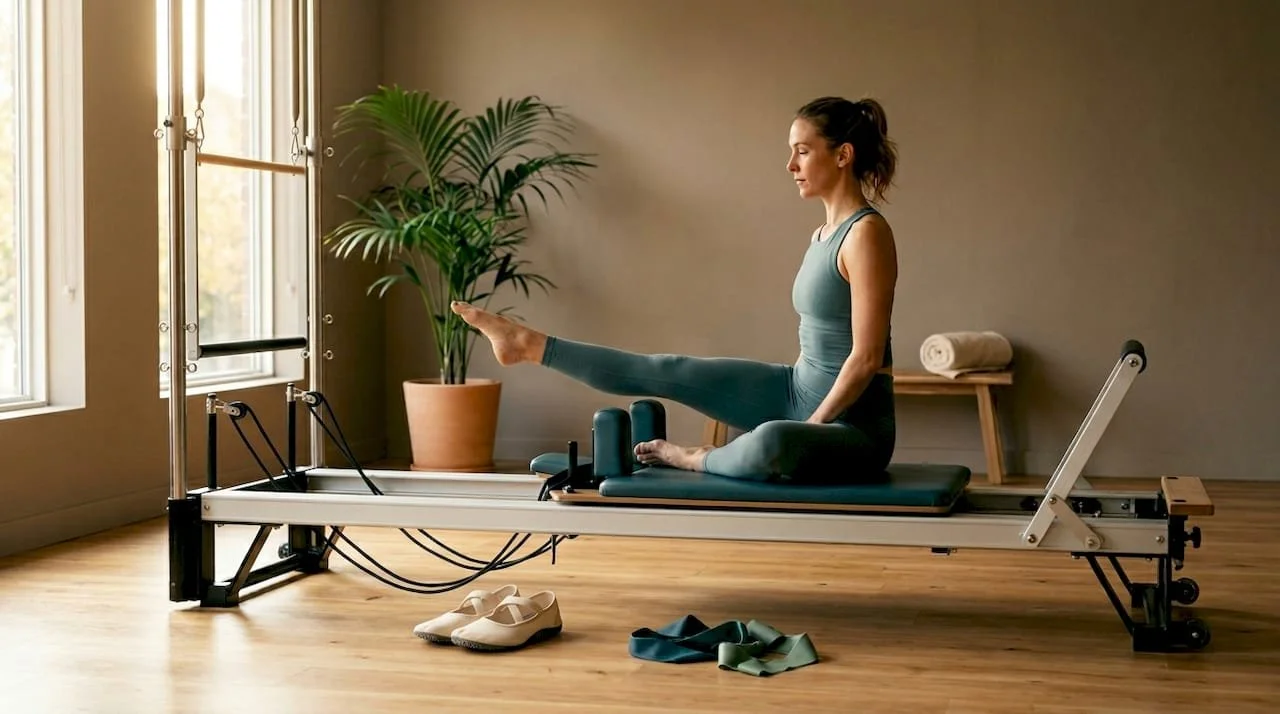
Understanding what makes reformer Pilates so effective starts with the equipment itself. The reformer is a sliding carriage mounted on a rectangular frame, connected to a series of adjustable springs. Those springs create variable resistance as you push or pull the carriage. You can work with lighter tension for mobility-focused exercises or heavier tension to challenge strength and stability. That simple adjustment changes everything about the difficulty and intent of each movement.
What separates reformer Pilates from most gym machines is that the resistance is never locked into a single plane of motion. You're constantly stabilizing your body against the moving carriage while coordinating your breath with each repetition. This means your core is always engaged, even when the target muscle is your hamstring or shoulder. Controlled movement and spring-resisted ranges allow instructors to cue precise core engagement and stability while adjusting resistance to match exactly where you are right now, not where the average person is.
Key features of a standard reformer include:
Carriage: The sliding platform you lie, sit, kneel, or stand on
Springs: Color-coded for resistance levels, typically ranging from very light to heavy
Footbar: Adjustable bar you push against with your feet or hands
Straps and handles: Used for pulling exercises targeting the back, arms, and hip flexors
Shoulder blocks: Prevent you from sliding during leg-press movements
Pro Tip: Before your first class, ask your instructor to walk you through spring settings. Understanding which color corresponds to which resistance level helps you get more out of every movement.
"Reformer Pilates teaches you to move intentionally. The equipment provides feedback your body simply doesn't get from free weights or cardio machines." This precision is what makes even simple-looking exercises surprisingly demanding.
If you're just getting started, a solid beginner's guide to reformer Pilates will help you understand what to expect from your first few sessions. And if you're curious about how different machines compare, exploring pilates reformer types can help you find the right fit for your goals.
Physical benefits: Core strength, flexibility, and more
With a clear understanding of how the reformer works, the physical outcomes become easier to predict. This isn't equipment that looks impressive and does little. The results are documented and specific.
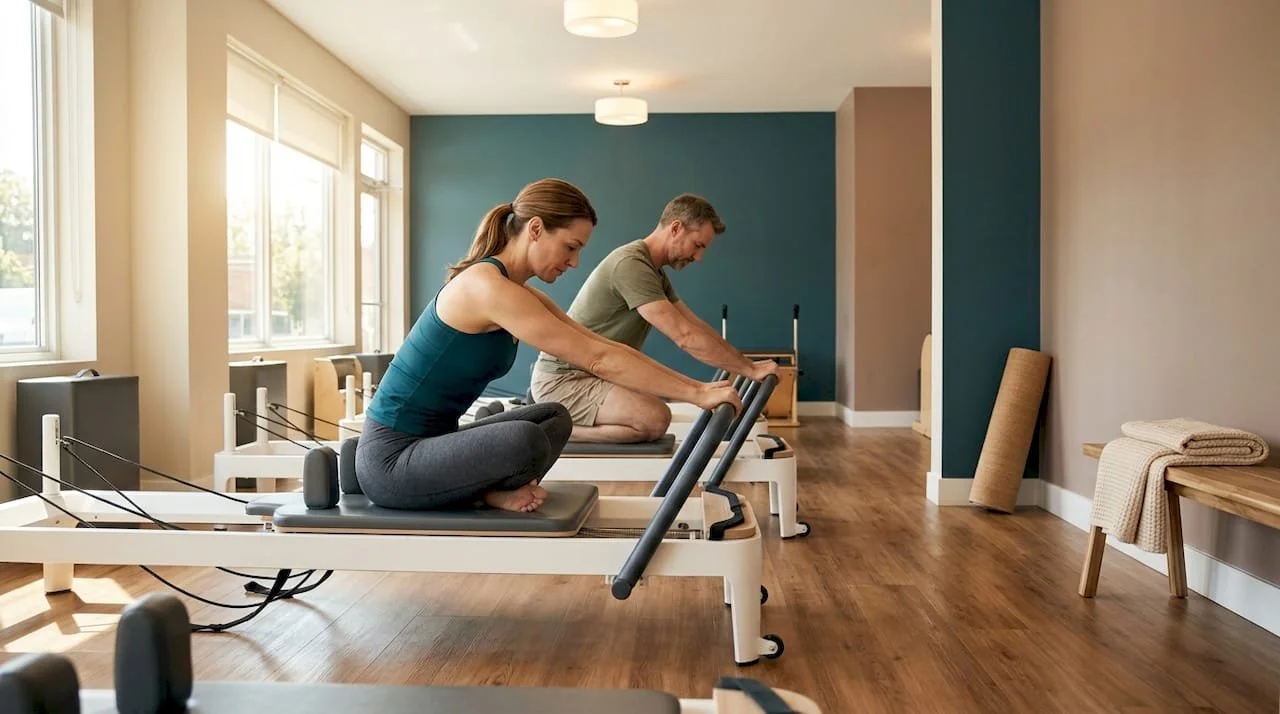
A standout finding from recent research: reformer Pilates improves body composition, upper-extremity strength, muscular endurance, and psychosocial measures including depression and anxiety in overweight and obese adults. That's not a minor benefit list. It means reformer Pilates can shift your physical health across multiple dimensions at once, and it does it without the joint stress of running, lifting heavy loads, or high-impact interval training.
An 8-week structured program produces measurable increases in muscle strength and endurance, with additional improvements in mobility and mental health outcomes. Eight weeks. Three sessions per week. That's a realistic timeline that most people in Philadelphia can actually commit to.
| Physical outcome | What the research shows |
|---|---|
| Core strength | Significant improvement from controlled spring-resistance work |
| Flexibility | Enhanced range of motion in hips, spine, and shoulders |
| Muscle endurance | Documented gains after 8-week programs |
| Body composition | Measurable shifts in overweight and obese participants |
| Balance and coordination | Improved through unstable carriage and multi-plane movement |
| Upper body strength | Demonstrated gains with consistent reformer training |
The benefits go deeper than what a table captures. Improved flexibility in reformer Pilates isn't just about touching your toes. It's about functional mobility, which means the kind of range of motion that makes getting out of a car, reaching overhead, or sitting at a desk for hours without pain actually manageable. The spine, hips, and shoulder girdle all respond well to the long, loaded stretches the reformer enables.
Key physical benefits you can realistically expect:
Stronger, more stable core muscles that support your lower back
Improved posture from consistent spinal alignment cues
Increased muscular endurance without bulk
Better hip mobility and hamstring length
Reduced muscle imbalances that often cause pain or poor movement patterns
Digging into core strength and flexibility benefits gives you a closer look at how these changes happen movement by movement.
Mental health and holistic wellness advantages
Physical gains are only half the story. Reformer Pilates also does something that most strength training programs don't prioritize: it actively supports your mental and emotional health.
The effects on psychosocial wellbeing are real and measurable. Research shows small-to-medium improvements in sleep quality, fatigue levels, and fear of movement, particularly in populations managing chronic pain. Depression and anxiety scores also improve with structured reformer sessions. That's not a wellness buzzword. That's a documented clinical outcome.
Why does moving on a reformer affect your mood and mental clarity? Part of it is the focused attention the practice demands. You cannot ruminate about your to-do list while coordinating your breath with a footbar press on a moving carriage. The reformer forces you into the present moment in a way that passive gym exercises simply don't.
"The mental engagement required by reformer Pilates may be just as therapeutic as the physical work. Presence and precision create a moving meditation that many participants describe as clearing mental noise."
Tips for maximizing mental health outcomes from your reformer sessions:
Arrive five minutes early to transition mentally from your day before class starts
Focus on breath first, movement second during challenging exercises
Keep a session journal noting energy levels and mood before and after class
Practice consistency rather than intensity, since frequency matters more than how hard you push
Pro Tip: If you're managing anxiety or high stress, tell your instructor before class. They can modify pacing and select exercises that feel grounding rather than overwhelming, especially in your first few weeks.
Understanding why reformer Pilates works at a deeper level can help you appreciate why the mental and physical benefits are so closely linked. Movement quality, mindful breathing, and progressive challenge all contribute to an experience that leaves you genuinely feeling better, not just tired.
Reformer vs mat Pilates: Which is better for you?
Seeing both benefits and nuances, you may wonder how reformer Pilates compares to traditional mat work. The honest answer is that neither is universally superior. They serve different purposes and fit different situations. What matters is understanding which one fits your current goals, body, and budget.
| Feature | Reformer Pilates | Mat Pilates |
|---|---|---|
| Resistance | Adjustable spring resistance | Bodyweight only |
| Accessibility | Requires studio or equipment | Practice anywhere |
| Cost | Higher (class or equipment) | Lower |
| Adjustability | High, instructor can modify | Moderate |
| Joint impact | Very low, highly supported | Low |
| Skill range | Beginner to advanced | Beginner to advanced |
| Ideal for | Rehab, precision work, strength | Home practice, travel, basics |
The reformer truly shines for people who need support. If you're recovering from an injury, managing joint sensitivity, or just starting out and worried about form, the springs and carriage provide both assistance and feedback that mat work can't replicate. You can feel when you're misaligned because the carriage will tell you.
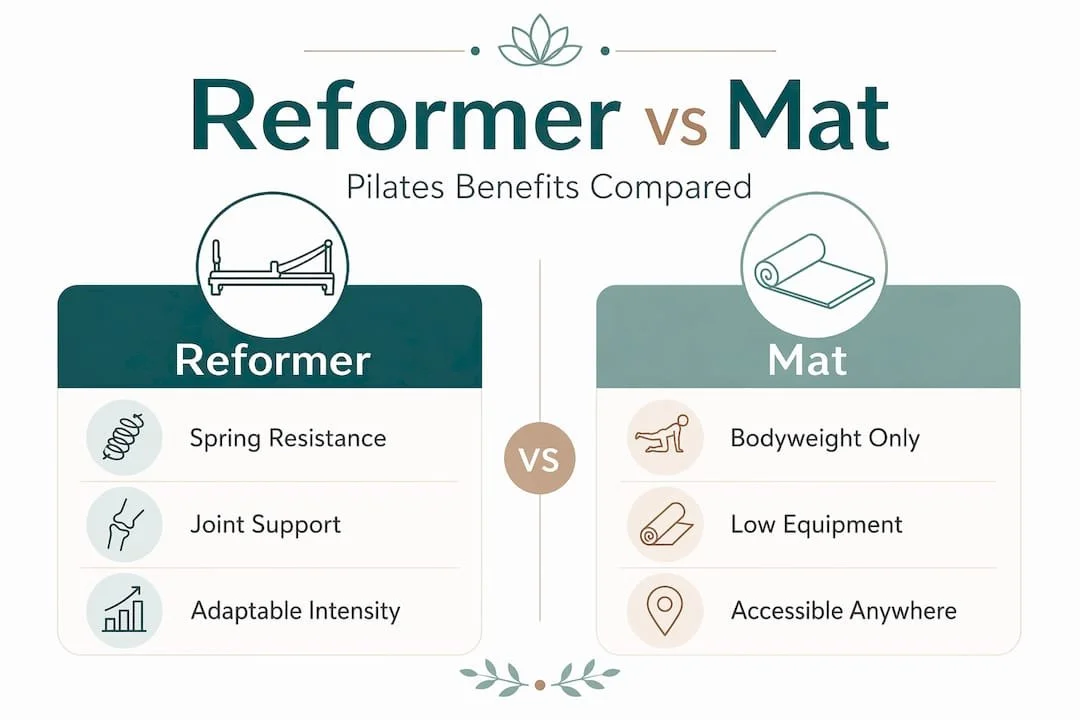
Mat Pilates has its own strengths. It's accessible, free once you know the movements, and effective for building foundational body awareness. Many dedicated reformer practitioners also do mat work at home between sessions to reinforce what they've learned.
Who benefits most from the reformer:
Adults managing chronic low back pain who need spinal support during movement
People with limited mobility who need adjustable resistance to participate safely
Those who want precise feedback on muscle activation and alignment
Athletes seeking controlled supplemental training that doesn't overload joints
Beginners who need instructor-guided progression
Pro Tip: If cost is a barrier, look for studios offering beginner class packages or introductory rates. Many people start with a few reformer sessions to learn the fundamentals and then supplement with mat practice at home.
Explore a detailed reformer vs mat Pilates comparison to help you decide what ratio makes sense for your weekly routine.
Who should (and shouldn't) do reformer Pilates?
Understanding when reformer Pilates fits your life is crucial for safe and optimal results.
The good news is that reformer Pilates is broadly adaptable as a low-impact, whole-body conditioning method. But the effectiveness depends strongly on instruction quality, appropriate progression, and thoughtful modification. It's not a one-size-fits-all solution, and treating it that way increases risk.
Who is a strong candidate for reformer Pilates:
Beginners who want structured, guided movement with a clear learning curve
Adults over 40 seeking low-impact strength work that respects joint health
Post-rehabilitation patients cleared by a physician or physical therapist
People with chronic pain who have been advised to stay active but need supported movement
Fitness enthusiasts looking for a precision-based complement to their current training
Prenatal and postnatal individuals when appropriately modified by a certified instructor
However, certain conditions make some reformer exercises inappropriate without direct medical guidance. Acute pain from a recent injury, post-surgical recovery in early stages, severe spinal structural issues, and unmanaged cardiovascular conditions all warrant caution and, in some cases, a conversation with your doctor before starting.
"Reformer Pilates is adaptable, not automatic. The machine accommodates many bodies, but only thoughtful programming and qualified instruction truly unlock its potential safely."
To start safely:
Work with a certified instructor for your first four to six sessions before attempting any independent practice
Communicate any pain, discomfort, or medical conditions before each class
Resist the urge to progress resistance quickly. Slow, controlled progression delivers better long-term results
Listen to your body and distinguish between productive challenge and warning signals
A helpful beginner pilates guide can help you approach your first sessions with confidence and realistic expectations.
What most people miss about reformer Pilates benefits
Here's a perspective you don't hear often: reformer Pilates is not magic, and the equipment is not the reason it works.
People sometimes walk into a reformer studio expecting the machine itself to deliver results. It won't. What delivers results is the quality of instruction, the intentional program design, and the consistency of practice. Evidence across populations and outcomes is still mixed in some areas. Pilates is not always clearly superior to other forms of exercise for strength and mobility goals. That's an honest finding, and it matters.
What reformer Pilates does better than most modalities is this: it meets you where you are and grows with you. That's not a marketing line. It's the functional value of adjustable resistance, skilled instructors, and a movement system designed around precision rather than intensity. For many people, that adaptability is what finally makes fitness sustainable after years of starting and stopping more demanding programs.
At Amrita Yoga & Wellness, we see this regularly. The students who get the most out of reformer work aren't necessarily the most athletic. They're the most curious. They ask questions, stay consistent, and trust the process long enough to feel the cumulative effect. That's where the real gains live.
The advice worth keeping: don't blend reformer Pilates into a chaotic wellness routine and expect clarity. Use it as a foundation. Add other practices like yoga, walking, or massage therapy around it. Explore deeper clinical reformer insights to understand how your sessions can be progressively designed to support long-term goals rather than just burning calories in a single class.
Explore reformer Pilates with expert guidance
You've seen the evidence. You understand the mechanics, the benefits, and what to watch out for. The logical next step is actually experiencing it with proper guidance rather than just reading about it.
At Amrita Yoga & Wellness, our Philadelphia studio brings together certified instructors, supportive class environments, and a genuine community of people committed to their health. Whether you're brand new to movement or returning after time away, we offer reformer Pilates sessions designed to meet you exactly where you are. Our team will walk you through equipment setup, spring selection, and modifications so your first class feels empowering, not intimidating. Explore our class schedule, workshop offerings, and wellness programs to find the right entry point for your journey.
Frequently asked questions
Is reformer Pilates good for beginners?
Yes, reformer Pilates is highly adaptable for beginners because adjustable resistance and instructor guidance allow you to start at your current fitness level and progress gradually without risking injury.
Does reformer Pilates help with back or neck pain?
Research shows that reformer Pilates may ease pain in both back and neck when exercises are specifically chosen and supervised by a qualified instructor who understands your condition.
How soon can I expect to see results from reformer Pilates?
Many people notice meaningful improvements in strength and flexibility within six to eight weeks, since reformer Pilates improves strength and endurance measurably after consistent three-times-per-week sessions over that period.
Are there risks associated with reformer Pilates?
While generally safe, risks increase with poor technique or inappropriate exercise selection, which is why instruction, progression, and modification are essential components of a safe practice from day one.
Can reformer Pilates support weight loss?
Reformer Pilates can contribute to weight management by improving body composition in overweight adults, especially when combined with balanced nutrition and a consistent overall wellness routine.