Yoga vs Pilates: find your best fitness fit in 2026
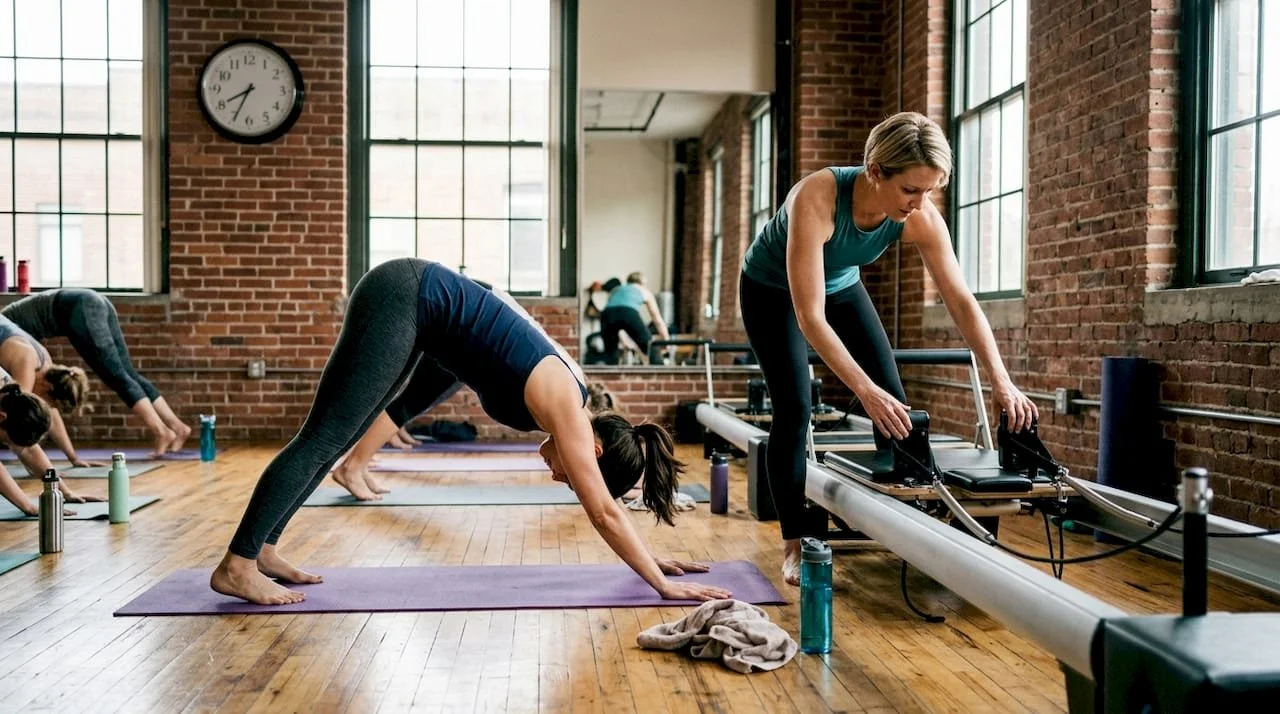
Many people believe yoga and Pilates are essentially the same workout with different names, but this misconception can lead you to miss out on the practice that truly aligns with your wellness goals. While both disciplines improve strength, flexibility, and body awareness, they stem from vastly different origins and serve distinct purposes in your fitness journey. Understanding these differences empowers you to make informed choices about which practice, or combination of both, will best support your physical health, mental clarity, and overall wellness objectives as a Philadelphia resident seeking meaningful movement practices.
Table of Contents
Key Takeaways
| Point | Details |
|---|---|
| Origins and aims | Yoga traces back over 5000 years in India as a holistic system that blends physical postures, breath control, and meditation to cultivate mind-body awareness. |
| Pilates foundations | Pilates emerged in the early 20th century under Joseph Pilates as a rehabilitation-oriented system that emphasizes core stability and precise, controlled movements. |
| Different philosophies | Yoga follows a holistic philosophy that integrates physical practice with mental, spiritual, and ethical dimensions, while Pilates centers on physical conditioning and biomechanical efficiency. |
| Practice styles | Yoga includes styles like Hatha and Vinyasa with static poses or flowing sequences, whereas Pilates uses mat work or equipment such as Reformer and emphasizes core engagement and precise breathing. |
| Key benefits | Both improve strength, flexibility, and body awareness, but yoga tends to excel at stress reduction and holistic wellness while Pilates strengthens the core and supports injury rehabilitation. |
Origins and philosophies of yoga and Pilates
The fundamental differences between yoga and Pilates begin with their origins and underlying philosophies. Yoga originated over 5,000 years ago in ancient India as a comprehensive spiritual practice designed to unite mind, body, and spirit through physical postures called asanas, breath control known as pranayama, and meditation techniques. This ancient system views physical practice as just one component of a broader journey toward self-awareness and inner peace. The traditional eight limbs of yoga encompass ethical guidelines, self-discipline, physical postures, breathing practices, sensory withdrawal, concentration, meditation, and ultimately, a state of blissful union.
In contrast, Pilates was developed in the early 20th century by Joseph Pilates, who initially called his method Contrology to emphasize the mind's control over muscles. He created this system primarily for rehabilitation purposes, helping injured soldiers and dancers recover strength and mobility through precise, controlled movements that activate deep core muscles. The method focuses on six core principles: centering, concentration, control, precision, breath, and flow. Unlike yoga's spiritual dimensions, Pilates remains firmly grounded in physical conditioning and biomechanical efficiency.
The difference between Pilates and yoga becomes clearer when examining their philosophical approaches:
Yoga embraces a holistic philosophy integrating physical, mental, and spiritual dimensions for overall wellbeing
Pilates emphasizes physical rehabilitation, core stability, and functional movement patterns for daily activities
Yoga incorporates meditation, breathwork, and mindfulness as essential practice components
Pilates prioritizes anatomical alignment, muscle balance, and controlled movement execution
Yoga traditions include ethical guidelines and lifestyle principles beyond physical exercise
Pilates focuses exclusively on physical conditioning without spiritual or philosophical frameworks
Practice styles, movements, and physical benefits
The way you move your body differs dramatically between these two disciplines. Yoga includes various styles like Hatha, which emphasizes foundational poses held for longer periods, and Vinyasa, which links breath with flowing sequences that build heat and cardiovascular endurance. Other popular styles include restorative yoga for deep relaxation, power yoga for athletic conditioning, and hot yoga practiced in heated rooms to increase flexibility. Most yoga practices involve holding static poses, transitioning through sequences, and incorporating balance challenges that engage multiple muscle groups simultaneously while cultivating body awareness.
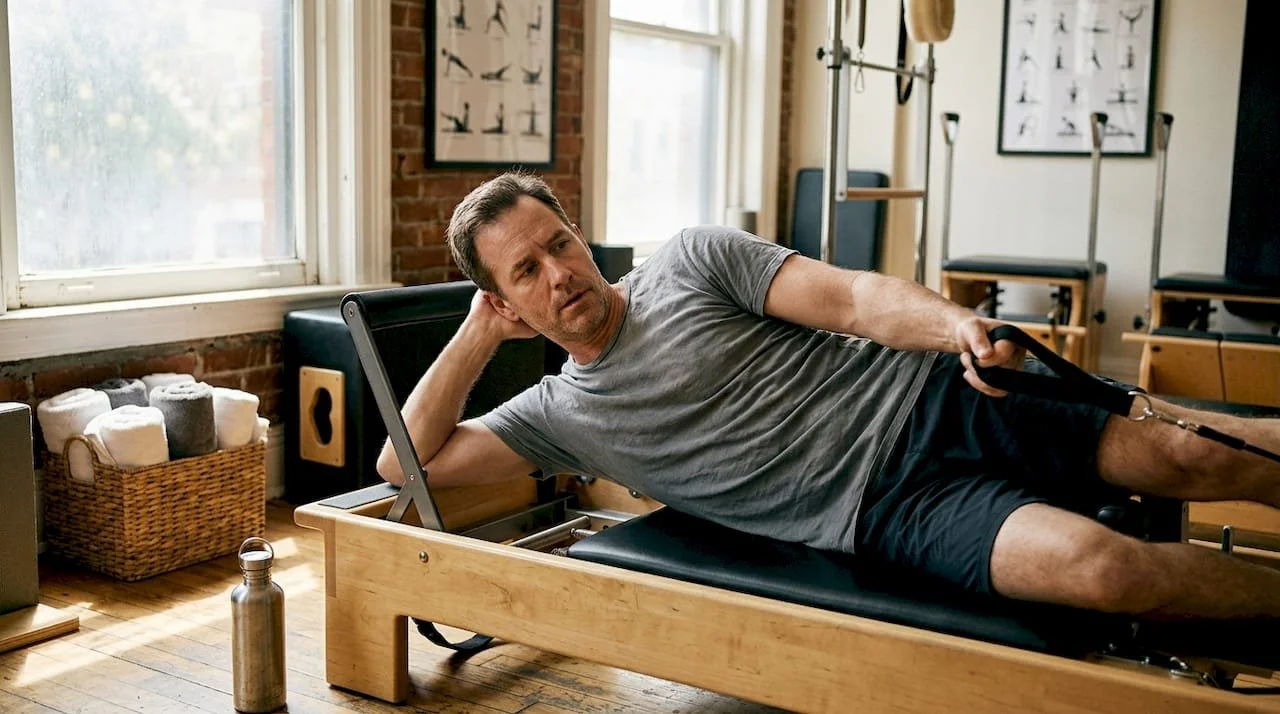
Pilates movements follow a different pattern entirely. Sessions typically involve mat work or specialized equipment like the Reformer, Cadillac, and Wunda Chair that use springs and pulleys to create resistance. Every exercise emphasizes core engagement, spinal alignment, and precise muscle activation patterns. You'll perform controlled repetitions of movements that target specific muscle groups, particularly the deep abdominal muscles, pelvic floor, and back extensors that form your body's powerhouse. The practice demands intense concentration on form, breathing patterns coordinated with movement phases, and maintaining neutral spine alignment throughout exercises.
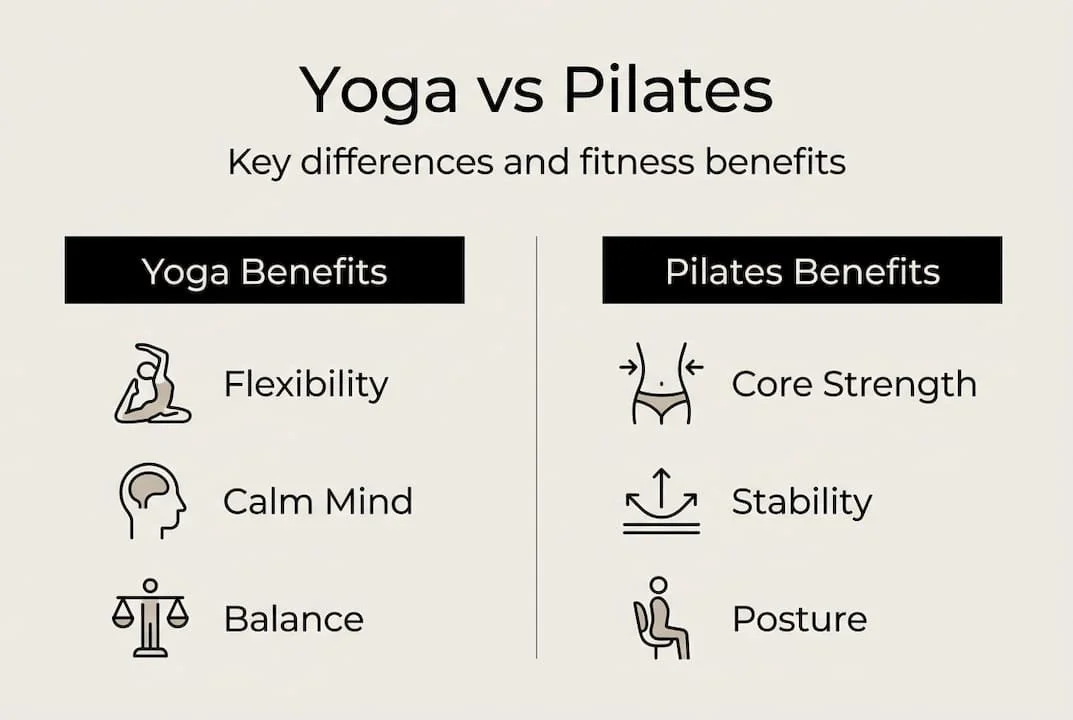
The benefits of Pilates and yoga overlap in some areas but diverge significantly in others:
Yoga vs Pilates: Key Benefits
| Benefit Category | Yoga | Pilates |
|---|---|---|
| Flexibility | Excellent for overall flexibility and range of motion | Moderate flexibility gains, primarily in targeted areas |
| Core strength | Develops core through holding poses and balance work | Superior core strengthening through focused activation |
| Stress relief | Exceptional through meditation and breathwork integration | Moderate through movement focus and breathing |
| Injury rehabilitation | Helpful for general mobility and gentle recovery | Specifically designed for rehabilitation protocols |
| Posture improvement | Improves through body awareness and alignment cues | Excellent through targeted postural muscle strengthening |
Both practices improve muscular endurance, body awareness, and coordination, but they achieve these outcomes through different mechanisms. Yoga builds strength by holding your body weight in challenging positions, while Pilates excels in core strength through repetitive, controlled movements that isolate and activate specific muscle groups.
Pro Tip: Many Philadelphia practitioners discover that they can combine yoga and Pilates in their weekly routines to gain comprehensive benefits, using Pilates for core conditioning and injury prevention while relying on yoga for flexibility, stress management, and holistic wellness.
Scientific evidence on health impacts and targeted benefits
Research comparing yoga and Pilates provides valuable insights for choosing your practice. A comprehensive randomized controlled trial examining effectiveness for low back pain found that yoga and Pilates showed no significant difference in correcting pelvic tilt angles in females with chronic pain, suggesting both practices offer comparable benefits for this common condition. The study measured outcomes including pain intensity, functional disability, and postural alignment, demonstrating that either practice can effectively address musculoskeletal issues when practiced consistently.
Recent research on metabolic health reveals particularly interesting findings. A 2025 study published in Diagnostics demonstrated that Pilates improves nutritional status and quality of life in older adults with type 2 diabetes, while combining yoga with Pilates produced even greater improvements in physical fitness parameters. This suggests that integrated approaches may offer superior outcomes for managing chronic conditions compared to single-modality interventions. The research measured body composition, glucose control, nutritional markers, and quality of life indicators across different intervention groups.
| Health Outcome | Yoga Impact | Pilates Impact | Combined Approach |
|---|---|---|---|
| Chronic low back pain | Significant reduction in pain and disability | Comparable pain relief and functional improvement | Enhanced outcomes through varied movement patterns |
| Core muscle activation | Moderate improvement through pose holding | Superior activation of deep stabilizers | Optimal core development |
| Flexibility and range of motion | Excellent gains across all joints | Targeted flexibility in specific areas | Comprehensive flexibility development |
| Metabolic health markers | Improved glucose control and stress hormones | Enhanced body composition and strength | Superior overall metabolic improvements |
| Quality of life | Strong improvements in mental and emotional wellbeing | Moderate improvements in physical function | Comprehensive wellbeing enhancement |
The top evidence-based benefits unique to each practice include:
Yoga excels at reducing perceived stress levels through integrated meditation and breathwork techniques that activate the parasympathetic nervous system
Pilates demonstrates superior effectiveness for correcting postural imbalances and treating specific musculoskeletal dysfunctions through targeted exercise protocols
Yoga shows stronger effects on anxiety reduction and emotional regulation through mindfulness components and spiritual practices
Pilates produces faster improvements in core stability and functional strength for daily activities and sports performance
Yoga offers better outcomes for sleep quality and stress-related conditions through relaxation techniques and nervous system regulation
Pro Tip: If you're managing a specific injury or chronic condition, consult with physical therapists or experienced instructors who can recommend modifications and progressions tailored to your situation. Many Fitness and Yoga insights emphasize the importance of individualized programming for optimal therapeutic outcomes.
Choosing the right practice in Philadelphia: practical guidance and local options
Selecting between yoga and Pilates depends on your personal goals, current fitness level, and wellness priorities. Consider your primary objectives: if you're seeking stress relief, spiritual connection, and overall flexibility, yoga aligns better with these intentions. If you're recovering from injury, want to strengthen your core, or need to correct postural problems from desk work, Pilates offers more targeted solutions. Your lifestyle factors also matter, including time availability, budget constraints, and whether you prefer group classes or private instruction.
Philadelphia studios like Amrita Yoga & Wellness and other local wellness centers offer both practices, making it convenient to try each modality before committing. Many studios provide introductory packages or drop-in rates that let you experience different instructors and class formats. This trial approach helps you discover which practice resonates with your body and preferences. Some Philadelphia residents find that their needs change seasonally or based on life circumstances, switching between practices or maintaining both in their routines.
When deciding between practices, consider these factors:
Choose Pilates if core stability and rehabilitation are your primary concerns
Select yoga if you want comprehensive stress management and spiritual growth alongside physical fitness
Try both practices if you want balanced development of strength, flexibility, and mental clarity
Consider your injury history and consult professionals about which practice better supports your recovery
Evaluate class schedules and locations to ensure consistent attendance, which determines results more than practice type
Assess your personality preferences: do you prefer precise, repetitive movements or varied, flowing sequences?
Philadelphia's wellness community offers abundant opportunities to explore both practices. Many instructors hold certifications in multiple modalities and can guide you toward the best fit. Some studios offer fusion classes that blend elements of both practices, providing a taste of each approach in a single session. As you develop your practice, you might discover that combining both yields the most comprehensive benefits for your unique body and goals.
Pro Tip: Start with beginner classes in both disciplines before deciding, and track how you feel physically and mentally after each session. Your body's response provides the best guidance for which practice serves you best. Check out Fitness and Yoga tips and mind-body wellness tips for additional guidance on optimizing your practice journey.
Explore yoga and Pilates in Philadelphia with Amrita Yoga & Wellness
Now that you understand the distinct benefits of yoga and Pilates, experiencing both practices at a welcoming Philadelphia studio makes your wellness journey accessible and enjoyable. Amrita Yoga & Wellness offers comprehensive class schedules featuring diverse yoga styles from gentle restorative sessions to dynamic vinyasa flows, alongside Pilates classes that build core strength and improve posture. The studio's experienced instructors guide practitioners of all levels, ensuring you receive proper alignment cues and modifications suited to your current abilities.
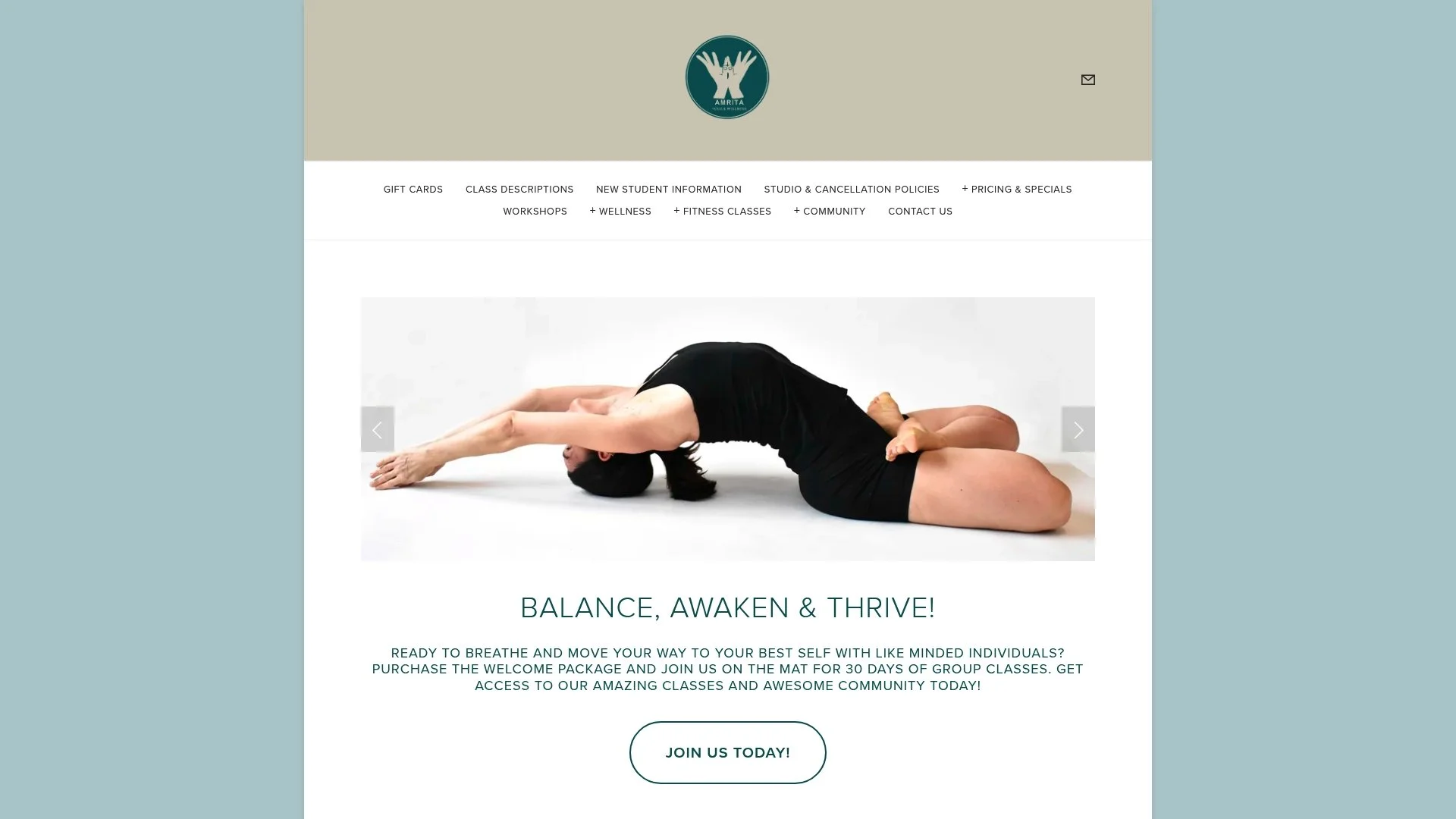
New to the studio? Take advantage of new student specials designed to help you explore different classes and instructors without a large upfront commitment. These introductory offers let you discover which practice resonates most with your body and goals. The studio maintains transparent studio policies regarding class packages, cancellations, and community guidelines, creating a trustworthy environment for your wellness practice. Beyond movement classes, Amrita Yoga & Wellness provides complementary services including acupuncture that enhance your overall wellbeing by addressing energy flow, pain management, and stress reduction through traditional Chinese medicine approaches.
Frequently asked questions
What are the main differences between yoga and Pilates?
Yoga originated as an ancient spiritual practice integrating physical postures, breathwork, and meditation for holistic wellbeing, while Pilates was developed in the 20th century specifically for core strengthening and rehabilitation. Yoga emphasizes flexibility, stress relief, and mind-body connection, whereas Pilates focuses on precise movements that build core stability and correct postural imbalances.
Can beginners start with either yoga or Pilates?
Absolutely, both practices offer beginner-friendly classes with modifications for all fitness levels. Yoga provides more variety in intensity levels from gentle restorative classes to vigorous power yoga, while Pilates maintains consistent moderate intensity with exercises scaled to your abilities. Most Philadelphia studios offer introductory workshops and beginner series to help you learn foundational techniques safely.
Which practice burns more calories and aids weight loss?
Vigorous yoga styles like power yoga and hot yoga typically burn more calories per session than traditional Pilates, ranging from 300 to 600 calories per hour compared to Pilates' 200 to 400 calories. However, Pilates builds lean muscle mass more efficiently, which increases your resting metabolic rate over time. For weight management, consistency matters more than practice type, so choose the discipline you'll actually attend regularly.
Should I do yoga or Pilates for back pain relief?
Research shows both practices effectively reduce chronic low back pain and improve function with no significant difference in outcomes. Pilates may offer faster results for specific postural corrections and core weakness, while yoga provides additional stress reduction benefits that address pain's emotional components. Consult with your healthcare provider or a qualified instructor to determine which approach best suits your specific back condition.
Can I practice both yoga and Pilates in the same week?
Combining both practices creates comprehensive fitness benefits, with Pilates strengthening your core and improving alignment while yoga enhances flexibility and stress management. Many Philadelphia practitioners successfully integrate both into weekly routines, such as two Pilates sessions for core work and two yoga classes for flexibility and relaxation. This balanced approach addresses multiple wellness dimensions and prevents the monotony that sometimes leads to abandoned fitness routines.