Yoga class signup guide in Philadelphia 2026
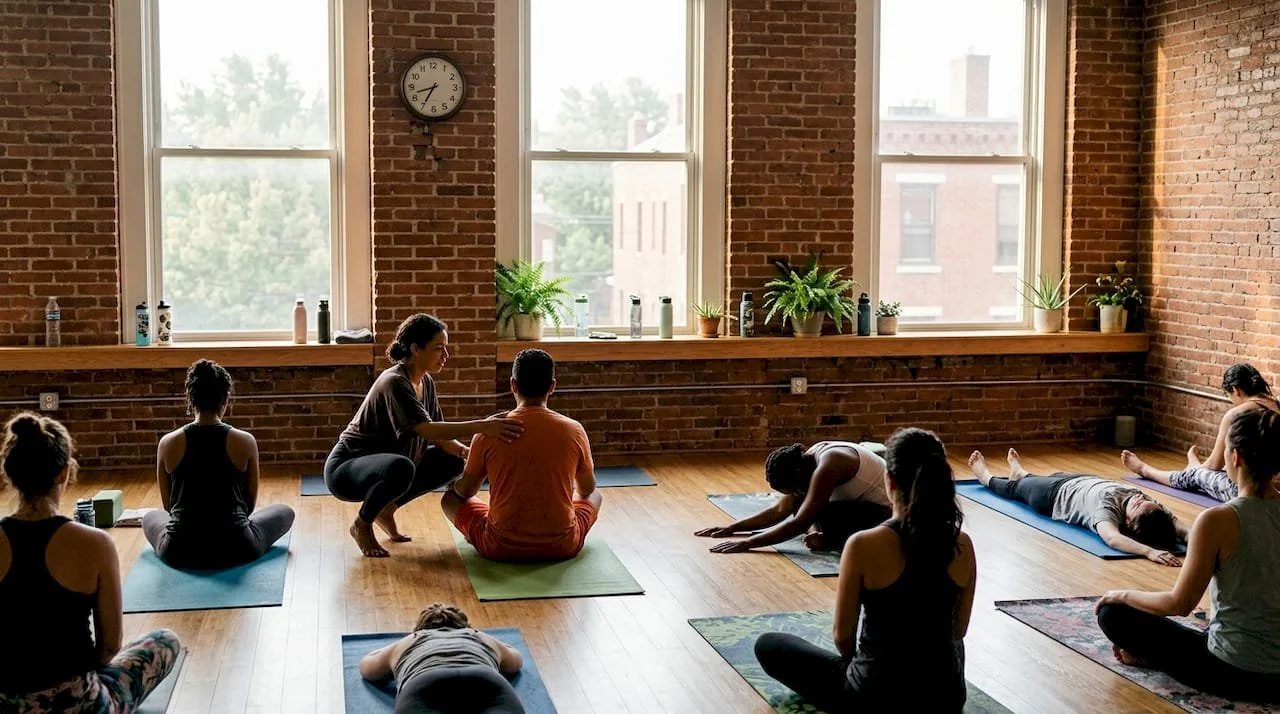
Choosing and signing up for yoga classes in Philadelphia can feel overwhelming when you're faced with dozens of studios, unfamiliar styles, and different registration systems. Whether you're a complete beginner or exploring new wellness practices, understanding what to expect before you commit makes all the difference. This guide walks you through selecting the right yoga style for your goals, preparing for signup, navigating online registration, and setting yourself up for success in Philadelphia's vibrant yoga community.
Table of Contents
Key takeaways
| Point | Details |
|---|---|
| Start with beginner-friendly styles | Hatha or gentle yoga classes teach alignment and breath control, minimizing injury risk for newcomers. |
| Explore diverse wellness options | Philadelphia studios offer hot yoga, trauma-informed practices, restorative sessions, and fusion classes like pilates and barre. |
| Understand studio policies | Read cancellation rules carefully, most studios require 48-hour notice to avoid fees or lost credits. |
| Prepare essential items | Bring a yoga mat, towel, water bottle, and comfortable clothing to your first class. |
| Match classes to your goals | Choose styles based on whether you prioritize fitness, mental health, injury recovery, or stress relief. |
Understanding yoga styles and choosing the right class
Philadelphia's yoga scene offers remarkable variety, from heated power classes to gentle trauma-informed sessions. Knowing which style aligns with your wellness goals helps you make confident signup decisions and avoid classes that might feel too intense or too slow for your needs.
Hatha and gentle yoga classesprovide the ideal foundation for beginners. These sessions emphasize proper alignment, controlled breathing, and modifications that prevent injury while building strength and flexibility. Studios like Amrita Yoga & Wellness, Yoga Home, and Maha welcome all levels with basics classes that move at a manageable pace. You'll learn foundational poses, understand how to use props like blocks and straps, and develop body awareness without feeling rushed.
Philadelphia also features specialized practices for different wellness priorities. Hot yoga classes operate at 95-105°F, promoting detoxification and cardiovascular endurance at studios like Hot Yoga Philly and Healthy Philly Yoga. Trauma-informed classes at Soul Haum specifically support individuals managing PTSD or anxiety through carefully sequenced movements and mindful breathing. Vinyasa and power yoga at Lumos and Yoga Habit deliver fitness-focused workouts, while restorative and yin styles offer deep relaxation and stress relief.
| Style | Temperature | Intensity | Primary Benefits | Example Studios |
|---|---|---|---|---|
| Hatha/Gentle | Room temp | Low to moderate | Alignment, breath control, injury prevention | Amrita, Yoga Home, Maha |
| Hot Yoga | 95-105°F | Moderate to high | Detox, cardiovascular endurance, flexibility | Hot Yoga Philly, HPY |
| Vinyasa/Power | Room temp or heated | Moderate to high | Strength, fitness, dynamic flow | Lumie, Yoga Habit |
| Trauma-Informed | Room temp | Low to moderate | PTSD support, anxiety relief, emotional healing | Soul Haum |
| Restorative/Yin | Room temp | Low | Deep relaxation, stress relief, flexibility | Various studios |
When selecting your first style, consider these factors:
Current fitness level and any physical limitations or injuries
Whether you prefer vigorous movement or gentle stretching
Sensitivity to heat or preference for climate-controlled spaces
Mental health goals like anxiety reduction or trauma recovery
Interest in complementary practices like pilates or barre
Pro Tip: Call studios directly to ask about beginner modifications and instructor experience with specific conditions. Most welcoming studios happily discuss how they accommodate new students, injuries, or special needs before you sign up.
Choosing between fitness-oriented and healing-focused practices represents a key decision point. Power and vinyasa classes build strength and endurance through challenging sequences, while trauma-informed and restorative sessions prioritize nervous system regulation and emotional processing. Neither approach is superior, they serve different purposes. Many practitioners eventually combine both, attending vigorous classes for physical conditioning and gentle sessions for mental restoration.
For those interested in trauma recovery yoga or yoga for emotional healing, Philadelphia offers several specialized options. Trauma-informed yoga uses invitational language, emphasizes student choice, and avoids physical adjustments that might trigger stress responses. These classes create safe spaces for individuals working through past trauma or managing anxiety disorders. If you're exploring local yoga classes with therapeutic focus, look for instructors trained in trauma-sensitive methods.
Preparing for your yoga class signup
Successful yoga registration starts with research and preparation. Understanding studio policies, gathering necessary items, and knowing what questions to ask prevents confusion and helps you feel confident walking into your first class.
Before signing up, assemble these essentials:
Yoga mat (studios often provide rentals, but personal mats ensure hygiene)
Large towel for hot yoga or to cover studio mats
Water bottle to stay hydrated, especially in heated classes
Comfortable, breathable clothing that allows full range of motion
Hair ties if you have long hair
Small towel for wiping sweat during intense sessions
Reading cancellation policies saves headaches later. Most studios require 48-hour notice for cancellations to avoid fees or lost class credits. Some offer makeup classes if you cancel within policy guidelines, while others enforce strict forfeiture rules. Understanding these details upfront prevents frustration when schedule conflicts arise.
| Policy Type | Typical Requirement | Consequence of Violation | Makeup Options |
|---|---|---|---|
| Cancellation Notice | 48 hours before class | Fee charged or credit lost | Usually not available |
| Late Cancellation | 24-48 hours before | Partial credit or reduced fee | Sometimes offered |
| No-Show | Failure to attend or cancel | Full credit lost, possible fee | Rarely available |
| Package Expiration | 30-90 days from purchase | Unused classes forfeited | Extensions sometimes granted |
Researching studios online involves several practical steps:
Visit studio websites to review class schedules and descriptions
Compare pricing for drop-in classes, multi-class packages, and monthly memberships
Read student reviews focusing on beginner experiences and instructor approachability
Check location and parking availability near your home or workplace
Look for new student specials or introductory offers
Verify whether the studio offers the specific style you want to try
Pro Tip: If you're managing an injury, pregnancy, or postpartum recovery, contact studios to inquire about private sessions before joining group classes. Individual instruction allows teachers to provide personalized modifications and ensure your safety while building foundational skills.
Scheduling yoga classesrequires attention to your energy patterns and daily routine. Morning classes energize your day but require early wake times. Lunchtime sessions offer midday stress relief but may feel rushed. Evening classes provide post-work decompression but can interfere with dinner or family time. Experiment with different time slots to discover what feels sustainable long term.
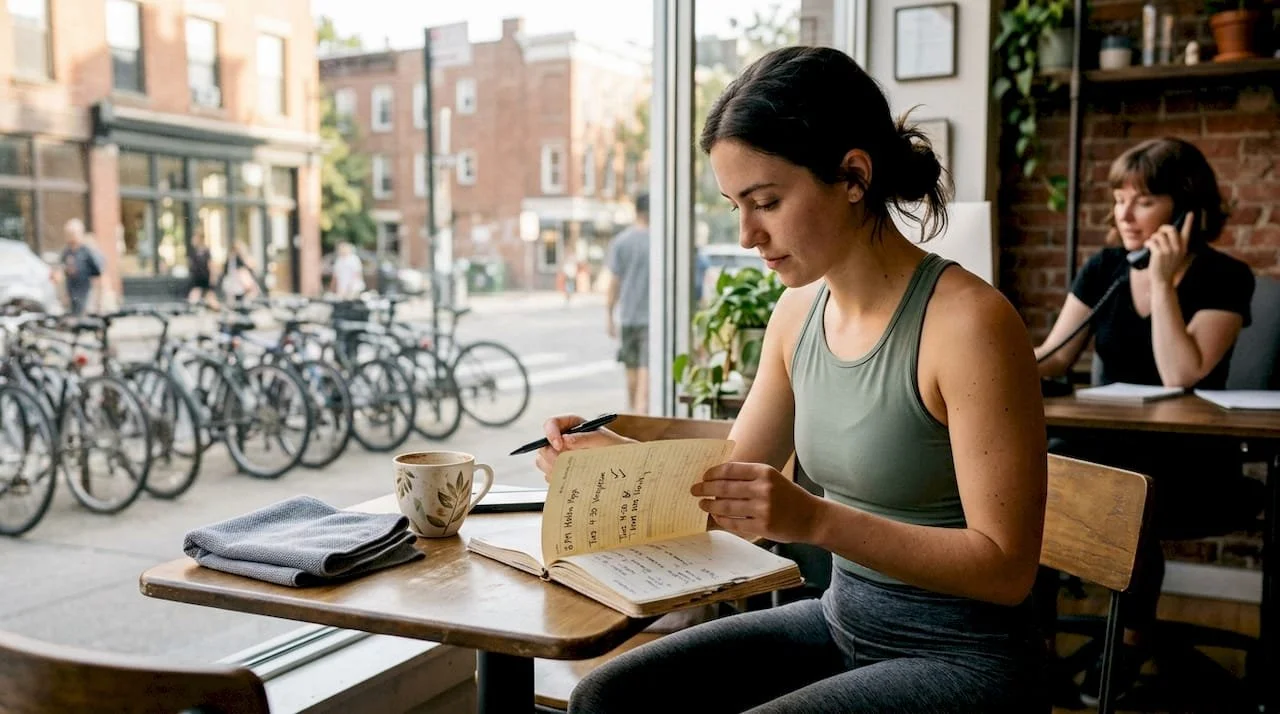
For heat-sensitive individuals, starting with non-heated classes prevents overwhelming experiences. You can always progress to hot yoga after building stamina and comfort with basic poses. Many students find that joining yoga classes gradually, beginning with one session per week, creates sustainable habits without burnout.
When preparing for local yoga class attendance, arrive 10 to 15 minutes early for your first visit. This buffer allows time to complete any required paperwork, meet the instructor, set up your space, and acclimate to the studio environment without feeling rushed.
Step-by-step guide to signing up for yoga classes in Philadelphia
Navigating the actual registration process becomes straightforward once you understand the typical workflow. Most Philadelphia studios use online systems, though a few still accept walk-in signups or phone registrations.
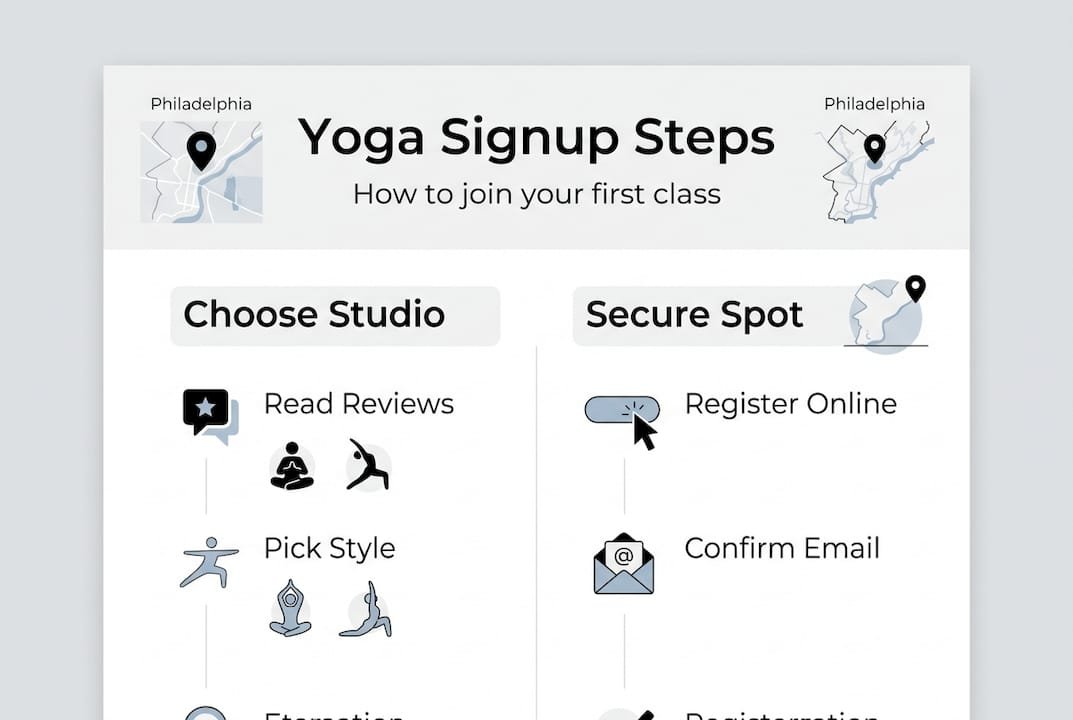
Follow these steps for smooth enrollment:
Search for studios and classes using Google Maps, studio websites, or yoga directories specific to Philadelphia
Review each studio's class schedule, filtering by style, time, and instructor if options exist
Compare pricing structures, including drop-in rates, class packages, and unlimited monthly memberships
Read cancellation and refund policies carefully before committing to packages
Register through the studio's website or Eventbrite for workshops and special events
Check your email for confirmation with class details, location, and any special instructions
Add the class to your calendar with reminders to prevent no-shows
Prepare your gear the night before to ensure you're not scrambling last minute
Understanding pricing models helps you choose cost-effective options. Drop-in classes offer flexibility for irregular schedules but cost more per session, typically $18 to $28 in Philadelphia. Multi-class packages (5, 10, or 20 classes) reduce per-class costs and usually expire within 60 to 90 days. Unlimited monthly memberships provide the best value for frequent practitioners, ranging from $100 to $180 depending on the studio and included amenities.
Online registration dominates Philadelphia's yoga scene. Studios maintain their own booking platforms where you create an account, add payment information, and reserve spots in upcoming classes. Some studios use scheduling software like Mindbody or Momence, which allows you to manage bookings across multiple studios through a single app. Eventbrite handles signups for pop-up classes, outdoor sessions, and special workshops that fall outside regular studio schedules.
Pro Tip: Create accounts with your preferred studios before you need to book a class. Saving your information in advance streamlines future signups and helps you grab spots in popular classes that fill quickly.
Keeping confirmation emails organized prevents confusion about class times and locations. Create a dedicated email folder for yoga confirmations or screenshot important details to your phone. Many students find success setting calendar alerts for 24 hours before class (to review cancellation windows) and 2 hours before class (to prepare and travel).
When you're ready to find and join yoga classes, prioritize studios with clear communication and responsive customer service. Studios that answer questions promptly and provide detailed class descriptions typically offer better overall experiences. Reading recent reviews helps identify which studios genuinely welcome beginners versus those that cater primarily to advanced practitioners.
For ongoing practice, understanding yoga class signup steps and building consistent booking habits supports your wellness journey. Many successful practitioners schedule their next week's classes every Sunday evening, treating yoga appointments with the same commitment as work meetings or doctor visits.
What to expect after signing up and attending your first class
Your first yoga class brings new sensations, terminology, and social dynamics. Knowing what typically happens helps you feel prepared rather than anxious.
Common beginner experiences include:
Learning to coordinate breath with movement, which feels awkward initially but becomes natural with practice
Using props like blocks, straps, and bolsters to make poses accessible for your current flexibility
Feeling muscle soreness 24 to 48 hours after class, especially in core, legs, and shoulders
Noticing mental chatter during meditation or savasana as your mind adjusts to stillness
Comparing yourself to other students, then gradually releasing that tendency as you focus inward
Discovering poses that feel surprisingly easy and others that challenge you unexpectedly
If schedule changes arise, handle cancellations promptly and courteously. Log into your studio account as soon as you know you can't attend, ideally more than 48 hours in advance. When emergencies prevent adequate notice, contact the studio directly to explain. While policies exist for fairness, many studios show flexibility for genuine emergencies, especially for regular students who typically follow guidelines.
Yoga's benefits accumulate gradually rather than appearing overnight. Most practitioners notice improved flexibility within 4 to 6 weeks of consistent practice. Strength gains become apparent around the same timeframe, particularly in stabilizing muscles. Mental benefits often emerge faster, with students reporting better stress management and emotional regulation within 2 to 3 weeks.
Research supports these experiential benefits:
Mindfulness-based interventions including yoga show medium effect sizes for reducing PTSD symptoms and depression, with standardized mean differences of 0.41, while hot yoga specifically improves cardiovascular fitness and flexibility beyond traditional practice.
Maintaining open communication with instructors enhances your experience significantly. Before class, briefly mention any injuries, physical limitations, or concerns. Most teachers appreciate this information and can suggest modifications during class. After class, ask questions about poses that confused you or request alternatives for movements that caused discomfort.
Philadelphia studios consistently receive positive reviews for welcoming environments. Students rate studios between 4.0 and 5.0 stars, frequently praising instructors who remember names, offer hands-on adjustments (with permission), and create inclusive spaces. These community aspects often prove as valuable as the physical practice itself, providing social connection and accountability that support long-term commitment.
For those pursuing trauma recovery yoga benefits, patience with the process matters enormously. Healing-focused practices work subtly on the nervous system, and progress may feel non-linear. Some sessions bring emotional release, others provide calm stability, and both serve important functions in recovery.
Explore yoga classes and specials at Amrita Yoga & Wellness
Now that you understand how to choose and sign up for yoga classes, Amrita Yoga & Wellness offers an ideal starting point for your Philadelphia practice. The studio provides beginner-friendly Hatha classes alongside diverse options including hot yoga, pilates, and barre, all designed to welcome students at every level.
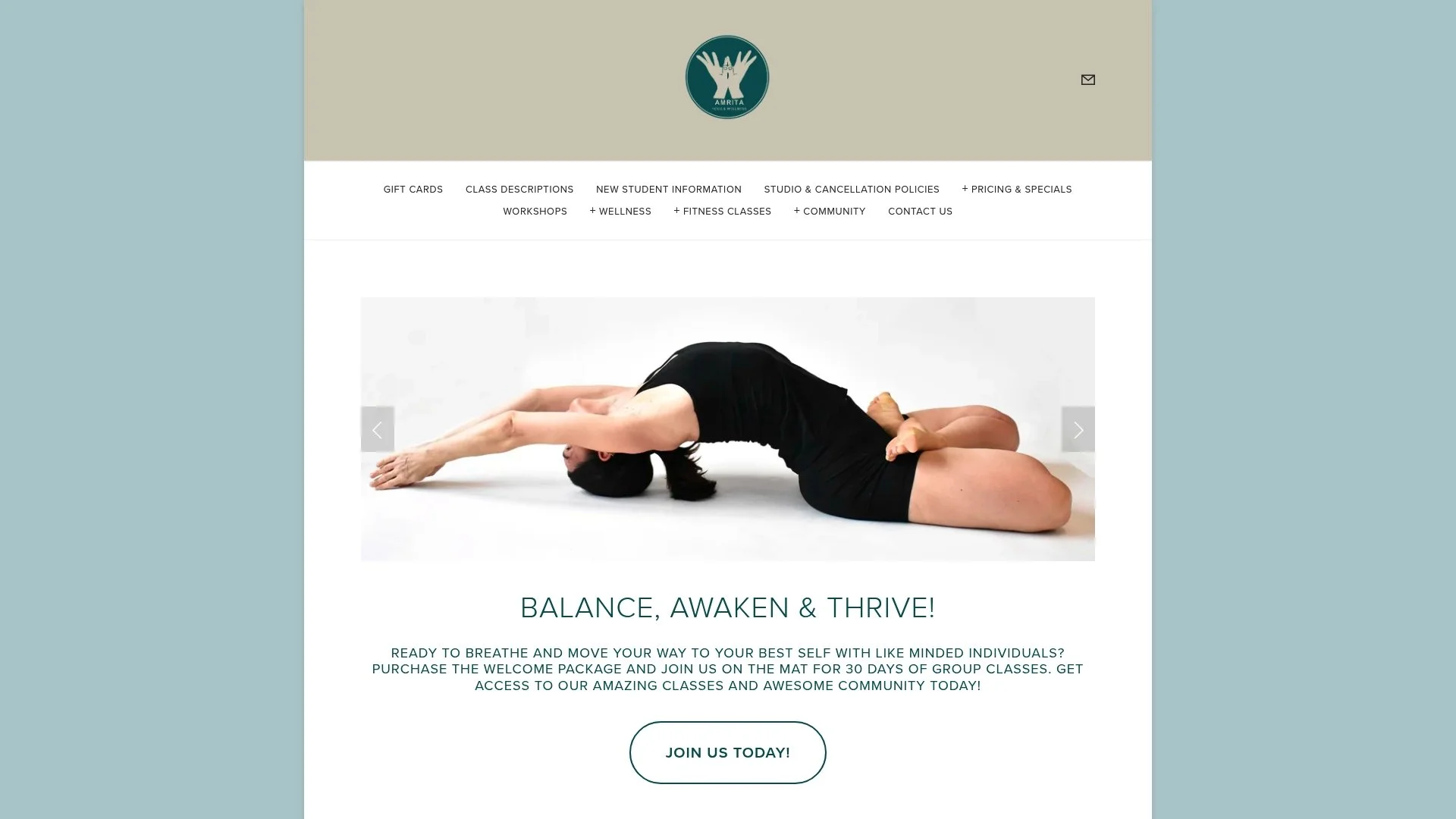
Amrita's new student specials make trying multiple classes affordable while you discover which styles resonate with your goals. The studio maintains transparent cancellation policies that respect your schedule flexibility while ensuring fair access for all members. Beyond yoga, Amrita offers complementary wellness services like acupuncture to support holistic health. Browse the current schedule online and sign up with confidence, knowing you're joining a community that prioritizes both your physical practice and overall well-being.
FAQ
What if I'm new to yoga and worried about injury?
Beginner Hatha classes minimize injury risk through careful attention to alignment and controlled progressions. Instructors demonstrate proper form and offer modifications using props like blocks and straps to accommodate different flexibility levels. Most studios welcoming all levels encourage questions and provide hands-on adjustments to ensure safe positioning.
How do I find yoga classes that focus on mental health or trauma recovery?
Trauma-informed classes at Soul Haum specifically address PTSD and anxiety through specialized teaching methods. These sessions use invitational language and student-led pacing to create psychologically safe environments. You can also explore trauma recovery yoga resources to understand how different practices support emotional healing and nervous system regulation.
What should I bring to my first yoga class?
Bring a yoga mat (or confirm the studio provides rentals), a large towel, water bottle, and comfortable clothing that allows free movement. For hot yoga, pack an extra towel for sweat management. Most studios provide props like blocks and straps, but verify beforehand if you want to bring personal equipment.
How much do yoga classes typically cost in Philadelphia?
Drop-in classes range from $18 to $28 per session. Multi-class packages reduce costs to approximately $12 to $20 per class depending on quantity purchased. Unlimited monthly memberships cost between $100 and $180, offering the best value for students attending three or more classes weekly.
Can I try different yoga styles at the same studio?
Most Philadelphia studios offer multiple styles throughout their weekly schedule. This variety allows you to experiment with hot yoga, vinyasa, restorative sessions, and specialty classes without purchasing separate memberships. New student packages often include access to all class types, making exploration affordable and convenient.
Recommended
What is a yoga class: complete Philadelphia guide 2026 — Amrita Yoga & Wellness
Find Yoga Classes in Philadelphia: Your Step-by-Step Guide — Amrita Yoga & Wellness
Diverse yoga practices for wellness in Philadelphia 2026 — Amrita Yoga & Wellness
Simple yoga for beginners: easy low-impact routines — Amrita Yoga & Wellness