150–300 Minutes a Week: Movement Benefits, Mood Winners, Habit Tactics

Regular movement practice reliably lifts mood, lowers risk for major chronic diseases, preserves strength and mobility with age, and supports better sleep and sharper thinking. Guidance from the World Health Organization and the CDC, along with large reviews of clinical trials, consistently point to the same conclusion: movement works, and the dose required is smaller than most people expect.
TL;DR:
Engaging in at least 150 to 300 minutes of moderate activity weekly, plus strength training twice a week, offers the most comprehensive health benefits.
Resistance exercises preserve bone density and muscle strength, especially important for aging populations, while balance training reduces fall risk.
Modest increases in daily steps significantly lower mortality risks, with the steepest decline occurring when transitioning from sedentary to lightly active.
Regular movement can help reduce depression symptoms, improve mood, and enhance sleep quality, with adherence influenced by enjoyment and consistency.
Benefits are scalable across all age groups, with adaptations available for those managing chronic conditions or disabilities.
Amritayogawellness
Build A Movement Practice That Lasts
Explore accessible yoga, Pilates, barre, tai chi, and wellness offerings at a Philadelphia studio serving beginners through advanced practitioners.
Table of Contents
Physical and functional benefits: weight, heart health, bones, strength, and mobility
Disease risk reduction and longevity: diabetes, cancer, and mortality
Mental health and cognition: exercise as treatment and prevention
Amrita Yoga & Wellness resources for building a movement habit
Physical and functional benefits: weight, heart health, bones, strength, and mobility
Movement changes how your body works on nearly every level. Combined with attention to diet, regular activity helps regulate calorie balance and supports weight management over time, though exercise alone rarely produces large weight loss without dietary changes working alongside it.
The cardiovascular effects show up fast and compound over years. Regular activity improves blood pressure and lipid profiles and is tied to measurably lower cardiovascular disease risk, a pattern confirmed across population studies and clinical guidance alike, according to a long-running review of physical activity evidence.
Bones and muscles respond directly to load. Resistance training signals bone tissue to stay dense and muscle tissue to stay strong, which matters most as people age and natural muscle mass declines. Balance work adds a second layer of protection: it trains the neuromuscular reflexes that prevent a stumble from becoming a fall, a focus echoed in clinic-based balance training guidance for older adults.
Functional ability ties these threads together. Being able to carry groceries, climb stairs, or get up from the floor without strain depends on the same strength and balance that structured movement builds.
Weight management works best when movement and dietary habits reinforce each other rather than acting alone.
Blood pressure and cholesterol respond to consistent moderate activity within weeks.
Resistance training protects bone density and counters age-related muscle loss.
Balance exercises reduce fall risk by sharpening reflexes and coordination.
Regular physical activity is linked to lower all-cause mortality and reduced risk for conditions including heart disease and type 2 diabetes, according to a major evidence review on physical activity, a pattern that holds across age groups and fitness levels.
Disease risk reduction and longevity: diabetes, cancer, and mortality
Movement's protective effect against chronic disease is one of the most consistent findings in public health research. Regular activity is associated with lower type 2 diabetes risk and improved blood sugar control, a relationship strong enough that physical activity appears in most diabetes prevention guidelines.
The cancer connection is narrower but real: several site-specific cancers show lower incidence among physically active people, and survivors who stay active often report better outcomes. Mortality data tells a similarly clear story.
Type 2 diabetes risk drops with regular moderate activity, independent of weight loss.
Several cancers show lower incidence rates among people who move regularly.
All-cause mortality falls as daily activity, including simple step counts, increases.
Regular physical activity is associated with lower all-cause mortality, with measurable benefits even from modest increases in daily steps, according to a comprehensive review of physical activity evidence. You do not need an elite training program to see this effect. Going from sedentary to lightly active produces the steepest drop in risk, with further gains leveling off at higher volumes.
Mental health and cognition: exercise as treatment and prevention
Exercise belongs in the conversation about depression treatment, not just prevention. A 2023 network meta-analysis of randomized controlled trials covering 218 studies and over 14,000 participants found moderate reductions in depression symptoms from walking or jogging, yoga, strength training, mixed aerobic exercise, and tai chi or qigong, according to this systematic review and network meta-analysis. Walking and jogging produced some of the largest effects, with a substantial effect size reported in the analysis.
Effects tended to track with intensity: harder efforts generally produced larger improvements. But intensity is not the whole story. Strength training and yoga were among the most acceptable modalities to participants, meaning people stuck with them, and a program you actually continue beats a harder one you quit after two weeks.
Walking or jogging produced some of the strongest depression-reduction effects in the analysis.
Yoga and strength training scored high on acceptability, supporting long-term adherence.
Tai chi and qigong also showed moderate benefit, offering a lower-impact option.
Beyond clinical depression, regular movement improves mood and sleep quality in the short term, often within a single session, according to CDC's summary of physical activity benefits.
Pro Tip: If motivation is the obstacle, pick the modality you enjoy most rather than the one research ranks highest. Consistency beats intensity for mental health outcomes.
Recommended dose and what counts: WHO and CDC guidance
Health authorities converge on a specific weekly target, not a vague suggestion to "move more." The World Health Organization recommends adults get 150 to 300 minutes of moderate-intensity activity per week, or 75 to 150 minutes of vigorous activity, plus muscle-strengthening work on two or more days per week.
Moderate intensity includes brisk walking, casual cycling, water aerobics, or a vinyasa yoga class, anything that raises your heart rate while still letting you hold a conversation.
Vigorous intensity includes running, fast cycling, swimming laps, or a high-intensity interval class, where talking in full sentences becomes difficult.
Muscle-strengthening activity on two or more days a week covers resistance bands, free weights, bodyweight circuits, or a reformer pilates session.
Any movement counts toward the weekly total, and CDC guidance notes that benefits begin accumulating with small increases in daily activity, even below the full target, according to CDC's physical activity basics page.
Older adults and people managing chronic conditions should add balance training and progress gradually, adjusting intensity to what feels sustainable rather than chasing the upper end of the range immediately.
How to make movement regular: practical adherence tactics
Most people do not fail at exercise because they lack information. They fail because the plan does not fit their actual week. The fix is behavioral, not informational.
Start with short sessions. Ten to twenty minutes, attached to an existing habit like morning coffee or a lunch break, builds momentum faster than an ambitious hour-long plan you skip.
Track progress simply. A notebook, a calendar with checkmarks, or a basic app keeps the habit visible and motivating.
Rotate modalities. Mixing yoga, strength work, walking, and group classes reduces both boredom and overuse injury.
Use social support. Group classes and workout buddies add accountability that solo routines often lack.
Progress gradually. Increase duration or intensity in small steps, and talk to a healthcare provider if new pain, dizziness, or unusual symptoms show up during activity.
Pro Tip: Schedule movement like an appointment, not an intention. A time slot on your calendar survives a busy week far better than a mental note to "exercise later."
Amrita Yoga & Wellness resources for building a movement habit
We built our class library and blog around the same evidence this article draws on: start small, choose a modality you enjoy, and progress safely.
Our 15-minute chair yoga routine for beginners offers a low-barrier entry point for readers with limited mobility or new to movement.
Our piece on using yoga for strength, calm, and clarity connects specific practices to the mental health benefits covered above.
Our chair yoga routine for seniors addresses balance and functional ability directly.
None of this replaces medical care. Anyone managing a chronic condition or recovering from injury should loop in a healthcare provider before changing their routine.
Impact of regular movement on immune system function
Movement and immune function are connected, though the relationship is more nuanced than "exercise boosts immunity." Regular moderate activity is linked to the broader pattern of reduced chronic disease risk and improved overall health markers that support immune resilience over time, as reflected in CDC's summary of physical activity benefits.
The practical takeaway sits closer to consistency than intensity. Regular, moderate movement, the kind most adults can sustain week after week, supports the general health markers (healthy weight, lower inflammation-related risk factors, better sleep) that in turn support a well-functioning immune system. Very long or extremely intense exertion without adequate recovery can temporarily stress the body, which is one more argument for the moderate, sustainable approach this article focuses on throughout.
For most people, this means a walk, a yoga class, or a strength session several times a week does more for long-term immune health than sporadic extreme workouts. The goal is a routine your body can repeat, not a single heroic effort.
Variations in benefits across age groups and populations
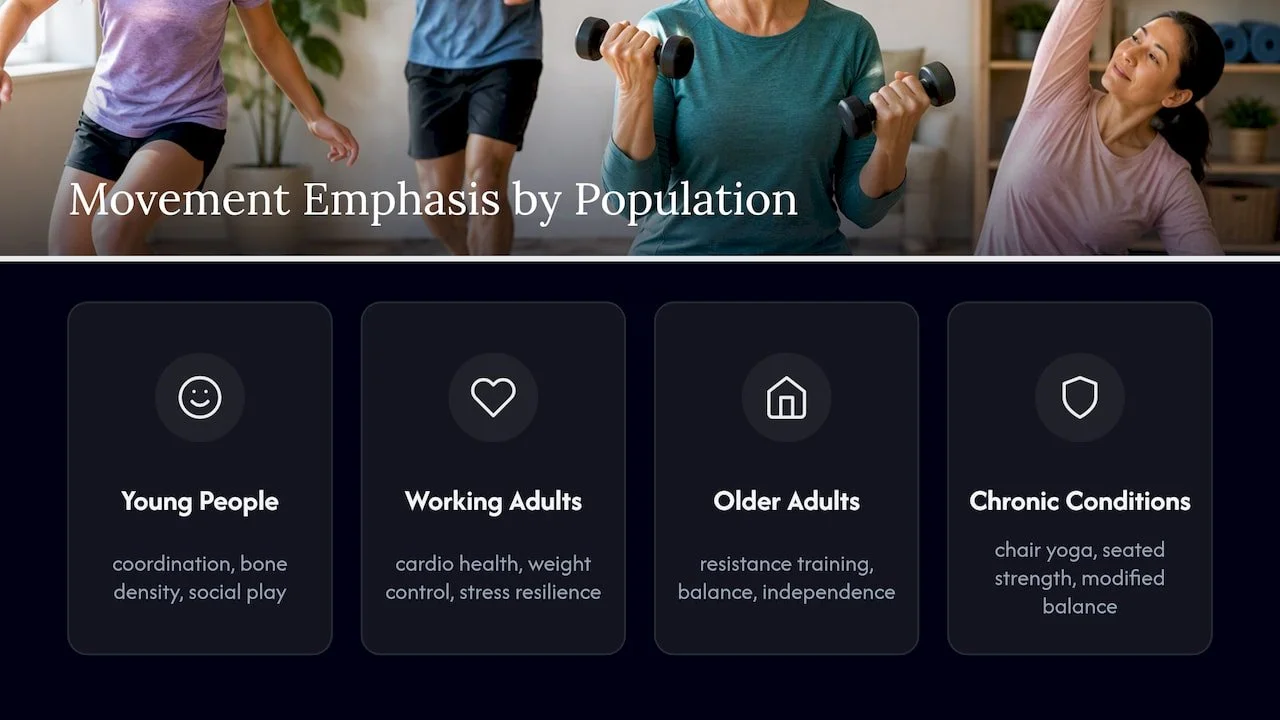
The core benefits of movement, mood, cardiovascular health, strength, and disease risk reduction, show up across every age group, but the emphasis shifts.
Children and adolescents benefit most from activity that builds coordination, bone density during peak growth years, and social skills through play or team sports. Adults in their working years see the clearest returns in cardiovascular health, weight management, and stress resilience, since this is often the period when sedentary work and chronic stress accumulate fastest.
Older adults gain the most from a combination of resistance training and balance work, since these two elements most directly address fall risk and the independence needed for daily tasks, a point emphasized in clinic guidance on balance training for seniors. Even light, consistent movement in this group correlates with preserved mobility and reduced hospitalization risk tied to falls.
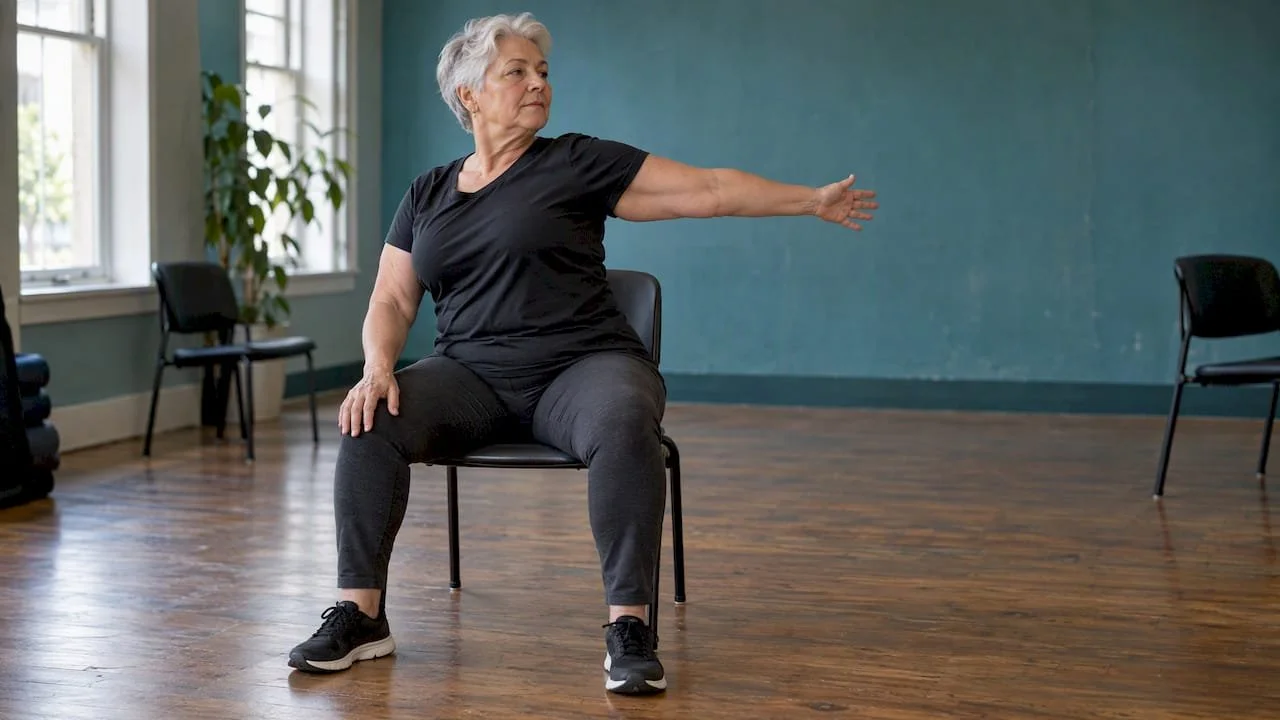
People with disabilities or chronic conditions benefit from movement adapted to their specific capacity rather than a generic program. Chair-based yoga, seated strength work, and modified balance exercises let this population access the same cardiovascular, mood, and strength benefits documented across the broader population, often with meaningful improvements in daily function even at lower overall volumes of activity.
The common thread: benefits scale with what a person can sustainably do, not with how closely they match an idealized fitness standard.
Role of movement in stress management and resilience
Movement is one of the most direct tools available for managing everyday stress, partly because the body's stress response and its physical activity systems are closely linked. A brisk walk, a yoga session, or a strength workout gives the nervous system an outlet, and the mood improvements that follow exercise show up almost immediately, often within a single session, according to CDC's summary of physical activity benefits.
Over time, a consistent movement practice appears to build resilience, not just in the moment but as a buffer against future stress. People who move regularly often report handling day-to-day pressures with more steadiness, likely connected to the same mood and sleep improvements documented in the mental health research above.
Practices that combine movement with breathwork, like yoga or tai chi, add a second layer of stress regulation by training slower, controlled breathing alongside physical effort. This combination may explain why these modalities scored well on both effectiveness and acceptability in the depression research cited earlier.
The practical implication is straightforward: when stress is high, movement is not a luxury to skip until things calm down. It is one of the more reliable ways to calm them down in the first place.
Why consistent movement matters more than perfect movement
Some students who stick around are not the ones who started with the hardest class; they are the ones who started small and kept showing up. The evidence backs this instinct. Begin with whatever movement fits your week, build from there, and let consistency do the work that intensity cannot.
— Juiced
How we can help you build a regular practice
Whatever benefit you are chasing, there is a class built around it. Strength and bone health point toward reformer pilates and strength-focused sessions, mood and flexibility point toward yoga offerings, and stress relief pairs well with Ayurvedic therapies like Abhyanga and Shirodhara.
New to movement? A Nurtured Beginnings pass eases you in at a manageable pace.
Want structure? Our class schedule shows group, livestream, and membership options.
Prefer one-on-one guidance? Our private sessions start from $85 per hour.
Browse our full class and membership schedule to find the entry point that fits your week.
This article is general information, not a substitute for advice from a qualified doctor. Consult a qualified healthcare professional about your own circumstances before acting on anything here.
FAQ
What are the benefits of regular movement and exercise?
Regular movement improves mood, sleep, and energy in the short term, while reducing long-term risk for heart disease, type 2 diabetes, and some cancers. It also preserves strength, bone density, and balance, which supports independence as you age, according to CDC's physical activity guidance.
What are 5 benefits of regular physical activity?
Five well-documented benefits include improved cardiovascular health, lower type 2 diabetes risk, stronger bones and muscles, better mood and reduced anxiety, and improved sleep quality. These effects are summarized across CDC's benefits overview and a major evidence review.
What is the 3-3-3 rule for exercise?
The 3-3-3 rule is a popular fitness shorthand rather than an official guideline from a health authority, and definitions vary depending on the source. The core guidance from the World Health Organization remains the more reliable target: 150 to 300 minutes of moderate activity weekly plus strength training twice a week.
What are 7 benefits of regular physical activity?
Regular activity supports weight management, cardiovascular health, stronger bones and muscles, lower diabetes and cancer risk, better mood, improved sleep, and sharper cognition. These outcomes are detailed across CDC's physical activity basics and research on exercise and depression.
How much exercise do I actually need each week?
Health guidance points to 150 to 300 minutes of moderate activity or 75 to 150 minutes of vigorous activity weekly, plus muscle-strengthening work on two or more days, according to the World Health Organization. Any amount above zero provides some benefit, so starting small is still worthwhile.