Best Meditation Techniques for Beginners in 2026
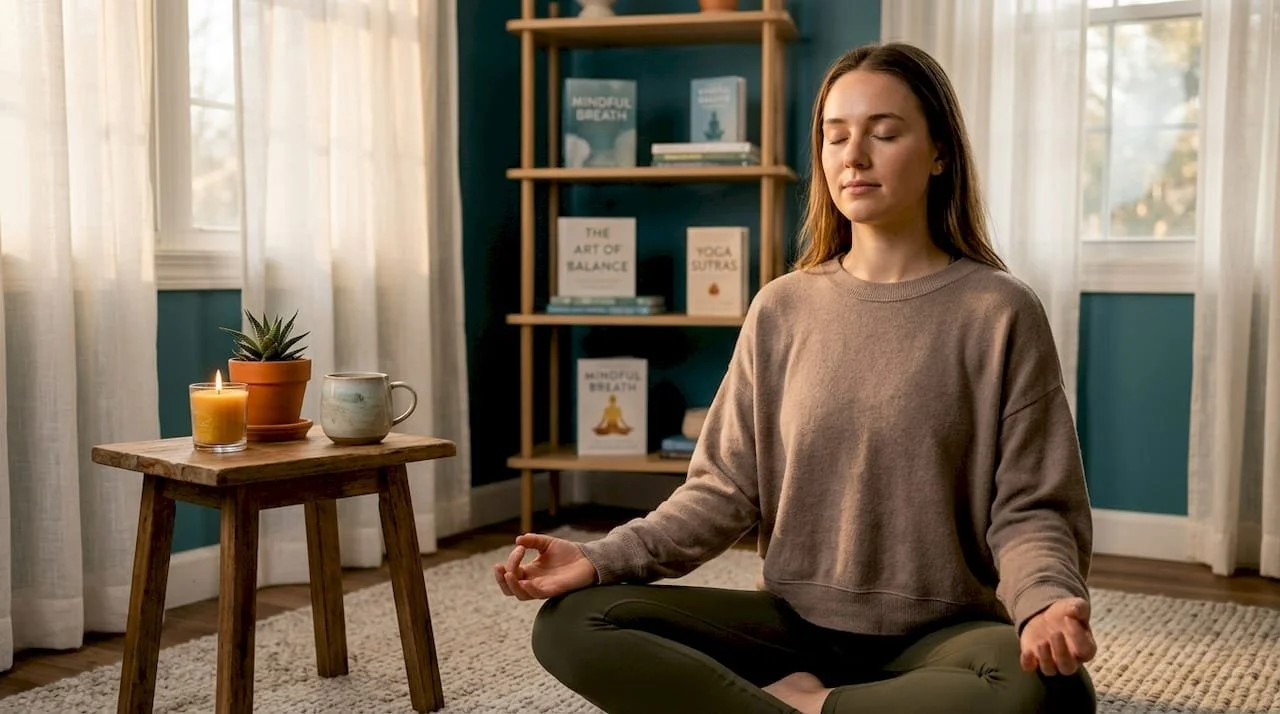
TL;DR:
Starting meditation can be simple when focusing on manageable techniques like breath awareness and guided sessions that suit your mood and posture. Consistent short practice, set with a timer and integrated into daily routines, builds lasting habits regardless of technique choice. Remember, wandering minds are part of the process; gentle return and self-compassion ensure long-term success.
Starting a meditation practice sounds simple until you actually sit down and try it. With dozens of styles to choose from, the best meditation techniques for beginners are ones that feel manageable, not mystical. The core idea is straightforward: you focus your attention on something, your mind wanders, and you gently bring it back. That cycle, repeated over and over, is the actual practice. This guide cuts through the noise and walks you through seven approachable techniques, how to choose between them, and how to build a habit that actually sticks.
Key Takeaways
| Point | Details |
|---|---|
| Start short and consistent | 5 to 10 minute sessions daily build stronger habits than occasional long sits. |
| Mind-wandering is the practice | Noticing distraction and returning focus is what meditation training actually looks like. |
| Match technique to your mood | Flexible practice matched to energy keeps beginners engaged longer. |
| Use a timer from day one | A set end time reduces restlessness and helps you stay seated without checking the clock. |
| No single method fits everyone | Try multiple styles before deciding what works for your body, schedule, and temperament. |
Best meditation techniques for beginners: how to choose
Before you try a single technique, it helps to know what you are actually looking for. The right meditation style depends on your personality, your schedule, and how comfortable you are sitting in silence.
Here is a practical framework to evaluate any technique before you commit:
Session length. Can you realistically do this for five minutes today? If a method requires 30 minutes of stillness and you have never meditated before, the bar is too high. Start with what you can show up for.
Posture flexibility. Some people cannot sit cross-legged on the floor without discomfort. Good news: most techniques work fine in a chair, on a couch, or even lying down.
Guided vs. silent. Guided meditation gives you a voice to follow, which removes the pressure of "doing it right" on your own. Silent practice is more flexible but demands more self-direction. Neither is better. One may suit you more right now.
Your energy level. A body scan works well when you are tired and need to slow down. Walking meditation suits days when sitting feels impossible. Match the method to the moment.
Emotional readiness. Loving-kindness meditation asks you to direct warmth toward yourself, which some beginners find unexpectedly challenging. If self-compassion is hard for you right now, start with breath or sound awareness instead.
Pro Tip: Don't commit to one technique for weeks before trying others. Spend three days on breath awareness, three on a body scan, three on guided audio. You'll know what resonates faster than you think.
There is no wrong choice here. Trial and error is the method.
1. Breath awareness
This is where most people start, and for good reason. You sit comfortably, close your eyes, and place your full attention on the natural rhythm of your breath. The inhale. The pause. The exhale.
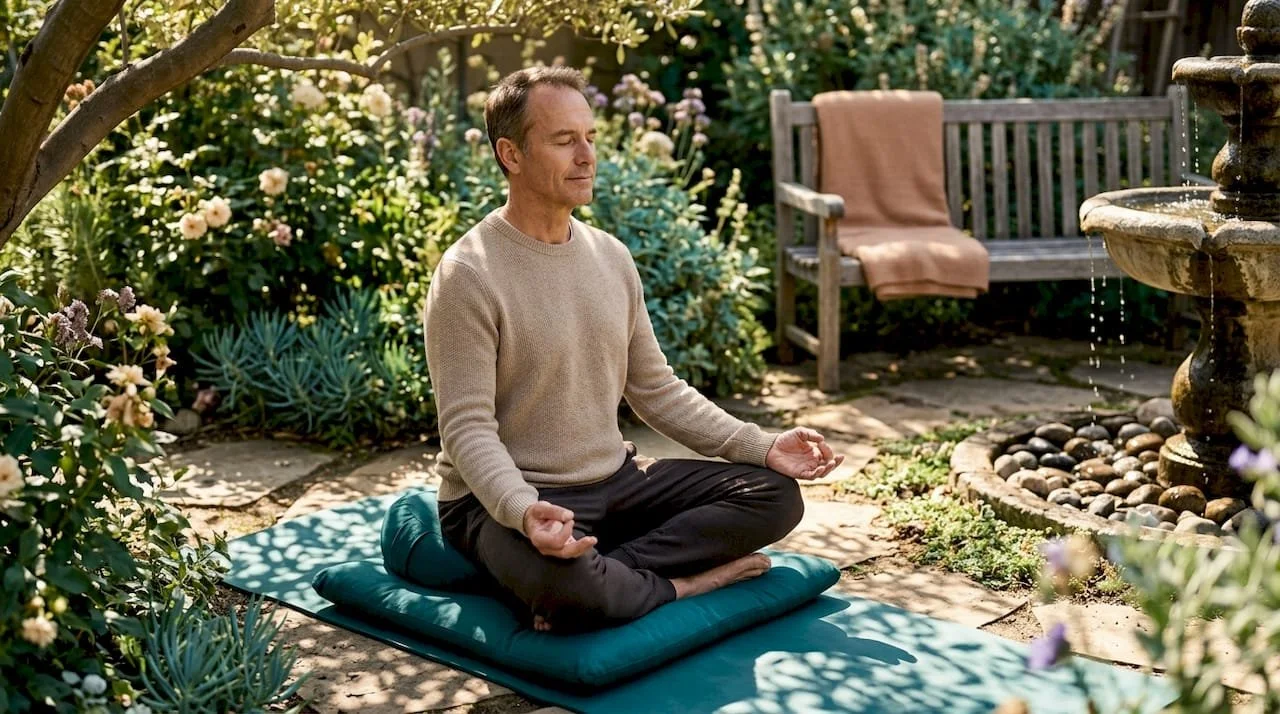
When your mind wanders to your grocery list or a conversation from yesterday, you simply notice that it wandered and return to the breath. No frustration needed. According to Simply Psychology, that act of noticing and returning is the actual training. You are not failing when your mind wanders. You are succeeding every time you catch it.
Breath awareness requires nothing except a comfortable seat and a few minutes. It pairs well with breathwork fundamentals if you want to deepen your understanding of how breath affects the body.
Best for: Anyone who wants the simplest possible starting point.
2. Guided meditation
If silence feels uncomfortable or you catch yourself wondering whether you are doing it correctly, guided meditation removes that uncertainty entirely. A teacher or audio recording walks you through the session moment by moment: where to place your attention, how to breathe, what to notice.
Guided sessions reduce self-consciousness for new meditators and make it much easier to stay present for the full session. Apps, YouTube videos, and studio classes all offer this format. Many beginners find that guided audio is the easiest on-ramp into daily practice.
Best for: People who feel anxious about "doing it wrong" or who get distracted quickly in silence.
3. Body scan
The body scan shifts your attention away from the breath and moves it systematically through different parts of your body. You might start at the top of your head and slowly work down to your feet, noticing any tension, warmth, tingling, or numbness along the way.
Body scan meditation grounds attentionwith concrete physical targets, which makes it easier for beginners who find breath focus too abstract. It can be done seated or lying down, and no equipment is needed. It is especially effective before sleep or after a stressful day.
Best for: People who feel disconnected from their body or who struggle to focus on breath alone.
4. Walking meditation
Sitting still is not the only way to meditate. Walking meditation asks you to bring your full attention to the physical experience of walking: the pressure of your foot against the ground, the movement of your legs, the air on your skin.
You walk slowly and deliberately, indoors or outside, and return your attention to those sensations whenever the mind pulls away. Movement meditation helps maintain attention when seated practice feels frustrating or impossible. It is also a natural fit if you already go for daily walks and want to turn that time into intentional practice.
Best for: Active people, restless beginners, or anyone who finds sitting still genuinely difficult.
5. Loving-kindness meditation (metta)
Loving-kindness, or metta, is less about focusing attention and more about deliberately generating feelings of warmth and compassion. You silently repeat simple phrases like "May I be happy. May I be well. May I be at peace." Then you gradually extend those wishes outward to a loved one, a neutral person, and eventually everyone.
Metta meditation reduces self-criticismand builds goodwill over time. It can feel strange at first, especially the self-directed part. That strangeness is worth sitting with. Many people find it becomes the technique they return to most often.
Best for: People dealing with self-judgment, anxiety, or difficult relationships.
6. Mindfulness meditation
Mindfulness is often used as a catch-all term, but as a specific practice it means paying deliberate, non-judgmental attention to whatever is happening right now. Your breath, the sounds in the room, a physical sensation, or even your own thoughts can serve as the anchor.
You can explore mindfulness techniques for beginners across a wide range of formats, from seated practice to informal everyday awareness. What makes mindfulness particularly beginner-friendly is that the anchor is flexible. If breath focus triggers discomfort, switching to sounds or sensations as anchors can prevent frustration and keep the practice sustainable.
Best for: Anyone who wants a flexible, adaptable daily practice.
7. Visualization meditation
Visualization asks you to hold a specific image in your mind with as much sensory detail as possible. A calm beach, a forest path, a warm light spreading through your body. The image becomes your anchor, replacing breath or body sensation.
This technique works particularly well for people who find abstract focus difficult but respond easily to imagery. It is also useful for goal-setting and emotional regulation beyond the meditation session itself. The catch: visualization requires a bit more mental effort than breath awareness, so it is worth trying after you have spent a few days with simpler methods.
Best for: Visual thinkers, creative types, or people who enjoy guided imagery audio tracks.
Comparing techniques at a glance
| Technique | Session length | Posture | Needs guidance? | Complexity |
|---|---|---|---|---|
| Breath awareness | 5+ minutes | Flexible | No | Very low |
| Guided meditation | 10–20 minutes | Flexible | Yes | Very low |
| Body scan | 10–15 minutes | Seated or lying | Optional | Low |
| Walking meditation | 10–20 minutes | Standing/walking | No | Low |
| Loving-kindness | 10–15 minutes | Flexible | Optional | Medium |
| Mindfulness | 5–20 minutes | Flexible | No | Low |
| Visualization | 10–20 minutes | Flexible | Optional | Medium |
Pro Tip: If you are completely new, spend your first week alternating between breath awareness and guided meditation. These two together cover the widest range of beginner needs and give you a real sense of what style fits your brain.
Building a meditation habit that actually lasts
Knowing seven techniques is only useful if you actually practice them. Here is what makes the difference between a habit that sticks and one that quietly disappears by week two.
Set a consistent time. Morning works well for many people because the day has not yet filled up with demands. That said, right after lunch or before bed are equally valid. The key is attaching meditation to an existing part of your routine, often called habit stacking.
Use a timer every session. Defined session lengths reduce the restlessness that comes from not knowing how long you have been sitting. Set five minutes, commit fully, and stop when it goes off. That boundary makes it easier to stay present.
Start at five minutes and add one minute per week, not per day.
Treat missed sessions as neutral information, not failures.
Keep your setup simple: one spot, one cushion, no ceremony required.
If a technique feels wrong on a given day, switch. Adapting to your energy is smart practice, not inconsistency.
Consistency matters more than duration. A five-minute daily practice outperforms a 45-minute session done twice a month. You can also explore different meditation types on the Amritayogawellness blog as your practice evolves.
My honest take on getting this right
Here is what I have seen over and over with people starting out: they expect meditation to feel peaceful. When it does not, they assume they are failing.
The truth is that a busy, wandering mind during meditation is not a problem to solve. It is the actual condition you are training with. Every time you notice the mind has drifted and you bring it back, that is one rep. That is the real measure of success, not how quiet your head feels.
I have also found that the people who sustain a practice long-term are not the ones who picked the "perfect" technique. They are the ones who were gentle with themselves when they skipped a day and kept the bar low enough to show up again the next morning.
If seated practice feels impossible, try walking meditation. If silence makes you spiral, use guided audio. There is no hierarchy here. Simple, short, and consistent will always beat ambitious and sporadic.
— Juiced
Start your practice with Amrita Yoga & Wellness
If you have read this far and feel ready to move from reading to doing, Amritayogawellness is a great place to take that next step. Amrita Yoga & Wellness in Philadelphia offers guided meditation sessions, yoga classes, and workshops designed specifically to support people who are just getting started.
Beyond movement and breathwork, Amritayogawellness also offers tarot readings for those looking to pair their meditation practice with deeper self-reflection and emotional clarity. Many students find that combining mindful awareness with intuitive tools opens up an entirely new layer of understanding. Whether you want to attend a class, explore the workshop schedule, or simply browse resources, the Amritayogawellness community is built for exactly the kind of beginner you are right now.
FAQ
How long should beginners meditate each day?
Starting with 5 to 10 minutes daily is the most practical approach. Consistency matters far more than session length when you are building a new habit.
What if my mind won't stop wandering during meditation?
Mind-wandering is a normal part of the process, not a sign you are doing it wrong. The practice is in noticing the wandering and gently returning your attention to your chosen anchor.
Is guided meditation better than silent meditation for beginners?
Guided meditation reduces self-consciousness and provides structure, making it easier for many beginners to stay focused. Neither style is superior. Try both in your first two weeks to see what feels more natural.
What is the easiest meditation technique for a complete beginner?
Breath awareness is the most accessible starting point. It requires no equipment, no guidance, and no special posture. Simply follow your natural inhale and exhale, and return your attention each time the mind wanders.
Can I meditate if I can't sit still?
Yes. Walking meditation is a documented option for people who struggle with seated practice. It uses slow, deliberate movement as the anchor instead of breath or body sensation.