Pilates for Weight Loss Near Me: Philadelphia Guide
TL;DR:
Pilates effectively supports weight loss by building lean muscle and lowering cortisol levels when practiced with sufficient intensity.In Philadelphia, small-group classes at affordable community studios provide personalized coaching essential for progress.Combining Pilates with cardio and proper nutrition accelerates fat loss, with results typically visible in 8 to 16 weeks.
Pilates for weight loss near me is defined as finding local classes that combine progressive resistance, core conditioning, and sufficient intensity to shift body composition over time. Philadelphia residents have real options for this, and the method works when applied correctly. A 2021 meta-analysis confirmed that Pilates dramatically reduces body weight and body fat in overweight adults, with longer practice producing greater losses. That means the method is legitimate, but only if you choose the right class format, show up consistently, and pair it with supporting habits. This guide tells you exactly how to do that in Philadelphia.
What makes Pilates effective for weight loss?
Pilates is a neuromuscular strength training system, not a steady-state cardio workout. That distinction matters enormously for anyone using it to lose fat. The mechanism behind its effectiveness is muscle building: lean muscle mass raises your basal metabolic rate, meaning your body burns more calories at rest every single day. That compounding effect is what makes Pilates a genuine fat-loss tool over weeks and months, not just a flexibility class.
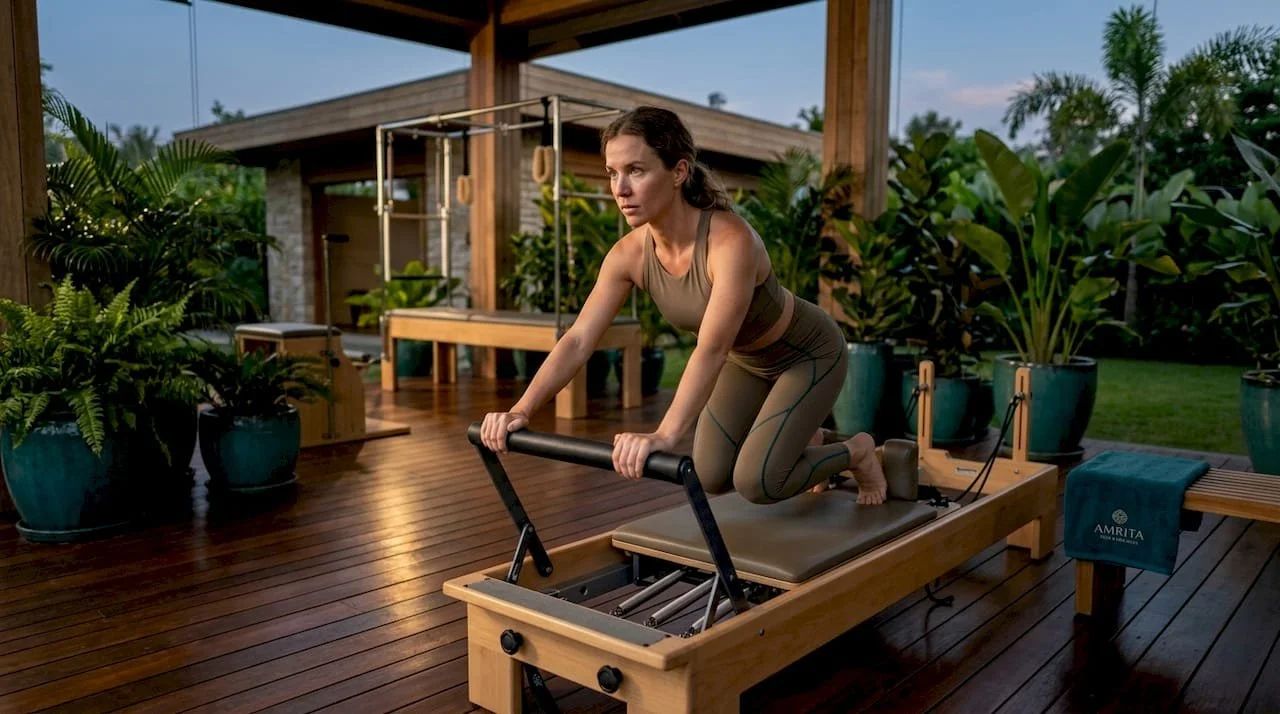
Beyond metabolism, Pilates addresses a hidden driver of abdominal fat: cortisol. The mindful breathing central to every Pilates session actively lowers cortisol levels, which reduces the hormonal signal that tells your body to store fat around the midsection. Most gym workouts ignore this entirely. Pilates targets it by design.
Here is what Pilates consistently delivers when practiced with adequate intensity:
Improved muscle tone and core strength that supports posture and reduces injury risk during other workouts
Elevated resting metabolic rate through increased lean muscle, which accelerates fat loss between sessions
Reduced cortisol and stress-related fat storage, particularly around the abdomen
Better body awareness and movement quality, which improves performance in cardio and strength training
High adherence rates because the low-impact format is sustainable long-term, unlike high-intensity programs that cause burnout
Pro Tip: If your Pilates class never leaves you breathing hard or feeling muscular fatigue, the intensity is too low for fat loss. Ask your instructor about reformer progressions or resistance band variations to increase the challenge.
The research is clear that Pilates alone is not inherently a fat-loss modality without sufficient intensity. The class format, equipment, and instructor quality determine whether you are building the muscle and metabolic demand needed for real results.
How to find the best Pilates for weight loss near me in Philadelphia
Philadelphia and its surrounding neighborhoods offer several structured options for weight loss Pilates, ranging from affordable community programs to boutique studios. The most important filter is not price. It is class size and instructor expertise, because personalized feedback is what separates progress from going through the motions.
Cheltenham Adult School, located just outside Philadelphia in Cheltenham Township, runs a Pilates Mixed Equipment class capped at five participants. Sessions run Fridays from 10:30 to 11:30 AM, and a 10-week enrollment costs $150. That pricing makes it one of the most affordable Pilates programs in the region, and the small group size means the instructor can correct your form and adjust resistance in real time. That level of individual attention is rare at larger studios.
| Format | Equipment | Best for | Typical cost |
|---|---|---|---|
| Mat Pilates | Bodyweight only | Beginners, home practice | $15–$25 per class |
| Reformer Pilates | Reformer machine | Intermediate, higher resistance | $30–$50 per class |
| Mixed Equipment | Reformer, ring, bands | Fat loss, progressive overload | $150 per 10 weeks (community) |
| Group studio classes | Varies | Social motivation, variety | $20–$40 per class |
When evaluating any local Pilates studio nearby, ask three direct questions before enrolling: Does the instructor hold a certification from BASI Pilates, Balanced Body, or STOTT Pilates? Does the class include progressive resistance over the course of the program? And what is the average class size? Anything above 12 participants makes individualized coaching nearly impossible.
Pro Tip: Search for local Pilates classes that explicitly mention "weight loss" or "body composition" in their class descriptions. A general stretch-and-breathe class will not produce the metabolic demand you need. Explore popular Pilates styles to identify which formats match your fat-loss goals before committing.
How to integrate Pilates with exercise and nutrition for fat loss
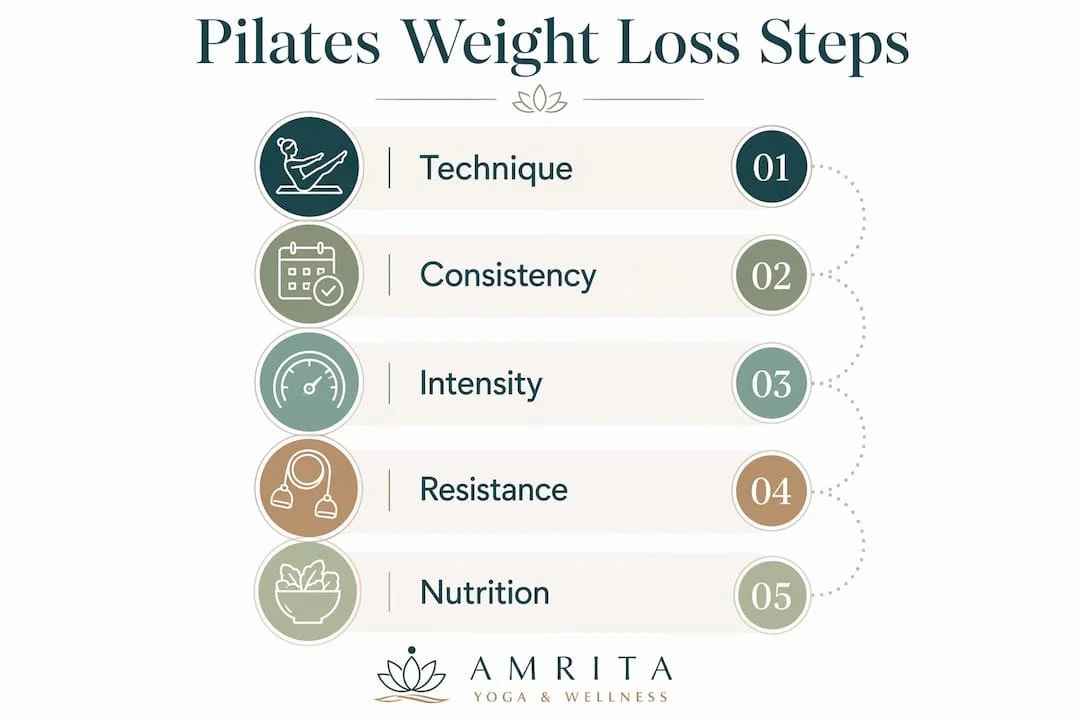
Pilates is strength and neuromuscular training. It is not steady-state cardio, and treating it as your only fat-loss tool is the single most common reason people plateau. Combining resistance training with moderate cardio produces 44% more fat loss than cardio alone, which means Pilates paired with walking and aerobic activity is a genuinely superior strategy.
A practical weekly structure for Philadelphia residents looks like this:
Monday: Pilates session (45 to 60 minutes, mixed equipment or reformer)
Tuesday: 8,000 to 10,000 steps walking, ideally outdoors or on a treadmill
Wednesday: Pilates session or light strength training with dumbbells
Thursday: Moderate cardio, 30 to 40 minutes at a conversational pace (cycling, swimming, or brisk walking)
Friday: Pilates session (use this as your structured class day if enrolled at a local studio)
Saturday: Active recovery, yoga, or a longer walk
Sunday: Rest
Nutrition is where most people undermine their Pilates results. A combined routine of weights, walking, and Pilates only works if your caloric intake supports a modest deficit. The key nutritional priorities are:
Eat enough protein (0.7 to 1 gram per pound of bodyweight) to protect and build the muscle Pilates develops
Time a protein-rich meal or snack within 90 minutes after each Pilates session
Avoid the common trap of eating back all calories burned because Pilates "felt hard"
Prioritize whole foods and reduce processed carbohydrates to manage insulin and cortisol together
Pro Tip: Track your measurements and how your clothes fit weekly rather than relying on the scale. Body composition changes often precede scale movement by two to four weeks, and seeing your waist shrink while the scale stalls is a sign the method is working.
Common mistakes when using Pilates for weight loss
The biggest mistake is assuming that any Pilates class automatically produces fat loss. It does not. A gentle mat class focused on breathing and flexibility burns roughly the same calories as a slow walk. The intensity and resistance of the class determine whether you are building the muscle and metabolic stimulus needed for body composition change.
Here are the mistakes that consistently derail results:
Choosing low-intensity classes because they feel manageable, then wondering why nothing changes after eight weeks
Skipping complementary cardio and expecting Pilates alone to create the caloric deficit fat loss requires
Ignoring nutrition entirely, which negates even the best Pilates program
Avoiding progressive overload by staying at the same resistance level session after session
Measuring only by the scale, which misses the fat-to-muscle shift that Pilates produces
"The best exercise for weight loss is the one you actually do consistently. Pilates wins on adherence because it is low-impact, skill-based, and genuinely enjoyable for most people. Build on that foundation rather than abandoning it when the scale does not move in week three."
Burnout is also a real risk when people set unrealistic timelines. Sustainable fat loss through Pilates and complementary training takes 8 to 16 weeks to show measurable results. Expecting visible change in two weeks leads to quitting a method that would have worked at week ten.
Step-by-step plan to start Pilates for weight loss near me
Starting well is more important than starting fast. A structured entry into local Pilates classes sets the foundation for results that last.
Identify two or three local options with explicit weight-loss or body-composition focus. Cheltenham Adult School and studios offering reformer or mixed-equipment group Pilates sessions are strong starting points in the Philadelphia area.
Enroll in a beginner-appropriate class that caps enrollment at 10 or fewer participants. Review the beginner Pilates guide at Amritayogawellness to understand what to expect in your first sessions.
Commit to three to five sessions per week for the first eight weeks without evaluating results before that point.
Add two to three cardio sessions per week on non-Pilates days, targeting 8,000 to 10,000 steps or 30 minutes of moderate aerobic activity.
Track progress through measurements, clothing fit, and energy levels rather than daily weigh-ins.
| Week range | Focus | Progress marker |
|---|---|---|
| Weeks 1 to 3 | Learn technique, build consistency | Attendance rate, form improvement |
| Weeks 4 to 6 | Increase resistance and session frequency | Muscle fatigue during class, clothing fit |
| Weeks 7 to 10 | Add cardio sessions, refine nutrition | Measurements, energy levels |
| Weeks 11 and beyond | Progressive overload, class variety | Body composition, strength benchmarks |
Adjust intensity upward every three to four weeks. If a class no longer challenges you, ask your instructor to add resistance or try a more advanced format. Stagnation in Pilates looks like comfort, and comfort does not produce fat loss.
Key takeaways
Pilates supports fat loss most effectively when paired with cardio, progressive resistance, and a caloric deficit, practiced consistently over 8 to 16 weeks.
| Point | Details |
|---|---|
| Intensity determines results | Low-intensity Pilates classes do not produce the metabolic demand needed for fat loss. |
| Muscle building drives metabolism | Pilates increases lean muscle mass, which raises resting calorie burn over time. |
| Philadelphia has affordable options | Cheltenham Adult School offers capped classes at $150 for 10 weeks with individualized coaching. |
| Cardio and Pilates together win | Combining resistance training with moderate cardio produces 44% more fat loss than cardio alone. |
| Track composition, not just weight | Clothing fit and measurements reveal progress weeks before the scale moves. |
What I have learned about Pilates and weight loss in Philadelphia
After spending time observing and participating in the Philadelphia wellness community, one pattern stands out clearly: the people who get results from Pilates are not the ones who work the hardest in week one. They are the ones who find a class small enough to get real feedback, show up three to five times a week without drama, and add a walk or a bike ride on the days in between.
The small-group format at places like Cheltenham Adult School is genuinely underrated. Five people in a room with a qualified instructor means your form gets corrected before bad habits set in, and that matters more than any equipment upgrade. I have seen people spend $50 a class at boutique reformer studios and plateau because the class was too large for the instructor to notice their compensations.
The other thing most articles get wrong: Pilates is not a punishment for eating. It is a skill-based practice that builds a body capable of doing more over time. When you approach it that way, and pair it with enjoyable cardio and sensible eating, the weight loss follows. Patience is not passive. It is the active choice to keep showing up when the scale has not moved yet.
— Juiced
Start your Pilates and wellness journey at Amrita Yoga & Wellness
Amrita Yoga & Wellness is Philadelphia's community-centered studio offering Pilates classes designed for real results, not just relaxation. Whether you are brand new to the practice or looking to intensify your current routine, the studio's accessible programs meet you where you are.
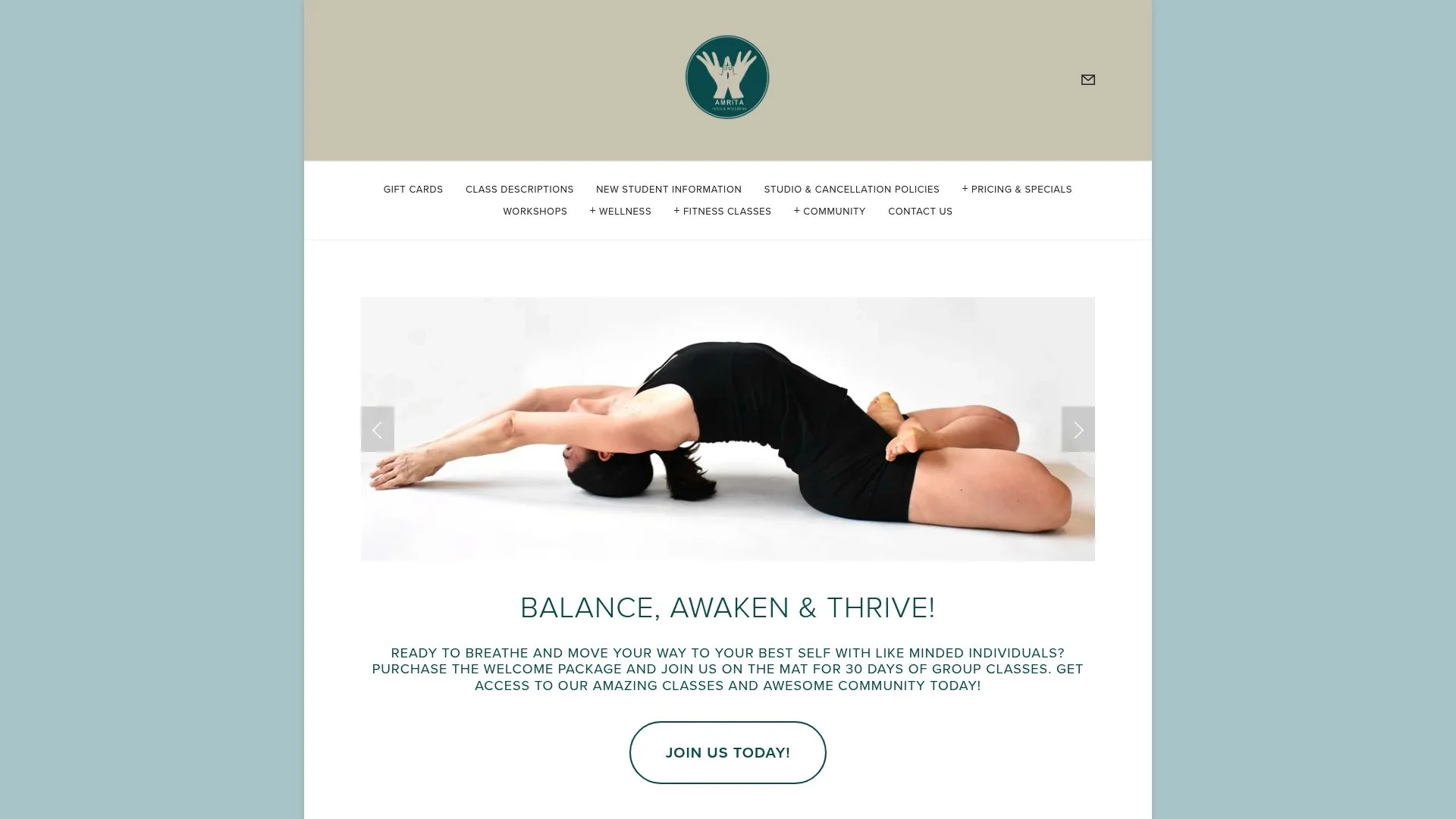
Amritayogawellness offers a range of movement and wellness services under one roof, from structured Pilates workouts built for body composition goals to holistic wellness sessions that support your mental and physical recovery. If you are looking to complement your fitness routine with something that addresses stress and overall well-being, explore the studio's tarot readings as a mindful addition to your self-care practice. Visit Amritayogawellness to browse the current class schedule, check availability, and take the first step toward a consistent, results-driven Pilates practice in Philadelphia.
FAQ
Is Pilates good for weight loss?
Pilates is good for weight loss when practiced at sufficient intensity and combined with cardio and a caloric deficit. A 2021 meta-analysis confirmed it significantly reduces body weight and fat in overweight adults with consistent practice.
How many times a week should I do Pilates to lose weight?
Three to five sessions per week is the recommended frequency for fat loss results. Pairing those sessions with two to three cardio days accelerates body composition change significantly.
What is the best Pilates format for weight loss?
Reformer Pilates and mixed-equipment classes produce the most fat-loss benefit because they allow progressive resistance increases. Review the best Pilates styles at Amritayogawellness to match the right format to your goals.
How long before I see weight loss results from Pilates?
Most people see measurable body composition changes between weeks 8 and 16 with consistent practice. Clothing fit and measurements typically shift before the scale reflects the change.
Are there affordable Pilates classes for weight loss in Philadelphia?
Yes. Cheltenham Adult School offers a mixed-equipment Pilates class capped at five participants for $150 over 10 weeks, making it one of the most cost-effective structured options in the Philadelphia area.