
How to Practice Mindfulness for Mental Clarity
TL;DR:
Practicing mindfulness, even for just one to five minutes daily, reduces stress and improves focus.Consistent practice trains the brain to better regulate emotions and enhances cognitive control over time.
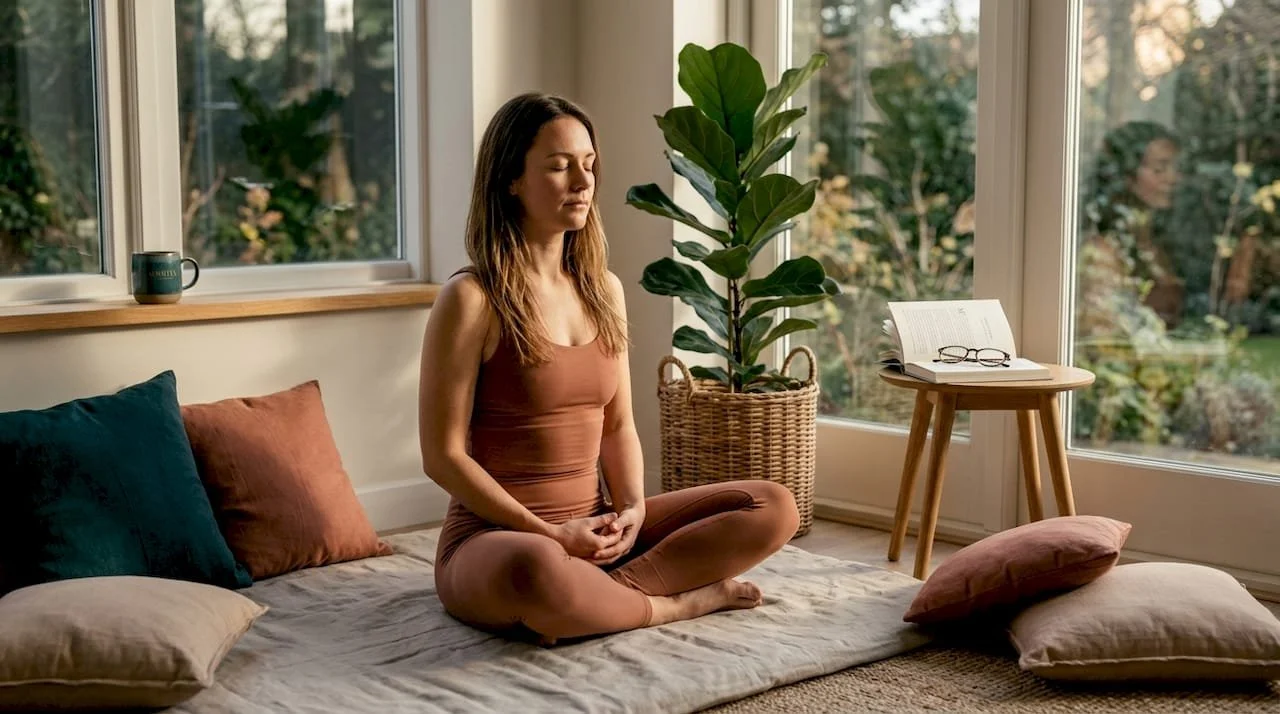
Mental clutter is real. Most people go through their day half-present, replaying yesterday's argument or rehearsing tomorrow's meeting, while missing what's right in front of them. Learning how to practice mindfulness is one of the most direct ways to interrupt that cycle. It doesn't require a special cushion, a silent room, or an hour of free time. This guide gives you practical steps you can start today, from setting up your first session to weaving mindfulness into your daily routine, so you build something that actually sticks.
Table of Contents
Key takeaways
| Point | Details |
|---|---|
| Start with short sessions | Even 1 to 5 minutes of daily practice measurably reduces stress and improves focus. |
| A wandering mind is normal | Noticing when your attention drifts and returning to the present is the actual practice. |
| Habit stacking works | Anchoring mindfulness to daily triggers like brushing your teeth makes it easy to sustain. |
| Consistency beats duration | Five minutes every day is far more effective than a long session once a week. |
| Benefits build over time | Regular practice creates real brain changes that improve emotional regulation and resilience. |
How to practice mindfulness: what you need to start
You don't need much. That's probably the biggest surprise for most beginners. No app, no timer, no meditation cushion. What you do need is a basic understanding of what mindfulness actually is, because most people start with the wrong mental model.
Here's what sets beginners up for success from day one:
A comfortable posture. Sitting upright in a chair works perfectly. So does lying down, standing, or walking. The goal is alert but relaxed, not stiff or sleepy.
A short time commitment. 1 to 5 minutes per day significantly improves stress, attention, and emotional regulation for beginners. Start there, not with 20 minutes.
No tools required. Your breath is always available. That's your anchor. Apps and guided audio are optional supports, not requirements.
The right expectation. This one matters more than any of the above. Most people think mindfulness means achieving a quiet, thought-free mind. That's not it. Mindfulness is not about stopping thoughts but about observing them with acceptance. A busy mind during practice is not failure. It's the material you're working with.
A commitment to consistency over perfection. A two-minute practice you do every morning beats a 30-minute session you attempt twice a month.
The biggest thing holding beginners back is the belief that they're doing it wrong whenever a thought appears. When you understand that noticing the thought and returning your attention is the whole point, practice stops feeling like a test you keep failing.
Pro Tip: Set a specific time to practice, like right after your morning coffee or before you open your phone. Tying it to an existing habit removes the "I'll do it later" trap entirely.
For more tips for mindfulness practice that work in real life, the Amrita Yoga & Wellness blog has practical guidance built for everyday schedules.
A step-by-step guide to your first sessions
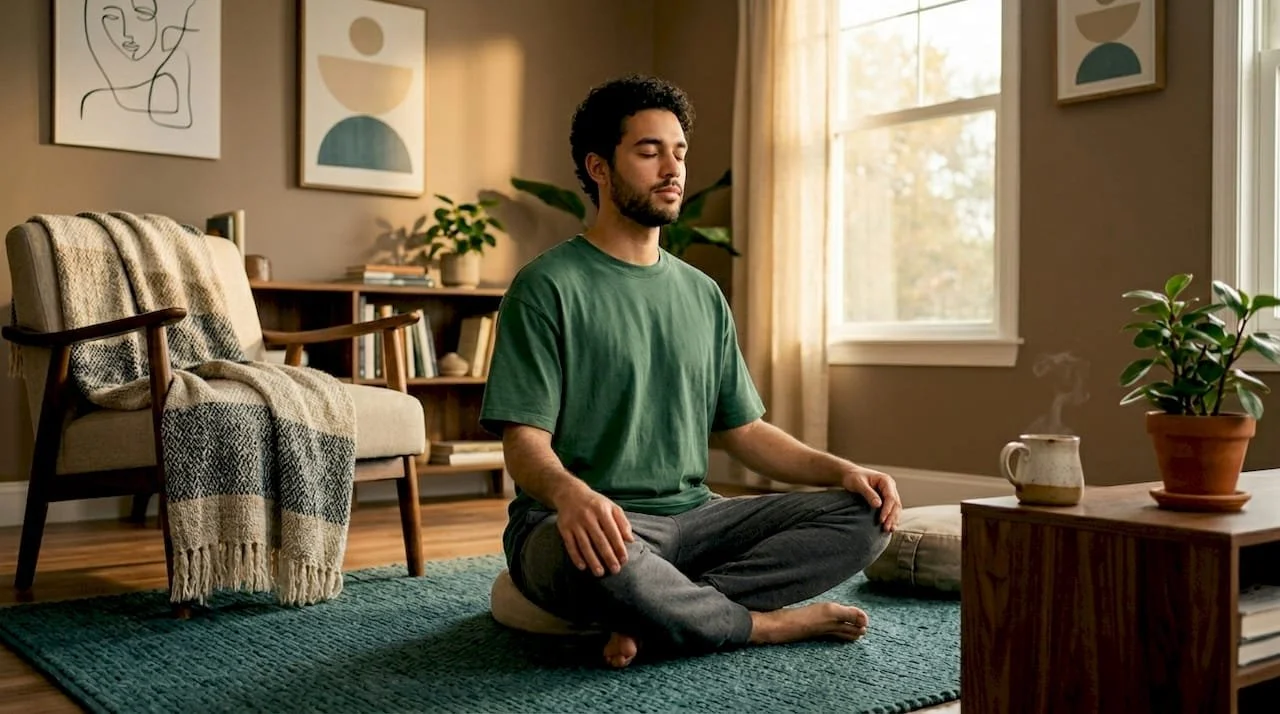
Once you understand the basics, here's exactly how to practice mindfulness in your first few sessions. These steps cover the most accessible forms, starting with breath focus and expanding from there.
Breath awareness: your default starting point
Sit comfortably with your feet flat on the floor. Hands rest on your knees or in your lap.
Close your eyes or soften your gaze downward.
Take one slow breath in through your nose, feeling your chest or belly rise.
Exhale through your mouth or nose. Feel the release.
Let your breathing return to its natural rhythm. Don't control it. Just notice it.
When a thought appears (and it will), simply notice it without criticism and bring your attention back to the breath.
Repeat that noticing and returning for your chosen time, even if it's just two minutes.
That returning step is where the actual work happens. Noticing mind wandering and gently returning attention without judgment trains cognitive control and emotional regulation over time. Every return is a rep.
Other forms worth trying
Once breath focus feels familiar, you have several options to deepen or vary your practice:
Body scan. Lie down and slowly move your attention from the top of your head to the tips of your toes, noticing physical sensations without trying to change them.
Mindful walking. Walk slowly and notice each sensation: the lift of your heel, the shift of your weight, the feeling of the ground beneath you.
Mindful listening. Sit still and notice every sound in your environment without labeling them as good or bad. Just hear.
Mindful eating. Eat one meal or snack without your phone or TV. Focus on texture, taste, and temperature bite by bite.
Making it daily through habit stacking
The most effective way to build a consistent practice is not willpower. It's design. Habit stacking anchors mindfulness to existing behaviors, making daily practice automatic without demanding extra time. Pause for one breath at every doorway. Take three conscious breaths after brushing your teeth. Check in with your body while waiting for coffee to brew.
Daily integration of mindfulness momentsis more impactful than isolated long sessions. These micro-moments add up faster than most people expect.
Pro Tip: If you want support getting started, short guided sessions can ease frustration and sharpen focus, especially in the first few weeks. Try one 5-minute guided meditation before going solo.
For a structured daily approach, check out Amrita Yoga & Wellness's guide on building a mindfulness workflow for everyday clarity.
Common mistakes and how to get past them
Most people quit mindfulness in the first two weeks. Not because it doesn't work, but because they misread the experience. Here are the most common obstacles and what to do about each.
Treating a busy mind as failure. Your mind will wander. That's not a sign that you're bad at this. It's a sign that you're human. The practice is the noticing, not the silence.
Waiting for the perfect moment. Waiting for a quiet house, an uninterrupted hour, or the right mood means waiting forever. Two minutes on a park bench counts. Thirty seconds in your parked car counts.
Pushing away difficult emotions. Sometimes sitting quietly surfaces anxiety, sadness, or irritability. Regular short practice builds non-judgmental awareness that helps you respond to those emotions rather than react to them. Don't avoid the discomfort. Observe it with curiosity.
Chasing a streak and feeling defeated when you miss a day. Consistency matters more than perfect streaks. Missing a day is not failure. Just begin again the next morning without drama.
Using the wrong posture for your body. If sitting cross-legged hurts, sit in a chair. If lying down makes you fall asleep, sit up. Adapt the form to your body, not the other way around.
"The goal of mindfulness is not to get somewhere different. It's to see clearly where you already are."
That framing removes a lot of pressure. You're not trying to achieve a calm state. You're practicing the skill of returning to the present moment, again and again, with patience.
What to expect from consistent practice
Here's where the real motivation lives. How mindfulness benefits you is not abstract or mystical. The research is concrete and growing every year.
| Benefit | What the evidence shows |
|---|---|
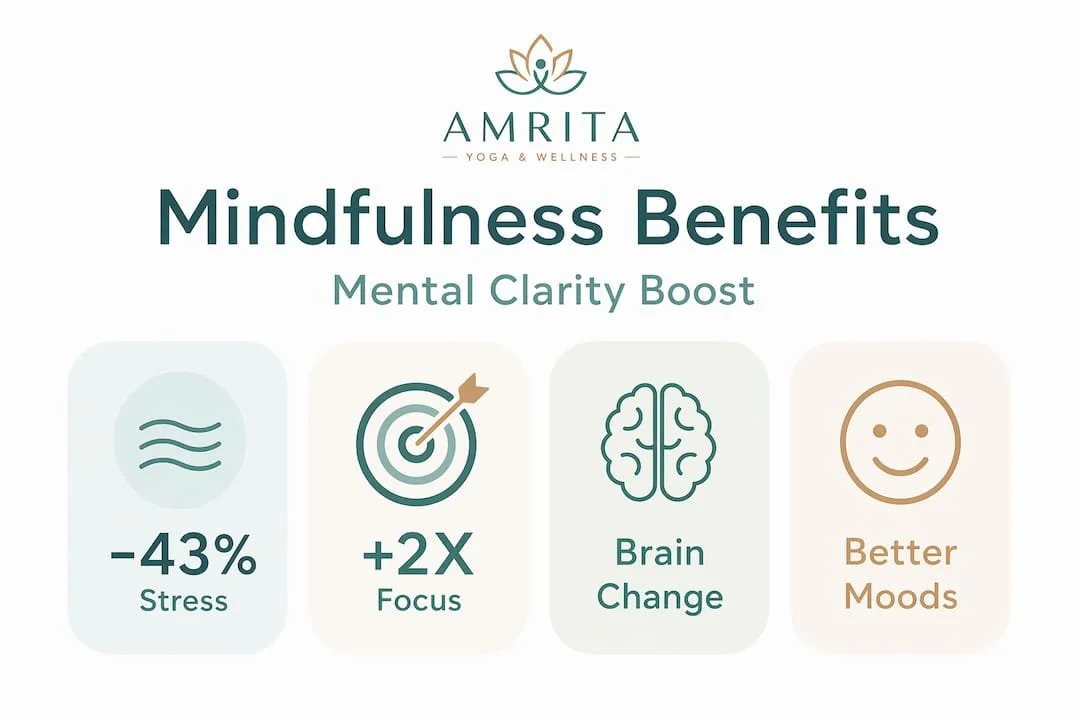
| Stress reduction | Short daily sessions measurably lower perceived stress levels |
| Attention and focus | Regular practice improves sustained attention and reduces mind wandering |
| Emotional regulation | Greater ability to pause before reacting to triggers |
| Brain structure changes | Gray matter volume increases in areas tied to cognitive control |
| Resilience | Better coping responses to difficult situations and emotions |
The neurological evidence is particularly compelling. Mindfulness practice leads to measurable structural brain changes including increases in cortical thickness and gray matter density in regions responsible for attention and self-regulation. These are changes you earn through repetition, not insight.
What most people notice first, before any dramatic brain change, is a small but real shift in their relationship to stress. Situations that used to hijack the whole day start to feel more manageable. You still feel the frustration or anxiety. You just stop being completely controlled by it.
You can read more about mindfulness for stress relief and how these benefits show up in daily life on the Amrita Yoga & Wellness blog.
What I've learned from practicing mindfulness for years
I came to mindfulness the same way most people do. Stressed, scattered, and skeptical. The first few weeks felt like failing a test I didn't understand. My mind wandered constantly, and I kept assuming that meant I wasn't doing it right.
What I've learned since is that the wandering mind was never the problem. The problem was my perfectionism about it. I spent energy judging my practice instead of actually doing it. Once I stopped grading myself, something genuinely shifted.
The most useful thing I ever did was start absurdly small. Two minutes. That's it. Not because two minutes is the secret number, but because I couldn't argue myself out of it. Two minutes became five. Five became a real anchor in my morning. From there, I started noticing transitions throughout the day as natural mindfulness moments, the walk from my car to my office, the pause before answering a difficult email.
Here's the unexpected part: those small transitions became more valuable to me than the formal sessions. The formal practice trained the muscle. The transitions showed me I had actually built one.
Be patient with yourself. The practice doesn't reward urgency. It rewards showing up, imperfectly, again and again.
— Juiced
Take your mindfulness practice further with Amrita Yoga & Wellness
If you've found value in learning how to practice mindfulness and want to go deeper, Amrita Yoga & Wellness in Philadelphia offers a range of supportive wellness experiences designed to complement exactly this kind of inner work.
Beyond yoga and movement classes, Amrita Yoga & Wellness offers tarot readings as a unique way to support personal reflection and self-awareness, a natural companion to your mindfulness practice. Whether you're processing a difficult season, seeking clarity, or simply curious about tools for deeper self-knowledge, these sessions offer a guided space for insight. Explore the full range of offerings and find what supports your next step in building a life that feels more grounded and clear.
FAQ
How do I start practicing mindfulness as a beginner?
Start with just one to five minutes of breath-focused attention. Sit comfortably, follow your natural breath, and gently return your focus whenever your mind drifts. That returning is the practice.
How do you practice mindfulness without a quiet space?
Mindfulness works anywhere. You can practice mindful attention during everyday activities like eating, walking, or waiting. Noise and distraction are not obstacles; they become part of what you observe.
How long before I notice results from mindfulness practice?
Many people notice reduced stress and improved focus within two to four weeks of consistent daily practice. Short sessions practiced every day produce faster results than occasional long sessions.
What if my mind wanders the whole time?
That's completely normal and not a sign of failure. Noticing a wandering mind and returning your attention is exactly what the practice asks of you. Every return strengthens your focus over time.
Can mindfulness really change the brain?
Yes. Research shows mindfulness leads to measurable increases in gray matter in brain regions tied to attention, memory, and emotional regulation. These changes build gradually with consistent practice.