Holistic health modalities fall into a few families: whole medical systems (Ayurveda, traditional Chinese medicine, naturopathy), mind and body practices (yoga, tai chi, meditation, massage, acupuncture), and everyday self-care habits (sleep, movement, connection, time outdoors). This guide lists each one, says what it involves, and shows where the evidence is strong and where it is thin. It also covers how to try them safely alongside regular medical care.
Amritayogawellness
Explore Holistic Practices in Philadelphia
Amrita Yoga & Wellness offers yoga, tai chi, Pilates, massage therapy and other wellness practices for Philadelphia community members.
TL;DR
Holistic modalities fall into three groups: whole medical systems, mind and body practices, and daily self-care habits.
The U.S. National Center for Complementary and Integrative Health (NCCIH) classes yoga, tai chi, meditation, massage therapy, acupuncture, relaxation techniques and spinal manipulation as mind and body practices.
Evidence is real but modest: low- to moderate-quality studies suggest yoga, tai chi, acupuncture and mindfulness may help chronic low-back pain.
These practices work alongside medical care, not in place of it. Tell your doctor what you use.
In Philadelphia, you can try yoga, Pilates, tai chi, massage and Ayurvedic therapies in one studio, starting from a $11 community class.
Table of Contents
What "holistic" means in health care
Holistic care looks at the whole person rather than one symptom. Common frameworks describe four domains: physical, psychological, social and spiritual. A holistic approach asks how sleep, stress, movement, relationships and meaning affect how you feel, then offers tools for each.
Two terms get mixed up with it. Complementary means used alongside conventional care. Alternative means used instead of it. Integrative health brings conventional and complementary approaches together in a coordinated way, with an emphasis on caring for the whole person, according to NCCIH. The Mayo Clinic puts the line clearly: integrative medicine combines well-researched conventional medicine with evidence-based complementary treatments. It does not replace the former.
That framing is the one we use at our studio. Everything below is a way to add to your care, not to swap it out.
The list at a glance
| Family | Modalities | What you do | Typical aim |
|---|---|---|---|
| Whole medical systems | Ayurveda, traditional Chinese medicine, naturopathy, homeopathy | Follow a full system of diagnosis and treatment, often individualized | Balance, prevention, long-term health |
| Mind and body: movement | Yoga, tai chi, Pilates, barre | Move with breath and attention | Strength, mobility, calm |
| Mind and body: stillness | Meditation, breathwork, relaxation techniques | Train attention and breathing | Stress and sleep support |
| Mind and body: hands-on | Massage therapy, acupuncture, spinal manipulation | Receive treatment from a trained practitioner | Pain relief, relaxation |
| Self-care habits | Sleep, exercise, gratitude, relationships, time in nature | Build daily routines | Energy, resilience, lower stress |
Whole medical systems
These are complete systems of theory and practice that developed over centuries, separate from Western biomedicine. Researchers describe traditional whole medical systems such as Ayurveda and traditional Chinese medicine as individualized by definition. That is the main difference from a single therapy: a system diagnoses, prescribes a combination of diet, movement, herbs or bodywork, and adjusts it to the person. A single modality, like a massage, is one tool.
Ayurveda
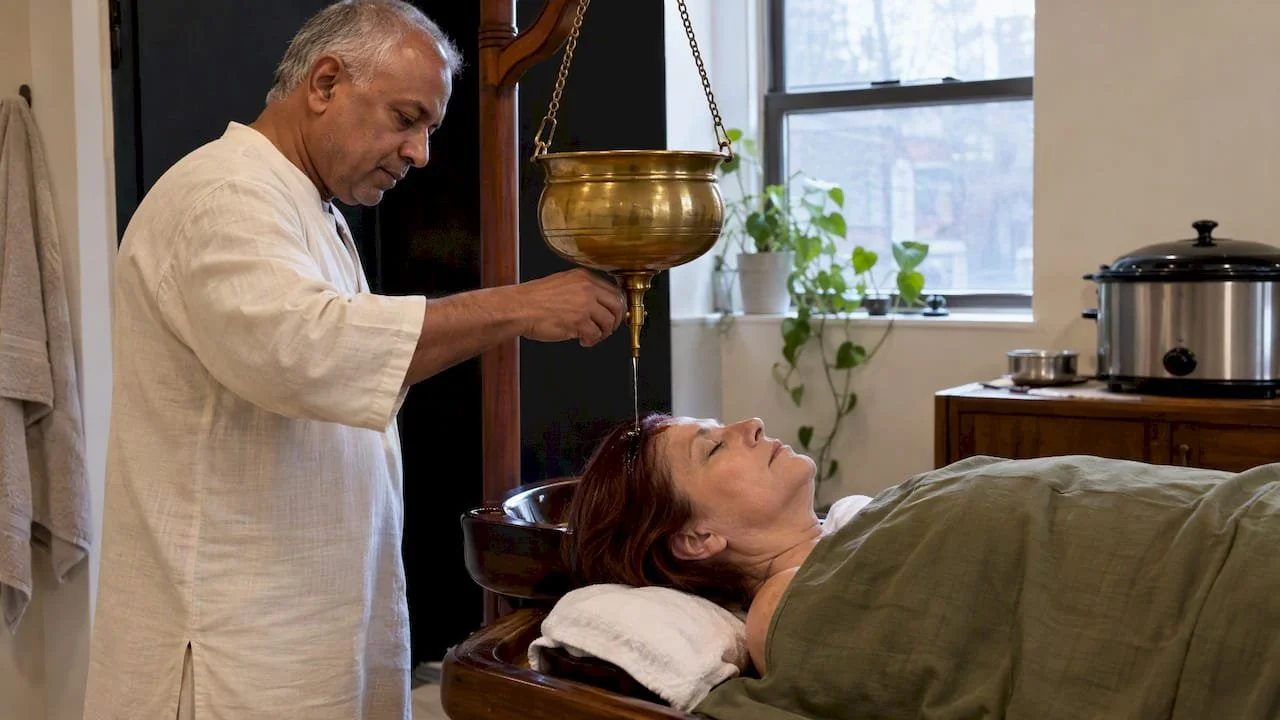
Ayurveda comes from India and treats health as a balance of body, mind and lifestyle. Practice usually involves diet guidance, daily routines, herbal preparations and bodywork. Ayurvedic oil therapies such as shirodhara (a slow stream of warm oil over the forehead) and abhyanga (full-body warm oil massage) are the ones most people meet first in a spa or studio setting. At Amrita, Ayurvedic therapies include Shirodhara at $90 per session and Abhyanga at $120 per session.
Traditional Chinese medicine and acupuncture
Traditional Chinese medicine (TCM) includes acupuncture, herbal formulas, tai chi and qigong, and dietary advice. Acupuncture is the most studied part. NCCIH reports that some evidence suggests acupuncture may modestly reduce depression symptoms. Mayo Clinic advises choosing a skilled practitioner for acupuncture.
Naturopathy and homeopathy
Naturopathy blends nutrition, lifestyle counseling, herbal medicine and other natural therapies. Homeopathy uses highly diluted substances based on the idea that "like treats like." Both are often grouped with the whole systems, and both are best discussed with your physician before you start, especially if you take prescription medicines.
Mind and body practices
NCCIH lists acupuncture, massage therapy, meditation, relaxation techniques, spinal manipulation, tai chi and yoga as mind and body practices, sorted into psychological, physical, or combined approaches. This is the group most adults try first, because the barrier to entry is low.
Yoga
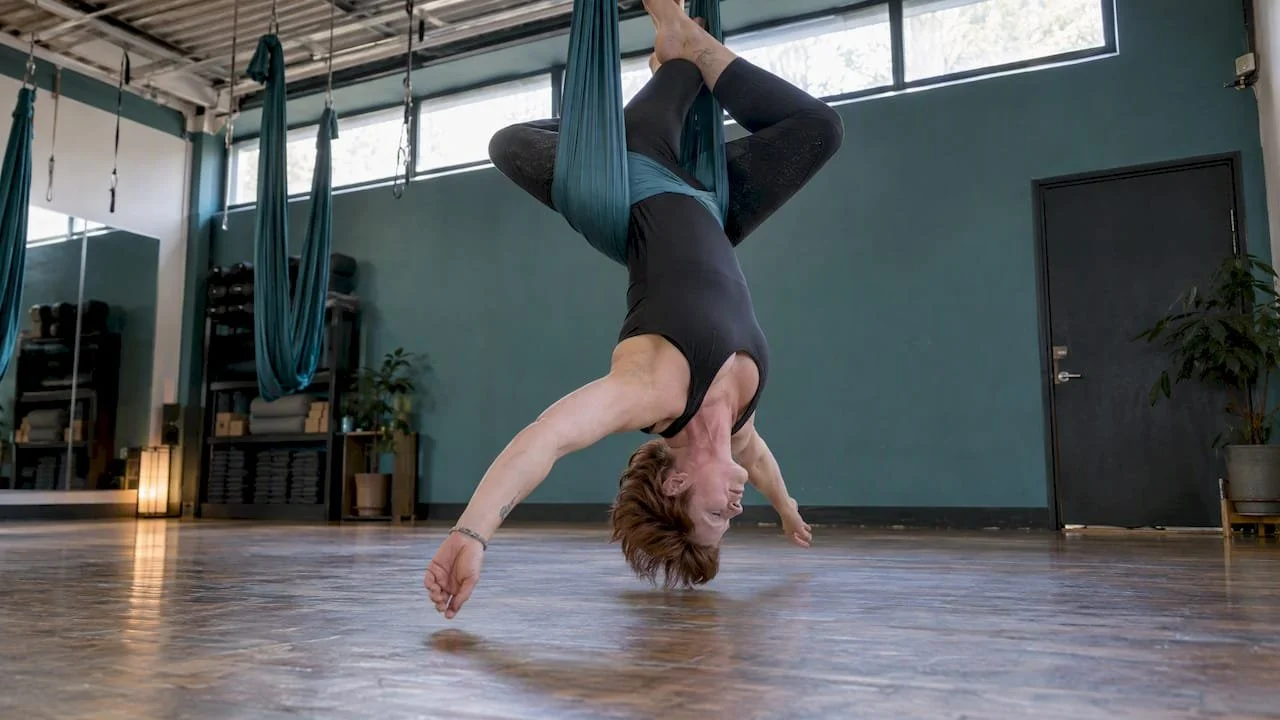
Yoga combines postures, breathing and attention. Styles range from gentle and chair-based to heated and athletic, and aerial yoga uses a hammock for support and inversion. Low- to moderate-quality evidence suggests yoga may help chronic low-back pain. For people with cancer, yoga may help manage symptoms and treatment side effects. Nothing in this group has been shown to prevent or cure cancer.
The World Health Organization notes that yoga is generally considered safe for healthy people when properly performed under a qualified instructor's guidance. That is why instruction matters more than the style you pick. Our blog covers the specifics of common yoga mistakes, hot yoga safety and aerial yoga safety.
Tai chi and qigong
Tai chi is slow, flowing movement with weight shifts and controlled breathing. It is low impact, so it suits people building balance or returning to activity. It appears on NCCIH's list of mind and body practices, and low- to moderate-quality evidence suggests it may help with chronic low-back pain.
Pilates and barre
Pilates focuses on core control, alignment and precise movement, on a mat or on reformer equipment. Barre blends Pilates-style strength work with ballet-inspired positions. Neither is a traditional healing system, but both fit the holistic idea of movement that supports posture, mobility and body awareness. Many people combine them with yoga for more balanced conditioning.
Meditation, mindfulness and breathwork
Meditation and mindfulness may help reduce symptoms of anxiety and depression, and meditation may also benefit people with insomnia. Mindfulness-based stress reduction, an eight-week structured program, is one of the approaches with low- to moderate-quality evidence for chronic low-back pain. Breathwork uses guided breathing patterns, often in a group workshop, and is a good entry point if sitting silently feels hard.
Massage therapy
Massage ranges from relaxation-focused to targeted work on muscles and joints. Evidence for cancer symptoms is limited: some low-quality evidence suggests massage may help with pain and anxiety, though findings have not been consistent. Choose a licensed, skilled therapist, and tell them about any medical condition, injury or pregnancy before the session.
Other modalities you will see on lists
Aromatherapy: inhaled or diluted essential oils. It is generally safe, but oils applied to the skin can cause allergic reactions, and people with estrogen-sensitive cancers should avoid applying large amounts of lavender or tea tree oil to the skin.
Herbal remedies and supplements: these can interact with medicines. St. John's wort, for example, can interact in dangerous, sometimes life-threatening ways with many medicines and can limit how well many prescriptions work.
Reiki and sound healing: relaxation-oriented practices that many people enjoy as quiet time. Treat them as a way to rest, not as treatment for a medical condition.
Hypnotherapy: guided focus and suggestion, delivered by a trained clinician.
Holistic self-care practices you can start today
The World Health Organization defines self-care as the ability of individuals, families and communities to promote health, prevent disease, maintain health and cope with illness. In practice, that is a set of habits you can sort by domain, as extension researchers at Mississippi State do:
Physical: regular exercise and enough sleep.
Mental: reading, learning, mindfulness.
Emotional: gratitude, journaling, naming how you feel.
Social: nurturing relationships, joining a group.
Spiritual: meditation, time in nature, anything that gives you a sense of purpose.
The same source says these practices can reduce illness risk and stress and increase energy and confidence. A realistic start is one habit per domain, small enough that you do it on your worst day. A 15-minute walk, a five-minute breathing practice before bed, and one weekly class where you see the same faces will do more than an ambitious plan you drop in week two.
What the evidence supports, and how to read it
The honest summary: several mind and body practices have promising but modest evidence, mostly for pain, stress and sleep. Here is how that looks by condition, using the U.S. government's own reviews.
| Condition | Practices with some evidence | Strength |
|---|---|---|
| Chronic low-back pain | Acupuncture, mindfulness-based stress reduction, tai chi, yoga | Low to moderate quality |
| Anxiety and depression symptoms | Meditation, mindfulness; acupuncture for depression | Some evidence; modest effects |
| Insomnia | Meditation | May help |
| Cancer symptoms and treatment side effects | Acupuncture, mindfulness-based stress reduction, yoga | May help manage symptoms; none prevent or cure cancer |
The WHO also names a core challenge in self-care: making sure people have accurate health information and are not misled by unregulated products or unsubstantiated claims. Be wary of any modality, practitioner or product that promises to cure a serious disease.
Trying a modality safely
Mind and body practices generally have good safety records when done properly by a trained professional or taught by a well-qualified instructor. A practice that is safe for most people may still not be safe for you, because medical conditions and special circumstances change the picture. Before you start:
Read up on safety and effectiveness. Start with NCCIH or Mayo Clinic pages, not a product page.
Talk to your doctor. Mayo Clinic recommends discussing any integrative practice with a health care professional, and NCCIH advises telling all your providers what you use so care stays coordinated.
Check supplements for side effects and medicine interactions with your pharmacist or prescriber.
Choose a skilled practitioner, particularly for acupuncture and massage. Ask about training, licensing and experience with your condition.
Tell the instructor about injuries, pregnancy, blood pressure issues or recent surgery, and ask for modifications. If you are unsure whether a practice suits a bone or joint condition, it helps to understand contraindications for vibration plates and similar equipment-based methods before you begin. The same habit of checking applies to hot and aerial yoga, which we cover in our guides to aerial yoga contraindications and hot yoga safety tips.
Complement, never replace
Integrative practices can help manage symptoms and improve quality of life alongside mainstream treatment, but they do not take its place. The WHO says the same of self-care: it complements, not replaces, formal health care. Think of a yoga class as one part of a plan that also includes your primary care visits, screenings and prescribed treatment. If you are working on weight with a clinician, for example, daily movement and stress care sit comfortably beside medically supervised weight loss rather than competing with it.
Perspective
We built Amrita around one idea: people come to wellness from different places, and the door should be wide. Someone may arrive with a stiff back, a busy mind, or simply a wish to be around other people on a Tuesday night. A good list of modalities is only useful if you can actually try the items on it without feeling out of place.
That is why we put yoga in several styles, Pilates mat and reformer, barre, tai chi, massage, Ayurvedic therapies and breathwork workshops under one roof. Our classes and their detailed guidance are designed for safety, personal growth and connection at every experience level. We would rather you start with a gentle class, learn how your body responds, and build from there than jump into the most intense option.
We also believe these practices work best next to good medical care. Bring your questions and your health history to the instructor, and keep your doctor in the loop.
Juiced
Try these practices in Philadelphia
If you want to move from reading to trying, start small. A group class drop-in is $28, a community class drop-in is $11, and a livestream drop-in is $19. If you know you will come often, one month of unlimited group classes is $169. You can compare the full list of drop-ins and memberships on our class pricing page, and see what is on this week in the class schedule.
Prefer one-on-one attention? Private yoga and mat Pilates sessions start from $85 per hour, and you can book a private session. For a quieter option, our Ayurvedic therapies are listed on the Ayurvedic therapies page. If you are new to the studio, our new student specials are the place to look first.
FAQ
What are the main types of holistic health modalities?
They fall into three groups. Whole medical systems include Ayurveda, traditional Chinese medicine and naturopathy. Mind and body practices include yoga, tai chi, meditation, massage and acupuncture. The third group is everyday self-care such as sleep, exercise, gratitude and time in nature.
Are holistic therapies proven to work?
Some have modest support. Low- to moderate-quality evidence suggests acupuncture, mindfulness-based stress reduction, tai chi and yoga may help chronic low-back pain, and meditation may help with anxiety, depression and insomnia. None has been shown to prevent or cure cancer, so use them for support and comfort alongside treatment.
Can I use holistic practices instead of seeing my doctor?
No. Integrative practices can ease symptoms and improve quality of life next to mainstream treatment, but they do not take its place. Tell your doctor which practices and supplements you use, especially if you take prescription medicines.
What is a good holistic practice for a complete beginner?
A gentle yoga or tai chi class with a qualified instructor is a low-risk start, and a short daily breathing or mindfulness practice costs nothing. Tell the instructor about injuries or health conditions before class so they can offer modifications.
Sources
Complementary, Alternative, or Integrative Health: What's in a Name?, NCCIH
8 Things To Know About Depression and Complementary Health Approaches, NCCIH
Tips for Taking Care of Yourself: Self-Care Practices, Mississippi State University Extension