
10 Benefits of Mindfulness, With Research and a Practice for Each
Mindfulness practice is linked to benefits including reduced stress, less anxiety, fewer depressive symptoms, sharper attention, better sleep, stronger emotional regulation, and healthier daily habits. A large individual participant data meta-analysis and WHO guidance both treat mindfulness as an evidence-based, scalable practice. Below, we break down what each benefit looks like in daily life, what the research actually shows, and how to start practicing today.
TL;DR:
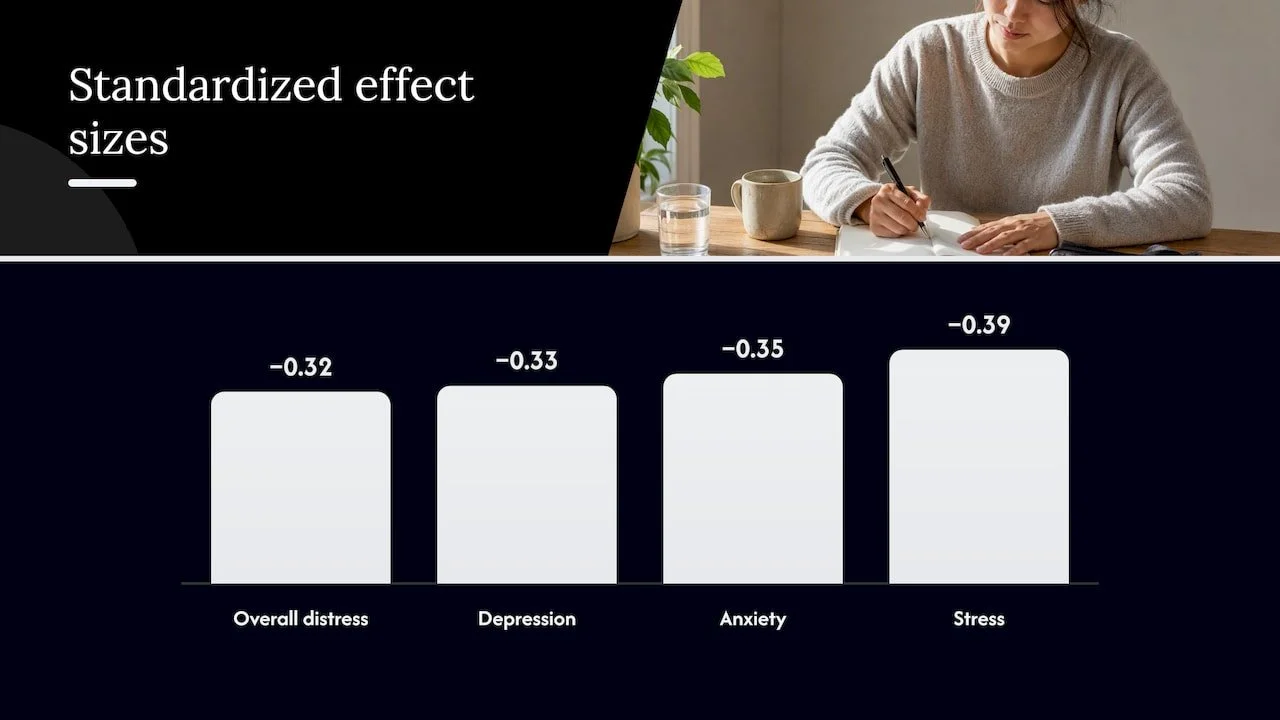
Pooled trials found a modest reduction in psychological distress, with a standardized mean difference of −0.32 one to six months after programs ended.
Teacher led, group based courses, often structured as eight weeks of sessions, produced more consistent outcomes than casual or unguided solo practice.
Evidence cited does not establish mindfulness effects on pain, daily functioning, or cardiovascular measures such as blood pressure, and certainty differs by outcome.
Start with three to five minutes of breathing or sensory attention, attach it to an existing daily habit, and track sleep or mood.
For significant anxiety, depression, or other mental health symptoms, use mindfulness alongside care from a licensed clinician, not as a replacement.
Amritayogawellness
Make Space for Mindful Practice
Explore yoga and wellness offerings at Amrita Yoga & Wellness, a Philadelphia studio with classes, workshops and practices for varied experience levels.
Table of Contents
1. Mindfulness benefits explained, one by one
Each of these ten benefits comes with a simple way to picture it in your own day, plus a note on the evidence behind it. Results vary from person to person, and teacher-led, group-based programs tend to produce more consistent outcomes than practicing alone.
Reduced stress. Mindfulness training helps you notice a stress reaction as it starts, a tight chest before a hard conversation, a racing mind before a deadline, rather than being swept into it. Harvard Health describes this as developing equanimity: the capacity to feel an emotion without being overwhelmed by it, which is central to better stress management.
Reduced anxiety. Instead of trying to force worry away, mindfulness teaches you to observe anxious thoughts as passing mental events. A meta-analysis of mindfulness-based interventions found an average reduction in anxiety symptoms with a standardized mean difference of about −0.35 across study populations, a small-to-moderate effect.
Reduced depressive symptoms and improved mood. Practicing mindfulness regularly, even a short daily sit before checking your phone, builds a habit of noticing low mood early instead of spiraling with it. The same analysis found depression scores dropped by a comparable margin, with a standardized mean difference near −0.33.
Improved attention and focus. People who practice mindfulness report catching their mind wandering sooner and returning to the task faster, whether that's reading a report or listening to a partner. Our blog on mindfulness for mental clarity covers simple practices that support this kind of attentional control, which Harvard Health also links to the stress-reduction effects of mindfulness training.
Better sleep. A short body scan or breathing practice before bed can quiet the mental replay that keeps many people awake. A systematic review and meta-analysis on mindfulness-based interventions found post-intervention improvements in sleep quality, alongside other lifestyle measures.
Pain management. Mindfulness practice may help you notice sensations and your reactions to them. The evidence provided here does not establish its effects on pain or daily function.
Improved emotional regulation and resilience. A regular practice gives you a pause button between a trigger, an unexpected criticism, a frustrating commute, and your reaction to it. Over weeks, that pause becomes a trained skill rather than an occasional accident, which is part of why structured mindfulness programs show more consistent benefits than casual, unguided practice.
Interpersonal connection and compassion. Paying closer attention to your own internal state may help you notice your reactions during conversations.
Healthier daily habits and brain-health links. The same 2024 systematic review found mindfulness-based interventions associated with increased physical activity, reduced alcohol use, and higher rates of tobacco cessation, likely because stronger emotion regulation and attentional control make it easier to follow through on healthier choices.
Possible physical-health benefits. The evidence provided here does not establish effects on cardiovascular markers such as blood pressure.
Across these benefits, teacher-led, group-based programs show more consistent effects in the evidence cited here than less structured practice.
2. How to start a mindfulness practice that works
You do not need an extended period of silence to begin practicing. A consistent practice can be easier to sustain than an occasional long one.
Micro-practice (3 to 5 minutes): sit or stand still, breathe naturally, and name five things you notice through your senses right now, then return to your breath until the time is up.
Starter practice: find a quiet spot, close your eyes, bring attention to the breath at the nostrils or belly, and when your mind wanders, gently label it "thinking" and return to the breath.
Pair it with an existing habit: attach your practice to something you already do daily, right after you brush your teeth or before your morning coffee, so you do not rely on willpower alone.
Track one or two outcomes: jot a quick note on sleep quality or mood each morning for a few weeks so you can see change instead of guessing at it.
Many structured protocols, including MBSR and MBCT, consist of eight weeks of group sessions, with guided practice and discussion. Teacher-led formats like MBSR (Mindfulness-Based Stress Reduction) and MBCT (Mindfulness-Based Cognitive Therapy) are the most-studied versions of this approach, which is part of why a class or small group often produces steadier results than a solo app routine. Our posts on mindfulness practice and step-by-step guidance for everyday calm walk through a full starter plan if you want more structure than the outline above.
Pro Tip: If you want more structure, consider a guided class or teacher-led course. The cited evidence reports more consistent effects for teacher-led, group-based programs.
3. What the research actually shows about mindfulness
The clearest evidence comes from an individual participant data meta-analysis pooling results from randomized controlled trials of mindfulness-based programs. It found a small-to-moderate average reduction in psychological distress one to six months after a program ended, with a standardized mean difference of −0.32. In plain terms, the analysis found a modest average reduction in distress, with more consistent effects for teacher-led, group-based programs.
Structured psychological self-help interventions that incorporate mindfulness techniques are evidence-based, scalable tools that can expand access to care for conditions like anxiety and depression. World Health Organization
A standardized mean difference of −0.32 in psychological distress reflects a real but modest average effect, consistent with similar findings in university student populations, where separate meta-analyses found standardized mean differences near −0.33 for depression, −0.35 for anxiety, and −0.39 for stress across several studies.
Other reviews add to the picture, with varying levels of certainty. The 2024 review on lifestyle and brain health reported post-intervention improvements in sleep quality and physical activity. None of this means mindfulness is a cure-all. The findings suggest potential benefits across several areas, but the strength of evidence varies by outcome.
4. Making mindfulness part of an ordinary week
The benefits above stop being theoretical when you try a short practice in everyday life. We find the easiest way in is small: breath awareness before a class, or a body scan while waiting for water to boil, rather than waiting for a perfect, quiet hour that rarely shows up. Guided settings tend to help more than solo attempts, since a teacher's cues keep attention anchored when your own mind wanders. If you are managing significant anxiety, depression, or other mental health symptoms, mindfulness practice works best alongside, not instead of, care from a licensed clinician. Pairing breath work with movement, like yoga, is one of the more natural ways to build the habit, and if you want that kind of guided structure, the options below are a reasonable place to start.
— Juiced
5. Guided mindfulness support at Amrita Yoga & Wellness
We built our class schedule around the idea that mindfulness sticks best with structure and company, not willpower alone. Whether you are new to practice or returning after a long break, a teacher-led setting gives you the cues and accountability that solo practice often lacks.
Drop into a Group Class or Community Class to try guided breath and movement work without committing to a membership.
Join from home with a Livestream Class Drop In if an in-studio visit is not practical yet.
Book a One to One Session for individualized pacing and attention.
Explore our Ayurvedic therapies, including Shirodhara and Abhyanga, for a deeper, body-based approach to stress relief.
Browse our full class and monthly experience schedule to find a session that fits your week and reserve your spot.
This article is general information, not a substitute for advice from a qualified doctor. Consult a qualified healthcare professional about your own circumstances before acting on anything here.
FAQ
What are the main benefits of mindfulness?
The benefits supported by the evidence cited here include reduced stress, anxiety, and depressive symptoms, along with better attention, sleep, and emotional regulation. A large individual participant data meta-analysis found these effects were small-to-moderate on average and more consistent in teacher-led group programs.
How long does it take to see benefits from mindfulness?
Many structured programs run for eight weeks and show measurable improvements in psychological distress within one to six months of completion, according to pooled trial data. Short daily practice, even a few minutes, can produce noticeable changes in stress awareness sooner than that, though formal programs tend to show steadier results.
Can mindfulness help with sleep problems?
Yes. A systematic review and meta-analysis found mindfulness-based interventions were associated with improved sleep quality, and separate research on insomnia patients found mindfulness added to conventional treatment improved related anxiety and depression scores as well.
Is mindfulness backed by scientific research?
Mindfulness is supported by multiple systematic reviews and randomized controlled trials, and the World Health Organization recognizes structured self-help interventions that incorporate mindfulness techniques as evidence-based tools for expanding access to mental health care. Certainty varies by outcome, with stronger evidence for stress, anxiety, and sleep than for some physical-health markers.
What is the easiest way to start practicing mindfulness?
Start with a short daily practice, such as focused breathing or noticing things through your senses, and attach it to an existing habit like your morning coffee. Guided classes or teacher-led courses, including in-studio or livestream options, tend to produce more consistent results than practicing alone from the start.