Different Types of Massages: Your 2026 Wellness Guide
TL;DR:
Choosing the right massage depends on your specific health goal, whether relaxing, relieving pain, or recovering. Different styles use varying pressure and techniques, targeting specific systems such as muscles, lymph, or energy centers for tailored benefits. Effective communication and clear goal-setting with your therapist enhance outcomes and ensure a safe, personalized experience.
Massage therapy is a structured, hands-on practice that manipulates soft tissues to relieve pain, reduce stress, and restore physical function. The different types of massages available today range from gentle Swedish strokes to targeted sports techniques, and each one serves a distinct purpose. Choosing the wrong style means leaving real benefits on the table. Whether you want full-body relaxation, relief from chronic back pain, or faster athletic recovery, the right massage type makes a measurable difference. This guide covers the most effective options, backed by research from Health.com, the VA HSRD, and NCBI, so you can walk into your next session with a clear plan.
1. What are the most popular types of massages?
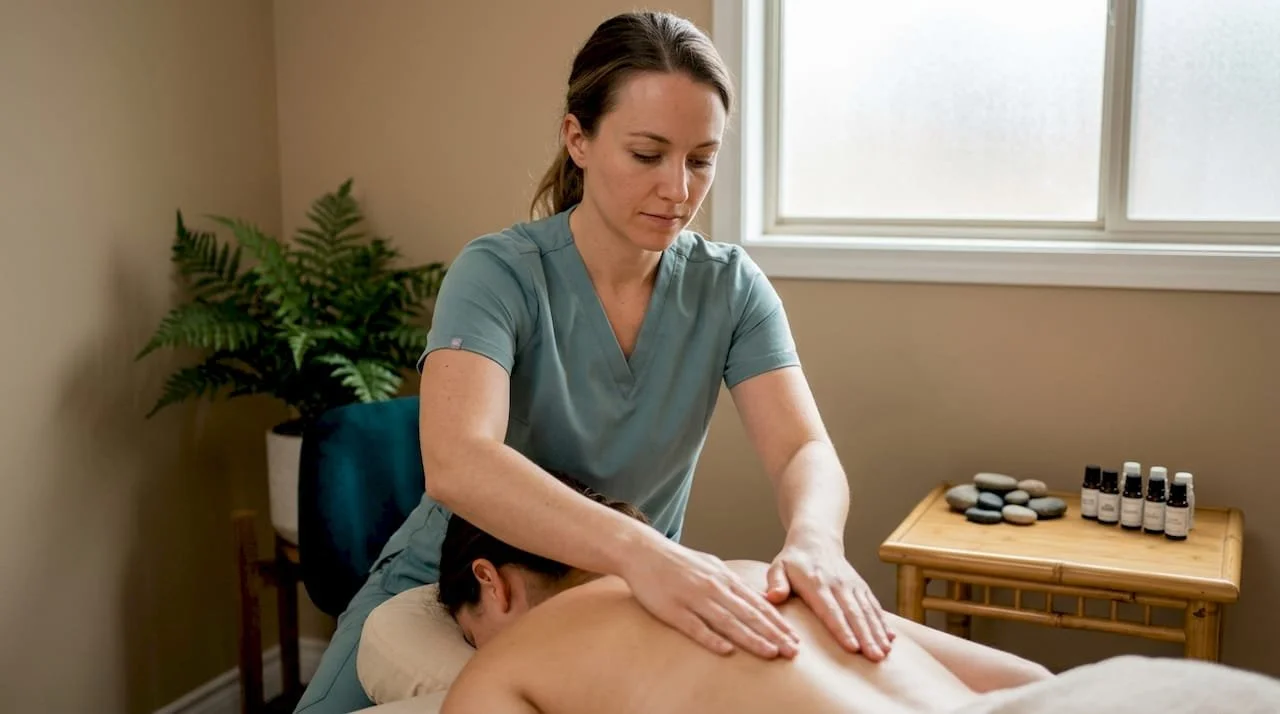
Swedish massage is the most widely recognized starting point in massage therapy. It uses long, flowing strokes with light pressure and kneading to promote relaxation and improve circulation. Most people choose Swedish when stress relief is the primary goal, and it works well for first-time clients who are unfamiliar with bodywork.
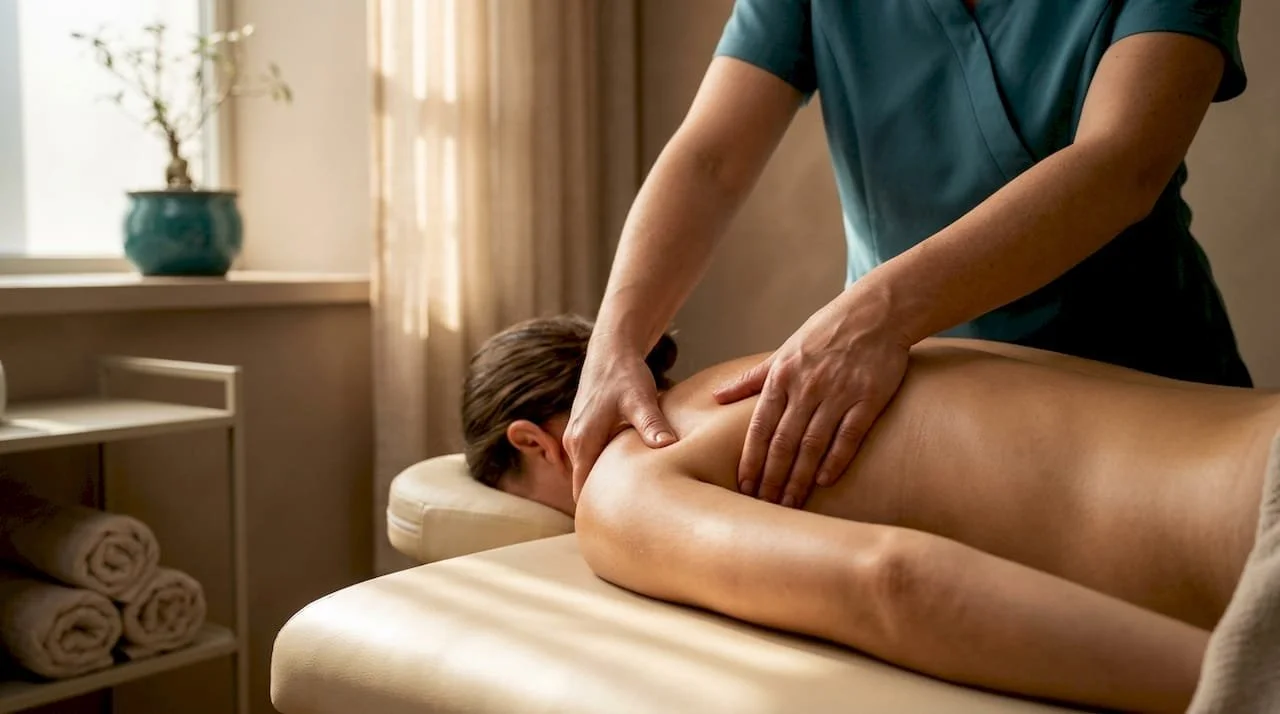
Deep tissue massage applies significantly firmer pressure, targeting the deeper layers of muscle and connective tissue. According to Health.com, deep tissue work is characterized by more intense pressure compared to Swedish and is specifically designed to release chronic tension and address sports injuries. Expect some soreness the following day, which is normal and typically resolves within 48 hours.
Hot stone massage combines traditional Swedish strokes with smooth, heated basalt stones placed along the spine and limbs. The warmth from the stones enhances muscle loosening and improves blood flow, making it particularly effective for people who carry tension in their upper back and shoulders. Massage oils are used alongside the stones for smooth, uninterrupted strokes.
Sports massage is built around the specific demands of athletic training and competition. Therapists tailor sports massage techniques depending on the athlete's sport and injury location, which means a marathon runner's session looks very different from a swimmer's. The focus is injury prevention, faster recovery, and maintaining peak muscle performance.
Two additional styles worth knowing:
Shiatsu massage applies rhythmic finger pressure along the body's energy meridians, drawing from traditional Japanese medicine. Sessions are typically done fully clothed on a floor mat.
Thai massage combines acupressure with yoga-like assisted stretching. The therapist moves your body through a series of positions, making it one of the most physically active massage experiences available.
Prenatal massage is specifically designed for pregnant clients, using modified positioning and gentle pressure to reduce swelling, ease back pain, and manage stress during pregnancy.
2. How specialized massage types differ from traditional styles
Specialized massage therapy options operate on entirely different principles than Swedish or deep tissue work. Understanding those differences helps you match the technique to a specific health goal rather than defaulting to the most familiar option.
Lymphatic drainage massage is the clearest example of this distinction. It uses very light, rhythmic compressive strokes at feather-light pressure to promote lymph flow rather than manipulate muscle tissue. This makes it fundamentally different from any traditional massage style. It targets the lymphatic system to reduce swelling, support immune function, and assist recovery after surgery or illness.
Craniosacral therapy takes an even gentler approach, using subtle touch along the spine and skull to release tension in the central nervous system. Practitioners apply only about five grams of pressure, roughly the weight of a nickel, making it one of the least physically intense forms of bodywork available.
Reflexology focuses exclusively on the feet and hands, applying targeted pressure to zones believed to correspond with specific organs and body systems. It does not involve full-body contact, which makes it accessible for clients who are uncomfortable with traditional massage.
Two additional specialized styles round out the holistic end of the spectrum:
Aromatherapy massage incorporates essential oils like lavender, peppermint, and tea tree to deepen relaxation and enhance therapeutic effects. It is typically combined with Swedish techniques rather than used as a standalone method.
Chakra balancing massage works with the body's energy centers using light touch and intention-based techniques. It is most relevant for clients who already engage with energy-based wellness practices.
3. How to choose the right massage for your needs
Selecting the right massage type starts with one honest question: what is your primary goal? The answer narrows your options immediately and prevents you from booking a session that works against your needs.
Follow this decision framework:
Relaxation and stress relief. Choose Swedish massage or aromatherapy massage. Both use light to moderate pressure and are designed to calm the nervous system rather than work out deep muscle knots.
Chronic pain or muscle tension. Deep tissue massage is the most direct option. Research from the VA HSRD confirms that massage benefits chronic low back pain and fibromyalgia based on moderate-certainty evidence, though it works best as part of a broader treatment plan.
Athletic recovery or injury prevention. Sports massage is the clear choice. Pair it with active recovery strategies like stretching and hydration for the best results.
Post-surgical recovery or immune support. Lymphatic drainage massage is the appropriate option, but always consult your physician before booking if you are recovering from a medical procedure.
Pregnancy-related discomfort. Prenatal massage with a certified therapist is the safest and most targeted choice.
Consider your health conditions carefully. NCBI research shows that different massage types for back pain include Swedish, Thai, and acupressure, each with varying pressure and hand movements. The same research notes that massage offers primarily short-term relief and should complement active treatments rather than replace them. If you have fibromyalgia, avoid deep pressure styles until you have discussed tolerance levels with both your doctor and therapist.
Pro Tip: Before your session, write down your three biggest physical complaints and your pressure preference on a scale of one to ten. Hand that note to your therapist at the start. This single habit produces better outcomes than any other preparation step.
Communicating during the session matters just as much as the preparation. Specifying pain points and pressure preferences in real time gives your therapist the feedback needed to adjust technique and keep the session both safe and effective. Most clients stay silent out of politeness, which is the single biggest mistake you can make in a massage session.
4. Comparison of popular massage types at a glance
Choosing between styles becomes much easier when you see the key variables side by side. The table below organizes pressure level, primary benefit, and ideal user for the most common massage therapy options.
| Massage type | Pressure level | Primary benefit | Ideal for |
|---|---|---|---|
| Swedish | Light to moderate | Relaxation, circulation | First-timers, stress relief |
| Deep tissue | Firm to intense | Chronic pain, tension release | Chronic pain, athletes |
| Hot stone | Moderate with heat | Muscle loosening, blood flow | Tension, cold sensitivity |
| Sports | Varies by sport | Injury prevention, recovery | Active individuals, athletes |
| Shiatsu | Moderate, point-based | Energy flow, stress relief | Holistic wellness seekers |
| Thai | Moderate, stretch-based | Flexibility, energy | Active, flexible clients |
| Lymphatic drainage | Feather-light | Swelling reduction, immunity | Post-surgery, chronic swelling |
| Reflexology | Targeted, moderate | Organ system support | Those avoiding full-body contact |
| Prenatal | Gentle, modified | Pregnancy comfort, stress | Pregnant clients |
| Aromatherapy | Light to moderate | Enhanced relaxation, mood | Stress, mood imbalance |
One caution applies across all styles: massage may cause soreness or allergic reaction to oils and is best integrated with self-management strategies. Always disclose skin sensitivities, medications, and recent injuries before your session begins. Explore the benefits of massage therapy in more depth to understand how each style fits into a long-term wellness plan.
Key takeaways
The most effective massage therapy outcome depends on matching your specific goal to the right technique, pressure level, and therapist communication before and during the session.
| Point | Details |
|---|---|
| Match goal to technique | Relaxation calls for Swedish; chronic pain calls for deep tissue; recovery calls for sports massage. |
| Specialized styles serve niche needs | Lymphatic drainage, craniosacral therapy, and reflexology target systems beyond muscle tissue. |
| Communication drives results | Sharing pain points and pressure preferences in real time produces safer, more effective sessions. |
| Massage complements treatment | Research confirms massage benefits chronic pain but works best alongside active self-management. |
| Pressure level is the key variable | Choosing the wrong pressure for your condition can reduce benefits or cause unnecessary soreness. |
What I've learned after years of watching clients choose the wrong massage
Most people book a massage the same way they order from a menu they have never read. They pick the most familiar item, which is almost always Swedish, and then wonder why their chronic shoulder tension is still there after six sessions. The problem is not the therapist. The problem is the mismatch between goal and technique.
The clients who get the most out of massage therapy are the ones who treat it like a collaborative process rather than a passive service. They come in with specific complaints. They give feedback mid-session when the pressure is too light or too intense. They schedule follow-ups with the same therapist so that progress can be tracked over time. That consistency compounds. A single session is a reset. A consistent schedule is a wellness strategy.
One thing most articles will not tell you: the first session with any new therapist should be treated as a diagnostic appointment, not a treatment. Use it to communicate your history, test your pressure tolerance, and assess whether the therapist's style matches your needs. If it does not, find another therapist. The relationship matters as much as the technique.
For clients dealing with chronic conditions, I always recommend pairing massage with a complementary modality. Acupuncture, for example, addresses pain pathways that massage cannot reach on its own. The combination produces results that neither approach achieves alone.
— Juiced
Explore holistic wellness at Amrita Yoga & Wellness
Amritayogawellness offers a full spectrum of wellness services at its Philadelphia studio, designed to support your physical, mental, and spiritual well-being beyond the massage table. Whether you are working through chronic tension, managing stress, or simply building a consistent self-care practice, the studio's integrative approach brings multiple modalities together under one roof. For clients interested in exploring the energetic and intuitive dimensions of wellness, Tarot readings offer a thoughtful complement to bodywork and movement practices. Explore the full range of holistic wellness resources on the Amritayogawellness blog to find the combination that fits your goals.
FAQ
What is the best massage for stress relief?
Swedish massage is the most effective option for stress relief, using light to moderate pressure and long strokes to calm the nervous system and improve circulation.
How does deep tissue massage differ from Swedish?
Deep tissue massage uses significantly firmer pressure to target deeper muscle layers and release chronic tension, while Swedish massage focuses on surface-level relaxation with lighter strokes.
Is massage therapy effective for chronic back pain?
Research from the VA HSRD confirms that massage therapy benefits chronic low back pain and fibromyalgia based on moderate-certainty evidence, though it works best as part of a broader treatment plan rather than as a standalone solution.
What is lymphatic drainage massage used for?
Lymphatic drainage massage uses feather-light rhythmic strokes to promote lymph flow, reduce swelling, and support immune function. It differs from traditional massage because it targets the lymphatic system rather than muscle tissue.
How do I communicate with my massage therapist effectively?
Specify your pain points, pressure preferences, and health conditions before the session begins, then provide real-time feedback during the session to help your therapist adjust technique for the best results.