Four Week Low Risk Routine to Safely Use Ancient Healing Practices
Many ancient healing practices, including yoga, meditation, tai chi, breathwork, and ritualized daily habits, can support modern wellbeing when adopted thoughtfully. The strongest evidence backs movement and mindfulness practices for stress, sleep, and pain, while herbal remedies carry real risks around quality control and drug interactions. Treat these traditions as complements to medical care, not replacements for it.
TL;DR:
Movement practices like yoga and tai chi can be learned at home or in groups with proper guidance to reduce injury risk and accommodate health conditions.
Mindfulness techniques such as meditation and breathwork are low-risk and accessible without equipment but require consistent practice to support stress, sleep, and anxiety.
Herbal remedies and Ayurvedic products pose risks due to quality control issues and potential interactions with medications, emphasizing the need for clinician oversight.
Building a daily routine that integrates movement, mindfulness, and sleep hygiene over several weeks helps gauge effectiveness without relying on single sessions or dramatic rituals.
Consult a qualified healthcare professional before adding herbal products or modifying practices, and prioritize reputable teachers and community-based experience for cultural practices.
Amritayogawellness
Find Your Wellness Practice
Explore accessible yoga, tai chi, breathwork, Pilates, and other wellness offerings through Amrita Yoga & Wellness in Philadelphia.
Explore Amrita Yoga & Wellness
Table of Contents
What Ancient Healing Practices Look Like in Practice
Ancient healing traditions fall into a few practical categories, and knowing the difference helps you pick a starting point. Movement-based practices like yoga, tai chi, and qigong combine physical postures with breath control and are generally accessible to beginners with proper instruction. Contemplative practices such as meditation and mindfulness require no equipment and can be learned from a book, app, or teacher, though guided instruction speeds progress.
Acupuncture and Ayurveda are product- and technique-based systems that involve a trained practitioner and, in Ayurveda's case, herbal formulations, so they need more vetting before you start. Ritual and ceremonial practices, often tied to specific Indigenous or cultural lineages, are less about individual wellness hacks and more about community and meaning, and they deserve particular care around authenticity.
Yoga and tai chi/qigong: entry-level movement practices you can learn in a group class with modification for injuries.
Meditation and breathwork: low-risk contemplative tools that need no special equipment.
Acupuncture: requires a licensed practitioner and is not a do-it-yourself practice.
Ayurveda: includes bodywork (generally low-risk) and herbal products (higher-risk, discussed below).
Ritual and ceremony: best learned from community-sanctioned or lineage-authorized teachers rather than borrowed casually.
What the Evidence Actually Supports
The World Health Organization reports that 170 of 194 Member States use traditional medicine practices such as herbal remedies, acupuncture, yoga, or Indigenous therapies, and its current strategy pushes for evidence-based integration, quality control, and people-centered care rather than assuming age or tradition alone proves something works.
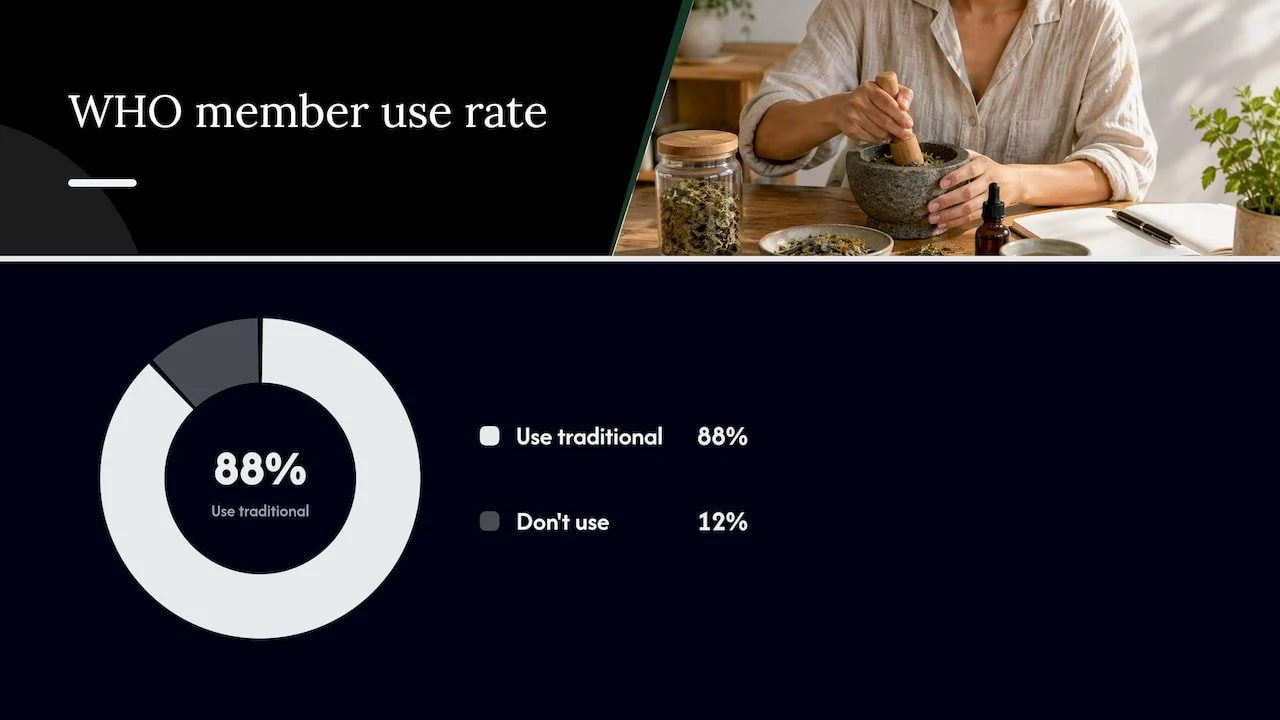
Most WHO Member States report using some form of traditional or complementary medicine, according to the World Health Organization, which signals how mainstream these practices have become worldwide even as regulation varies widely by country.
On the research side, the picture is mixed but informative:
NCCIH notes yoga can help with stress, sleep, balance, and some pain conditions, but it should complement, not replace, medical care, and unsupervised practice raises injury risk.
NCCIH finds meditation and mindfulness can ease anxiety, depression, and insomnia in some populations, though results vary by condition and are not a cure.
A systematic review overview documented multiple herbs with potential interactions with prescription drugs, alongside uneven evidence quality and a need for clinician monitoring.
Ayurvedic herb research is similarly limited, and a hepatotoxicity review documents liver injury cases tied to certain AYUSH products, recommending vigilance and better quality control.
A Daily Framework for Blending Old and New
The most reliable way to bring ancient practices into modern life is a whole-person routine rather than a single dramatic ritual. Whole-health frameworks like the VA's model recommend weaving movement, nutrition, sleep, mindful awareness, and relationships together instead of relying on one practice to do everything. Here is a simple daily and weekly structure built on that principle.
Morning ritual (5 to 20 minutes): a short sequence of gentle movement, a few minutes of breath work, and one nourishing habit such as a mindful breakfast or a glass of water before coffee.
Midday reset: a five-minute mindful walk or seated breathing break to interrupt stress before it compounds through the afternoon.
Evening wind-down: restorative breathing or a short meditation paired with consistent sleep hygiene, like dimming lights and setting a fixed bedtime.
Weekly community touchpoint: one class, workshop, or group session to keep practice social rather than purely solitary.
Periodic check-ins: a conversation with a clinician any time you add a supplement or herbal product, or if a health condition changes.
Pro Tip: Track sleep, mood, and energy weekly instead of judging a practice after one session; small, consistent habits show their value over weeks, not days.
This sequencing matches what NCCIH's guidance on stress recommends: start with low-skill, non-ingestible practices like movement and breath before considering herbal products, and let subjective changes in sleep and mood guide whether to continue or adjust.
Staying Safe: Herbs, Movement, and Cultural Respect
Safety questions cluster around three areas: what you ingest, how you move, and whose traditions you are borrowing.
Herbs and supplements: talk to a pharmacist or clinician before combining herbal products with prescription medication, since interactions are documented and not always predictable, and watch for signs of liver trouble such as unusual fatigue or yellowing skin.
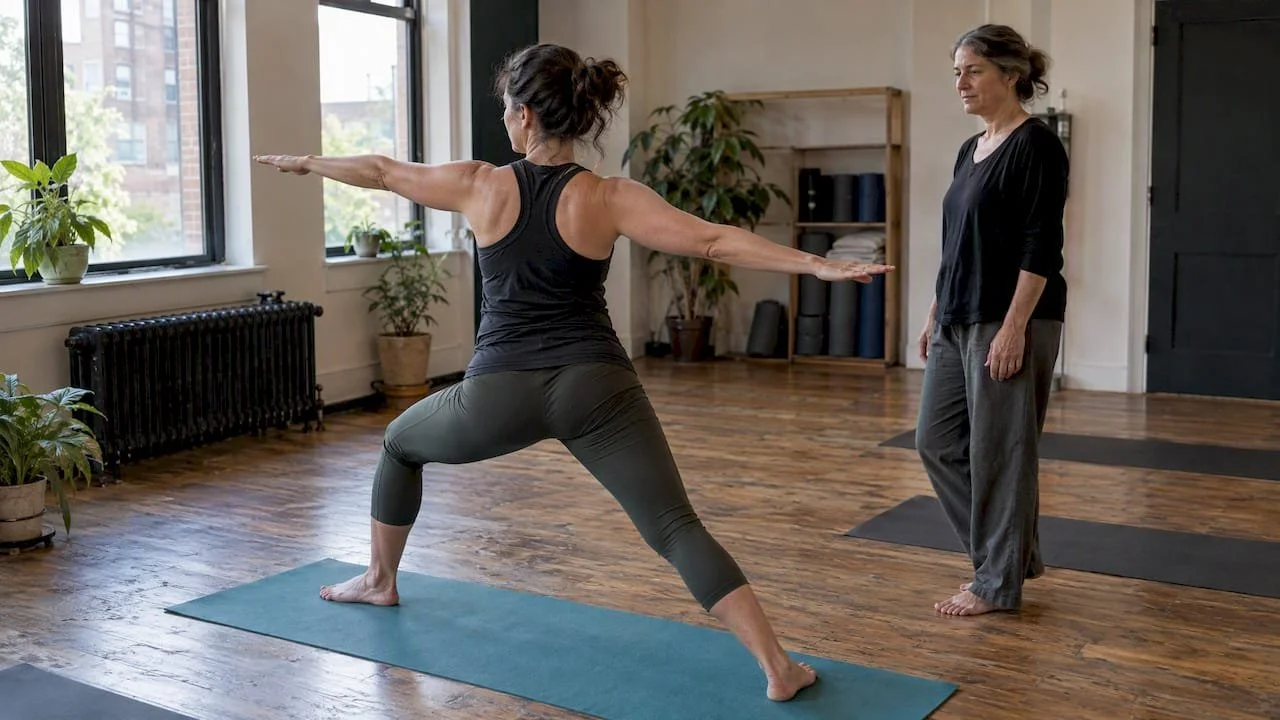
Movement practices: learn yoga, tai chi, or qigong under a qualified instructor at first, avoid pushing into extreme postures early, and ask about modifications if you are pregnant, older, or managing a health condition.
Cultural respect: for ritual and ceremonial practices tied to specific communities, seek out lineage-authorized or community-sanctioned teachers rather than adopting sacred practices casually as a wellness trend.
For a deeper look at how evidence-informed thinking shapes safe integration of traditional and modern care, Everton Chiropractic's overview is a useful primer on the concept.
How to Start: A Four-Week Low-Risk Plan
You do not need a retreat or a cabinet of supplements to begin. A gradual, four-week approach lets you test what works before committing time or money.
Week 1: add a daily 5 to 10 minute breathing and movement micro-practice, such as a short yoga flow or seated breath work.
Week 2: layer in a brief evening meditation, even five minutes, to support wind-down and sleep.
Week 3: join one in-person or online class to get feedback on form and technique.
Week 4: evaluate how you feel, then consider a private session or a vetted product choice if you want to go further.
Before joining a class or trying a supplement, ask a teacher or clinician about their training, how they modify for injuries or health conditions, and whether a product has third-party testing. Stop and seek medical advice if you notice sharp pain, dizziness, or any signs of an adverse reaction.
Amrita Yoga & Wellness as an Applied Example
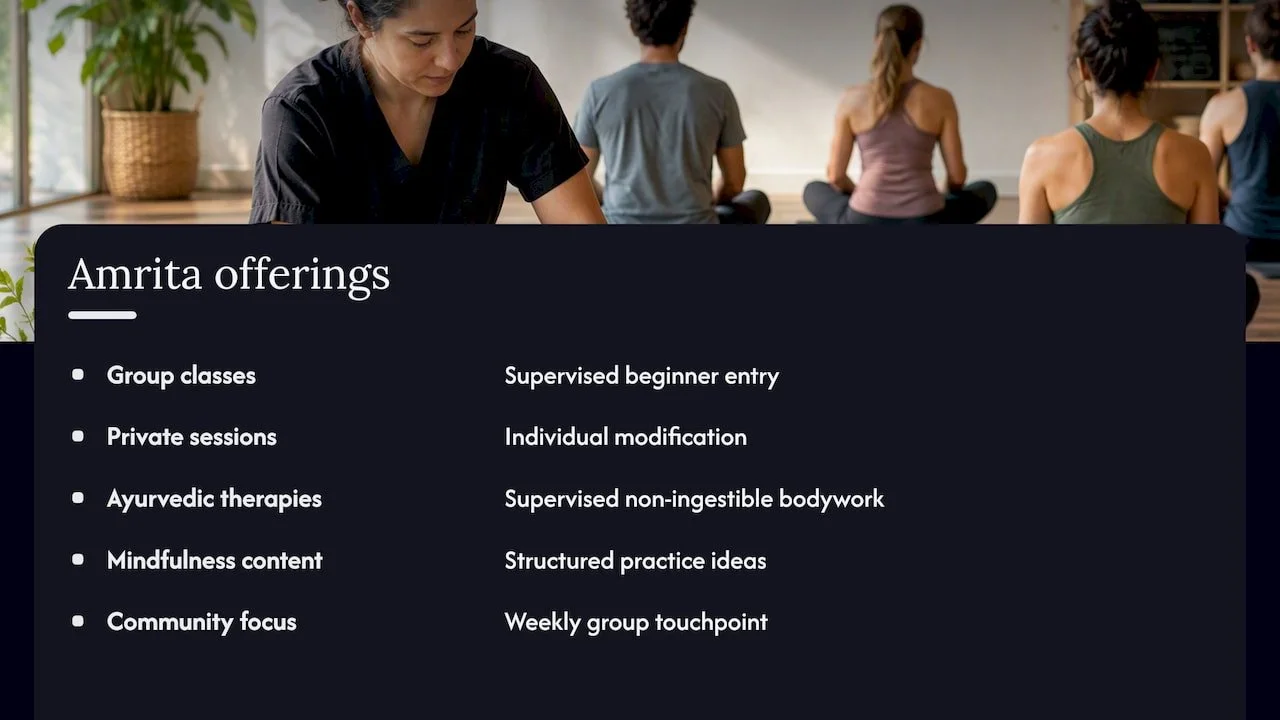
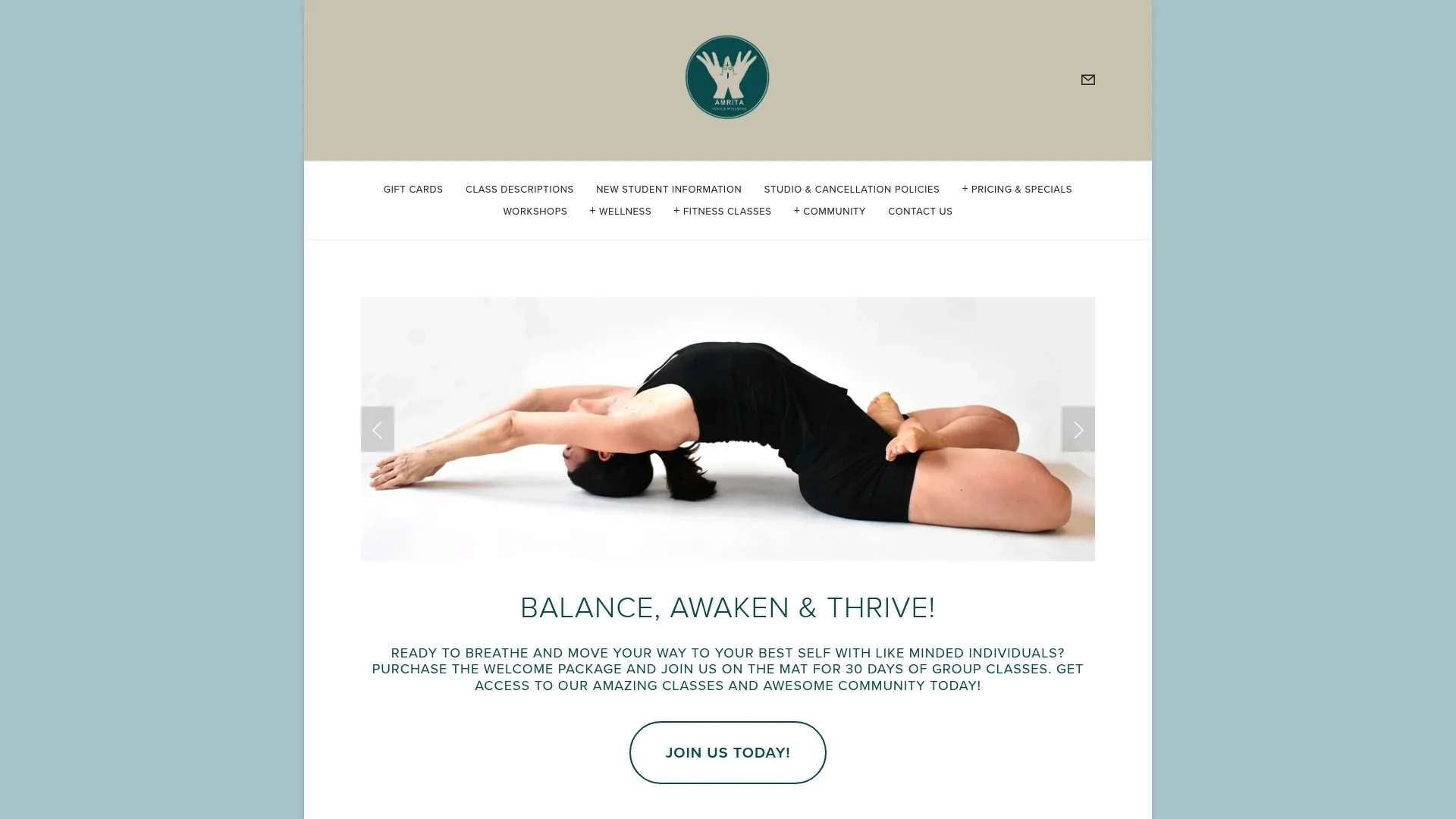
Amrita Yoga & Wellness, a studio in Philadelphia, offers a working model of this kind of integration. Its group classes and workshops give beginners a supervised entry point, while private sessions allow for individual modification. Its Ayurvedic-style therapies, including Shirodhara and Abhyanga, are supervised, non-ingestible bodywork rather than herbal products, which sidesteps much of the interaction risk discussed above. The studio also publishes mindfulness content for readers who want structured practice ideas, and its community focus reflects the kind of weekly group touchpoint that whole-health frameworks recommend.
A Balanced View on Old Wisdom and New Evidence
The temptation with ancient healing is to treat it as either magic or superstition, and both framings miss the point. These traditions deserve respect for their origins and the communities that developed them, but they also deserve honest scrutiny, especially where herbal products are concerned. The practices worth keeping are the boring, consistent ones: a daily breath practice, a weekly class, a habit of noticing how you feel. Keep a clinician informed about anything you ingest, and let results, not novelty, decide what stays in your routine.
— Juiced
Getting Started With Amrita Yoga & Wellness
If you want guided support rather than trial and error, Amrita Yoga & Wellness gives Philadelphia-area beginners a structured way to try these practices safely. You can start with a low-commitment drop-in class, book a private session for one-on-one modification, or explore a supervised Ayurvedic therapy like Abhyanga before considering any herbal product.
Drop-in group or livestream classes for a first taste of guided movement and breath work.
Private one-to-one sessions for personalized pacing or modifications.
Ayurvedic therapies such as Shirodhara or Abhyanga offering supervised, non-ingestible Ayurvedic bodywork.
Browse the class schedule to find a session that fits your week and start with supervised practice before adding anything else to your routine.
This article is general information, not a substitute for advice from a qualified doctor. Consult a qualified healthcare professional about your own circumstances before acting on anything here.
Sources
FAQ
What are some examples of ancient healing practices?
Common examples include yoga, meditation, tai chi, qigong, acupuncture, and Ayurveda, along with ancestral plant remedies and ritual or ceremonial practices tied to specific cultures. Movement and contemplative practices generally carry the most consistent evidence for stress and sleep support, according to NCCIH.
What are some examples of ancient wellness practices?
Beyond yoga and meditation, ancient wellness practices include breathwork, tai chi, Ayurvedic bodywork like Abhyanga, and community rituals built around seasonal or daily rhythms. Many of these focus on consistent, low-intensity habits rather than single dramatic interventions.
What are some spiritual healing practices?
Spiritual healing practices often include meditation, prayer or ritual ceremony, breathwork, and community gatherings tied to specific cultural or religious traditions. These practices are best learned from teachers with genuine ties to the tradition rather than adopted informally, according to WHO's guidance on cultural context.
What are some examples of healing rituals?
Healing rituals can range from a daily breathing or movement sequence to community ceremonies marking seasonal changes or life transitions. Their value often comes as much from consistency and community connection as from the specific actions involved.
Is it safe to combine herbal remedies with prescription medication?
Not always. Systematic reviews document herb-drug interactions and cases of liver injury tied to certain herbal products, so a pharmacist or clinician should review any herbal addition to your medication routine.