What Is Hot Yin Yoga: Benefits and What to Expect
TL;DR:
Hot yin yoga combines traditional Yin Yoga principles with a warm room of 80°F to 90°F, enhancing deeper connective tissue release and calming the nervous system. It features slow, passive holds that make it accessible for most adults, emphasizing tissue relaxation, emotional processing, and stress reduction. Preparation, proper props, and mindful practice are key to safely experiencing its physical and psychological benefits.
Most people assume Yin Yoga belongs in a cool, dimly lit room with soft music and zero sweat. That assumption misses an entire branch of the practice. Hot yin yoga layers gentle warmth over the slow, meditative principles of traditional Yin Yoga, creating a hybrid that unlocks deeper tissue release and a more profound state of calm. This guide covers everything you need to know: what it is, what separates it from other heated styles, the real hot yin yoga benefits, and how to walk into your first class feeling prepared rather than uncertain.
Table of Contents
Key takeaways
| Point | Details |
|---|---|
| Gentle heat, not intense heat | Hot yin yoga rooms sit between 80°F and 90°F, much cooler than traditional Hot Yoga studios. |
| Connective tissue focus | The warmth targets fascia, ligaments, and joints rather than muscles, enabling deeper release. |
| Nervous system reset | Long passive holds activate the parasympathetic nervous system, reducing stress and anxiety. |
| Accessible for most adults | The slow pace and lower heat make this style suitable for beginners and those avoiding cardiovascular strain. |
| Props are part of the practice | Bolsters, blankets, and warm weighted packs are tools, not crutches, in hot yin yoga. |
What is hot yin yoga, exactly?
Hot yin yoga is a practice that combines the core philosophy of traditional Yin Yoga with the deliberate addition of a warmed room. Traditional Yin Yoga, developed largely through the teachings of Paul Grilley and Sarah Powers, focuses on holding passive poses for several minutes at a time to stress the deeper connective tissues: the fascia, ligaments, tendons, and joint capsules. What the heated version adds is temperature, not intensity.
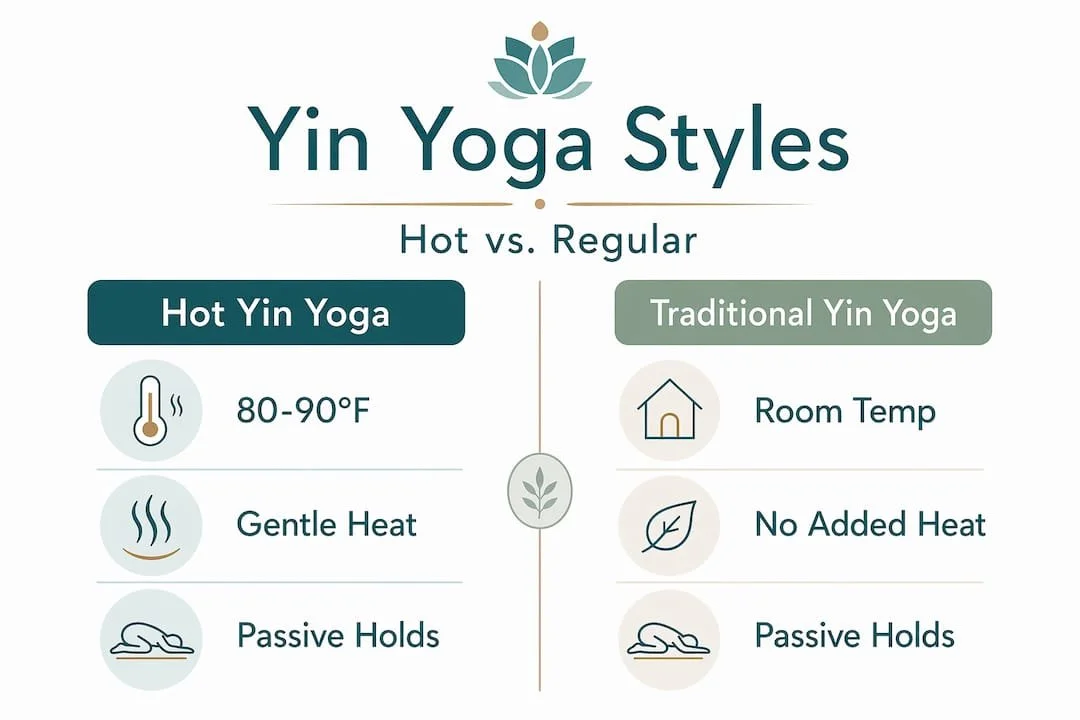
The room in a warm yin class sits between 80°F and 90°F, which is meaningfully different from the 95°F to 105°F you would find in a Bikram or traditional Hot Yoga class. That distinction matters. The goal is not to make you sweat through your mat. The goal is to use warmth the way a heating pad uses warmth: to soften tissue, encourage release, and help the body surrender into stillness more readily.
Here is a quick breakdown of where hot yin yoga fits among heated yoga styles:
Temperature: 80°F to 90°F, compared to 95°F to 105°F for standard Hot Yoga
Pace: Fully passive, slow holds of 3 to 7 minutes per pose
Sweat level: Minimal to light, not the intense cardiovascular sweat of Bikram
Focus: Deep connective tissue, breath awareness, and nervous system regulation
Class length: Typically 60 to 90 minutes, opening with grounding breath work before moving into long holds
The "hot" label sometimes creates confusion because it suggests something athletic and demanding. A better mental model is this: hot yin yoga is warm yin yoga. The heat is a tool for softening, not for pushing.
The real benefits of hot yin yoga
The benefits here go beyond "it feels nice." There are specific physiological and psychological reasons this practice works, and understanding them helps you get more out of every session.
Connective tissue release
Muscles respond well to active stretching because they contain elastic fibers designed for dynamic movement. Connective tissue, including fascia and ligaments, is denser and less elastic. It responds better to slow, sustained stress held over time. The gentle warmth promotes deeper connective tissue release without the aggressive heat that can cause muscle guarding or overstretching. You get a more genuine release, not just a temporary lengthening of muscle fibers.
Nervous system regulation
This is where hot yin yoga separates itself from almost every other physical practice. Long passive holds activate the parasympathetic nervous system, which is the branch responsible for rest, digestion, and recovery. In practical terms, your heart rate slows, your breathing deepens, and your body stops treating the world as a threat. For adults carrying chronic stress, that shift is not small.
Emotional processing
There is a reason people sometimes feel unexpectedly emotional during a long yin hold. Fascia stores tension patterns that correlate with habitual stress responses. When you release physical tension slowly and with breath awareness, emotional material sometimes surfaces. Hot yin yoga creates a supportive space for emotional balance and healing by pairing that physical release with the calming effect of warmth.
Accessibility across fitness levels
Because there is no flow, no jumping, and no cardiovascular demand, this practice works for people recovering from injury, older adults, athletes who need a genuine recovery day, and complete beginners. The lower heat avoids cardiovascular stress that makes some people feel dizzy or overwhelmed in hotter classes. You do not need to be flexible or athletic to benefit. You need to be willing to stay still.
Pro Tip: If you are new to yin yoga for relaxation, try yin yoga resources first to understand the foundational philosophy before adding heat to your practice. It will make your first hot yin class feel familiar rather than foreign.
What to expect in hot yin yoga class
Walking into a hot yin yoga class for the first time feels different from other yoga classes. Here is a realistic picture of how a session typically unfolds.
Arrival and setup. You will enter a room that feels comfortably warm rather than oppressively hot. Gather props: a bolster, two blocks, a blanket, and optionally a warm weighted pack if the studio offers them.
Opening breath work. Classes usually begin with 5 to 10 minutes of guided breathing or meditation. This is not optional filler. It signals your nervous system to downshift before the holds begin.
Long-held passive poses. Expect shapes like Dragon (a deep hip flexor stretch), Butterfly (seated forward fold with feet together), and Sleeping Swan (a floor pigeon variation). Each is held for 3 to 7 minutes with minimal muscular effort.
Props in action. Bolsters go under hips, knees, or chests to support the body so you can fully relax into the pose. Weighted warm packs placed on the lower back or hips add proprioceptive grounding and encourage the tissue to release more deeply.
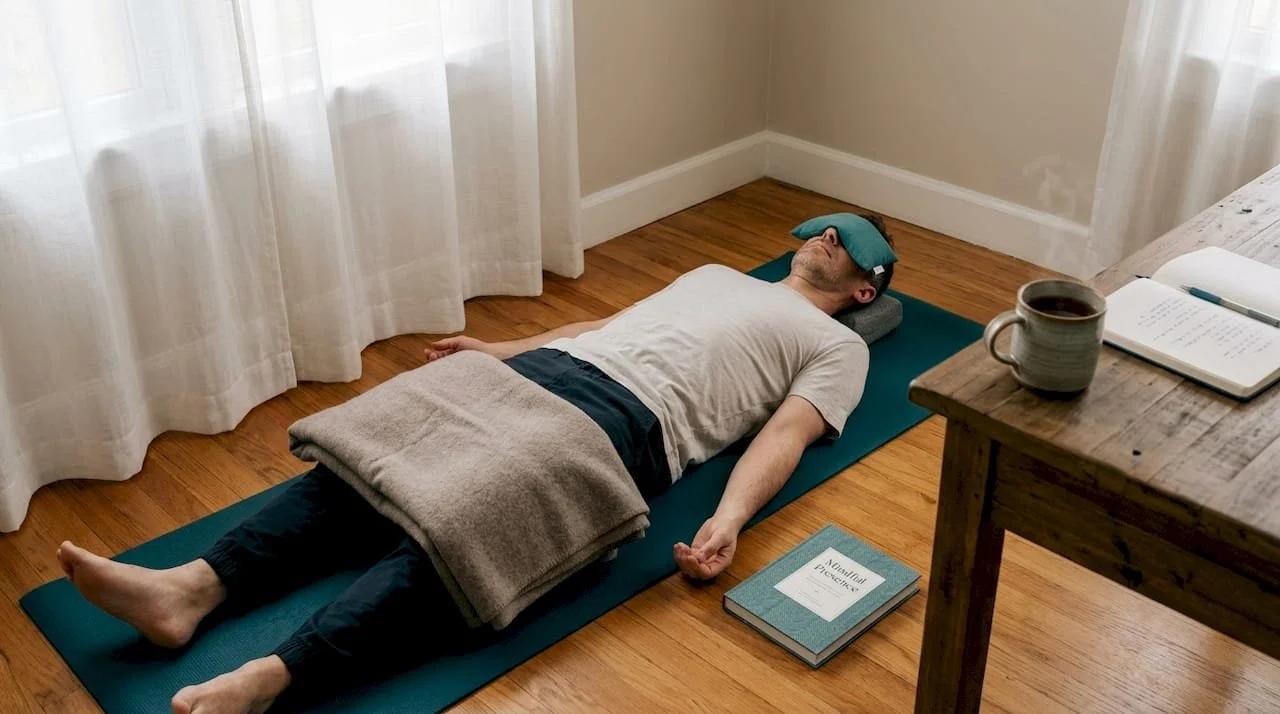
Savasana. The final rest period in hot yin yoga tends to feel especially profound because your body has spent the entire class releasing accumulated tension. Give it the full time offered.
Regarding safety, the safe surface temperature for heat props sits between 104°F and 113°F. Always use a fabric barrier between a heat pack and your skin, and stop using any prop that causes discomfort. People with pregnancy (without medical clearance), sensory neuropathy, cardiovascular conditions, or recent surgery should check contraindications before practicing in a heated room.
Pro Tip: Bring a small personal water bottle and a light layer you can remove during class. The room is warm but not punishing, and having water nearby lets you focus on the practice instead of watching the clock.
Hot yin yoga vs. regular yin and other heated styles
Knowing where hot yin yoga sits on the spectrum helps you decide whether it is the right fit for you right now.
| Style | Room temperature | Pace | Primary goal | Best for |
|---|---|---|---|---|
| Traditional Yin Yoga | Unheated or room temp | Passive, slow holds | Connective tissue + mindfulness | All levels, sensitive populations |
| Hot Yin Yoga | 80°F to 90°F | Passive, slow holds | Deeper tissue release + relaxation | Most adults, beginners, recovery |
| Hot Yoga / Vinyasa | 95°F to 105°F | Dynamic, flowing | Strength, flexibility, cardiovascular fitness | Active practitioners |
| Bikram Yoga | 105°F, 40% humidity | Scripted active sequence | Detoxification, strength | Experienced practitioners |
The most important column in that table is temperature. Traditional yin yoga works without heat because the long hold duration does the connective tissue work regardless. The warm room in hot yin yoga simply lowers the initial resistance, making it easier for most people to relax fully. You are not getting a better workout by adding heat. You are removing a barrier to surrender.
Hot yoga and Bikram, by contrast, use heat to drive cardiovascular response and increase muscle elasticity for a more active practice. The goals, pacing, and physiological demands are categorically different from what hot yin yoga offers.
Practical tips for your first hot yin yoga class
Preparation separates a rough first experience from one that makes you want to come back.
Choose the right class. Look for classes explicitly labeled "Warm Yin," "Hot Yin," or "Heated Yin" rather than general hot yoga classes. The distinction matters for what you will experience in the room.
Wear minimal, breathable clothing. Loose shorts and a light tank are ideal. Avoid thick fabrics that trap heat uncomfortably.
Hydrate before, not during. Drink 16 to 20 ounces of water in the two hours before class. Drinking large amounts during long holds interrupts the breath and stillness you are trying to cultivate.
Communicate with the instructor. Tell them it is your first class. A good teacher will offer modifications, check prop placement, and keep an eye on you during longer holds.
Plan for post-class recovery. Your connective tissue will have been gently stressed throughout the session. A light snack, additional water, and 20 minutes of rest after class helps the body integrate the work.
Pro Tip: Skip the coffee or stimulants for two hours before a warm yin class. Stimulants increase baseline nervous system activation, which makes it harder to drop into the parasympathetic state the practice is designed to cultivate.
My honest take on this practice
I have watched people come into heated yin classes expecting either a relaxing nap or a detoxifying sweat session, and leave slightly confused when it is neither. That is the most common misconception I encounter. Hot yin yoga occupies a specific territory: it is demanding in a way that has nothing to do with physical effort. Staying still for five minutes while your hip flexors resist, while your mind wants to move to the next thing, is genuinely hard. The warmth makes the physical surrender easier. It does not make the mental surrender easier.
What I have found is that the people who benefit most from this practice are not the flexible ones. They are the ones who are willing to get uncomfortable with stillness. That is a skill that transfers everywhere: in stress management, in sleep quality, in how you handle difficulty without immediately trying to fix it. Hot yin yoga teaches you to stop bracing. That is worth more than any stretch.
I have also noticed that practitioners who come from more athletic hot yoga backgrounds often underestimate warm yin classes at first. They assume less heat means less benefit. Then they hold Dragon pose for six minutes and reconsider.
— Juiced
Try it yourself at Amrita Yoga & Wellness
If this practice sounds like what your body and mind have been asking for, Amritayogawellness has you covered. Amrita Yoga & Wellness in Philadelphia offers hot yin yoga classes designed for adults at every level, from complete beginners to experienced practitioners looking for a genuine recovery practice. The studio's approach emphasizes accessibility, safety, and community, so you are never walking into an environment where you feel out of place.
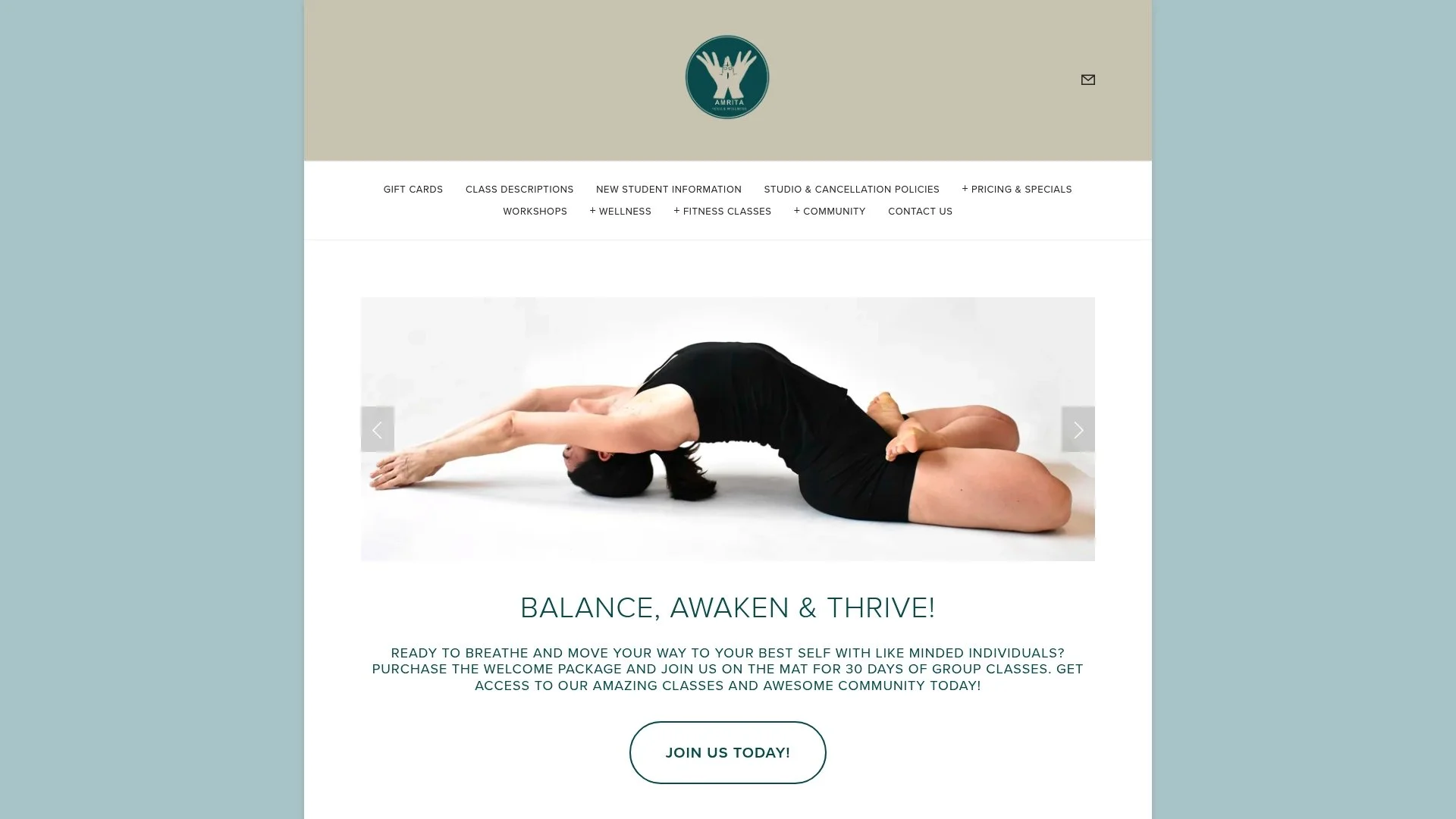
Whether you are managing stress, working on flexibility, or simply curious about what a warm, meditative yoga class feels like, Amrita Yoga & Wellness offers a welcoming space to find out. Visit amritayogawellness.com to browse the class schedule, sign up for your first session, and explore everything the studio has to offer.
FAQ
What temperature is a hot yin yoga room?
Hot yin yoga rooms are typically heated to between 80°F and 90°F. This is noticeably cooler than traditional Hot Yoga studios, which range from 95°F to 105°F.
How long are hot yin yoga poses held?
Most poses in a hot yin yoga class are held for 3 to 7 minutes in a fully passive position. The class itself typically runs 60 to 90 minutes total.
Is hot yin yoga good for beginners?
Yes. The slower pace and lower heat level make hot yin yoga one of the more accessible heated yoga styles for people new to yoga or returning after a break.
What props do you need for hot yin yoga?
A bolster, yoga blocks, and a blanket cover most needs. Some studios also offer warm weighted packs placed on the body during long holds to deepen relaxation and tissue release.
Who should avoid hot yin yoga?
People who are pregnant without medical clearance, those with cardiovascular conditions, individuals with sensory neuropathy, or anyone recovering from recent surgery should consult a doctor before attending a heated yin class.