YouTube Beginners Meditation: Your 2026 Starter Guide
TL;DR:
YouTube provides free guided meditation videos ideal for beginners to establish a consistent practice. Starting with short sessions and focusing on breath awareness helps build familiarity and reduces frustration. Staying committed to one channel and practicing patience ensures long-term progress in mindfulness.
YouTube beginners meditation is defined as guided mindfulness practice delivered through free video content, designed to give complete novices a structured, low-barrier entry into meditation. The most effective starting point is breath awareness and body scan techniques, both of which provide clear focal points that prevent the mental drift beginners fear most. Daily sessions of 10–20 minutes deliver the most significant improvements in stress and focus, though even 2–5 minutes builds a real habit. YouTube removes the financial barrier entirely, letting you curate a personal practice without spending a dollar.
1. What are the most effective beginner meditation types on YouTube?
Guided meditation on YouTubeoutperforms unguided silence for beginners because it provides structure and reduces self-consciousness. You are not left alone with a blank mind. Instead, a voice walks you through each step, which is exactly what novices need.
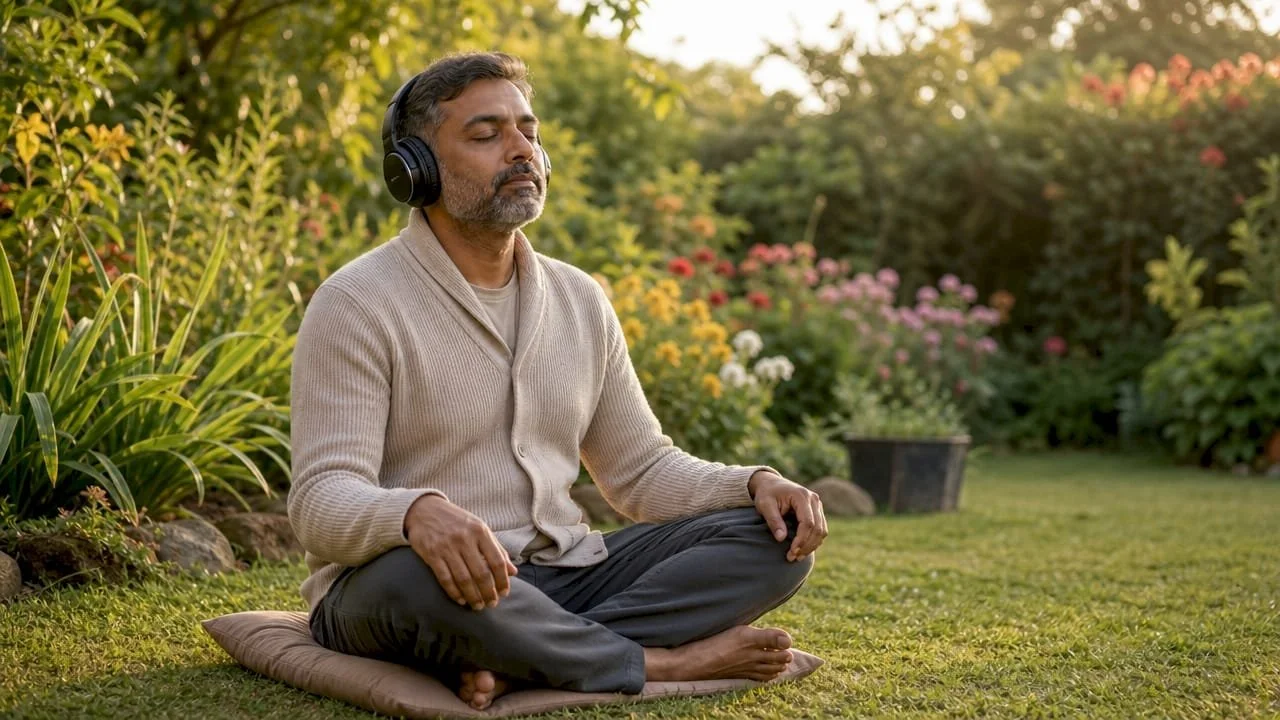
The four meditation types best suited for beginners on YouTube are breath awareness, body scan, visualization, and loving-kindness (metta). Each serves a different need, and understanding the difference helps you pick the right video on any given day.
| Meditation Type | Core Focus | Session Length | Best For |
|---|---|---|---|
| Breath awareness | Noticing the inhale and exhale | 5–15 minutes | Calming an anxious mind |
| Body scan | Moving attention through body parts | 10–20 minutes | Releasing physical tension |
| Visualization | Guided imagery and mental scenes | 10–20 minutes | Creativity and relaxation |
| Loving-kindness (metta) | Sending compassion to self and others | 10–15 minutes | Emotional resilience |
Breath awareness is the foundation of most beginner content. You simply follow the sensation of breathing, and when your mind wanders, you return. That return is the practice, not a failure.
Body scan guides your attention from head to toe, noticing sensations without trying to change them. It is especially effective for people who carry stress in their shoulders, jaw, or lower back.
Visualization uses guided imagery to anchor attention. A narrator might describe a forest path or a calm beach. This style works well for beginners who find pure breath focus too abstract.
Loving-kindness meditation asks you to silently repeat phrases of goodwill toward yourself and others. Research links this practice to reduced anxiety and improved social connection over time.
Pro Tip: Start with breath awareness for your first two weeks. It requires no imagination and no equipment. Once you feel comfortable returning your focus after distraction, layer in body scan or visualization.
You can explore the full range of meditation types to find what fits your temperament before committing to a single style.
2. How can beginners set up an effective YouTube meditation practice?
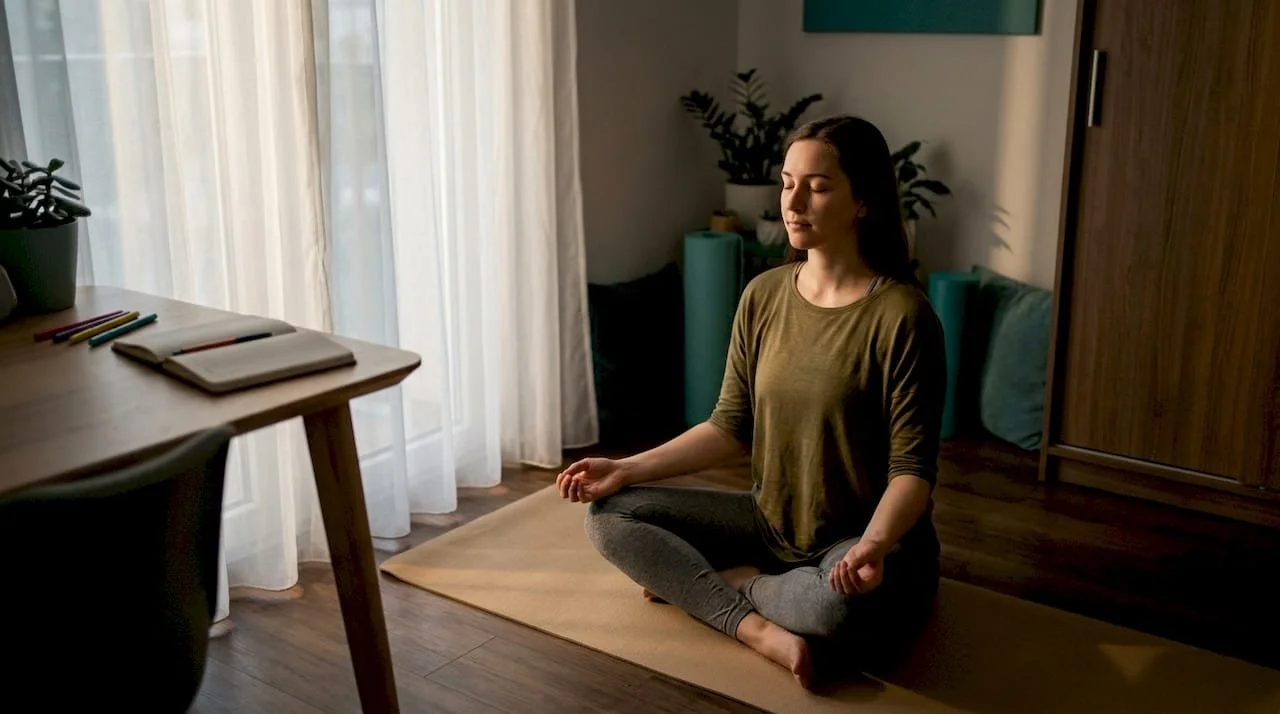
A consistent setup matters more than a perfect environment. Waiting for ideal silence creates mental friction that blocks regular practice. A reasonably quiet corner of your home, a pair of headphones, and a chair are enough to begin.
Follow these steps to build a practice that actually sticks:
Choose a dedicated spot. Sit in the same location each time. Your brain begins to associate that spot with calm, which makes settling down faster.
Decide on your posture. Sitting upright in a chair with feet flat on the floor is perfectly acceptable. Lying down works too, as long as you stay alert. You do not need a lotus posture to meditate well.
Start with 5–10 minute videos. Short sessions build the habit without demanding too much time. Extend to 15–20 minutes only after two or three weeks of daily practice.
Pick one or two channels and commit for two weeks. Committing to a single channel for at least two weeks helps your nervous system adapt to the instructor's pace and style. Switching constantly resets that familiarity.
Build a YouTube playlist. Organize videos by length or theme. A "morning calm" playlist and a "stress relief" playlist give you a ready option for any mood.
Anchor meditation to an existing habit. Meditate right after brushing your teeth or before your morning coffee. Habit stacking removes the decision of when to practice.
Pro Tip: Set your phone to Do Not Disturb before pressing play. One notification can break a session and train your brain to expect interruptions.
Pairing your video practice with mindfulness exercises off-screen deepens the effect faster than video alone.
3. Which YouTube channels and resources are most trusted for beginners?
Trusted beginner channels share three qualities: the instructor holds verifiable credentials or extensive teaching experience, the video production is clear without being distracting, and the community in the comments is supportive rather than promotional.
When evaluating a channel, look for these markers:
Instructor background. Certified mindfulness teachers, licensed therapists, or yoga instructors with documented training carry more weight than anonymous narrators.
Consistent upload schedule. Channels that post regularly signal commitment and give you fresh content as your practice grows.
Comment section tone. Community engagement in comments and live sessions boosts adherence for beginners. A channel where people share their experiences and encourage each other functions as informal accountability.
Narration style. Some instructors use a slow, soft cadence. Others are more direct and conversational. Neither is wrong. Pick the voice that keeps you present rather than irritated.
Video length variety. A good beginner channel offers both 5-minute and 20-minute options. This flexibility lets you practice on busy days without skipping entirely.
Avoid the trap of sampling 10 channels in your first week. Choosing a small selection and staying with it reduces overwhelm and builds the familiarity that makes meditation feel natural. Think of it like learning from one good teacher rather than auditing every class in a university catalog.
YouTube also offers free playlist curation, meaning you can organize sessions by theme without paying for any app or subscription. That accessibility is one of the strongest arguments for starting your practice here.
4. What common challenges do beginners face with YouTube meditation?
Mind wandering is the most universal beginner challenge, and it is also the most misunderstood. Experts emphasize observing thoughts without judgment rather than trying to clear the mind completely. The goal is never a blank mind. The goal is noticing when you have drifted and returning gently.
"Meditation is a skill to develop, not a task to complete. Every time you notice your mind has wandered and bring it back, you are doing exactly what meditation asks of you. That moment of noticing is the practice."
This reframe changes everything for beginners. Each refocus act trains your attention the same way a bicep curl trains your arm. The wandering is not the problem. Staying lost in the thought is.
Other common challenges include:
Impatience. Beginners often expect calm within the first session. Real shifts in stress and focus build over weeks, not days. Trust the process.
Physical discomfort. Sitting still can surface aches you normally ignore. Adjust your posture without guilt. Comfort supports focus better than rigid adherence to form.
Video hopping. Clicking through five videos in one session is avoidance dressed as exploration. Commit to finishing one video before deciding it is not right for you.
Inconsistency. Missing a day feels like failure. It is not. Daily consistency matters more than perfect streaks. Return the next morning without self-criticism.
The meditation for stress relief resources at Amritayogawellness address many of these early-stage frustrations with practical, grounded guidance.
Key Takeaways
Guided breath awareness and body scan sessions on YouTube are the most effective starting point for beginners, with daily consistency delivering better results than occasional longer sessions.
| Point | Details |
|---|---|
| Start with guided sessions | Guided YouTube meditation provides structure that unguided silence cannot offer beginners. |
| 5–10 minutes is enough | Short daily sessions build habit faster than sporadic longer ones. |
| Commit to one channel | Staying with one instructor for two weeks builds familiarity and reduces overwhelm. |
| Mind wandering is normal | Noticing distraction and returning focus is the actual practice, not a sign of failure. |
| Anchor to existing habits | Pairing meditation with a daily routine removes the friction of deciding when to practice. |
Why patience is the real beginner skill
Most beginners I have worked with quit within the first two weeks. Not because meditation is hard. Because they expected to feel different immediately and did not. The honest truth is that a 10-minute breath awareness session on Monday will not transform your Tuesday. But 30 days of 10-minute sessions will change how you respond to stress in ways that surprise you.
The single best thing I have seen beginners do is lower the bar aggressively. Two minutes counts. A distracted session counts. A session where you fell half asleep counts. Showing up is the skill you are building first. The depth comes later.
YouTube is genuinely one of the best tools for this because it meets you where you are. You do not need a studio, a teacher, or a subscription. You need a screen and five minutes. The mindfulness meditation content available for free is as good as anything behind a paywall, provided you choose your channel with care and stick with it.
The one thing I would add that most articles skip: your practice will feel boring before it feels good. That boredom is not a sign to stop. It is a sign your nervous system is finally slowing down enough to notice stillness. Stay in it.
— Juiced
Amritayogawellness and your meditation practice
Amritayogawellness, Philadelphia's community wellness studio, supports practitioners at every stage of their mindfulness path. Whether you are three days into your first YouTube practice or three years in, the studio's offerings extend what screen-based sessions start.
One underrated complement to meditation is a tarot reading session at Amritayogawellness. Tarot works as a reflective tool, surfacing questions and themes your meditation practice may be circling without naming. Many practitioners find that pairing regular meditation with periodic tarot sessions sharpens their self-awareness in ways neither practice achieves alone. The studio's 7 types of meditation practices guide is also a strong next read for anyone ready to move beyond YouTube basics.
FAQ
What is YouTube beginners meditation?
YouTube beginners meditation refers to free, guided mindfulness sessions on YouTube designed for people with no prior experience. These sessions typically use breath awareness or body scan techniques to provide structure and reduce self-consciousness.
How long should a beginner meditate on YouTube each day?
Starting with 5–10 minutes daily is enough to build a consistent habit. Daily consistency matters more than session length, and you can extend to 10–20 minutes after a few weeks.
What if my mind keeps wandering during meditation?
Mind wandering is normal and expected. Observing thoughts without judgment and gently returning focus is the practice itself, not a failure to meditate correctly.
How do I choose the best YouTube meditation channel for beginners?
Look for instructors with verifiable credentials, a consistent upload schedule, and a supportive comment community. Commit to one channel for at least two weeks before switching.
Is YouTube meditation as effective as paid apps or in-person classes?
Free YouTube resources deliver high-quality guided content comparable to paid options for beginners. The key factor is consistency, not the platform you use.