Yoga at Every Location: Your 2026 Wellness Guide
TL;DR:
Practicing yoga in various locations enhances physical and mental well-being, fitting diverse lifestyles and preferences.Consistency, proper setup, and structured routines are key to maximizing benefits regardless of the setting.
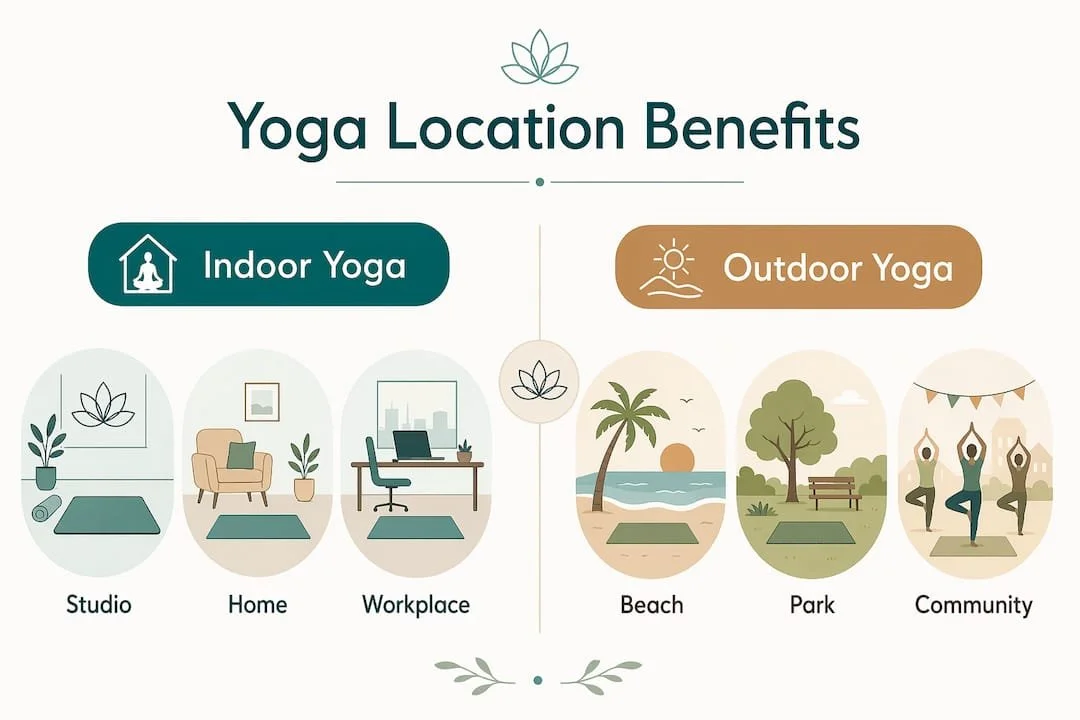
Yoga at a studio, on a beach, in your living room, or at your desk is one of the most location-flexible wellness practices available to adults today. Yoga with Adriene has built a YouTube following of over 12 million subscribers by proving that quality practice requires no commute. Santa Barbara Beach Yoga offers private and group sessions directly on the sand, demonstrating that outdoor settings are fully viable for structured instruction. Whether you are exploring Vinyasa yoga flows or restorative stretching, the setting you choose shapes the experience as much as the poses themselves.
What are the best locations for yoga practice?
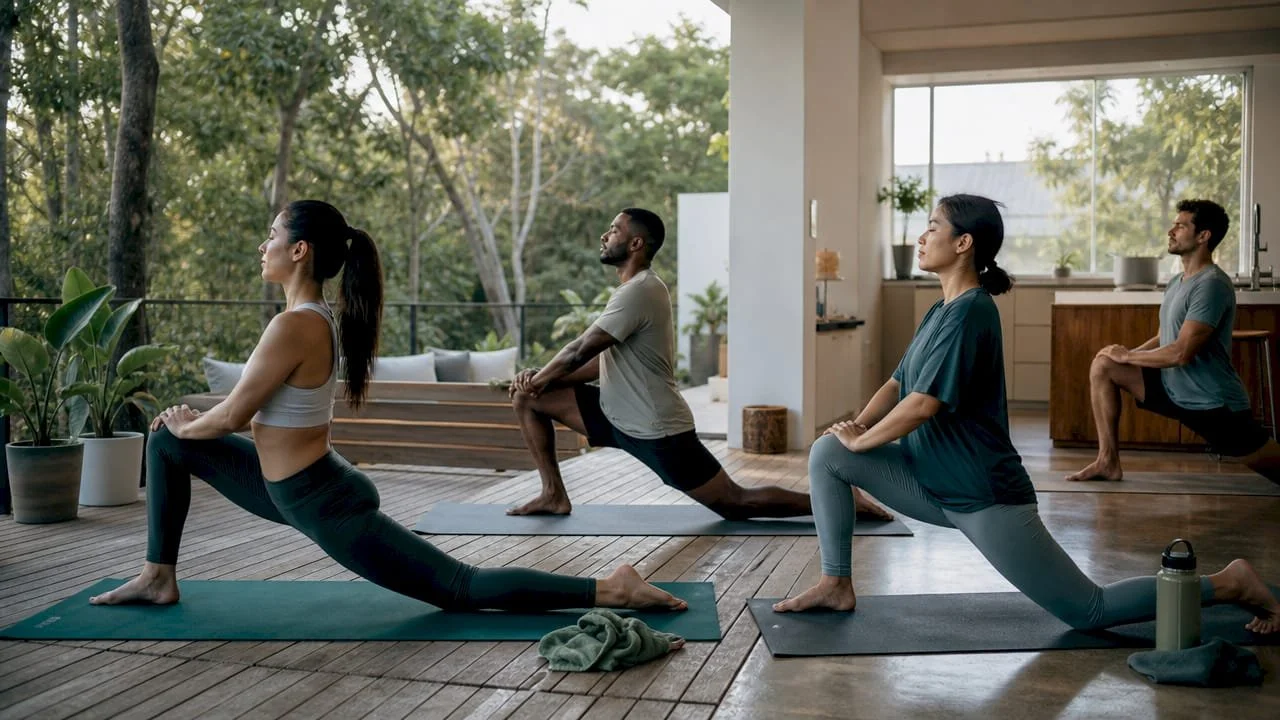
Yoga at a dedicated studio gives you access to certified instructors, climate-controlled space, and a community of fellow practitioners. Group classes run 45 to 90 minutes and cover styles from hot yoga to yin. Private instruction is also widely available. Private yoga packages typically run in increments of 5, 10, or 20 sessions, customizable by location, which means you can book a trainer to meet you at a park, your home, or a corporate office. That flexibility removes the "I have to drive there" barrier that stops many beginners.
Practicing yoga at home has become the default entry point for millions of adults. Digital platforms like Yoga with Adriene and YogaRenew deliver on-demand classes at zero cost or low monthly fees. The tradeoff is accountability. Without a scheduled class and a room full of people, it is easy to skip. Setting a fixed time slot, even 20 minutes before work, solves most of that problem.
Outdoor settings, particularly yoga at the beach or in a park, add sensory richness that no studio can replicate. The sound of waves, natural light, and open air create a meditative environment that deepens relaxation. Community-organized outdoor classes are also common in cities like New York and Tybee Island, Georgia, where free public sessions run on a donation or sponsorship model.
Workplace yoga is the least discussed but arguably the most needed format. Short 15 to 30 minute sessions during lunch breaks or between meetings address the postural damage and stress accumulation that desk work causes. Many corporate wellness programs now include guided yoga breaks, and solo desk stretches require nothing more than a clear patch of floor.
| Location | Session length | Cost range | Key benefit | Main challenge |
|---|---|---|---|---|
| Studio | 45 to 90 min | $15 to $35/class | Expert instruction, community | Schedule and commute |
| Home | 10 to 60 min | Free to $20/month | Convenience, flexibility | Self-motivation |
| Beach or park | 45 to 60 min | Free to $25 | Fresh air, community | Weather, terrain |
| Workplace | 15 to 30 min | Free (employer) | Stress relief, posture | Space, privacy |
How can you get the most out of yoga at home?
The single most important factor in a successful home practice is consistency, not duration. Short, regular sessions of 10 to 30 minutes outperform occasional 90-minute classes in producing lasting flexibility and stress-reduction benefits. That finding reframes the common beginner mistake of waiting until you have a full hour free before rolling out the mat.
A practical home setup requires less than you think. A non-slip yoga mat, roughly six feet of clear floor space, and a reliable internet connection cover the basics. You do not need a dedicated yoga room. A cleared living room corner works just as well, provided you return to the same spot consistently. That physical cue trains your brain to shift into practice mode.
Choosing the right platform matters more than most beginners realize. YogaRenew offers at-home guidance with progress tracking, though users should avoid weight-loss-focused metrics that shift attention away from breath and body awareness. Yoga with Adriene is the gold standard for free, beginner-friendly content. Both platforms cover foundational yoga poses that translate directly to studio classes when you are ready to make that step.
Here is a simple four-step framework for building a home practice that sticks:
Schedule it like a meeting. Pick three to four fixed time slots per week and block them in your calendar. Morning slots before the day's demands accumulate tend to have the highest completion rates.
Start with 15 minutes. A consistent 10 to 30 minute practice three to four times per week produces noticeable benefits within four to six weeks. Fifteen minutes is achievable even on your busiest days.
Follow a structured program. Random pose selection leads to imbalanced practice. Use a platform like YogaRenew or Yoga with Adriene's beginner series to follow a logical progression.
Track how you feel, not how you look. Note energy levels, sleep quality, and stress after each session. These markers keep motivation grounded in real results rather than appearance.
Pro Tip: Avoid apps that center progress metrics around calorie burn or weight loss. These frameworks undermine the mind-body connection that makes yoga effective. Choose platforms that track session frequency, breath quality, and flexibility milestones instead.
What should you know about yoga at the beach or outdoors?
Outdoor yoga, especially yoga at the beach, delivers benefits that go beyond the physical. Natural environments lower cortisol levels more effectively than indoor settings, and the added proprioceptive challenge of uneven sand strengthens stabilizer muscles that flat studio floors never engage. Community classes at locations like Brooklyn Bridge Park and Tybee Island's Free Yoga Fridays make this format accessible to people who cannot afford studio memberships.
Preparation for outdoor practice differs significantly from indoor sessions. Outdoor yoga on beaches or parks demands checking for stable ground, applying sunscreen, and preparing for environmental changes. Arriving 10 minutes early to assess the surface, set up your mat on the flattest patch available, and hydrate before class starts are non-negotiable habits.
Community-organized outdoor classes often require advance registration and a digital fitness waiver. Seasonal fitness waivers for public yoga classes are completed online prior to sessions, which reduces administrative burden on the day and keeps participation smooth. Check the event page for your local class at least 48 hours before attending.
The cost model for outdoor yoga is worth understanding. Beach yoga events are commonly community-sponsored, keeping them free or donation-based and accessible to participants across income levels. Local businesses, parks departments, and wellness brands fund these programs in exchange for community visibility. That sponsorship structure is what makes free weekly classes financially sustainable year after year.
Pro Tip: Wind and uneven terrain require pose modifications. In Tree Pose on sand, widen your stance and lower your gaze to a fixed point on the ground rather than the horizon. This small adjustment prevents the wobbling that discourages beginners from returning to outdoor practice.
How does yoga at work support your health?
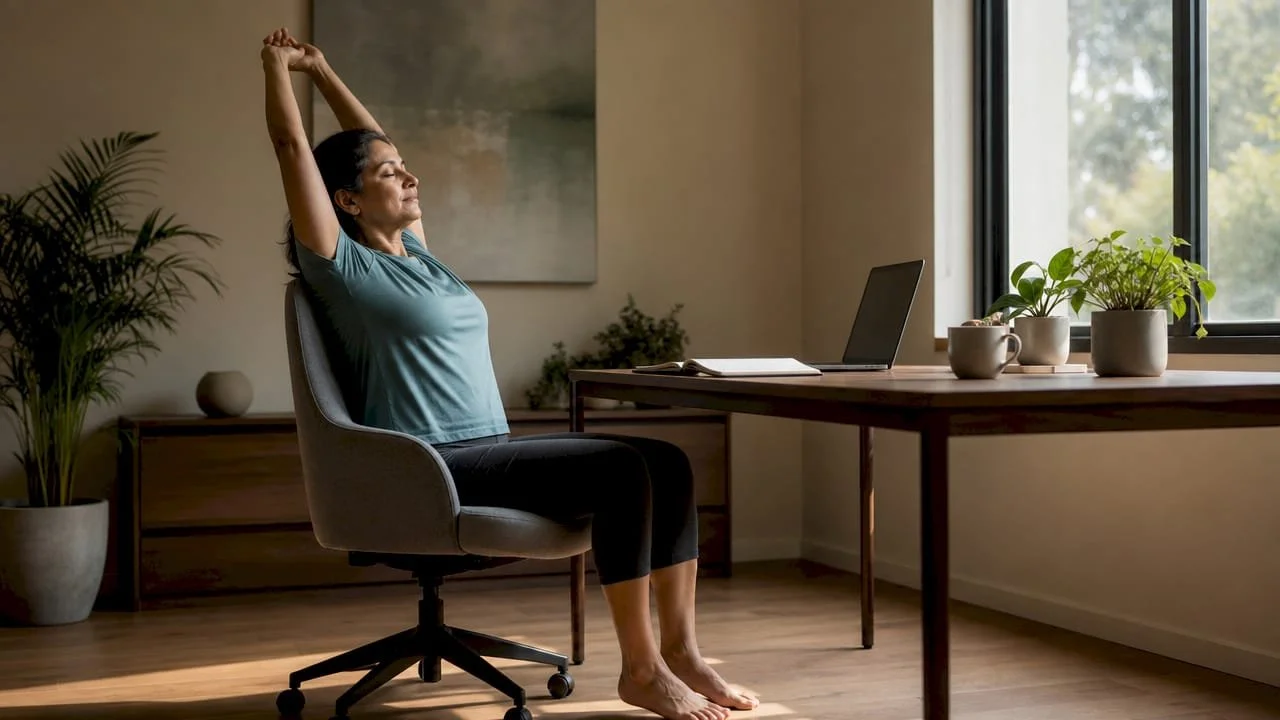
Workplace yoga addresses two of the most common physical complaints among desk workers: chronic lower back tension and elevated stress hormones from sustained mental load. A 20-minute midday session targeting hip flexors, thoracic spine rotation, and shoulder mobility directly counteracts the postural patterns that eight hours of sitting creates. The occupational health benefits of regular movement breaks are well-documented, and yoga is one of the most time-efficient formats available.
The formats workplace yoga takes vary by company culture and available space. Common options include:
Group lunch sessions led by a visiting instructor, typically 20 to 30 minutes, held in a conference room or outdoor courtyard.
Guided digital breaks using apps or short YouTube flows that employees follow independently at their desks.
Self-led desk routines focused on neck rolls, seated spinal twists, and wrist stretches that require no mat and no floor space.
If your employer does not yet offer a wellness program, the most effective way to introduce one is to propose a four-week pilot. Frame it around productivity and absenteeism data rather than wellness ideology. HR departments respond to cost arguments. A single instructor session per week for a month is a low-risk test that most managers will approve.
Beginners should prioritize breath awareness over attempting advanced poses, which is especially relevant in a workplace setting where self-consciousness can lead to overreaching. A seated Cat-Cow stretch and a 90-second box breathing exercise are more valuable than attempting a Warrior sequence in business casual clothing. Start with what is practical and build from there.
Key takeaways
Yoga at any location produces real physical and mental benefits when practiced consistently, and the setting you choose should match your schedule, goals, and current fitness level.
| Point | Details |
|---|---|
| Consistency beats duration | Three to four sessions of 10 to 30 minutes per week outperform occasional long classes. |
| Home practice needs structure | Use platforms like YogaRenew or Yoga with Adriene to follow a logical progression. |
| Outdoor yoga requires preparation | Check terrain, apply sunscreen, hydrate, and complete digital waivers before attending. |
| Workplace yoga is underutilized | Even a 20-minute desk routine addresses back tension and stress more effectively than no movement. |
| Free options exist everywhere | Sponsored community classes at parks and beaches make yoga accessible at no cost. |
Why where you practice matters more than you think
Most yoga advice focuses on what to practice. Very little addresses where, and that gap costs people real progress. I have watched students with technically sound form plateau for months because their home environment was too distracting, and I have seen complete beginners make rapid gains simply because they committed to a Tuesday morning park class with a consistent group. The social contract of showing up for other people is a more powerful motivator than any app notification.
My honest recommendation: do not pick one location and stick to it rigidly. Rotate. Use a studio for accountability and instruction, your living room for beginner yoga skills on days when commuting feels impossible, and an outdoor class once a week for the sensory reset that no indoor space can replicate. That combination covers the full spectrum of what yoga offers physically, mentally, and socially.
The one thing I would push back on is the idea that you need to find your "perfect" practice before committing. Your body changes week to week. A restorative session on a Thursday night is not a failure to do power yoga. It is accurate listening. The practitioners I have seen sustain a practice for years are not the ones who found the ideal format. They are the ones who stopped judging their practice against an imaginary standard and just showed up.
— Juiced
Deepen your wellness practice with Amritayogawellness
Yoga builds physical strength and mental clarity, but a truly holistic wellness practice reaches further. Amritayogawellness, Philadelphia's community-centered studio, offers more than mat-based classes. The studio's tarot reading sessions provide a structured space for reflection and self-awareness that complements the introspective work you do in yoga. Many students find that pairing a weekly yoga class with a monthly tarot session creates a rhythm of physical release and mental clarity that neither practice achieves alone.
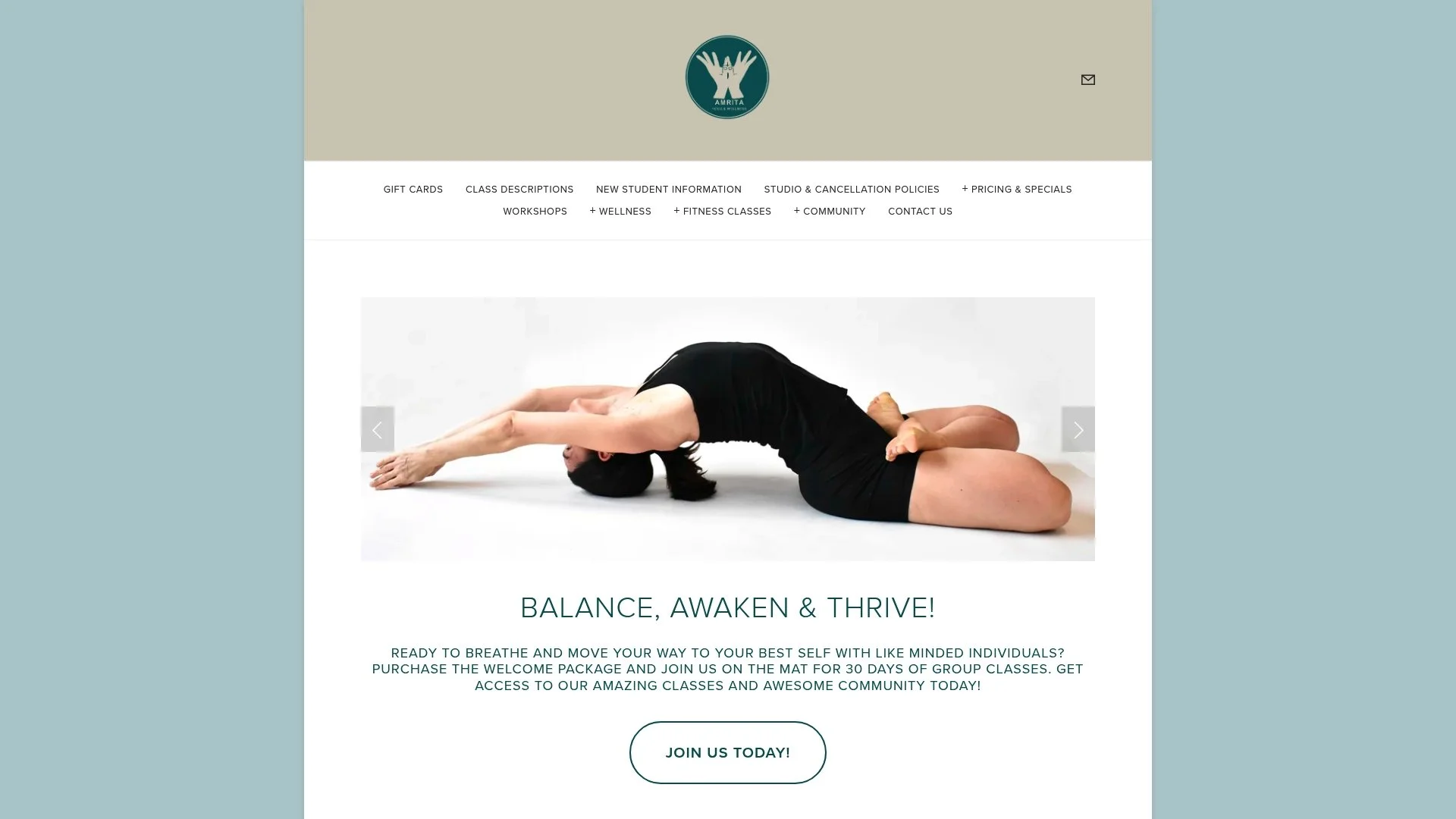
If you are new to the studio, explore the free yoga class options available through Amritayogawellness to experience the community before committing to a membership. The studio's offerings span hot yoga, pilates, barre, tai chi, and massage therapy, making it a single destination for adults who take their well-being seriously.
FAQ
What is the best time of day to practice yoga?
Morning practice, often called yoga at dawn, builds consistency because fewer schedule conflicts arise before the day starts. Evening sessions support relaxation and sleep quality, making both windows effective depending on your goal.
How often should beginners practice yoga at home?
Three to four sessions per week of 10 to 30 minutes produces noticeable strength and flexibility gains within four to six weeks. Starting with three sessions and adding a fourth once the habit is established prevents burnout.
Do outdoor yoga classes require any special equipment?
A non-slip mat with extra grip is the primary addition for outdoor practice. Outdoor yoga preparation also includes sunscreen, water, and checking the surface for stability before placing your mat.
Are free community yoga classes legitimate?
Yes. Community-sponsored classes at locations like Brooklyn Bridge Park run 60-minute sessions led by certified instructors, funded by local sponsors. Most require advance registration and a digital waiver completed before the session.
Can yoga at work replace a full studio practice?
Workplace yoga addresses specific issues like posture and acute stress but does not replace the full-body conditioning of a studio class. Treat desk-based routines as a supplement to, not a substitute for, a structured weekly practice.
If you are new to the studio, explore the free yoga class options available through Amritayogawellness to experience the community before committing to a membership. The studio's offerings span hot yoga, pilates, barre, tai chi, and massage therapy, making it a single destination for adults who take their well-being seriously.
FAQ
What is the best time of day to practice yoga?
Morning practice, often called yoga at dawn, builds consistency because fewer schedule conflicts arise before the day starts. Evening sessions support relaxation and sleep quality, making both windows effective depending on your goal.
How often should beginners practice yoga at home?
Three to four sessions per week of 10 to 30 minutes produces noticeable strength and flexibility gains within four to six weeks. Starting with three sessions and adding a fourth once the habit is established prevents burnout.
Do outdoor yoga classes require any special equipment?
A non-slip mat with extra grip is the primary addition for outdoor practice. Outdoor yoga preparation also includes sunscreen, water, and checking the surface for stability before placing your mat.
Are free community yoga classes legitimate?
Yes. Community-sponsored classes at locations like Brooklyn Bridge Park run 60-minute sessions led by certified instructors, funded by local sponsors. Most require advance registration and a digital waiver completed before the session.
Can yoga at work replace a full studio practice?
Workplace yoga addresses specific issues like posture and acute stress but does not replace the full-body conditioning of a studio class. Treat desk-based routines as a supplement to, not a substitute for, a structured weekly practice.