Hot yoga benefits for wellness and stress relief in 2026
Hot yoga is one of the most misunderstood practices in the wellness world. Many people assume it's just a punishing workout reserved for athletes or heat-tolerant thrill-seekers. The reality is far more nuanced. Research shows that hot yoga improves functional health markers including bone mineral density, balance, and flexibility, making it accessible and beneficial for a wide range of adults. Whether you're chasing stress relief, better cardiovascular health, or a deeper mind-body connection, hot yoga offers a compelling case. This article breaks down the evidence, compares hot yoga to non-heated alternatives, and gives you a practical roadmap for getting started right here in Philadelphia.
Table of Contents
Key Takeaways
| Point | Details |
|---|---|
| Comprehensive wellness | Hot yoga provides a blend of physical, mental, and holistic benefits supported by research. |
| Similar energy demands | Energetic demands of hot yoga match those of non-heated yoga despite increased heart rate. |
| Not for everyone | Hot yoga has specific risks and is not suitable for certain health conditions. |
| Preparation matters | Proper hydration and medical clearance make hot yoga safer for new participants. |
| Community support | Philadelphia offers accessible hot yoga studios and resources for holistic well-being. |
What is hot yoga? Core concepts and Philadelphia context
Hot yoga is simply yoga practiced in a heated, humid room. That's the core definition, but the details matter. Sessions typically run 20 to 90 minutes at temperatures between 30 and 52 degrees Celsius, with humidity levels ranging from 20 to 60 percent. The most well-known style is Bikram, a fixed sequence of 26 postures. Hot Hatha and hot Vinyasa are also popular, offering more variety in movement and pacing.
Here's a quick breakdown of the most common hot yoga styles:
Bikram yoga: 26 postures, 90 minutes, 40°C, highly structured
Hot Hatha: Slower pace, foundational poses, great for beginners
Hot Vinyasa: Flow-based, dynamic, links breath to movement
Infrared hot yoga: Uses infrared panels instead of forced air heating
For those exploring hot yoga for beginners, Philadelphia has a growing number of studios offering introductory classes with experienced instructors. Amrita Yoga & Wellness is one local option that caters to all experience levels. When choosing between hot and non-heated yoga, consider your goals. Hot yoga tends to suit those seeking cardiovascular challenge, deeper muscle relaxation, and detoxification through sweat.
| Style | Temperature | Duration | Best for |
|---|---|---|---|
| Bikram | 40°C | 90 min | Structure, consistency |
| Hot Hatha | 32-38°C | 60 min | Beginners, flexibility |
| Hot Vinyasa | 35-40°C | 60-75 min | Cardio, flow |
| Infrared | 30-38°C | 45-60 min | Gentle heat, recovery |
Physical wellness benefits: Evidence-backed outcomes
With those basics in mind, let's look at why health professionals increasingly recommend hot yoga for physical wellness. The evidence is more robust than most people expect.
Chronic hot yoga practice improves body composition, lipid profiles, and macrovascular function. That means better cholesterol numbers, reduced body fat, and healthier blood vessels over time. These are not minor cosmetic changes. They represent meaningful improvements in long-term cardiovascular health.
Key physical benefits backed by research include:
Improved flexibility and joint range of motion
Better balance and proprioception (your body's sense of position)
Increased bone mineral density, which matters especially as you age
Lower resting heart rate and improved blood pressure
Reduced body fat percentage with consistent practice
On the aerobic side, 12 sessions of hot yoga increased VO2 max and HSP70 expression, a protein that helps your cells handle heat stress. VO2 max is the gold standard measure of aerobic fitness, and improving it has wide-ranging benefits for energy, endurance, and longevity.
"Hot yoga improves functional health markers such as bone mineral density, balance, and flexibility." This makes it a strong option for adults seeking a low-impact but high-reward fitness practice.
For those building a consistent practice, exploring hot yoga progression tips can help you advance safely without plateauing. And if you're thinking about structure, creating your hot yoga routine with clear weekly goals makes a measurable difference in outcomes.
Pro Tip: Aim for at least two to three sessions per week for eight or more weeks to see meaningful physical changes. Sporadic classes feel great but won't move the needle on body composition or cardiovascular markers.
Mental health and stress relief: How hot yoga helps
Physical results are just one part of hot yoga's appeal. The mental benefits are equally significant, and they're what keep many Philadelphia practitioners coming back week after week
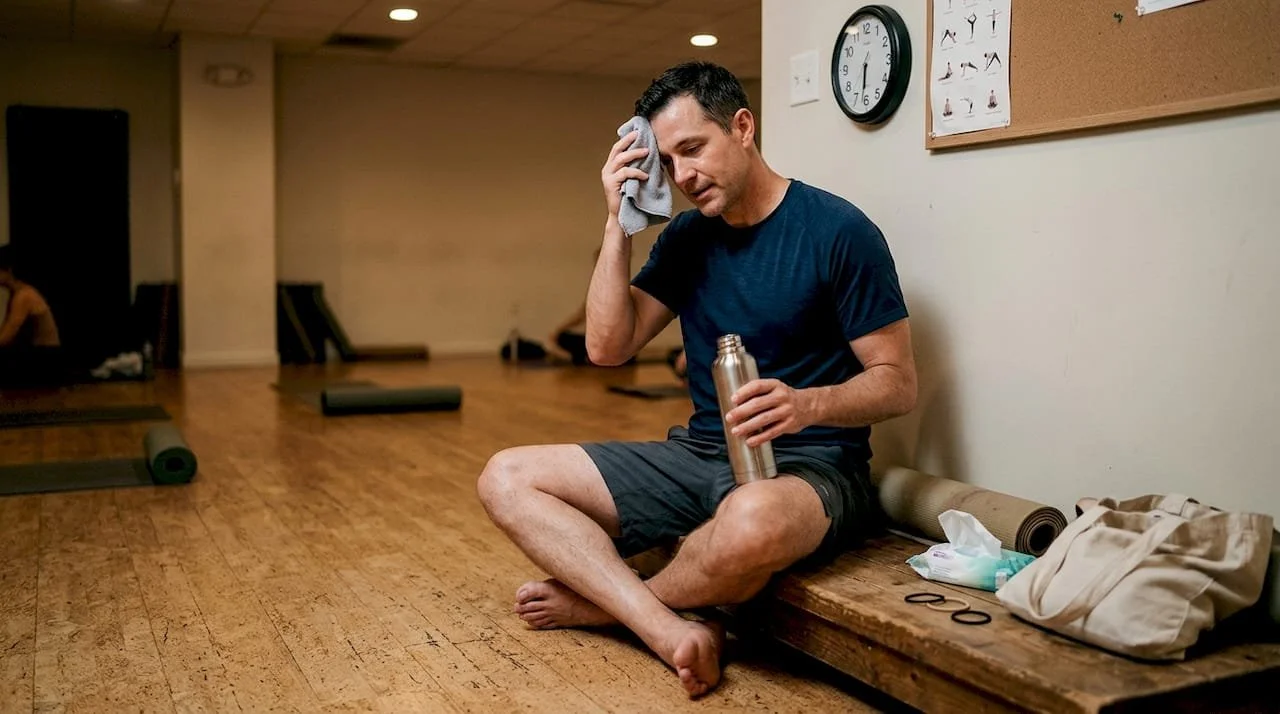
Research shows that hot yoga has promising effects on alleviating psychological disorders, stress, and improving cognitive function, though scientists note the evidence is still developing. What we do know is that the combination of heat, focused breathing, and mindful movement creates a powerful environment for mental reset.
Here's what practitioners commonly report after regular sessions:
Reduced anxiety and a calmer baseline stress response
Improved sleep quality, especially falling asleep faster
Greater mental clarity and focus during the workday
A stronger sense of body awareness and emotional regulation
Mood elevation that lasts well beyond the class itself
Hot yoga may reduce stressand improve mental health outcomes in ways similar to traditional yoga, with the added intensity of the heated environment potentially deepening the relaxation response after class. Think of it like a pressure valve. The heat forces you to stay present, because your mind simply cannot wander when your body is working that hard.
"The heated room strips away distraction. You're not thinking about your inbox. You're breathing, moving, and surviving in the best possible way."
It's worth being clear: hot yoga is a complement to mental health care, not a replacement. If you're managing anxiety, depression, or chronic stress, it works best alongside professional support. For a deeper look at how the practice supports overall well-being, the hot yoga wellness benefits resource from Amrita Yoga & Wellness is worth reading.
Hot yoga vs. non-heated yoga: What's the real difference?
But is hot yoga truly superior, or just different? The answer might surprise you.
Acute hot yoga sessions increase core temperature and heart rate, but the energetic demands are similar to non-heated yoga. In other words, you're not necessarily burning dramatically more calories just because you're sweating more. The sweat is largely a thermoregulation response, not a direct indicator of caloric output.
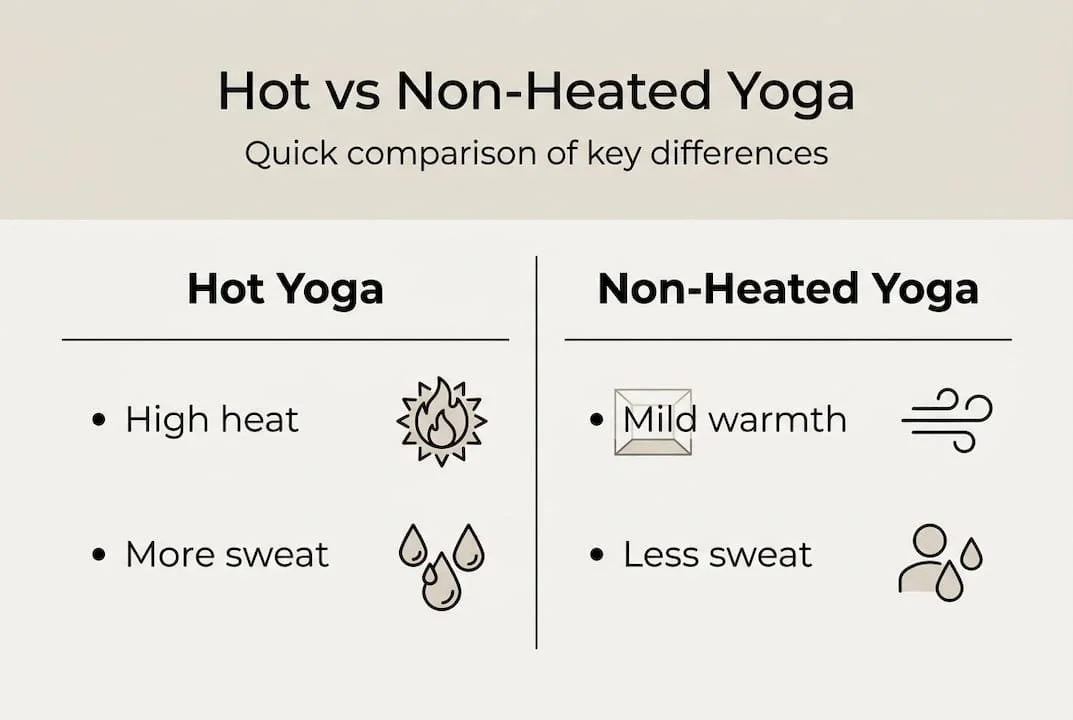
| Factor | Hot yoga | Non-heated yoga |
|---|---|---|
| Core temperature | Significantly elevated | Mildly elevated |
| Heart rate | Higher during session | Moderate |
| Caloric burn | Similar overall | Similar overall |
| Flexibility gains | Enhanced by heat | Moderate |
| Cardiovascular stress | Higher | Lower |
| Accessibility | Moderate (heat barrier) | High |
| Mental focus demand | Very high | Moderate to high |
Currently, no substantiated evidence shows that hot yoga provides greater benefits than non-heated yoga or traditional exercise across the board. What it does offer is a distinct experience that many people find more engaging, more meditative, and more effective for their specific goals.
Who should choose hot yoga:
Adults who want a more immersive, focused practice
Those seeking flexibility gains accelerated by heat
People who enjoy the community and ritual of a heated studio
Who might prefer non-heated yoga:
Beginners still learning alignment and breath control
Those with heat sensitivity or cardiovascular concerns
Practitioners who want a gentler recovery-focused session
Pro Tip: Try both formats for at least four sessions each before deciding which fits your lifestyle. Your preference often comes down to how your nervous system responds to heat, and that's deeply personal.
For more on staying safe while you explore, check out the hot yoga safety guidelines available through Amrita Yoga & Wellness.
Risks, safety essentials, and who should avoid hot yoga
Knowing both the benefits and comparisons, it's vital to understand how to practice hot yoga safely. The heat is the variable that changes everything.
Risks include heat-related illness, dehydration, and specific contraindications for pregnant individuals, those with cardiovascular disease, multiple sclerosis, or heat intolerance. These are not rare edge cases. They're real concerns that require honest self-assessment before you step into a heated room.
Here are the essential safety steps every new practitioner should follow:
Hydrate aggressively the day before class, not just the morning of. Your hydration status going in matters more than what you drink during class.
Arrive early to acclimate to the room temperature before the session begins.
Listen to your body without ego. Sitting or lying down mid-class is always acceptable and often smart.
Avoid eating a heavy meal within two hours of class to prevent nausea.
Bring a large water bottle and a full-size towel to manage sweat and stay comfortable on the mat.
Get medical clearance if you have any cardiovascular conditions, are pregnant, or have a history of heat-related illness.
For a thorough breakdown of what to watch for, the hot yoga safety tips guide covers injury prevention in detail. And if you want to feel fully prepared before your first class, preparing for hot yoga walks you through every step.
Pro Tip: If you feel dizzy, nauseous, or your heart is racing uncomfortably, leave the room immediately. No pose or sequence is worth a heat-related emergency.
How to get started with hot yoga in Philadelphia
With safety in mind, you're ready to start your own hot yoga journey. Here's how to make it rewarding from day one.
Before your first class, run through this checklist:
Choose a beginner-friendly class labeled as introductory or open-level.
Hydrate starting 24 hours before your session, aiming for at least 2 to 3 liters of water.
Pack your bag the night before: mat, large towel, water bottle, lightweight moisture-wicking clothes.
Arrive 15 minutes early to meet the instructor and get comfortable in the space.
Set a realistic intention for your first class: survive, breathe, and observe.
For preparing for hot yoga in Philadelphia, the local studio environment matters. Look for instructors who offer modifications, welcome questions, and create a non-competitive atmosphere. That culture makes a significant difference in whether you return for a second class.
What to look for in a Philadelphia hot yoga studio:
Clear communication about room temperature and humidity levels
Certified instructors with experience teaching beginners
Clean, well-ventilated facilities with proper heating systems
A welcoming community that supports all fitness levels
For a step-by-step approach to building your practice, hot yoga steps for beginners is a practical resource that takes you from your first class through your first month. Studios like Amrita Yoga & Wellness prioritize hydration guidance and medical clearance support for anyone with health considerations, making it a strong starting point for Philadelphia adults new to the practice.
Experience hot yoga benefits with Amrita Yoga & Wellness
If you've made it this far, you already know that hot yoga is more than a fitness trend. It's a structured, evidence-informed practice with real benefits for your body, your stress levels, and your overall quality of life. The next step is finding the right environment to experience it.
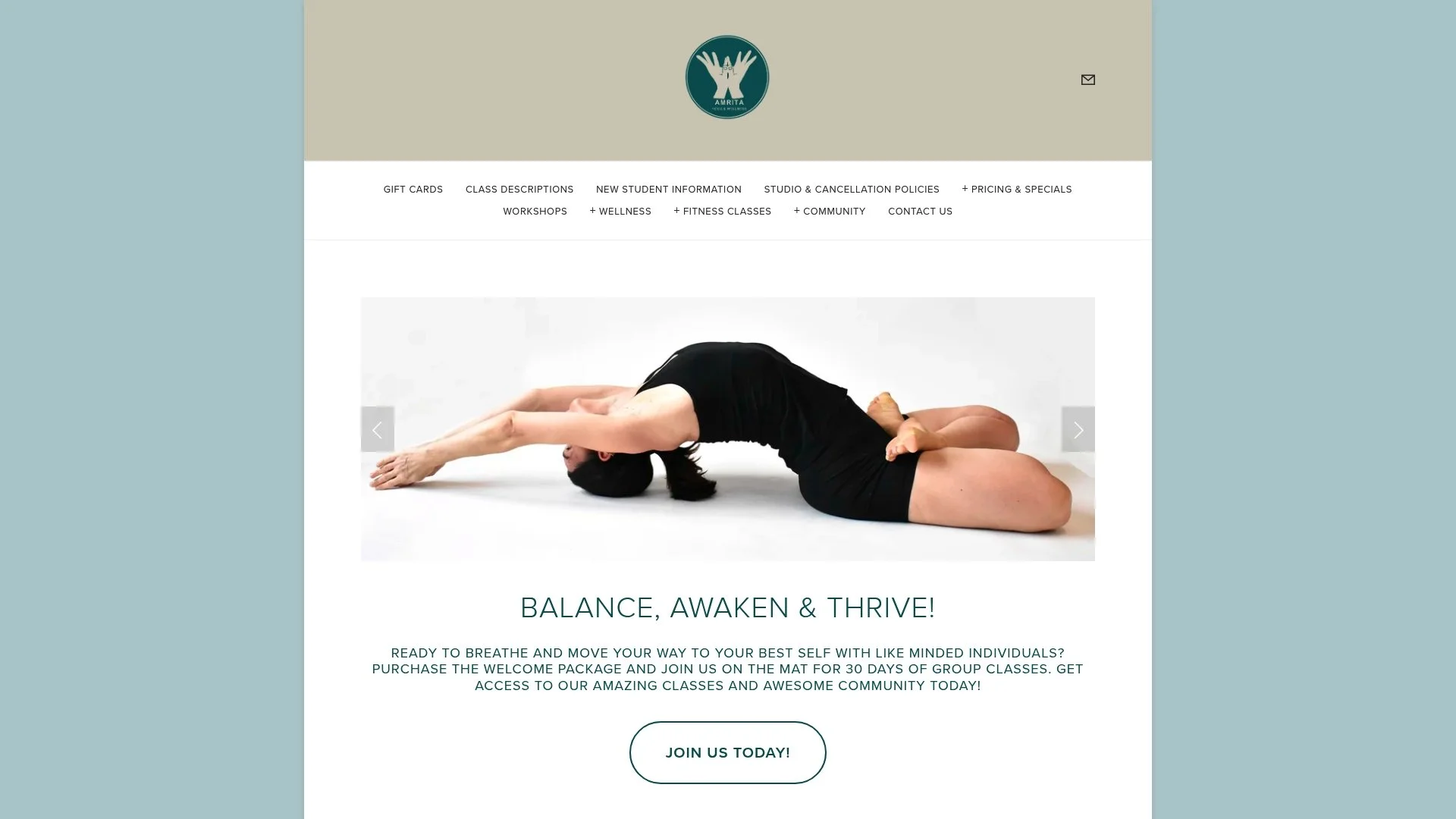
At Amrita Yoga & Wellness in Philadelphia, hot yoga classes are designed to meet you where you are, whether you're stepping onto a mat for the first time or deepening an existing practice. Beyond yoga, the studio offers complementary wellness services including tarot readings for reflection and self-discovery, and acupuncture services to support recovery and holistic health. Together, these offerings create a full-spectrum wellness experience that goes well beyond a single sweaty class. Explore the schedule, connect with the community, and take that first step toward a calmer, stronger version of yourself.
Frequently asked questions
Is hot yoga safe for everyone?
No, hot yoga is not recommended for pregnant individuals, people with cardiovascular disease, multiple sclerosis, or heat intolerance. Risks include heat-related illness and dehydration, so always consult a physician if you have any of these conditions.
How does hot yoga compare to regular yoga in terms of calories burned?
Despite the intense sweating, energetic demands are similar to non-heated yoga. The extra sweat reflects your body cooling itself, not a dramatically higher caloric burn.
What are the most noticeable benefits after a few weeks of hot yoga?
Most practitioners notice improved flexibility, better balance, and a general sense of well-being within the first few weeks. Bone mineral density and balance improvements develop with longer-term consistent practice.
Can hot yoga help reduce stress and improve mental health?
Research shows promising effects on stress and mood, though scientists note more studies are needed for fully conclusive evidence. Most practitioners report meaningful stress relief after regular sessions.
What should I do to prepare for my first hot yoga class?
Hydrate well starting the day before, bring a towel and water bottle, wear lightweight clothing, and consult a physician if you have any medical concerns. Studios like Amrita Yoga & Wellness provide guidance to help first-timers feel confident and safe from the start.