The Yoga Shop: Philadelphia's Guide to Gear and Classes
TL;DR:
A yoga shop in Philadelphia offers a combination of quality gear, structured classes, and community resources to support both physical and mental health. Amritayogawellness provides diverse classes, workshops, and holistic services in one accessible location, emphasizing beginner-friendly options and proper gear selection. Choosing the right mat and maintaining it properly enhances safety and longevity, especially tailored to practice style and environmental factors.
The yoga shop is defined as a full-service wellness destination that combines quality gear, structured classes, and community resources to support physical and mental health. For Philadelphia adults, finding the right combination of instruction and equipment makes the difference between a short-lived experiment and a lasting practice. Amritayogawellness brings both together under one roof, offering everything from hot yoga and barre to premium yoga mat selection and spiritual tools. Whether you are a complete beginner or a seasoned practitioner, the right shop gives you the gear and guidance to go deeper.
What does the yoga shop offer philadelphia practitioners?
A yoga shop in Philadelphia is more than a place to buy a mat. The best local options function as wellness hubs, connecting you to classes, workshops, and a community that keeps your practice consistent.
Amritayogawellness offers a wide range of class formats designed for different goals and experience levels:
Vinyasa yoga: A flow-based style that links breath to movement, building strength and flexibility simultaneously.
Hot yoga: Practiced in a heated room to increase flexibility and cardiovascular output. Cork mats grip better when moist, making them the preferred choice for this format.
Pilates and barre: Low-impact formats that target core stability and muscular endurance, ideal for injury recovery or cross-training.
Tai chi: A slow, meditative movement practice that builds balance and reduces stress over time.
Massage therapy: A hands-on recovery service that complements active yoga practice by releasing muscular tension.
Workshops and specialty events: Amritayogawellness hosts tarot readings, mindfulness workshops, and community events that extend wellness beyond the mat.
Every class format at Amritayogawellness is structured for accessibility. Beginners receive detailed class descriptions before signing up, so there are no surprises. Advanced practitioners can filter by intensity level and find sessions that challenge their existing skills. That layered approach to programming is what separates a genuine yoga and wellness studio from a basic yoga accessories shop.
Pro Tip: If you are new to yoga in Philadelphia, start with a beginner Vinyasa class before moving to hot yoga. The heat in hot yoga amplifies physical demand, and building baseline flexibility first reduces injury risk significantly.
How do you choose the best yoga mat and accessories?
Choosing the right yoga mat is the single most consequential gear decision you will make. The wrong mat creates slipping, joint pain, and frustration. The right one supports your body and your practice style for years.
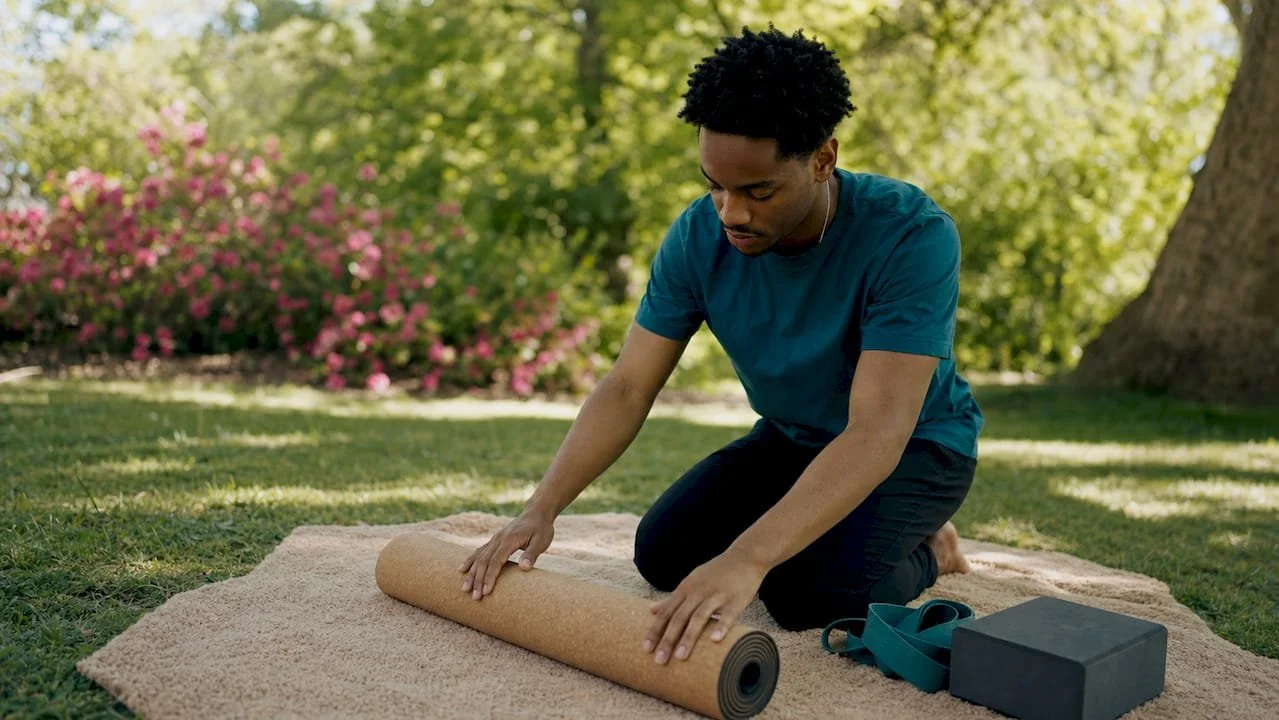
Thickness: cushion vs. stability
A 6mm thick mat offers the best joint protection for most practitioners. That extra cushioning matters most in poses that load the knees, wrists, and spine. Thinner mats in the 3–4mm range suit advanced practitioners who prioritize balance and want to feel the floor beneath them. Beginners almost always benefit from the 6mm option.
Material: what your practice actually needs
Material determines grip, durability, and environmental impact. Mat material should align with your practice style: absorbent natural rubber or cork for sweaty sessions, and closed-cell PVC for studio environments where hygiene and durability matter most.
Natural rubber and cork mats absorb moisture, which improves grip as you sweat. PVC mats resist moisture absorption, which makes them easier to wipe clean but potentially slippery in high-heat classes.
Accessories worth buying
Blocks, straps, and a quality mat cleaner round out a complete yoga accessories shop purchase. Foam blocks support alignment in poses where flexibility is still developing. Straps extend your reach in seated forward folds and shoulder openers. A dedicated mat spray keeps your surface clean between sessions without degrading the material.
Price ranges for quality mats run from under $25 for entry-level options to over $165 for premium mats built with sustainable materials and advanced grip technology. That price gap reflects real differences in longevity and performance, not just branding.
Pro Tip: Look for mats with alignment markers, like the Liforme AlignForMe® system. Alignment guides reduce injury risk by helping beginners position their hands and feet correctly from day one.
How do popular yoga mat materials compare?
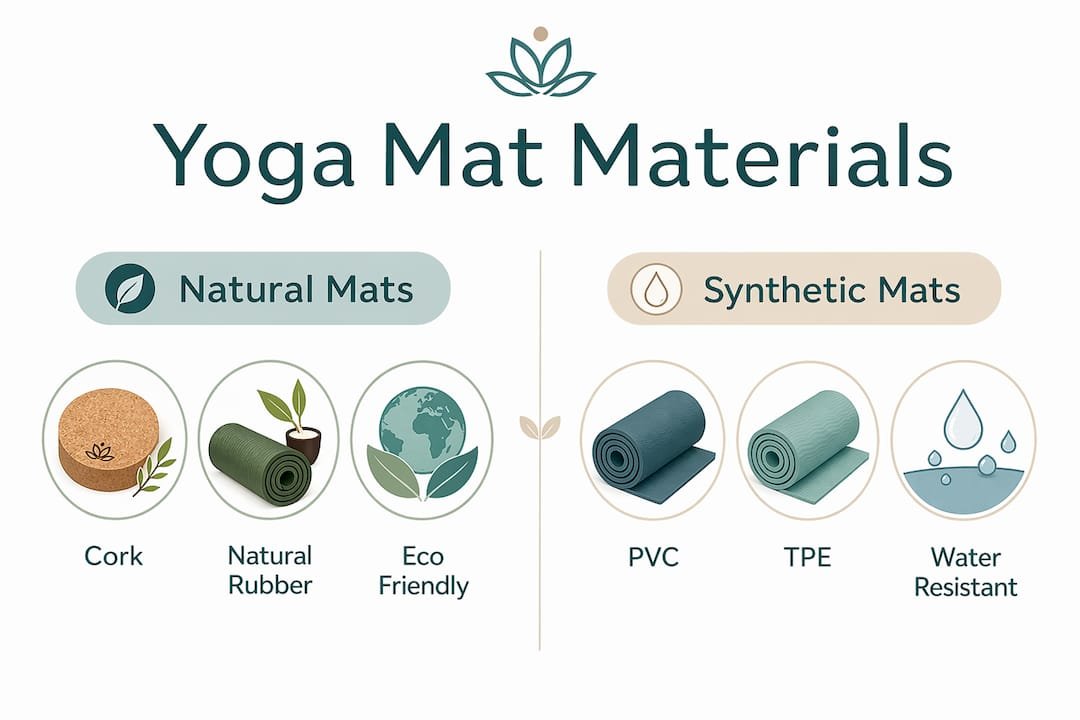
Understanding the trade-offs between mat materials helps you buy once and buy right. The table below covers the four most common options across the factors that matter most.
| Material | Grip When Wet | Cushioning | Eco Impact | Cleaning Ease | Best For |
|---|---|---|---|---|---|
| Cork | Excellent | Moderate | Low Impact | Easy (antimicrobial) | Hot yoga, eco-conscious practitioners |
| Natural Rubber | Very Good | Good | Moderate | Moderate | All-around practice, sweaty sessions |
| PVC (closed-cell) | Moderate | Excellent | Higher Impact | Very Easy | Studio use, durability-focused buyers |
| Hybrid (PU/rubber) | Excellent | Good | Moderate | Moderate | Performance-focused, advanced practice |
Cork mats stand out for hot yoga specifically. They dry antimicrobial and grip better when moist, eliminating the need for a separate towel during heated sessions. That is a practical advantage that saves money and reduces gear clutter.
Closed-cell PVC mats prevent sweat and bacteria from penetrating the surface. That construction makes them the most hygienic option for shared studio environments. The trade-off is environmental: PVC is not biodegradable, and its production carries a higher carbon footprint than natural alternatives.
Natural rubber and PVC mats differ significantly in how they handle moisture. Open-cell rubber absorbs sweat for superior grip but requires more frequent cleaning. Closed-cell PVC stays drier on the surface but can feel slick before you warm up. Knowing which side of that trade-off matters more to you makes the decision straightforward.
For Philadelphia yogis practicing at Amritayogawellness, cork or natural rubber mats are the strongest choice for hot yoga classes. PVC mats work well for pilates and barre, where sweat volume is lower and floor stability is the priority.
What are the best practices for caring for your yoga mat?
A quality mat lasts years with proper care. Most practitioners shorten their mat's lifespan through avoidable mistakes.
The correct cleaning method is simple: wipe with a damp cloth using cold water or a mild detergent, then air-dry flat. That process removes sweat and bacteria without degrading the mat's surface or structure. Regular wiping after every session extends mat lifespan significantly compared to occasional deep cleans.
What to avoid:
Washing machines and dryers: The agitation and heat break down mat materials, especially natural rubber and cork. Even one machine wash can permanently warp a quality mat.
Prolonged sun exposure: UV light degrades most mat materials over time, causing cracking and loss of grip. Store your mat away from windows.
Shoes and pet claws: Shoes and pet claws permanently damage the non-slip surface, reducing grip and shortening the mat's functional life. Keep your mat a shoe-free and pet-free zone.
Folding instead of rolling: Folding creates permanent creases that compromise surface flatness and stability during practice.
Storage matters as much as cleaning. Roll your mat loosely with the top surface facing outward, and store it upright or hanging to prevent compression. A mat bag or strap keeps it clean during transport and protects the surface from contact with rough floors.
Pro Tip: For a quick between-session refresh, mix equal parts water and white vinegar in a spray bottle. Lightly mist the surface, wipe clean, and air-dry. This maintains mat hygiene without the chemical residue that some commercial sprays leave behind.
Key takeaways
Choosing the right yoga shop means finding one that pairs quality gear with real instruction, because gear without guidance only gets you so far.
| Point | Details |
|---|---|
| Mat thickness matters | A 6mm mat protects joints for most practitioners; 3–4mm suits advanced balance work. |
| Match material to practice | Use cork or natural rubber for hot yoga; closed-cell PVC for studio hygiene and durability. |
| Care extends lifespan | Wipe with mild detergent, air-dry flat, and keep shoes and pets off the surface. |
| Accessories complete the kit | Blocks, straps, and mat spray support alignment and hygiene from the first session. |
| Classes multiply gear value | Quality gear paired with structured instruction at a studio like Amritayogawellness produces faster, safer progress. |
What i have learned from years of watching practitioners gear up
Most people walk into a yoga supplies store and buy the cheapest mat on the shelf. I understand the logic. You are not sure you will stick with it, so why spend $120 on a mat? The problem is that a thin, slippery mat makes your first ten classes harder than they need to be. You spend half the session readjusting your hands because your mat is sliding. That friction, literal and psychological, is one of the main reasons beginners quit.
The practitioners I have watched progress fastest are the ones who treated their first gear purchase as a real decision. They read about choosing mats for their practice style, bought something in the $60–$100 range, and showed up to class with equipment that did not fight them. That confidence compounds quickly.
Philadelphia has a specific yoga culture worth noting. The city's practitioners tend to be practical and community-oriented. They want a local yoga accessories shop that also offers real instruction, not just retail. Amritayogawellness fills that role well. The combination of hot yoga, pilates, barre, and holistic workshops under one roof means you can build a complete wellness practice without bouncing between five different studios.
My honest advice for anyone starting out: buy a mat suited to Philadelphia yogis, sign up for a beginner class, and commit to six weeks before evaluating whether it is working. Six weeks is enough time for the physical benefits to become undeniable.
— Juiced
Start your practice at amrita yoga & wellness today
Amritayogawellness is Philadelphia's most complete yoga and wellness studio, offering hot yoga, pilates, barre, tai chi, massage therapy, and specialty workshops in one accessible location. Whether you are looking to buy yoga mats online, stock up on yoga props, or find a class that fits your schedule, Amritayogawellness has the resources to support your goals.
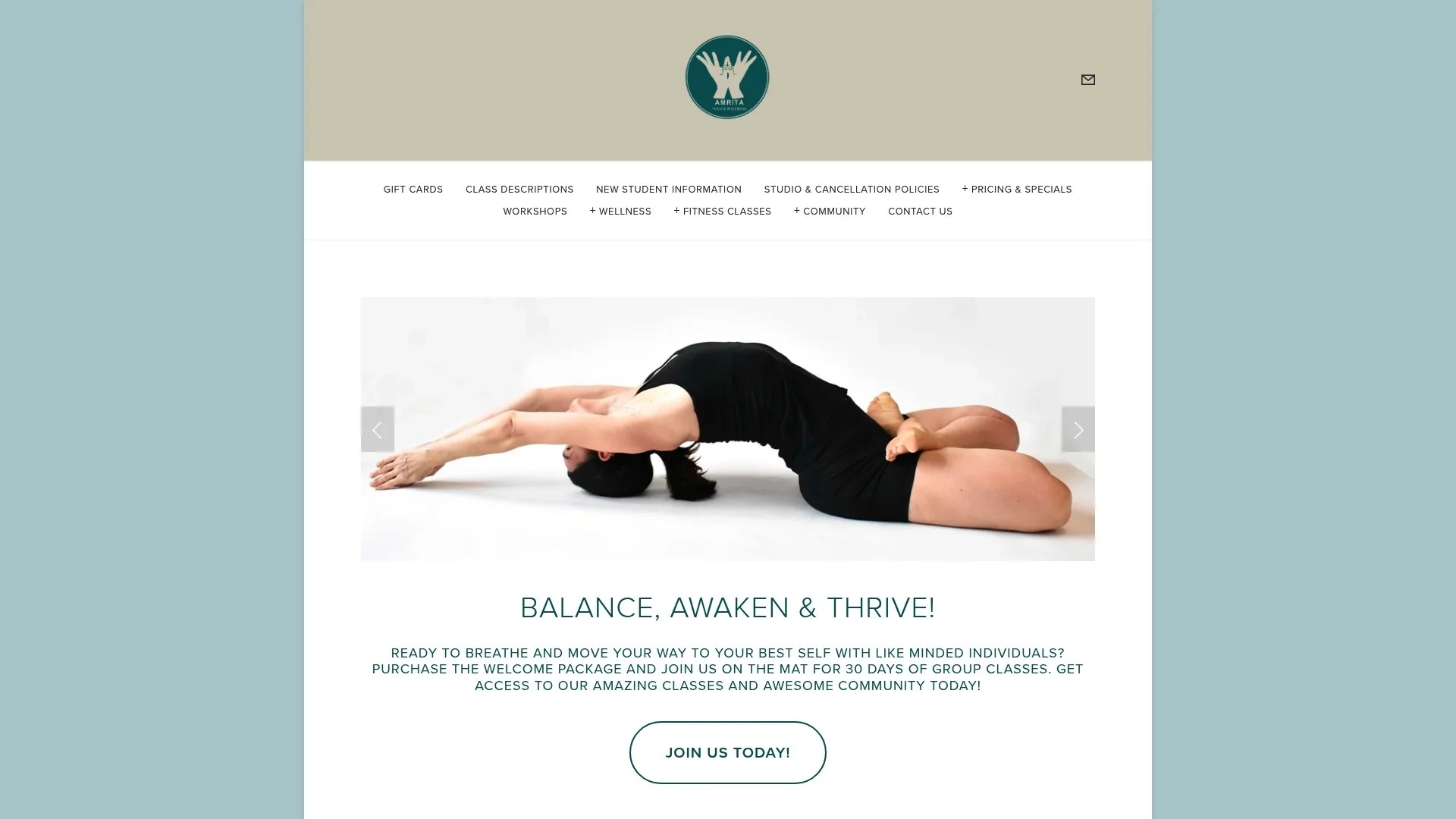
Beyond physical classes, Amritayogawellness offers tarot readings as part of its holistic wellness programming. These sessions complement your yoga practice by supporting mental clarity and self-reflection. New students can browse the full class schedule, sign up for workshops, and explore yoga accessories directly through the site. Your practice starts with one decision. Make it a good one.
FAQ
What is the yoga shop in philadelphia?
The yoga shop refers to a local wellness destination that offers yoga classes, workshops, and quality gear under one roof. Amritayogawellness in Philadelphia serves this role with formats including hot yoga, pilates, barre, and tai chi.
What yoga mat thickness should beginners buy?
Beginners should choose a 6mm thick mat for joint protection during floor-based poses. Thinner mats in the 3–4mm range are better suited for advanced practitioners who prioritize balance and floor feel.
Is cork or PVC better for hot yoga?
Cork is the stronger choice for hot yoga because it grips better as moisture increases and dries naturally antimicrobial. PVC mats can become slippery during heated sessions and require a separate towel for grip.
How often should you clean a yoga mat?
Wipe your mat with a damp cloth and mild detergent after every session, then air-dry flat. Consistent light cleaning prevents bacteria buildup and extends the mat's lifespan far longer than occasional deep cleans.
Where can philadelphia adults find yoga classes and gear?
Amritayogawellness at amritayogawellness.com offers class scheduling, workshop sign-ups, and yoga accessories for Philadelphia adults at all experience levels.