
What Is Therapeutic Yoga? Benefits and How It Works

TL;DR:
Therapeutic yoga is an individualized practice that combines assessment, goal setting, and lifestyle guidance within a therapeutic relationship to promote healing. It differs from regular yoga classes by focusing on specific health needs under the guidance of a certified therapist with clinical expertise. Evidence shows that yoga therapy can reduce stress, anxiety, and depression, especially when tailored to conditions like chronic pain and mental health disorders.
Therapeutic yoga is the individualized application of yoga practices within a therapeutic relationship, combining assessment, goal setting, and lifestyle management to support healing. The International Association of Yoga Therapists (IAYT) defines this practice as yoga therapy: a professional discipline distinct from general yoga classes. Where a standard class follows a fixed sequence for a room full of people, therapeutic yoga is built around one person's specific health needs. Amritayogawellness sees this distinction every day at its Philadelphia studio, where practitioners arrive with chronic pain, anxiety, or stress and leave with a personalized path forward.
What is therapeutic yoga and how does it differ from regular yoga?
Therapeutic yoga, formally called yoga therapy, is a clinical practice in which a certified yoga therapist works one-on-one with a client to address specific physical or mental health conditions. The therapist draws on training in anatomy, physiology, medications, and symptom recognition. That depth of knowledge separates yoga therapy from a drop-in vinyasa class.

A general yoga class teaches movement and breath to a group. Yoga therapy structures sessions around individual needs and clinical goals, not standard sequences. The therapist conducts a full intake assessment, identifies health priorities, and designs a practice that fits the client's current capacity. Progress is tracked and the program evolves as the client improves.
The therapeutic relationship itself is a defining feature. Personalized care and ongoing communication between therapist and client drive outcomes. This is not a wellness trend. IAYT has credentialed yoga therapists since 1989, and the field now intersects with hospitals, rehabilitation centers, and integrative medicine clinics.
Pro Tip: Before your first session, write down your top three health concerns and any medications you take. A yoga therapist uses that information to design a safer, more targeted practice from day one.
Core techniques used in yoga therapy sessions
Therapeutic yoga sessions draw from several yoga tools depending on the client's condition and goals:
Breathwork (pranayama): Regulates the nervous system and reduces physiological stress responses.
Guided movement (asana): Modified postures adapted to the client's mobility, pain level, and strength.
Meditation and mindfulness: Builds mental focus and reduces rumination linked to anxiety and depression.
Relaxation techniques: Progressive muscle relaxation and yoga nidra lower cortisol and support recovery.
Lifestyle guidance: Sleep habits, nutrition awareness, and daily movement recommendations.
Therapeutic yoga sequencingemphasizes warming joints gradually, building stability before intensity, and staying within a safe therapeutic window. That pacing principle protects clients with injuries or chronic conditions from setbacks.
What are the therapeutic yoga benefits for mind and body?

The evidence for yoga therapy's benefits is growing and specific. A 2026 meta-analysis of 30 controlled studies covering 2,288 participants found that yoga interventions significantly reduce stress, anxiety, and depression symptoms with a moderate effect size. That finding is especially strong for older adults, a population that often cannot tolerate high-intensity exercise.
A separate 2026 community study of 253 women found that a single 60-minute Hatha yoga session measurably improved mood, decreased anxiety, and increased energy levels. One session produced noticeable results. That suggests yoga therapy does not require months of practice before a client feels a difference.
Yoga's combination of movement, breath, and mindfulnessinfluences brain chemistry and stress pathways in ways that benefit mental health. Research quality varies across studies, but the direction of evidence is consistent. Yoga therapy complements healthcare by improving musculoskeletal conditions, mental health disorders, and quality of life without the side effects of many pharmaceutical interventions.
Conditions that respond well to yoga therapy
Yoga therapy shows documented benefit across a range of conditions:
Chronic low back pain and neck tension
Anxiety disorders and generalized stress
Mild to moderate depression
Post-surgical rehabilitation and mobility recovery
Hypertension and cardiovascular risk reduction
Insomnia and sleep disruption
Fatigue related to cancer treatment
Yoga therapy is best viewed as complementary care, not a standalone cure. It works best alongside medical treatment, physical therapy, or mental health counseling. Clients who approach it that way get the most out of it.
Therapeutic yoga vs. restorative yoga: what is the difference?
These two practices overlap in tone but differ sharply in structure and purpose. Understanding the distinction helps you choose the right practice for your needs.
Restorative yoga uses propssuch as bolsters, blankets, and blocks to fully support the body, allowing deep relaxation by shifting the nervous system into a rest state. Poses are held for 5–20 minutes with zero muscular effort required. The goal is nervous system recovery, not skill development or symptom treatment.
Therapeutic yoga, by contrast, is goal-directed and clinically informed. A yoga therapist assesses your condition, sets measurable health targets, and adjusts your practice over time. Restorative yoga is a supportive relaxation practice that removes effort entirely. Therapeutic yoga is an active treatment process, even when the techniques used look gentle.
The table below shows the key differences clearly.
| Feature | Therapeutic Yoga | Restorative Yoga | Standard Yoga Class |
|---|---|---|---|
| Session format | One-on-one, individualized | Group or solo, prop-supported | Group, fixed sequence |
| Primary goal | Treat specific health conditions | Deep nervous system relaxation | Fitness, flexibility, stress relief |
| Therapist role | Certified yoga therapist, clinical assessment | Certified instructor, minimal guidance | Instructor leads group |
| Intensity level | Adapted to condition, gradual progression | Very low, fully passive | Low to high depending on style |
| Typical use case | Chronic pain, mental health, rehabilitation | Burnout, stress recovery, sleep issues | General wellness, fitness |
If you are recovering from surgery, managing anxiety, or dealing with chronic pain, therapeutic yoga is the more targeted choice. If you are burned out and need deep rest, restorative yoga delivers that efficiently.
How to start therapeutic yoga: finding the right therapist
Starting therapeutic yoga requires more than finding a yoga studio. You need a qualified practitioner with specific credentials. The IAYT certifies yoga therapists through its C-IAYT credential, which requires a minimum of 1,000 hours of training beyond standard yoga teacher certification. That credential is the clearest signal of clinical competency.
Here is how to approach finding and starting therapeutic yoga:
Search the IAYT directory. The IAYT website lists C-IAYT certified therapists by location and specialty. Filter by your health concern.
Ask about their clinical experience. A therapist who has worked with your specific condition, whether chronic pain, anxiety, or post-surgical recovery, will design a more targeted program.
Expect a full intake assessment. Your first session should include a health history review, movement assessment, and goal-setting conversation. If it does not, that is a red flag.
Confirm the setting. Therapeutic yoga is offered in hospitals, integrative medicine clinics, private practices, and specialized studios like Amritayogawellness in Philadelphia.
Integrate it with your existing care. Share your yoga therapy plan with your doctor, physical therapist, or mental health provider. Coordination improves outcomes.
Pro Tip: Tell your yoga therapist about every medication you take, not just the ones you think are relevant. Certain medications affect balance, heart rate, and flexibility, and a skilled therapist will adjust your session accordingly.
Yoga therapy for mental healthis one of the fastest-growing applications of the practice. Therapists working in this space often collaborate directly with psychologists and psychiatrists to support clients managing depression, PTSD, and anxiety disorders. That collaboration model is the future of integrative care.
Key takeaways
Therapeutic yoga is the most personalized form of yoga practice available, and its clinical structure is what separates it from every other style on the market.
| Point | Details |
|---|---|
| Clinical definition matters | Yoga therapy is defined by IAYT as individualized practice within a therapeutic relationship, not general group instruction. |
| Evidence supports mental health benefits | A 2026 meta-analysis of 2,288 participants confirmed yoga reduces stress, anxiety, and depression with moderate effect size. |
| One session can shift your mood | A single 60-minute Hatha yoga session improved mood and reduced anxiety in a study of 253 adult women. |
| Restorative yoga is not the same | Restorative yoga focuses on passive nervous system recovery; therapeutic yoga targets specific health conditions through clinical assessment. |
| Credentials signal competency | Look for the C-IAYT credential when choosing a yoga therapist to confirm clinical training beyond standard teacher certification. |
Why therapeutic yoga deserves more credit than it gets
Most people who walk into a yoga class are looking for stress relief or a good stretch. That is a fine reason to practice. But therapeutic yoga operates at a completely different level, and the wellness world has been slow to recognize that distinction.
What I find most striking about yoga therapy is how much it resembles physical therapy in structure but draws on a far wider toolkit. A physical therapist addresses the body. A yoga therapist addresses the body, the breath, the nervous system, and the mental patterns that often drive physical symptoms in the first place. That scope is rare in any single discipline.
The research is not perfect. Effect sizes vary, study populations differ, and yoga therapy is not a replacement for surgery or medication. But the consistent finding across dozens of studies is that yoga-based interventions move the needle on stress, pain, and mood. That is not a small thing for people who have exhausted conventional options.
My honest view is that therapeutic yoga is underused precisely because it requires more from both the practitioner and the client. It demands a real assessment, honest communication, and patience with gradual progress. Generic classes are easier to sell. But for anyone dealing with chronic pain, persistent anxiety, or recovery from illness, the personalized healing approach of yoga therapy is worth every bit of that extra effort.
— Juiced
Explore therapeutic yoga and wellness at Amritayogawellness
Amritayogawellness offers a full range of wellness services at its Philadelphia studio, including yoga therapy sessions designed around your specific health goals. Whether you are managing chronic pain, working through stress, or rebuilding after injury, the studio's practitioners bring clinical depth to every session.
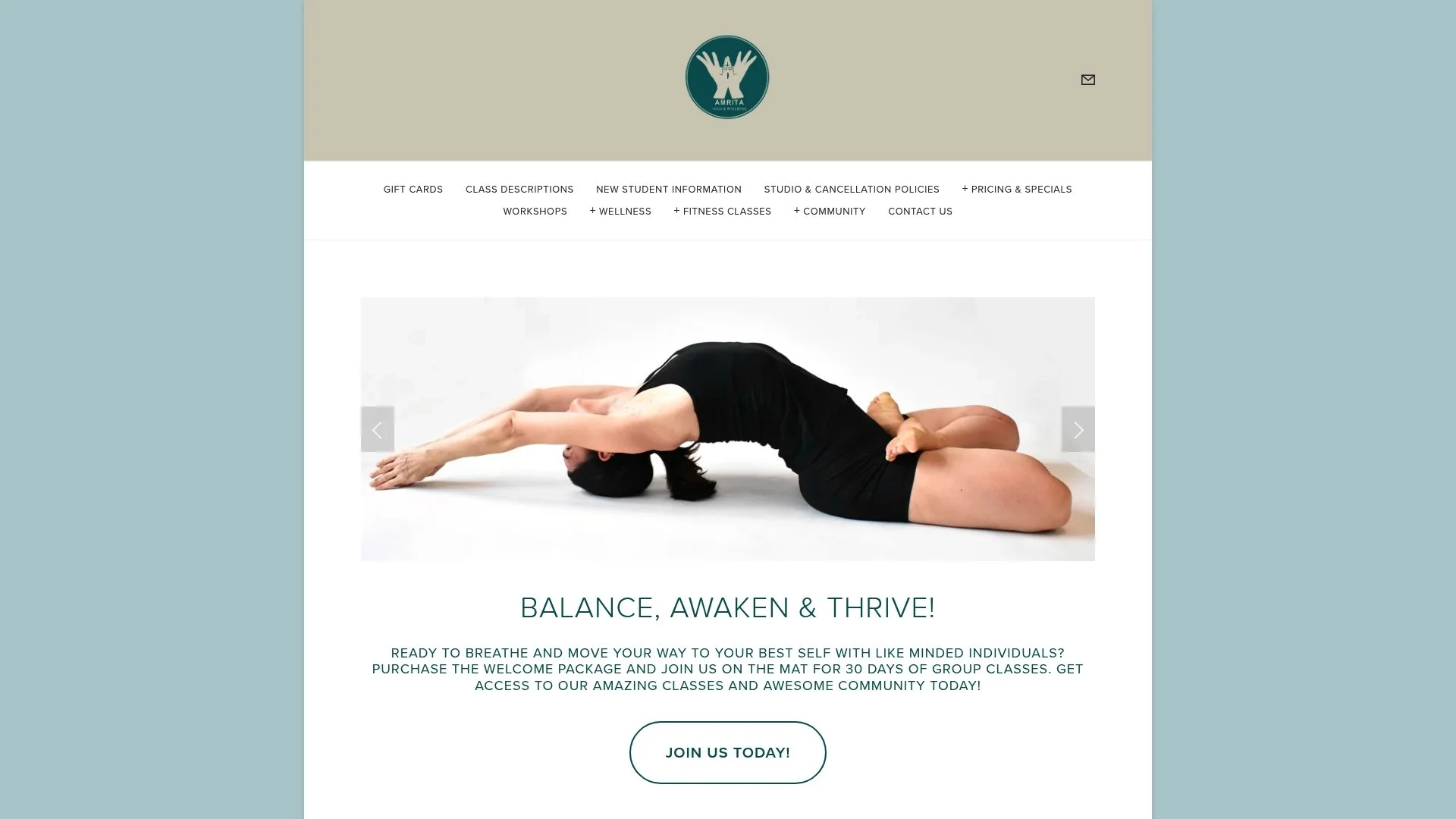
Beyond yoga therapy, Amritayogawellness integrates complementary wellness practices to support your whole-person health. The studio's tarot readings offer a reflective, intuitive complement to the physical and mental work of yoga therapy. Many clients find that pairing body-based practices with introspective tools deepens their self-awareness and accelerates their progress. Explore the full range of yoga therapy offerings and find the support that fits where you are right now.
FAQ
What is therapeutic yoga in simple terms?
Therapeutic yoga is a personalized form of yoga delivered by a certified therapist to address specific physical or mental health conditions. It differs from group yoga classes by using individual assessment and clinical goal setting.
How does therapeutic yoga work for pain relief?
A certified yoga therapist assesses your pain patterns and designs a movement, breath, and relaxation program adapted to your condition. The gradual pacing and symptom-specific sequencing reduce pain without risking further injury.
Is therapeutic yoga the same as restorative yoga?
No. Restorative yoga uses props to support passive relaxation and nervous system recovery. Therapeutic yoga is a clinically structured practice targeting specific health outcomes through individualized assessment and progression.
Who should consider yoga therapy?
Anyone managing chronic pain, anxiety, depression, post-surgical recovery, or stress-related conditions can benefit from yoga therapy. It works best as a complement to existing medical or mental health treatment.
How do i find a qualified yoga therapist?
Search the IAYT directory for practitioners holding the C-IAYT credential, which requires over 1,000 hours of clinical training. Specialized studios, hospitals, and integrative medicine clinics are common settings for certified yoga therapists.