Boutique Studio vs. Gym: Choose by Coaching, Schedule, and Cost
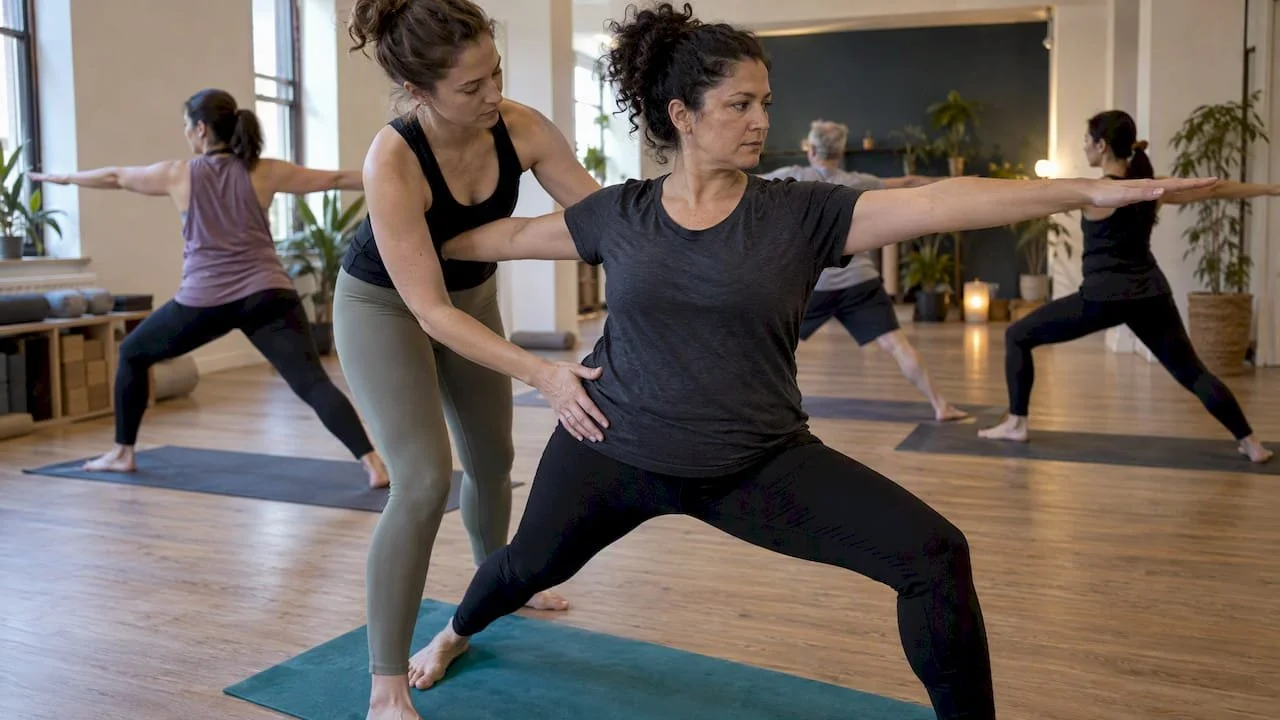
Boutique studios prioritize guided, community-driven classes and coaching, while traditional gyms prioritize variety, open access, and lower cost per month. The American College of Sports Medicine (ACSM) and the IHRSA both track these formats closely, and the right pick depends on how much instruction you want, how your schedule works, and what you're willing to spend each month.
TL;DR:
Studio classes require advance booking and may have cancellation windows, while traditional gyms offer open floor access without reservations for unpredictable schedules.
If you attend four or five classes weekly, an unlimited studio plan may cost less per session than paying individual drop in rates.
Small classes provide live form corrections, but beginners should verify instructor certifications and supervision; experienced lifters may gain less from that added attention.
A study found CrossFit members reported stronger community than traditional gym members, but social connection alone did not independently predict attendance.
Amritayogawellness
Find a Studio That Fits Your Routine
Explore Amrita Yoga & Wellness in Philadelphia, with yoga, Pilates, barre, tai chi, and wellness offerings for different practices.
Table of Contents
How do gyms and studios compare on instruction, equipment, and scheduling?
How big are classes, and how much personal attention do you get?
Which format fits which goals, and where each one falls short
Where are gyms and studios typically located, and how easy are they to reach?
What qualifications do instructors typically have in each setting?
Do studios and gyms offer services beyond the workout itself?
What is a traditional gym?
A traditional gym, sometimes called a big-box gym, gives you a large open floor with free weights, machines, and cardio equipment side by side. You move through your own routine at your own pace, with staff available but not guiding every rep.
Most big-box gyms operate on extended hours, often opening early and closing late, so you can train on your own schedule rather than booking a slot. Access is usually membership-based with month-to-month or annual plans, though many locations also allow day passes.
This model fits self-directed lifters who already know their programming, people watching their budget, and anyone who wants variety: one day of strength training, the next on a treadmill, without booking anything in advance.
What is a boutique fitness studio?
A boutique fitness studio is a smaller facility built around a specific type of movement, such as yoga, pilates, barre, spin, or HIIT. Instead of an open floor, you book a spot in a scheduled class, and that class is led start to finish by an instructor.
Class sizes stay small by design, which means the instructor can actually see your form and correct it in real time. This is the core trade: less open-ended freedom, more structured coaching. Booking typically happens through an app or website, often with a cancellation window, and many studios offer drop-in rates alongside memberships for people who want to test the waters.
This format suits people who want guided progression rather than guesswork, anyone drawn to a specific discipline like pilates reformer work or hot yoga, and those who value showing up to a room of familiar faces each week. If you've ever wondered what group classes look like in practice, a boutique studio is usually where that experience lives.
How do gyms and studios compare on instruction, equipment, and scheduling?
The two formats diverge most sharply in four areas: how much guidance you get, what equipment is available, how you access it, and what the space feels like.
Instruction: Studios build personalization into every class through small group sizes and live corrections; gyms offer open-floor access with personal training available as a separate, often paid, add-on.
Equipment: Studios specialize in gear tied to their discipline, like reformers for pilates or stationary bikes for spin, while gyms stock a broad mix of racks, machines, and cardio equipment for general use.
Scheduling: Studios run on a class calendar with booking and cancellation windows; gyms offer open-floor hours with no reservation needed.
Atmosphere: Studios tend to curate lighting, music, and decor around a specific practice, while gyms focus on functional amenities like locker rooms, showers, and equipment turnover.
The ACSM's facility guidance recommends weighing staffing, programming, and equipment condition regardless of format, since a facility's actual operations matter more than its label. A gym with poorly maintained machines and a studio with an unqualified instructor are both bad choices, no matter what category they fall into.
How do pricing and membership options differ?
Pricing structures reflect what each model is built to deliver. Big-box gyms often spread costs across a large member base, which keeps monthly rates lower, while boutique studios price around smaller class sizes and specialized equipment, which tends to raise the cost per session.
Common pricing forms: monthly membership tiers, class packs, drop-in rates, and unlimited plans.
What raises cost: low instructor-to-member ratios, specialized equipment like reformers, and boutique-style amenities.
What lowers cost: scale, since a gym serving thousands of members can spread overhead across a larger base.
IHRSA's industry data show that both boutique and big-box models can be financially viable businesses, which means the better value for you depends on how often you'll actually show up, not which model charges less on paper. If you plan to attend four or five classes a week, an unlimited plan often works out cheaper per session than drop-ins. Our own breakdown of whether an unlimited membership is worth it walks through that math in more detail.
Does community actually keep you coming back?
Community is one of the most cited reasons people choose boutique studios, and there's some evidence behind it, as discussed in how community supports your wellness journey. A peer-reviewed study comparing CrossFit members to traditional gym members found that CrossFit members reported higher social capital and a stronger sense of community. That same study found these community measures didn't independently predict attendance, meaning the social bond helps but doesn't replace personal commitment.
Scheduled classes with the same instructor and the same faces each week naturally build accountability, since skipping a booked slot feels different than skipping an open gym visit. Gyms can build similar community through small-group training or recurring workout partners, but it takes more initiative since nothing is scheduled for you. NIH's guidance on group activity notes that social support is one of the factors that helps people stay consistent over time.
How should you choose between a gym and a studio?
Match the format to your goals before you match it to your budget. Here's a short process to work through:
Define your goal. Decide whether you want guided coaching and structure, or open-ended access and variety.
Check your schedule. If you need flexibility around unpredictable hours, open-floor gym access may fit better than booked classes.
Set your budget. Compare monthly membership costs against how many sessions you'd realistically attend.
Decide how much coaching you want. If form correction matters to you, lean toward small-class formats.
Identify your preferred equipment or class style. Reformers, spin bikes, and free weights all point toward different formats.
When you tour or trial a location, ask staff directly: What's the typical class size? What are the instructor's certifications? What's the cancellation or credit policy? Is there a trial class or drop-in rate? The ACSM's facility guidance recommends asking exactly these kinds of operational questions rather than relying on branding alone.
Pro Tip: Book a single drop-in class or a trial week before committing to a membership, then judge it on three things: whether it fit your schedule, how much instructor attention you got, and whether you actually enjoyed showing up.
What a boutique studio approach looks like in practice
Our class options show how the boutique model plays out day to day. We offer group classes, livestream drop-ins, community classes, and a beginner-focused pass alongside private one-on-one sessions for people who want individual coaching.
Readers who want structured beginner guidance tend to gravitate toward a beginner-focused pass, while those seeking community and routine often choose a monthly membership tier. People who want maximum personalization typically book a private session instead of a group class, since that format lets instructors focus entirely on their form and pace.
How big are classes, and how much personal attention do you get?
Class size is the single biggest factor separating these two formats. In a boutique studio, class sizes are kept intentionally small, often capped well below what a large group fitness room at a gym would hold, so instructors can watch each person's form and adjust it mid-class. That ratio is the entire value proposition of the model: you're paying for attention, not just access.
Traditional gyms handle personalization differently. Group fitness classes at a gym can run larger and more variable in size, and outside of those classes, the floor is self-directed. If you want one-on-one correction at a big-box gym, you typically book a personal trainer separately, which adds to your monthly cost. The ACSM's guidance for evaluating any facility specifically recommends asking about staff qualifications and how equipment and programming are supervised, since a low price tag doesn't guarantee adequate oversight.
For beginners learning a new movement pattern, like a pilates reformer sequence or a yoga pose that involves balance, that ratio of eyes-on-you instruction can be the difference between building the habit safely and getting discouraged by poor form. For experienced lifters who already know their technique, a lower ratio matters far less, which is part of why self-directed gym-goers often don't feel they're missing anything.
Which format fits which goals, and where each one falls short
Neither format is universally better. Each one is built to solve a different problem, and your goals determine which trade-offs matter.
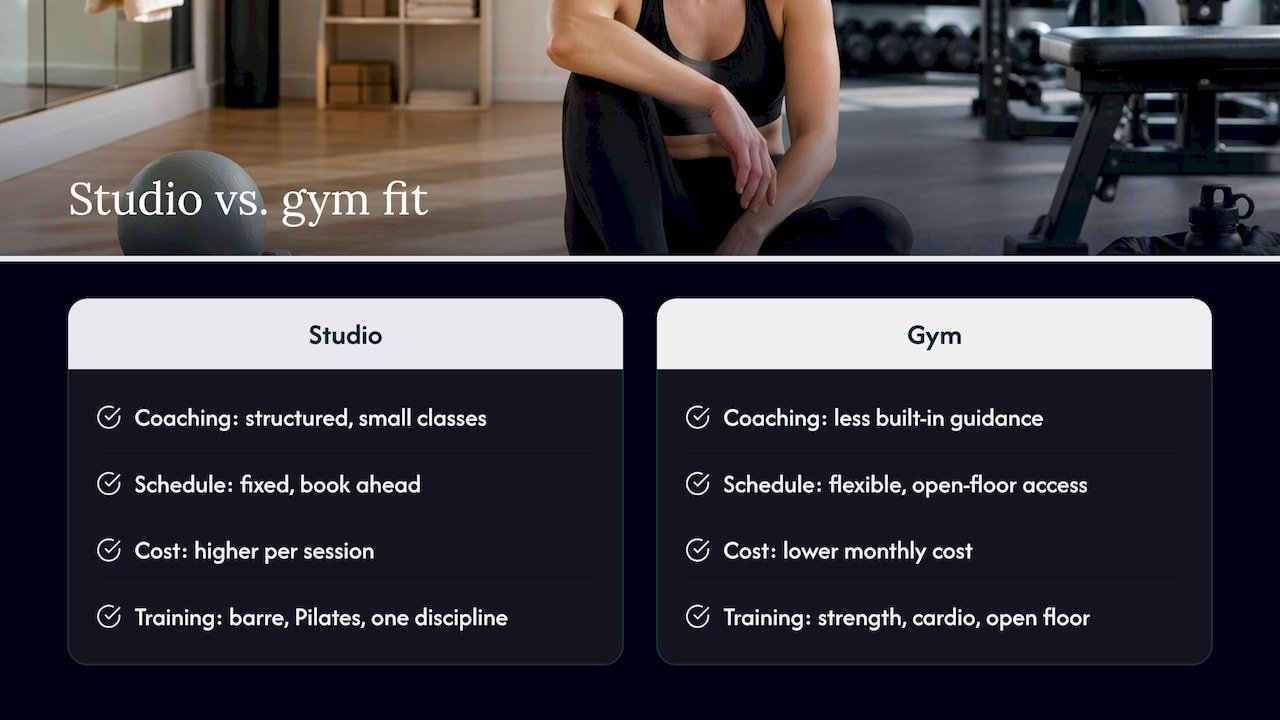
Boutique studios work best for people who want structured coaching, a specific discipline like barre or pilates, and a consistent class routine to build accountability. The trade-off is a higher cost per session and a fixed schedule that requires booking ahead, which can be a friction point if your calendar changes often.
Traditional gyms work best for people who want flexibility, a lower monthly cost, and variety across strength, cardio, and open-floor training. The trade-off is less built-in guidance, meaning you need to arrive with some knowledge of how to train or pay extra for a personal trainer to get that coaching.
If your main goal is weight training progression and you already know proper form, a gym's equipment variety and lower price point likely serve you better. If your goal is building a yoga or pilates practice from scratch, or you know you need external accountability to stay consistent, a studio's structure and small-class coaching tend to produce better adherence.
Where are gyms and studios typically located, and how easy are they to reach?
Big-box gyms tend to anchor in suburban retail centers or stand-alone buildings with large parking lots, since their footprint requires space for full equipment floors. That makes them convenient for people who drive to their workout and want a predictable, single-location routine.
Boutique studios more often cluster in urban neighborhoods and walkable commercial strips, since their smaller footprint fits more easily into a storefront or a shared building. For city dwellers without a car, a studio within walking distance can be easier to fit into a daily routine than a suburban gym that requires driving.
Accessibility also extends beyond physical location. Many studios, including ours, offer livestream class options for people who want the instruction and accountability of a class without needing to be on-site, which matters if you travel often or live outside a studio's immediate service area.
What qualifications do instructors typically have in each setting?
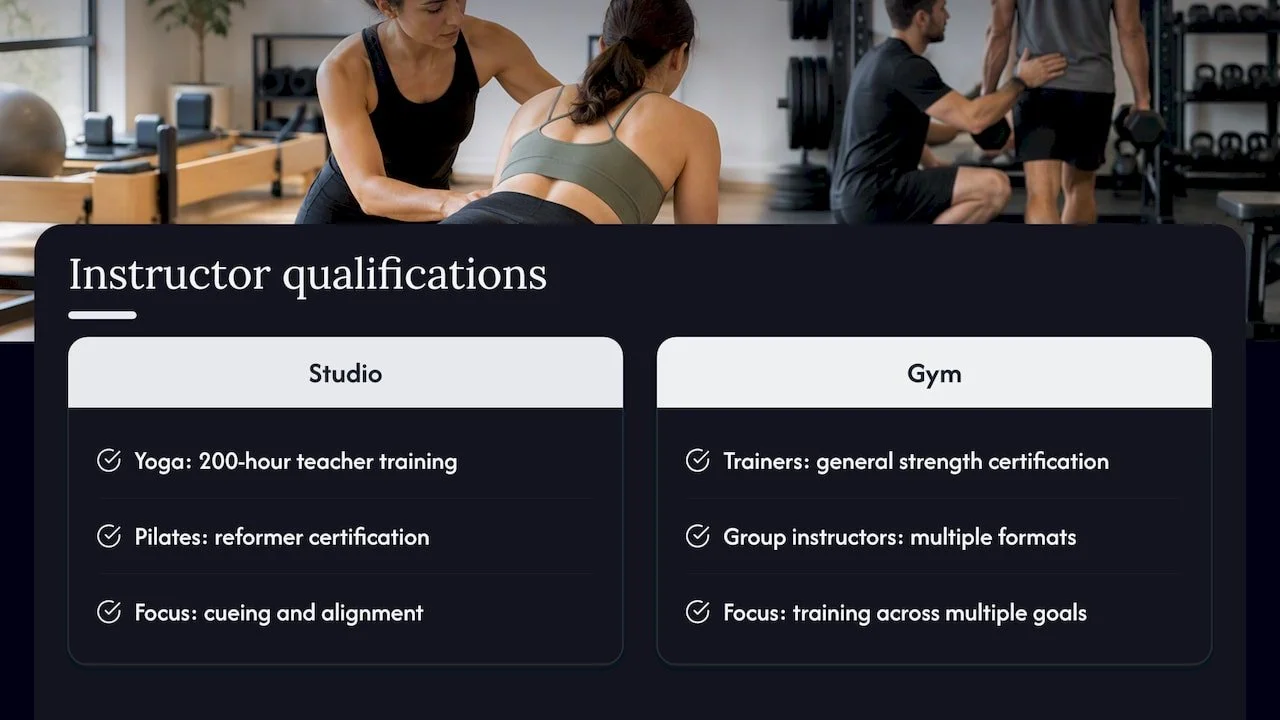
Instructor backgrounds differ because the two formats ask instructors to do different jobs. Boutique studio instructors are typically certified in a specific discipline, such as a 200-hour yoga teacher training or a pilates reformer certification, and their training focuses on cueing, alignment, and hands-on correction within that one practice.
Gym staff cover broader ground. Personal trainers usually hold a general certification covering strength training principles across multiple goals, and group fitness instructors at a gym may teach several different class formats rather than specializing in one. Neither path is inherently more rigorous, but the specialization in boutique settings tends to produce deeper expertise in a narrower skill set, which is part of why studios can offer more detailed form correction in that specific discipline.
The ACSM's facility guidance recommends asking directly about instructor certifications and how facilities vet their staff, since titles and credentials vary and aren't always visible from a class schedule alone.
Do studios and gyms offer services beyond the workout itself?
Many boutique studios extend past the workout room into broader wellness services, and that's part of what distinguishes the model beyond class format alone. Massage therapy, Ayurvedic treatments, and workshops on practices like breathwork or tarot are common additions at studios built around holistic wellness rather than pure fitness.
That extension includes massage therapy, Ayurvedic therapies, and wellness workshops alongside yoga, pilates, and barre classes. Readers focused purely on physical training may not need these add-ons, but anyone looking at fitness as part of a broader self-care routine may find this integration valuable.
Traditional gyms generally stay focused on physical training and sometimes nutrition coaching as an add-on service, without the spiritual or recovery-focused offerings that boutique wellness studios build into their model.
When I recommend a studio versus a gym
I point people toward a boutique studio when they tell me they want coaching, a specific discipline, and a group to be accountable to. I point them toward a gym when cost and flexibility matter most, or when they already know how to train and just want access to equipment. When someone genuinely can't decide, I suggest trying one week of each, a studio class and a gym visit, and noticing which one they look forward to.
— Juiced
How Amrita Yoga & Wellness fits into your decision
If the boutique model sounds like the right fit, a trial class is the easiest way to find out. Boutique studios typically attract beginners who want guided instruction, people who want a consistent class community, and anyone drawn to a specific practice rather than a generic workout.
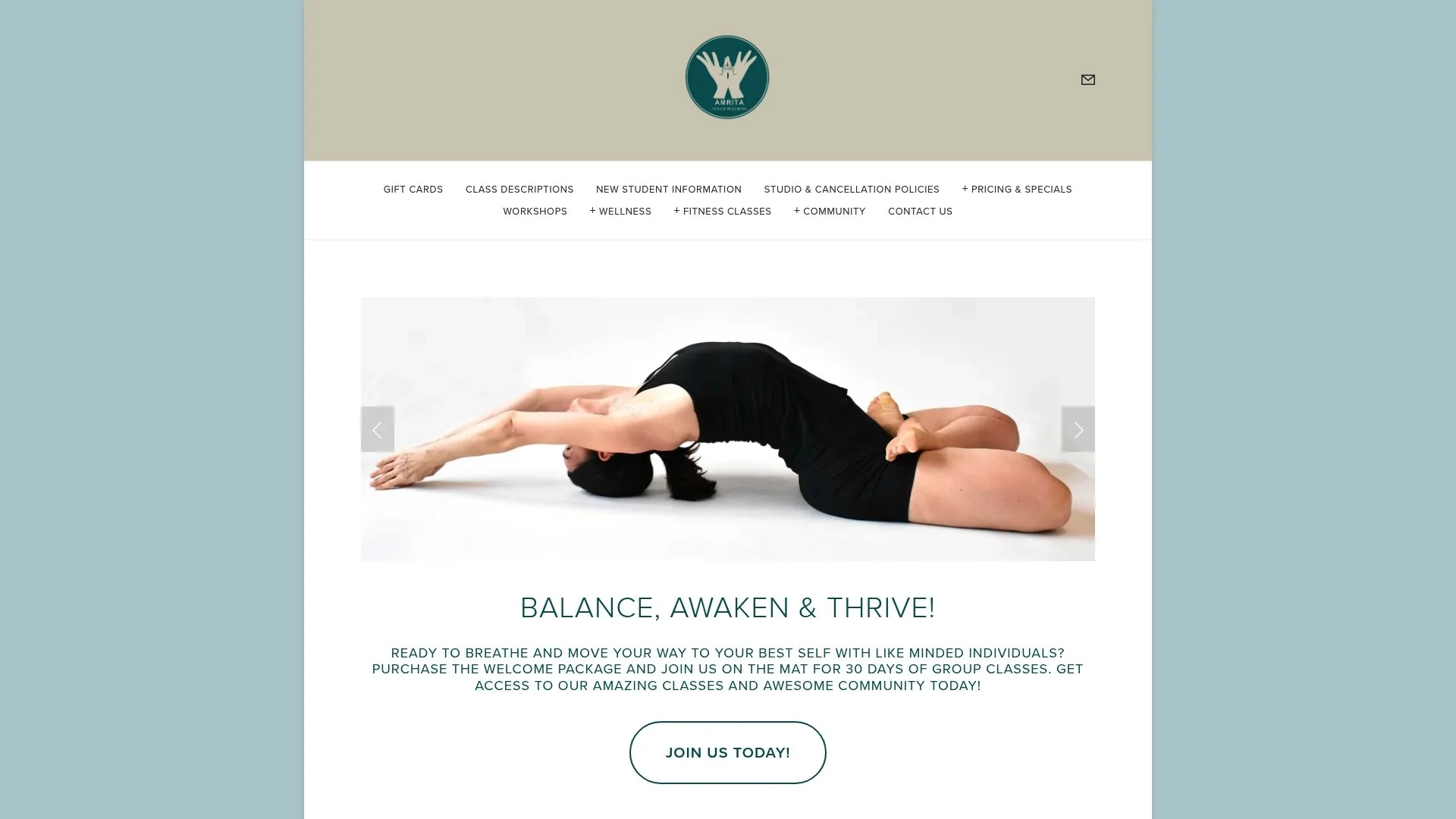
You can start with a group class or drop-in session to test the format without committing to a membership, or book a private one-on-one session if you want individual coaching from the start. For a closer look at what each class involves, our class descriptions page breaks down intensity levels and formats so you can pick the right starting point. When you're ready to see what's on the calendar, check our class and monthly schedule and reserve your first spot.
FAQ
Why are boutique gyms so expensive?
Boutique studios charge more per session because classes stay small, which means fewer people are splitting the cost of the instructor's time and the specialized equipment. IHRSA's industry data show that big-box gyms spread overhead across a much larger member base, which keeps their monthly rates lower by comparison.
What is the difference between a studio and a gym?
A gym offers open-floor access to a broad mix of equipment that you use on your own, while a studio runs scheduled, instructor-led classes focused on one discipline, like yoga, pilates, or spin. The core difference is structure: gyms give you freedom and variety, studios give you guidance and a smaller group setting.
What is the 3-3-3 rule gym?
Definitions of this rule vary across fitness sources, and there's no single standardized version tied to a major health or fitness organization. A commonly cited version refers to structuring a workout into three segments, such as warm-up, main training, and cool-down, but you should confirm the specific approach with a qualified trainer before applying it to your own routine.
What does "big-box gym" mean?
A big-box gym refers to a large-scale fitness chain or facility with extensive equipment, open-floor access, and typically lower membership costs due to its larger member base. This term contrasts with boutique studios, which operate smaller spaces built around specialized, instructor-led classes.