
Unlimited Yoga Classes: Is a Monthly Membership Worth It?

TL;DR:
Unlimited yoga memberships are most cost-effective for practicing three or more times weekly. For irregular attendance, class packs or online subscriptions often offer better value. Building a consistent habit first is advised before committing to an unlimited plan.
An unlimited yoga membership pays off when you attend at least 3–4 times a week. Below that threshold, a class pack almost always costs less. If you're already practicing consistently, or you're committed to building that habit, an unlimited yoga pass is usually the smarter buy. Amrita Yoga & Wellness in Philadelphia offers in-studio, livestream, and workshop options worth considering once you've run the math on your own schedule. And if your doctor has recommended yoga for a specific condition, IRS Publication 502 outlines when wellness expenses may qualify for HSA or FSA reimbursement, which can meaningfully lower your effective monthly cost.
Table of Contents
What does "unlimited" actually cover in studio, online, and hybrid plans?
What to check before you sign: terms, cancellation, and red flags
Amrita Yoga & Wellness: what the studio offers regular practitioners
Amritayogawellness makes it easy to start without overcommitting
What does "unlimited" actually cover in studio, online, and hybrid plans?
Not all unlimited plans are built the same. Three structures dominate the U.S. market:
In-studio unlimited: Access to all regularly scheduled group classes at one or more physical locations. This is the most common format and the most expensive.
Online-only unlimited: Livestream and on-demand classes only, no studio floor access. Prices run significantly lower than in-studio plans.
Hybrid unlimited: Combines in-studio classes with livestream and on-demand access. Some studios include this in one membership tier; others charge separately for the digital layer.
What's typically included: daily group classes across styles (Vinyasa, Iyengar, restorative, hot yoga), livestream sessions, and an on-demand video library where one exists.
What's commonly excluded: specialty workshops, teacher trainings, merchandise, massage or bodywork services, and certain premium or heated classes that carry a surcharge. Guest passes and event tickets are almost never part of a base unlimited plan.

Pro Tip: Before signing, ask specifically whether the studio charges a surcharge for hot yoga, sculpt, or other specialty formats. Some studios advertise "unlimited" but add $5–$10 per class for their most popular formats, which can quietly erode the value.
What do unlimited yoga memberships typically cost?
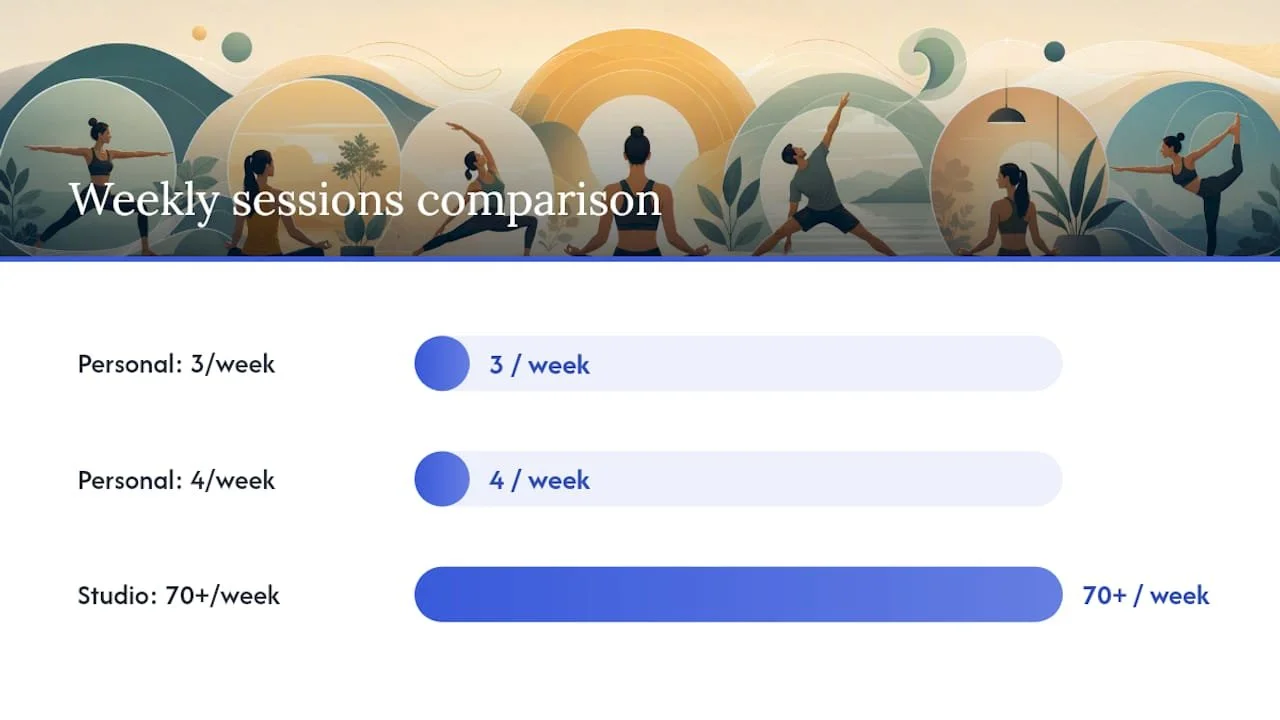
Online-only unlimited plans in the U.S. commonly run in the $20–$50 per month range. In-studio unlimited memberships vary more widely depending on city, studio size, and included perks, and tend to run considerably higher than their digital-only counterparts. Comparing an online-only price to an in-studio price without checking access levels is one of the most common mistakes buyers make.
Several factors push a studio's price up or down:
Teacher credentials: Studios with faculty holding advanced certifications, anatomy training, or specialized Iyengar or therapeutic credentials typically charge more.
Class volume and schedule: A studio offering 70+ weekly sessions across multiple styles commands a premium over one with a limited schedule.
Location and overhead: Urban studios in high-rent markets charge more than suburban or community-cooperative studios.
Bundled perks: Free meditation classes, workshop discounts, and guest passes add real value. Count them when comparing sticker prices.
The per-class math shifts fast with attendance. At three classes a week, you're getting roughly 12–13 sessions a month. At four, that's 16–17. Run those numbers against local drop-in rates and you'll see quickly whether the monthly fee pencils out. Some wellness expenses tied to a medical recommendation may also qualify for HSA or FSA reimbursement per IRS Publication 502, so ask your studio if they can provide documentation.
Is unlimited right for you? A simple decision test
If you reliably attend yoga three or more times a week, choose unlimited. If you're still building the habit, start smaller.
Studio operators consistently advise that unlimited memberships work best for students with an established routine. Beginners or irregular attendees almost always get better value from a smaller class pack first.
Work through this checklist before committing:
Track your current attendance. How many times did you actually practice last month? Be honest.
Check your schedule flexibility. Can you realistically get to the studio three or more times a week, or does your week vary too much?
Assess your financial comfort. Are you prepared for an auto-renewing monthly charge, potentially with a minimum commitment period?
Match style to your goals. If you're focused on rehabilitation or mobility, Iyengar-based or therapeutic classes matter more than a broad schedule. If you want cardio and flow, Vinyasa yoga is likely your format.
Read the cancellation terms before you sign. More on this below.
Pro Tip: If you're unsure about your attendance habits, buy a 10-class pack first. Track how long it takes you to use it. That data tells you exactly what an unlimited plan is worth to you.
What to check before you sign: terms, cancellation, and red flags
Most studios auto-renew monthly memberships unless you cancel within a specific window, often 15–30 days before your next billing date. Missing that window by a day can mean another full month's charge.
Before signing any unlimited membership agreement, verify these items:
Auto-renew terms: When does billing recur, and how far in advance must you cancel?
Cancellation process: Is it online, by email, or in person only? Some studios require written notice sent by certified mail, which is a red flag.
Freeze policy: Can you pause your membership for travel or injury, and how many times per year?
Surcharges: Which class formats carry extra fees beyond the base membership?
Minimum commitment: Some agreements lock you in for several months with early-termination penalties.
"Before I commit to any membership, I ask three questions: How do I cancel? How much notice do I need? And what happens if I need to pause?" This approach surfaces the most important contract terms before you're bound by them.
Red flags to walk away from: vague cancellation instructions, no written freeze policy, and contracts that require you to call during business hours to cancel with no online option.
Alternatives to unlimited memberships
Unlimited isn't the only path to a regular practice. These options often make more sense depending on your situation:
5/10/20-class packs: — Best for irregular schedules or when you're testing a new studio. No recurring charge, no expiration pressure if the window is generous.
Online-only subscriptions: If in-studio access isn't a priority, online yoga subscriptions deliver solid value at a fraction of in-studio pricing. Good for home practitioners or those supplementing occasional studio visits.
Chair yoga programs offered in community care settings, like those described at Mearns House, show how structured, lower-intensity formats can serve specific populations well, a useful reminder that the right format matters as much as the right membership type.
Amrita Yoga & Wellness: what the studio offers regular practitioners
Amritayogawellness is a Philadelphia-based studio built for practitioners who want depth alongside consistency. The studio's offerings include:
In-studio group classes across multiple styles, including hot yoga, Vinyasa, pilates, barre, and tai chi
Workshops and retreats for students who want to go beyond the weekly schedule
Adjunct services including massage therapy and community events like tarot readings
Detailed class descriptions and teacher profiles to help students match format to goal
Membership options oriented to regular practice, with trial offers for new students
Community perks, workshop discounts, and a welcoming environment for all levels are part of what Amritayogawellness emphasizes. Teacher qualifications and class descriptions are publicly listed so you can assess fit before your first visit. For students with health-related goals, the studio's range of styles, from gentle restorative to hot yoga instruction, means you're not locked into one format.
How to cancel or freeze a membership without losing money
Cancellation mistakes are common and expensive. Follow these steps:
Read your agreement now. Note the cancellation window, required notice period, and accepted cancellation methods.
Set a calendar reminder at least five days before the cancellation deadline.
Submit your request in writing. Email is usually sufficient; keep a copy.
Request written confirmation. Don't assume the cancellation processed until you have it.
Check your next billing statement. If a charge appears after confirmed cancellation, dispute it with your bank immediately.
For freezes: Ask for the freeze policy in writing before you need it. Some studios limit freezes to one or two per year.
A simple cancellation email: "I am writing to cancel my membership effective [date]. Please confirm receipt and provide written confirmation of cancellation. My account name is [name] and my member ID is [ID]."
Watch for trials that auto-enroll at the end of the trial period. Confirm the exact cancellation mechanics and deadline before you start any intro offer.
Membership types side by side: which format fits your life?
| Membership Type | Best For | Commitment | Flexibility |
|---|---|---|---|
| Unlimited monthly | Consistent practitioners, 3–4x/week | Monthly, often with minimum term | Low to moderate |
| Class packs (5/10/20) | Irregular schedules, studio testing | None | High |
| Drop-in / single class | Travelers, very occasional use | None | Highest |
| Online-only subscription | Home practice, travel supplement | Monthly, usually cancel anytime | High |
| 30-day intro / trial | New students building a habit | Short-term | Moderate |
The unlimited monthly plan rewards frequency. Every other format rewards flexibility. Your attendance pattern, not your aspirations, should decide which row you're in.
Key Takeaways
An unlimited yoga membership saves you money only when you consistently attend 3–4 classes per week. Below that, class packs are almost always a better value.
| Point | Details |
|---|---|
| Attendance threshold | Attend 3–4 times per week for unlimited to beat class-pack pricing. |
| Test before committing | Use a 10-class pack to measure real attendance before buying unlimited. |
| Contract must-checks | Verify auto-renew terms, cancellation window, freeze policy, and surcharges before signing. |
| Alternatives exist | Class packs, drop-ins, and online subscriptions suit irregular or budget-first practitioners. |
| Amritayogawellness | Philadelphia studio offering in-studio, workshop, and adjunct wellness options for regular practitioners. |
The case for patience before you commit
The conventional wisdom says: buy unlimited and you'll practice more. Studios lean into this framing because it works for them. But the evidence from studio operators points the other way: students who build the habit first and then upgrade to unlimited get far more from the membership than those who buy it hoping the sunk cost will motivate them.
There's also a style-matching problem most buyers ignore. Choosing a studio because it's cheap or close, then discovering the teaching methodology doesn't match your goals, is a waste of money at any price point. A Vinyasa-heavy schedule won't serve someone focused on injury rehabilitation the way an Iyengar or therapeutic program will. Teacher credentials and class descriptions deserve more scrutiny than the monthly price.
The smartest move is a short trial, honest attendance tracking, and a careful read of the cancellation terms before you hand over a credit card. Unlimited yoga access is genuinely valuable for the right person at the right studio. The work is figuring out whether that's you, before the auto-renew kicks in.
Amritayogawellness makes it easy to start without overcommitting
Amritayogawellness offers new students a trial path into regular practice without locking you into a long-term contract upfront. The Philadelphia studio covers hot yoga, Vinyasa, pilates, barre, tai chi, and massage therapy under one roof, with teacher profiles and class descriptions that let you match format to goal before your first session.
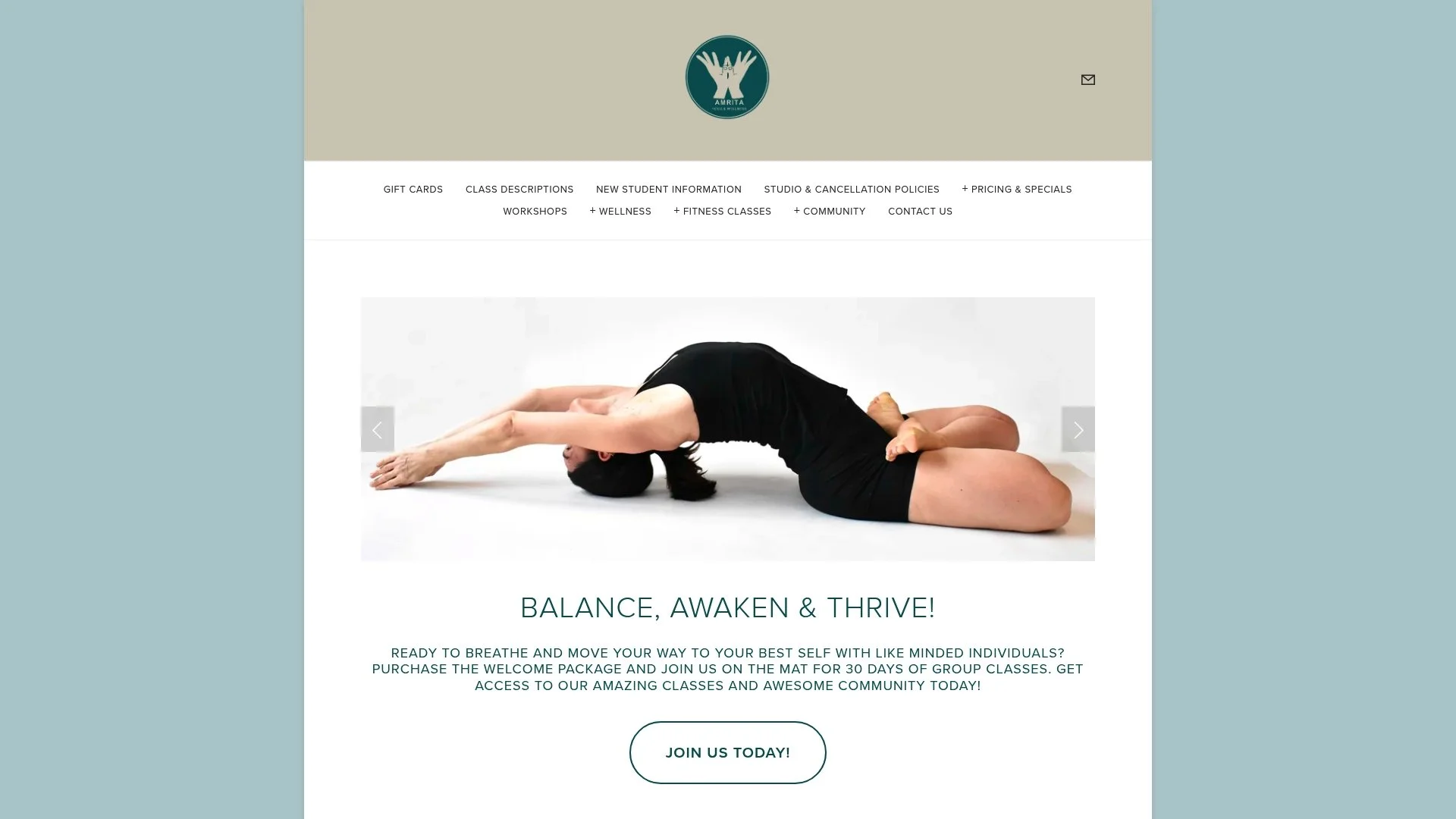
Community events, including tarot readings and workshops, are part of the membership experience, not add-ons you pay extra for. If you've done the attendance math and you're ready to commit to a consistent practice, visit amritayogawellness.com to explore current membership options and book your first class.