The Amrita Journal
Explore thoughtful stories, practical wellness guidance and inspiring ideas to support your movement, mindfulness and everyday wellbeing at Amrita.
Aerial Yoga Safety Tips for Confident Practice
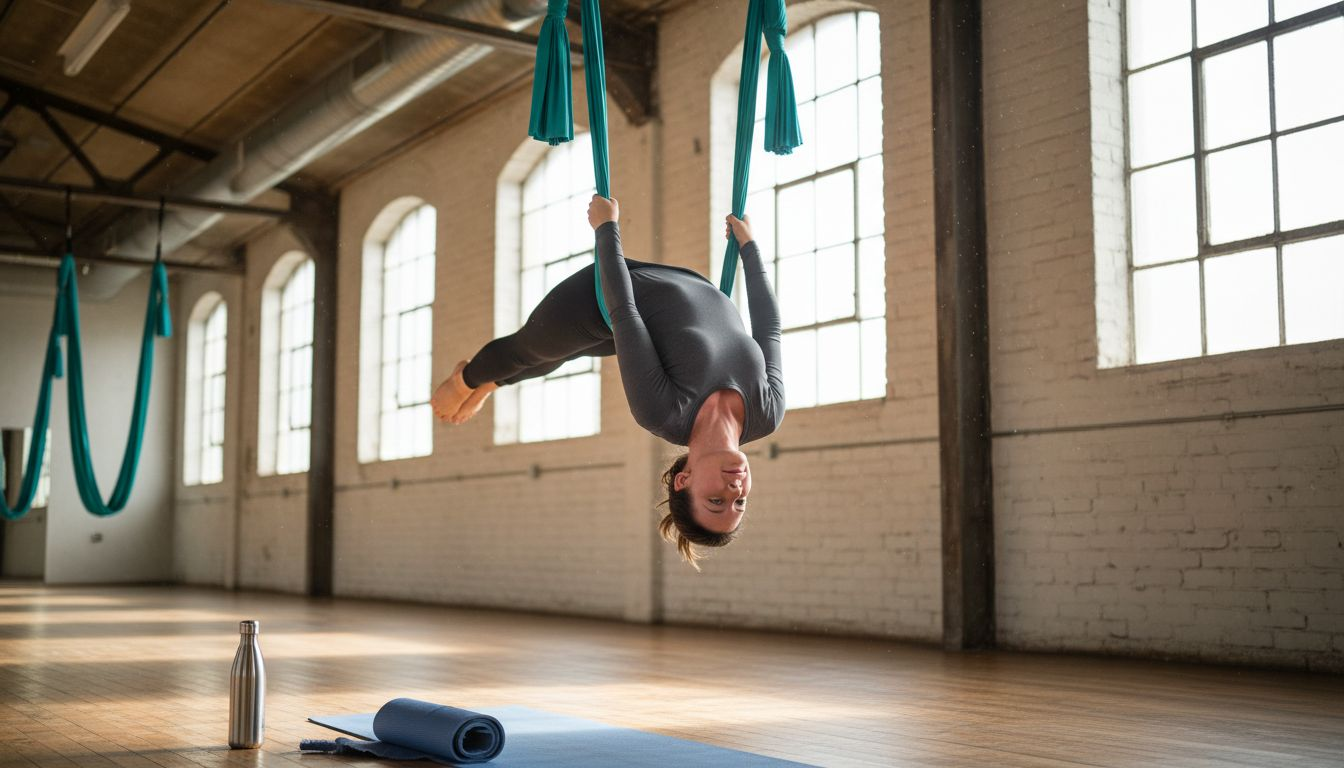
More than 30 percent of American adults now incorporate alternative wellness practices into their routines, with aerial yoga rising in popularity across Philadelphia studios. Stepping into an aerial yoga hammock for the first time brings excitement, but beginners often wonder how to blend challenge with safety for lasting physical wellness. This guide uncovers practical strategies for building a safe aerial yoga foundation, from understanding equipment setups to embracing smart injury prevention and expert instructor support.
Table of Contents
Key Takeaways
| Point | Details |
|---|---|
| Aerial Yoga Principles | Aerial yoga enhances flexibility, builds strength, and offers a low-impact workout, allowing greater movement exploration and support through hammocks. |
| Equipment and Setups | Various setups (ceiling-mounted, free-standing, and doorway rigs) cater to different skill levels and environments, each requiring specific equipment for safe practice. |
| Injury Prevention | Focus on alignment, technique, and gradual skill progression is essential to prevent injuries, emphasizing core strength and body awareness. |
| Importance of Supervision | Professional instructor guidance is crucial for safety, ensuring proper technique, personalized adaptations, and addressing psychological aspects of practice. |
Defining Aerial Yoga and Core Principles
Aerial yoga represents an innovative fitness practice that transforms traditional yoga techniques by incorporating suspended hammocks. This dynamic approach blends elements of traditional yoga, Pilates, dance, and aerial arts into a unique workout that challenges both body and mind. Practitioners use a specialized hammock or silk fabric suspended from the ceiling, which acts as both a support system and a tool for deepening stretches and exploring movement.
The core principles of aerial yoga center on creating a practice that enhances flexibility, builds strength, and provides a low-impact workout that can be adapted for multiple fitness levels. Unlike traditional mat yoga, aerial yoga allows practitioners to explore movements with increased range of motion and reduced gravitational pressure on joints. Participants can perform traditional yoga poses suspended in the air, use the hammock for support during challenging positions, or engage in more acrobatic sequences that integrate aerial performance techniques.
Most aerial yoga sessions focus on developing core stability, improving body awareness, and challenging traditional movement patterns. By working with gravity and suspension, practitioners can experience deeper stretches, increased spinal decompression, and enhanced muscular engagement. The hammock provides multiple points of support that enable individuals to safely explore inverted positions, back bends, and complex movements that might be challenging on a traditional yoga mat.
Pro Tip: Start with Beginner Class: Always begin your aerial yoga journey by enrolling in a structured beginner class with a certified instructor who can provide personalized guidance and ensure proper technique and safety.
Types of Aerial Yoga Setups and Equipment
Aerial yoga equipment varies significantly, with multiple setup options designed to accommodate different practice environments and skill levels. The primary setup configurations include free-standing rigs, ceiling-mounted systems, and portable frame structures, each offering unique advantages for practitioners. Hammocks form the core equipment, typically constructed from specialized fabrics like parachute material or silk that provide strength, flexibility, and comfort during suspended movements.
Key equipment components essential for aerial yoga practice include hammocks, sturdy suspension systems, carabiners, and weight-rated mounting hardware. Studio setups often feature professional-grade rigging with ceiling mounts capable of supporting multiple practitioners simultaneously, while home practitioners might utilize free-standing frames or doorway-mounted systems. Weight capacity, fabric durability, and installation safety represent critical considerations when selecting aerial yoga equipment.
Different aerial yoga styles demand specific equipment configurations. Restorative aerial yoga typically uses softer, more flexible hammocks with greater give, whereas more athletic styles like aerial fitness require more rigid, supportive fabric constructions. Practitioners should carefully evaluate their specific needs, considering factors like personal weight, intended movement complexity, and available space when selecting an appropriate aerial yoga setup.
Here's a summary comparing aerial yoga setups:
| Setup Type | Best For | Installation Complexity | Portability |
|---|---|---|---|
| Ceiling-Mounted | Professional studios | Requires structural changes | Not portable |
| Free-Standing Frame | Home and outdoor use | Minimal; easy assembly | Portable |
| Doorway Rig | Small spaces / home | Quick hookup and removal | Highly portable |
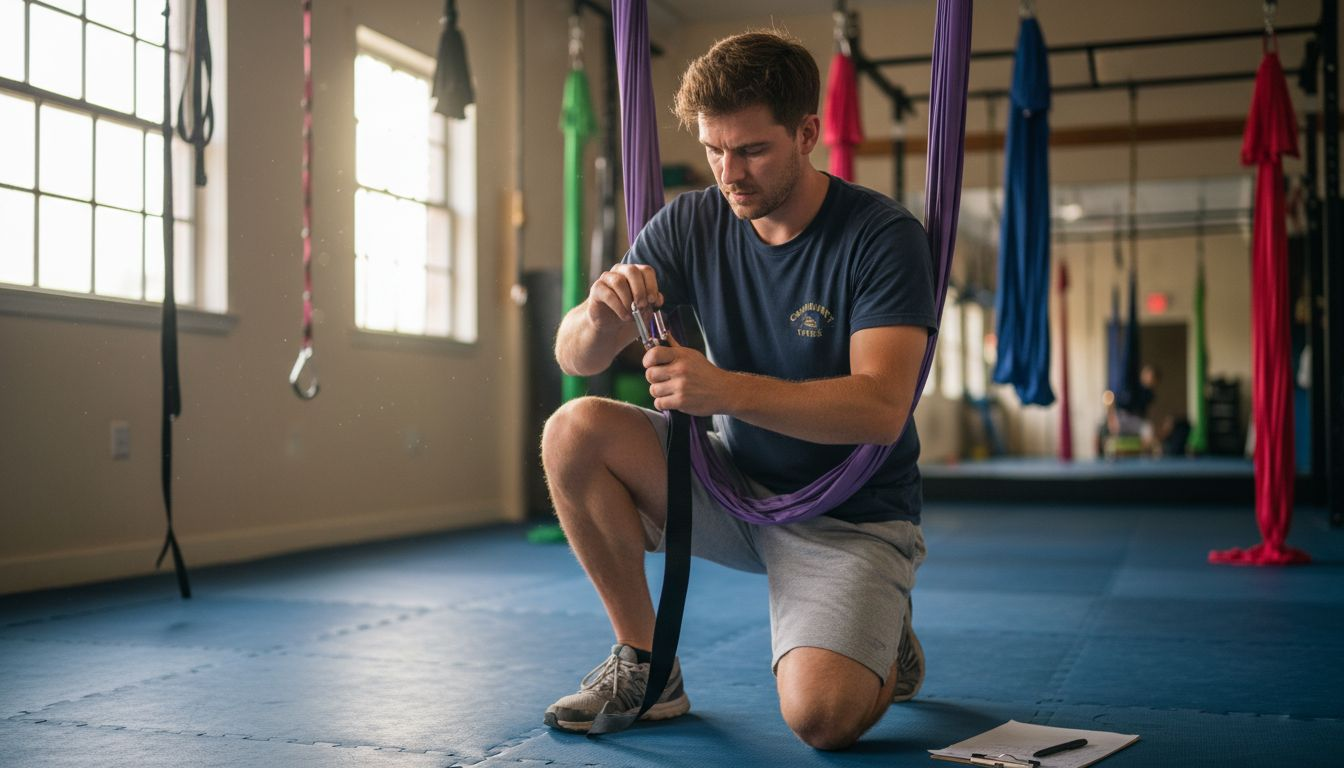
Pro Tip: Equipment Inspection: Always thoroughly inspect all rigging, carabiners, and hammock fabric before each practice session, checking for any signs of wear, fraying, or structural compromise that could potentially impact safety.
Common Risks and Injury Prevention Strategies
Aerial yoga presents unique physical challenges that require careful attention to safety, as comprehensive research indicates specific injury risks associated with suspended practice techniques. Alignment and technique emerge as critical factors in preventing potential injuries, with practitioners needing to develop body awareness and precise movement control while suspended. Common risks include muscle strains, joint overextension, and potential falls, making proper preparation and gradual skill progression essential for safe practice.
Preventative strategies for aerial yoga safety encompass multiple dimensions. Physical preparation involves developing core strength, flexibility, and understanding individual body limitations before attempting complex aerial movements. Practitioners should focus on building foundational strength through ground-based exercises, gradually introducing aerial techniques under professional supervision. Critical prevention approaches include maintaining consistent communication with instructors, using proper equipment, and avoiding overambitious movements beyond current skill levels.
Mental preparation plays an equally important role in injury prevention. Practitioners must cultivate a mindset of patience and self-awareness, recognizing personal physical boundaries and avoiding competitive or ego-driven approaches to aerial yoga. Understanding that progression is individual and not linear helps minimize the risk of pushing beyond safe physical limits. Proper warm-up routines, consistent equipment checks, and maintaining open communication with instructors about physical conditions or limitations are fundamental to creating a safe aerial yoga experience.
Pro Tip: Incremental Progression: Always start with basic aerial yoga techniques, master fundamental movements, and advance slowly, allowing your body to adapt and build necessary strength and confidence before attempting more complex aerial sequences.
Essential Safety Precautions for Beginners
Beginners entering aerial yoga must prioritize safety through careful preparation and awareness, as critical safety guidelines emphasize the importance of selecting appropriate classes and understanding personal physical limitations. Class Selection represents the first fundamental safety strategy, with novice practitioners needing to enroll in beginner-specific sessions that provide comprehensive instruction on basic techniques, equipment usage, and proper body mechanics. Understanding individual fitness levels and communicating any pre-existing physical conditions to instructors helps create a tailored, safe learning experience.
Physical preparation extends beyond class selection, requiring dedicated attention to body conditioning and awareness. Beginners should focus on developing core strength, upper body stability, and flexibility through complementary ground-based exercises before attempting complex aerial movements. Key preparatory strategies include practicing basic yoga poses, building grip strength, and understanding fundamental suspension techniques. Wearing appropriate clothing that allows freedom of movement while preventing potential fabric entanglement becomes crucial, with form-fitting but comfortable workout attire recommended.
Equipment awareness and proper technique form the cornerstone of aerial yoga safety for newcomers. Practitioners must learn to conduct thorough equipment inspections, understanding how to assess hammock integrity, suspension points, and weight-bearing capacities. Mental preparation involves cultivating patience, listening to one's body, and avoiding competitive impulses that might push practitioners beyond their current skill levels. Learning to modify poses, communicate openly with instructors, and progressively build skills helps mitigate potential injury risks associated with suspended movement practices.
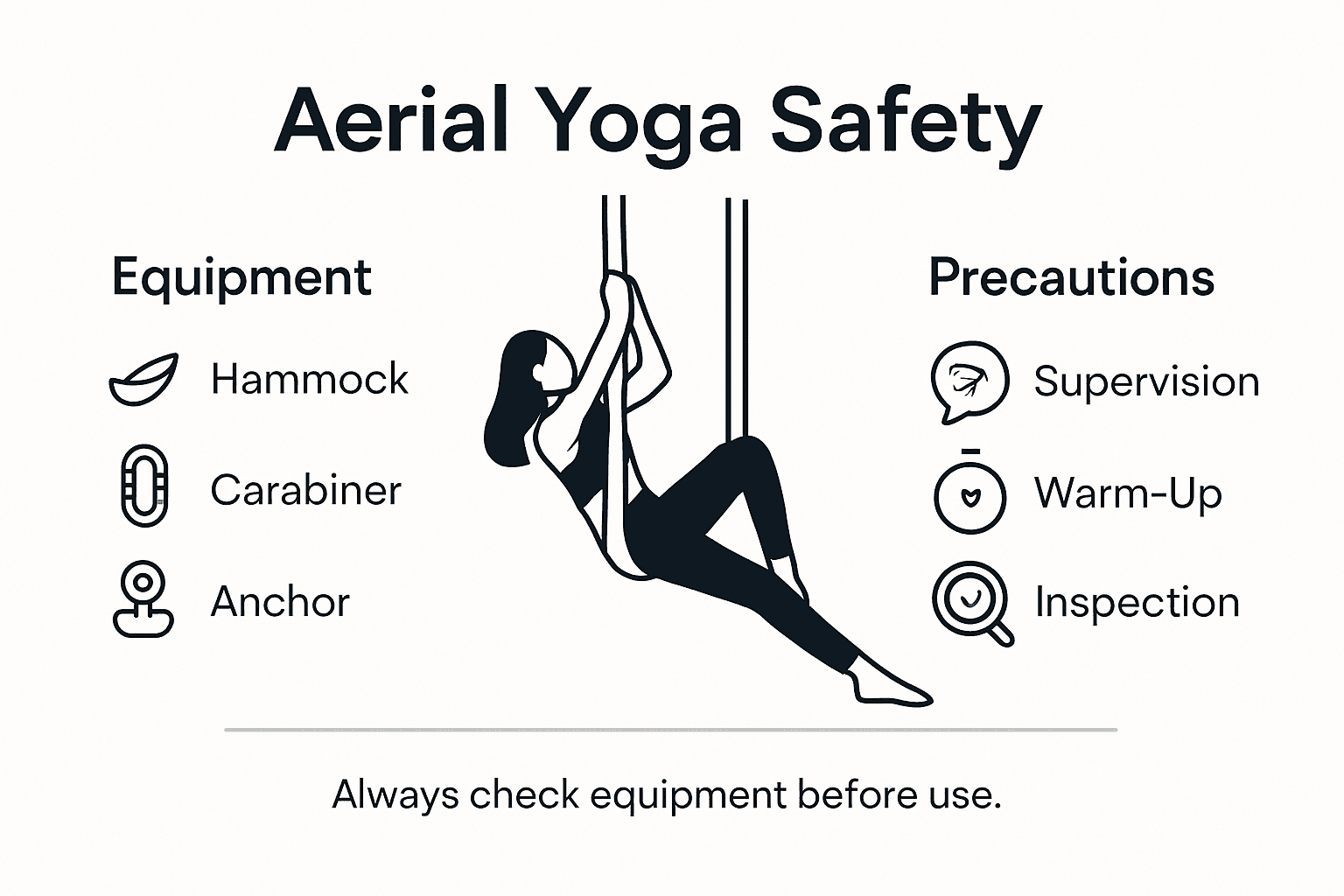
Here's a quick reference for beginner safety priorities in aerial yoga:
| Safety Priority | Why It Matters | Action for Beginners |
|---|---|---|
| Qualified Instruction | Ensures safe learning | Choose certified instructors |
| Equipment Check | Prevents accidents | Inspect hammock and rigging each time |
| Physical Readiness | Reduces injury risk | Start with strength and flexibility work |
| Clear Communication | Avoids misunderstandings | Inform instructor of limitations |
Pro Tip: Safety First Assessment: Before your first aerial yoga class, schedule a brief consultation with the instructor to discuss your fitness level, any physical limitations, and receive personalized guidance on safely approaching aerial yoga techniques.
Role of Supervision and Instructor Guidance
The effectiveness of aerial yoga practice hinges critically on professional supervision, as comprehensive instructor job frameworks emphasize the pivotal role of expert guidance in maintaining student safety. Instructor Expertise represents the primary mechanism for preventing potential injuries and ensuring proper technique development. Qualified aerial yoga instructors serve multiple essential functions, including real-time movement assessment, personalized technique correction, equipment safety verification, and creating adaptive learning environments that accommodate individual physical capabilities and limitations.
Supervision extends far beyond basic movement observation, encompassing a comprehensive approach to student development and risk management. Instructors must possess advanced skills in biomechanics, body alignment, and progressive skill introduction, carefully monitoring each practitioner's physical responses and technical execution. This involves conducting thorough initial assessments, understanding individual fitness levels, and implementing tailored modifications that prevent overexertion or inappropriate movement patterns. Communication becomes a critical safety tool, with instructors constantly engaging students about their comfort levels, physical sensations, and potential discomfort during aerial practice.
Mental and psychological supervision represents an equally important dimension of instructor guidance. Experienced aerial yoga instructors create supportive learning environments that balance challenge with safety, helping practitioners overcome fear, build confidence, and develop body awareness. They must skillfully navigate individual psychological barriers, teaching students to recognize their physical limits while encouraging gradual skill progression. This approach involves breaking complex movements into manageable steps, providing clear verbal instructions, demonstrating techniques, and offering hands-on assistance when appropriate to ensure student confidence and technical precision.
Pro Tip: Instructor Qualification Check: Always verify an aerial yoga instructor's certifications, professional training background, and specific experience in teaching beginners before committing to classes or workshops.
Elevate Your Safety and Confidence in Aerial Yoga Practice
Aerial yoga offers incredible benefits but also demands careful attention to technique, equipment safety, and progression to reduce injury risks. If you are ready to build the core strength and body awareness needed for a safe aerial practice paired with expert guidance, our community at Amrita Yoga & Wellness is here to support you every step of the way. Benefit from classes and workshops designed to develop your confidence while following proven safety tips like gradual skill building and proper hammock use.
Unlock your full aerial yoga potential today by exploring our welcoming classes and personalized instruction at Amrita Yoga & Wellness. Whether you are starting with beginner sessions or advancing your practice, our expert instructors prioritize safety and body mindfulness to help you enjoy every session worry free. Take the next step toward empowered, injury-free aerial yoga practice by signing up now.
Frequently Asked Questions
What is aerial yoga?
Aerial yoga is a fitness practice that combines traditional yoga techniques with suspended hammocks, enhancing flexibility, core strength, and body awareness.
What safety precautions should beginners take before starting aerial yoga?
Beginners should enroll in beginner classes, develop core strength and flexibility, properly inspect equipment, wear appropriate clothing, and communicate any physical limitations to instructors.
How can I prevent injuries while practicing aerial yoga?
Injuries can be prevented by focusing on proper alignment and technique, progressively building strength, conducting regular equipment checks, and practicing under the supervision of qualified instructors.
Why is instructor guidance important in aerial yoga?
Instructor guidance is essential for ensuring safety, providing personalized technique corrections, monitoring students' physical responses, and fostering a supportive learning environment for skill progression.
Recommended
Aerial Yoga Safety: Best Practices for Every Level
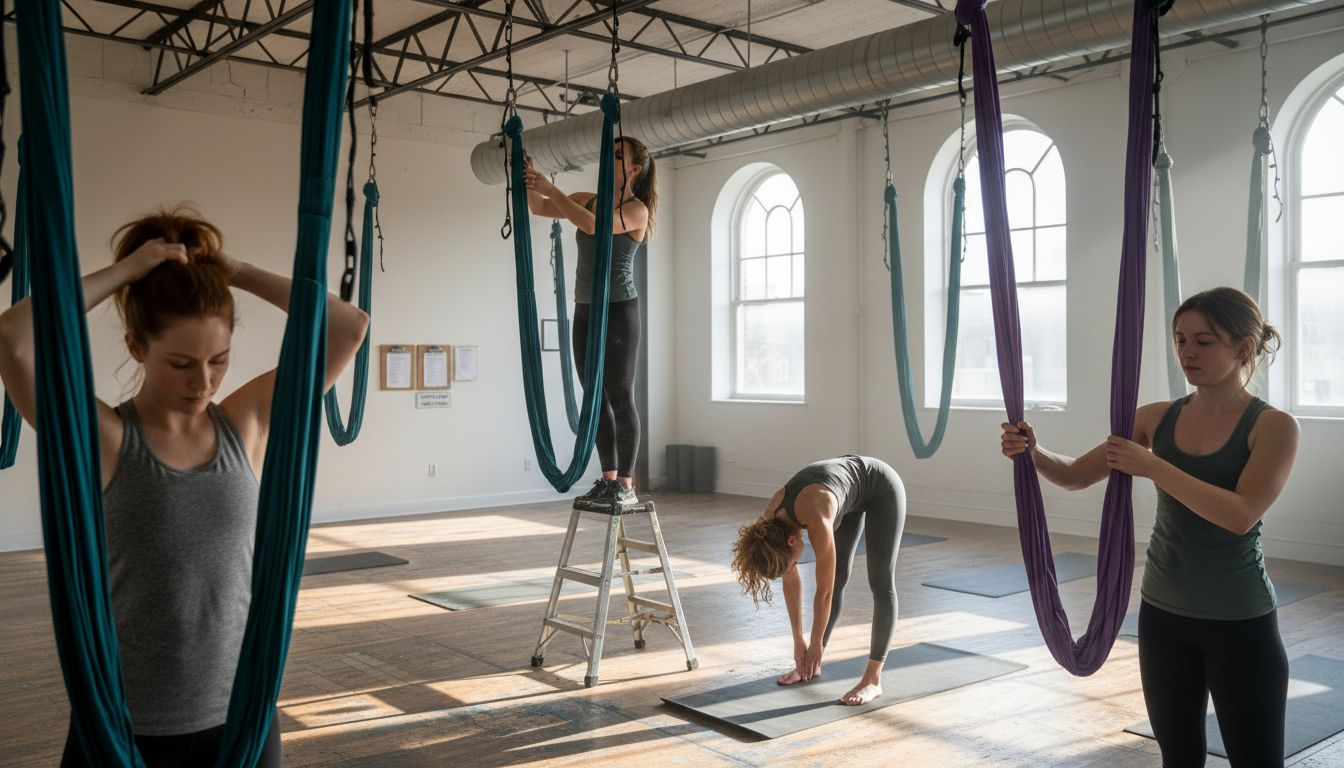
Over half of American fitness enthusiasts are searching for fresh ways to elevate their wellness routines. With so many traditional workouts feeling repetitive, aerial yoga stands out as a dynamic option that sparks curiosity and delivers full-body benefits. This inclusive practice, which blends classic yoga with suspended movement, gives people of all ages and fitness levels the chance to experience greater flexibility, strength, and core balance in an entirely new way.
Table of Contents
Key Takeaways
| Point | Details |
|---|---|
| Aerial Yoga Benefits | Aerial yoga enhances core strength, balance, and spinal decompression while providing a low-impact workout suitable for all fitness levels. |
| Safety Equipment Standards | Use professional-grade hammocks and ensure proper installation with certified rigging to prevent accidents. |
| Instructor Qualifications | Verify that instructors have extensive training in biomechanics and safety protocols specific to aerial yoga practices. |
| Mindful Participation | Approach each session with body awareness, prioritize proper form, and communicate any physical concerns with instructors. |
What Is Aerial Yoga and Who Can Practice
Aerial yoga represents a unique fitness practice that transforms traditional yoga by incorporating a suspended silk hammock as a primary training tool. Developed in 2006 by Michelle Dortignac, this innovative approach combines classic yoga poses, Pilates movements, and dance techniques to create a dynamic and engaging workout experience. The suspended hammock allows practitioners to explore gravity-defying positions while providing supportive resistance and enhanced flexibility training.
This practice is remarkably inclusive, welcoming individuals across various fitness levels and physical capabilities. AntiGravity Fitness techniques demonstrate how aerial yoga can accommodate diverse participants, from complete beginners to advanced athletes. The hammock serves multiple functions: acting as a stabilizing support for those new to the practice, providing gentle assistance during challenging poses, and offering advanced practitioners opportunities for deeper stretches and more complex movements.
Participants can expect aerial yoga to deliver unique physical benefits beyond traditional mat-based practices. The suspended environment challenges core strength, improves balance, increases spinal decompression, and provides low-impact cardiovascular exercise. Modifications are readily available, meaning individuals with different body types, flexibility levels, and fitness backgrounds can customize their experience. Whether you're seeking rehabilitation, stress relief, or an exciting new fitness challenge, aerial yoga offers something for everyone.
Pro Tip: Start Slowly: Begin with beginner classes and allow your body to gradually adapt to the aerial yoga environment, focusing on proper technique and listening to your body's signals.
Here's a summary comparing aerial yoga to traditional yoga:
| Aspect | Aerial Yoga | Traditional Yoga |
|---|---|---|
| Primary Equipment | Suspended silk hammock | Yoga mat |
| Physical Challenge | Emphasizes core strength and balance | Focuses on flexibility and breath control |
| Accessibility | Adaptable to all abilities | Suits most fitness levels |
| Unique Benefits | Spinal decompression, low-impact cardio | Stress relief, general mobility |
| Learning Curve | Requires instruction on hammock safety | Straightforward for most beginners |
Essential Equipment and Safety Standards
Aerial yoga equipment is the cornerstone of a safe and effective practice, with the silk hammock being the most critical component. Professional-grade aerial hammocks are typically constructed from high-tensile strength parachute-grade fabric capable of supporting significant body weight, usually rated to withstand 1,000 to 2,000 pounds. When selecting a hammock, practitioners should prioritize several key characteristics: material durability, weight capacity, and professional certifications that guarantee safety standards.
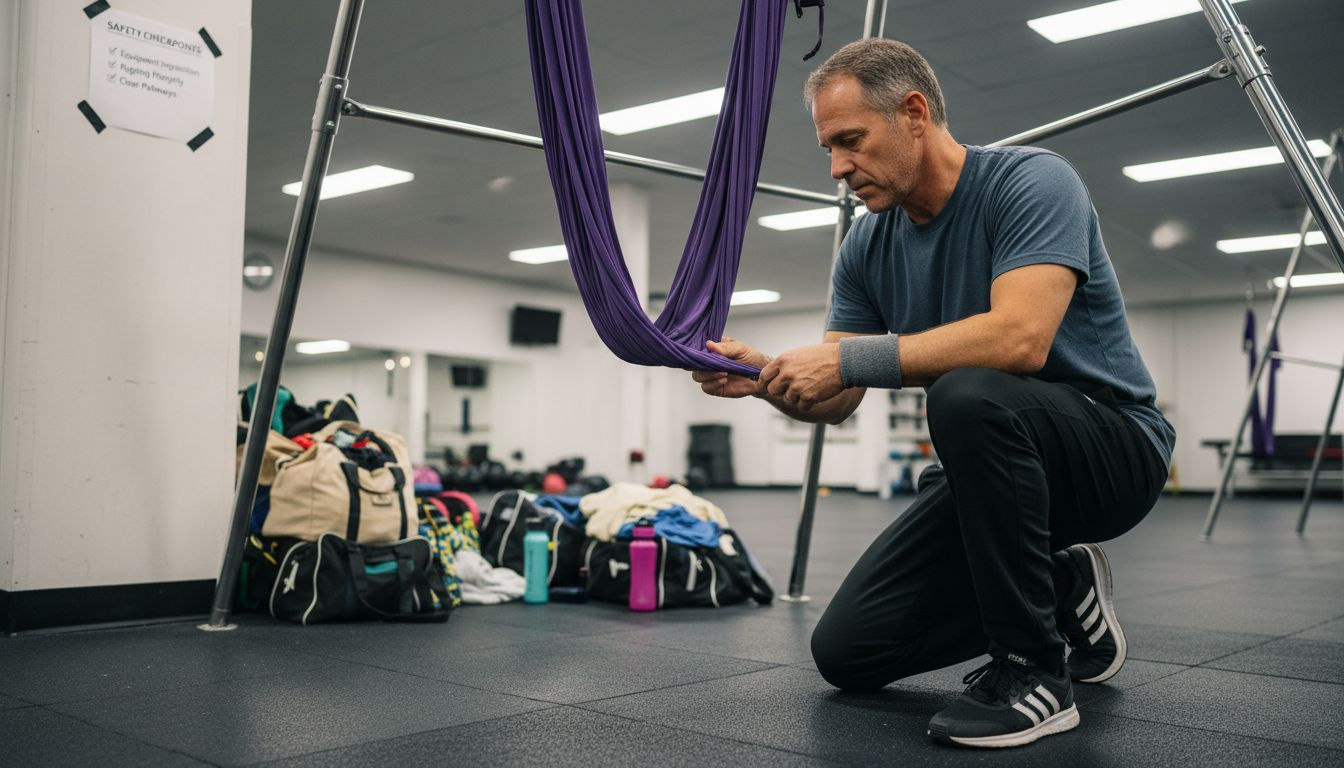
Installation and rigging represent critical safety considerations that cannot be overlooked. Proper mounting requires specialized hardware including sturdy ceiling mounts, professional-grade carabiners, and suspension points that can reliably support dynamic movement. Aerial yoga practitioners should never attempt self-installation without consulting a certified rigging professional who can assess structural integrity, appropriate anchor points, and recommended weight distributions. Understanding aerial yoga equipment requirements becomes essential for preventing potential accidents.
Beyond physical equipment, safety standards encompass comprehensive personal preparation and studio protocols. Practitioners should wear form-fitting, seamless clothing without zippers or buttons that might snag the fabric. Removing jewelry, maintaining clean and trimmed fingernails, and avoiding lotions or oils that could compromise grip are additional precautions. Most reputable aerial yoga studios mandate beginner orientation sessions, requiring participants to demonstrate basic strength, understand emergency dismount techniques, and learn fundamental hammock interactions before participating in full classes.
Pro Tip: Equipment Check: Always personally inspect your aerial yoga hammock before each session, checking for any signs of wear, fraying, or structural weakness, and never hesitate to request a replacement if something seems compromised.
Proper Instructor Training and Class Structure
Qualified aerial yoga instruction requires extensive specialized training that goes far beyond traditional yoga certifications. Understanding aerial yoga techniques demands comprehensive knowledge of biomechanics, suspension principles, and individual body mechanics. Professional instructors typically complete rigorous certification programs that include multiple components: anatomy studies, safety protocols, suspension technique mastery, and specialized risk management training specific to aerial environments.
Class structure in aerial yoga follows a carefully designed progression that prioritizes student safety and skill development. Most reputable programs begin with foundational classes that introduce students to hammock interactions, basic suspension techniques, and fundamental body positioning. These initial sessions focus on building confidence, understanding equipment interactions, and developing core strength necessary for more advanced movements. Instructors carefully assess individual student capabilities, providing personalized modifications and ensuring each participant feels supported throughout their aerial yoga journey.
Risk management represents a critical aspect of aerial yoga instruction. Certified instructors must demonstrate expertise in emergency protocols, including immediate response techniques for potential equipment failures or student difficulties. This includes understanding precise spotting techniques, recognizing potential physical limitations, and creating a supportive environment that allows students to explore movement safely. Professional instructors continuously evaluate class dynamics, making real-time adjustments to ensure participant comfort and minimize potential injury risks.
Pro Tip: Instructor Credentials: Always verify an aerial yoga instructor's specific certifications, looking for comprehensive training that includes suspension techniques, safety protocols, and anatomy-focused education before attending their classes.
Common Risks and Preventing Injuries
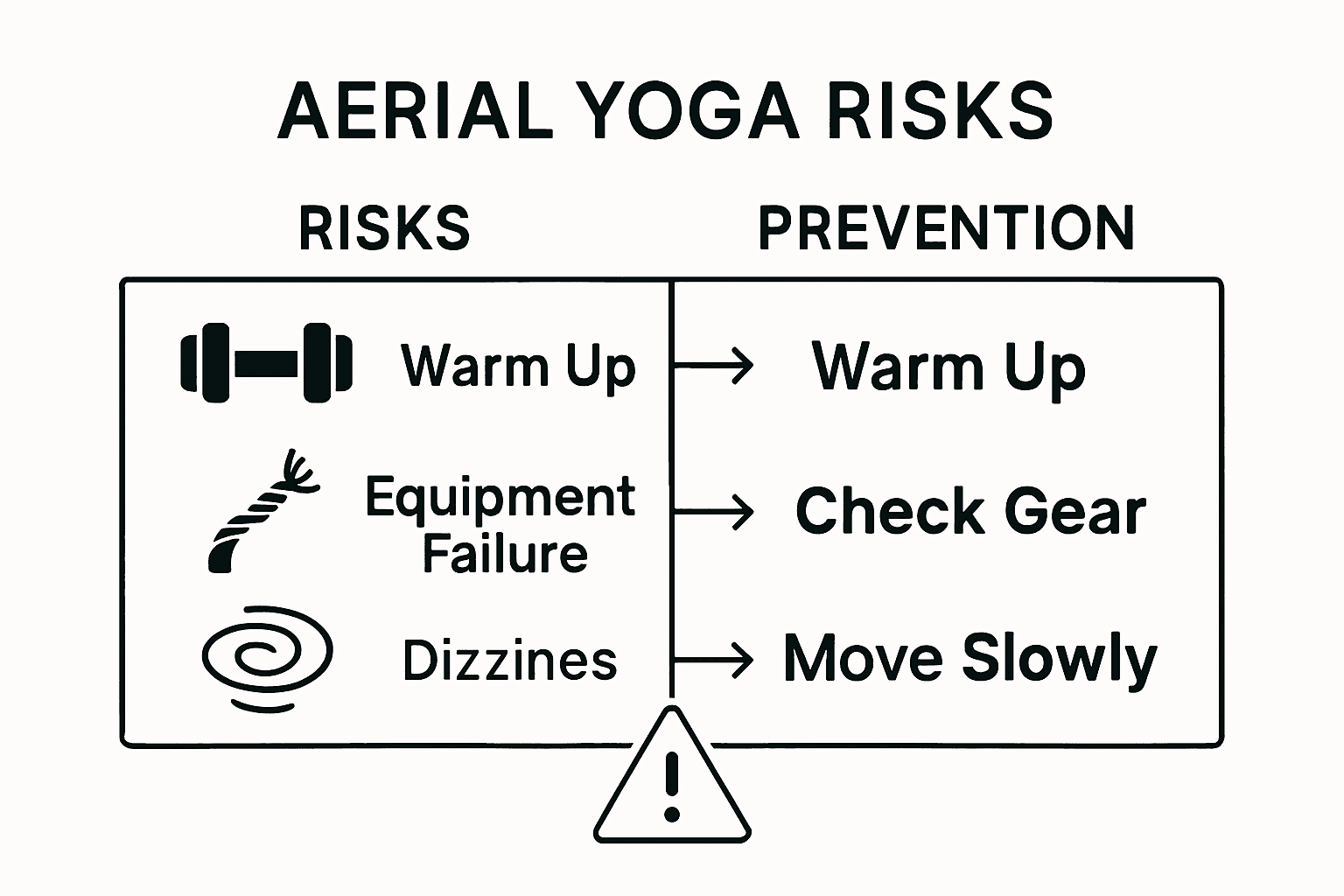
Aerial yoga, while transformative and engaging, presents unique physical challenges that require careful attention and proactive risk management. Comprehensive training programs emphasize understanding potential contraindications and injury prevention strategies, highlighting the importance of informed practice. Common risks include muscle strains, joint overextension, dizziness from inverted positions, and potential falls, making it crucial for practitioners to approach the discipline with mindfulness and strategic preparation.
Specific physical conditions demand extra caution in aerial yoga practice. Individuals with pre-existing conditions such as glaucoma, recent surgeries, pregnancy, severe heart conditions, or chronic vertigo should consult medical professionals before participating. Potential risks extend beyond medical contraindications to include improper technique, which can lead to shoulder impingement, lower back strain, and nerve compression. Practitioners must develop body awareness, understanding their personal physical limitations and communicating openly with instructors about any discomfort or physical concerns.
Prevention strategies are fundamental to safe aerial yoga practice. This includes proper warm-up techniques, gradual progression of difficulty, consistent equipment inspection, and maintaining core strength and flexibility. Practitioners should focus on developing proprioception - the body's ability to sense movement and spatial positioning - which is crucial in suspended environments. Implementing a systematic approach to learning, starting with foundational techniques and progressively building complexity, allows practitioners to minimize injury risks while maximizing the transformative potential of aerial yoga.
Pro Tip: Body Awareness: Always listen to your body, move slowly and deliberately, and never push through pain or discomfort during aerial yoga practice, prioritizing safe exploration over performance.
For quick reference, here are common aerial yoga risks and ways to prevent them:
| Risk | Typical Cause | Prevention Strategy |
|---|---|---|
| Muscle Strain | Overexertion in unfamiliar positions | Warm up thoroughly, build strength gradually |
| Dizziness | Prolonged inversion or dehydration | Limit inversion time, stay hydrated |
| Falls | Improper hammock setup or technique | Ensure professional rigging, get instructor guidance |
| Joint Overextension | Forcing flexibility | Respect limits, modify poses as needed |
Best Practices for Safe Aerial Yoga Sessions
Aerial yoga safety demands a comprehensive approach that integrates physical preparation, mental awareness, and strategic practice techniques. Navigating aerial yoga requires a systematic understanding of studio workflow and personal boundaries, ensuring practitioners can explore this dynamic practice with confidence and minimal risk. Successful sessions begin before entering the studio, with careful physical and mental preparation that sets the foundation for a safe, transformative experience.
Pre-class preparation involves multiple critical steps. Practitioners should arrive hydrated, wearing form-fitting clothing without zippers or loose accessories that could entangle in the hammock. Eating a light meal 1-2 hours before class prevents discomfort during inverted positions, while avoiding heavy foods that might cause digestive issues. Communication with the instructor becomes paramount - sharing any recent injuries, physical limitations, or medical conditions allows for personalized modifications and ensures individual safety throughout the session.
During the aerial yoga session, practitioners must maintain constant body awareness and engage core muscles for stability. Gradual progression remains key, with participants starting at lower hammock heights and simpler poses before advancing to more complex movements. Breathing techniques play a crucial role in maintaining composure and reducing anxiety, especially when exploring unfamiliar suspended positions. Instructors typically provide verbal cues and hands-on spotting to help students develop confidence and proper technique, creating a supportive environment that prioritizes individual comfort and safety.
Pro Tip: Mindful Movement: Always prioritize proper form and controlled breathing over achieving complex poses, remembering that aerial yoga is a journey of personal exploration and gradual skill development.
Elevate Your Aerial Yoga Practice with Confidence and Safety
Aerial yoga offers powerful benefits but also demands careful attention to safety best practices like proper equipment checks, instructor training, and body awareness. If you want to move beyond uncertainty and master these essential skills while enjoying a supportive community, take the next step with expert guidance. At Amrita Yoga & Wellness, we understand how critical proper technique and safety protocols are for every level—from beginners exploring foundational hammock interactions to advanced practitioners deepening their practice.
Join our welcoming classes and workshops designed to focus on safe aerial yoga progression. Our certified instructors incorporate safety education with personalized modifications so you can build strength, flexibility, and balance with peace of mind. Discover tailored programs and wellness services that honor your individual journey. Explore how to practice aerial yoga safely and effectively by visiting Amrita Yoga & Wellness. Secure your spot now and start elevating your practice with confidence.
Frequently Asked Questions
What are the essential safety practices for aerial yoga?
Practitioners should arrive hydrated, wear form-fitting clothing without zippers, communicate any injuries to instructors, and maintain body awareness during the session. Gradual progression in difficulty and constant core engagement are crucial for safety.
How can I prevent injuries during aerial yoga?
Injury prevention strategies include warming up adequately, developing body awareness, gradually increasing the complexity of poses, and consistently inspecting equipment for wear and tear. Always listen to your body and avoid pushing through pain.
What should I wear to an aerial yoga class?
Wear form-fitting clothing that does not have zippers or loose accessories as these can get caught in the hammock. It's best to opt for seamless clothing to ensure a safe and comfortable practice.
Are there specific precautions for beginners in aerial yoga?
Yes, beginners should start with foundational classes, focus on mastering basic techniques, and avoid advanced poses until they feel confident. It's also important to listen to instructors for modifications that ensure safety based on individual capabilities.