The Amrita Journal
Explore thoughtful stories, practical wellness guidance and inspiring ideas to support your movement, mindfulness and everyday wellbeing at Amrita.
Aerial Yoga Class Checklist for a Confident Studio Start
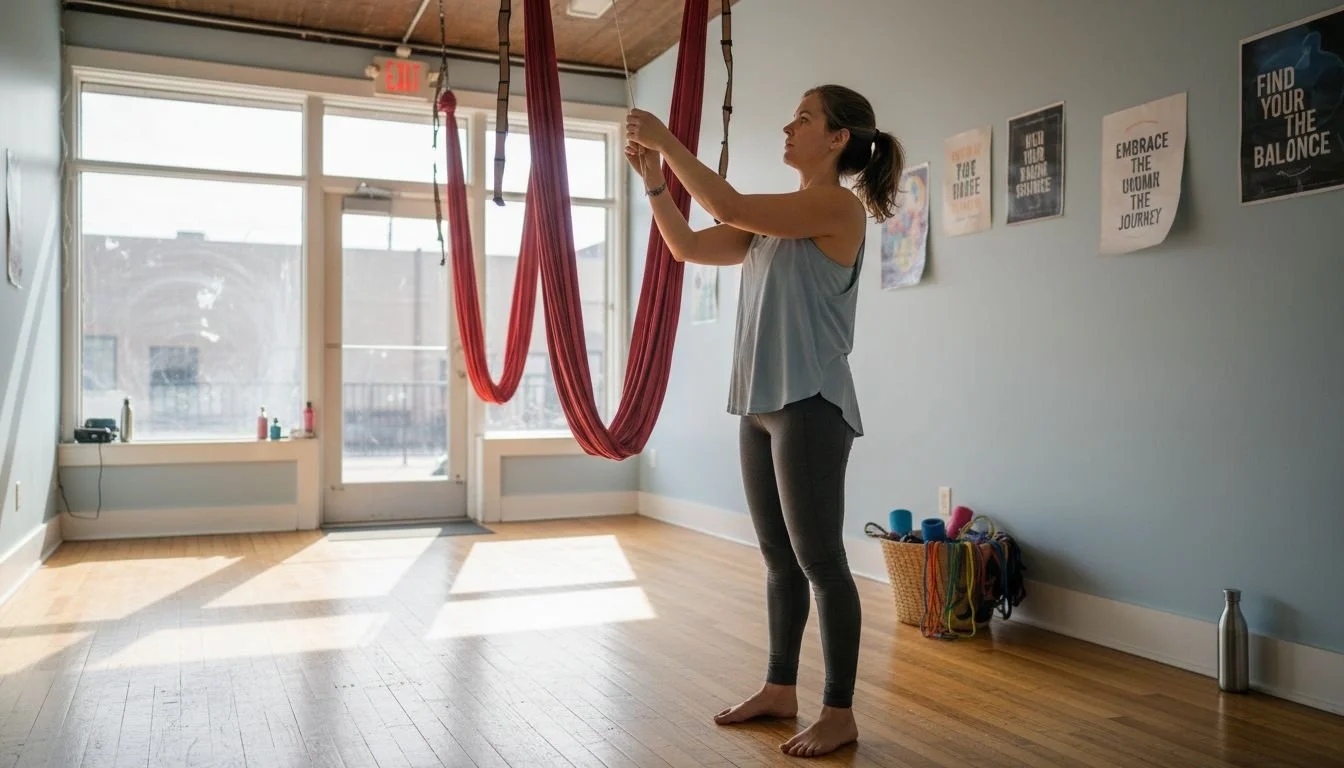
Over 40 million Americans practice some form of yoga, yet trying aerial yoga for the first time can leave even seasoned practitioners with questions. Understanding class prerequisites and preparing physically are crucial steps for American beginners who want a safe and positive introduction to aerial yoga. By taking the right steps before your first session, you will walk into the studio feeling informed and ready to soar above the mat.
Table of Contents
Quick Summary
| Key Point | Explanation |
|---|---|
| 1. Assess your physical readiness | Evaluate your fitness level and any existing health conditions before attending an aerial yoga class. |
| 2. Follow studio requirements | Ensure you meet age, weight, and clothing guidelines specified by the studio to ensure safety and comfort. |
| 3. Prepare appropriate gear and attire | Wear form-fitting, moisture-wicking clothing and bring essential items such as a water bottle for your session. |
| 4. Arrive early for logistics | Arrive 15–20 minutes early to familiarize yourself with the studio, complete paperwork, and set up your hammock. |
| 5. Communicate with your instructor | Inform your instructor about any discomfort or concerns during class to ensure a safe and enjoyable experience. |
Step 1: Assess readiness and review class requirements
Preparing for your first aerial yoga class requires understanding your physical readiness and the specific requirements for participation. This section will help you confidently evaluate whether you are prepared and what you need to know before stepping into the studio.
Start by assessing your general physical health and fitness level. Aerial yoga involves suspended movements that require basic core strength and flexibility. If you have any pre-existing injuries or medical conditions like back problems, recent surgeries, or balance disorders, consult your healthcare provider first. Some physical considerations include being able to support your body weight, having reasonable mobility, and feeling comfortable with potential inversions and hanging positions.
Next, review the specific class requirements. Most aerial yoga studios have standard prerequisites such as minimum age restrictions (typically 16 or older), weight limits for hammock safety (usually between 250-350 pounds), and clothing recommendations. You will want to wear form-fitting athletic clothing without zippers or sharp accessories that could damage the aerial silk. Avoid loose pants or shirts that might get tangled in the equipment. Bring a water bottle, wear form-fitting clothing, and remove jewelry that could snag on the fabric.
Pro tip: Call the studio in advance to discuss any personal physical concerns and verify their specific class readiness guidelines. A quick conversation can help ensure you are fully prepared and comfortable before your first aerial yoga experience.
Here is a quick summary of common aerial yoga studio requirements:
| Requirement Type | Typical Standard | Reason |
|---|---|---|
| Minimum Age | 16 years or older | Ensures safe participation |
| Weight Limit | 250–350 pounds | Protects hammock integrity |
| Clothing | Form-fitting, no zippers | Prevents fabric damage |
| Jewelry | Removed before class | Reduces risk of snags |
Step 2: Prepare essential aerial yoga gear and attire
Gearing up for an aerial yoga class requires thoughtful preparation to ensure comfort, safety, and optimal performance. This section will guide you through selecting the right clothing and equipment to set yourself up for a successful aerial yoga experience.
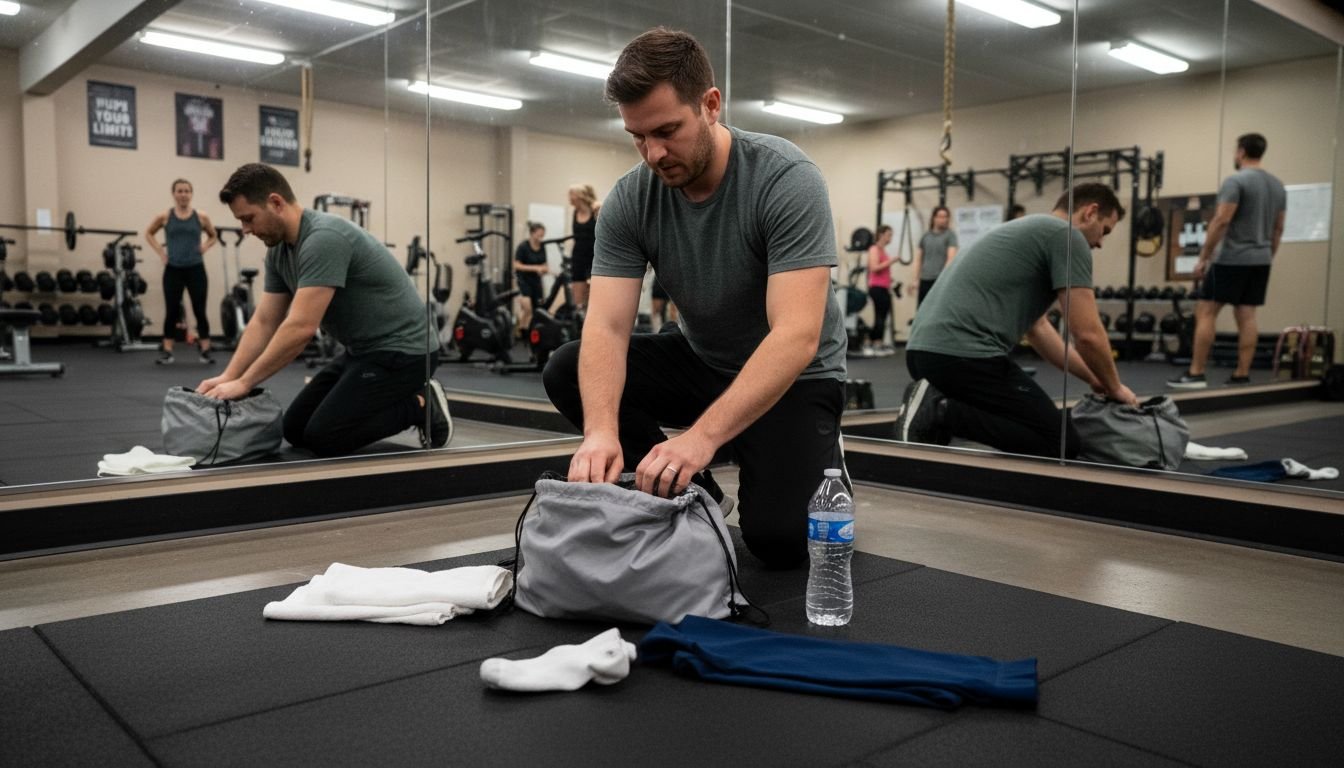
Start by choosing the appropriate attire. Your clothing should be form-fitting and flexible, allowing unrestricted movement while preventing potential fabric entanglement in the aerial hammock. Opt for moisture-wicking, stretchy athletic wear like fitted yoga pants, leggings, and a snug top that covers your armpits. Avoid loose clothing, zippers, or anything with decorative elements that could catch on the silk. For aerial yoga safety, wear items that provide coverage and protect your skin from potential friction against the hammock fabric.
Beyond clothing, gather a few essential accessories. Bring a water bottle to stay hydrated, a small towel for wiping away sweat, and grip socks or gloves if you prefer extra traction. Some studios recommend bringing a light jacket or layer for cooldown periods. Check with your specific studio about any additional recommended items like a personal yoga mat for pre or post hammock stretching. Arrive at least 15 minutes early to set up and familiarize yourself with the equipment.
Pro tip: Invest in a pair of form-fitting, seamless leggings or shorts that provide both coverage and flexibility. Avoid clothing with rough seams or embellishments that might snag on the aerial silk during your practice.
Below is a reference table for essential gear versus optional additions for your first aerial yoga class:
| Item Type | Example | Purpose |
|---|---|---|
| Essential | Fitted leggings | Prevents entanglement |
| Essential | Water bottle | Maintains hydration |
| Optional | Grip socks | Adds foot traction |
| Optional | Light jacket | Keeps warm during cooldown |
Step 3: Check studio location, schedule, and registration
Preparing for your first aerial yoga class involves more than just physical readiness it requires strategic planning around logistics and scheduling. This section will walk you through navigating the crucial steps of finding the right class time, understanding studio location, and completing your registration smoothly.
Begin by exploring the studio’s aerial yoga guide for beginners to understand their specific class offerings and schedules. Most studios have online booking systems that allow you to view available time slots, instructor details, and class levels. Pay close attention to beginner or introductory classes specifically designed for first-time aerial yoga participants. These classes typically provide more detailed instruction and slower pacing to help you feel comfortable with the unique equipment and techniques.
Next, verify the studio’s exact physical location and parking options. Some yoga studios are located in complex buildings or have specific entrance requirements. Call ahead or check their website for precise directions, parking instructions, and any access codes or special entry procedures. Consider doing a practice run to the location before your first class to familiarize yourself with the route and reduce potential morning stress. Most studios recommend arriving 15-20 minutes early for your first session to complete any necessary paperwork, meet the instructor, and get oriented with the space.
Pro tip: Screenshot or save the studio’s class confirmation and location details on your phone. Having this information easily accessible will help you stay organized and reduce last minute confusion about your aerial yoga class details.
Step 4: Set up your aerial hammock and workspace
Successfully setting up your aerial hammock is critical to ensuring a safe and enjoyable aerial yoga experience. This section will guide you through the essential steps of preparing your workspace and positioning your hammock with precision and care.
First, understand the fundamental requirements for proper aerial hammock setup. Your workspace needs to be clear of obstacles with sufficient overhead clearance typically 8 to 10 feet high. The hammock should be securely attached to a professionally installed rigging point capable of supporting your full body weight. Inspect the mounting hardware carefully ensure it can handle dynamic movements and potential weight shifts during your practice. Check that the fabric is made from high quality breathable material specifically designed for aerial yoga supports.
When positioning your hammock, create a buffer zone around the equipment of at least three feet on all sides. This provides safe space for swinging movements and prevents potential collisions with furniture or walls. Adjust the hammock height so it sits approximately at your hip level when you are standing. Most studios use adjustable suspension systems that allow fine tuning to individual practitioner heights. If you are practicing at home ensure you have consulted a professional rigger to verify the safety and load capacity of your installation point.
Pro tip: Always do a gentle test bounce and weight check before fully committing to the hammock. Start with light movements to confirm the stability and security of your setup before attempting more complex aerial yoga poses.
Step 5: Verify equipment safety and comfort before starting
Before launching into your aerial yoga practice, performing a comprehensive safety and comfort check is absolutely essential. This critical step ensures you can confidently engage in your aerial yoga experience without unnecessary risks or unexpected discomfort.
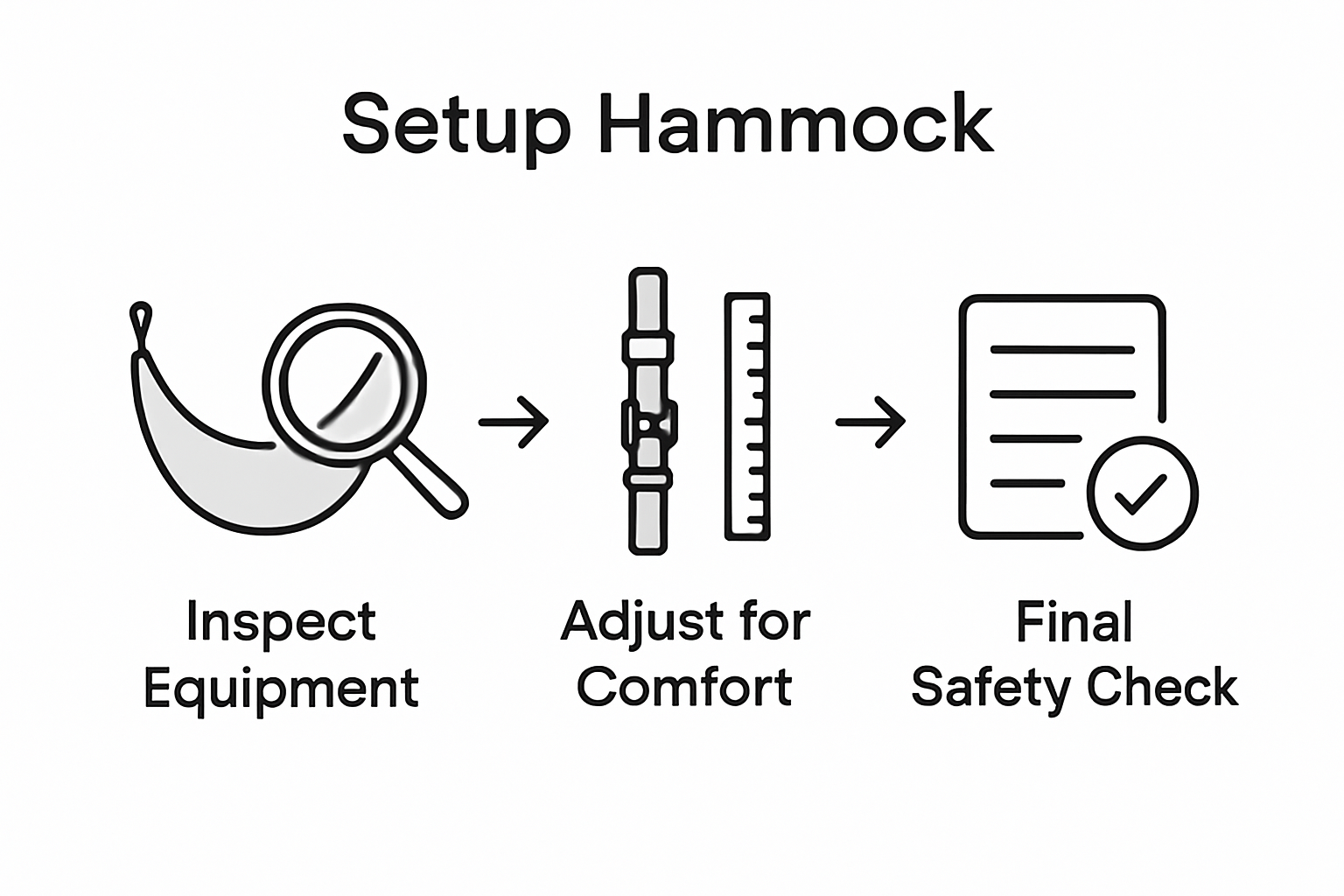
Begin by thoroughly inspecting your aerial hammock for any signs of wear or damage. Check the fabric for fraying, small tears, or weak spots that could compromise structural integrity. Run your hands along the entire length of the hammock, feeling for any rough areas or potential snag points. Aerial yoga safety guidelines recommend testing the hammock’s suspension points and ensuring all carabiners and attachment mechanisms are securely fastened. Gently apply your body weight incrementally test the hammock’s responsiveness and stability before fully committing to any poses.
Next, assess your personal comfort and physical readiness. Adjust the hammock height to match your body proportions typically positioning it at hip level when standing. Perform a few gentle test movements to understand how the fabric moves and responds to your weight. Check that the fabric feels smooth against your skin and that you have sufficient clearance around you to move freely. Pay attention to any pressure points or areas of potential discomfort particularly around your hips, lower back, and shoulders where the hammock will support your body weight.
Pro tip: Always keep a pair of safety scissors within reach during your practice. In the unlikely event that you need to quickly exit the hammock, having a cutting tool nearby can provide an additional layer of personal safety.
Step 6: Follow class guidelines for a safe, rewarding experience
Navigating your first aerial yoga class successfully requires understanding and adhering to specific studio guidelines that ensure both your safety and an enjoyable experience. This section will help you confidently integrate into the class environment and maximize your aerial yoga practice.
Pay close attention to the instructor’s initial instructions and class workflow recommendations. Most aerial yoga classes begin with a brief orientation where the instructor explains fundamental safety protocols and movement techniques. Listen carefully to guidance about proper hammock positioning, weight distribution, and basic entry and exit strategies. Respect personal space boundaries and maintain awareness of other practitioners around you. Follow the instructor’s lead during warm up sequences and modifications, understanding that each movement should be performed with controlled and deliberate motions.
Maintain open communication with your instructor throughout the class. If you feel uncomfortable, experience pain, or have difficulty executing a pose, signal the instructor immediately. Do not push yourself beyond your comfort level or attempt advanced movements without proper guidance. Stay hydrated, move slowly and mindfully, and focus on your individual progress rather than comparing yourself to other participants. Remember that aerial yoga is a progressive practice where you gradually build strength, flexibility, and confidence.
Pro tip: Always arrive at least 10 minutes early to your first few classes. This extra time allows you to acclimate to the studio environment, ask the instructor any preparatory questions, and settle into a calm mental state before beginning your practice.
Start Your Aerial Yoga Journey with Confidence and Support
Preparing for your first aerial yoga class can feel overwhelming with all the safety checks, gear choices, and studio logistics involved. This article highlights key challenges like assessing your physical readiness, mastering proper hammock setup, and following essential safety guidelines. At Amrita Yoga & Wellness, we understand that starting something new requires guidance, encouragement, and a welcoming community that helps you grow step by step.
Ready to transform your confidence into practice? Explore beginner-friendly classes tailored to ease you into aerial yoga safely. Our experienced instructors will guide you through every pose and help you personalize your practice to fit your unique needs. Visit Amrita Yoga & Wellness to discover available classes and schedule your first session today. Take advantage of a supportive environment focused on your wellness and success. Don’t wait to make your wellness goals a reality—start now with our Aerial Yoga Guide for Beginners and check out helpful resources like our Aerial Yoga Safety Explained to prepare yourself fully.
Embrace the confidence that comes from knowing you are supported. Take the first step toward a stronger, more flexible, and joyful you at Amrita Yoga & Wellness. Your aerial yoga journey awaits.
Frequently Asked Questions
What should I assess before attending my first aerial yoga class?
Before attending your first aerial yoga class, assess your physical readiness, including your core strength and flexibility. Ensure you feel comfortable with potential inversions and any pre-existing conditions by consulting with a healthcare provider if necessary.
What clothing is recommended for an aerial yoga class?
Wear form-fitting athletic clothing without zippers or sharp accessories to prevent damage to the aerial hammock. Choose moisture-wicking fabrics that allow unrestricted movement and provide coverage during your practice.
How early should I arrive at the studio for my first class?
Aim to arrive 15-20 minutes early for your first aerial yoga class to complete any paperwork and familiarize yourself with the studio environment. This extra time will help you relax and settle into your practice before it starts.
How can I ensure my aerial hammock is set up safely before class?
Inspect your aerial hammock for any signs of damage and ensure it’s securely attached to a suitable rigging point. Perform a gentle test bounce to verify stability and comfort before starting your practice.
What should I communicate to the instructor during class?
Maintain open communication with the instructor about your comfort level throughout the class. If you experience discomfort or have difficulty with any poses, signal to the instructor immediately for assistance or modifications.
What essential items should I bring to my aerial yoga class?
Bring a water bottle, a small towel, and consider grip socks for extra traction. Ensure you’re also wearing the appropriate attire to enhance your comfort and safety during the session.
Recommended
Master the Aerial Yoga Class Workflow for Success — Amrita Yoga & Wellness
Aerial Yoga Safety Explained: Complete Guide — Amrita Yoga & Wellness
Aerial Yoga Guide for Beginners: Step-by-Step Practice Success — Amrita Yoga & Wellness
Master Aerial Yoga Flexibility Exercises for Mobility — Amrita Yoga & Wellness