Pilates Continuing Education: Privates First for Students & Teachers
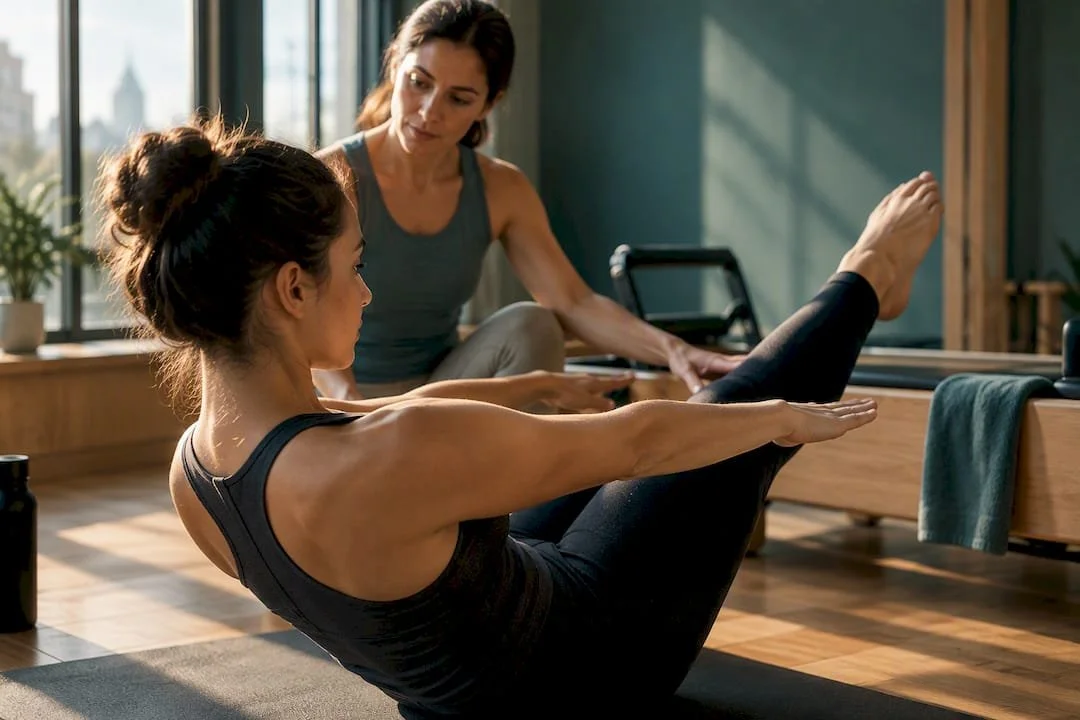
The main studio pathways for continuing your Pilates education are drop-in mat and reformer classes, focused workshops, private or small-group lessons, mentorship and apprenticeship, and full studio teacher training. Most students get the clearest answer to "what's next" by booking one diagnostic private session or a skills workshop first, which is a practical starting point offered at Amrita Yoga & Wellness.
TL;DR:
Supervised reformer classes twice weekly produce measurable strength and psychological improvements within four to six weeks, based on recent studies.
Private lessons can correct technique faster than group classes, making them essential before joining workshops or mentorship programs.
Full teacher certification programs follow ordered modules requiring specific supervised hours, avoiding advanced repertoire before mastering fundamentals.
For recreational practice, attending regular drop-in classes and occasional workshops over 6 to 12 months builds strength and body awareness effectively.
Confirm studio programs provide clear supervision ratios, written practicum hours, and specific progress assessments before enrolling in mentorship or certification pathways.
Amritayogawellness
Find Your Next Pilates Step
Explore Pilates classes, workshops, and teacher training options at Amrita Yoga & Wellness in Philadelphia.
Table of Contents
Studio Continuing Education Options Explained
Each route above serves a different goal, and matching the option to what you actually want to accomplish saves both time and money.
Drop-in mat classes are the backbone of ongoing practice. They suit anyone who wants steady conditioning, better body awareness, and the kind of repetition that builds long-term strength without a major schedule commitment. Reformer group classes add resistance and spring-based feedback, which tends to produce more measurable strength gains. An 8-week supervised Reformer program delivered three sessions a week has been shown to improve strength, endurance, and psychosomatic measures in a randomized trial of overweight and obese women, and a separate 6-week Reformer protocol reduced pain and improved psychological outcomes in people with chronic musculoskeletal pain when delivered twice-weekly in 45 to 50 minute sessions. Both studies point to the same pattern: consistent, supervised sessions multiple times a week produce measurable results within a few weeks.
Workshops and intensives target a narrow skill, such as cueing language, injury-modified practice, or a specific piece of repertoire. These typically run two to six hours or fill a weekend, making them a low-commitment way to break a plateau.
Private and small-group lessons offer one-on-one feedback that group settings cannot match. Sessions often focus on:
Correcting alignment issues that get missed in a group class
Building confidence with equipment before joining a reformer class
Preparing for a specific goal, like a return from injury or a teaching audition
Pro Tip: Use a short block of privates to fix technique before starting a workshop series, since instructors can correct habits faster one-on-one than in any group format.
Mentorship and apprenticeship come next for anyone moving toward teaching. The common structure follows a progression: assist an experienced instructor, observe full classes, then teach short segments under direct supervision before taking on a full class. Programs typically expect feedback cycles and gradually increasing responsibility rather than a sudden jump to independent teaching.
Studio teacher training ties these pieces together in sequence. Representative programs, such as Polestar Pilates' Complete Matwork Series, move through ordered modules (Principles, then Modules 1 through 3), paired with practicums and set minimums for supervised and self-directed practice hours. That module order matters: skipping ahead to advanced repertoire before mastering foundational cueing tends to slow progress rather than speed it up.
How to Choose the Right Studio Option for Your Goal
Before committing money or months to any path, run through a short checklist.
Check supervision ratios. Ask how many students share instructor attention during practicums or mentorship hours.
Ask for a sample weekly plan. A program that cannot describe a typical week is not ready to describe your progress.
Confirm practicum and mentorship hours in writing. Vague promises about "hands-on experience" are not the same as a set number of supervised hours.
Ask how progress gets assessed. Look for concrete checkpoints, not just a final certificate.
Review the cancellation and change policy. Costs and schedules shift, so know your options before paying in full.
Ask about scope for special populations. If you plan to work with prenatal, senior, or rehab clients, confirm the program actually covers those modifications.
Red flags include programs that skip observation hours entirely, instructors who cannot explain how special-population modifications are taught safely, and any teacher-track program that promises independent teaching without a supervised practicum. On cost and time scales, single workshops run a few hours, workshop series or short modules run several weeks, and full teacher-training cohorts typically span multiple months with staged tuition. The National Pilates Certification Program handbook outlines curriculum components, including anatomy, repertoire, and required observation and practice-teaching hours, as a useful reference point when comparing what a studio program actually requires.
Sample Pathways From Practice to Teaching
Three realistic timelines show how these pieces fit together depending on your goal.
Pathway A, recreational deepening (6 to 12 months): two to three weekly group classes plus an occasional workshop to sharpen specific skills, with no teaching component at all.
Pathway B, preparing to teach group classes (6 to 18 months): weekly private sessions to build technique, layered with mentorship and supervised practice teaching as confidence grows.
Pathway C, specialized or clinical focus (8 to 24 months): a mix of reformer practice, targeted workshops on populations like prenatal or rehab clients, and supervised practice teaching under a mentor experienced in that specialty.
For any of these, log hours honestly: track class attendance, private session dates, and supervised teaching minutes in a simple notebook or spreadsheet. Set milestones every four to six weeks rather than waiting for a final deadline, since short checkpoints make it easier to spot whether you are actually progressing or just staying busy.
Why Trust This Guidance
This guidance draws on studio-based teaching structures and current research on supervised Pilates delivery, plus the day-to-day class and workshop scope at Amrita Yoga & Wellness, a Philadelphia studio offering yoga, Pilates mat and reformer classes, barre, tai chi, massage therapy, and teacher trainings. The author, Juiced, covers Pilates education pathways and certification topics for the studio's blog, drawing on published research and studio program structures rather than personal instruction.
What Most Advice on This Topic Gets Wrong
Most advice treats continuing education as a straight line toward certification, as if every student who takes a workshop is angling to teach. That is not true, and the framing hurts recreational students who feel pressure to "level up" when what they actually want is a stronger, more consistent practice. The bigger mistake is skipping private sessions before jumping into a reformer class or a teacher-training cohort. A few sessions of one-on-one correction fix habits that group settings never catch, and they make every class or workshop afterward more useful. If you take one thing from this guide, prioritize honest feedback early, whether that means a private lesson or a mentor who will tell you what is not working. Certificates matter less than whether you can actually teach or move well.
— Juiced
How Amrita Yoga & Wellness Supports Your Next Step
Whatever stage you are at, Amrita Yoga & Wellness has a matching option. Ongoing practice fits into drop-in mat and reformer classes or a monthly membership. Readers working on a specific skill can book a private or small-group session to correct technique before joining a workshop or mentorship track.
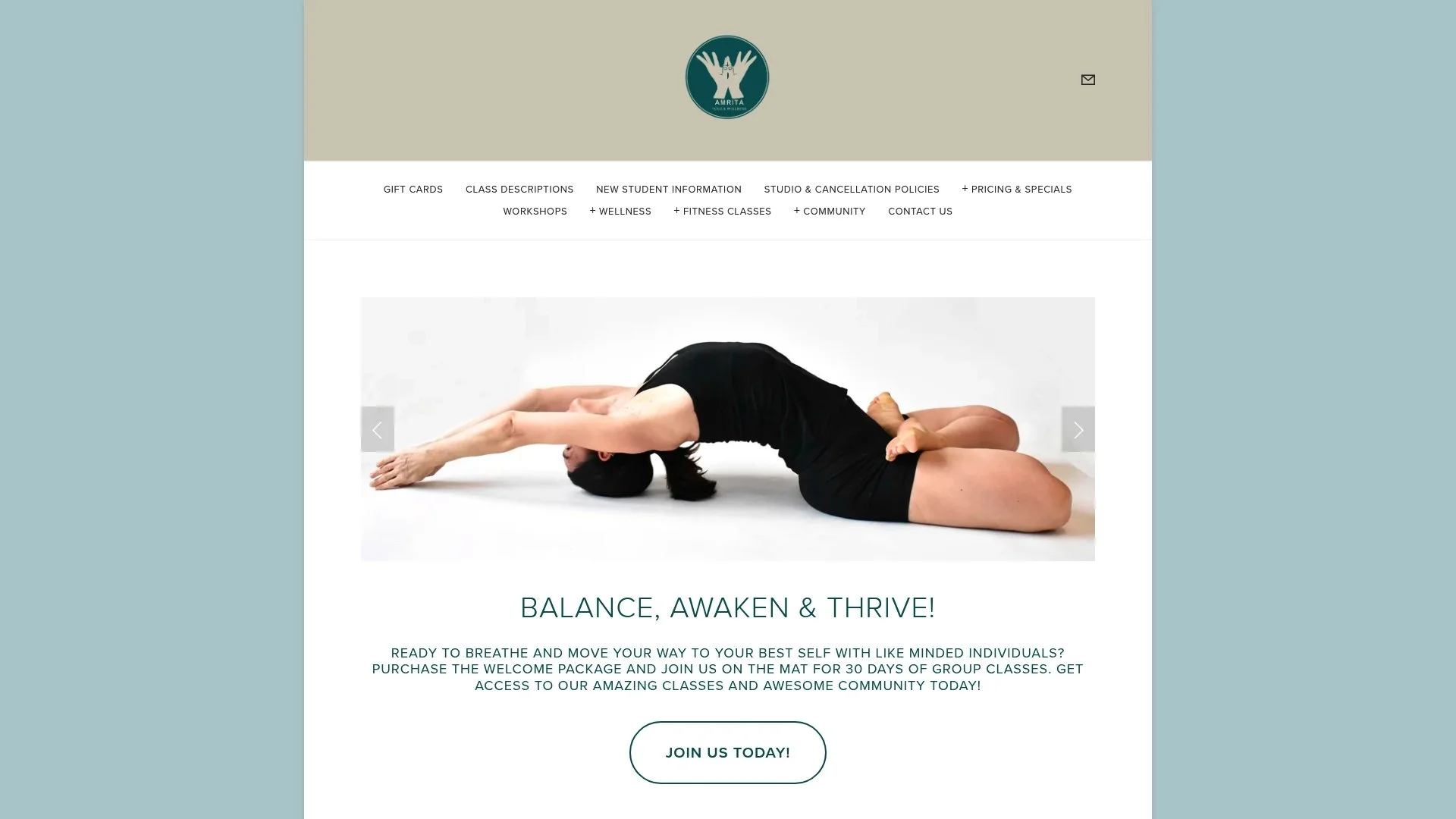
New students can also check current trial pricing before committing to a full membership. Browse the class schedule and book a session to find your starting point.
Sources
FAQ
How long does it take to prepare to teach Pilates?
Timelines vary by intensity, but a realistic range generally spans several months when combining weekly private sessions, mentorship, and supervised practice teaching. Programs that follow ordered modules, like the Polestar Complete Matwork Series, typically pace this progression through set practicum and supervised-hour requirements.
Are reformer classes better than mat classes for building strength?
Reformer classes add resistance that can produce faster, more measurable strength gains, as shown in an eight-week supervised Reformer trial with overweight and obese women. Mat classes remain valuable for conditioning and body awareness and work well alongside reformer training rather than replacing it.
What should I ask before joining a studio mentorship program?
Ask for the exact number of observation and supervised teaching hours offered, how instructor feedback is delivered, and whether you will assist, observe, and then teach under direct supervision before leading a class independently. Confirm these details in writing rather than relying on a general description of "hands-on experience."
Can private sessions help before I start a teacher-training program?
Yes, private sessions correct technique and alignment issues faster than group classes because instructors can give immediate, one-on-one feedback. Many studio programs expect a baseline of movement proficiency before starting formal mentorship, and private sessions are a practical way to build that foundation.
Where can I start if I only want to deepen my personal practice?
Regular drop-in mat or reformer classes, combined with an occasional workshop on a specific skill, cover most recreational goals without any teaching component. This pathway typically takes 6 to 12 months to show steady improvement in strength and body awareness.